In This Guide
- Top 5 Tips for One-Way RV Rental in Scotland
- Before You Book - Class, Dates, Insurance
- Pre-Trip Prep - Packing Checklist for Scotland
- On the Road - Driving, Fueling, Navigation
- At the Campground - Setup, Hookups & Etiquette
- One-Way RV Rental-Specific Tips for Scotland
- Common Mistakes to Avoid in Scotland
- How Much Does a One-Way RV Rental in Scotland Cost - Comprehensive Budgeting Guide
- What are the Driving Challenges for RVs in Scotland and Which Vehicle is Most Suitable
- Can You Wild Camp in an RV in Scotland - Realities and Responsible Practices
- What Licensing, Insurance, and Rental Requirements Apply for an RV in Scotland
- How Do Seasons Impact an RV Trip in Scotland - Weather, Crowds, and Road Conditions
- What to Do in an RV Emergency in Scotland - Breakdown, Medical, and Weather
- How to Ensure Connectivity and Navigation for Your RV Trip in Scotland
- What is Local Etiquette for RV Travelers in Scotland and How to Find Immersive Experiences
Imagine yourself winding through the breathtaking Scottish Highlands, your comfortable campervan or motorhome serving as your mobile haven. A one-way RV rental in Scotland offers an unparalleled sense of freedom, allowing you to explore diverse landscapes from cityscapes to remote lochs without needing to backtrack. Whether you dream of a week-long journey from Edinburgh to Inverness or a two-week adventure across the entire country, our aim is to make your RV trip as seamless and enjoyable as possible.
For live availability and current prices, start with our RV Rental Scotland - Complete Guide 2026 guide. We are true RV specialists, dedicated exclusively to motorhome travel, ensuring you receive unmatched personal experience and attention to the smallest details throughout your planning and booking process. Let's dive into everything you need to know for a successful one-way RV adventure in Scotland.
Top 5 Tips for One-Way RV Rental in Scotland
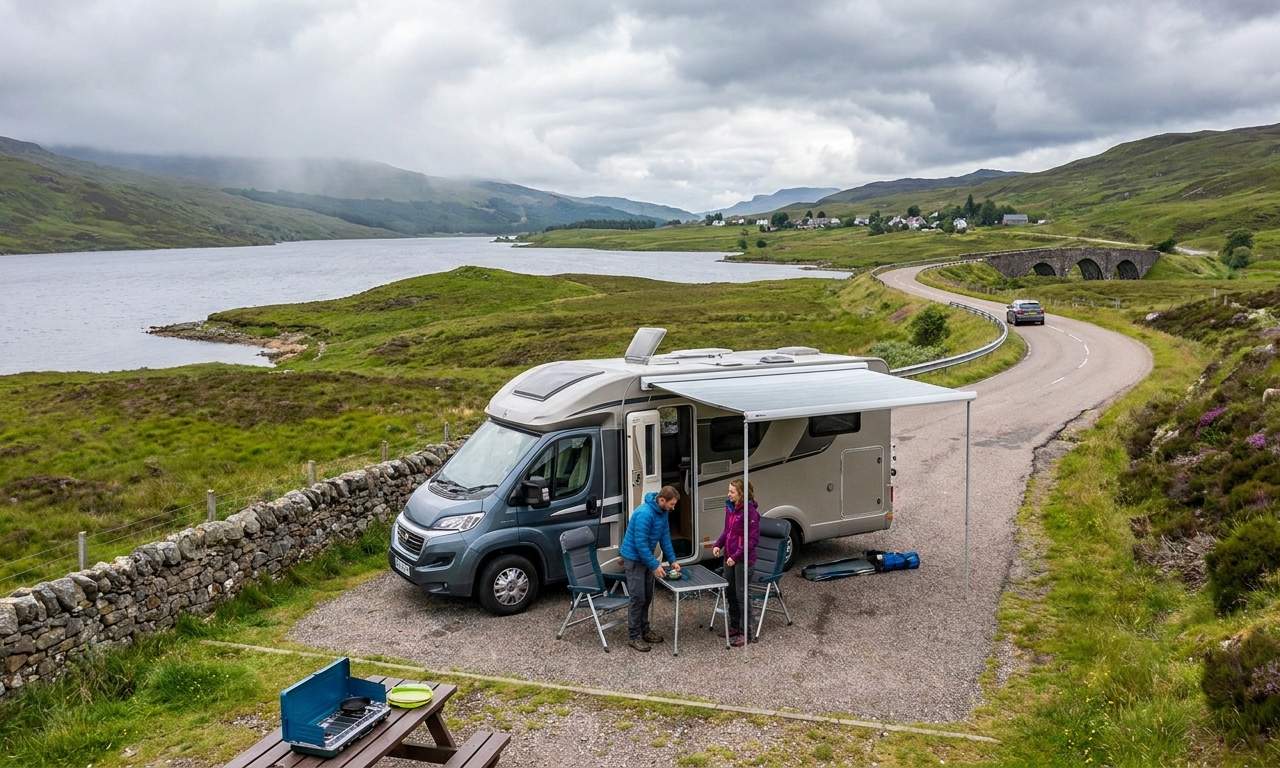
Securing your ideal one-way RV rental in Scotland requires strategic planning to maximize your adventure and minimize unexpected issues.
- Book one-way rentals well in advance: Early booking, ideally 3-6 months ahead, is crucial to secure your preferred vehicle type and ensure availability for specific pick-up and drop-off locations in Scotland, especially during the popular summer months (June-August).
- Understand the one-way fee structure: One-way rentals in Scotland typically involve a drop-off fee, which can range from £150 to £500 depending on the distance between locations and the specific supplier. Always confirm all drop-off logistics and associated costs upfront for full transparency.
- Plan a flexible itinerary: Scotland's roads, particularly in the Highlands, can be narrow and winding, leading to slower travel times. Allow for flexibility in your daily mileage, perhaps averaging 100-150 km per day, to truly soak in the scenery and account for unexpected stops.
- Pack versatile layers and waterproof gear: Scotland's weather is famously unpredictable, often delivering 'four seasons in one day'. Essential packing includes a waterproof jacket and trousers, warm layers, and sturdy waterproof hiking boots to remain comfortable in changing conditions.
- Verify comprehensive insurance coverage: Basic insurance is always included with your rental. For additional peace of mind, you can upgrade to a top-level deductible for extra coverage that might include windscreen and tire protection, which can be invaluable on Scotland's varied terrain.
Before You Book - Class, Dates, Insurance
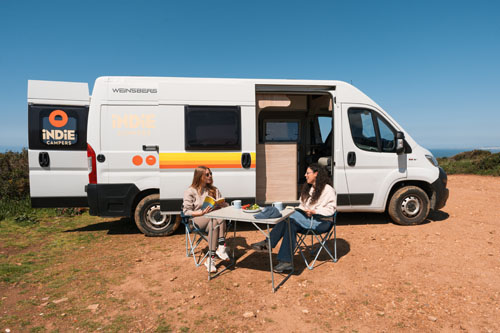
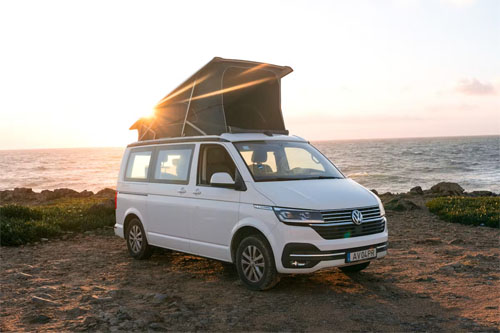
Choosing an RV class for a one-way rental in Scotland involves balancing living space with maneuverability on narrow roads, making smaller campervans or compact motorhomes a popular choice for many travelers.
For instance, a Class B campervan like the "hire campervan example Paradise S/T" which is ideal for a couple, or a slightly larger Class C motorhome, might be more manageable on scenic routes such as the North Coast 500 (NC500) than a larger Class A integrated model. Larger motorhomes, such as a "6 Berth Deluxe" or "motorhome rental example Pegasus" which are ideal for a big family / group of friends, may be more comfortable for extended trips but require more caution on smaller roads.
Locking in your one-way rental dates early, typically 3-6 months in advance, is crucial for securing your desired vehicle, especially for peak season (June-August), and ensuring specific drop-off locations are available. Spontaneous travelers can sometimes find last-minute deals, but flexibility with vehicle type and dates is key. Regarding insurance, basic coverage is always included, and you can select comprehensive coverage options during your search to see prices. Consider additional coverage for windscreen, tires, and excess reduction to travel with complete peace of mind.
Pre-Trip Prep - Packing Checklist for Scotland
Preparing for your one-way RV trip in Scotland requires a specific packing list to ensure comfort and readiness for varied conditions and to make the most of your rented motorhome's amenities.
- Waterproof jacket and trousers
- Warm layers (fleeces, jumpers)
- Sturdy, waterproof hiking boots
- Comfortable driving shoes
- Midge repellent and head net (essential for warmer months)
- Quick-drying towels
- Compact cooking pots and utensils (many rentals include basic kitchenware, but personal preferences may vary). Discover new dishes for your journey with our RV-friendly recipes playlist.
- Reusable water bottle and coffee cup
- Basic pantry items (salt, pepper, coffee, tea)
- First-aid kit
- Headlamp or flashlight
- High-visibility vest
- Multi-tool
- Valid driving license(s)
- International Driving Permit (if required)
- Rental agreement and insurance documents
- Passport/ID
- Copies of all important documents (physical and digital)
Remember that storage space in an RV is finite, so pack smartly. For a one-way RV rental, particularly, optimizing your packing to be compact is essential, as there's less opportunity to return to a 'base' and potential differences in storage capacity between your pick-up and drop-off vehicles. Lightweight, quick-drying clothing is always a good idea.
On the Road - Driving, Fueling, Navigation
Driving an RV in Scotland requires adapting to left-hand traffic, navigating narrow single-track roads with passing places, and being mindful of local wildlife.
Roads in Scotland, especially in rural areas and scenic routes like the NC500, can be significantly narrower than you might be used to. Drive slowly and carefully, and you can drive almost anywhere without issues. No need to stress - just use common sense and pay attention. When encountering single-track roads, utilize the designated "passing places" by pulling over to let oncoming traffic pass, or to allow faster vehicles behind you to overtake. A polite wave of thanks is customary!
Fueling up regularly is essential, particularly in remote areas of the Highlands and Islands where petrol stations can be sparse and have limited operating hours. It's wise to fill your tank when it drops below half. Most RVs in Scotland run on diesel (often referred to as 'red diesel' for agricultural use, but 'white diesel' for vehicles), so ensure you choose the correct pump. For navigation, while smartphone GPS apps are generally helpful, consider supplementing with offline maps or a physical road atlas, as mobile signal can be unreliable in many remote parts of Scotland. RV PLANET (rvplan.net) offers routes with detailed waypoints and information to help you plan your journey and track all ancillary expenses. On the routes offered through RV PLANET routes, you can itemize and track every expense along the way for easy budgeting.
At the Campground - Setup, Hookups & Etiquette
Upon arriving at a Scottish campground, the setup process typically involves parking, leveling your RV, and then connecting hookups in a specific order for safety and efficiency.
Once you've safely parked your rented motorhome, use leveling blocks to ensure a flat living space. Proper hookup order usually starts with electricity (using your electric hook-up cable), then freshwater (connecting a potable water hose), and finally wastewater disposal (emptying grey and black water tanks responsibly at designated points). Most campsites provide 16-amp hookups, which are sufficient for standard RV electrical needs. Adhering to campground etiquette, such as observing quiet hours (typically 10 PM - 7 AM), keeping your pitch tidy, and respecting fellow campers' privacy, contributes to a pleasant experience for everyone. Always dispose of your waste in the designated facilities. For finding campsites and campgrounds during your trip, we recommend using RV PLANET (rvplan.net) - a great resource for locating available spots along your route.
One-Way RV Rental-Specific Tips for Scotland
For a one-way RV rental in Scotland, confirming the exact drop-off location and its operating hours well in advance is crucial to avoid unexpected delays and ensure a smooth return.
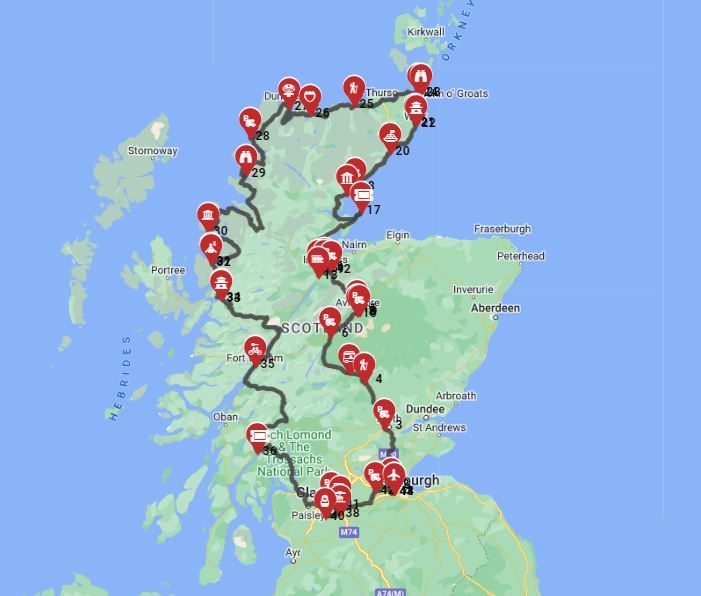
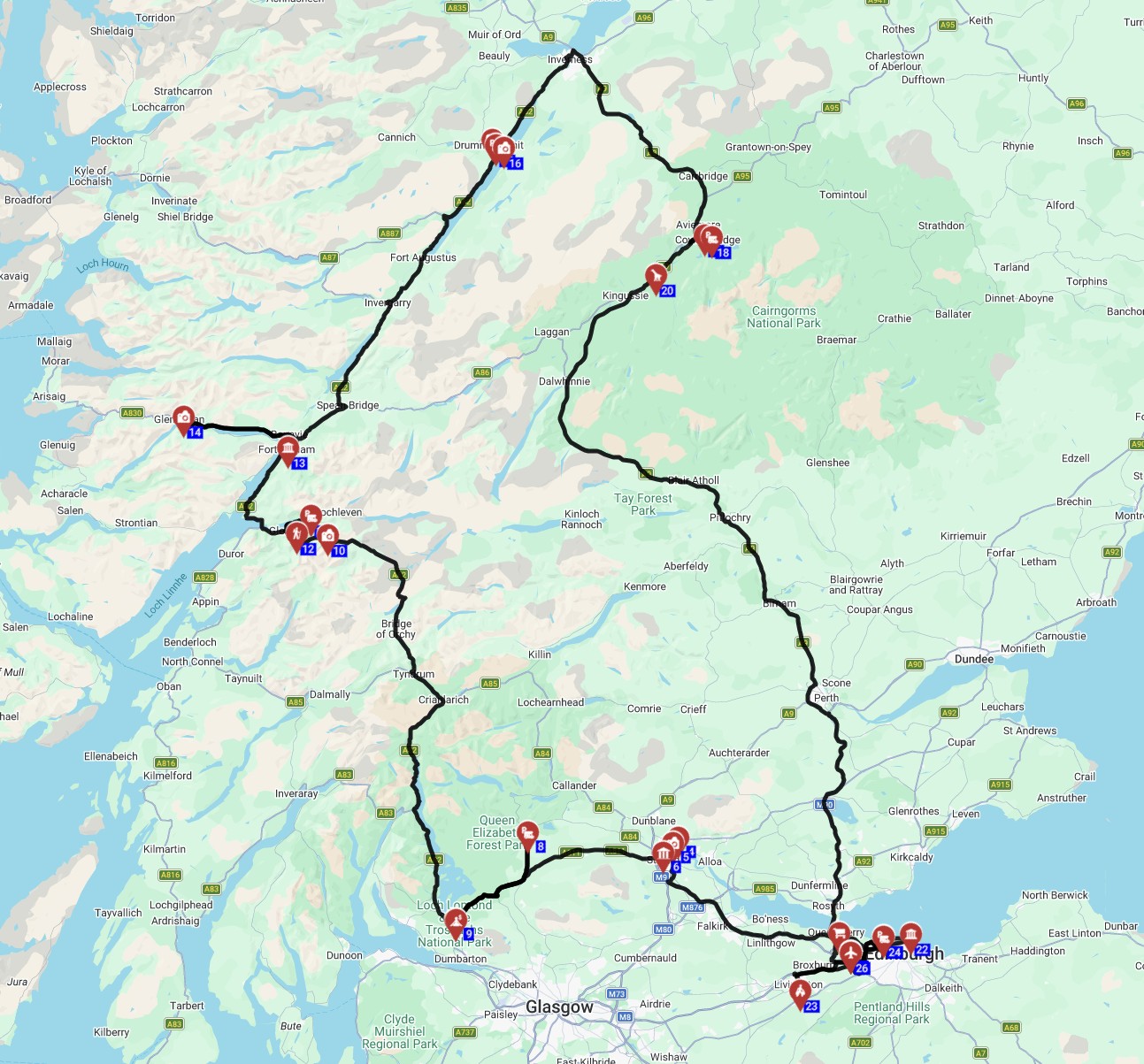
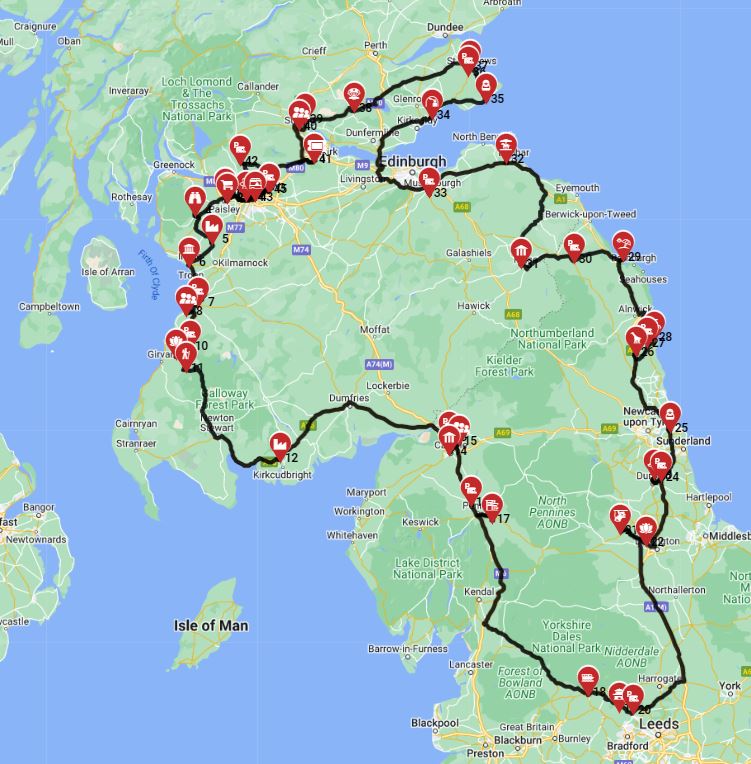
Always budget for potential one-way rental surcharges, which can vary significantly between providers and routes, by getting a clear, transparent quote upfront. These fees are a standard part of one-way travel and account for the logistics of returning the vehicle to its home depot. Optimize your packing list to be more compact, as a one-way trip means less opportunity to return to a 'base' and potentially differing storage capacities between pick-up and drop-off vehicles. Planning your route strategically is also vital to maximize exploration between your start and end points, minimizing backtracking, and considering that scenic detours might add to your one-way mileage allowance. Remember, travel slowly, max 100-150 km per day on average. Take time to feel the place, connect to the culture, the food, and the scenery. For instance, a one-way RV rental from Edinburgh to Glasgow might involve a scenic detour through the Trossachs National Park, covering approximately 200 km, while longer routes like Edinburgh to Inverness would be around 250 km direct.
Our goal at Bandana RV is to offer full transparency with no hidden fees or surprises, ensuring you know all costs involved in your one-way motorhome adventure. We compare final prices across 50+ suppliers, including partners like Apollo and Britz, so you don't have to.
Common Mistakes to Avoid in Scotland
A common mistake first-time one-way RV renters make in Scotland is failing to book RVs and campsites significantly in advance, especially during peak season (June-August), when availability can be limited and prices higher.
Instead, secure your bookings several months out if you prefer everything organized, or embrace flexibility knowing that many national and state parks reserve 25-30% of spots for first-come, first-served arrivals. You'll find a spot; if not at the first campground, then the next one. Just remember to call ahead before driving. Many travelers also underestimate driving times on Scotland's winding, often single-track roads; instead, allocate generous travel durations and enjoy the journey without rushing. Ignoring Scotland's rapidly changing weather is another pitfall; instead, pack layers and waterproof gear for all conditions, regardless of the forecast. Not thoroughly understanding the rental agreement, including mileage limits and insurance terms, can lead to unexpected costs; instead, read all documents carefully before signing. Improper disposal of waste, especially in sensitive natural areas, is a serious mistake; instead, utilize designated waste facilities at campsites and adhere strictly to 'Leave No Trace' principles. Remember, we are true RV specialists and are here to support you before, during, and after your booking, helping you navigate these common concerns.
How Much Does a One-Way RV Rental in Scotland Cost - Comprehensive Budgeting Guide
A one-way RV rental in Scotland involves budgeting for not only the base rental fee and the one-way surcharge, but also significant variable costs like fuel, varying campsite fees, attraction entries, local food, parking, and potential ferry crossings.
The base rental cost for a Class C motorhome can range from £80 per day in the low season (November-March) to £150-£200 per day during peak summer (June-August). For example, a 1-week one-way RV trip in Scotland might cost between £560-£1400 for the rental, plus a one-way fee of £150-£300. A 2-week one-way RV trip could range from £1120-£2800 for the rental, with one-way fees potentially higher for longer distances or less common routes, up to £500. For a longer 1-month one-way RV adventure, expect rental costs from £2400-£6000, with one-way fees dependent on the itinerary.
Cost by group type also impacts your budget. Couples might opt for a smaller campervan, like an "rv rental denver example Category Van" or "Active Standard Select" with typical daily rates of £70-£130, keeping costs lower. Families with kids, on the other hand, might prefer a 4-6 berth motorhome such as a "Conquest" or "motorhome hire example Big Six" for more space and comfort, which typically cost £120-£250 per day. Larger vehicles consume more fuel, further increasing daily expenses.
Fuel expenses are substantial, with petrol averaging £1.60 per liter and diesel around £1.70 per liter. An RV with a 75-liter fuel tank and consumption of 11-14 liters/100 km (for vehicles like "K4" or "F2") could easily spend £200-£400 on fuel for a week-long trip covering 500-1000 km. Campsite fees range from basic non-powered pitches at £20-£30 per night to premium sites with full hookups and amenities costing £40-£60 per night. Attraction entry fees can add £10-£25 per person per site. Local food and drink can be budgeted at £30-£50 per person per day. Potential hidden costs like ferry crossings to islands like Skye or the Outer Hebrides can significantly impact your overall budget, with car and passenger fares for a return trip often exceeding £50-£100. For easy budgeting and tracking all these expenses, consider using RV PLANET routes, where you can itemize every cost along the way.
Can I find last-minute one-way RV rental deals in Scotland? While prices are dynamic and generally increase closer to the travel date, last-minute availability does exist, especially during shoulder seasons (April-May, September-October). However, one-way rentals are less likely to have significant last-minute discounts due to the logistical costs involved for suppliers. I'm flexible - how do I find the cheapest one-way RV rental? To find the cheapest one-way RV rental in Scotland, be flexible with your dates and consider traveling during off-peak seasons. Utilizing comparison tools like Bandana RV allows you to compare final prices across 50+ suppliers, ensuring full transparency with no hidden fees, and finding the best deals across various pick-up and drop-off points.
What are the Driving Challenges for RVs in Scotland and Which Vehicle is Most Suitable
Driving an RV in Scotland presents unique challenges due to its prevalence of narrow single-track roads, steep inclines, and specific regional advisories, making careful vehicle suitability and route planning crucial.
Navigating single-track roads, common in the Highlands and Islands, requires constant vigilance for "passing places" - designated pull-offs. Drivers must be prepared to stop and reverse if necessary, always extending courtesy to oncoming traffic and local drivers. Steep ascents and descents, particularly in mountainous regions like Glencoe and the Cairngorms, demand careful gear selection and braking techniques to maintain control. It is important to note that you do not need to stress; drive slowly and carefully, and you can drive almost anywhere without issues. No need to stress - just use common sense and pay attention.
Specific routes like the North Coast 500 (NC500) and many roads on the Isle of Skye are particularly challenging for larger RVs, with many locals and experienced travelers recommending vehicles under 6 meters (20 feet) for optimal comfort and access. For instance, a compact campervan like an "Active Compact Select" with automatic transmission, or a Class C motorhome up to 7 meters, provides a good balance of amenities and maneuverability. Larger Class A motorhomes, such as a "Class A - Thor ACE 30", while luxurious, may struggle on some of Scotland's more remote and winding paths.
Can You Wild Camp in an RV in Scotland - Realities and Responsible Practices
While wild camping in an RV is generally tolerated in Scotland under the Scottish Outdoor Access Code (which applies mostly to non-motorized access), it requires strict adherence to responsible practices and an understanding of local nuances, with designated campsites often being the safest and most appropriate option for motor vehicles.
Understanding the Scottish Outdoor Access Code's interpretation for motorized vehicles is key; true 'wild camping' is for non-motorized camping, but responsible overnight parking in a motorhome is sometimes tolerated where no restrictions are in place and access is granted. This often means parking discreetly in lay-bys or remote spots for one night, leaving no trace. Practically finding suitable wild camping spots for an RV involves seeking flat areas away from residential properties, agricultural land, and any sensitive ecological sites, ensuring you don't block access or views. Always arrive late and leave early, and never leave any litter behind. Essential gear for wild camping includes sufficient water and power, a robust waste disposal system (as you won't have hookups), and critically, effective midge protection like repellents and head nets during warmer months (May-September). Adhering strictly to 'Leave No Trace' principles - packing out all waste, respecting the natural environment, and being invisible by morning - is paramount for responsible wild camping and preserving Scotland's pristine landscapes.
What Licensing, Insurance, and Rental Requirements Apply for an RV in Scotland
Renting an RV in Scotland necessitates specific licensing and insurance requirements, alongside careful scrutiny of rental agreements to ensure compliance and a smooth trip.
For licensing, a standard car driver's license is sufficient for driving all motorhome classes (Class A, Class B, and Class C) in Scotland. Drivers from the UK and EU will find their national licenses accepted. Visitors from non-English speaking countries are recommended to obtain an International Driving Permit (IDP) in conjunction with their national license, although it is not mandatory in all cases. The minimum rental age for RVs in Scotland is 21 years old, and there are no young driver surcharges or vehicle class restrictions based on age, making RV travel accessible to a broader range of travelers.
Regarding insurance, basic third-party liability coverage is always included in your rental. We highly recommend considering an optional upgrade to a top-level deductible for extra peace of mind, which can cover potential damages to the vehicle's exterior, including windscreens and tires. It is crucial to scrutinize rental agreements for clauses regarding mileage limits, security deposits, fuel policies (e.g., full-to-full), one-way fees, and any restrictions on where the RV can be driven, such as specific islands or unpaved roads. Our commitment to full transparency means no hidden fees or surprises - what you see is what you get. We help you compare final prices across over 50 leading RV suppliers worldwide, such as Apollo and Britz, to ensure you understand all aspects of your rental.
How Do Seasons Impact an RV Trip in Scotland - Weather, Crowds, and Road Conditions
The season chosen for an RV trip to Scotland significantly impacts everything from daily weather patterns and daylight hours to midge prevalence, potential road accessibility, and overall crowd levels.
Summer (June-August) offers the longest daylight hours, with up to 18 hours of light in the north, and generally the warmest temperatures, averaging 15-20°C (59-68°F). However, this period also brings peak tourist crowds to popular destinations like Edinburgh, Isle of Skye, and the NC500, and the infamous midge season, particularly in the Highlands. Campsites and rental motorhomes, including models like the "campervan hire new zealand example Aquila" or "El Monte RV rentals example Flash C714GA P", are in highest demand, making early booking essential.
Spring (April-May) and Autumn (September-October) provide a superb balance of fewer crowds, often pleasant weather, and stunning landscapes. Spring sees vibrant wildflowers and lambs, while autumn brings spectacular red and gold foliage, with temperatures averaging 8-14°C (46-57°F). Daylight hours shorten in autumn, but driving conditions are generally good. Winter (November-March) can present significant challenges, including limited daylight (as little as 6-7 hours in December), colder temperatures often below freezing, and potential road closures due to snow or ice, especially in mountain passes. While it offers a unique, tranquil experience for prepared travelers, some campsites and attractions may be closed. Consider local festival calendars, such as Highland Games or Hogmanay, which can enhance your trip but also lead to increased demand for RV parks and higher prices for rentals like the "motorhome hire new zealand example Euro Deluxe."
What to Do in an RV Emergency in Scotland - Breakdown, Medical, and Weather
Being prepared for emergencies, including vehicle breakdowns, medical incidents, or adverse weather, is crucial for a safe and enjoyable RV trip in Scotland, especially given its remote regions.
In case of an RV breakdown, immediately contact your rental company's roadside assistance; ensure you have their contact details readily available before starting your trip. Most major suppliers, like El Monte and Cruise America, provide 24/7 roadside assistance. For a medical emergency, especially in remote areas, dial 999 for immediate assistance and be prepared to provide precise location details (GPS coordinates are helpful). If getting stuck on a soft verge or in challenging terrain, assess the situation calmly; use any recovery equipment you carry (like traction mats) or call for professional assistance if needed, avoiding worsening the situation. In adverse weather conditions, such as heavy rain, fog, or snow, prioritize safety by finding a safe place to pull over, waiting for conditions to improve, or adjusting your route. Bandana RV offers comprehensive booking support and post-booking coordination to help you prepare for your journey, including advising on supplier-specific emergency contacts.
How to Ensure Connectivity and Navigation for Your RV Trip in Scotland
Reliable connectivity and navigation are essential for an RV trip through Scotland, particularly in remote areas where mobile phone signal can be intermittent and GPS reliability may vary.
While built-in GPS systems or smartphone apps like Google Maps are generally reliable on main roads, they can struggle with accuracy or provide impractical routes on less-traveled or newly developed single-track routes. For this reason, downloading offline maps (e.g., Google Maps, Maps.me, OS Maps) before your trip is highly recommended. Phone signal availability is strongest in populated areas and along major motorways but often disappears entirely in remote parts of the Highlands and Islands. To improve connectivity, consider purchasing a local SIM card from a major UK provider like EE, Vodafone, or O2 upon arrival, as they generally offer the widest coverage. Utilize Wi-Fi hotspots, available at many campsites, cafes, and visitor centers, for reliable internet access when phone signal is weak. Carrying a physical road atlas, such as an OS Road Map of Scotland, provides a reliable backup and an excellent overview of the landscape. For planning detailed route plans and finding campsites, RV PLANET (rvplan.net) is an invaluable resource, often including connectivity tips specific to locations.
What is Local Etiquette for RV Travelers in Scotland and How to Find Immersive Experiences
Understanding and respecting local Scottish etiquette, especially when interacting with communities, farmers, and wildlife, significantly enhances the RV travel experience and allows for more authentic cultural immersion beyond typical tourist routes.
When driving your rented campervan through small villages or rural areas, always show respect by driving slowly, parking thoughtfully without blocking access, and being mindful of noise levels. Exercise particular caution and respect around agricultural land and livestock: close gates behind you, keep dogs on leads, and avoid disturbing sheep or Highland cattle, especially during lambing season (spring). Practice responsible wildlife viewing by maintaining a safe distance, never feeding animals, and observing from designated viewpoints to minimize disturbance to species like red deer or golden eagles. To find immersive experiences, engage with locals at village shops, traditional pubs, or community events, look for local craft fairs, or attend a traditional Scottish music session (ceilidh). Visiting smaller, less-known historical sites and museums, often free or with a small entry fee, provides deeper insight into Scotland's rich heritage. Traveling slowly, max 100-150 km per day on average, allows you to take time to feel the place, connect to the culture, the food, and the scenery, fostering truly unforgettable memories. Bandana RV, with over 23 years of experience helping tens of thousands of travelers explore the world by RV, champions this slower, more connected travel style.
🎬 Video coming soon
What You Shouldn't Miss
- Drive the North Coast 500: This iconic 830 km (516 mile) coastal route around the north Highlands is a must-do for spectacular scenery, ancient castles, and remote villages.
- Explore the Isle of Skye: Discover dramatic landscapes like the Old Man of Storr, Quiraing, and Fairy Pools. Book ferry or bridge crossings in advance for your RV during peak season.
- Visit Edinburgh and Glasgow: Immerse yourself in the vibrant history and culture of Scotland's two largest cities. Drive slowly and carefully, and you can navigate cities in your RV without issues.
- Tour a Whisky Distillery: Many distilleries, particularly along the Speyside Whisky Trail, offer tours and tastings. Just remember to have a designated driver in your rented motorhome!
- Hike in Glencoe: Experience the majestic, haunting beauty of one of Scotland's most famous glens, offering numerous hiking trails for all abilities.
- Discover Loch Ness: Take a boat trip or visit Urquhart Castle on the shores of this legendary loch, hoping for a glimpse of 'Nessie'.
- Looking for expert insights from Avi Bandana? Top 5 Adventures - recommendations from Avi Bandana
Final Thoughts
Embarking on a one-way RV rental in Scotland is an incredible way to experience this land of dramatic landscapes, ancient history, and warm hospitality. From the rolling Lowlands to the rugged Highlands, having your own mobile home gives you the freedom to explore at your own pace, stopping wherever the mood takes you.
With careful planning for your vehicle choice, booking, and route, and by keeping our tips in mind, you're set for an unforgettable adventure. We're here to help you every step of the way, offering not just a booking platform, but comprehensive support and expert advice. So, start dreaming, start planning, and get ready to create lasting memories on Scotland's open roads!
Discover top destinations, planning tips, all in one place! Plan a trip itinerary in advance with minimal effort and maximum enjoyment. Compare One-Way RV Rental Prices for Scotland Now.