In This Guide
- Top 5 Tips for One-Way RV Rental in Greece
- Before You Book - Class, Dates, Insurance
- Pre-Trip Prep - Packing Checklist for Greece
- On the Road - Driving, Fueling, Navigation
- At the Campground - Setup, Hookups & Etiquette
- One-Way RV Rental-Specific Tips for Greece
- Common Mistakes to Avoid in Greece
- Can you camp anywhere in Greece?
- Is it easy to RV in Greece?
- What is the best month to RV in Greece?
- How much does it cost to rent an RV in Greece?
- What do I need to know about driving an RV in Greece?
- Are Greek campsites good?
- What are the roads like in Greece?
- What You Shouldn't Miss
- Why Book with Bandana Caravan
- Final Thoughts
- Frequently Asked Questions
Exploring Greece in a rented motorhome offers an unparalleled sense of freedom, allowing you to chase ancient history one day and crystal-clear waters the next. Imagine yourself waking up to the Aegean sunrise in a campervan, having just driven a scenic route from Thessaloniki to a hidden beach on the Peloponnese. A one-way RV rental in Greece provides the ultimate flexibility, letting you experience diverse landscapes and cultures without the need to circle back to your starting point. Our comprehensive RV Rental Greece - Complete Guide 2026 offers everything you need to start planning your adventure.
Top 5 Tips for One-Way RV Rental in Greece
1. Book your rented RV well in advance to secure the best vehicle and rates, especially during peak seasons when availability can drop by 50-70% for popular models. Planning ahead ensures you get the motorhome that perfectly suits your travel style, whether it is a compact Class B campervan for nimble navigation or a spacious Class C for family comfort. Early booking can save you up to 25% on your rental price.
2. Carefully review the one-way rental fees and drop-off procedures to avoid unexpected costs. One-way fees for RVs in Greece typically range from €150 to €500, varying based on the distance between your pickup and drop-off locations (e.g., Athens to Thessaloniki). Always confirm these charges with full transparency before finalizing your booking with any supplier.
3. Opt for comprehensive insurance coverage for peace of mind, particularly given varied Greek road conditions. While basic insurance is included, an optional upgrade to a top-level deductible reimbursement offers enhanced protection against unforeseen damages or incidents, ensuring your adventure remains stress-free.
4. Plan your route considering the size of your rented RV, narrow roads, and potential ferry travel to islands. For instance, smaller campervans or Class B motorhomes are often more manageable on island routes or in quaint village streets, while larger Class A or C RVs are better suited for mainland highways. Remember, you can drive slowly and carefully, and you can drive almost anywhere without issues. No need to stress - just use common sense and pay attention.
5. Take time to familiarize yourself with the RV's dimensions and controls before embarking on your journey. A quick walk-through upon pickup can save significant hassle later, ensuring you understand everything from waste disposal to appliance operation. This is part of being a true RV specialist, helping you feel confident from the moment you hit the road.
Before You Book - Class, Dates, Insurance
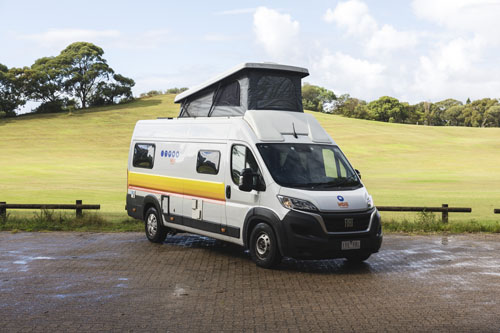
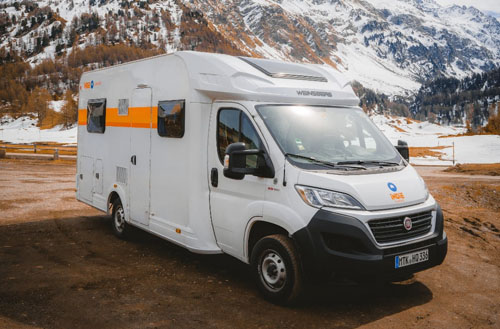
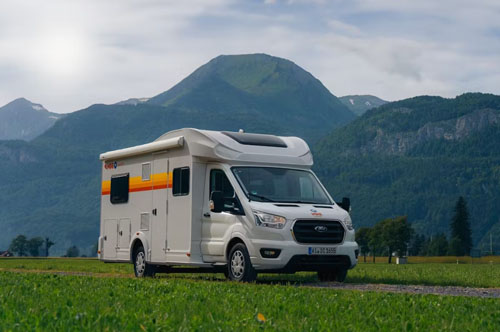
Choosing the right motorhome for your Greek adventure is crucial, and Bandana Caravan specializes in helping you find the perfect match. For Greece, smaller campervans or Class B RVs, such as the "rv rental denver example Category Van" or "hire campervan example Paradise S/T" (which is ideal for a couple and offers an automatic transmission), often offer easier navigation on narrow roads, especially for island hopping to places like Crete or Chania - Airport. These vehicles, typically under 6 meters in length, provide excellent maneuverability. Larger Class C or Class A motorhomes, like the "rv rentals example Comfort Class" (ideal for families of 2+2 with three double beds), are better suited for mainland highways and designated campsites with more spacious pitches. Considering the diverse terrain from coastal roads to mountainous regions, matching your RV's size to your itinerary is key for a comfortable and enjoyable trip.
Locking in your travel dates as early as possible is vital, particularly if planning to visit during the high season (June-August) or major holidays, when availability is limited and prices are significantly higher due to demand. Shoulder seasons, such as April-May and September-October, offer a great balance of pleasant weather, fewer crowds, and better availability at campsites. Our expertise as true RV specialists means we understand market dynamics, allowing us to help you compare prices across suppliers and secure the best deals. Being flexible with your dates, even by a few days, can often lead to substantial savings on your one-way RV rental in Greece.
Basic insurance is always included with your rental. For complete peace of mind, select the comprehensive coverage option during your search on our platform to see prices that include maximum protection. This additional coverage provides full protection against damages, theft, or roadside assistance, making sure you are covered regardless of unexpected events. At Bandana Caravan, we believe in full transparency, which means no hidden fees or surprises - what you see is what you pay. We are with you before, during (through our booking support), and after your booking, ensuring you feel confident in your insurance choice for your one-way RV trip in Greece.
Pre-Trip Prep - Packing Checklist for Greece
A well-prepared packing list will enhance your one-way RV rental experience in Greece, ensuring you have everything you need without over-cluttering your mobile home. Essential documents include your passport, a valid national driver's license, and an International Driving Permit (IDP), which is recommended for non-EU license holders, although often not mandatory. Don't forget your RV rental booking confirmation and travel insurance details, along with digital and physical copies of all important documents for easy access.
For clothing, lightweight options, swimwear, comfortable walking shoes, and sandals are crucial for Greece's warm climate. A light jacket or sweater is advisable for cooler evenings, particularly in mountainous areas or during shoulder seasons. Sun protection is key, so bring a sun hat, sunglasses, and high-SPF sunscreen. Even during the warmer months, a light rain jacket can be useful for unexpected showers.
When it comes to your RV kitchen, packing smart will make meal preparation a breeze. Reusable water bottles, a small cooler for day trips, basic cooking spices, and instant coffee or tea are highly recommended. A sharp knife, reusable shopping bags for local markets, dish soap, and a sponge are practical items to bring. Cooking in your rented RV allows for budget-friendly meals and a taste of local ingredients. For inspiration on what to whip up on the road, check out our RV-friendly recipes playlist.
For safety and other essentials, a first-aid kit, insect repellent, a power bank for electronics, and a European travel adapter are indispensable. A headlamp or flashlight is handy for navigating campgrounds at night, and a physical map serves as a reliable backup to GPS, especially in rural areas where cell service might be spotty. Remember, you can find a suitable motorhome such as the "cruise america rv rental example Explorer" with a 75-liter fuel tank and 82-liter fresh water tank that comfortably sleeps 4, or a smaller, more nimble "rv rent example A1" which is ideal for a couple, featuring a shower and toilet.
On the Road - Driving, Fueling, Navigation
Driving a rented RV in Greece demands adaptability due to varied road conditions. While major national highways like the Egnatia Odos are modern and well-maintained, secondary roads, especially in mountainous regions or on islands like Crete, can be narrow, winding, and sometimes poorly surfaced. Greek drivers can be assertive, so maintaining awareness and defensive driving practices is essential. Remember to drive slowly and carefully, and you can drive almost anywhere without issues. No need to stress - just use common sense and pay attention to your surroundings, particularly for signage in both Greek and English on main routes.
Fueling your motorhome in Greece is straightforward, with Diesel (petreléou) and unleaded gasoline (amólyvdi) widely available at numerous stations. Fuel prices can be higher than in some other European countries, so it is wise to budget accordingly for ancillary costs like this. Look for larger stations on main routes for easier access, especially if you're driving a larger Class C or A motorhome. For comprehensive budgeting tools that can itemize and track every expense on your trip, explore RV PLANET routes. This can help you manage your fuel and other daily expenses seamlessly. On the routes offered through RV PLANET routes, you can itemize and track every expense along the way for easy budgeting.
For navigation, while GPS is highly beneficial and often included in newer rented RVs, it is always recommended to have an offline map or physical map as a backup. This is particularly useful in rural areas or on smaller islands where cell service might be unreliable. Road signs are typically in both Greek and English on major routes, making it easier for international travelers. For more detailed route planning, our Rent&Plan service offers pre-planned routes by professionals, saving you time and ensuring you discover hidden gems across Greece, from Athens to the ancient ruins of Delphi or the monasteries of Meteora.
At the Campground - Setup, Hookups & Etiquette
Upon arrival at a Greek campground, the initial setup of your rented RV is a straightforward process to ensure comfort and safety. First, choose a level spot if possible, or use leveling blocks to create an even surface for optimal comfort and appliance operation. Once positioned, secure your RV with wheel chocks and extend any slides or awnings carefully, always checking for adequate clearances from trees, neighboring campers, and utility posts.
Connecting your utilities involves a specific sequence. Connect your electricity first, typically using a 2-pin European standard plug, to power your onboard systems. Then, connect your fresh water hose to replenish your internal tank. Always connect waste hoses last, emptying your black water tank first, followed by your grey water tank. Ensure all tanks are properly closed when not actively emptying to prevent leaks and maintain hygiene. It's good practice to carry adapter plugs for electricity and various hose connectors, as campground setups can sometimes differ.
Observing local campground etiquette ensures a harmonious experience for everyone. Respect quiet hours, which are typically enforced from 2 PM to 5 PM for the traditional Greek siesta and from 11 PM to 7 AM for nighttime rest. Keep your campsite tidy, disposing of all waste properly in designated bins. Be mindful of noise levels from music or conversations, and respect the privacy of other campers. Utilize designated waste disposal and fresh water refill stations as indicated by the campground, as these facilities are crucial for responsible RV travel. For finding campsites and campgrounds during your trip, we recommend using RV PLANET (rvplan.net) - a great resource for locating available spots along your route.
One-Way RV Rental-Specific Tips for Greece
For budget travelers, a one-way RV rental in Greece offers unique cost-saving opportunities. Seek out free overnight parking options where tolerated, always checking local signs and respecting private property to avoid fines. Prioritizing cooking meals in your rented RV's kitchen saves significantly on dining costs, especially if you shop at local markets for fresh, affordable ingredients. Focus on free or low-cost activities such as hiking along coastal paths, relaxing on public beaches, and exploring charming, less-touristed villages. Consider traveling during the shoulder seasons (April-May, September-October) for lower rental rates and campsite fees, reducing overall trip expenses.
Families with kids embarking on a one-way RV adventure will benefit from planning shorter driving days, ideally no more than 100-150 km per day on average. This allows ample time for children to play, explore, and rest, preventing travel fatigue. Incorporate stops at playgrounds, family-friendly beaches, and archaeological sites that offer engaging activities for younger visitors. When selecting your motorhome, ensure it has adequate sleeping arrangements, like bunk beds found in models such as the "Group G" with a sleeping capacity for 7, and essential safety features like car seat anchors. Planning activities around family interests helps create a memorable and relaxed itinerary.
Senior travelers often prioritize comfort and ease of travel. Consider renting an automatic transmission RV for simpler driving, especially on Greece's varied terrain. Look for motorhome models with accessible layouts, spacious bathrooms, and comfortable living areas, such as a Class A or larger Class C RV. Planning for longer stays at each location, perhaps three to four nights, allows for unhurried exploration and sufficient rest, promoting a more leisurely pace. Using RV PLANET (rvplan.net) to pre-plan your route can highlight accessible campsites and points of interest, enhancing the comfort of your one-way trip.
Luxury travelers can explore premium RV models offering advanced amenities like larger refrigerators, better climate control systems, and more spacious living areas. Many suppliers offer exclusive Class A or B motorhomes designed for upscale comfort. Consider booking private pitches at upscale campsites or integrating boutique hotel stays for a varied and indulgent travel experience. Renting a campervan with features like a television and premium furnishings ensures a sophisticated base for exploring Greece's high-end destinations, from the island of Mykonos to the vibrant city of Athens. With Bandana Caravan, you can compare a wide range of luxury options to match your exact preferences.
Common Mistakes to Avoid in Greece
One common mistake RV renters make in Greece is underestimating travel times, especially when embarking on a one-way route. Instead, allow extra time for winding roads, unexpected photo stops, and potential detours, particularly in mountainous regions like the Pindus range. Driving distances that appear short on a map can take significantly longer due to road conditions and elevation changes. Embrace the slow travel philosophy, aiming for a maximum of 100-150 km per day on average, to truly feel the place, connect to the culture, the food, and the scenery.
Another frequent error is not booking accommodations or ferry tickets in advance, particularly during peak season (June-August). While many national and state parks reserve 25-30% of spots for first-come, first-serve, relying solely on this can lead to disappointment. For popular islands or specific dates, reserving campsites and ferry tickets for your RV several weeks or even months ahead is highly recommended to avoid sold-out situations. Always call ahead to campgrounds before driving a long distance, especially if you haven't booked a spot.
Ignoring local customs can also lead to misunderstandings. Instead, learn a few basic Greek phrases, respect siesta hours (typically 2 PM to 5 PM) when many shops close, and be mindful of local traditions, especially in smaller villages. A simple "Kalimera" (good morning) or "Efharisto" (thank you) goes a long way. Demonstrating respect for the local way of life will often open doors to warmer interactions and genuine hospitality from Greek locals during your one-way motorhome adventure.
Overpacking the RV is a common pitfall for first-timers, adding unnecessary weight and clutter. Instead, pack light and strategically, remembering that Greece has numerous markets and shops where you can purchase essentials like groceries and personal care items. This reduces fuel consumption and makes your rented campervan more comfortable and organized. Finally, disregarding waste disposal rules is a critical mistake. Always use designated grey and black water dumping stations at campsites or authorized facilities to protect Greece's beautiful environment and avoid potential fines. Our emphasis on full transparency means we encourage responsible and respectful travel practices.
Can you camp anywhere in Greece?
No, wild camping or free camping is generally prohibited by law across Greece, with local authorities imposing fines that can range from €150 to €300 per incident. This regulation applies to beaches, archaeological sites, national parks, and public lands to protect the environment and maintain order. While strict, certain remote areas, especially less-visited beaches or quiet spots, might tolerate discreet overnight parking for self-contained RVs, but this is always at your own risk and subject to varying local enforcement.
It is always safest and highly recommended to utilize official campsites, which are widely available throughout the mainland and on many popular islands. These campgrounds provide necessary amenities such as electricity hookups, fresh water, waste disposal points, and often shower and toilet facilities, ensuring a comfortable and legal stay. For finding campsites and campgrounds during your trip, we recommend using RV PLANET (rvplan.net) - a great resource for locating available spots along your route and understanding their facilities.
Always look for clear signs indicating camping restrictions, and respect private property boundaries to avoid legal issues or upsetting local communities. Developing a good relationship with locals, especially through patronage of their tavernas or shops, can sometimes lead to informal and tolerated overnight parking suggestions, but this is never guaranteed. Planning your overnight stops at official sites helps support local tourism infrastructure and ensures a worry-free one-way RV rental experience in Greece.
Is it easy to RV in Greece?
RVing in Greece offers incredible freedom and beauty, but it presents unique challenges that require adaptability, especially regarding narrow roads, varied infrastructure, and local driving styles. While the adventure is immensely rewarding, travelers should be prepared for roads that range from modern multi-lane highways to winding, single-lane paths, particularly when exploring rural areas or smaller islands like those around Athens or Thessaloniki. Navigating these varied conditions, along with the often-congested streets of towns and cities, can be tricky, particularly for larger Class A or C motorhomes.
Ferry travel to the Greek islands with a rented RV requires careful planning and often advance booking, as space for larger vehicles can be limited and significantly more expensive than for cars. RVs are typically priced based on their length, height, and weight for ferry crossings, with costs sometimes matching a small car plus two passengers. It is essential to research specific ferry routes and book well in advance, especially during peak season, to ensure your RV can be accommodated and to avoid last-minute availability issues. Bandana Caravan's expertise as true RV specialists can guide you through these logistics.
Choosing a smaller campervan or a compact Class B motorhome can significantly enhance the ease of travel and maneuverability, especially when exploring less-traveled paths, crowded island villages, or busy city centers. Even in cities, remember that you can drive slowly and carefully, and you can drive almost anywhere without issues. No need to stress - just use common sense and pay attention to parking and clearance. Overall, with a bit of preparation and an adventurous spirit, RVing in Greece is a manageable and highly rewarding way to experience the country's stunning diverse landscapes and rich cultural heritage.
What is the best month to RV in Greece?
The best months to RV in Greece are typically the shoulder seasons, April-May and September-October, as these periods offer an ideal balance of pleasant weather, fewer crowds, and better availability at campsites. During April and May, temperatures range from 18-25°C, making it perfect for exploring ancient sites, hiking, and enjoying coastal drives in a rented motorhome. The landscape is lush, and spring flowers are in bloom, offering picturesque scenery.
September and October also provide excellent conditions, with temperatures from 20-28°C and the sea still warm enough for swimming. The peak summer heat and crowds have subsided, allowing for a more relaxed one-way RV trip. Many tourist services are still fully operational, but you will experience roughly 20-30% fewer tourists at popular destinations and more readily available pitches at campgrounds across the mainland and islands. This makes it easier to spontaneously find a spot if you haven't pre-booked, as many national/state parks reserve only 25-30% of spots, with the rest being first-come, first-serve.
Summer (June-August) brings very high temperatures, often exceeding 30°C, especially inland, and is the busiest time for tourism. This leads to crowded beaches, full campsites, and higher prices for RV rentals and services. While vibrant, it requires more diligent planning and booking. Winter (November-March) offers the fewest tourists and lowest costs, but many campsites and tourist services, especially on the islands, may be closed or have reduced availability, making planning more complex for a comprehensive one-way RV adventure in Greece.
How much does it cost to rent an RV in Greece?
The cost to rent an RV in Greece varies significantly based on the vehicle class, rental duration, season, and the specific one-way fee, generally ranging from €80 to €250+ per day. Like flight tickets, prices are dynamic and change daily based on availability, seasonality, and supplier marketing decisions. For instance, a smaller campervan, such as the "rv rental denver example Category Van" for two people, in the low season (e.g., November) might start around €80-€120 per day. In contrast, a larger, more luxurious Class C motorhome like the "Euro Deluxe" for a family of 4-6 during peak season (July-August) can easily exceed €200-€250 per day.
One-way fees are an additional, transparent expense, calculated based on the distance between your pickup and drop-off locations, such as Athens to Thessaloniki. These fees typically range from €150-€500 and are clearly itemized in your quote, ensuring full transparency with no hidden surprises. Beyond the base rental cost and one-way fees, comprehensive budgeting should include several ancillary expenses. Fuel prices are generally higher in Greece compared to some other European countries, so a budget of €1.80-€2.00 per liter for diesel is a realistic estimate. Toll road fees, especially on major highways, and ferry costs for RVs, which can be substantial depending on the vehicle size and route, must also be factored in.
Daily campsite fees typically range from €15-€40 per night for a powered pitch, depending on the location and amenities. Groceries and dining out will also impact your total trip cost; cooking meals in your rented RV can significantly reduce this expense. Our Rent&Plan service allows you to itemize and track every expense along the way for easy budgeting. Flexible travelers can often find cheaper one-way RV rental deals in Greece by choosing off-peak dates or being open to different vehicle models. Booking 3-6 months in advance often secures the best rates, with potential savings of 15-25%.
What do I need to know about driving an RV in Greece?
Driving a rented RV in Greece requires travelers from non-EU countries to possess an International Driving Permit (IDP), which must be presented along with your valid national driver's license. For EU citizens, a standard national driver's license is sufficient for all motorhome classes (Class A, Class B, and Class C). The minimum rental age for any motorhome or campervan in Greece is 21 years, and there are no young driver surcharges or vehicle class restrictions based on age, making RV travel accessible to a wide range of adventurers.
Be prepared for local driving habits, which can be more assertive and fast-paced compared to some other countries. Greek drivers may pass on the right or left, and horn use is common. Maintaining a defensive driving approach and being constantly aware of your surroundings are key to navigating Greek roads safely. Drive slowly and carefully, and you can drive almost anywhere without issues. No need to stress - just use common sense and pay attention. Speed limits are generally 50 km/h in urban areas, 90 km/h on open roads, and up to 110-130 km/h on motorways, with strict enforcement in place. Always adhere to posted limits.
Parking in city centers, such as Athens or Thessaloniki, can be particularly challenging for RVs due to narrow streets and limited parking spaces. It is often more practical to find campsites on the outskirts of major cities and utilize public transport, taxis, or smaller rental vehicles for urban exploration. When parking your RV, always ensure you are not obstructing traffic or private access. For one-way RV rentals, consider routes that minimize extensive city driving, focusing instead on Greece's stunning coastal routes and national parks, ensuring a more relaxed and enjoyable journey. Our Rent&Plan services can help craft such itineraries, guiding you through scenic routes from Crete to the mainland.
Are Greek campsites good?
Greek campsites offer a diverse range of experiences, from basic coastal spots with essential facilities to well-equipped resorts featuring swimming pools, restaurants, and entertainment programs. Travelers can find campsites that cater to various preferences and budgets, whether seeking a rustic escape or a comfortable base with modern amenities. The quality of facilities varies significantly between campgrounds, so it is advisable to research specific sites and read recent reviews to match your expectations for your one-way RV rental in Greece.
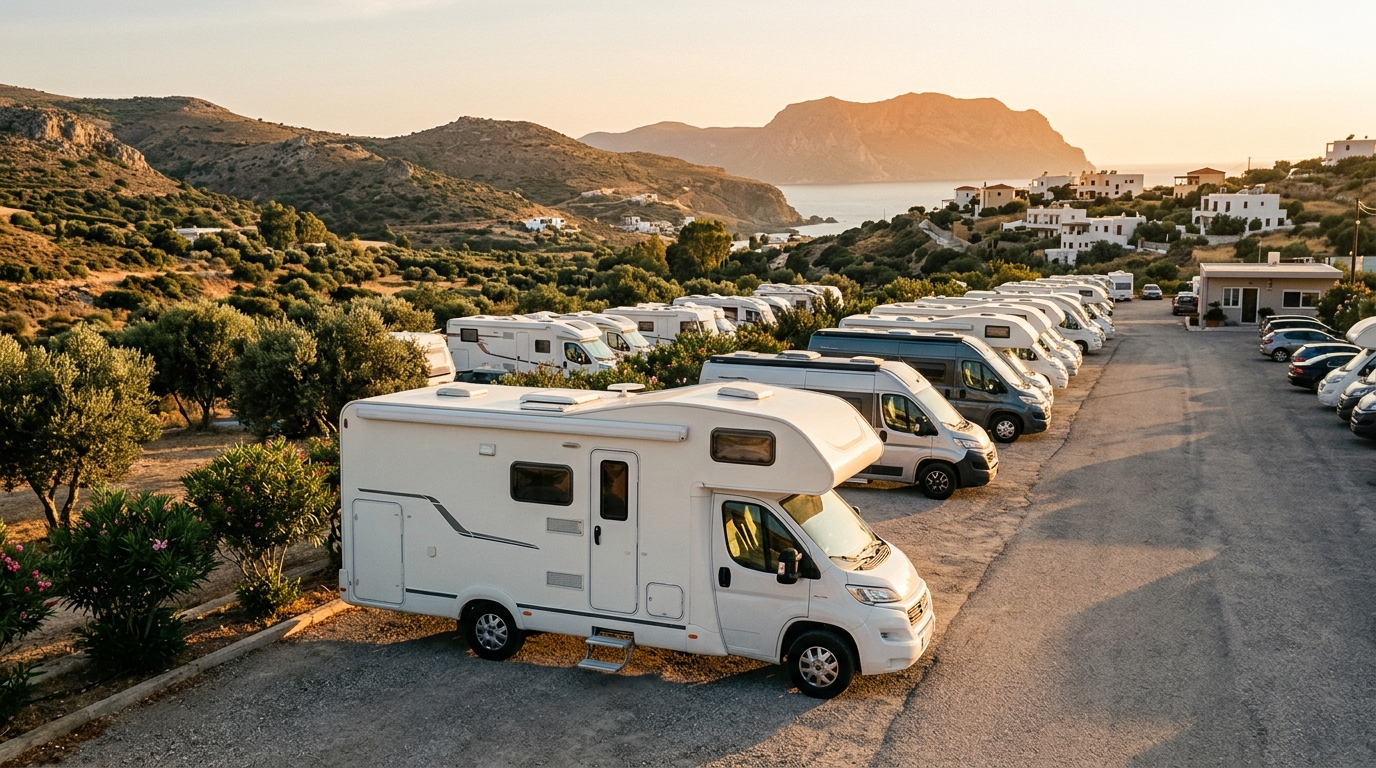
Many Greek campgrounds, particularly the larger and more popular ones, provide electricity hookups (typically 2-pin European standard), fresh water refill stations, and designated grey and black water disposal points. These essential services ensure that your rented motorhome is self-sufficient and comfortable throughout your extended road trip. Some campsites also offer laundry facilities, mini-markets, and communal kitchens. Coastal campsites are particularly popular across Greece, often boasting direct beach access and stunning sea views, making them an excellent base for exploring the country's beautiful coastline and islands.
It is highly recommended to book ahead, especially during peak travel periods (June-August), to secure a spot at desirable campgrounds, particularly if you are traveling with a larger Class C or A RV. While many national/state parks reserve only 25-30% of spots for advance bookings, with the rest being first-come-first-serve, popular sites fill up quickly. For finding campsites and campgrounds during your trip, we recommend using RV PLANET (rvplan.net) – a great tool for locating available spots along your route and ensuring a smooth journey in your rented campervan across Greece.
What are the roads like in Greece?
Greek roads vary significantly across the country, providing a diverse driving experience for those on a one-way RV rental adventure. Major national highways, such as the Egnatia Odos connecting Igoumenitsa to the Turkish border, are modern, well-maintained, and typically offer smooth travel between key regions. These highways often feature multiple lanes, clear signage, and can accommodate larger motorhomes like the "MH-A" (a Class C motorhome with an approximate length of 8.8 meters) without major issues.
However, secondary and rural roads, especially in mountainous areas like the Pindus or Taygetus ranges, remote regions, or on many islands (e.g., Crete, Rhodes), can be quite different. These roads are often narrow, winding, steep, and may sometimes be poorly surfaced with potholes or gravel sections. When driving a rented RV on these roads, it is crucial to exercise extra caution, reduce your speed, and be mindful of oncoming traffic and local drivers. Drive slowly and carefully, and you can drive almost anywhere without issues. No need to stress - just use common sense and pay attention to the conditions.
Urban roads in cities and villages are frequently congested and often designed for smaller vehicles, featuring tight turns and limited space. This can pose a significant challenge for larger RVs, making navigation and parking difficult. When planning your route for a one-way RV trip in Greece, consider these varied conditions. Opting for a smaller campervan or Class B motorhome may provide greater flexibility and ease of maneuvering in more constrained areas. Always be prepared for diverse driving scenarios, including unlit roads at night and sharp bends in scenic coastal areas, to ensure a safe and enjoyable journey across Greece.
🎬 Video coming soon
What You Shouldn't Miss
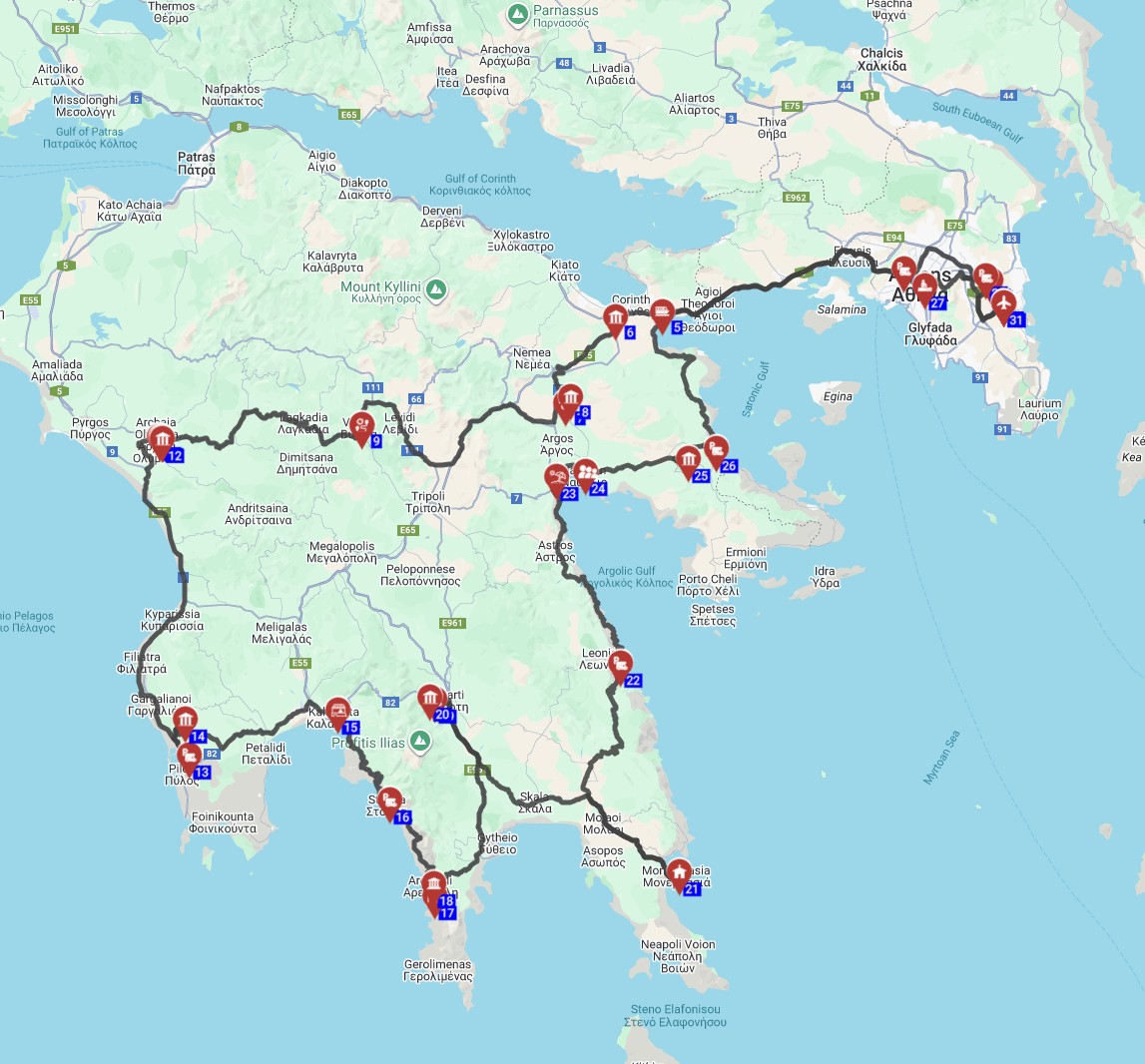
- Drive the Peloponnese Coast: Explore the ancient ruins of Olympia and Mycenae, then unwind on the pristine beaches of Voidokilia. This route offers a perfect blend of history and relaxation for your rented motorhome.
- Discover the Monasteries of Meteora: Witness the breathtaking cliff-top monasteries, a UNESCO World Heritage site, offering unparalleled views and a unique spiritual experience. The drive through this region in your RV is spectacular.
- Explore Crete's Diverse Landscapes: Pick up your campervan at Chania - Airport or Heraklion - Airport and traverse Crete, from the vibrant Venetian harbor of Chania to the dramatic Samaria Gorge and the pink sand beach of Elafonisi.
- Island Hop (with planning): While requiring careful ferry bookings for your RV, visiting islands like Naxos or Paros after exploring Athens provides a true taste of Greek island life, complete with charming villages and stunning beaches.
- Savor Local Flavors: Connect with the culture by sampling fresh seafood in coastal tavernas and enjoying authentic Greek cuisine prepared with local olive oil. Finding local markets in your RV is part of the fun!
Looking for expert insights from Avi Bandana? Top 5 Adventures - recommendations from Avi Bandana
Final Thoughts
A one-way RV rental in Greece opens up a world of discovery, allowing you to immerse yourself in ancient wonders and breathtaking natural beauty at your own pace. From the bustling streets of Athens to the tranquil beaches of Crete, having your own mobile home provides unparalleled flexibility. Remember to embrace slow travel, averaging 100-150 km per day, to truly connect with the diverse culture and incredible scenery. With careful planning, choosing the right motorhome, and understanding local customs and regulations, your Greek road trip will be an unforgettable adventure.
At Bandana Caravan, we are dedicated to making your RV rental experience in Greece as seamless and enjoyable as possible. Our full price transparency, expert advice, and comprehensive support ensure that you embark on your journey with complete confidence. Whether you dream of a week-long trip through the Peloponnese or an extended adventure across the mainland and islands, we are here to help every step of the way.
So, are you ready to chart your course through the cradle of civilization with the freedom of an RV? Discover top destinations, planning tips, all in one place! Get inspired for your next trip and start planning your one-way motorhome adventure in Greece today!
Compare One Way RV Rental Prices for Greece