In This Guide
- Top 5 Tips for one way rv rental RV Rental in Croatia
- Before You Book — Class, Dates, Insurance
- On the Road — Driving, Fueling, Navigation
- At the Campground — Setup, Hookups & Etiquette
- One way rv rental-Specific Tips for Croatia
- Common Mistakes to Avoid in Croatia
- What is the best route for a one-way RV trip in Croatia?
- How much does a one-way RV rental in Croatia cost?
- Are there specific rules for driving an RV in Croatia?
- Can I wild camp with an RV in Croatia?
- What amenities do RV campgrounds in Croatia offer?
- What do I need for cross-border RV travel from Croatia?
- How do I book an RV ferry in Croatia?
- Is RV travel safe in Croatia?
- What are the cultural etiquette tips for RVers in Croatia?
Top 5 Tips for one way rv rental RV Rental in Croatia
Embarking on a one-way RV adventure in Croatia offers unparalleled freedom to explore its stunning coastline and historic cities. To make the most of your journey, consider these essential tips for a smooth and unforgettable experience. Planning ahead is key to navigating the specifics of one-way rentals, ensuring you find the best vehicles and routes to suit your travel style.
Book early for the best selection and prices, especially during peak season. Croatia's popularity as a travel destination means RV availability can be limited, particularly for one-way rentals. Booking 3-4 months in advance, especially for July and August, can help secure better rates and a wider choice of vehicles, from compact campervans to spacious motorhomes.
Factor in one-way fees; these vary significantly by supplier and distance. One-way rental fees are common in Croatia and are essentially relocation costs. These can range from €300 to €800 or more, depending on the pick-up and drop-off locations and the rental company's policies. Always compare final prices to understand the total cost. On the routes offered through RV PLANET routes, you can itemize and track every expense along the way for easy budgeting.
Plan a flexible itinerary to enjoy Croatia's diverse regions without backtracking. A one-way trip allows you to explore more ground efficiently, perhaps starting in the Istrian peninsula and ending in Dubrovnik, or vice versa. This maximizes your exposure to different landscapes and cultural experiences, from Roman amphitheaters to stunning national parks.
Confirm drop-off locations and times carefully to avoid additional charges. Ensure you are clear on the exact drop-off location and the required return time. Some rental companies may have specific hours for returns, and late returns can incur significant penalties. For finding campsites and campgrounds during your trip, we recommend using RV PLANET (rvplan.net) — a great resource for locating available spots along your route.
Choose an RV size suitable for both coastal roads and potential city parking. Croatia's beautiful coastline features many narrow, winding roads. While any RV size can navigate these with care, a smaller campervan might offer more ease in historic town centers and during ferry crossings. Consider a vehicle like the 'Compact Plus' model, known for its maneuverability, making it a great option for exploring charming villages.
Before You Book — Class, Dates, Insurance
Selecting the right RV class and understanding your insurance options are crucial steps before finalizing your one-way rental in Croatia. The vehicle you choose will significantly impact your travel experience, from navigating narrow streets to the comfort of your onboard living space.
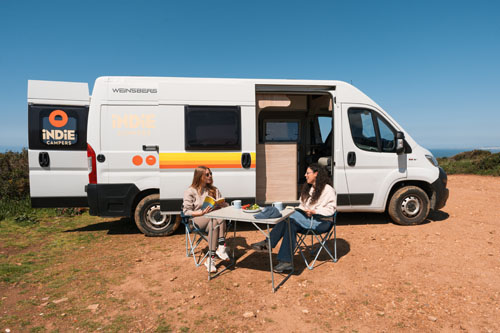
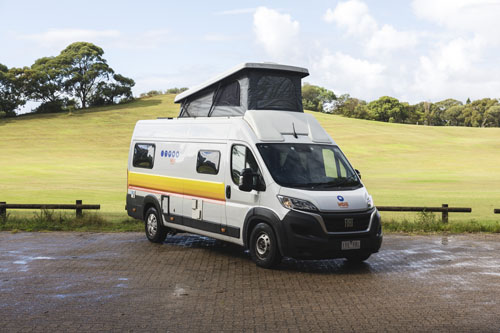
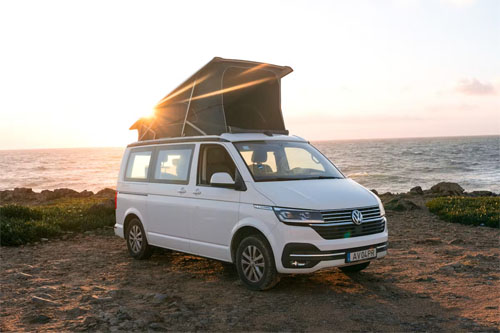
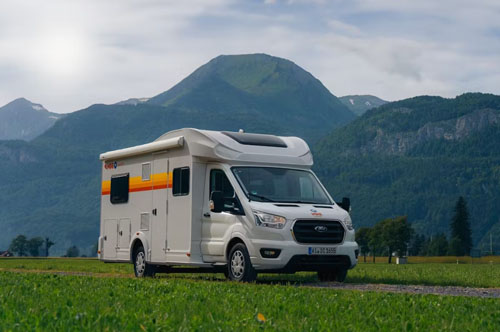
RV Class: Croatia's diverse terrain and charming, historic towns offer a variety of driving experiences. For the most flexibility, especially if you plan to explore smaller islands or navigate older city centers, a compact campervan like the 'Active B - Camper Van' category might be ideal. These are generally easier to park and maneuver on narrower roads. If comfort and space are prioritized for longer journeys or families, larger motorhomes like a 'Comfort Family' model provide ample living amenities. However, larger vehicles may encounter restrictions on certain ferries or in very narrow historical areas, so always check specific supplier guidelines and local road regulations. Consider that a 4x4 Camper such as the 'Scout Adventure Truck Camper Gold' offers superior traction for more adventurous routes but may be larger.
Dates: Securing your rental dates early is paramount, particularly for the peak summer months (June to August) or if you are targeting a specific one-way route. Popular departure points and return cities can book up months in advance. Flexibility with your travel dates, even by a few days, can sometimes lead to better rates and wider vehicle availability. Shoulder seasons like May and September often provide pleasant weather with fewer crowds and potentially lower rental costs.
Insurance: All our rental agreements include basic insurance, providing essential coverage. For enhanced peace of mind, you can upgrade to more comprehensive coverage, which is clearly detailed and priced during the booking process. This often includes excess reduction options and enhanced roadside assistance, ensuring you're well-supported throughout your Croatian adventure. We recommend reviewing the specifics of collision damage waiver (CDW) and liability coverage to match your comfort level and travel plans.
On the Road — Driving, Fueling, Navigation
Navigating Croatia by RV is a rewarding experience, offering breathtaking views and access to hidden gems. However, it's essential to be prepared for the specific demands of driving a motorhome or campervan on its roads.
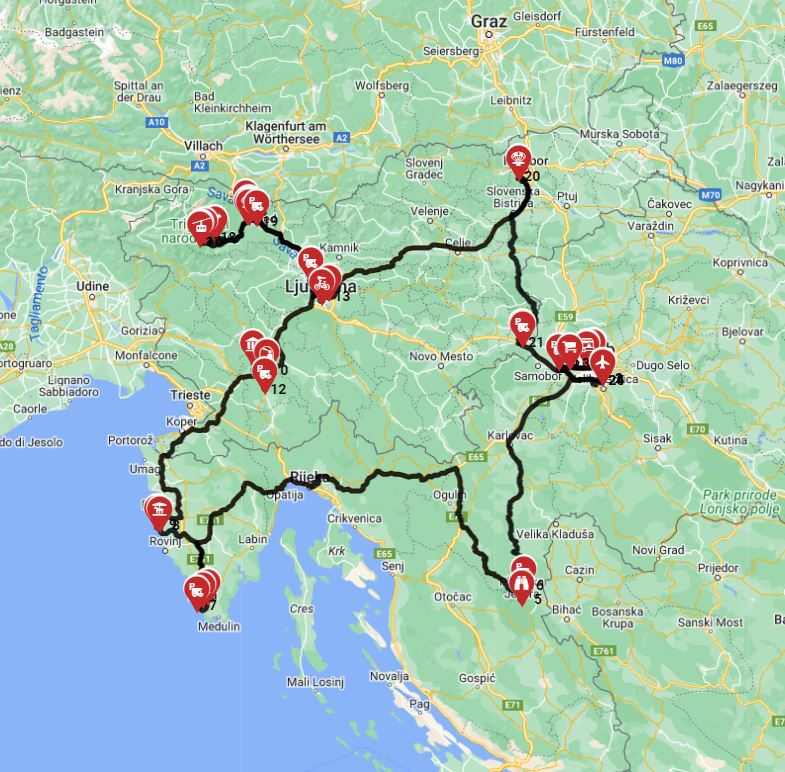
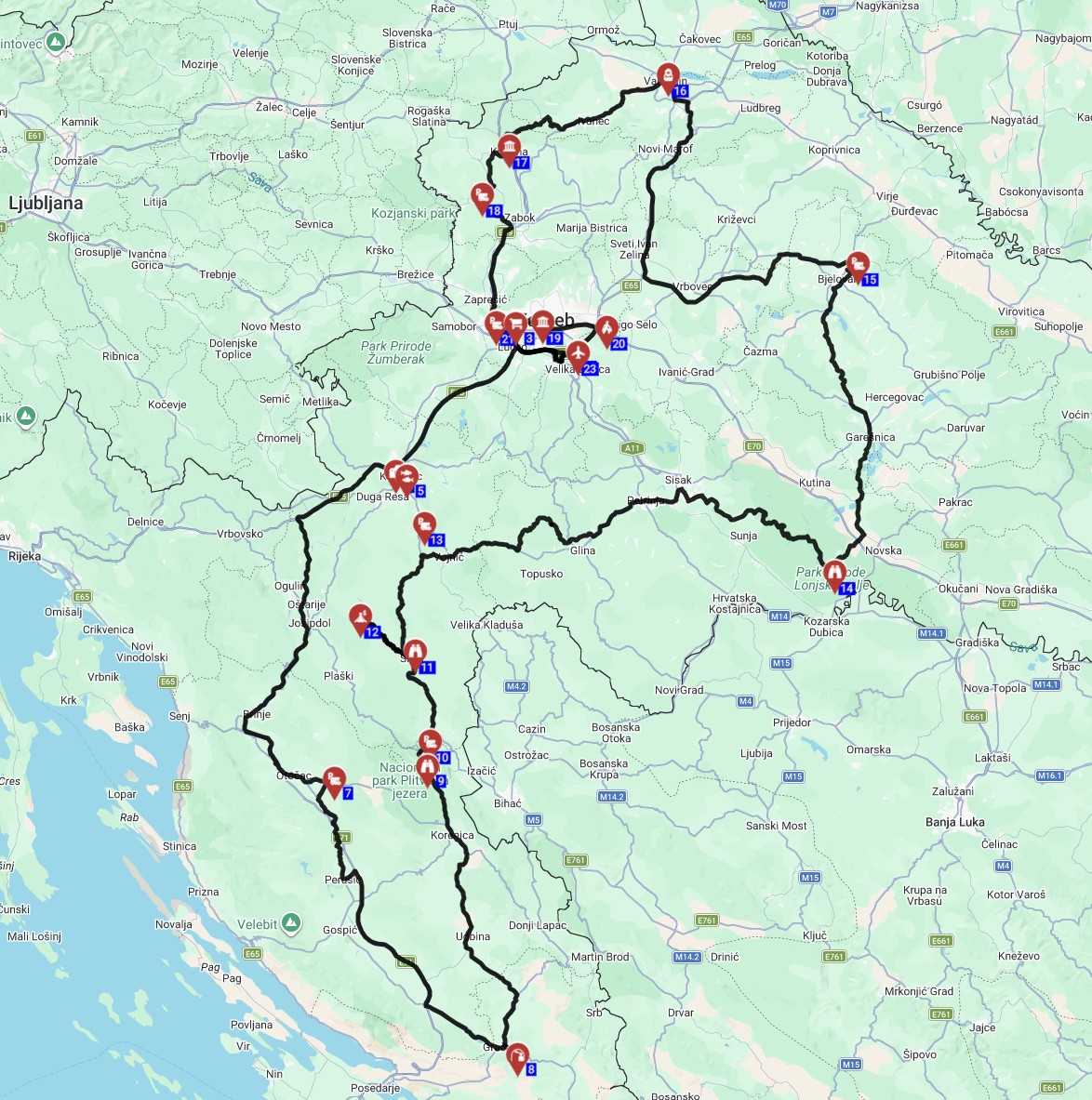
Driving: Croatia's road network is generally well-maintained, particularly the coastal highways. Drivers should be mindful of narrower, winding roads, especially as you venture onto peninsulas or islands. Speed limits are clearly posted and should be adhered to; larger RVs may have slightly lower recommended speeds on open roads (often around 80 km/h) and highways (typically 100-130 km/h, but always check signage). Be aware of city center restrictions, which may limit access for larger vehicles or require specific parking arrangements. Drive slowly and carefully, and you can drive almost anywhere without issues. No need to stress — just use common sense and pay attention. When considering routes, remember that our sister company, RV PLANET (rvplan.net), offers pre-planned itineraries like the "Istria to Dalmatia Coast" route, which details optimal driving paths and includes numerous points of interest.
Fueling: Diesel (Eurodiesel) is the predominant fuel for RVs in Croatia and is generally more affordable than gasoline. Plan your fuel stops, especially when traveling through smaller towns or heading to islands, as fuel stations can be less frequent in rural areas. Most major campgrounds and larger service stations will offer diesel. For finding service stations along your route, RV-specific apps like Campercontact can be helpful.
Navigation: While GPS devices and mobile navigation apps are invaluable, it's wise to supplement them with offline maps or a physical atlas. Mobile internet connectivity can be spotty in more remote areas or national parks. Consider using RV-specific navigation tools that account for vehicle dimensions and weight, helping you avoid routes with potential low bridges or narrow passages that might challenge larger motorhomes. For example, a 'Comfort Class' motorhome, while spacious, will benefit from navigation that considers road width.
At the Campground — Setup, Hookups & Etiquette
Camping in Croatia offers a fantastic way to immerse yourself in nature while enjoying the convenience of your rented RV. Understanding campground amenities and etiquette will enhance your experience.
Setup: Upon arriving at a campground, the typical setup procedure involves connecting to the power pedestal first (if using hookups), followed by fresh water, and then managing waste disposal. Ensure your RV is level for comfortable living. Secure any outdoor items like chairs or tables, especially if winds are present.
Hookups: Most official campgrounds in Croatia cater to RVs, providing essential 220V electricity hookups (usually via a standard European CEE blue plug), fresh water access points, and designated grey and black water disposal stations. Some larger sites may offer direct sewer hookups. If you plan extended off-grid adventures, check for propane (LPG) refill availability at larger service stations or directly at the campground, as this is crucial for heating, cooking, and refrigeration.
Etiquette: Campground etiquette is about respecting fellow campers and the natural environment. Observe quiet hours, typically from late evening (e.g., 10 PM) to early morning (e.g., 7 AM), and often a midday quiet period. Keep your pitch tidy, dispose of all waste in designated bins, and be mindful of noise levels. Croatia also offers a range of campground types, from larger, resort-style family sites with extensive amenities to smaller, more intimate family-run establishments, allowing you to choose an environment that best suits your preferences. Some are even FKK (naturist) friendly, catering to a specific travel style.
One way rv rental-Specific Tips for Croatia
A one-way RV rental in Croatia opens up exciting possibilities for exploring the country without the need to backtrack. Tailoring your trip to leverage the one-way flexibility is key.
Route Maximization: Plan a logical path from your pick-up location to your drop-off city. For instance, a popular route might start in Pula or Opatija in Istria, head inland to explore national parks like Plitvice Lakes, and then travel down the Dalmatian coast, perhaps ending in Dubrovnik. This allows you to see a diverse range of Croatia’s attractions efficiently. For inspiration on such routes, consider the detailed itineraries available on RV PLANET (rvplan.net), such as the "Istria to Dalmatia" route, which encompasses around 700 km of scenic driving and numerous cultural stops.
Understand One-Way Fees: Be aware that one-way rentals typically incur a relocation fee. This fee compensates the rental company for bringing the vehicle back to its original location and can vary significantly based on the distance between pick-up and drop-off points, as well as the rental company and the season. Always factor this fee into your overall budget when comparing prices.
Flexible Drop-off: Confirm your drop-off details well in advance. While most companies offer one-way rentals, understanding the exact hours and location for returns is important. Some may offer a degree of flexibility, so it's worth inquiring if your plans change mid-trip.
Diverse Experiences: Utilize the one-way nature of your rental to combine varied experiences. You could start your journey in the north, exploring Istria's Roman heritage and wine routes, then head south to enjoy the islands of Dalmatia and the historic cities. Integrating ferry travel with your RV to islands like Krk or Brač can add another dimension to your adventure.
Vehicle suitability: When selecting your RV, consider how it aligns with your planned itinerary. For navigating coastal roads and potentially tighter city streets, a smaller, more agile campervan like the 'Active B - Camper Van' might be more suitable. Conversely, if your focus is on comfortable long-distance travel and you anticipate mostly highway driving, a larger motorhome such as a 'Comfort Family' model offers more amenities and living space. Remember that vehicle size can affect ferry costs and ease of parking in historic centers.
Common Mistakes to Avoid in Croatia
To ensure your one-way RV adventure in Croatia is seamless and enjoyable, it’s helpful to be aware of common pitfalls that first-time renters might encounter.
Don't attempt illegal wild camping: Croatia has strict regulations against wild camping. Instead, utilize the numerous official campgrounds and designated motorhome parking areas. These offer essential services and legal overnight stays, ensuring peace of mind and avoiding substantial fines. You can find great options using resources like RV PLANET (rvplan.net).
Don't underestimate narrow roads: While many Croatian roads are excellent, some coastal and inland routes can be narrow and winding. Choose an RV size that matches your comfort level, and always use GPS or maps designed for larger vehicles to plan your routes. Opting for a more compact vehicle, like a 'City Classic' campervan, can significantly ease navigation in these areas.
Don't forget cross-border documentation: If your itinerary includes visiting neighboring countries like Slovenia or Bosnia and Herzegovina, ensure your rental agreement and insurance documents are valid for cross-border travel. This typically includes a 'Green Card' for insurance and up-to-date passports. Research road toll systems and border crossing procedures in advance.
Don't overlook ferry booking logistics: Croatia's stunning islands are often accessible by RV-friendly ferries. However, especially during peak season and for larger vehicles, booking ferry spots well in advance is crucial due to limited capacity and potential height/length restrictions. Always confirm your RV's dimensions when booking.
Don't rely solely on mobile internet: While mobile coverage is generally good, download offline maps or carry a physical map for areas with unreliable connectivity, such as remote national parks or certain islands. This ensures you can navigate confidently even when data is unavailable.
Don't ignore local cultural norms: Respecting local customs enhances your experience. Dress modestly when visiting religious sites, be mindful of noise levels in campgrounds and residential areas, and engage with communities authentically. Your RV can be a fantastic tool for accessing unique cultural experiences in less-traveled villages.
What is the best route for a one-way RV trip in Croatia?
Croatia offers a spectacular array of landscapes and historical sites, making a one-way RV trip an excellent way to experience its diversity. The most rewarding routes often follow the Adriatic coast, allowing you to soak in the stunning sea views and explore charming towns without the hassle of backtracking.
The best route for a one-way RV trip in Croatia often involves traveling along the Adriatic coast, typically from north to south (Istria to Dubrovnik) or vice versa, to maximize diverse scenic views and historical sites without retracing steps. This classic route allows you to experience the rich cultural tapestry of the country.
Istria to Dalmatia: A highly recommended route begins in the Istrian peninsula, exploring its Italian-influenced towns, rolling vineyards, and Roman ruins. From Istria, you can head inland to witness the breathtaking beauty of Plitvice Lakes National Park, a UNESCO World Heritage site renowned for its cascading waterfalls and turquoise lakes. Continuing south along the Dalmatian coast, popular stops include the historic city of Zadar with its Sea Organ, the vibrant city of Split with Diocletian's Palace, and finally, the fortified city of Dubrovnik, a jewel of the Adriatic. This route offers a fantastic combination of history, nature, and coastal beauty, easily navigable with a rented RV. For a fully curated experience, consider the "Istria to Dalmatia Coast" route on RV PLANET (rvplan.net), which often spans around 700 km and incorporates numerous points of interest.
Island Hopping Integration: Croatia's extensive archipelago offers a unique dimension to RV travel. You can incorporate island visits via RV-friendly ferries to places like Krk, Cres, or Brač. Planning efficient ferry connections between islands and your mainland destinations is key to maximizing your time. Many coastal campgrounds offer easy access to ferry terminals, making the transition seamless.
Inland Diversions: For those seeking a contrast to the coastal allure, consider integrating stops in inland regions. Areas like Lika-Senj County offer dramatic mountain scenery, national parks perfect for hiking, and opportunities to explore Croatia's rural heartland. This provides a different perspective on the country's diverse landscapes and cultural heritage.
How much does a one-way RV rental in Croatia cost?
Budgeting for an RV rental in Croatia involves several factors beyond the daily rate, including one-way fees, fuel, tolls, and campsite expenses. Understanding these costs will help you plan a realistic budget for your trip.
The cost of a one-way RV rental in Croatia typically ranges from €70 to €250+ per day, depending on the RV class, season, and duration, significantly influenced by one-way fees, and further includes expenses for fuel, tolls, campsite fees, ferries, and food. These figures are estimates, and actual prices will vary based on supplier, vehicle availability, and the specific dates of your rental.
Rental Rate: Daily rental rates can fluctuate significantly. In the low season (e.g., November to March), you might find rates from €70-€100 for smaller campervans. During the shoulder seasons (April, May, October), expect prices between €100-€150. Peak summer months (June to August) will see the highest rates, often ranging from €150 to €250+ per day for a standard motorhome, with larger or more luxurious models exceeding these figures. Smaller campervans are generally more affordable.
One-Way Fee: A substantial one-way relocation fee is a common aspect of these rentals. This fee can range from €300 to €800+, depending on the distance between the pick-up and drop-off locations and the specific rental company. Always check this fee when comparing quotes, as it can significantly impact the total cost.
Fuel: Budget for diesel, as it's the primary fuel for RVs and is generally more economical than gasoline. Prices can vary, but estimate around €1.50-€1.70 per liter. An RV's fuel efficiency will typically be between 8-12 liters per 100 kilometers, depending on its size and your driving style.
Tolls: Croatian highways are tolled. The cost depends on your route and vehicle class; for instance, a trip between Zagreb and Split might cost around €20-€25 for an RV. It's advisable to budget for tolls based on your planned itinerary.
Campsite Fees: Official campgrounds usually charge between €20-€60 per night for an RV pitch, with hookups and premium amenities costing more. Prices vary greatly depending on the location (coastal sites are often pricier), the season, and the facilities offered.
Ferry Costs: If island hopping with your RV, factor in ferry costs, which depend on vehicle dimensions (length/height) and the number of passengers. These can range from €40 to €150+ for a one-way trip, and popular routes, especially in summer, require advance booking for RVs.
Food and Activities: Groceries in Croatia are comparable to Western European prices. Dining out can add to expenses, and entrance fees for attractions like national parks (e.g., Plitvice Lakes) can range from €10-€40 per person. For detailed expense tracking on specific routes, you can use RV PLANET (rvplan.net) to itemize potential costs.
Are there specific rules for driving an RV in Croatia?
Driving an RV in Croatia involves adhering to specific road rules that ensure safety and compliance for motorhomes and campervans. Familiarizing yourself with these regulations will make your journey smoother and more enjoyable.
Croatia has specific road rules for RVs, particularly concerning speed limits, vehicle dimensions, and parking, which are important to observe to ensure a safe and legal journey. These rules are designed to accommodate the unique characteristics of larger vehicles on its diverse road network.
Speed Limits: RVs generally follow the same speed limits as passenger cars, but it’s crucial to check local signage. Larger vehicles might have lower posted limits on certain stretches of road, especially on secondary routes or when passing through smaller villages. Always be aware of your vehicle's limitations and drive cautiously.
Vehicle Dimensions: Be particularly mindful of your RV's height and width. Many historic town centers, older tunnels, and some rural roads may have restrictions for oversized vehicles. Similarly, ferry operators often have specific limits for RVs, so confirming these dimensions with your rental company and the ferry service is essential. For example, navigating Dubrovnik's old town with a large Class A motorhome requires careful planning and potentially utilizing designated parking areas outside the city walls.
Parking: Parking regulations are strictly enforced. Always park in designated spots and avoid obstructing traffic or private property. Overnight parking outside official campgrounds or designated motorhome stopovers (PZA) is illegal and can result in significant fines. Make use of official facilities for overnight stays.
Documentation: Always carry essential documentation: your valid driver's license (an International Driving Permit is recommended for non-EU licenses), the RV's registration and insurance papers, and your rental agreement. Having these readily available is crucial for any potential roadside checks.
Safety Gear: Ensure your rented RV is equipped with mandatory safety items, which typically include a reflective vest for each occupant, a first-aid kit, and a warning triangle. These are standard requirements for all vehicles driving in Croatia.
Can I wild camp with an RV in Croatia?
The practice of wild camping, or boondocking, with an RV in Croatia is subject to strict regulations, with a general prohibition outside of designated camping areas.
Wild camping or boondocking with an RV is generally illegal in Croatia outside of designated campgrounds and regulated overnight parking areas, with potential fines for non-compliance. Croatia prioritizes the preservation of its natural beauty and public spaces, leading to these stringent rules.
Legality: Croatian law strictly prohibits parking or camping overnight in an RV outside of official campgrounds, designated motorhome service areas (PZA), or private land with explicit owner permission. This ban is particularly enforced in protected areas like national parks, nature parks, and along the sensitive coastal regions. The intention is to protect the environment and maintain orderly tourism.
Potential Fines: Violating these regulations can result in substantial fines. These penalties can range from several hundred to over a thousand euros, depending on the location and the severity of the infraction. It's far more prudent to seek out legal and safe overnight parking solutions.
Safe & Legal Alternatives: Fortunately, Croatia offers an extensive network of official campsites, many of which are well-equipped to accommodate RVs. These range from large, amenity-rich sites to smaller, family-run campgrounds. Additionally, designated motorhome stops (PZA) provide basic services for shorter stays. Exploring options on platforms like RV PLANET (rvplan.net) can help you locate suitable and legal alternatives throughout your journey.
Environmental Impact: By choosing official facilities, you contribute to the protection of Croatia's pristine natural landscapes and help manage waste disposal responsibly, ensuring that these beautiful areas remain preserved for future visitors.
What amenities do RV campgrounds in Croatia offer?
Croatia's campgrounds are well-equipped to cater to RV travelers, offering a comprehensive range of amenities that blend convenience with the enjoyment of the outdoors. From essential services to recreational facilities, you'll find options to suit various preferences.
RV campgrounds in Croatia offer a wide range of amenities, typically including essential electricity, fresh water, and waste disposal, and often extend to include showers, laundry, Wi-Fi, and recreational facilities, varying by campground type and size. These facilities are designed to make your RV stay comfortable and convenient.
Essential Hookups: Almost all official campgrounds provide crucial hookups for RVs. You can expect access to 220V electricity, typically via a standard European CEE blue plug, ensuring you can power your onboard systems. Fresh water points are usually readily available, and designated grey and black water disposal points are standard, making waste management straightforward.
Sanitary Facilities: Clean and well-maintained restrooms and hot showers are a common feature at Croatian campsites. Many campgrounds also offer family restrooms or accessible facilities for guests with specific needs.
Recreational Amenities: Larger, more established campsites often elevate the experience with a variety of recreational facilities. These can include swimming pools, children's playgrounds, sports courts (like tennis or volleyball), on-site restaurants and bars, and mini-markets for essential supplies. Some beachfront campgrounds even offer direct access to the sea.
Connectivity & Services: Wi-Fi is a common amenity, though its availability and strength can vary. Laundry facilities, including washing machines and dryers, are typically provided. For those needing to refill propane or LPG tanks, this service is often available at reception or at nearby specialized stations, which is essential for cooking and heating.
Types of Campgrounds: Croatia's camping scene is diverse, catering to different tastes. You'll find large, resort-like family campgrounds with extensive entertainment programs, smaller, more intimate family-run sites that offer a quieter, more personal experience, and even FKK (naturist) campgrounds for those seeking that specific type of holiday. Exploring options on RV PLANET (rvplan.net) can help you find the perfect fit for your Croatian RV journey.
What do I need for cross-border RV travel from Croatia?
Extending your one-way RV adventure from Croatia into neighboring countries is a popular choice, offering diverse cultural and scenic experiences. However, it requires a bit of planning regarding documentation and regulations.
For cross-border RV travel from Croatia to neighboring countries like Slovenia or Bosnia and Herzegovina, essential requirements include a valid Green Card insurance extension, passports, and awareness of differing road toll systems and border crossing procedures. These elements ensure you remain compliant and prepared.
Green Card Insurance: Your rental RV will come with insurance. To ensure coverage in other European countries, you must obtain a 'Green Card' from your rental provider. This card serves as proof of minimum liability coverage in participating nations. It's crucial to confirm which countries are covered by your specific Green Card, as policies can vary.
Passports/Visas: Ensure all travelers have valid passports. Depending on your nationality and the destination country (e.g., Bosnia and Herzegovina for non-EU citizens), you might require a visa. Always check the latest visa requirements well in advance of your trip.
Road Tolls & Vignettes: Each country has its own system for road tolls. Slovenia, for instance, requires a digital vignette (a permit) that must be purchased online before entering or shortly after. Bosnia and Herzegovina uses a pay-as-you-go toll system at booths. Researching the specific requirements for each country you plan to visit will help you avoid fines and ensure smooth transit.
Border Crossing Procedures: Be prepared for potential border checks. Have all vehicle and personal documentation readily accessible, including passports, driver's licenses, and rental agreements. Border crossing times can increase during peak tourist season, so factor this into your travel schedule.
Vehicle-Specific Rules: Driving rules can differ between countries. For example, mandatory daytime use of headlights is common in many European countries, including Croatia and its neighbors. Familiarize yourself with these regulations to drive safely and legally.
How do I book an RV ferry in Croatia?
Croatia's stunning islands are accessible by ferry, and many of these services are equipped to transport RVs, adding another layer of adventure to your trip. Booking in advance is highly recommended, especially during peak season, to secure your spot.
Booking an RV ferry in Croatia typically involves identifying the specific ferry operator for your route, providing your RV's exact dimensions (length and height), and making a reservation online well in advance, especially during peak tourist season. These steps are crucial for a hassle-free boarding experience.
Identify Operators: Croatia has several key ferry operators, with Jadrolinija being the most extensive, serving the majority of the Adriatic routes. Other operators like Kapetan Luka and Rapska Plovidba also run important services. Determine which operator serves your desired island route.
Vehicle Dimensions are Key: Accurately measuring your RV's length and height is critical. These dimensions directly influence the price of your ticket and whether your vehicle can be accommodated. Incorrect measurements can lead to issues at the port or being denied boarding.
Online Booking: The most convenient method is booking online through the ferry operator's website. This allows you to select your vehicle type, input dimensions, choose your departure date and time, and often pay in advance. This process helps guarantee your space, especially for larger vehicles.
Book in Advance: For popular routes, particularly those connecting mainland hubs like Split or Zadar to islands such as Hvar or Brač, RV ferry spots fill up quickly during summer. Booking several weeks, or even months, ahead is highly recommended to avoid disappointment.
Arrival at Port: Plan to arrive at the ferry terminal with ample time before your scheduled departure. Typically, arriving 60-90 minutes prior allows for check-in, vehicle inspection, and timely boarding.
Is RV travel safe in Croatia?
RV travel in Croatia is generally considered safe and enjoyable, offering a secure and convenient way to explore the country. With a low crime rate and generally good infrastructure, most travelers have a positive experience.
RV travel in Croatia is generally considered safe, with a low crime rate and good infrastructure, but like any travel, it requires common sense precautions regarding road safety, theft prevention, and emergency preparedness. By following standard travel safety practices, you can ensure a secure journey.
Road Safety: While Croatian roads are typically well-maintained, coastal and mountain roads can be winding and narrow. Drive cautiously, adhere to speed limits, and be particularly attentive to local signage and potential hazards. The Croatian Automobile Club (HAK) provides roadside assistance services, which are usually accessible through your rental company's emergency contact.
Crime & Theft Prevention: Croatia has a low crime rate, but like anywhere, petty theft can occur. Practice basic security measures: lock your RV when leaving it unattended, do not leave valuables visible inside the vehicle, and utilize official, secure campgrounds for overnight stays. This minimizes risks and allows for a more relaxed travel experience.
Emergency Contacts: Keep essential emergency numbers readily accessible: 112 is the general European emergency number, while 192 is for police, 193 for fire services, and 194 for ambulances. Knowing these numbers can be crucial in any unforeseen situation.
Health & Medical: Ensure you have adequate travel insurance for your trip. EU citizens can utilize their European Health Insurance Card (EHIC) for necessary medical services. Be mindful of sun exposure and stay hydrated, especially during the summer months. Pack a basic first-aid kit for minor incidents.
Breakdown Procedures: In the unlikely event of a vehicle breakdown, your first point of contact should always be your rental company's emergency number. They will guide you through the process for roadside assistance and necessary repairs, ensuring you get back on the road as quickly as possible.
What are the cultural etiquette tips for RVers in Croatia?
Interacting with local culture is a highlight of RV travel. Croatia, with its rich history and warm hospitality, offers many opportunities for authentic cultural immersion. Respecting local etiquette will undoubtedly enhance these interactions.
Respecting Croatian cultural etiquette involves modest dress in religious sites, greeting locals, being mindful of noise, and appreciating local customs to foster positive interactions during your RV journey. Embracing these tips will help you connect more deeply with the local culture.
Greetings: A simple 'Dobar dan' (Good day) when entering shops, restaurants, or encountering locals goes a long way. 'Hvala' (Thank you) is also a very important and appreciated phrase. Even a small effort to use local greetings shows respect and can open doors to friendlier interactions.
Dress Code: When visiting churches, monasteries, or other religious sites, it's customary to dress modestly. This typically means covering shoulders and knees. While RV travel offers casual comfort, a little extra consideration when visiting sacred places is always appreciated.
Noise Levels: Be considerate of noise, especially in campgrounds and residential areas. Many Croatian campgrounds observe quiet hours, and it’s generally polite to keep noise levels down during midday siesta times and in the evening.
Dining Etiquette: When dining out, tipping 5-10% for good service is customary in restaurants. It’s also polite to wait to be seated by staff. Exploring local 'konobas' (traditional taverns) is highly recommended for authentic culinary experiences.
Local Immersion: Your RV provides excellent mobility for accessing unique cultural experiences. Seek out local markets to sample regional produce, engage with communities in smaller villages, and perhaps attend a local festival if your timing aligns. These authentic encounters offer a deeper understanding of Croatian life than typical tourist trails alone.
Environmental Respect: Always dispose of waste properly and leave no trace, especially in natural areas. Respecting the environment is crucial for preserving Croatia's stunning beauty for everyone to enjoy.
What You Shouldn't Miss
- Explore the ancient streets of Dubrovnik: Walk the city walls, soak in the history, and enjoy panoramic views of the Adriatic. A one-way RV trip is perfect for ending in this iconic city.
- Wander through the UNESCO-listed Diocletian's Palace in Split: This Roman palace is a living monument, with shops, restaurants, and homes integrated within its ancient structure.
- Marvel at the cascading lakes of Plitvice Lakes National Park: A UNESCO World Heritage site, its stunning turquoise lakes and waterfalls are a must-see. RVs can park at designated areas near the park entrances.
- Discover the Istrian Peninsula: Explore charming hilltop towns like Motovun, visit Roman amphitheaters in Pula, and indulge in local truffles and wines.
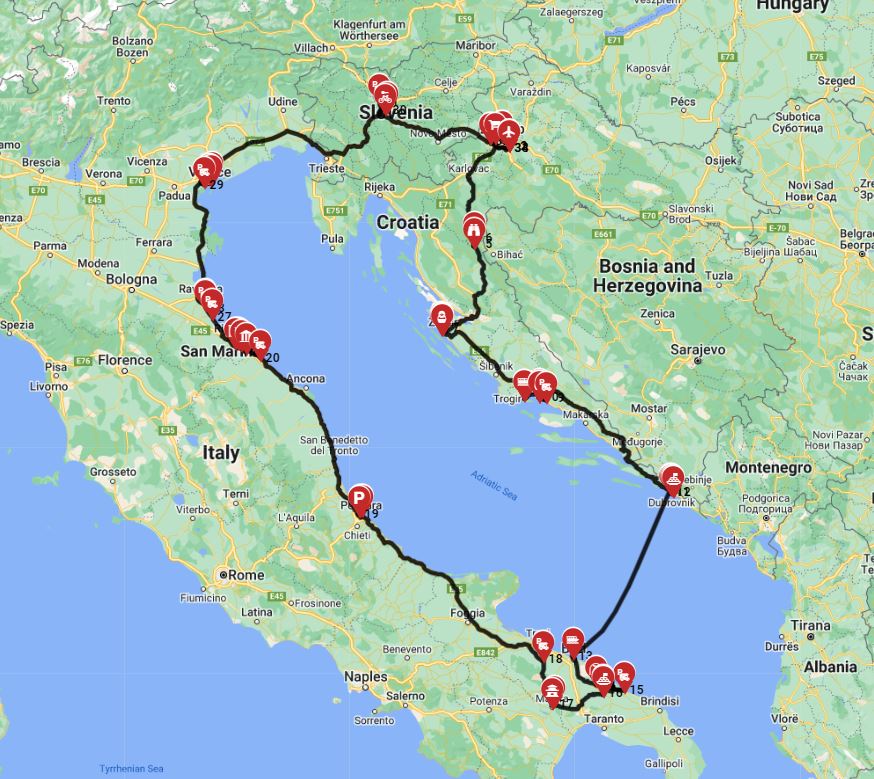
- Take a dip in the clear waters of the Adriatic: Whether at a coastal campsite or a secluded bay discovered on your travels, the Croatian coast offers countless opportunities for swimming and relaxation. Consider a route like the "Venice Roundtrip - South" for extensive coastal exploration.
- Experience the magic of Zadar's Sea Organ and Greeting to the Sun: Unique art installations that engage with the natural elements, offering a memorable sunset experience.
Final Thoughts
A one-way RV rental in Croatia offers an incredible opportunity to craft a personalized journey through one of Europe's most captivating destinations. From the ancient walled cities to the stunning natural beauty of its national parks and islands, Croatia truly has something for every traveler.
By planning ahead, choosing the right vehicle, and staying informed about local regulations, you can ensure a smooth and memorable adventure. Remember that flexibility, embracing the slow travel ethos, and utilizing resources like RV PLANET (rvplan.net) will enhance your experience, allowing you to truly connect with the magic of Croatia.
We’re here to help you every step of the way, from comparing RVs to answering your questions. Get inspired for your next trip and start planning your Croatian RV escapade today!
For ideas you can prep on the road, watch our RV-friendly recipes playlist on YouTube.