In This Guide
- The 5 RV Families Compared for South America
- Class A (Integrated) — Best For
- Class SI (Semi-Integrated) — Best For
- Class C (Alcove) — Best For
- Class B (Campervan) — Best For
- Class TC (Truck Camper) — Best For
- Side-by-Side Comparison Table
- Our Recommendation for one way rv rental Travelers in South America
- Is there such a thing as a one-way RV rental?
- What is the best company to rent an RV from?
- Is it cheaper to rent an RV or stay in a hotel?
- Does Outdoorsy do one-way RV rentals?
- What is the 333 rule for campervan?
- Where is the cheapest country to rent a campervan?
- What is the 3-3-3 rule for RV travel?
- Where is the cheapest place in Europe to buy a camper van?
- Which country is best for a campervan?
The 5 RV Families Compared for South America
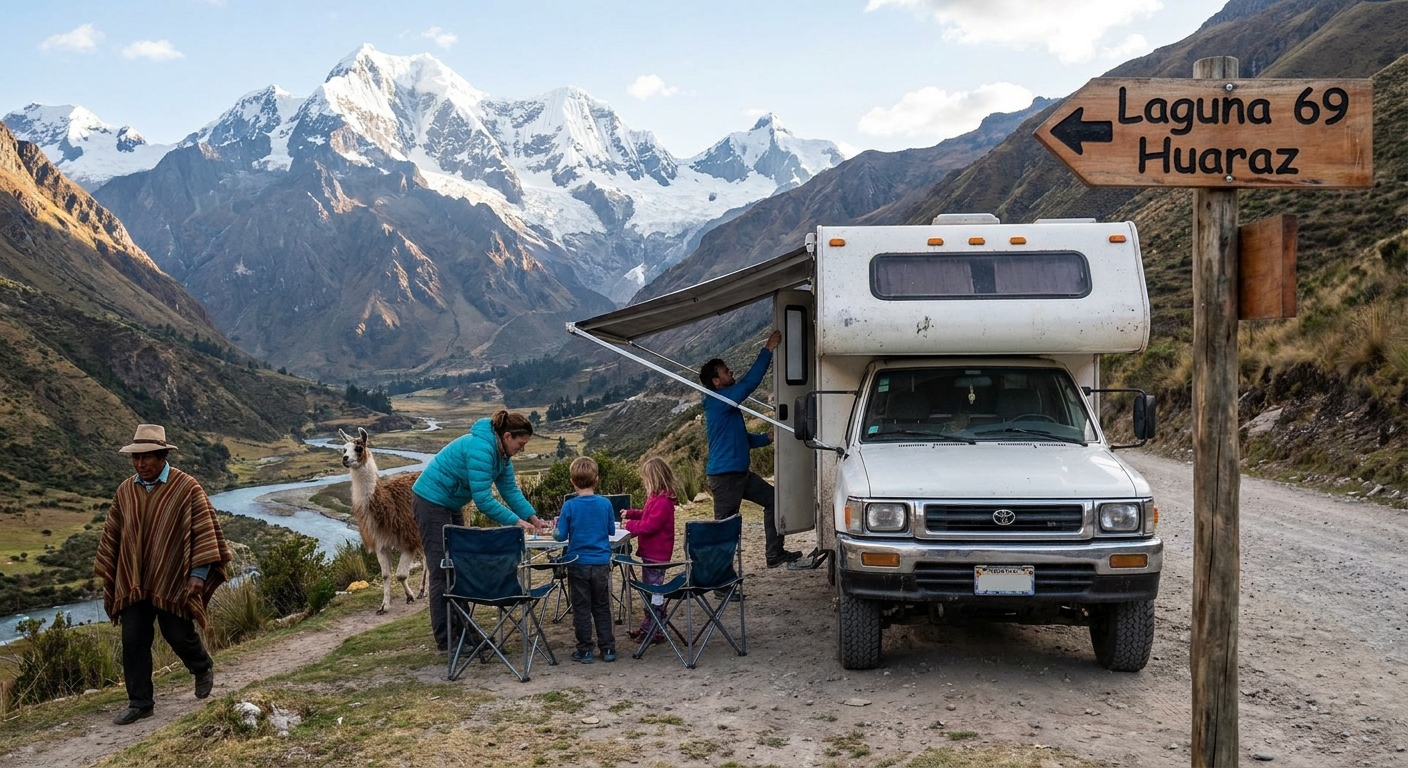
The choice of RV family is paramount for navigating South America's incredibly diverse terrain, which ranges from modern highways to challenging unpaved roads and remote tracks, significantly impacting the success and enjoyment of a one-way rental journey. Factors such as trip length, group size, desired comfort levels, and the specific regions you plan to traverse will dictate the most suitable vehicle, especially when considering the varying infrastructure and service availability across different South American countries. Your RV choice directly influences maneuverability in cities and on rural routes, fuel efficiency across long distances, and the capability to handle diverse climates and altitudes.
Class A (Integrated) — Best For
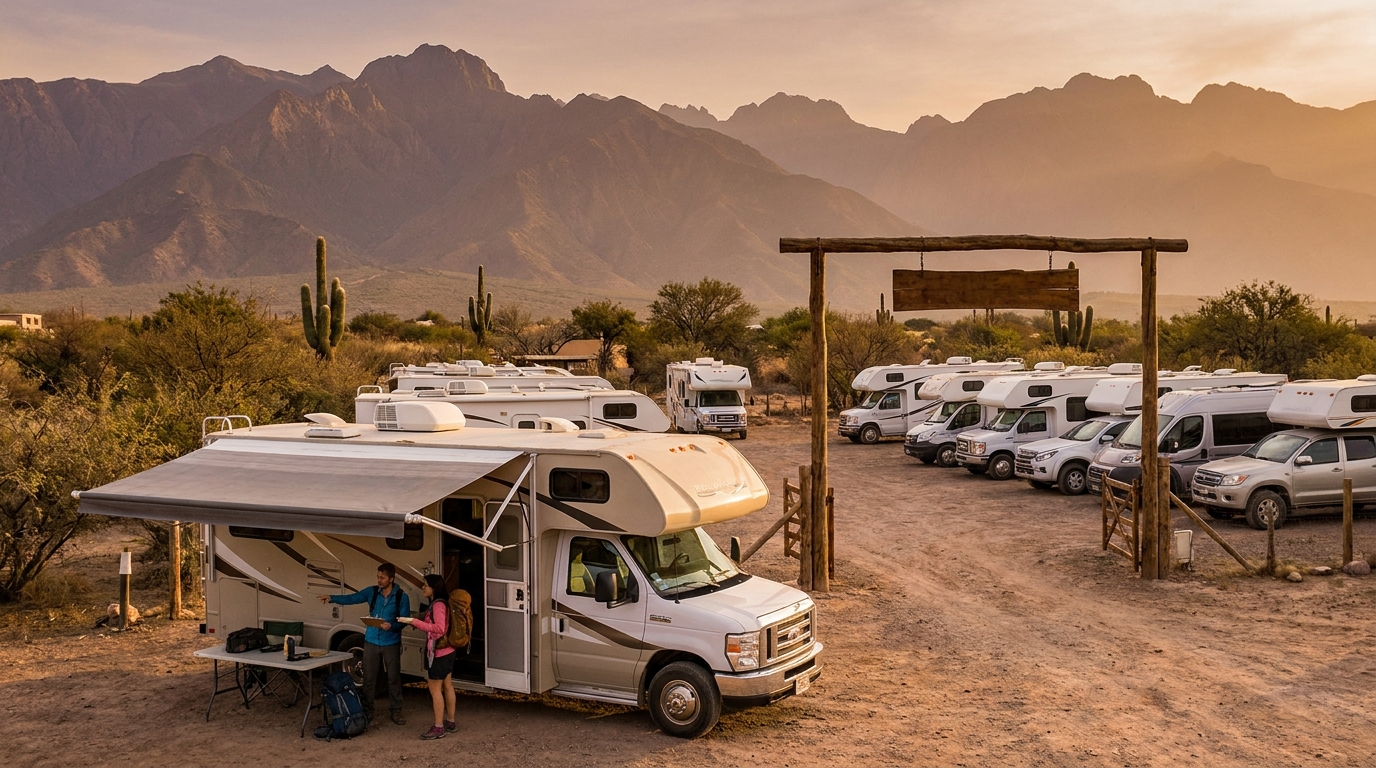
Class A motorhomes, like those typically found in Bandana's global fleet with an average length of 7.5 meters and sleeping 4.4 people, are best suited for travelers prioritizing ultimate luxury, spaciousness, and extensive amenities on longer, well-planned one-way routes in South America. They offer a comprehensive 'home on wheels' experience, ideal for larger groups or families seeking maximum comfort and privacy, with typical fuel consumption around 11-12 Liters/100 km. The significant size of Class A vehicles can be a trade-off, however, making them challenging to maneuver on narrow roads, through bustling towns, or in remote, unpaved areas common in South America. Their large footprint also means they are less discreet and might have limited access to certain campgrounds or wild camping spots.
Class SI (Semi-Integrated) — Best For
Class SI semi-integrated motorhomes, typically averaging 6.9 meters in length and sleeping 3.8 people in Bandana's global fleet, are an excellent choice for one-way RV travelers in South America seeking a balanced blend of comfort, maneuverability, and moderate fuel efficiency (around 10-11 Liters/100 km). They are ideal for couples or small families desiring a comfortable living space and amenities without the intimidating bulk of a full Class A, offering a more agile driving experience. Their more compact design allows for easier navigation on secondary roads, access to a wider range of campgrounds, and often simpler parking in towns compared to larger motorhomes, making them versatile for exploring diverse landscapes. This class provides a practical compromise, ensuring a pleasant journey while still being well-suited for the varied road conditions of a South American adventure.
Class C (Alcove) — Best For
Class C alcove motorhomes, with an average length of 7.5 meters and sleeping 5.8 people in Bandana's global fleet, are best suited for families or larger groups embarking on a one-way RV trip in South America who prioritize ample sleeping capacity and a familiar, truck-based driving experience. Their distinctive over-cab sleeping area provides additional beds, making them highly practical for accommodating more travelers comfortably, and their fuel consumption typically ranges from 10-12 Liters/100 km. While similar in length to Class A, Class C RVs often offer better ground clearance and a more robust chassis, which can be advantageous on some of South America's less-maintained roads, and they are generally easier to handle for drivers accustomed to larger vehicles. They strike a balance between providing significant living space and being somewhat more resilient to the continent's diverse road conditions than their integrated counterparts.
Class B (Campervan) — Best For
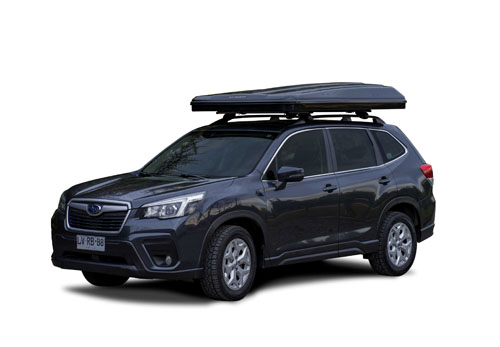
Class B campervans, typically 5.8 meters long and sleeping 3.2 people in Bandana's global fleet, are ideal for one-way RV travel in South America for those prioritizing exceptional maneuverability, superior fuel economy (around 8-10 Liters/100 km), and a discreet, flexible travel style. Their compact size allows for effortless navigation through bustling city streets, narrow mountain passes, and facilitates parking in remote areas or where informal wild camping is preferred and legal, addressing infrastructure gaps common in South America. Perfect for adventurous couples or solo travelers, campervans offer the freedom to explore off-the-beaten-path destinations without drawing undue attention, enhancing safety and local immersion. Their smaller footprint often results in lower fuel costs and simplifies border crossing procedures and ferry travel across the continent. On the routes offered through RV PLANET routes, you can itemize and track every expense along the way for easy budgeting.
Class TC (Truck Camper) — Best For
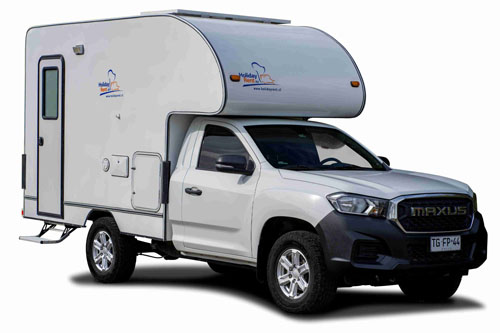
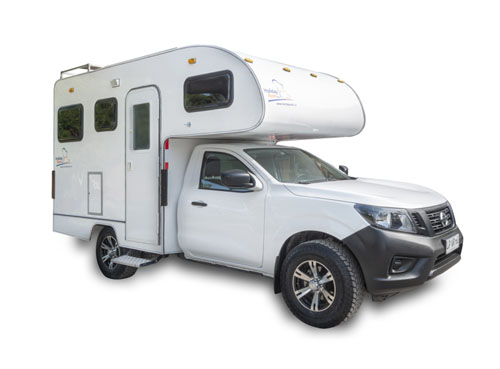
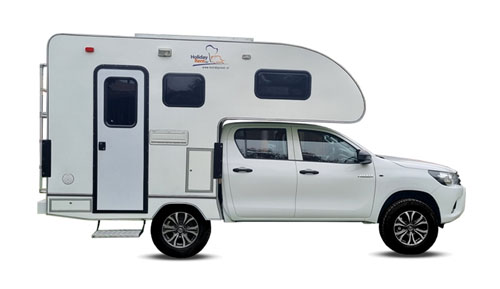
Class TC truck campers, averaging 5.5 meters in length and sleeping 2.4 people in Bandana's global fleet, are the premier choice for intrepid one-way RV travelers in South America who demand true off-road capability and maximum flexibility. Mounted on a rugged 4x4 pickup truck chassis, these campers excel on challenging, unpaved terrain, granting access to remote national parks, high-altitude passes, and isolated wilderness areas often inaccessible to other RV classes, though fuel consumption can be higher (12-17 Liters/100 km). Their detachable nature offers the unique advantage of setting up camp and using the truck for day trips, enhancing exploratory options and ensuring you can reach truly remote gems. They are specifically suited for adventurous couples or solo explorers prioritizing robust performance, ground clearance, and self-sufficiency for extensive overlanding expeditions across South America's most demanding landscapes.
Side-by-Side Comparison Table
This comprehensive table offers a clear, side-by-side overview of the five primary RV families, highlighting their key specifications and optimal use cases specifically tailored for one-way travel through South America. It serves as a quick reference guide, summarizing average dimensions, sleeping capacities, typical fuel consumption, and the unique advantages each class offers for various travel styles and road conditions on the continent. Utilize this comparison to quickly align your trip's requirements—such as group size, desired level of comfort, and the ruggedness of your planned route—with the most suitable RV class for your South American adventure.
| Family | Avg Length (m) | Sleeps | Fuel Use (L/100km) | Best Use Case in South America |
|---|---|---|---|---|
| Class A (Integrated) | 7.5 | 4.4 | 11-12 | Luxury, spacious travel on well-paved routes for larger groups. |
| Class SI (Semi-Integrated) | 6.9 | 3.8 | 10-11 | Balanced comfort and maneuverability for couples/small families on varied roads. |
| Class C (Alcove) | 7.5 | 5.8 | 10-12 | Family-friendly, extra sleeping, robust on varied roads. |
| Class B (Campervan) | 5.8 | 3.2 | 8-10 | Maneuverability, discretion, fuel economy for couples/solo, remote access. |
| Class TC (Truck Camper) | 5.5 | 2.4 | 12-17 | True off-road capability, remote access, adventure for couples/solo. |
Our Recommendation for one way rv rental Travelers in South America
For one-way RV travelers in South America, a Class B (Campervan) is our primary recommendation due to its superior maneuverability on the continent's diverse roads, excellent fuel economy, and ability to blend in more discreetly, which enhances security and simplifies parking. Its compact size facilitates easier navigation through towns, access to remote areas, and simplified border crossings and ferry travel, addressing key logistical challenges of multi-country journeys while offering a practical solution for vehicle preparation and maintenance for SA conditions. The runner-up recommendation is a Class SI (Semi-Integrated), which offers a robust balance of increased comfort and practical driving characteristics for those needing a bit more space for a small family or longer trips. This class provides more amenities than a campervan while still being manageable on many secondary roads, making it a versatile choice for extended one-way journeys where occasional rougher terrain might be encountered, and a slightly larger vehicle for carrying spare parts or water filtration systems is desired.
Is there such a thing as a one-way RV rental?
Yes, one-way RV rentals are indeed available for travel, including options within South America, though they typically involve additional repositioning fees to cover the cost of returning the vehicle to its original depot. These rentals offer immense flexibility for travelers wishing to explore a continent without backtracking, enabling grand tours like segments of the Pan-American Highway or deep dives into Patagonia. However, one-way international rentals, especially across South American borders, demand significant logistical planning, including navigating specific vehicle documentation like a Carnet de Passage where required, varying insurance requirements, and understanding customs processes for each country.
What is the best company to rent an RV from?
The 'best' company for an RV rental in South America largely depends on individual traveler needs, preferred routes, and the level of support desired, but Bandana offers a wide selection of vehicles from local suppliers, providing competitive options and specific South American insights often missed by larger global platforms. Companies specializing in regional travel or peer-to-peer platforms can sometimes offer more tailored advice, vehicles specifically suited for South American conditions (e.g., higher clearance, robust tires), and invaluable assistance with complex border crossing logistics and local emergency support. When choosing, prioritize companies with transparent one-way rental policies, comprehensive insurance coverage valid across all intended countries, and a robust support network for breakdowns or medical emergencies in remote areas, as 'what to do when things go wrong' is a critical consideration.
Is it cheaper to rent an RV or stay in a hotel?
Renting an RV for travel in South America can often be more cost-effective than exclusively staying in hotels, especially for longer trips, groups, or families, as it consolidates accommodation and transportation expenses into a single cost. The ability to cook your own meals in an RV significantly reduces food costs compared to dining out constantly, which is a major budgeting advantage. However, when comparing costs, remember to factor in not just the rental rate but also fuel (which can be expensive and vary by country), campground fees (though wild camping is an option in some areas), one-way fees, border crossing documentation costs, and potential vehicle maintenance or repair expenses. For budget-conscious travelers, a smaller, more fuel-efficient RV like a campervan can maximize savings while offering access to diverse routes and itineraries. For ideas you can prep on the road, watch our RV-friendly recipes playlist on YouTube.
Does Outdoorsy do one-way RV rentals?
Outdoorsy, a prominent peer-to-peer RV rental marketplace, does facilitate one-way RV rentals, with availability depending entirely on individual owners listing their vehicles with this option and potentially at an additional fee. While popular in North America, its presence and one-way options specifically for South America may be more limited, requiring thorough searching and direct communication with owners to confirm vehicle suitability and logistical support for international travel.
What is the 333 rule for campervan?
The '3-3-3 rule' for campervan travel is a popular guideline recommending driving no more than 300 miles (approximately 480 kilometers) per day, arriving at your destination by 3 PM, and staying for at least 3 nights, promoting a more relaxed and immersive travel experience. This approach is particularly valuable in South America, allowing ample time to enjoy stunning landscapes, acclimate to different altitudes, and respectfully engage with local communities and driving customs, which is crucial for cultural etiquette. Adhering to this rule helps prevent driver fatigue, provides time for unexpected road conditions or vehicle maintenance, ensures secure parking for safety and security, and allows for deeper cultural experiences, which is crucial given the diverse and often challenging infrastructure.
Where is the cheapest country to rent a campervan?
Identifying the single 'cheapest' country to rent a campervan for a one-way trip in South America is challenging due to dynamic rental markets, currency fluctuations, and varying supply and demand, with costs often influenced by the vehicle type and season. However, countries like Chile and Argentina often have more developed RV tourism infrastructures, which can lead to competitive pricing and a wider selection of vehicles, particularly for long-term or one-way rentals, alongside better access to mechanics and fuel. Consider total costs, including rental fees, fuel, insurance, and potential border crossing fees, rather than just the daily rental rate, as these can significantly impact the overall budget across different South American countries.
What is the 3-3-3 rule for RV travel?
The 3-3-3 rule for RV travel advises limiting daily driving to 300 miles (approximately 480 kilometers), arriving at your campsite by 3 PM, and staying in one location for at least 3 nights to prevent travel burnout and enhance enjoyment, which is particularly beneficial when navigating the diverse terrains of South America. This guideline helps travelers avoid rushing, allowing for flexibility to manage unexpected road closures, vehicle issues, or simply to absorb the unique cultural and natural beauty of the region while improving overall safety and security. Implementing this rule also provides crucial time to ensure secure parking, address any immediate vehicle preparation and maintenance needs, explore local attractions, and plan connectivity and communication strategies for remote areas without feeling pressured by a tight schedule.
Where is the cheapest place in Europe to buy a camper van?
While this article focuses on one-way RV rentals within South America, typically the cheapest places to buy a campervan in Europe are often countries with lower vehicle taxes or a robust used vehicle market, such as Germany, France, or the UK. However, purchasing a vehicle in Europe and importing it for a one-way trip through South America involves significant logistical complexities, including substantial import duties, vehicle homologation challenges, and lengthy customs processes, making it generally impractical and far more expensive than renting locally. For a seamless South American travel experience, focusing on local rental options that are already compliant with regional regulations and prepared for the unique driving conditions is the most straightforward and financially viable solution.
Which country is best for a campervan?
For campervan travel in South America, countries like Chile and Argentina are widely considered among the best due to their stunning natural landscapes, extensive national park systems with established RV-friendly campgrounds, and generally better-maintained road infrastructure suitable for campervans. These nations offer incredibly diverse environments, from the Patagonian fjords and Andean peaks to coastal routes, alongside more robust support services, including reliable fuel availability, access to mechanics for common RV issues, and communication networks, which are crucial for longer one-way journeys. Uruguay and parts of Brazil also present compelling campervan routes, particularly along their scenic coastal regions, providing varied cultural and scenic experiences, though with potentially different infrastructure details for RVers and local etiquette to consider.
What You Shouldn't Miss
- Drive the Carretera Austral in Chile, a rugged 1,240 km route through Patagonia, offering unparalleled natural beauty.
- Explore the salt flats of Uyuni in Bolivia, a surreal landscape that's best experienced with a 4x4 truck camper.
- Witness the majestic Iguazu Falls in Argentina and Brazil, accessible via RV with designated parking and nearby campgrounds.
- Navigate the Andes mountains on scenic routes in Peru, like the one to Machu Picchu, offering breathtaking vistas.
- Discover the glaciers and fjords of Patagonia, a prime destination for those seeking wild camping and stunning landscapes.
Final Thoughts
Embarking on a one-way RV adventure in South America promises an unparalleled journey through diverse landscapes and vibrant cultures. By carefully selecting the right RV class for your needs and planning your route, you can unlock an unforgettable experience.
Remember to leverage resources like RV PLANET (rvplan.net) for finding ideal campgrounds and optimizing your route. We're confident that with Bandana Caravan, your South American RV adventure will be seamless and spectacular. Get inspired for your next trip!
Start planning your dream South American RV road trip today. Discover top destinations, planning tips, all in one place! Plan a trip itinerary in advance with minimal effort and maximum enjoyment.