In This Guide
- The 5 RV Families Compared for Scotland
- Class A (Integrated) — Best For
- Class SI (Semi-Integrated) — Best For
- Class C (Alcove) — Best For
- Class B (Campervan) — Best For
- Class TC (Truck Camper) — Best For
- Side-by-Side Comparison Table
- Our Recommendation for one way rv rental Travelers in Scotland
- How much does a 2 week RV rental cost in Scotland
- Is Scotland expensive to visit in an RV
- Is it hard to drive an RV in Scotland
- Can you wild camp anywhere in Scotland in an RV
- Can you drink tap water in Scotland
- Can you take an RV on Scottish ferries
- What is the best way to travel around Scotland
- Where can you take an RV in Scotland
- What is the best time of year to RV in Scotland
- Are RVs allowed in Edinburgh
- What is the most scenic route in Scotland for RV
The 5 RV Families Compared for Scotland
Choosing the right RV family is critical for a one-way rental in Scotland due to its varied terrain, specific road conditions, and the implications for trip length and group size. Consider factors like group size, desired maneuverability on often narrow roads, and your comfort level with different vehicle sizes to ensure an optimal Scottish adventure. For live availability and current prices, start with our RV Rental Scotland - Complete Guide 2026 guide.
Class A (Integrated) — Best For
Class A integrated motorhomes, typically averaging 7.5 meters in length and sleeping around 4.4 people according to Bandana's global fleet data, are best suited for luxury-focused travelers or larger groups undertaking a one-way RV rental in Scotland who prioritize spacious living over navigating the narrowest rural roads. These vehicles offer expansive interiors, comprehensive amenities, and a commanding driving position, making long journeys comfortable despite their typical 11-12 Liter/100km fuel consumption. Trade-offs include limited access to very narrow rural roads or small village streets, potentially higher ferry costs, and less nimble handling compared to smaller RVs. With an average load capacity of 209.5 kg, they easily accommodate ample gear for extended trips.
Class SI (Semi-Integrated) — Best For
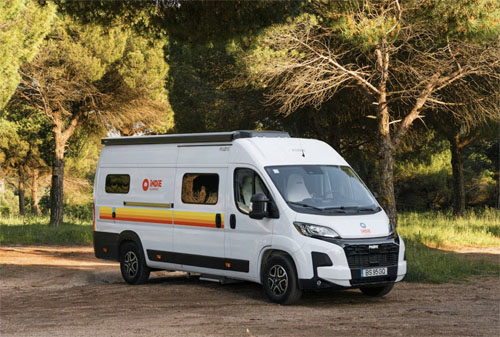
Class SI semi-integrated motorhomes, averaging 6.9 meters in length and sleeping around 3.8 people, offer a balanced choice for one-way RV rentals in Scotland, blending comfort with improved maneuverability compared to larger models. According to Bandana's global fleet data, they are ideal for couples or small families, providing sufficient living space and amenities while being easier to navigate on Scotland's varied roads than Class A or C RVs. Their fuel consumption typically falls between 10-11 Liter/100km, offering good efficiency, and an average load capacity of 72.2 kg provides decent storage for essentials on the go. These are a great option for those considering a two-week RV rental in Scotland, offering a good compromise for diverse routes.
Class C (Alcove) — Best For
Class C alcove motorhomes, averaging 7.5 meters in length and accommodating approximately 5.8 sleepers, are best for families or groups embarking on a one-way RV rental in Scotland due to their efficient use of space and cost-effectiveness. Distinguished by the prominent sleeping area over the cab, these RVs are a popular choice, offering ample beds for 4.4 adults on average, per Bandana's global fleet data, despite their larger size (similar to Class A in length). They typically consume 10-12 Liter/100km of fuel and have an average load capacity of 42.4 kg, making them practical for longer trips where group accommodation is key, though drivers should be mindful of their height and length on winding Scottish roads. When comparing RV classes for Scotland, these offer a good balance for larger groups, but may require extra caution on narrower routes.
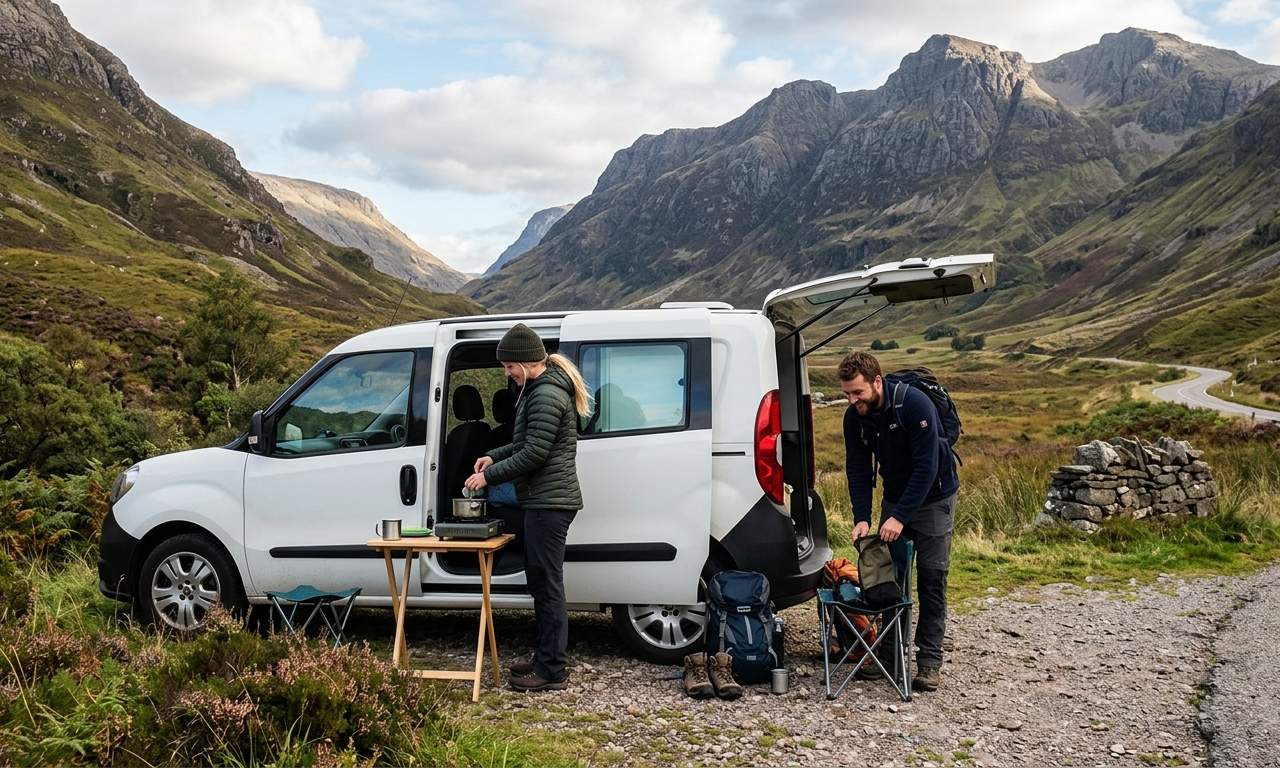
Class B (Campervan) — Best For
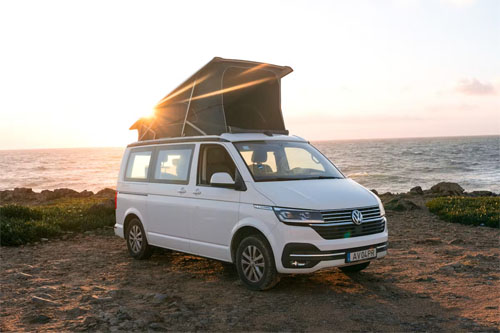
Class B campervans, with an average length of 5.8 meters and sleeping around 3.2 people, are optimally suited for adventurous couples or solo travelers seeking maximum maneuverability and fuel economy during a one-way RV rental in Scotland. These compact vehicles, as per Bandana's global fleet averages, are the easiest to navigate on Scotland's often narrow and winding single-track roads, offering car-like driving dynamics and easier parking in towns and remote spots. They boast excellent fuel efficiency, typically 8-10 Liter/100km, and an average load capacity of 37 kg, making them perfect for exploring remote areas, discreet overnight parking, and experiencing a truly immersive Scottish journey, albeit with less internal living space. If you're looking for cheap RV rental in Scotland, these are often the most economical.
Class TC (Truck Camper) — Best For
Class TC truck campers, averaging 5.5 meters in length and designed for approximately 2.4 sleepers, are an excellent choice for off-grid adventurers or flexible travelers undertaking a one-way RV rental in Scotland, seeking ruggedness and versatility. These unique RVs, often featuring a detachable living unit on a pickup truck chassis, provide enhanced off-road capability and the flexibility to use the base truck for day trips once the camper is dismounted, per Bandana's global fleet data. While their fuel consumption is higher, typically 12-17 Liter/100km, their compact footprint and robust design are ideal for reaching more remote Scottish locations and navigating challenging terrain, offering a distinct adventure profile for 2.1 adults on average.
Side-by-Side Comparison Table
Below is a comparison of the RV families available for one-way rentals in Scotland, highlighting key specifications to help inform your decision based on your travel style and group size.
| Family | Avg Length (m) | Sleeps (Avg) | Fuel Use (Avg L/100 km) | Best Use Case in Scotland |
|---|---|---|---|---|
| Class A (Integrated) | 7.5 | 4.4 | 11-12 | Luxury, large groups, long journeys, amenities focused, less remote areas |
| Class SI (Semi-Integrated) | 6.9 | 3.8 | 10-11 | Couples/small families, balanced comfort & maneuverability, diverse routes |
| Class C (Alcove) | 7.5 | 5.8 | 10-12 | Families/groups, cost-efficient beds, sufficient space, mindful driving on narrow roads |
| Class B (Campervan) | 5.8 | 3.2 | 8-10 | Adventurous couples/solo, maximum maneuverability, fuel economy, remote access, discreet parking |
| Class TC (Truck Camper) | 5.5 | 2.4 | 12-17 | Off-grid explorers, flexible travel, rugged terrain, detachable unit for local excursions |
Our Recommendation for one way rv rental Travelers in Scotland
For one-way RV rentals in Scotland, the **Class B (Campervan)** is generally our primary recommendation due to its unparalleled maneuverability on Scotland's often narrow and winding roads, superior fuel economy, and ease of parking in towns and remote spots. It's ideal for couples or solo adventurers who want to explore extensively without the stress of navigating a larger vehicle, offering an authentic and unrestricted Scottish experience. A strong runner-up is the **Class SI (Semi-Integrated)** motorhome, offering a comfortable balance of living space and drivability for small families or groups who desire more amenities than a campervan while still being manageable on most Scottish routes. Both options facilitate a more immersive and less restricted Scottish experience compared to larger RV classes, which can face significant challenges on some of the country's most scenic routes. If you're looking for luxury RV rental in Scotland, a larger Class A or SI might be more suitable, but always check the specific dimensions and supplier advice.
How much does a 2 week RV rental cost in Scotland
The cost of a 2-week RV rental in Scotland varies significantly based on RV class, season, booking lead time, and specific amenities, with current flex-rate examples available via Bandana's live pricing table in the 'Price Comparison by RV Class in Scotland' section. Generally, a Class B campervan will be more affordable than a Class A integrated motorhome for the same duration, with semi-integrated and alcove models falling in between. Beyond the rental fee, travelers should budget for additional costs such as comprehensive insurance, one-way fees (which can add £150-£300+), fuel, campsites, and optional extras like bike racks or linen packages. Refer to Bandana's live search for precise, real-time pricing for your desired dates and RV type, as prices fluctuate with demand and availability. Planning a weekly RV rental in Scotland can help manage costs, especially if booked in advance. On the routes offered through RV PLANET routes, you can itemize and track every expense along the way for easy budgeting.
Is Scotland expensive to visit in an RV
Visiting Scotland in an RV can be moderately expensive, but costs are manageable with careful planning, extending beyond just the rental fee to include fuel, campsites, food, attractions, and ferry travel. Fuel is a significant expense, especially given the typical 10-12 Liter/100 km consumption for many RV classes and potentially higher prices in remote areas; budgeting for £100-£150+ per week is a reasonable starting point depending on mileage. Campsites typically range from £25-£45 per night for a powered pitch, while attractions like historic castles and distilleries can add £15-£30 per person per entry. Budget for groceries, occasional dining out, and potential ferry crossings (e.g., to Skye or the Outer Hebrides, which can cost £50-£200+ for an RV depending on size and route), alongside insurance, specific tolls (e.g., Skye Bridge is free, but some private roads or crossings might have fees), and any one-way rental fees. Money-saving tips include cooking most meals in your RV, utilizing certified overnight parking spots (where permitted and available), booking campsites in advance during peak season, and purchasing multi-attraction passes like Historic Scotland's Explorer Pass. For budgeting, remember to use RV PLANET routes to itemize and track every expense along the way.
Is it hard to drive an RV in Scotland
Driving an RV in Scotland can present challenges, especially on narrow, winding single-track roads with passing places common in rural and Highland areas, but it is manageable with caution and the right vehicle choice. Specific roads like sections of the North Coast 500 (e.g., Bealach na Bà, Applecross) are notably problematic for larger RVs (Class A and C, avg. 7.5m length) due to steep gradients, sharp bends, and limited turning space; smaller RVs like Class B campervans (avg. 5.8m length) or Class SI (avg. 6.9m length) are significantly easier to handle. Drivers should familiarize themselves with the etiquette of passing places: pull into one on your left to let traffic pass, or if one is on your right, wait opposite it for oncoming traffic to pass, always waving thanks. Consider an RV no longer than 7 meters for greater flexibility, and always check road signs for vehicle restrictions, particularly height and weight limits. Practice reversing before your trip and plan routes carefully to avoid known difficult sections, using apps or guides that recommend RV-friendly alternatives. This is a great destination for slow travel, so be prepared to take your time.
Can you wild camp anywhere in Scotland in an RV
While Scotland's Scottish Outdoor Access Code (SOAC) generally permits wild camping, it specifically applies to lightweight, non-motorised camping, meaning RVs and motorhomes **cannot** legally wild camp anywhere they choose. Overnight parking in an RV is generally tolerated in some locations, often referred to as 'informal overnight parking' or 'stopovers,' provided it's done responsibly, ethically, and doesn't cause obstruction, nuisance, or damage, adhering strictly to 'leave no trace' principles. Many local authorities, particularly in popular tourist areas like the NC500 or Skye, have implemented bylaws restricting overnight RV parking or introduced specific designated parking areas, some with a small fee, to manage vehicle numbers and waste. It is crucial to research specific area regulations, utilize official campsites or designated motorhome stopovers (like those in the 'Aire de Service' style), and always respect private land, local communities, and the environment by properly disposing of all waste, including grey and black water. Remember to check campsite availability using RV PLANET.
Can you drink tap water in Scotland
Yes, tap water in Scotland is generally safe to drink across the entire country, including remote areas, making it convenient for RV travelers to refill water tanks directly from mains sources. While tap water is safe, dedicated water refill points for RVs can also be found at many campsites, specific service stations, or through community-driven apps like Brit Stops or Park4night. It's advisable to carry a water filter or purification tablets for emergencies or if you're ever uncertain about a remote natural source (though rarely needed for treated tap water). Regarding waste, grey water (from sinks/showers) and black water (from toilets) must always be disposed of at designated dump stations, which are available at almost all established campsites and some public facilities across Scotland. LPG/propane availability for cooking and heating is common at larger fuel stations and dedicated gas suppliers, but it’s wise to carry adaptors for different cylinder types and ensure you have sufficient supply, especially when venturing into the more remote Highlands and Islands. If you're planning to cook on board, check out our RV-friendly recipes playlist.
Can you take an RV on Scottish ferries
Yes, you can take an RV on most Scottish ferries, which provide vital links to islands like the Outer Hebrides, Orkney, Shetland, and even the Isle of Skye (though Skye is also accessible via bridge). Booking well in advance is highly recommended, especially during peak season, as space for larger vehicles is limited and often sells out, particularly for popular routes. Ferry costs for RVs are typically calculated based on vehicle length and height, often significantly more than a standard car, so be prepared for higher prices and always provide accurate dimensions when booking. Major ferry operators include Caledonian MacBrayne (CalMac) for the west coast and islands, and NorthLink Ferries for Orkney and Shetland, each with their own booking systems and requirements. Familiarize yourself with boarding procedures, which often involve arriving early and following specific lane instructions for oversized vehicles, and be aware of any restrictions on gas bottle usage during transit. If you're considering a trip to the islands, checking the ferry schedules and costs is essential.
What is the best way to travel around Scotland
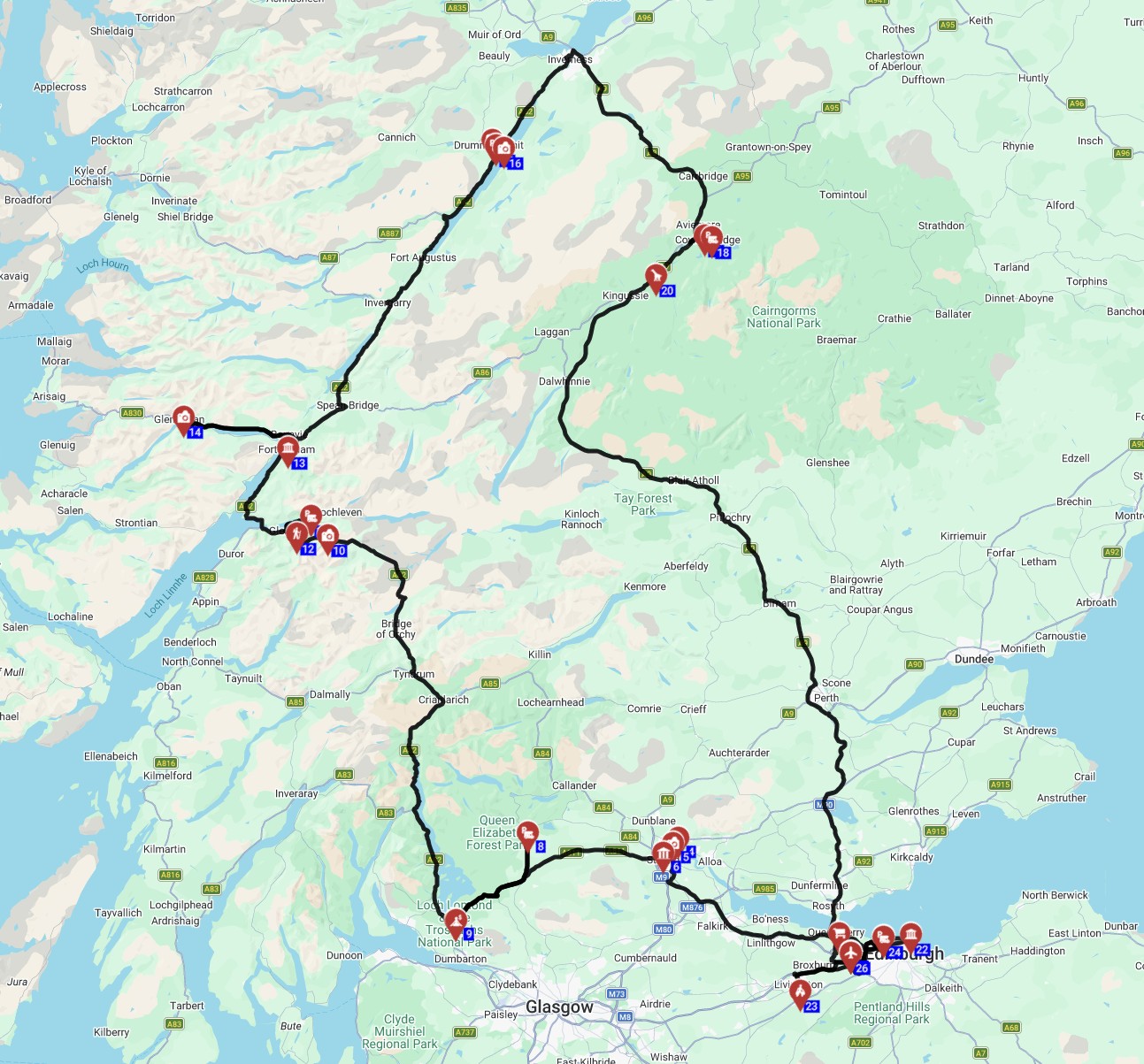
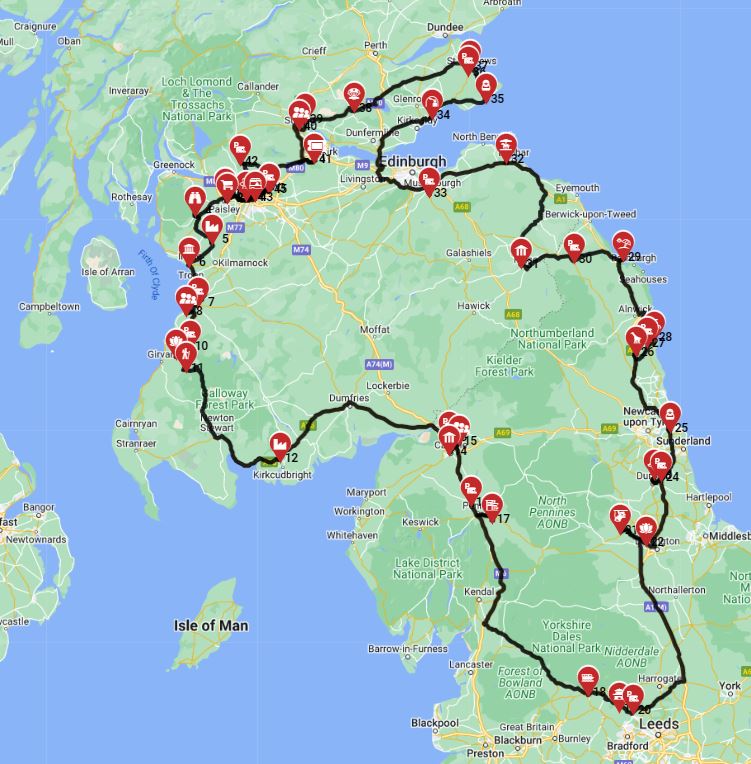
The best way to travel around Scotland depends on your priorities, but an RV offers unparalleled flexibility and access to remote landscapes for a truly immersive, self-guided experience. For a one-way RV rental, planning a route that starts in a major hub like Edinburgh or Glasgow and ends in another (e.g., Inverness) allows for exploration without retracing steps, maximizing discovery. Consider iconic driving routes such as the North Coast 500, the Argyll Coastal Route, or parts of the Heart of Scotland for breathtaking scenery and diverse cultural insights. To foster positive interactions and support local economies, engage with local communities, buy produce from local shops, and respect local customs, particularly regarding parking and waste disposal, and note specific rules for pet travel on ferries or in national parks. Connectivity in remote areas can be patchy; consider a local SIM card or pre-download maps and information, and always be prepared for emergencies with a basic first-aid kit, extra water, and breakdown assistance contact details. Traveling slowly, for example, max 100-150 km per day, will allow you to truly connect with the culture, food, and scenery.
Where can you take an RV in Scotland
You can take an RV to most regions of mainland Scotland and many of its islands, with popular destinations including the Highlands, Loch Lomond & The Trossachs National Park, Cairngorms National Park, the Isle of Skye, and the entire NC500 route. While larger towns and cities like Edinburgh and Glasgow have limited RV access and parking within their centers, well-located campsites or park-and-ride facilities on the outskirts are typically available. National Parks generally welcome RVs but have specific rules for parking and overnight stays to protect fragile environments; always check park-specific guidelines and respect local signage. Be mindful of rural roads that may be unsuitable for larger vehicles, especially in the more mountainous and remote western Highlands; planning ahead to use appropriate routes is essential. Cultural engagement can be enhanced by visiting local distilleries, attending Highland Games (seasonal), exploring historic sites, and taking part in local festivals, often found in smaller towns and villages accessible by RV. If you're planning a broader trip across the continent, our guide RV Rental Europe - Complete Guide 2026 provides excellent insights.
What is the best time of year to RV in Scotland
The best time of year to RV in Scotland is generally late spring (May-June) and early autumn (September-October) when the weather is often milder, midges are less prevalent than in summer, and tourist crowds are thinner, offering a more peaceful experience. Summertime (July-August) offers the warmest weather and longest daylight hours but also brings peak tourist numbers, higher prices, and the notorious Scottish midge, making advance bookings for campsites and ferries absolutely essential. Winter travel (November-April) can be challenging due to shorter daylight hours, colder temperatures, potential for snow and ice on roads, and many campsites and attractions being closed, though it offers a unique, tranquil experience for experienced RVers prepared for the conditions. Always be prepared for changeable Scottish weather regardless of the season, packing layers and waterproofs for sudden shifts. You'll find that weekly RV rentals in Scotland are popular during these shoulder seasons.
Are RVs allowed in Edinburgh
RVs are generally allowed to enter Edinburgh, but central city access and parking are severely restricted and not recommended due to narrow streets, height/width restrictions, and a scarcity of suitable parking spaces. The best approach for visiting Edinburgh in an RV is to utilize campsites or dedicated RV parking facilities on the outskirts of the city. Many such sites, like those in the Lothians, offer convenient bus or tram connections directly into the city center, allowing visitors to explore attractions like Edinburgh Castle and the Royal Mile without the hassle of driving and parking a large vehicle. Consider using a park-and-ride service, many of which accommodate larger vehicles, and always check for current parking regulations and available spaces before arriving to avoid fines or inconvenience. If you're looking for RV rental Edinburgh prices, compare them on our platform.
What is the most scenic route in Scotland for RV
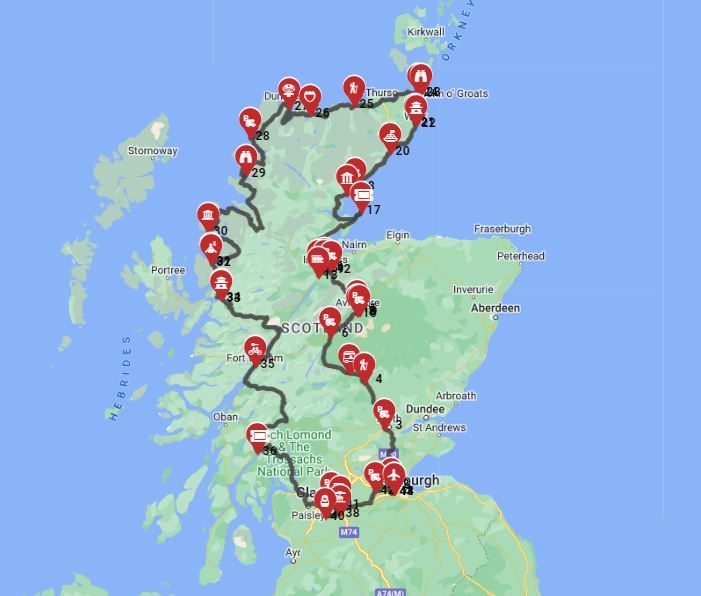
The North Coast 500 (NC500) is widely considered Scotland's most scenic route for an RV, offering a spectacular 516-mile journey around the northern Highlands with breathtaking coastal views, dramatic mountains, and historic sites. While the NC500 is immensely popular, be aware that some sections, particularly on the west coast (e.g., Bealach na Bà, Applecross), feature challenging single-track roads that are best suited for smaller RVs (Class B and SI); larger vehicles should plan alternative routes around these specific difficult sections. Other highly scenic routes include the Argyll Coastal Route, the Fife Coastal Route, and the various driving routes within the Cairngorms National Park, each offering distinct landscapes and cultural experiences. Detailed route planning, especially for one-way RV rentals, is crucial to match the vehicle size to road suitability, ensure safe passage, and maximize your enjoyment of Scotland's unparalleled natural beauty. Using our platform to find cheap RV rentals in Scotland can make these routes even more accessible.
What You Shouldn't Miss
- Drive a portion of the iconic North Coast 500, focusing on sections suitable for your chosen RV size for stunning Highland scenery.
- Explore the Isle of Skye, perhaps via the Skye Bridge, and marvel at the Old Man of Storr and the Quiraing.
- Visit a historic castle, such as Edinburgh Castle, Stirling Castle, or Eilean Donan Castle, to immerse yourself in Scotland's rich history.
- Experience a traditional Scottish whisky distillery tour and tasting for a taste of local culture and craftsmanship.
- Wander through the atmospheric streets of Edinburgh or Glasgow, taking in the architecture and vibrant city life.
- Hike in one of Scotland's National Parks, like Loch Lomond & The Trossachs or Cairngorms, for breathtaking natural beauty.
Final Thoughts
Embarking on a one-way RV rental adventure in Scotland offers an unparalleled way to explore its dramatic landscapes and rich history at your own pace. By carefully choosing the right RV size and type, planning your route, and embracing the spirit of slow travel, you're set for an unforgettable experience. Remember to book in advance, especially for popular seasons, and take advantage of the resources available to make your journey smooth and enjoyable.
Scotland's diverse scenery, from rugged coastlines to serene lochs and majestic mountains, is best experienced by RV. Whether you're drawn to the wild beauty of the Highlands or the charm of its historic cities, a rented motorhome provides the freedom and comfort to discover it all. Get inspired for your next trip and start planning your Scottish adventure today!
Discover top destinations, planning tips, all in one place! Plan a trip itinerary in advance with minimal effort and maximum enjoyment.