In This Guide
- The 5 RV Families Compared for Iceland
- Class A (Integrated) - Best For
- Price Comparison by RV Class in Iceland
- Live price comparison
- Class SI (Semi-Integrated) - Best For
- Class C (Alcove) - Best For
- Class B (Campervan) - Best For
- Class TC (Truck Camper) - Best For
- Side-by-Side Comparison Table
- Our Recommendation for one way rv rental Travelers in Iceland
- How much does it cost to rent an RV in Iceland
- Can you wild camp in Iceland in an RV
- What are the F-roads in Iceland
- Is it easy to drive an RV in Iceland
- Are there gas stations in Iceland for RVs
- Where can I empty my RV toilet in Iceland
- Can you take an RV to the Westfjords
- Do I need an international driver's license to drive an RV in Iceland
- What is the best time to rent an RV in Iceland
- How do you prepare an RV for winter in Iceland
- What You Shouldn't Miss
- Why Book with Bandana Caravan
- Final Thoughts
- Frequently Asked Questions
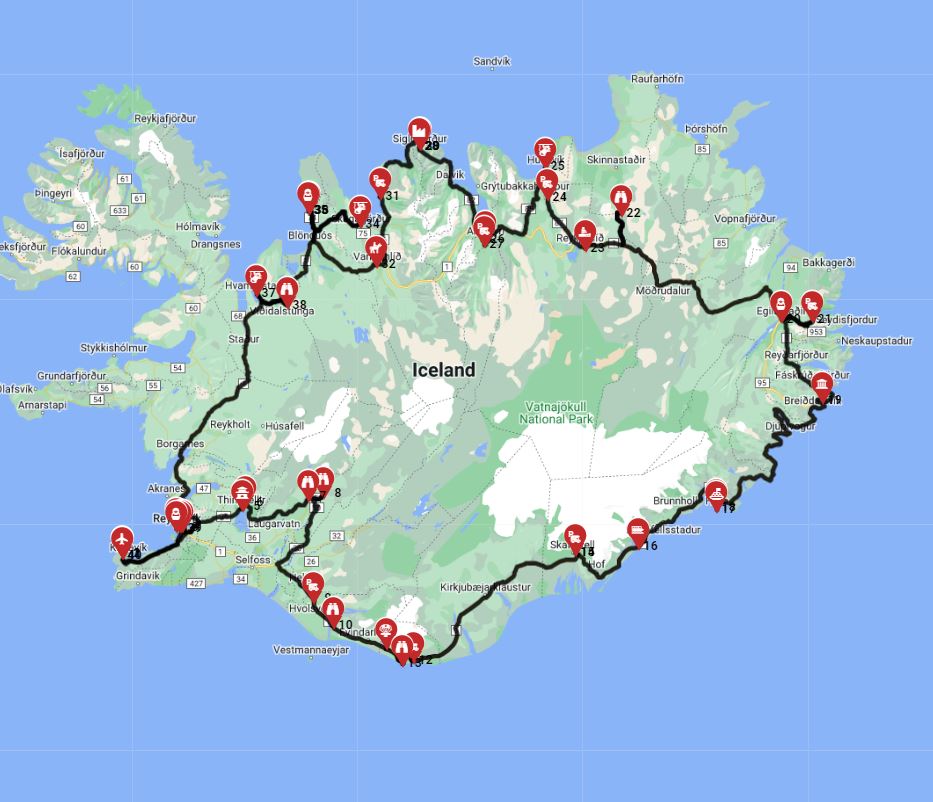
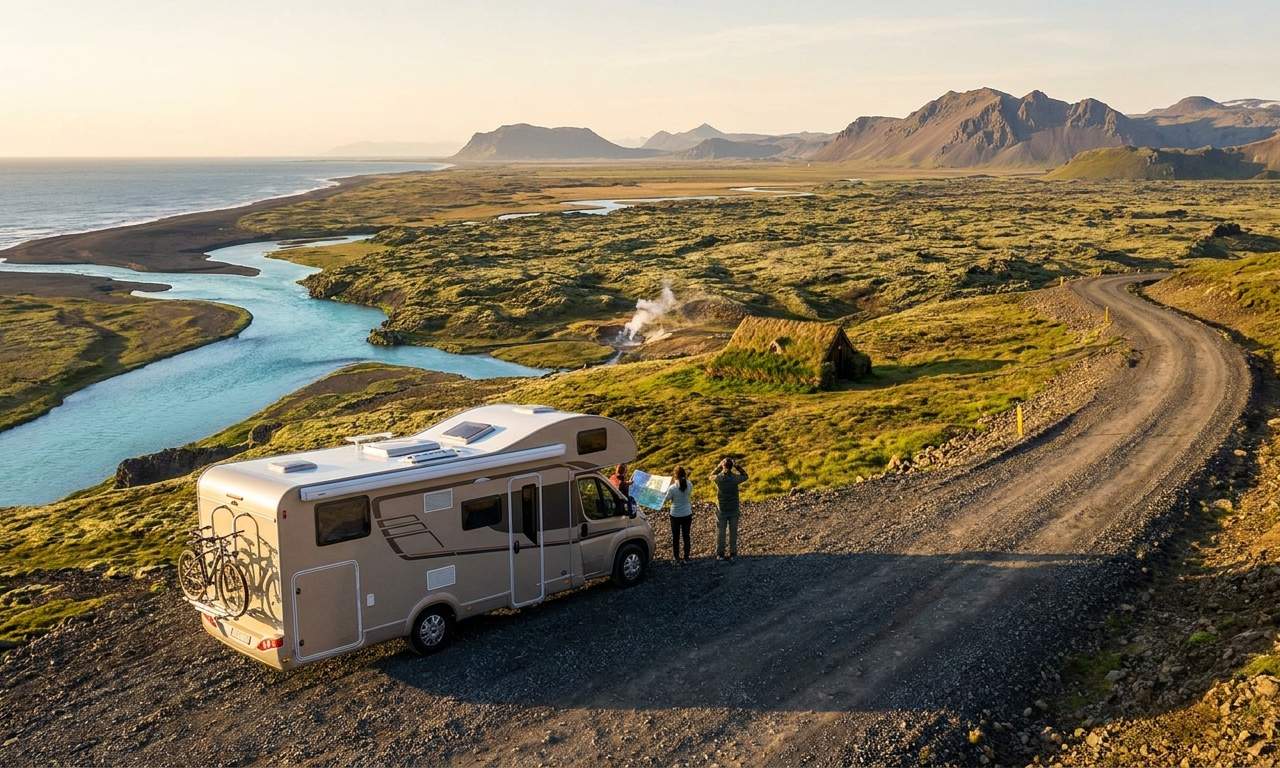
Exploring Iceland by RV is an adventure unlike any other, offering unparalleled freedom to discover its dramatic landscapes at your own pace. A one-way RV rental in Iceland allows you to maximize your journey, starting in one location and returning your mobile home in another, eliminating the need to backtrack. Whether you dream of tracing the iconic Ring Road, venturing into the remote Westfjords, or uncovering the Golden Circle's geothermal wonders, a rented motorhome serves as your comfortable, flexible base.
As true RV specialists with decades of experience, we at Bandana Caravan are here to guide you through every step of planning your Icelandic road trip. We understand that transparent pricing, reliable support, and the perfect vehicle are paramount to a successful adventure. For live availability and current prices, start with our RV Rental Iceland - Complete Guide 2026 guide.
The 5 RV Families Compared for Iceland
Choosing the right RV family is critical for a successful one-way trip in Iceland, directly impacting your comfort, accessibility to different terrains, and overall experience. When selecting a rented campervan or motorhome for your Icelandic adventure, consider vehicle size for navigating Iceland's unique road network and varying weather conditions. Your group size, desired level of comfort, and planned itinerary - such as sticking to the main Ring Road versus venturing onto F-roads - will heavily influence the best RV class choice. Understanding the distinct features of each class ensures you match your motorhome rental to your travel style.
Class A (Integrated) - Best For
Class A integrated motorhomes offer the most luxurious and spacious experience, making them ideal for larger groups or families seeking maximum comfort on a one-way rental in Iceland. Bandana's fleet typically shows Class A RVs, such as the "Active First" or "Comfort Luxury" models, with an average length of 7.5 meters and sleeping 4 to 6 people, providing ample living and storage space. These vehicles boast the highest average load capacity (often over 200 kg), allowing for extensive gear, provisions, and personal belongings for an extended road trip. Fuel consumption for Class A RVs averages 8-12 Liters/100 km, which is comparable to some smaller classes despite their larger footprint. While offering superior comfort, their size can be a trade-off on narrower Icelandic roads and parking, and they are generally not suitable for F-roads.
Price Comparison by RV Class in Iceland
RV rental prices in Iceland are highly dynamic, fluctuating based on the season, booking lead time, specific RV class, and the duration of your one-way rental. Peak season (June-August) typically sees prices rise by 30-50% compared to shoulder seasons (May, September). For example, a Class C motorhome might cost €250/day in May but €400/day in July. Because pricing is flex-rate, the table below pulls real example prices from Bandana's live search, offering a snapshot of current rates. The overall cost is influenced not only by the base rental fee but also by fuel, insurance, one-way fees (which can range from €150-€500 depending on the route), and campsite expenses. For more detailed insights into costs, refer to our "RV Rental in Iceland - Prices and Best Deals 2026" and "One-Way RV Rental in Iceland - Price Guide 2026" guides.
Check live prices
The prices displayed are flex-rate estimates and may change daily due to demand and availability. For the most current rates for your specific dates, please use the live search box at the top of this page. Remember that these are starting prices, and factors like rental duration, pickup/drop-off locations for a one-way trip, and included amenities will affect the final cost.
Class SI (Semi-Integrated) - Best For
Class SI semi-integrated motorhomes strike an excellent balance between comfort and maneuverability, making them a versatile choice for couples or small families on a one-way Icelandic adventure. Bandana's fleet typically features Class SI RVs, such as the "Active Standard Auto" or "Class SI - Semi-integrated" models, averaging 6.9 meters in length, providing comfortable sleeping for 2-4 people. These models offer a respectable average load capacity of 72.2 kg, suitable for luggage and extended provisions. With common fuel consumption around 10-11 Liters/100 km, they present a more economical option for longer distances compared to larger RVs. They often outperform both Class A (in agility) and Class C (in sleekness/aerodynamics) in Iceland, navigating scenic routes and smaller towns with greater ease while still providing ample amenities. This class is generally suitable for the main Ring Road and well-maintained gravel roads, but not for F-roads.
Class C (Alcove) - Best For
Class C alcove motorhomes are a top choice for families or groups needing generous sleeping capacity, particularly for one-way rentals across Iceland with multiple occupants. Bandana's fleet typically shows Class C RVs, like the "24' Class C Motorhome" or "Glamys 265" models, averaging 7.5 meters in length and sleeping 4-6 people, thanks to the distinctive bed over the cab. This extra sleeping area makes them highly efficient for maximizing occupancy without compromising living space, ideal for family road trips. They offer an average load capacity of 42.4 kg and maintain a fuel consumption of 10-12 Liters/100 km, making them a cost-efficient option for larger groups. Their robust construction is well-suited for varying Icelandic road conditions, though their size means they are generally not permitted or suitable for challenging F-roads.
Class B (Campervan) - Best For
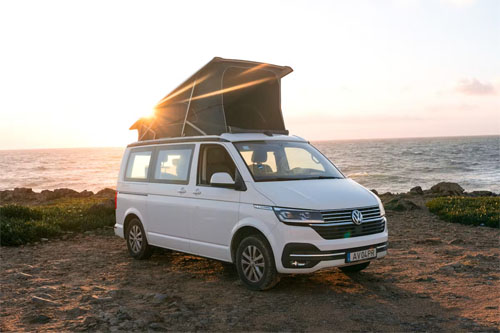
Class B campervans are celebrated for their superior maneuverability, fuel economy, and compact size, making them perfect for adventurous couples or solo travelers on a one-way Icelandic itinerary. Bandana's fleet typically shows Class B campervans, such as the "Active Bunk Auto" or "Juliette 2-3" models, with an average length of 5.8 meters and sleeping 2-3 people, feeling more like driving a large car. Their smaller footprint allows for easier navigation on narrow roads, parking in tight spots, and accessing locations where larger RVs cannot go. With an average load capacity of 37 kg and the best fuel efficiency at 8-10 Liters/100 km, they are the most economical option for those prioritizing flexibility and lower running costs. Ideal for exploring Iceland's diverse landscapes, offering spontaneous stops and a closer connection to nature, though interior space and amenities are more limited.
Class TC (Truck Camper) - Best For
Class TC truck campers are uniquely suited for off-grid and rugged F-road capable one-way expeditions in Iceland, appealing to travelers seeking remote adventure and unmatched flexibility. Bandana's fleet typically features Class TC truck campers, such as the "4x4 Scout Adventure Truck Camper Gold" or "Patagonia Camper 4x4 double cab" models, with an average length of 5.5 meters and sleeping 2-4 people, often mounted on a 4x4 pickup chassis. This configuration provides true off-road capability, essential for legally accessing the challenging F-roads of the Icelandic Highlands and other remote areas. While their robust nature and 4x4 drivetrain result in higher fuel consumption (12-17 Liters/100 km), it's a necessary trade-off for their unique access. The ability to detach the camper from the truck in some models offers the flexibility to use the pickup for day trips, significantly enhancing exploration possibilities.
Side-by-Side Comparison Table
This table provides a concise side-by-side comparison of the key specifications for each RV family, helping you quickly identify the best fit for your one-way RV rental in Iceland:
| RV Class | Avg. Length | Avg. Sleeping Capacity | Avg. Load Capacity | Avg. Fuel Consumption (L/100km) | F-Road Compatible |
|---|---|---|---|---|---|
| Class A (Integrated) | 7.5m | 4-6 people | ~200kg+ | 8-12 | No |
| Class SI (Semi-Integrated) | 6.9m | 2-4 people | ~70kg | 10-11 | No |
| Class C (Alcove) | 7.5m | 4-6 people | ~40kg | 10-12 | No |
| Class B (Campervan) | 5.8m | 2-3 people | ~35kg | 8-10 | No (standard 2WD) |
| Class TC (Truck Camper) | 5.5m | 2-4 people | ~60kg | 12-17 (4x4) | Yes (4x4 only) |
Our Recommendation for one way rv rental Travelers in Iceland
For most one-way RV travelers in Iceland seeking a balanced blend of comfort, versatility, and accessibility on the Ring Road, a Class SI (Semi-Integrated) RV is our primary recommendation. Its manageable average length of 6.9 meters allows for relatively easy navigation and parking, while still providing ample living space and amenities for 2-4 people with good fuel economy (10-11 L/100 km). This class offers a comfortable experience without the bulk of a Class A, perfect for exploring popular sites and towns.
As a strong runner-up, especially for the budget-conscious or solo adventurers prioritizing maximum maneuverability and fuel efficiency, the Class B (Campervan) is an excellent choice. With lengths around 5.8 meters and fuel consumption as low as 8-10 L/100 km, a rented campervan provides unmatched agility for spontaneous stops and navigating narrower roads, though with more limited interior amenities. For travelers whose main focus is the coastal Ring Road and popular attractions, a Class B rental allows for a truly immersive and flexible journey. You can learn more about budget options in our "Cheap RV Rental in Iceland - Budget Guide 2026" guide.
For those specifically aiming to explore the Highlands and legally traverse F-roads, a Class TC (Truck Camper) becomes the essential, albeit more specialized, recommendation due to its inherent 4x4 capability and robust design. This option opens up a whole new realm of Icelandic wilderness, from remote hot springs to breathtaking glaciers, inaccessible to other RV classes. Remember to always ensure your rental agreement permits F-road travel and that you have the necessary experience for such conditions.
How much does it cost to rent an RV in Iceland
An RV rental in Iceland typically ranges from €150 to €400+ per day, with the final cost heavily influenced by the season, RV class, rental duration, and specific inclusions. For instance, a Class B campervan might start around €150/day in May, while a larger Class C motorhome could cost €400+/day in July. Beyond the initial rental fee, a comprehensive budget should encompass mandatory insurance, potential one-way rental fees (ranging from €150-€500 depending on the route and supplier), high Icelandic fuel costs, daily campsite fees (typically €20-€50 per night), and charges for any add-ons like extra drivers, bedding kits, or mileage packages. Be mindful of local Value Added Tax (VAT), specific cleaning fees upon return, and surcharges for essential amenities such as kitchenware or Wi-Fi hotspots, which might not be included in the base price. Iceland's fuel prices are among the highest globally, around 300 ISK/liter for diesel in 2026, significantly impacting the total cost, especially for larger RVs with common consumption rates of 10-17 L/100 km; plan fuel stops strategically. To minimize expenses, consider traveling during the shoulder seasons (May, September), booking your RV rental several months in advance, opting for a smaller and more fuel-efficient RV like a Class B campervan, and utilizing your RV kitchen to cook most meals. When planning your budget, remember that our RV PLANET routes allow travelers to itemize and track every expense along the way for easy budgeting, giving you full transparency from the start. On the routes offered through RV PLANET routes, you can itemize and track every expense along the way for easy budgeting.
Can you wild camp in Iceland in an RV
No, wild camping in an RV or campervan is largely illegal and strictly prohibited in Iceland to protect its fragile and unique environment. Since a 2015 amendment to Icelandic law, it is illegal to stay overnight in an RV or campervan outside of designated campsites or without explicit, written permission from the landowner. Travelers are required to use official campsites, which are widely available throughout Iceland, especially along the Ring Road and in popular tourist areas, with many offering electrical hookups for your rented motorhome. These campsites provide necessary facilities such as toilets, showers, and waste disposal points, which are crucial for responsible travel. Adhering to these regulations is vital for minimizing your ecological footprint, preventing damage to delicate moss, vegetation, and the pristine natural landscapes that define Iceland.
What are the F-roads in Iceland
F-roads in Iceland are unpaved, often rugged mountain roads that provide access to the country's interior Highlands, and they are legally restricted to 4x4 vehicles only during their operational season, typically June to September. These roads are characterized by loose gravel, large potholes, varying terrain, and, critically, unbridged river crossings that require careful assessment and a high-clearance 4x4 vehicle, like a Class TC Truck Camper. F-roads are the primary gateway to Iceland's dramatic, less-traveled interior, offering unique landscapes, hiking trails, and a true wilderness experience away from the main tourist routes. It is essential to check your RV rental agreement, as most standard 2WD RVs (Class A, B, C, SI) are expressly forbidden on F-roads, and any resulting damage will not be covered by insurance. Always monitor road conditions and F-road openings on safetravel.is and road.is before attempting to drive them. Our "Winter RV Driving in Iceland - Safety Guide 2026" offers further tips for challenging road conditions.
Is it easy to drive an RV in Iceland
Driving an RV in Iceland presents unique challenges due to its rapidly changing weather conditions, strong winds, variable road surfaces, and occasional isolation, requiring attentive driving and thorough preparation. Be prepared to master driving in powerful crosswinds that can be dangerous for larger vehicles, navigate frequent gravel sections even on main roads, and cautiously approach single-lane bridges and unlit tunnels. Driving slowly and carefully, you can drive almost anywhere without issues. No need to stress - just use common sense and pay attention. Iceland's weather can shift dramatically and without warning; always consult vedur.is for current conditions and warnings before embarking on a drive. Many remote areas, especially in the Highlands, have limited to no cell phone service, necessitating self-reliance and pre-planned emergency procedures. Always drive with headlights on, strictly adhere to posted speed limits, and be vigilant for free-roaming sheep and other wildlife that can suddenly appear on the roads. Remember to factor in slower travel times; we always recommend slow travel, averaging a maximum of 100-150 km per day, to truly feel the place and connect with the scenery.
Are there gas stations in Iceland for RVs
Yes, gas stations are readily available throughout Iceland, particularly along the Ring Road and within major towns, though their frequency significantly decreases in more remote regions. Major fuel station chains such as N1, Olís, and Orkan are common, offering both gasoline (bensin) and diesel (dísil) suitable for rented motorhomes and campervans. It is crucial for RV travelers to constantly monitor their fuel levels and refuel whenever possible, especially before venturing into less populated areas like the Eastfjords, Westfjords, or the Highlands where stations are scarce. Most gas stations are self-service and automated, requiring a credit card with a PIN; it's advisable to have multiple payment options, and N1 also offers convenient pre-paid fuel cards. Planning your refueling stops meticulously is key to avoiding unnecessary stress on your Icelandic road trip.
Where can I empty my RV toilet in Iceland
RV toilet waste, encompassing both greywater from sinks/showers and blackwater from toilets, must be emptied exclusively at designated disposal points, which are primarily located at official campsites throughout Iceland. Improper disposal of waste is illegal and causes severe environmental damage to Iceland's fragile ecosystems, leading to significant fines and harming the landscape. Nearly all established campsites in Iceland are equipped with dedicated facilities for emptying both black water and grey water tanks, often alongside fresh potable water refill stations. Potable water for refilling your RV's fresh water tank is generally available at campsites, and sometimes at larger gas stations or service areas, ensuring you can maintain hygiene and cooking needs responsibly. If you're looking for inspiration on what delicious meals to whip up in your RV kitchen, check out our RV-friendly recipes playlist.
Can you take an RV to the Westfjords
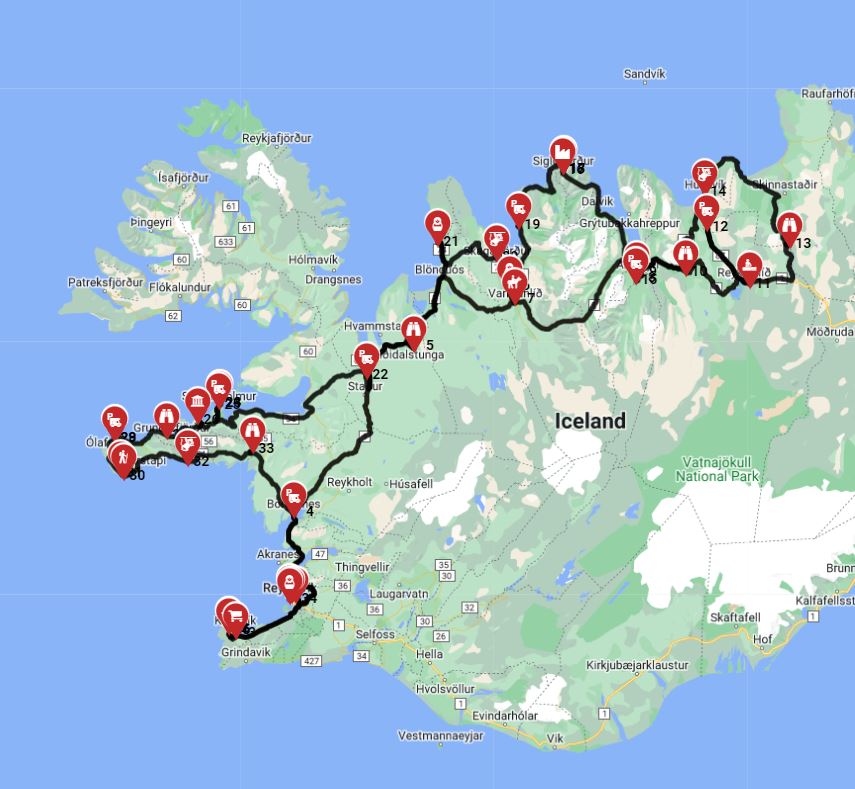
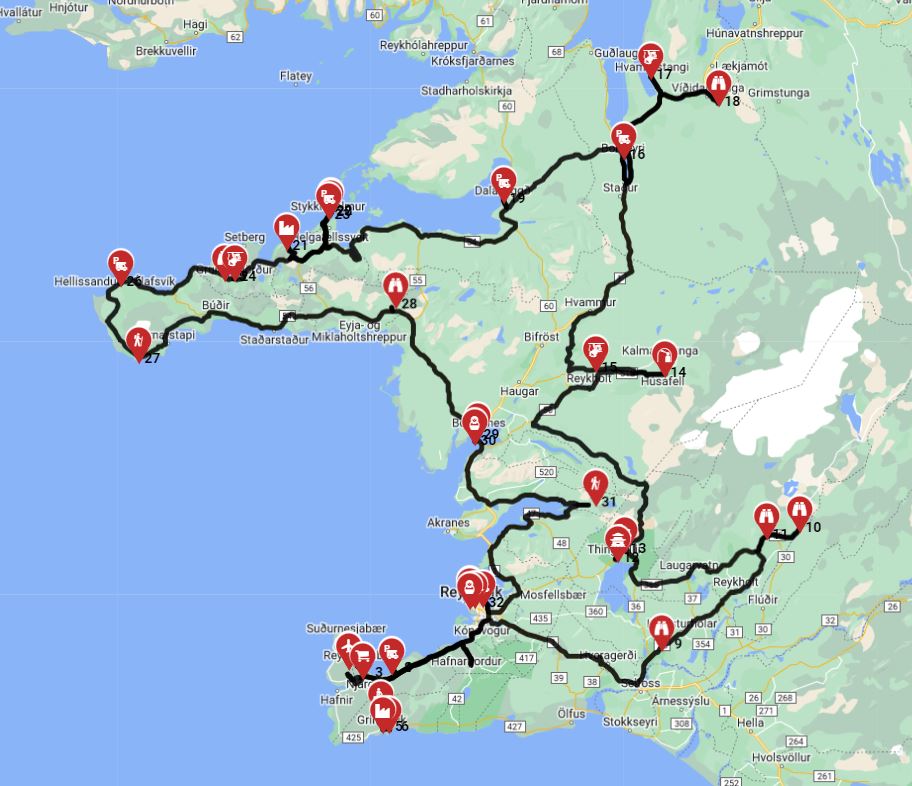
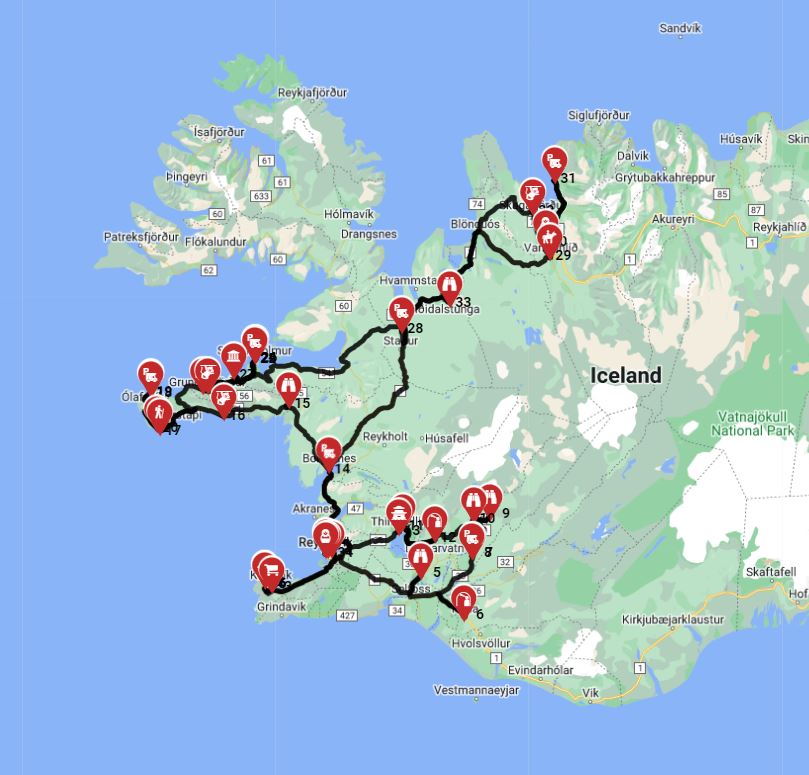
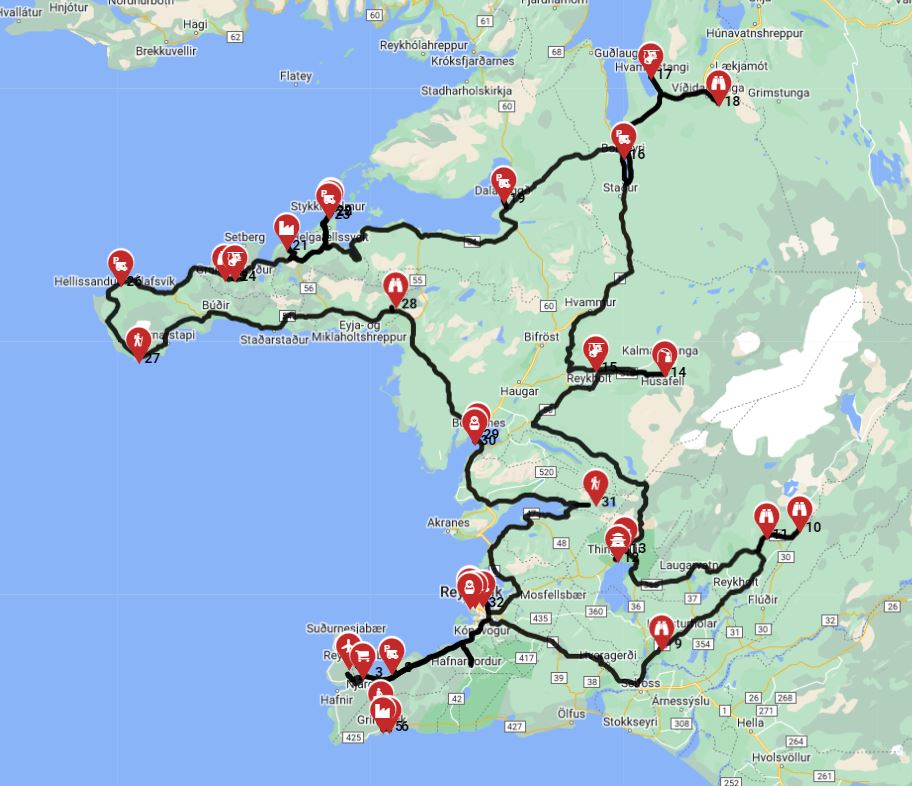
Yes, you can take an RV to the Westfjords, though the region's steep, winding, and often gravel roads are generally better suited for smaller, more agile RVs such as campervans or semi-integrated models. The Westfjords offer a dramatic, less-traveled alternative to the main Ring Road, characterized by stunning fjords, dramatic bird cliffs, and a unique remote charm. Roads in the Westfjords are predominantly gravel, frequently steep and winding, and some mountain passes can be particularly challenging for larger RVs, especially outside the peak summer months. Drive slowly and carefully, and you can drive almost anywhere without issues. No need to stress - just use common sense and pay attention. Plan for slower travel speeds, carry extra fuel and provisions, and be aware that cell phone service can be sporadic; while campsites are available, they are less frequent than in more central tourist areas, requiring careful planning. RV PLANET offers excellent route plans like "
Do I need an international driver's license to drive an RV in Iceland
No, an International Driving Permit (IDP) is not legally mandatory if your domestic driver's license is issued in a Latin alphabet and includes a photograph. While not strictly compulsory for all nationalities, it is highly recommended to carry an IDP alongside your valid national driver's license, as it serves as an official translation and can be very useful for rental companies, police checks, or in emergency situations. Ensure your national driver's license remains valid for the entire duration of your RV rental period in Iceland. The minimum age for most RV rental companies in Iceland is typically 21 years old, and there are no young driver surcharges or vehicle class restrictions based on age, making RV adventures accessible for younger adult travelers.
What is the best time to rent an RV in Iceland
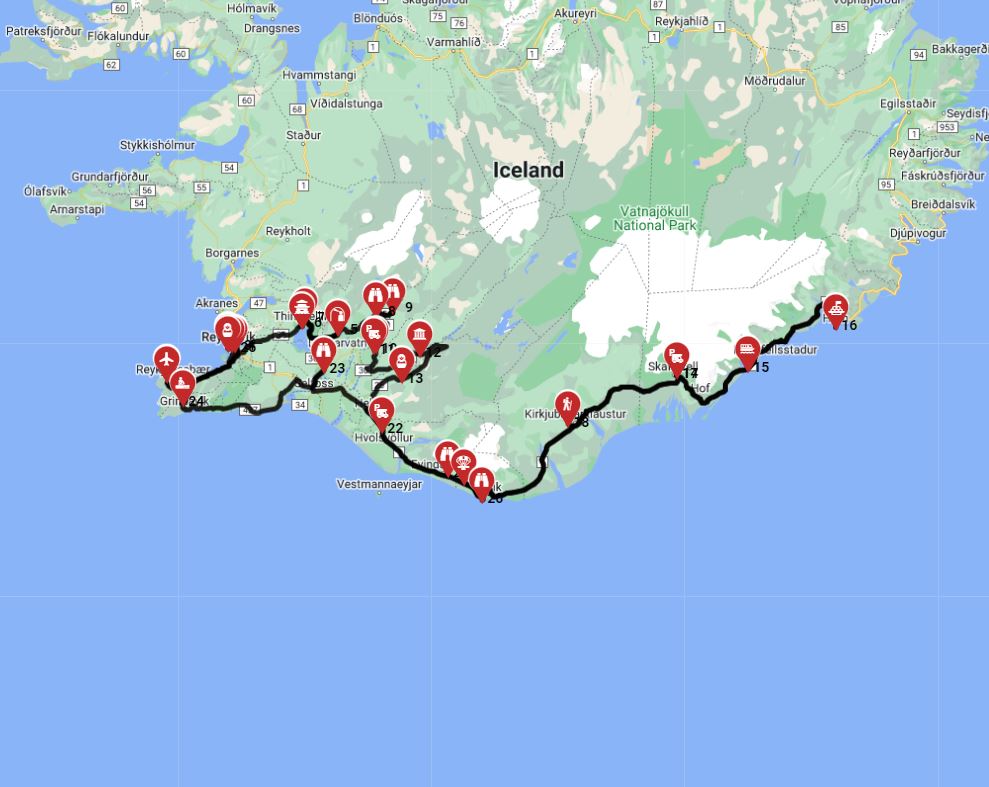
The best time to rent an RV in Iceland largely depends on your travel priorities, but late spring (May-early June) and early autumn (September) often provide an optimal balance of favorable weather, fewer crowds, and accessible roads. The peak season (June-August) offers the warmest weather, the famous midnight sun, and full accessibility to F-roads and the Highlands, but comes with the trade-off of higher prices and more crowded campsites and attractions. Shoulder seasons (May, September) feature lower rental prices, fewer tourists, and beautiful spring blooms or autumn colors, though with cooler temperatures and a higher chance of road closures due to weather. Winter RVing (October-April) presents specific challenges like icy roads, limited daylight, and many campsites being closed, but it offers unique opportunities for Northern Lights viewing, ice cave explorations, and serene, snow-covered landscapes without the summer crowds. Consider your itinerary and tolerance for colder weather when choosing your travel window, as each season offers a distinct Icelandic experience. RV PLANET offers diverse route plans such as "Iceland - Full ring road" (15 days, 2045.2 km, including 6 natural features) and "
How do you prepare an RV for winter in Iceland
Preparing an RV for winter in Iceland is crucial for safety and comfort, involving specific vehicle equipment, cautious driving techniques, and comprehensive emergency preparedness for extreme cold and unpredictable weather. Ensure your rented RV is specifically equipped for winter, including studded winter tires (often mandatory during certain periods), powerful and reliable heating systems, robust insulation, and potentially a pre-heating system for the engine and water tanks to prevent freezing. Adopt defensive driving strategies suitable for ice and snow, maintaining significantly larger following distances, reducing speed, and being highly vigilant for black ice, strong crosswinds, and sudden whiteout conditions. Always carry essential emergency supplies such as extra warm blankets, a supply of non-perishable food and water, a fully charged mobile phone with external battery packs, a shovel, first-aid kit, and consider a satellite phone or tracker for areas with no cell service. Drive slowly and carefully, and you can drive almost anywhere without issues. No need to stress - just use common sense and pay attention. Despite the inherent challenges, a well-prepared winter RV trip allows for incredible experiences like chasing the Northern Lights, exploring magnificent ice caves, and enjoying Iceland's dramatic frozen landscapes with fewer tourists. Our "Winter RV Driving in Iceland - Safety Guide 2026" delves deeper into these considerations.
🎬 Video coming soon
What You Shouldn't Miss
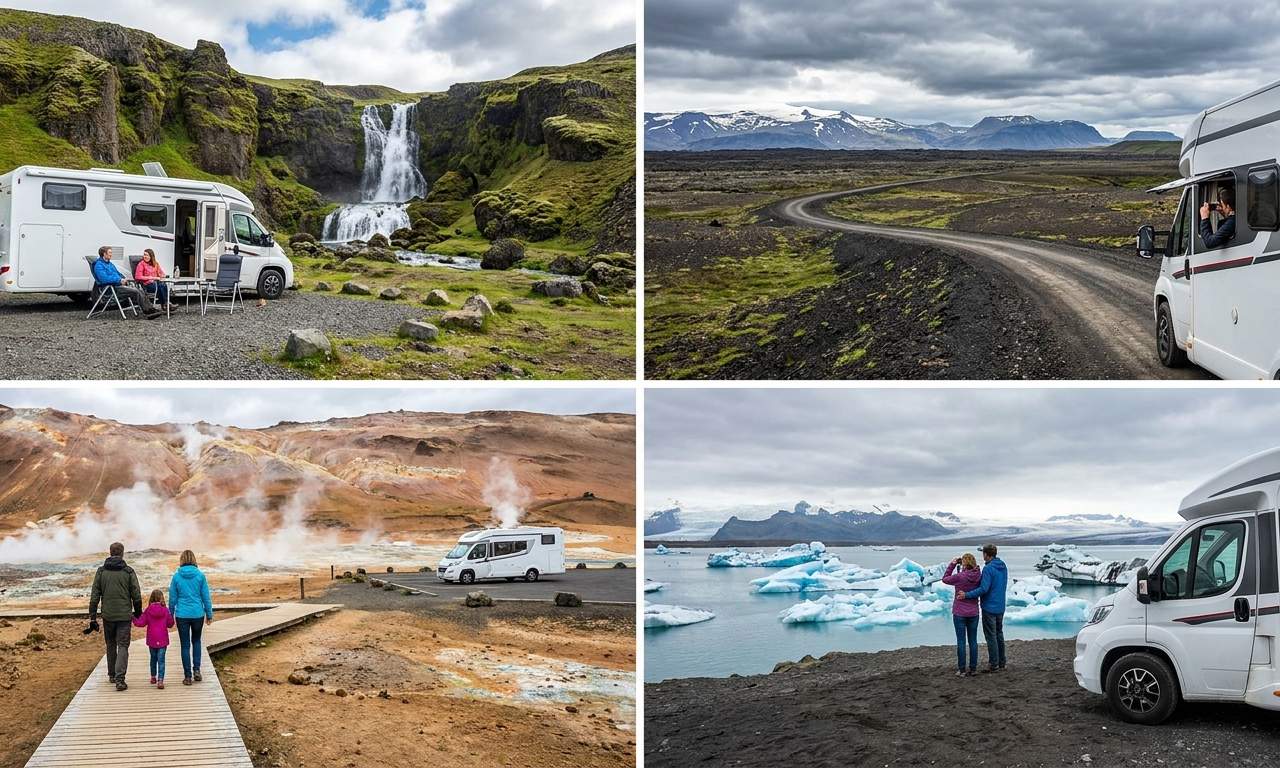
- Golden Circle: This classic route is a must for first-time RVers, featuring Þingvellir National Park, Gullfoss waterfall, and the Geysir geothermal area. It's perfectly navigable with any RV class.
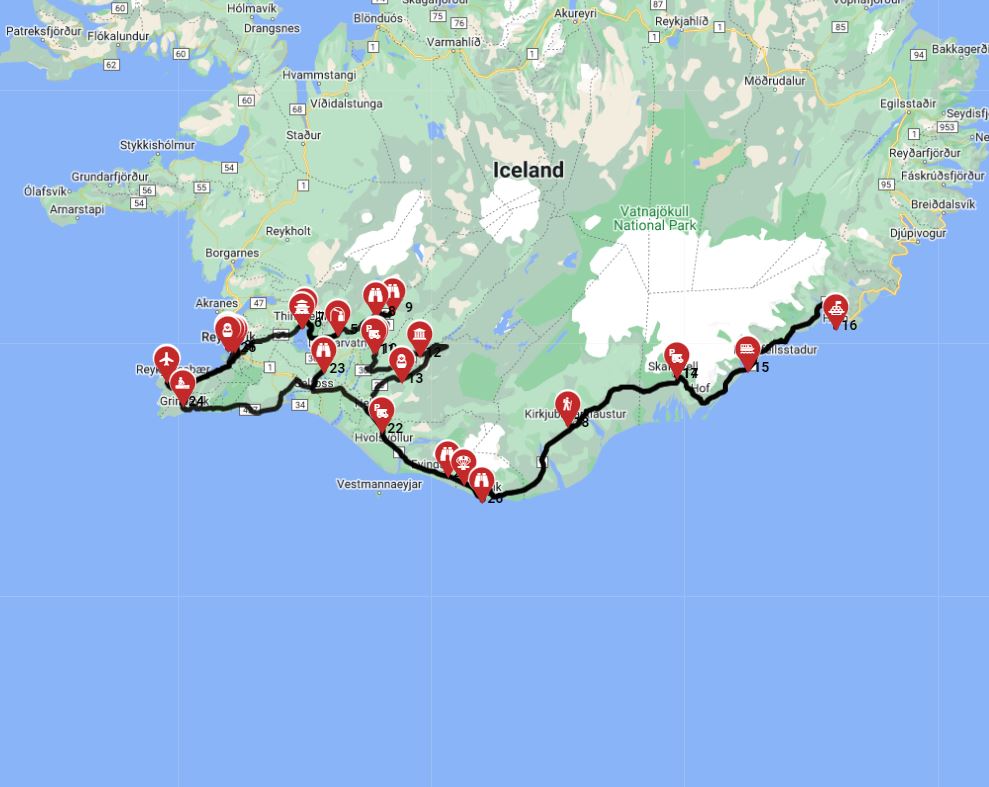
- South Coast Wonders: Drive past black sand beaches of Reynisfjara, the basalt columns, and the breathtaking Seljalandsfoss and Skógafoss waterfalls. Don't rush; plan for plenty of stops.
- Jökulsárlón Glacier Lagoon: Witness icebergs breaking off a glacier and floating out to sea. Consider a zodiac boat tour for an unforgettable close-up experience.
- Myvatn Nature Baths: After a day of exploring, relax in the mineral-rich geothermal waters of North Iceland, a more tranquil alternative to the Blue Lagoon.
- Snæfellsnes Peninsula: Often called "Iceland in miniature," this peninsula offers diverse landscapes from black sand beaches to basalt cliffs and the iconic Kirkjufell mountain, easily explored with a rented motorhome.
Looking for expert insights from Avi Bandana? Top 5 Adventures - recommendations from Avi Bandana
Final Thoughts
An RV rental in Iceland offers an unparalleled way to experience the Land of Fire and Ice, providing the flexibility to chase waterfalls, discover glaciers, and soak in geothermal pools at your own leisure. Choosing the right motorhome for a one-way trip, understanding local driving conditions, and planning for ancillary costs are all part of crafting a memorable and stress-free journey.
We handle the details, you live the journey – from selecting the perfect rented campervan to navigating the nuances of Icelandic travel, Bandana Caravan is with you every step of the way. Our commitment to full transparency and personalized support ensures that your Icelandic RV adventure is exactly as you imagined, without any hidden surprises.
Imagine yourself traversing the dramatic Ring Road, stopping whenever a breathtaking view calls to you, or exploring the remote beauty of the Westfjords. Your Icelandic RV adventure awaits! Discover top destinations, planning tips, all in one place and plan a trip itinerary in advance with minimal effort and maximum enjoyment.
In This Guide
- The 5 RV Families Compared for Iceland
- Class A (Integrated) - Best For
- Price Comparison by RV Class in Iceland
- Live price comparison
- Class SI (Semi-Integrated) - Best For
- Class C (Alcove) - Best For
- Class B (Campervan) - Best For
- Class TC (Truck Camper) - Best For
- Side-by-Side Comparison Table
- Our Recommendation for one way rv rental Travelers in Iceland
- How much does it cost to rent an RV in Iceland
- Can you wild camp in Iceland in an RV
- What are the F-roads in Iceland
- Is it easy to drive an RV in Iceland
- Are there gas stations in Iceland for RVs
- Where can I empty my RV toilet in Iceland
- Can you take an RV to the Westfjords
- Do I need an international driver's license to drive an RV in Iceland
- What is the best time to rent an RV in Iceland
- How do you prepare an RV for winter in Iceland
- What You Shouldn't Miss
- Why Book with Bandana Caravan
- Final Thoughts
- Frequently Asked Questions
Exploring Iceland by RV is an adventure unlike any other, offering unparalleled freedom to discover its dramatic landscapes at your own pace. A one-way RV rental in Iceland allows you to maximize your journey, starting in one location and returning your mobile home in another, eliminating the need to backtrack. Whether you dream of tracing the iconic Ring Road, venturing into the remote Westfjords, or uncovering the Golden Circle's geothermal wonders, a rented motorhome serves as your comfortable, flexible base.
As true RV specialists with decades of experience, we at Bandana Caravan are here to guide you through every step of planning your Icelandic road trip. We understand that transparent pricing, reliable support, and the perfect vehicle are paramount to a successful adventure. For live availability and current prices, start with our RV Rental Iceland - Complete Guide 2024 guide.
The 5 RV Families Compared for Iceland
Choosing the right RV family is critical for a successful one-way trip in Iceland, directly impacting your comfort, accessibility to different terrains, and overall experience. When selecting a rented campervan or motorhome for your Icelandic adventure, consider vehicle size for navigating Iceland's unique road network and varying weather conditions. Your group size, desired level of comfort, and planned itinerary - such as sticking to the main Ring Road versus venturing onto F-roads - will heavily influence the best RV class choice. Understanding the distinct features of each class ensures you match your motorhome rental to your travel style.
Class A (Integrated) - Best For
Class A integrated motorhomes offer the most luxurious and spacious experience, making them ideal for larger groups or families seeking maximum comfort on a one-way rental in Iceland. Bandana's fleet typically shows Class A RVs, such as the "Active First" or "Comfort Luxury" models, with an average length of 7.5 meters and sleeping 4 to 6 people, providing ample living and storage space. These vehicles boast the highest average load capacity (often over 200 kg), allowing for extensive gear, provisions, and personal belongings for an extended road trip. Fuel consumption for Class A RVs averages 8-12 Liters/100 km, which is comparable to some smaller classes despite their larger footprint. While offering superior comfort, their size can be a trade-off on narrower Icelandic roads and parking, and they are generally not suitable for F-roads.
Price Comparison by RV Class in Iceland
RV rental prices in Iceland are highly dynamic, fluctuating based on the season, booking lead time, specific RV class, and the duration of your one-way rental. Peak season (June-August) typically sees prices rise by 30-50% compared to shoulder seasons (May, September). For example, a Class C motorhome might start around €250/day in May but reach €400/day in July. Because pricing is flex-rate, the table below pulls real example prices from Bandana's live search, offering a snapshot of current rates. The overall cost is influenced not only by the base rental fee but also by fuel, insurance, one-way fees (which can range from €150-€500 depending on the route and supplier), and campsite expenses. For more detailed insights into costs, refer to our "RV Rental in Iceland - Prices and Best Deals 2024" and "One-Way RV Rental in Iceland - Price Guide 2024" guides.
Check live prices
The prices displayed are flex-rate estimates and may change daily due to demand and availability. For the most current rates for your specific dates, please use the live search box at the top of this page. Remember that these are starting prices, and factors like rental duration, pickup/drop-off locations for a one-way trip, and included amenities will affect the final cost.
Class SI (Semi-Integrated) - Best For
Class SI semi-integrated motorhomes strike an excellent balance between comfort and maneuverability, making them a versatile choice for couples or small families on a one-way Icelandic adventure. Bandana's fleet typically features Class SI RVs, such as the "Active Standard Auto" or "Class SI - Semi-integrated" models, averaging 6.9 meters in length, providing comfortable sleeping for 2-4 people. These models offer a respectable average load capacity of 72.2 kg, suitable for luggage and extended provisions. With common fuel consumption around 10-11 Liters/100 km, they present a more economical option for longer distances compared to larger RVs. They often outperform both Class A (in agility) and Class C (in sleekness/aerodynamics) in Iceland, navigating scenic routes and smaller towns with greater ease while still providing ample amenities. This class is generally suitable for the main Ring Road and well-maintained gravel roads, but not for F-roads.
Class C (Alcove) - Best For
Class C alcove motorhomes are a top choice for families or groups needing generous sleeping capacity, particularly for one-way rentals across Iceland with multiple occupants. Bandana's fleet typically shows Class C RVs, like the "24' Class C Motorhome" or "Glamys 265" models, averaging 7.46-7.5 meters in length and sleeping 4-6 people, thanks to the distinctive bed over the cab. This extra sleeping area makes them highly efficient for maximizing occupancy without compromising living space, ideal for family road trips. They offer an average load capacity of 42.4 kg and maintain a fuel consumption of 10-12 Liters/100 km, making them a cost-efficient option for larger groups. Their robust construction is well-suited for varying Icelandic road conditions, though their size means they are generally not permitted or suitable for challenging F-roads.
Class B (Campervan) - Best For
Class B campervans are celebrated for their superior maneuverability, fuel economy, and compact size, making them perfect for adventurous couples or solo travelers on a one-way Icelandic itinerary. Bandana's fleet typically shows Class B campervans, such as the "Active Bunk Auto" or "Juliette 2-3" models, with an average length of 5.8 meters and sleeping 2-3 people, feeling more like driving a large car. Their smaller footprint allows for easier navigation on narrow roads, parking in tight spots, and accessing locations where larger RVs cannot go. With an average load capacity of 37 kg and the best fuel efficiency at 8-10 Liters/100 km, they are the most economical option for those prioritizing flexibility and lower running costs. Ideal for exploring Iceland's diverse landscapes, offering spontaneous stops and a closer connection to nature, though interior space and amenities are more limited.
Class TC (Truck Camper) - Best For
Class TC truck campers are uniquely suited for off-grid and rugged F-road capable one-way expeditions in Iceland, appealing to travelers seeking remote adventure and unmatched flexibility. Bandana's fleet typically features Class TC truck campers, such as the "4x4 Scout Adventure Truck Camper Gold" or "Patagonia Camper 4x4 double cab" models, with an average length of 5.5 meters and sleeping 2-4 people, often mounted on a 4x4 pickup chassis. This configuration provides true off-road capability, essential for legally accessing the challenging F-roads of the Icelandic Highlands and other remote areas. While their robust nature and 4x4 drivetrain result in higher fuel consumption (12-17 Liters/100 km), it's a necessary trade-off for their unique access. The ability to detach the camper from the truck in some models offers the flexibility to use the pickup for day trips, significantly enhancing exploration possibilities.
Side-by-Side Comparison Table
This table provides a concise side-by-side comparison of the key specifications for each RV family, helping you quickly identify the best fit for your one-way RV rental in Iceland:
| RV Class | Avg. Length | Avg. Sleeping Capacity | Avg. Load Capacity | Avg. Fuel Consumption (L/100km) | F-Road Compatible |
|---|---|---|---|---|---|
| Class A (Integrated) | 7.5m | 4-6 people | ~200kg+ | 8-12 | No |
| Class SI (Semi-Integrated) | 6.9m | 2-4 people | ~70kg | 10-11 | No |
| Class C (Alcove) | 7.5m | 4-6 people | ~40kg | 10-12 | No |
| Class B (Campervan) | 5.8m | 2-3 people | ~35kg | 8-10 | No (standard 2WD) |
| Class TC (Truck Camper) | 5.5m | 2-4 people | ~60kg | 12-17 (4x4) | Yes (4x4 only) |
Our Recommendation for one way rv rental Travelers in Iceland
For most one-way RV travelers in Iceland seeking a balanced blend of comfort, versatility, and accessibility on the Ring Road, a Class SI (Semi-Integrated) RV is our primary recommendation. Its manageable average length of 6.9 meters allows for relatively easy navigation and parking, while still providing ample living space and amenities for 2-4 people with good fuel economy (10-11 L/100 km). This class offers a comfortable experience without the bulk of a Class A, perfect for exploring popular sites and towns.
As a strong runner-up, especially for the budget-conscious or solo adventurers prioritizing maximum maneuverability and fuel efficiency, the Class B (Campervan) is an excellent choice. With lengths around 5.8 meters and fuel consumption as low as 8-10 L/100 km, a rented campervan provides unmatched agility for spontaneous stops and navigating narrower roads, though with more limited interior amenities. For travelers whose main focus is the coastal Ring Road and popular attractions, a Class B rental allows for a truly immersive and flexible journey. You can learn more about budget options in our "Cheap RV Rental in Iceland - Budget Guide 2024" guide.
For those specifically aiming to explore the Highlands and legally traverse F-roads, a Class TC (Truck Camper) becomes the essential, albeit more specialized, recommendation due to its inherent 4x4 capability and robust design. This option opens up a whole new realm of Icelandic wilderness, from remote hot springs to breathtaking glaciers, inaccessible to other RV classes. Remember to always ensure your rental agreement permits F-road travel and that you have the necessary experience for such conditions.
How much does it cost to rent an RV in Iceland
An RV rental in Iceland typically ranges from €150 to €400+ per day, with the final cost heavily influenced by the season, RV class, rental duration, and specific inclusions. For instance, a Class B campervan might start around €150/day in May, while a larger Class C motorhome could cost €400+/day in July. Beyond the initial rental fee, a comprehensive budget should encompass mandatory insurance, potential one-way rental fees (ranging from €150-€500 depending on the route and supplier), high Icelandic fuel costs, daily campsite fees (typically €20-€50 per night), and charges for any add-ons like extra drivers, bedding kits, or mileage packages. Be mindful of local Value Added Tax (VAT), specific cleaning fees upon return, and surcharges for essential amenities such as kitchenware or Wi-Fi hotspots, which might not be included in the base price. Iceland's fuel prices are among the highest globally, around 300 ISK/liter for diesel in 2024, significantly impacting the total cost, especially for larger RVs with common consumption rates of 10-17 L/100 km; plan fuel stops strategically. To minimize expenses, consider traveling during the shoulder seasons (May, September), booking your RV rental several months in advance, opting for a smaller and more fuel-efficient RV like a Class B campervan, and utilizing your RV kitchen to cook most meals. When planning your budget, remember that our RV PLANET routes allow travelers to itemize and track every expense along the way for easy budgeting, giving you full transparency from the start.
Can you wild camp in Iceland in an RV
No, wild camping in an RV or campervan is largely illegal and strictly prohibited in Iceland to protect its fragile and unique environment. Since a 2015 amendment to Icelandic law, it is illegal to stay overnight in an RV or campervan outside of designated campsites or without explicit, written permission from the landowner. Travelers are required to use official campsites, which are widely available throughout Iceland, especially along the Ring Road and in popular tourist areas, with many offering electrical hookups for your rented motorhome. These campsites provide necessary facilities such as toilets, showers, and waste disposal points, which are crucial for responsible travel. Adhering to these regulations is vital for minimizing your ecological footprint, preventing damage to delicate moss, vegetation, and the pristine natural landscapes that define Iceland.
What are the F-roads in Iceland
F-roads in Iceland are unpaved, often rugged mountain roads that provide access to the country's interior Highlands, and they are legally restricted to 4x4 vehicles only during their operational season, typically June to September. These roads are characterized by loose gravel, large potholes, varying terrain, and, critically, unbridged river crossings that require careful assessment and a high-clearance 4x4 vehicle, like a Class TC Truck Camper. F-roads are the primary gateway to Iceland's dramatic, less-traveled interior, offering unique landscapes, hiking trails, and a true wilderness experience away from the main tourist routes. It is essential to check your RV rental agreement, as most standard 2WD RVs (Class A, B, C, SI) are expressly forbidden on F-roads, and any resulting damage will not be covered by insurance. Always monitor road conditions and F-road openings on safetravel.is and road.is before attempting to drive them. Our "Winter RV Driving in Iceland - Safety Guide 2024" offers further tips for challenging road conditions.
Is it easy to drive an RV in Iceland
Driving an RV in Iceland presents unique challenges due to its rapidly changing weather conditions, strong winds, variable road surfaces, and occasional isolation, requiring attentive driving and thorough preparation. Be prepared to master driving in powerful crosswinds that can be dangerous for larger vehicles, navigate frequent gravel sections even on main roads, and cautiously approach single-lane bridges and unlit tunnels. Drive slowly and carefully, and you can drive almost anywhere without issues. No need to stress - just use common sense and pay attention. Iceland's weather can shift dramatically and without warning; always consult vedur.is for current conditions and warnings before embarking on a drive. Many remote areas, especially in the Highlands, have limited to no cell phone service, necessitating self-reliance and pre-planned emergency procedures. Always drive with headlights on, strictly adhere to posted speed limits, and be vigilant for free-roaming sheep and other wildlife that can suddenly appear on the roads. Remember to factor in slower travel times; we always recommend slow travel, averaging a maximum of 100-150 km per day, to truly feel the place and connect with the scenery.
Are there gas stations in Iceland for RVs
Yes, gas stations are readily available throughout Iceland, particularly along the Ring Road and within major towns, though their frequency significantly decreases in more remote regions. Major fuel station chains such as N1, Olís, and Orkan are common, offering both gasoline (bensin) and diesel (dísil) suitable for rented motorhomes and campervans. It is crucial for RV travelers to constantly monitor their fuel levels and refuel whenever possible, especially before venturing into less populated areas like the Eastfjords, Westfjords, or the Highlands where stations are scarce. Most gas stations are self-service and automated, requiring a credit card with a PIN; it's advisable to have multiple payment options, and N1 also offers convenient pre-paid fuel cards. Planning your refueling stops meticulously is key to avoiding unnecessary stress on your Icelandic road trip.
Where can I empty my RV toilet in Iceland
RV toilet waste, encompassing both greywater from sinks/showers and blackwater from toilets, must be emptied exclusively at designated disposal points, which are primarily located at official campsites throughout Iceland. Improper disposal of waste is illegal and causes severe environmental damage to Iceland's fragile ecosystems, leading to significant fines and harming the landscape. Nearly all established campsites in Iceland are equipped with dedicated facilities for emptying both black water and grey water tanks, often alongside fresh potable water refill stations. Potable water for refilling your RV's fresh water tank is generally available at campsites, and sometimes at larger gas stations or service areas, ensuring you can maintain hygiene and cooking needs responsibly. If you're looking for inspiration on what delicious meals to whip up in your RV kitchen, check out our RV-friendly recipes playlist.
Can you take an RV to the Westfjords
Yes, you can take an RV to the Westfjords, though the region's steep, winding, and often gravel roads are generally better suited for smaller, more agile RVs such as campervans or semi-integrated models. The Westfjords offer a dramatic, less-traveled alternative to the main Ring Road, characterized by stunning fjords, dramatic bird cliffs, and a unique remote charm. Roads in the Westfjords are predominantly gravel, frequently steep and winding, and some mountain passes can be particularly challenging for larger RVs, especially outside the peak summer months. Drive slowly and carefully, and you can drive almost anywhere without issues. No need to stress - just use common sense and pay attention. Plan for slower travel speeds, carry extra fuel and provisions, and be aware that cell phone service can be sporadic; while campsites are available, they are less frequent than in more central tourist areas, requiring careful planning. RV PLANET offers excellent route plans like "
Do I need an international driver's license to drive an RV in Iceland
No, an International Driving Permit (IDP) is not legally mandatory if your domestic driver's license is issued in a Latin alphabet and includes a photograph. While not strictly compulsory for all nationalities, it is highly recommended to carry an IDP alongside your valid national driver's license, as it serves as an official translation and can be very useful for rental companies, police checks, or in emergency situations. Ensure your national driver's license remains valid for the entire duration of your RV rental period in Iceland. The minimum age for most RV rental companies in Iceland is typically 21 years old, and there are no young driver surcharges or vehicle class restrictions based on age, making RV adventures accessible for younger adult travelers.
What is the best time to rent an RV in Iceland
The best time to rent an RV in Iceland largely depends on your travel priorities, but late spring (May-early June) and early autumn (September) often provide an optimal balance of favorable weather, fewer crowds, and accessible roads. The peak season (June-August) offers the warmest weather, the famous midnight sun, and full accessibility to F-roads and the Highlands, but comes with the trade-off of higher prices and more crowded campsites and attractions. Shoulder seasons (May, September) feature lower rental prices, fewer tourists, and beautiful spring blooms or autumn colors, though with cooler temperatures and a higher chance of road closures due to weather. Winter RVing (October-April) presents specific challenges like icy roads, limited daylight, and many campsites being closed, but it offers unique opportunities for Northern Lights viewing, ice cave explorations, and serene, snow-covered landscapes without the summer crowds. Consider your itinerary and tolerance for colder weather when choosing your travel window, as each season offers a distinct Icelandic experience. RV PLANET offers diverse route plans such as "Iceland - Full ring road" (15 days, 2045.2 km, including 6 natural features) and "
How do you prepare an RV for winter in Iceland
Preparing an RV for winter in Iceland is crucial for safety and comfort, involving specific vehicle equipment, cautious driving techniques, and comprehensive emergency preparedness for extreme cold and unpredictable weather. Ensure your rented RV is specifically equipped for winter, including studded winter tires (often mandatory during certain periods), powerful and reliable heating systems, robust insulation, and potentially a pre-heating system for the engine and water tanks to prevent freezing. Adopt defensive driving strategies suitable for ice and snow, maintaining significantly larger following distances, reducing speed, and being highly vigilant for black ice, strong crosswinds, and sudden whiteout conditions. Always carry essential emergency supplies such as extra warm blankets, a supply of non-perishable food and water, a fully charged mobile phone with external battery packs, a shovel, first-aid kit, and consider a satellite phone or tracker for areas with no cell service. Drive slowly and carefully, and you can drive almost anywhere without issues. No need to stress - just use common sense and pay attention. Despite the inherent challenges, a well-prepared winter RV trip allows for incredible experiences like chasing the Northern Lights, exploring magnificent ice caves, and enjoying Iceland's dramatic frozen landscapes with fewer tourists. Our "Winter RV Driving in Iceland - Safety Guide 2024" delves deeper into these considerations.
🎬 Video coming soon
What You Shouldn't Miss
- Golden Circle: This classic route is a must for first-time RVers, featuring Þingvellir National Park, Gullfoss waterfall, and the Geysir geothermal area. It's perfectly navigable with any RV class.
- South Coast Wonders: Drive past black sand beaches of Reynisfjara, the basalt columns, and the breathtaking Seljalandsfoss and Skógafoss waterfalls. Don't rush; plan for plenty of stops.
- Jökulsárlón Glacier Lagoon: Witness icebergs breaking off a glacier and floating out to sea. Consider a zodiac boat tour for an unforgettable close-up experience.
- Myvatn Nature Baths: After a day of exploring, relax in the mineral-rich geothermal waters of North Iceland, a more tranquil alternative to the Blue Lagoon.
- Snæfellsnes Peninsula: Often called "Iceland in miniature," this peninsula offers diverse landscapes from black sand beaches to basalt cliffs and the iconic Kirkjufell mountain, easily explored with a rented motorhome.
Looking for expert insights from Avi Bandana? Top 5 Adventures - recommendations from Avi Bandana
Why Book with Bandana Caravan
Full Transparency
At Bandana Caravan, we believe in honest pricing. What you see is what you get, with no hidden fees or surprises throughout your one-way RV rental booking process in Iceland.
24/7 Support
Our team of real people is here to support you before, during, and after your booking, ensuring a smooth and worry-free planning experience for your Icelandic adventure.
True RV Specialists
We are not a side department of a generic travel agency. Founded in 2001, we are true RV specialists with over 23 years of dedicated experience, passionate about helping tens of thousands of travelers explore the world by rented RV.
Top-Level Deductible Reimbursement
Travel with extra peace of mind. You can upgrade to a top-level deductible for your Iceland RV rental, significantly reducing your financial liability in case of an incident.
Bandana Caravan is proud to have direct partnerships with 50+ leading RV suppliers worldwide, including trusted names like El Monte, Cruise America, Apollo, and Britz. Our sister company, RV PLANET (rvplan.net), offers 1,300+ pre-planned routes across 5 continents, providing expert-designed itineraries for every type of traveler. We also offer bookings in 30+ currencies with full price transparency, ensuring no hidden conversion commissions.
Final Thoughts
An RV rental in Iceland offers an unparalleled way to experience the Land of Fire and Ice, providing the flexibility to chase waterfalls, discover glaciers, and soak in geothermal pools at your own leisure. Choosing the right motorhome for a one-way trip, understanding local driving conditions, and planning for ancillary costs are all part of crafting a memorable and stress-free journey.
We handle the details, you live the journey – from selecting the perfect rented campervan to navigating the nuances of Icelandic travel, Bandana Caravan is with you every step of the way. Our commitment to full transparency and personalized support ensures that your Icelandic RV adventure is exactly as you imagined, without any hidden surprises.
Imagine yourself traversing the dramatic Ring Road, stopping whenever a breathtaking view calls to you, or exploring the remote beauty of the Westfjords. Your Icelandic RV adventure awaits! Discover top destinations, planning tips, all in one place and plan a trip itinerary in advance with minimal effort and maximum enjoyment.