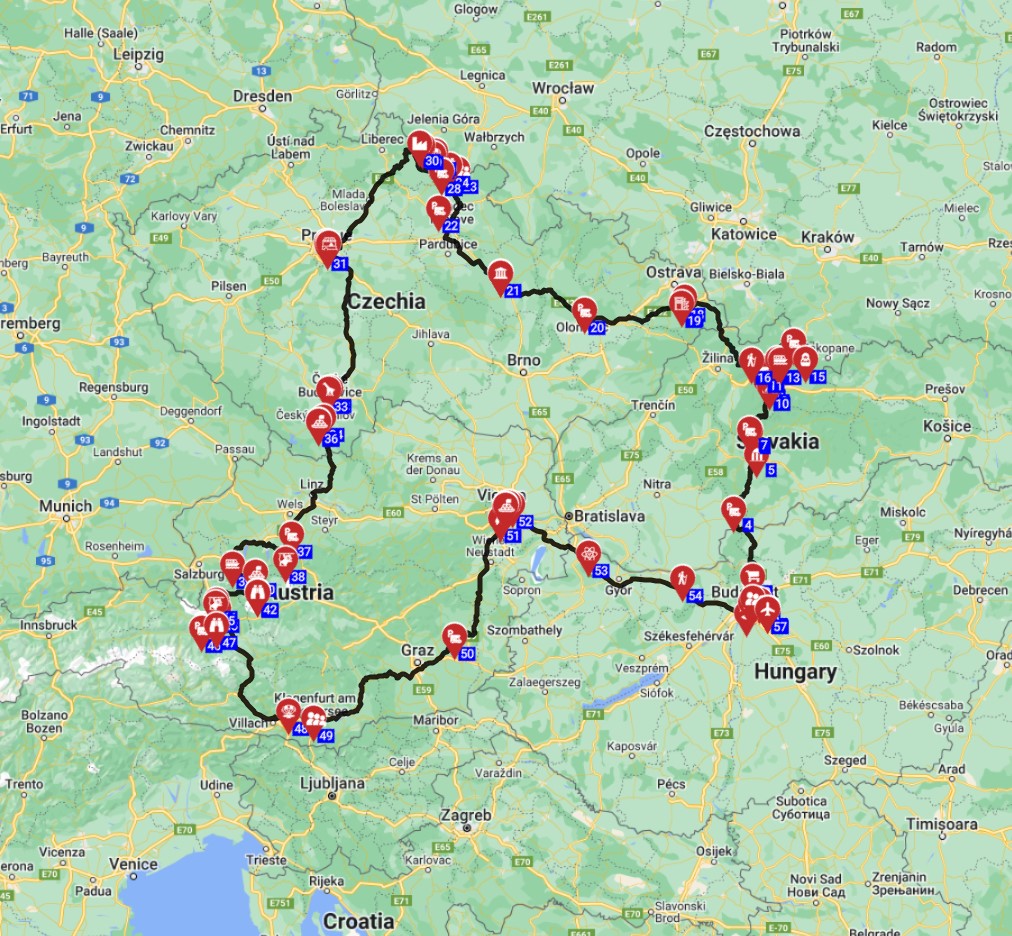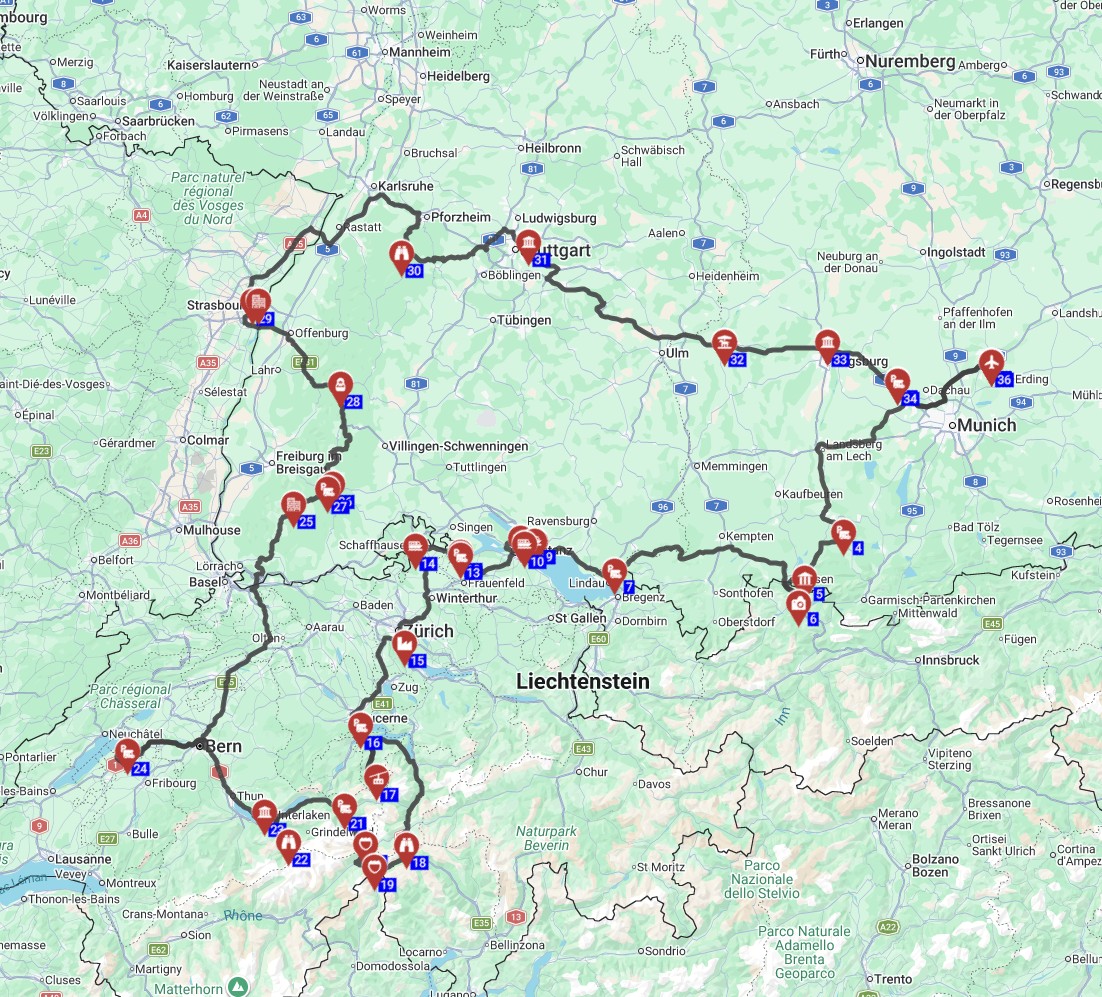
For live availability and current prices, start with our RV Rental East Europe - Complete Guide 2026 guide.
In This Guide
- The 5 RV Families Compared for East Europe
- Class A (Integrated) — Best For
- Price Comparison by RV Class in East Europe
- Class SI (Semi-Integrated) — Best For
- Class C (Alcove) — Best For
- Class B (Campervan) — Best For
- Class TC (Truck Camper) — Best For
- Side-by-Side Comparison Table
- Our Recommendation for one way rv rental Travelers in East Europe
- Is there such a thing as a one-way RV rental
- What is the 333 rule for campervan
- Who is the largest motorhome rental company in Europe
- Is it cheaper to rent an RV or stay in hotels
- What is the best motorhome for touring Europe
- How much does it cost to rent an RV in Europe
- What is the best company to rent an RV from
- Where is the cheapest place in Europe to buy a camper van
- Can you sleep anywhere in a campervan in Europe
The 5 RV Families Compared for East Europe
Choosing the right RV family is paramount for a successful one-way rental journey through East Europe, considering factors like diverse terrains, country-specific border procedures, and varied road qualities. Your selection should align with your group size, desired level of comfort, trip duration, and specific travel intentions, such as exploring historic city centers or venturing into more remote landscapes. The optimal RV ensures ease of navigation, efficient fuel consumption across multiple countries, and ample space for all your travel needs.
Class A (Integrated) — Best For
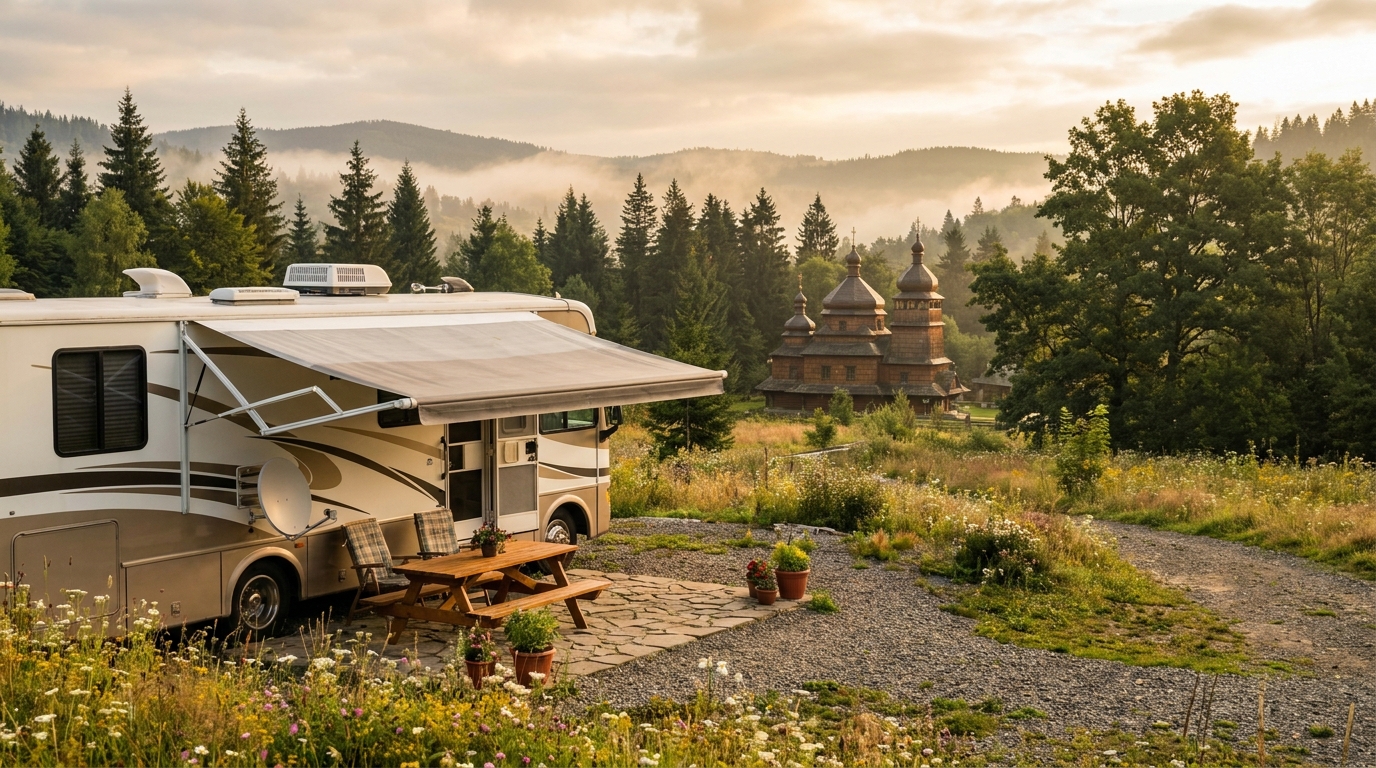
Class A integrated motorhomes, typically averaging 7.5 meters in length and accommodating around 4.4 sleepers in Bandana's global fleet, represent the pinnacle of RV luxury and spaciousness. These vehicles are best suited for larger groups, families, or travelers prioritizing maximum comfort and extensive amenities for long-distance, one-way trips across East Europe, offering a home-like experience. Their substantial size (avg. length 7.5m) and common fuel consumption of 11-12 Liters/100 km mean they might be less agile on narrow, historic East European roads and contribute to higher fuel costs. Class A models offer a significant average load capacity of 209.5 kg, ideal for extended journeys with considerable luggage and supplies. On the routes offered through RV PLANET routes, you can itemize and track every expense along the way for easy budgeting.
Price Comparison by RV Class in East Europe
Because pricing for RV rentals is flex-rate, the table below pulls real example prices from Bandana's live search for various RV classes for one-way rentals in East Europe. Prices update daily based on real-time availability, demand, and seasonality; for the most accurate and live numbers tailored to your specific travel dates and locations, please use the search box at the top of the page.
| RV Class | Average Daily Rate (EUR) | Typical Occupancy |
|---|---|---|
| Class A (Integrated) | 120 - 180 | 4-6 |
| Class SI (Semi-Integrated) | 90 - 150 | 2-4 |
| Class C (Alcove) | 100 - 160 | 4-6 |
| Class B (Campervan) | 70 - 120 | 2-3 |
| Class TC (Truck Camper) | 110 - 170 | 2-4 |
Class SI (Semi-A) — Best For
Semi-integrated motorhomes (Class SI), averaging 6.9 meters in length and designed for about 3.8 sleepers in Bandana's global fleet, offer an excellent balance of comfort and practical maneuverability. These are ideal for couples or small families seeking a comfortable living space without the larger footprint of a Class A, making them well-suited for navigating varied East European towns, countrysides, and border crossings. With common fuel consumption around 10-11 Liters/100 km, they provide better fuel efficiency than Class A, helping to manage travel costs over a one-way itinerary. The average load capacity of 72.2 kg is generally ample for personal belongings and provisions for typical one-way trips.
Class C (Alcove) — Best For
Class C alcove motorhomes, easily identifiable by their dedicated sleeping area above the cab, typically average 7.5 meters in length and are designed for approximately 5.8 sleepers in Bandana's global fleet. Their design prioritizes sleeping capacity, making them a highly cost-effective and comfortable choice for larger families or groups undertaking a one-way journey across East Europe. Fuel consumption is generally 10-12 Liters/100 km, comparable to SI models but for a vehicle accommodating more people, offering a good balance for East European road conditions. While providing ample space, their average load capacity is 42.4 kg, suitable for family gear but necessitating thoughtful packing.
Class B (Campervan) — Best For
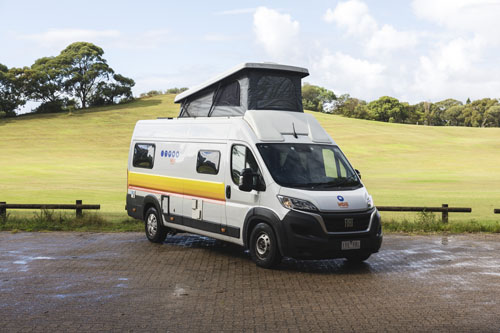
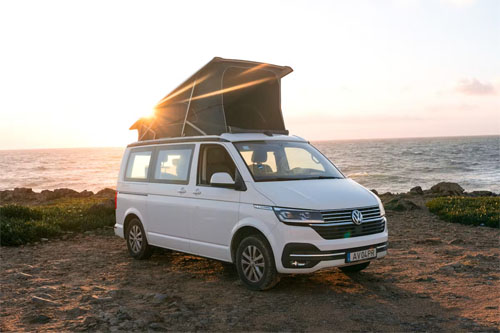
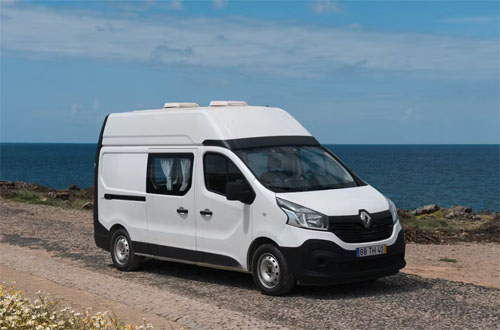
Campervans (Class B) are the most compact and agile RV option, averaging 5.8 meters in length and providing sleeping for about 3.2 people in Bandana's global fleet, excelling in maneuverability and fuel economy. These vehicles are best for solo travelers, couples, or very small groups prioritizing urban exploration, easy access to historic city centers, and nimble navigation on East Europe's diverse and sometimes challenging roads. Their superior fuel efficiency, typically 8-10 Liters/100 km, combined with ease of parking, makes them a cost-effective and convenient choice for one-way rentals, particularly when crossing multiple borders. With an average load capacity of 37 kg, they are ideal for minimalist travelers or shorter, focused trips.
Class TC (Truck Camper) — Best For
Truck campers (Class TC), typically averaging 5.5 meters in length and sleeping around 2.4 people in Bandana's global fleet, are unique for their detachable camper unit, offering ultimate flexibility for adventurous one-way travel. They are best suited for travelers seeking to explore rugged terrain, engage in off-road excursions, or desire the option to detach their living space and use the truck for day trips to otherwise inaccessible areas in East Europe. Fuel consumption for these units is typically higher, ranging from 12-17 Liters/100 km, reflecting their robust build and capability. While their average load capacity can vary, their primary advantage lies in providing a highly adaptable and off-grid capable solution for unique East European adventure profiles.
Side-by-Side Comparison Table
Below is a direct comparison of key specifications for each RV family, drawing on Bandana's global fleet averages, designed to help inform your one-way rental decision for East Europe's diverse travel requirements.
| Family | Avg Length (m) | Sleeps | Avg Fuel Use (L/100km) | Best Use Case in East Europe |
|---|---|---|---|---|
| Class A (Integrated) | 7.5 | 4.4 | 11-12 | Luxury, large groups, extensive amenities, long-haul comfort |
| Class SI (Semi-Integrated) | 6.9 | 3.8 | 10-11 | Couples/small families, balanced comfort and maneuverability, versatile travel |
| Class C (Alcove) | 7.5 | 5.8 | 10-12 | Families/larger groups, dedicated sleeping spaces, cost-effective for more people |
| Class B (Campervan) | 5.8 | 3.2 | 8-10 | Solo/couples, urban exploration, high maneuverability, fuel efficiency |
| Class TC (Truck Camper) | 5.5 | 2.4 | 12-17 | Adventure, off-grid exploration, rugged terrain, detachable unit flexibility |
Our Recommendation for one way rv rental Travelers in East Europe
For most one-tway RV travelers exploring the diverse landscapes and cities of East Europe, we highly recommend a **Class SI (Semi-Integrated) motorhome** as the primary choice. Its balanced size (avg. 6.9m) offers sufficient living space and amenities for couples or small families, while remaining manageable enough to navigate the varied road conditions, historic town centers, and sometimes challenging border crossing procedures common in the region, ensuring a comfortable yet practical journey. As a strong runner-up, the **Class B (Campervan)** is ideal for solo adventurers or couples prioritizing maximum maneuverability, fuel economy, and ease of parking, especially when their one-way itinerary involves frequent stops in bustling cities or less developed areas of East Europe where larger vehicles might struggle with access or road quality.
Is there such a thing as a one-way RV rental
Yes, one-way RV rentals are widely available, especially through platforms like Bandana, allowing travelers the flexibility to pick up an RV in one location and drop it off in another. This option is particularly beneficial for extensive tours through East Europe, minimizing backtracking and maximizing exploration time, though it typically involves a one-way fee. When planning a one-way trip, it's crucial to confirm availability for cross-border rentals between your desired pick-up and drop-off countries and cities, as some routes or non-Schengen destinations may have specific restrictions or additional charges.
What is the 333 rule for campervan
The '3-3-3 rule' for campervans is a popular guideline for safe and enjoyable RV travel, suggesting you should aim to drive no more than 300 kilometers per day, arrive at your destination by 3 PM, and stay at least 3 nights in one spot before moving on. Adhering to the '300 km daily' guideline helps prevent driver fatigue and allows ample time for spontaneous stops and local exploration, which is especially valuable in a region like East Europe with varied road qualities and numerous points of interest. Arriving by '3 PM' ensures sufficient daylight to find suitable campgrounds, safe overnight parking spots, or 'stellplatze,' which is crucial in areas where wild camping rules are strict or infrastructure differs from Western Europe. Staying '3 nights' promotes deeper immersion in a location, reduces the stress of constant packing and unpacking, and can lead to more relaxed and memorable travel experiences.
Who is the largest motorhome rental company in Europe
While specific rankings for the 'largest' motorhome rental company in Europe fluctuate based on fleet size, booking volume, and geographic reach, major international booking platforms and established national rental chains collectively dominate the market. Platforms like Bandana aggregate numerous rental companies—ranging from large commercial fleets to smaller, local operators—offering a wide selection across various European countries, including significant options for one-way rentals in East Europe. When selecting a company, prioritize those with strong customer reviews, transparent insurance policies, and readily available support, which are critical for smooth cross-border travel through East Europe where local regulations and emergency services may vary.
Is it cheaper to rent an RV or stay in hotels
Whether renting an RV is cheaper than staying in hotels for a trip to East Europe largely depends on factors such as group size, travel style, trip duration, and how frequently you plan to cook your own meals versus dining out. For families or larger groups, an RV often proves more cost-effective as it combines accommodation and transportation expenses, significantly reducing the need for multiple hotel rooms and restaurant meals. However, RV costs also include fuel, mandatory road tolls (like vignettes in many East European countries), varied campsite fees, and potential one-way rental surcharges, which must be weighed against potentially lower hotel costs in some East European countries compared to Western Europe. The ability to prepare your own food and drinks within the RV drastically cuts down on food expenses, making the RV option more economical for budget-conscious travelers over longer durations. For ideas you can prep on the road, watch our RV-friendly recipes playlist on YouTube.
What is the best motorhome for touring Europe
The best motorhome for touring Europe, especially for a one-way journey through East Europe, is highly subjective and depends on individual travel preferences, group size, desired comfort levels, and the specific routes and countries you plan to visit. As detailed in the 'The 5 RV Families Compared for East Europe' section above, Class B (Campervan) offers maneuverability for cities, Class SI (Semi-Integrated) provides a balance of comfort and agility, and Class C (Alcove) excels for families. Consider East Europe's varied road quality, potential for off-the-beaten-path exploration, and city access when making your choice, ensuring the RV type aligns with your itinerary and travel style for optimal enjoyment.
How much does it cost to rent an RV in Europe
The cost to rent an RV in Europe varies significantly based on several factors, including the RV class chosen, the rental duration, the season of travel, specific pickup and drop-off locations (especially for one-way rentals in East Europe), and any included amenities or insurance packages. As illustrated in the 'Price Comparison by RV Class in East Europe' section, prices are dynamic and can fluctuate daily based on availability and demand. Additional costs to budget for beyond the base rental fee include fuel, tolls/vignettes, campsite fees, extra insurance, and potential one-way rental surcharges, particularly when crossing multiple international borders within East Europe. Booking in advance, especially outside peak season, can often secure more favorable rates.
What is the best company to rent an RV from
The 'best' company to rent an RV from depends on a traveler's specific needs, including budget, desired RV type, pickup/drop-off flexibility (crucial for one-way rentals in East Europe), customer service reputation, and comprehensive insurance options. Platforms that aggregate multiple local providers, such as Bandana, typically offer the widest selection of vehicles and one-way routes, facilitating easy comparison of prices, terms, and vehicle specifications across various operators. When renting in East Europe, prioritize companies with transparent billing, clear communication regarding border crossing permissions (including visa nuances for non-Schengen countries), comprehensive insurance, and reliable support to mitigate common pitfalls like 'shady billing and poorly maintained vans.' Always review customer feedback specific to the rental location and vehicle type, and ensure the rental agreement explicitly covers international travel, necessary mandatory equipment for local laws, and connectivity options (e.g., SIM card compatibility) if your one-way route traverses multiple non-EU or non-Schengen East European countries.
Where is the cheapest place in Europe to buy a camper van
While this article focuses on one-way RV rentals, generally, some Eastern European countries with lower average income and different tax structures *might* offer slightly lower purchase prices for used camper vans than Western Europe. However, travelers considering purchasing should be acutely aware that importing and registering a vehicle internationally can incur significant costs and complexities, including various taxes, duties, and differing vehicle standards, often making it impractical for short-term travel. For a one-way trip through East Europe, renting an RV remains the most straightforward, flexible, and financially predictable option, bypassing the bureaucratic hurdles, registration challenges, and long-term commitment of ownership.
Can you sleep anywhere in a campervan in Europe
No, you cannot legally or safely sleep anywhere in a campervan across all of Europe, as regulations regarding wild camping and overnight parking vary significantly by country and even by local municipality, particularly so in East Europe. In many East European countries, wild camping (sleeping outside designated campsites) is often strictly prohibited or heavily restricted, especially in national parks, protected areas, and urban zones, with local laws often differing even within a country. It is crucial to meticulously research specific country and local laws before your trip; utilize resources like Park4Night, local tourist boards, or dedicated RV apps to find approved campgrounds, designated parking areas, or safe 'stellplatze' (motorhome parking spots) that often provide essential services like fresh water and waste dumping stations, which can be less ubiquitous than in Western Europe. Always prioritize safety and security, especially when overnight parking; choose well-lit, populated areas, 'trust your gut' if a spot feels off, and be mindful of local cultural etiquette and language barriers when interacting with locals or seeking assistance regarding parking.
What You Shouldn't Miss
- Drive the Transfăgărășan Highway (Romania): If your trip timing aligns with its seasonal opening, this breathtaking mountain road offers unparalleled scenic vistas and an exhilarating driving experience for your RV.
- Explore the Historic Centers of Prague (Czech Republic) or Budapest (Hungary): Navigate carefully with your rented RV through charming cobblestone streets to discover centuries of history and stunning architecture.
- Visit the Caves of Postojna or Škocjan (Slovenia): These remarkable karst cave systems offer a unique underground adventure, accessible with a bit of planning for RV parking nearby.
- Experience Krakow's Old Town (Poland): Wander through its medieval streets, visit Wawel Castle, and soak in the vibrant atmosphere of this historic city, easily navigated with an RV by parking at designated sites.
- Discover the Danube Delta (Romania): For a truly unique experience, consider a boat tour from a Danube Delta town to explore Europe's second-largest river delta and its rich biodiversity, a perfect contrast to city explorations.