In This Guide
- Best Tokyo RV Itinerary for one way rv rental — Overview
- 7-Day Classic Route in Tokyo
- 14-Day Extended Journey in Tokyo
- Recommended RVPlan Trip for Tokyo
- Must-See Stops Along the Way (Avi Bandana Picks)
- Daily Driving Distances & Drive Times in Tokyo
- Best RV Class for This Itinerary — Couple & Family Picks
- When is the best time to rent an RV in Tokyo based on seasons?
- What type of RV is best for navigating Japanese roads?
- How much does an RV trip in Japan cost, including tolls and fuel?
- Where are the best RV-friendly campsites near Tokyo?
- How do you use Michi-no-Eki (Roadside Stations) for RV overnight stays in Japan?
- What are Japan's unique RV driving laws and customs?
- What cultural etiquette should RV travelers observe in Japan?
- How can RV travelers overcome the language barrier in Japan?
- What are essential emergency preparedness tips for RVing in Japan?
Best Tokyo RV Itinerary for one way rv rental — Overview
A one-way RV rental in Tokyo offers the flexibility to explore Japan's diverse landscapes, from the vibrant urban centers to the serene countryside, without the need for backtracking. This approach allows for a more immersive experience, truly letting you feel the pulse of each region you visit. A minimum recommended duration for an immersive one-way Tokyo RV adventure is 7 days; however, a 14-day journey will grant you the time for deeper exploration and more spontaneous discoveries. When planning your route, expect to cover approximately 700-1500 km (435-930 miles), focusing on scenic drives and memorable stops rather than sheer distance. The best seasons for RV travel around Tokyo are spring (March-May) for the breathtaking cherry blossoms and autumn (September-November) for the stunning fall foliage, both offering pleasant temperatures and visually spectacular natural beauty.
7-Day Classic Route in Tokyo
Embark on a classic 7-day one-way RV journey starting from Tokyo, designed to showcase some of Japan's most iconic and accessible highlights. This itinerary balances cultural immersion with natural beauty, keeping driving manageable.
- Day 1: Tokyo (Pick-up) → Hakone (Approx. 90 km/56 miles). Begin your adventure by picking up your RV in Tokyo and heading towards Hakone, a mountain resort town famous for its hot springs and stunning natural beauty. Highlights include a serene cruise on Lake Ashi and a visit to the Hakone Open-Air Museum. Your overnight stay is planned at Hakone Auto Campground Arari, offering a peaceful natural setting.
- Day 2: Hakone → Izu Peninsula (Shimoda) (Approx. 70 km/43 miles). Today's drive takes you along the scenic Izu Peninsula, known for its dramatic coastal drives and beautiful beaches. Shimoda, a historic port town, offers a glimpse into Japan's maritime past. You can find convenient overnight parking at Roadside Station Kaikoku Shimoda (Michi-no-Eki), which often has designated RV spots.
- Day 3: Izu Peninsula → Mt. Fuji (Lake Kawaguchiko) (Approx. 120 km/75 miles). Journey towards the iconic Mt. Fuji, specifically to the Lake Kawaguchiko area, offering some of the most breathtaking and accessible views of the majestic peak. Enjoy leisurely activities around the lake. A great place to park your RV overnight is PICA Fujiyama, a resort-style campground that welcomes RV travelers.
- Day 4: Mt. Fuji → Kofu (Yamanashi) (Approx. 70 km/43 miles). Travel to Kofu in Yamanashi Prefecture, a region renowned for its fruit orchards and wineries. This is a perfect day for seasonal fruit picking or sampling local vintages. Camp near the stunning Shosenkyo Gorge for picturesque surroundings.
- Day 5: Kofu → Karuizawa (Nagano) (Approx. 100 km/62 miles). Head north to Karuizawa, a popular mountain resort town in Nagano Prefecture. Enjoy its charming streets, unique boutiques, and beautiful nature walks. Karuizawa Camp Gold is a recommended spot for your overnight stay.
- Day 6: Karuizawa → Nikko (Tochigi) (Approx. 130 km/81 miles). Today's destination is Nikko, a UNESCO World Heritage site famous for its ornate shrines and temples set amidst stunning natural scenery. Don't miss the spectacular Kegon Falls. You can find suitable campgrounds or use a Michi-no-Eki near Nikko for your overnight stop.
- Day 7: Nikko → Tokyo (Drop-off) (Approx. 140 km/87 miles). Conclude your 7-day itinerary with the return drive to Tokyo for your RV drop-off. Depending on your flight schedule, you might have time for one last scenic viewpoint or a quick stop at a local market before returning your vehicle.
14-Day Extended Journey in Tokyo
For those with more time, this 14-day extended itinerary allows for a more in-depth exploration of central Japan, delving into diverse landscapes and cultural experiences.
- Days 1-3: Tokyo & Fuji-Hakone-Izu Region. Start your journey in Tokyo, then explore the beautiful Hakone region and the scenic Izu Peninsula. Dedicate time to relaxing in hot springs and enjoying the coastal views. This segment covers approximately 200 km (124 miles) and offers various RV-friendly campgrounds and Michi-no-Eki for overnight stays.
- Days 4-6: Central Japan Alps (Nagano & Yamanashi). Travel into the heart of the Japan Alps, experiencing Yamanashi's fruit orchards and then venturing into Nagano's mountainous beauty. Explore destinations like Matsumoto Castle and charming mountain towns. This leg covers around 250 km (155 miles) and includes high-altitude campgrounds or Michi-no-Eki.
- Days 7-9: Hokuriku Coast & Kanazawa. Head northwest towards the Sea of Japan coast, discovering quaint coastal towns and the historic city of Kanazawa, renowned for its preserved samurai districts and exquisite Kenrokuen Garden. This part of the trip covers approximately 300 km (186 miles) with stops at coastal RV parks or Michi-no-Eki.
- Days 10-12: Gifu & Nara. Journey south through Gifu, perhaps making a detour to the picturesque, traditional village of Shirakawa-go. Continue towards Nara to witness its ancient temples and friendly wild deer in Nara Park. This section is about 350 km (217 miles) with RV parks conveniently located near cultural sites.
- Days 13-14: Kyoto & Osaka (Drop-off). Conclude your epic one-way RV adventure by exploring Kyoto's world-famous temples and serene gardens, potentially including a visit to the vibrant city of Osaka before dropping off your RV. This final stretch is roughly 150 km (93 miles) with urban RV parks available, some offering shuttle services to key attractions.
Recommended RVPlan Trip for Tokyo
While there isn't a pre-packaged RVPlan trip that precisely matches a 'one-way RV rental in Tokyo' route, Avi Bandana strongly recommends exploring the wide array of customizable RVPlan trips available on our platform. You can tailor your journey based on your specific interests, desired duration, and preferred pick-up and drop-off locations across Japan. Our expert-curated itineraries and intuitive trip-planning software are designed to help you craft your perfect one-way adventure, ensuring maximum enjoyment and ease from start to finish. This flexibility allows you to truly personalize your Japanese RV experience.
Must-See Stops Along the Way (Avi Bandana Picks)
Avi Bandana recommends immersing yourself in authentic Japanese experiences during your RV journey, venturing beyond the typical tourist hotspots. Prioritizing local encounters will undoubtedly enrich your trip.
- Traditional Visits: Seek out less-known Shinto shrines and Buddhist temples in rural areas. These offer a profound glimpse into local spiritual life, such as the ancient cedar groves surrounding Togakushi Shrine in Nagano, providing a peaceful and authentic spiritual experience.
- Local Eateries: Venture into smaller towns to discover local 'shokudo' (eateries) or 'izakaya' (pubs). These often specialize in regional cuisine, like the hearty 'hoto' noodles in Yamanashi or the delicate 'soba' in Nagano, usually indicated by handwritten signs—a sign of authentic, local flavor.
- Local Markets: Stop by local morning markets ('asaichi') in towns like Takayama or small coastal villages. These markets are vibrant hubs for discovering fresh produce, unique crafts, and offer a wonderful opportunity to interact directly with local vendors and artisans.
- Local Industries: Look for opportunities to visit sake breweries, traditional soy sauce factories, or artisan workshops (like pottery or woodcraft) in regions known for their heritage. Many offer tours and tastings, providing insight into local craftsmanship and traditions.
Daily Driving Distances & Drive Times in Tokyo
To ensure a relaxed and enjoyable pace for your RV exploration, Avi Bandana recommends averaging a maximum of 100 miles or 150 km per day. This approach allows ample time to savor each destination and engage with the local culture, rather than rushing between points.
Traveling slowly by RV in Japan is key to discovering those unexpected gems—impromptu stops at charming local spots and preventing driver fatigue, especially on potentially winding or narrow roads. For instance, driving from Tokyo to Hakone typically takes around 1.5-2 hours (approximately 90 km/56 miles), allowing for a full afternoon of exploration upon arrival. Similarly, a scenic drive from Lake Kawaguchiko (Mt. Fuji area) to Karuizawa can take about 2-3 hours (approximately 100 km/62 miles), rewarding you with beautiful mountain vistas along the way. Remember that even shorter distances might take longer than expected due to Japan's toll booths, frequent rest stops, or traffic in more populated areas, so always factor in buffer time for a stress-free journey. On the routes offered through RV PLANET routes, you can itemize and track every expense along the way for easy budgeting.
Best RV Class for This Itinerary — Couple & Family Picks
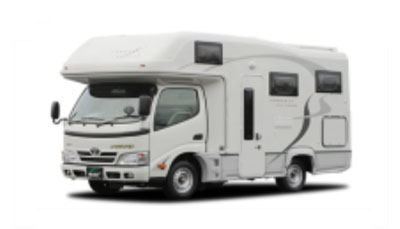
When selecting the ideal RV for your one-way rental in Tokyo, Bandana's diverse fleet offers reliable and comfortable options. The Class C - Alcove stands out as a particularly versatile choice, balancing space with practicality for Japanese roads.
For Couples: The Class C - Alcove, with an average length of 5 meters, provides ample living space, a comfortable sleeping area for two, and practical amenities. Its relatively compact footprint makes it ideal for couples seeking both comfort and maneuverability on Japan's often narrow roads.
For Families: The Class C - Alcove is also an excellent choice for families. Offering an average of 6 sleeping places, it comfortably accommodates up to 3 adults and potentially children, ensuring everyone has their own space while maintaining a footprint suitable for Japan's infrastructure and parking.
To streamline your adventure even further, consider Bandana's 'Rent & Plan' service. This option combines your RV rental with a professionally crafted itinerary, providing full access to our trip-planning software and removing the stress of planning your unique one-way journey.
When is the best time to rent an RV in Tokyo based on seasons?
The best time to rent an RV in Tokyo, considering Japan's distinct seasons, is typically during spring (late March to early May) for cherry blossom viewing and autumn (late September to mid-November) for the stunning fall foliage. Both periods offer mild, pleasant weather ideal for RV travel and showcase Japan's natural beauty at its finest.
Spring brings vibrant, blooming landscapes, but it's also a peak travel season, meaning popular spots can be crowded. Securing your RV and campsites well in advance is crucial during this time to ensure your preferred locations are available. Autumn offers cooler temperatures, perfect for hiking and outdoor activities, with spectacular changing leaves. While generally less crowded than spring, it remains a popular time for both domestic and international tourists.
Summer (June-August) can be hot and humid, particularly in Tokyo, with a significant rainy season typically occurring in June. While your RV will be equipped with air conditioning, planning routes that incorporate cooler mountain regions or coastal areas is advisable for a more comfortable experience. Winter (December-February) brings colder temperatures, with snow common in mountainous areas, offering opportunities for winter sports trips. However, be aware that some roads or campgrounds might be closed, and ensuring your RV has adequate heating becomes a key consideration for a cozy journey.
What type of RV is best for navigating Japanese roads?
For navigating Japan's roads, particularly outside the major highways, compact RVs such as the Class C - Alcove, averaging around 5 meters in length, are generally the best choice. This is due to the prevalence of narrower streets, tighter parking spaces, and smaller toll booths that can be challenging for larger vehicles.
Consider RVs equipped with Japanese-specific navigation systems, as English-language GPS might not always have the most up-to-date or detailed local road information. Compact Class C models or even converted vans (often called 'camper vans' in Japan) are popular selections, offering sufficient amenities without sacrificing the maneuverability needed for exploring diverse terrains. Before finalizing your booking, always confirm the RV's exact dimensions (height, width) to ensure compatibility with specific parking facilities or clearance restrictions you might encounter in older towns or specific routes.
How much does an RV trip in Japan cost, including tolls and fuel?
A comprehensive budget for an RV trip in Japan must consider not only the rental costs but also significant expenses like tolls, fuel, campground fees, and daily living costs specific to an RV traveler's needs.
Rental Costs: One-way rental fees can vary significantly and often include a relocation surcharge. While daily rates are competitive, factor in these additional charges when budgeting. Tolls: Japan's expressway tolls are known to be among the highest globally. To streamline payments and potentially access discounts, consider purchasing an ETC (Electronic Toll Collection) card, often available through your rental provider. Fuel: Fuel costs, whether for gasoline (often called 'regular' or 'high-octane') or diesel ('kei-yu'), are comparable to Western countries but can add up over long distances. Always verify your RV's fuel type and plan fuel stops in advance. Campground Fees: While many Michi-no-Eki allow free overnight stays, official RV parks and campgrounds typically range from ¥2,000 to ¥5,000 per night for basic pitches, with premium sites costing more. Food: Budget for groceries from supermarkets to utilize your RV's kitchen efficiently, mixed with dining at local restaurants and convenience stores, which can be a more affordable option than in some other countries. For ideas you can prep on the road, watch our RV-friendly recipes playlist on YouTube.
Where are the best RV-friendly campsites near Tokyo?
Several RV-friendly campsites located conveniently near Tokyo offer excellent access to both nature and urban amenities, catering to various travel styles and preferences.
- PICA Fujiyama (Yamanashi): Situated near Lake Kawaguchiko with unparalleled Mt. Fuji views, this resort-style campground provides RV sites with essential power and water hookups. Many sites also offer access to communal facilities like hot springs and restaurants. Advance booking is highly recommended, especially during peak seasons.
- Wakasu Kaihin Park Campground (Tokyo Bay Area): A surprisingly green oasis within Tokyo's city limits, this campsite offers convenient access to central Tokyo via public transport. It's suitable for smaller RVs, though its facilities are generally more basic.
- Tsujido Seaside Park Campground (Kanagawa): Located along the coast about an hour south of Tokyo, this spot offers refreshing sea breezes and a relaxed atmosphere. It provides basic RV hookups for overnight stays.
- Roadside Stations (Michi-no-Eki): While not traditional campgrounds, many Michi-no-Eki near Tokyo, such as Michi-no-Eki Fujiyoshida (for Mt. Fuji access) or Michi-no-Eki Hakonenomori Ozaki (near Hakone), are popular choices. They offer designated parking spaces for overnight stays, often with restrooms and local product shops, making them incredibly convenient for RVers.
For booking at official campgrounds, advance reservations are typically required, especially during peak travel times. Utilizing online booking platforms or contacting the sites directly, often with the assistance of a translation tool, is advisable.
How do you use Michi-no-Eki (Roadside Stations) for RV overnight stays in Japan?
Michi-no-Eki (Roadside Stations) are an indispensable part of RV travel in Japan, serving as public rest stops that frequently permit overnight parking for RVs, provided respectful usage is observed.
Overnight Stays: While not official campgrounds, many Michi-no-Eki permit 'car camping' or overnight parking, often in designated areas. Look for signage or inquire locally if you are unsure about the specific rules. Amenities: These stations typically offer clean restrooms (often accessible 24 hours), shops selling local products, restaurants, and vending machines. Some may even provide free Wi-Fi, EV charging, or public baths ('onsen'). Cultural Etiquette: It's crucial to treat Michi-no-Eki as rest stops, not full campsites. Avoid extending awnings, setting up tables and chairs, or creating excessive noise, especially during evening hours, to respect local residents and other travelers. Always dispose of waste properly and never dump grey or black water at these locations. Best Ones Near Tokyo: Popular choices include Michi-no-Eki Fujiyoshida (for Mt. Fuji access) and Michi-no-Eki Hakonenomori Ozaki (near Hakone), among many others along major routes, valued for their facilities and scenic settings. Always support the Michi-no-Eki by purchasing local goods or dining there, as these facilities contribute to local commerce and rely on traveler support.
What are Japan's unique RV driving laws and customs?
Understanding Japan's unique RV driving laws and customs is essential for a smooth and respectful journey, extending beyond basic road rules to encompass crucial cultural etiquette.
- Driving Side: Japan drives on the left-hand side of the road, with the steering wheel positioned on the right side of the vehicle.
- Parking Regulations: Parking is strictly regulated, especially in urban areas. Avoid parking in residential zones unless in designated paid parking lots or official RV parks.
- Narrow Roads: Be prepared for very narrow roads, particularly in older towns and rural areas. Smaller RVs are highly preferable, and drivers should exercise extreme caution, yielding to oncoming traffic when necessary.
- Etiquette for Fellow Drivers: Politeness and patience are key. Flashing headlights often signals 'go ahead' or 'thank you,' and yielding to smaller vehicles on narrow roads is a common courtesy that greatly appreciated.
- Speed Limits: Observe posted speed limits rigorously. They are generally lower than in many Western countries, typically ranging from 80-100 km/h on expressways and 40-60 km/h on general roads.
- Alcohol Laws: Japan enforces a zero-tolerance policy for drinking and driving, with severe penalties for even minimal alcohol consumption before driving.
What cultural etiquette should RV travelers observe in Japan?
RV travelers in Japan should adhere to specific cultural etiquette to ensure harmonious interactions with local communities and respect for the environment.
- Waste Disposal: Japan emphasizes meticulous waste separation and disposal. Utilize designated bins for different waste types (burnable, non-burnable, plastic bottles, cans, etc.) at Michi-no-Eki or campgrounds, and crucially, never litter.
- Noise Levels: Maintain minimal noise levels, especially in residential areas, at campgrounds, and Michi-no-Eki. Being quiet during evening hours is particularly important to respect local residents' peace.
- Public Bathhouses (Onsen/Sento): If visiting nearby public bathhouses, familiarize yourself with and follow their rules. This typically includes washing thoroughly before entering communal baths and being aware that some establishments may have policies regarding tattoos, though these are becoming more flexible.
- Interacting with Locals: A simple bow (even a slight nod) is a polite greeting, and attempting a few basic Japanese phrases, like 'arigatou' (thank you), is always greatly appreciated and enhances interaction.
- Respect for Privacy: Avoid peering into homes or private areas from your RV, especially when parked in residential areas. Always respect local signage regarding private property.
- Footwear: Remember to remove shoes before entering traditional buildings, some shops, and it's a good practice to do so within your RV to maintain cleanliness.
How can RV travelers overcome the language barrier in Japan?
RV travelers in Japan can effectively navigate the language barrier by combining essential learned phrases, utilizing helpful mobile applications, and employing practical strategies for interpreting signs and asking for directions.
- Essential Phrases: Mastering a few key phrases like 'sumimasen' (excuse me/sorry), 'arigatou gozaimasu' (thank you very much), 'eigo o hanasemasu ka?' (do you speak English?), and 'kore wa ikura desu ka?' (how much is this?) can make a significant difference in interactions.
- Helpful Apps: Translation apps such as Google Translate, especially its camera feature for signs and real-time voice translation, or DeepL, are invaluable. Offline maps like Maps.me or Google Maps are also crucial for navigation.
- Interpreting Road Signs: While major road signs often include English translations, familiarize yourself with common Japanese characters for directions (e.g., 出口 'deguchi' for exit, 右 'migi' for right, 左 'hidari' for left). Your RV's GPS should ideally have English voice guidance.
- Asking for Directions: When seeking directions, showing a map or the name of your destination written in Japanese (easily obtained from Google Maps) is often more effective than relying solely on pronunciation.
- Wi-Fi/Connectivity: To ensure constant access to translation and navigation tools, consider renting a portable Wi-Fi device (pocket Wi-Fi) or purchasing a local SIM card upon arrival.
What are essential emergency preparedness tips for RVing in Japan?
Essential emergency preparedness for RVers in Japan involves understanding protocols for natural disasters, vehicle breakdowns, and medical situations, along with knowing key emergency numbers and how to access English-speaking support.
- Natural Disasters: Japan is prone to earthquakes and typhoons. Familiarize yourself with emergency alert systems (like J-Alert on your phone), know potential evacuation routes, and pack a basic emergency kit for your RV.
- Breakdowns: Ensure your RV rental package includes roadside assistance with English-speaking support. Keep the rental company's emergency contact number readily accessible.
- Medical Emergencies: Always carry travel insurance that covers medical emergencies. Know the emergency numbers: 110 for police (for accidents or crime) and 119 for fire or ambulance. Have a list of nearby English-speaking hospitals or clinics.
- English-Speaking Support: While English speakers might be less common in rural areas, major cities and tourist information centers typically offer English support. Always have a translation app ready for communication needs.
- Vehicle Preparedness: Regularly check your RV's tire pressure, fluid levels, and ensure it is equipped with a spare tire and basic tools. Keep your mobile phone charged and carry a power bank for emergencies.
What You Shouldn't Miss
- Experience Hakone's Open-Air Museum: This unique museum integrates sculptures with the stunning natural landscape of Hakone, offering a serene and artistic journey.
- Cruise Lake Ashi: Enjoy a picturesque boat ride across Lake Ashi in Hakone, with potential views of Mt. Fuji on clear days, providing a relaxing break from driving.
- Explore the Izu Peninsula's Coastline: Drive along the scenic coastal roads of Izu, stopping at beautiful beaches and charming seaside towns like Shimoda for a taste of Japan's stunning maritime beauty.
- Witness the Majesty of Mt. Fuji from Lake Kawaguchiko: This iconic view of Mt. Fuji is best experienced from the shores of Lake Kawaguchiko, offering reflection and awe-inspiring photo opportunities.
- Indulge in Yamanashi's Fruit and Wine: Visit local orchards for seasonal fruit picking or explore wineries in the Kofu region for a delicious taste of Yamanashi's agricultural products.
- Discover Nikko's UNESCO Heritage: Explore the magnificent Toshogu Shrine complex in Nikko, a testament to Japan's rich history and intricate craftsmanship, nestled amidst beautiful natural scenery.
Final Thoughts
Renting a one-way RV in Tokyo and exploring Japan offers an unparalleled opportunity for discovery, blending the convenience of a mobile home with the cultural richness of this incredible country. From the serene beauty of Hakone to the iconic presence of Mt. Fuji and the historic charm of Nikko, this journey promises unforgettable moments.
By planning thoughtfully and embracing the slower pace of RV travel, you'll uncover hidden gems and experience Japan in a truly unique way. Remember to leverage resources like RV PLANET (rvplan.net) for route planning and campsite research to maximize your adventure. Get inspired for your next trip and discover top destinations and planning tips, all in one place!
Find Motorhome Rentals in Tokyo