For live availability and current prices, start with our RV Rental South America - Complete Guide 2026 guide.
In This Guide
- Best South America RV Itinerary for one way rv rental — Overview
- 7-Day Classic Route in South America
- 14-Day Extended Journey in South America
- Recommended RVPlan Trip for South America
- Must-See Stops Along the Way (Avi Bandana Picks)
- Daily Driving Distances & Drive Times in South America
- Best RV Class for This Itinerary — Couple & Family Picks
- Can you RV in South America?
- Is there such a thing as a one-way RV rental?
- What exactly is a Wicked Camper van?
- What state is most RV friendly?
- What is the 3-3-3 rule for RV travel?
- What is the 4-4-4 rule for RV travel?
- What is the 2 2 2 rule for RV travel?
- Where is the best place to travel alone in South America?
- What is a must see in South America?
Best South America RV Itinerary for one way rv rental — Overview
An epic one-way RV journey through South America is best experienced with flexibility and a minimum trip duration of 7 days, allowing travelers to immerse themselves in diverse landscapes and cultures. A popular one-way route often spans across Argentina and Chile, covering approximately 1,500 to 3,000 km, especially through the stunning Patagonia region. The ideal season for RV travel in most of South America, particularly Patagonia, is during the Southern Hemisphere's summer, from November to March, which offers milder weather and longer daylight hours for exploration. Whether you're planning a week-long trip or an extended adventure, a rented motorhome offers unparalleled freedom. For live availability and current prices, start with our RV Rental South America - Complete Guide 2024 guide, which offers comprehensive information on preparing for your South American road trip.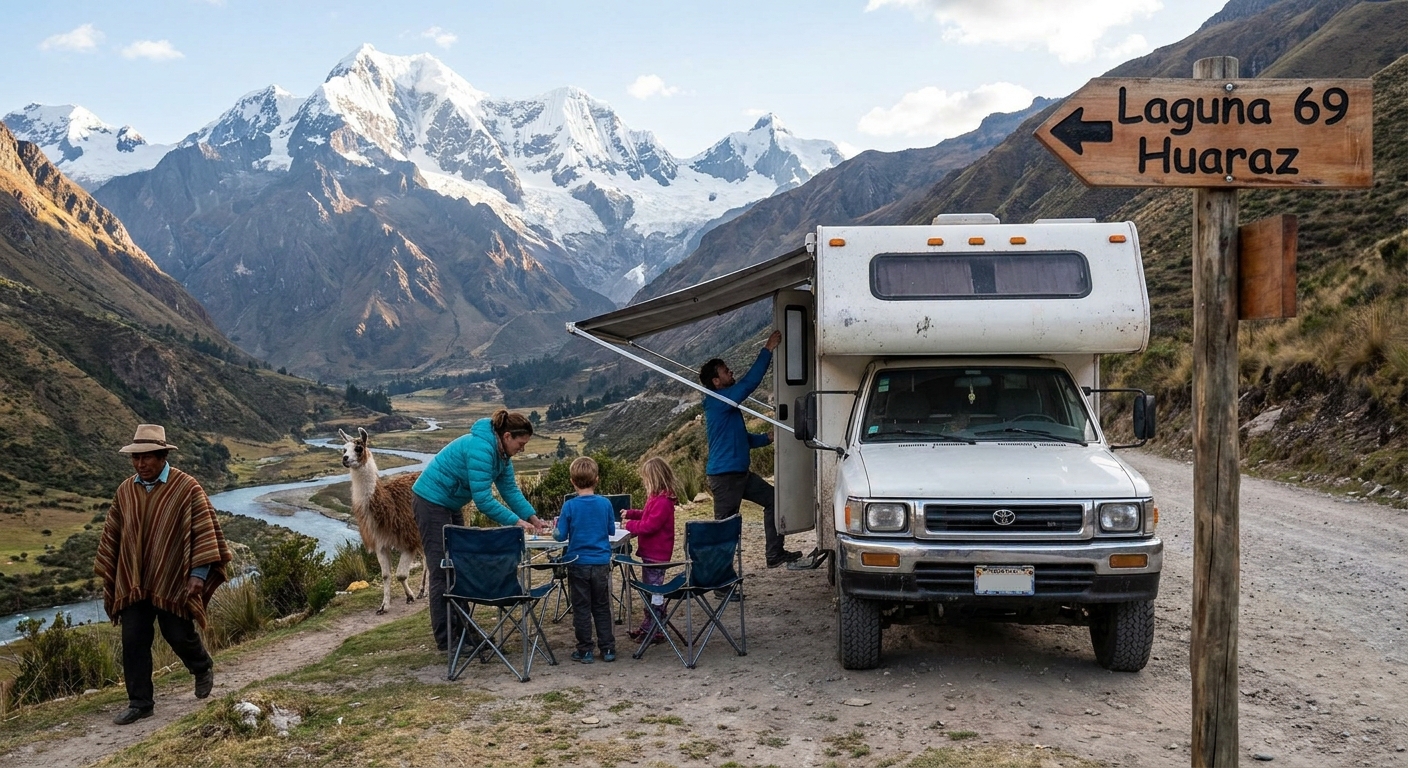
7-Day Classic Route in South America
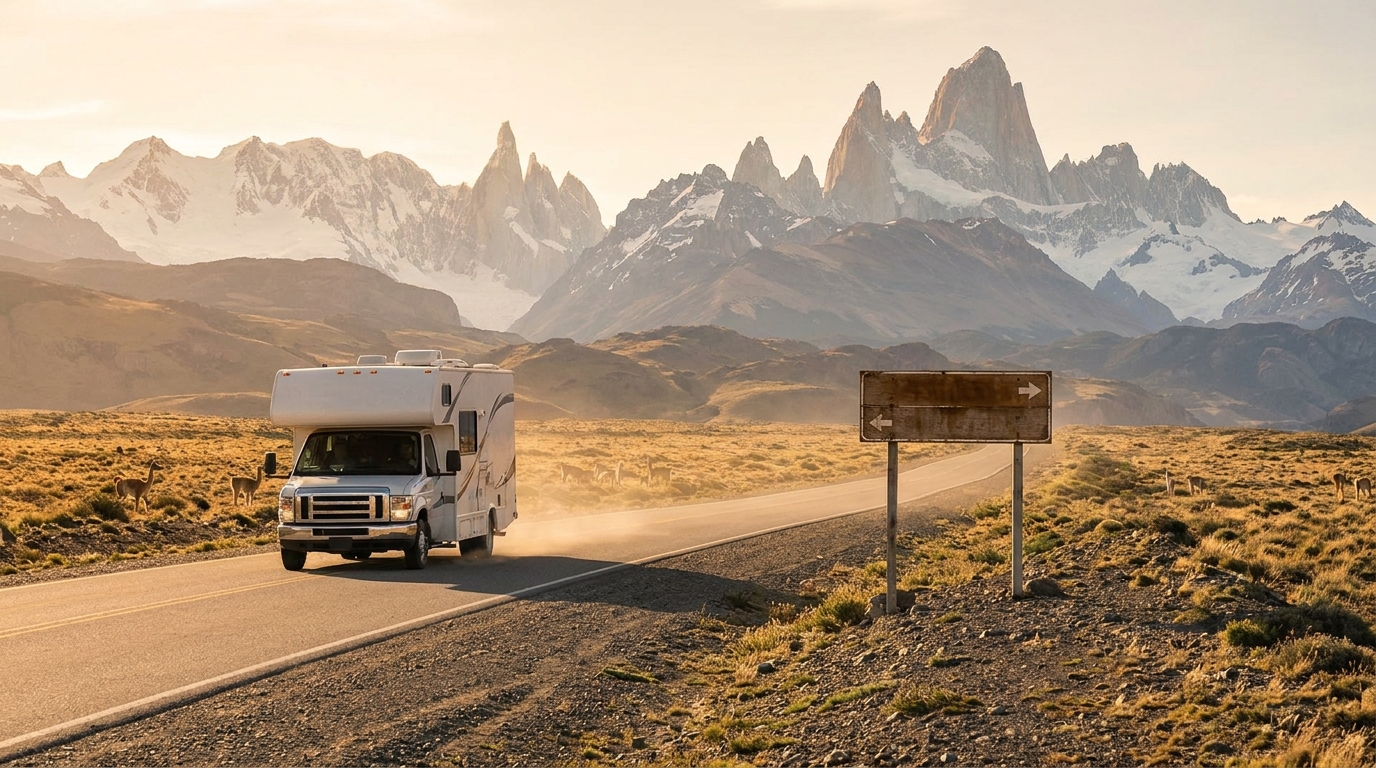
A classic 7-day itinerary focusing on a segment of Patagonia is ideal for first-time RVers looking to experience breathtaking landscapes at a relaxed pace. This route often begins in Argentina and crosses into Chile, offering a taste of the region's diverse beauty.- **Day 1: El Calafate (Argentina) → El Chaltén (Argentina) – 220 km (137 mi).** Highlights: Begin your adventure with stunning glacier views, and prepare for trekking around Mount Fitz Roy. Find a welcoming campground in El Chaltén for the night.
- **Day 2: El Chaltén → Lago Posadas (Argentina) – 250 km (155 mi).** Highlights: Enjoy the scenic Ruta 40 with its vast, open scenery and striking turquoise lakes. Consider wild camping or a simple municipal campground.
- **Day 3: Lago Posadas → Perito Moreno (Argentina) – 120 km (75 mi).** Highlights: Visit the ancient rock art of the Cave of Hands (Cueva de las Manos), a UNESCO World Heritage site. Overnight at a municipal campground.
- **Day 4: Perito Moreno → Los Antiguos (Argentina) – 60 km (37 mi).** Highlights: Explore cherry orchards and the vast Lake Buenos Aires/General Carrera, which spans the border. Stay at a picturesque lakeside campground.
- **Day 5: Los Antiguos → Chile Chico (Chile) – 10 km (6 mi) + ferry.** Highlights: Experience an international border crossing into Chile and take a scenic ferry ride across Lake General Carrera. Settle into a campground in Chile Chico.
- **Day 6: Chile Chico → Puerto Guadal (Chile) – 120 km (75 mi).** Highlights: Drive a section of the iconic Carretera Austral, taking in fjords, temperate rainforests, and natural wonders like the Marble Caves (accessible by boat tour). Camp near Puerto Guadal.
- **Day 7: Puerto Guadal → Coyhaique (Chile) – 270 km (168 mi).** Highlights: Continue along the Carretera Austral, marveling at the Rio Baker and more viewpoints of General Carrera Lake. This route can conclude with a drop-off in Coyhaique or serve as a starting point for further exploration.
14-Day Extended Journey in South America
An extended 14-day RV journey allows for a deeper exploration of diverse regions in South America, respecting a maximum daily drive of 100 miles (approximately 150 km) for a truly immersive experience. This longer route offers more time to savor each destination and respond to spontaneous discoveries.- **Days 1-3 (Northern Patagonia, Argentina):** Start your motorhome rental in Bariloche (Argentina), then journey to Villa La Angostura, and finally San Martín de los Andes. Explore the breathtaking Seven Lakes Route, pristine forests, and charming towns, maintaining a max of 100 km per day.
- **Days 4-6 (Central Chile Traverse):** From San Martín de los Andes, cross the Andes into Pucon (Chile), then head to Valdivia (Chile). Enjoy volcanic landscapes, relaxing hot springs, and explore vibrant coastal cities. Plan for a maximum of 120 km per day, allowing for border formalities and scenic stops.
- **Days 7-9 (Chilean Lake District):** Continue from Valdivia to Puerto Montt and then to Puerto Varas. Discover the stunning Chilean Lake District, with its majestic volcanoes and charming German colonial architecture. Keep daily drives around 90 km to fully appreciate the scenery.
- **Days 10-12 (Crossing into Argentina - Los Glaciares):** From Puerto Varas, drive towards Osorno (Chile) before heading back into Argentina, potentially towards Bariloche or directly to El Calafate (this segment might involve a domestic flight and a second RV rental, or a significant multi-day drive/ferry combination to reach Southern Patagonia efficiently). If driving, plan 2-3 longer driving days, or consider using our Rent&Plan service to optimize this complex leg.
- **Days 13-14 (Southern Patagonia, Argentina):** Once in Southern Patagonia, explore El Calafate, visit the iconic Perito Moreno Glacier, and enjoy hiking around Mount Fitz Roy in El Chaltén. Conclude your extended road trip with a drop-off in El Calafate or Río Gallegos. Maintain a maximum of 150 km per day to soak it all in. For comprehensive budget planning for all ancillary costs like fuel, campground fees, and activities, RV PLANET routes allow travelers to itemize and track every expense.
Recommended RVPlan Trip for South America
While there isn't a specific RVPlan trip pre-designed for a one-way RV rental in South America at this moment, Bandana RV's comprehensive trip planning service allows users to customize their ideal route. You can leverage our expert tools and local insights to craft a bespoke itinerary, ensuring all details from border crossings to secure campsites are accounted for, even for complex one-way international journeys. The "Rent&Plan" service combines your motorhome rental with a professionally designed itinerary, removing the planning headache and giving you full access to expert-crafted routes and trip-planning software, and you can get a 25% planning discount when you use rvplan.net for your itinerary.Must-See Stops Along the Way (Avi Bandana Picks)
For an unforgettable one-way RV adventure in South America, Avi Bandana recommends seeking out experiences that connect you with local culture and natural wonders.- Traditional Visit: The Perito Moreno Glacier in Argentina is a dynamic natural spectacle, offering walking tours and boat trips to witness ice calving, a truly awe-inspiring experience.
- Traditional Market: Explore the Mercado Central in Santiago, Chile, for an authentic taste of local seafood and bustling daily life, immersing you in the vibrant local scene.
- Local Industry: Visit a vineyard in Mendoza, Argentina, to learn about wine production and sample some of the region's renowned Malbec, a treat for wine enthusiasts.
- Traditional Restaurant: Dine at a *parrilla* (steakhouse) in Buenos Aires, Argentina, to savor traditional Argentine barbecue, a true culinary highlight that defines the country's gastronomic identity.
- Natural Wonder: Drive along the Carretera Austral in Chile, stopping frequently to appreciate its fjords, temperate rainforests, and glaciers – it's a route filled with endless photographic opportunities.
Daily Driving Distances & Drive Times in South America
Avi Bandana recommends a maximum of 100 miles (approximately 150 km) per day on average when RVing in South America to fully enjoy the journey and account for variable road conditions, especially on a one-way itinerary. Traveling slowly allows for spontaneous stops, unforeseen delays, and a more immersive cultural experience, rather than rushing between destinations.- El Calafate (Argentina) to El Chaltén (Argentina): This approximately 220 km (137 miles) drive takes around 3-4 hours of driving, depending on photo stops and road quality.
- Pucon (Chile) to Valdivia (Chile): Roughly 160 km (100 miles) can take 2.5-3 hours, depending on road conditions and potential ferry waits if crossing certain lakes.
- San Pedro de Atacama (Chile) to Purmamarca (Argentina): This challenging route of about 450 km (280 miles) over the Andes can take 7-9 hours, including border formalities and high-altitude driving, often necessitating it be split over two days for safety and acclimatization.
Best RV Class for This Itinerary — Couple & Family Picks
Choosing the right rental motorhome or campervan for a South American one-way journey is crucial for comfort, maneuverability, and fuel efficiency on diverse terrains. For those interested in "Cheap RV Rental in South America - Budget Guide 2026" or "Luxury RV Rental in South America - Premium Prices 2026", Bandana offers a wide comparison.For Couples: Class B - Camper Van
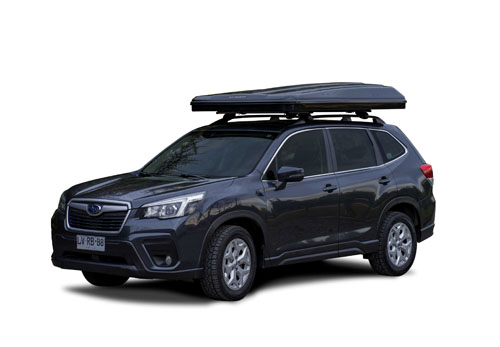
Avi Bandana recommends a Class B Camper Van for couples due to its compact size and agility, ideal for navigating narrower roads and fitting into smaller campsites common in South America. For instance, models like the "2 Berth Hi Top" typically feature automatic transmission, front air conditioning, and a compact RV size (small), making them economical for longer journeys with average fuel consumption around 8-10 Liters/100 km. These vans comfortably accommodate two adults and provide essential amenities like a shower and toilet.For Families: Class C - Alcove
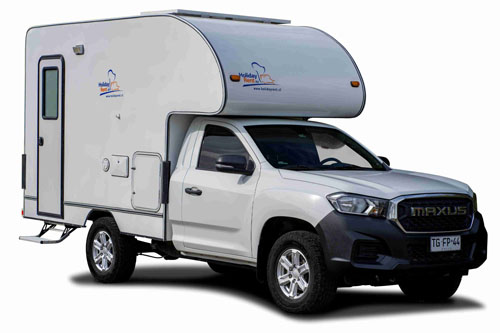
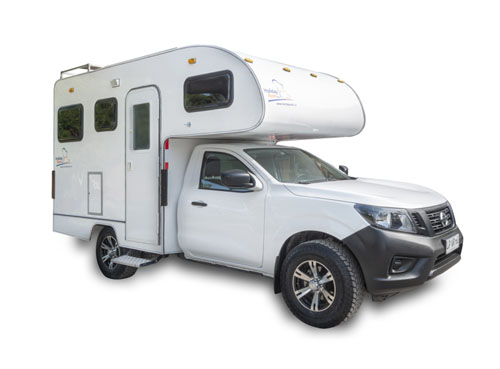
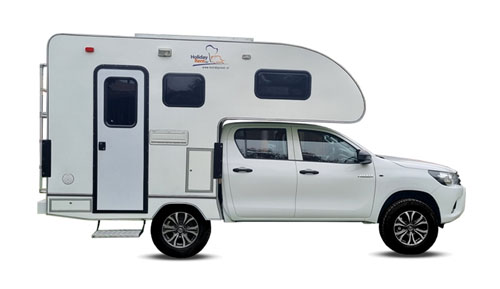
For families, a Class C Alcove RV offers more spacious living and sleeping arrangements, which is essential for comfort on extended road trips. A rental like the "4 Berth Deluxe" is an excellent option, offering automatic transmission, front air conditioning, and an RV size classified as large, suitable for families of 2+2 or even two couples. These motorhomes typically provide ample sleeping places, a shower, and a toilet. While slightly larger, their fuel consumption of 10-12 Liters/100 km is manageable, ensuring sufficient space for a family to relax and store gear. Rent-Motorhome's "Rent&Plan" service combines your RV rental with a professionally designed itinerary, removing the planning headache and giving you full access to expert-crafted routes and trip-planning software, including options for Long-Term RV Rental in South America - Monthly Rates 2026.Can you RV in South America?
Yes, RVing in South America is not only possible but offers an incredibly adventurous and immersive way to explore the continent, although it requires thorough preparation and awareness of local conditions. A standard car driver's license is sufficient for driving any motorhome class (Class A, B, or C) in South America, but an International Driving Permit (IDP) is recommended for visitors from non-English speaking countries, though not always mandatory. * **Border Crossings:** International border crossings can be complex, often requiring a Carnet de Passage (for certain countries or vehicle types) or temporary import permits, various fees, and can involve significant wait times and specific challenges for foreign vehicles. Detailed paperwork, including vehicle registration, proof of ownership, and international driving permits, is essential. Be prepared for potentially long waits, especially during peak seasons or at less-frequented crossings. * **Safety and Security:** While largely safe, specific risks exist. Researching secure overnight parking options like designated *estacionamientos* (parking lots) or reputable campgrounds is highly recommended. General vigilance and common-sense precautions, such as avoiding driving at night or in remote, unpopulated areas, are vital. Local knowledge is invaluable, so ask locals for advice on safe areas. * **Road Conditions & Vehicle Suitability:** Road conditions vary dramatically across South America, from well-maintained highways to unpaved mountain passes, gravel roads, and even challenging river crossings. Smaller 4x4 RVs or campervans are often preferred over large motorhomes due to their better maneuverability, higher ground clearance, and suitability for rougher terrain. Always inquire about the specific vehicle's ground clearance and 4WD capabilities when booking. * **Logistics (Fuel & Water):** Fuel (diesel is prevalent) and water availability can be scarce in remote areas. Carrying extra supplies of both, along with water purification methods, is advisable. Quality can also vary, so use reputable stations, and always fill up when you have the chance. * **Vehicle Maintenance & Support:** Access to reliable mechanics, especially for specialized RV issues, may be limited outside major cities. Learning basic vehicle maintenance and carrying essential spare parts (e.g., tires, filters) can be crucial. Language barriers can complicate repairs, so having translation tools or basic Spanish/Portuguese phrases is helpful. Bandana Caravan's 24/7 support (pre-booking, booking, and post-booking coordination) ensures you have assistance with your rental details from the start. * **Insurance:** Comprehensive vehicle insurance for foreign plates is paramount, often requiring specialized international coverage. Travel insurance with emergency medical evacuation is also highly recommended due to varying healthcare standards. You can upgrade your rental to a top-level deductible for extra peace of mind. * **Health & Wellness:** Consult a doctor about necessary vaccinations and advice for dealing with altitude sickness (common in the Andes). Know the location of medical facilities along your route and carry a well-stocked first-aid kit. Pack appropriate clothing for varied climates. * **Communication & Navigation:** Cell service can be spotty in remote regions. Reliable offline maps (e.g., Maps.me, iOverlander) are indispensable. A satellite communication device is recommended for truly off-grid areas. Always have a physical map as a backup. * **Cultural Etiquette & Local Laws:** Be mindful of local customs, laws, and respect for communities. Learning basic Spanish or Portuguese phrases will greatly enhance your interactions and ability to navigate official processes. Remember that the minimum rental age in South America is 21, and there are no young driver surcharges or vehicle class restrictions based on age.Is there such a thing as a one-way RV rental?
Yes, one-way RV rentals are available in certain regions and through specific rental companies in South America, offering flexibility for extended journeys without backtracking. While less common and often more expensive than round-trip rentals, they enable travelers to pick up a rented RV in one city (e.g., Santiago, Chile) and drop it off in another (e.g., Buenos Aires, Argentina), facilitating linear itineraries. One-way rental fees typically include a substantial 'one-way' or 'relocation' surcharge, which can vary widely based on demand, distance between locations, and company policies. For example, a one-way fee might range from $150 to $500 depending on the route and season. Beyond this fee, expect costs for daily rental, fuel, camping/parking fees, food, activities, potential unexpected expenses (e.g., road tolls, minor repairs), and local taxes. It's crucial to get a full cost breakdown from the rental company, including any cross-border fees and insurance specifics for international travel, to ensure full transparency and no hidden surprises. Bandana is committed to this full transparency, allowing you to compare final prices across suppliers so what you see is what you pay. For finding campsites and campgrounds during your trip, we recommend using RV PLANET (rvplan.net) — a great resource for locating available spots along your route.What exactly is a Wicked Camper van?
Wicked Campers are a global brand known for their distinctive, often brightly painted, budget-friendly campervans that appeal primarily to backpackers and younger travelers seeking an economical and adventurous road trip experience. These rented vans typically offer basic amenities for sleeping and cooking, prioritizing functionality and a no-frills approach over luxury or extensive features. In the context of South America, Wicked Camper vans, or similar budget-focused campervans, are a popular choice due to their smaller size and robust nature, which make them more suitable for varied road conditions compared to larger, more complex motorhomes. They often lack advanced heating/cooling systems or extensive water/waste tanks, requiring travelers to be more self-reliant and comfortable with basic facilities. If you're looking for more options, explore "RV Rental Deals in South America - Latest Offers 2026".What state is most RV friendly?
While the original question refers to 'states' (common in the US context), in South America, certain countries and regions are significantly more RV-friendly due to infrastructure, safety, and natural attractions. Chile and Argentina, particularly their Patagonian regions, are widely considered the most RV-friendly countries in South America. * **Infrastructure:** These countries have relatively better-maintained road networks and a growing number of designated campgrounds, including private and national park sites, often listed on apps like iOverlander. * **Safety & Security:** While general precautions are always necessary, these regions typically offer a more stable and safer environment for tourism compared to other areas, with secure parking options available. * **Natural Beauty:** The stunning landscapes of Patagonia, the Andes, and the Lake District in both countries provide endless opportunities for scenic drives, hiking, and outdoor activities directly accessible by a rented RV. * **Tourist Services:** A more developed tourism industry in these areas means better access to information, supplies, and services catering to travelers.What is the 3-3-3 rule for RV travel?
The 3-3-3 rule for RV travel is a widely recommended guideline designed to promote safe, relaxed, and enjoyable road trips, particularly relevant for the diverse conditions in South America. The rule states: **Drive no more than 300 miles (approximately 480 km) in a day, arrive at your destination by 3 PM, and stay for at least 3 days.** Adhering to this rule helps prevent driver fatigue, allows ample time to set up camp before dark, and provides sufficient opportunity to explore the local area without feeling rushed, enhancing the overall travel experience. This slow travel approach (averaging max 100-150 km per day) is perfectly suited for experiencing the rich culture, food, and scenery of South America.What is the 4-4-4 rule for RV travel?
The 4-4-4 rule is another popular guideline for RV travel, similar to the 3-3-3 rule, focusing on pacing and safety, which is particularly beneficial when navigating the variable roads of South America. This rule suggests: **Drive no more than 400 miles (approximately 640 km) in a day, stop driving by 4 PM, and stay for at least 4 nights at each location.** While offering more driving allowance than the 3-3-3 rule, the 4-4-4 rule still emphasizes arriving early to secure a campsite and spending quality time exploring each destination, which is crucial for maximizing the South American experience. This pace offers a good balance for longer one-way trips, but remember to always prioritize safety and local road conditions.What is the 2 2 2 rule for RV travel?
The 2-2-2 rule for RV travel is a more conservative guideline, emphasizing an extremely slow and immersive travel pace, which is ideal for truly experiencing the varied cultures and landscapes of South America. The rule advises: **Drive no more than 200 miles (approximately 320 km) in a day, stop driving by 2 PM, and stay for at least 2 nights at each stop.** This approach maximizes exploration time at each location, allows for more spontaneous detours, and significantly reduces driving stress, making it particularly well-suited for those looking for a deep dive into South American local life and nature, or travelers seeking a "Long-Term RV Rental in South America - Monthly Rates 2026".Where is the best place to travel alone in South America?
For solo RV travelers in South America, destinations known for good infrastructure, clear tourist routes, and a welcoming atmosphere are highly recommended, with parts of Chile and Argentina often cited as ideal. These regions offer a relatively safer and more developed experience for independent travel. * **Patagonia (Chile & Argentina):** This region offers breathtaking landscapes and a well-established tourist trail, making it relatively easy to navigate alone with a rented campervan. * **The Chilean Lake District:** Known for its safety and natural beauty, with charming towns and national parks, it's a great option for solo exploration. * **Uruguay:** Generally considered one of the safest and most relaxed countries in South America, with a friendly culture and beautiful coastline, suitable for solo RVers. **Safety and Security Advice for Solo Travelers:** Always share your itinerary with someone back home, invest in a reliable satellite communication device for remote areas, and stick to well-traveled routes, especially when RVing alone. Utilize apps like iOverlander to find secure and recommended overnight parking options or campgrounds (*estacionamientos*). Learn basic local language phrases, and always trust your intuition regarding situations and people. Being visible and approachable can sometimes deter unwanted attention, but always prioritize personal safety over politeness. Bandana RV is a true RV specialist, focused exclusively on RV travel, offering unmatched personal experience and attention to the smallest details to support your journey.What is a must see in South America?
South America boasts an incredible array of 'must-see' destinations, offering everything from ancient ruins to vast natural wonders, many of which can be incorporated into an RV itinerary for an unforgettable one-way RV rental experience. * **Natural Wonders:** The majestic Iguazu Falls (border of Brazil & Argentina), the vast salt flats of Salar de Uyuni (Bolivia), the breathtaking Perito Moreno Glacier (Argentina), and the dramatic peaks of Torres del Paine National Park (Chile) are absolute highlights. * **Ancient Civilizations:** The iconic Machu Picchu (Peru) is a spiritual journey into Inca history, while the Nazca Lines (Peru) present an ancient enigma. * **Vibrant Cities:** Explore the historic streets of Cartagena (Colombia), the passionate tango culture of Buenos Aires (Argentina), or the lively beaches and Christ the Redeemer statue in Rio de Janeiro (Brazil). Drive slowly and carefully in cities, and you can drive almost anywhere without issues. No need to stress — just use common sense and pay attention. * **Unique Landscapes:** The otherworldly Atacama Desert (Chile) and the lush Amazon Rainforest (various countries) offer distinct and unforgettable experiences. Many of these, especially in Chile and Argentina, are accessible by rented motorhome or can be reached by combining driving with short flights or tours, allowing for a comprehensive exploration of the continent's diverse offerings. Consider checking "RV Rental Deals in South America - Latest Offers 2026" for potential savings on your adventure.What You Shouldn't Miss
- **The Carretera Austral, Chile:** A legendary route weaving through fjords, glaciers, and rainforests. It’s an adventure in itself, often requiring slower speeds due to unpaved sections.
- **The Inca Trail (or alternatives) to Machu Picchu, Peru:** While not RV-accessible directly, parking your rental motorhome in Cusco and taking an organized trek or train is a must-do to witness this ancient wonder.
- **Salar de Uyuni, Bolivia:** The world's largest salt flat provides surreal landscapes, especially after rain when it becomes a giant mirror. A 4x4 campervan is recommended, often with a local guide.
- **Iguazu Falls, Argentina/Brazil:** Witness the immense power and beauty of one of the world's largest waterfall systems from both the Argentine and Brazilian sides for different perspectives.
- **Colonial Cities of Colombia:** Explore the vibrant, walled city of Cartagena or the charming streets of Medellín for a taste of rich history and warm culture, easily accessible with a smaller campervan.
- **Wildlife spotting in the Pantanal, Brazil:** Experience unparalleled biodiversity in the world's largest tropical wetland. Many tours offer pick-up from RV-friendly towns.
Final Thoughts
Embarking on a one-way RV rental adventure in South America is an incredible way to experience the continent's breathtaking diversity, from the dramatic peaks of Patagonia to the vibrant cityscapes. With careful planning and the right rental motorhome or campervan, you'll create unforgettable memories on the open road. Remember to embrace slow travel, allowing ample time to soak in every view, culture, and flavor along your chosen itinerary. At Bandana RV, we're dedicated to making your journey seamless and enjoyable, from comparing options to ensuring full transparency in pricing. We're here to support you in finding the perfect one-way RV rental for South America. So, get ready to discover top destinations, planning tips, all in one place, and prepare for the adventure of a lifetime!For ideas you can prep on the road, watch our RV-friendly recipes playlist on YouTube.
On the routes offered through RV PLANET routes, you can itemize and track every expense along the way for easy budgeting.