
In This Guide
- Can You Drive an RV in UK? License & Age Rules
- Road Conditions & Terrain in UK
- RV Size Limits, Bridges & Restricted Zones
- Fuel: Diesel vs. Petrol & Cost per 100 km
- Tolls, Vignettes & Border Rules
- Driving Tips for one way rv rental Travelers
- Recommended RV Class for UK Roads
- Should I Choose a Compact Van Instead of a Large RV in UK?
- Can I Park Anywhere? Free & Wild Camping Rules in UK
- Can I Drive an RV Into the City Center? Heights, Tunnels & Local Signage
- How Much Does an RV Trip Cost in the UK Beyond Rental Fees?
- Seasonal Planning for Your UK RV Adventure
- Connectivity & Emergency Preparedness for RV Travel in the UK
- Traveling with Pets in an RV in the UK
- Off-the-Beaten-Path Experiences for UK RV Travelers
Can You Drive an RV in UK? License & Age Rules
Yes, you can drive an RV in the UK, provided you meet the licensing and age requirements. With a standard B driver's license, you can operate motorhomes with a Maximum Authorised Mass (MAM) of up to 3,500 kg. For larger RVs, typically those weighing between 3,501 kg and 7,500 kg MAM, a C1 license is necessary. Obtaining a C1 license often involves an additional test, especially for drivers who obtained their initial license after January 1, 1997. The minimum rental age for most motorhomes in the UK is generally 21, though some suppliers may require renters to be 25, particularly for larger or more powerful vehicles. International drivers will need a valid national license and, in many cases, an International Driving Permit (IDP) to drive an RV in the UK. For live availability and current prices, start with our RV Rental UK - Complete Guide 2026 guide.
Road Conditions & Terrain in UK
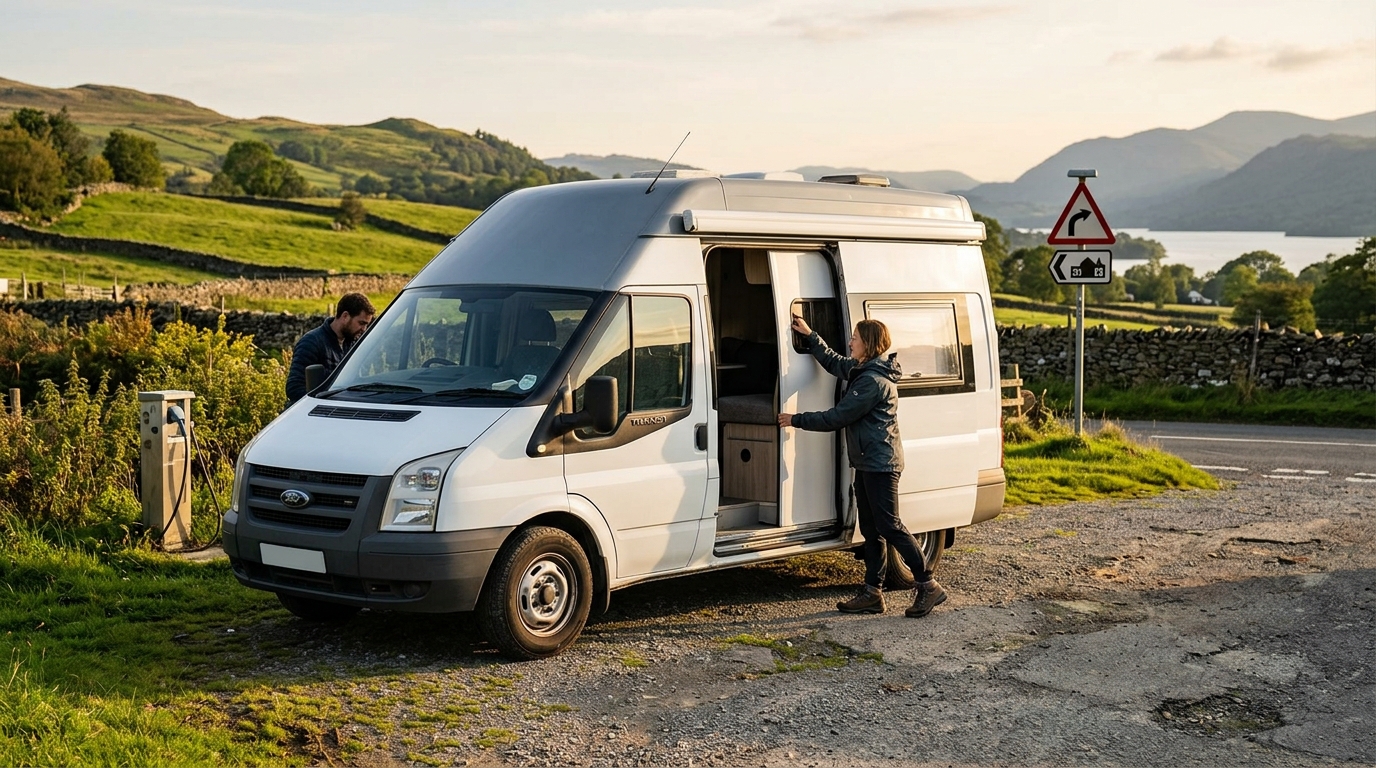
The United Kingdom presents a diverse range of road conditions and terrains, from expansive motorways to incredibly narrow country lanes. Drivers should be prepared for a mix of experiences, including multi-lane highways like the M1 or M25, which are generally well-maintained and offer higher speed limits. However, venturing into rural areas, particularly in Scotland, Wales, and parts of the West Country, will introduce you to single-track roads. These roads often feature designated 'passing places' – a crucial element of UK rural driving etiquette. It is customary to use these passing places to allow oncoming traffic to pass, often requiring the driver nearer to the passing place to pull over or reverse. Urban driving can be complex, with frequent roundabouts, speed humps, and the potential for significant congestion, especially in larger cities. We always encourage slow, scenic driving to fully appreciate the varied landscapes and adapt comfortably to the different road types encountered across the UK. If you're seeking budget-friendly options, our guide to Cheap RV Rental in UK - Budget Guide 2026 can help you plan.
RV Size Limits, Bridges & Restricted Zones
When driving an RV in the UK, always be vigilant about size limits, particularly concerning low bridges and restricted zones. Height restrictions are a significant hazard, and signage is predominantly in feet and inches, so knowing your RV's exact height is essential. Many historic towns and rural routes have width restrictions that can challenge larger motorhomes. Furthermore, several UK cities have implemented Low Emission Zones (LEZ) or Clean Air Zones (CAZ), such as London's ULEZ, which may charge non-compliant vehicles. Planning your route to avoid unnecessary charges or entry into restricted areas is crucial. If your one-way RV trip involves international travel, be aware that ferry crossings have specific limits for vehicle length, height, and weight, which can impact booking requirements and tariffs. It’s always advisable to check these details in advance.
Fuel: Diesel vs. Petrol & Cost per 100 km
The majority of RVs available for rent in the UK, including those in the Bandana fleet, are powered by diesel. This is generally more fuel-efficient for larger vehicles. For example, Bandana's Class B Camper Vans typically consume around 8-10 Liters per 100 km, while the slightly larger Class SI Semi-integrated RVs use approximately 10-11 Liters per 100 km. Larger Class C Alcove RVs might consume in the region of 10-12 Liters per 100 km. UK fuel prices are generally higher compared to many other European countries, so budgeting for fuel is an important aspect of your trip planning. Some rental providers may offer fuel discount cards to help manage these costs, so it's worth inquiring about such options when you book your one-way RV rental. For insights into managing your budget, consult our RV Rental in UK - Prices and Best Deals 2026 guide. On the routes offered through RV PLANET routes, you can itemize and track every expense along the way for easy budgeting.
Tolls, Vignettes & Border Rules
The UK primarily operates on a direct payment system for its toll roads, rather than requiring vignettes for standard road use. Notable tolls include the M6 Toll in the Midlands, and various bridges and tunnels across the country, such as the Dartford Crossing over the River Thames. Many of these tolls are now cashless, meaning you need to pay online by midnight the day after your passage to avoid penalties. For travellers planning onward journeys to continental Europe, ferry crossings have specific booking requirements and tariffs that need to be considered. Some Bandana partners may offer the convenience of pre-purchased toll passes, which can simplify your journey and save time. If you’re interested in exploring different pricing structures, our guide to Last-Minute RV Rental in UK - What to Expect 2026 can offer further insights.
Driving Tips for one way rv rental Travelers
When embarking on a one-way RV rental adventure in the UK, several key driving tips will enhance your experience. The most crucial adjustment for many visitors is remembering to drive on the left-hand side of the road. Practicing navigating narrow roads and the numerous roundabouts, especially in larger vehicles, is highly recommended. Planning for designated RV parking in historic towns is essential; consider utilizing park-and-ride schemes on city outskirts to avoid congestion and potential fines. Schedule frequent stops every 2-3 hours for comfort, particularly important when travelling with families. Pre-paying for tolls like the Dartford Crossing can save time and hassle. Many modern RV rentals offer automatic transmissions, which can ease the driving experience on UK roads for those less accustomed to manual gearboxes.
Recommended RV Class for UK Roads
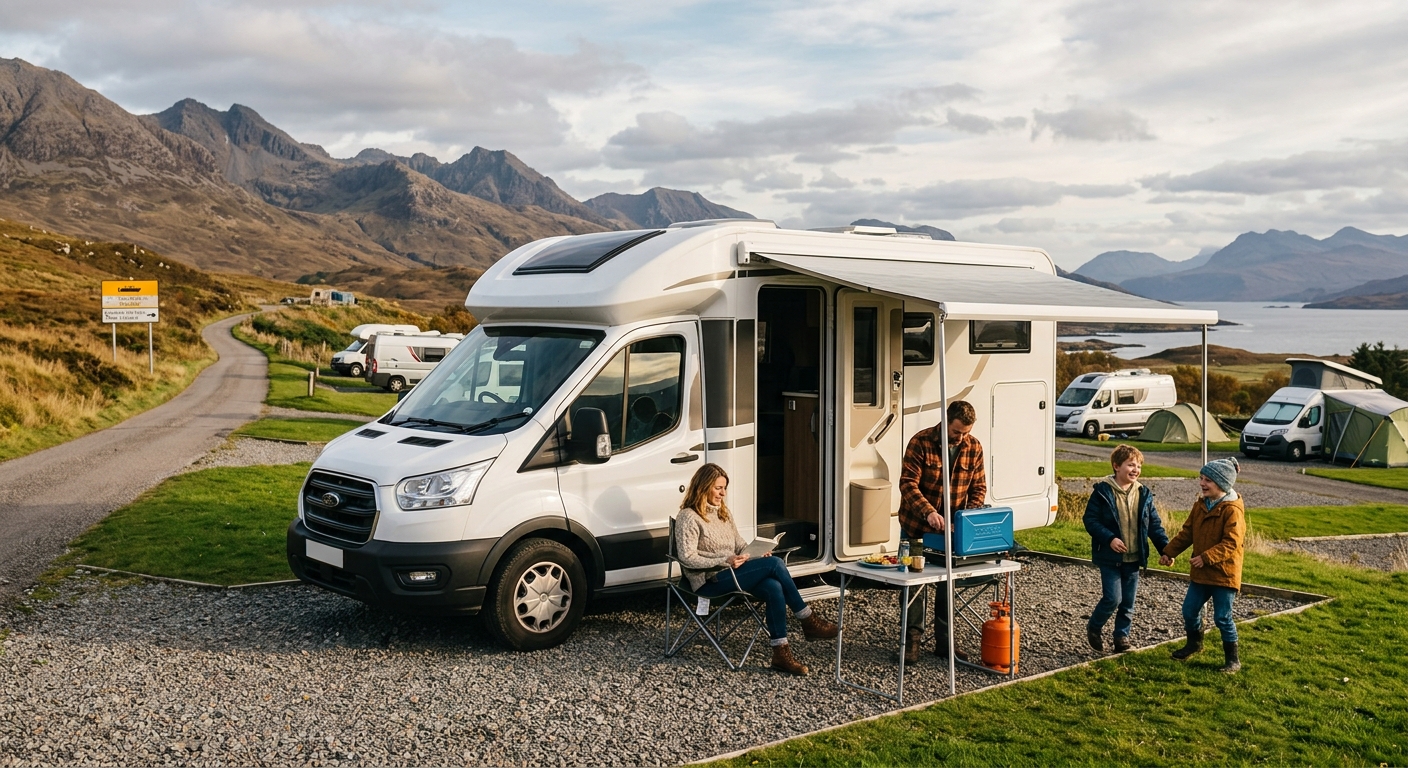
For navigating the diverse terrain and often narrow roads of the UK, certain RV classes are particularly well-suited. Class B Camper Vans, typically around 5.8 meters in length, offer excellent maneuverability and are ideal for tackling tight parking spaces and winding country lanes. Class SI Semi-integrated RVs, averaging about 6.9 meters in length, provide a good balance of living space and manageability, making them a popular choice for many travellers. Both Class B and Class SI models are generally suitable for those seeking to combine comfort with agility across varied UK landscapes. While larger RVs like Class C Alcove and Class A Integrated models (often around 7.5 meters) offer more amenities, they may find the extremely narrow lanes in some rural areas more challenging. For detailed comparisons and to find the perfect vehicle, explore our RV Rental in UK - Prices and Best Deals 2026 guide.
Should I Choose a Compact Van Instead of a Large RV in UK?
The choice between a compact van and a larger RV in the UK often depends on your travel priorities. Compact camper vans, such as Class B models, truly excel in maneuverability, making them the superior option for navigating extremely narrow roads and finding parking in historic towns or cities. They are also generally more fuel-efficient. However, larger RVs typically offer significantly more indoor living space, enhanced kitchen facilities, and greater overall comfort, which can be a significant advantage for longer trips or families. While most RV sizes can successfully navigate UK roads, larger models might present challenges only on the most extreme narrow lanes or in very tight urban parking situations. Ultimately, the decision often involves balancing the ease of driving and parking convenience against the desired level of living comfort and amenities. For a comparison of vehicle classes, our Weekly RV Rental in UK - Pricing 2026 page can provide valuable information. For ideas you can prep on the road, watch our RV-friendly recipes playlist on YouTube.
Can I Park Anywhere? Free & Wild Camping Rules in UK
Understanding the rules for overnight parking and wild camping is essential for a smooth RV journey in the UK. Wild camping, in the traditional sense, is generally restricted on private land across England, Wales, and Northern Ireland unless you have explicit landowner permission. While Scotland has a broader 'right to roam,' this typically does not extend to motorized vehicles; therefore, RVs should primarily use designated sites. Always practice 'Leave No Trace' principles and respect local communities and wildlife. Recommended alternatives to wild camping include schemes like Brit Stops, which offer overnight parking at participating pubs and attractions, or using Certificated Locations (CLs/CSs) run by the Camping and Caravanning Club, and commercial campsites. It's vital to remember that rules can vary significantly by region, so always check local regulations and adhere to local laws before parking overnight.
Can I Drive an RV Into the City Center? Heights, Tunnels & Local Signage
Yes, RVs can generally be driven into UK city centers, but it’s crucial to pay close attention to local signage and specific restrictions. Always be mindful of height limits for low bridges and multi-story car parks, and be aware of potential width restrictions in historic areas. Many cities have implemented environmental zones (ULEZ or CAZ) that levy charges on non-compliant vehicles, so research these beforehand. Look for designated RV parking areas or utilize park-and-ride schemes on city outskirts to avoid congestion and fines. Avoid parking in residents-only zones, as enforcement is typically strict. For further guidance on navigating urban environments, consider our One-Way RV Rental in UK - Price Guide 2026.
How Much Does an RV Trip Cost in the UK Beyond Rental Fees?
Beyond the rental fees, budget for several ancillary costs when planning your UK RV adventure. Fuel expenses can be significant; estimate based on typical RV consumption of 8-12 Liters/100 km and current UK fuel prices. Factor in potential toll charges for routes like the M6 Toll and various bridges or tunnels, which can add up depending on your itinerary. Allocate approximately £20-£50 per night for commercial campsite fees, though this varies greatly by location, season, and the facilities offered (e.g., hookups, waste disposal). Your food budget should account for groceries for self-catering meals onboard, as well as occasional dining out. Finally, include entry fees for attractions, which can range from £10-£30+ per person for popular historical sites or theme parks. For a detailed overview of budgeting, check out our Cheap RV Rental in UK - Budget Guide 2026.
🎬 Video coming soon
Seasonal Planning for Your UK RV Adventure
Seasonal planning is key to a successful RV trip in the UK. Late spring (April-May) and early autumn (September-October) often offer the most pleasant conditions, with mild weather and fewer crowds compared to the summer peak. Summer (June-August) typically provides the warmest weather and longest daylight hours, but it also brings the busiest tourist periods and higher rental prices. Winter (November-March) is generally colder, wetter, and has significantly shorter daylight hours, with many campsites and attractions operating reduced hours or closing altogether. When planning your route and dates, consider regional weather patterns, as they can vary significantly across the UK, and factor in local events that might impact traffic or accommodation availability.
Connectivity & Emergency Preparedness for RV Travel in the UK
Staying connected and prepared is crucial for RV travel in the UK. Mobile phone signal strength can be strong in populated areas but may become patchy in more remote regions, so consider a portable Wi-Fi device or relying on campsite Wi-Fi. Ensure your rental RV includes comprehensive breakdown cover and familiarize yourself with the emergency contact numbers (999 or 112 for police, fire, ambulance). Carry relevant health insurance documentation, such as EHIC or GHIC cards for European travel, and always opt for comprehensive travel insurance that covers medical assistance. Thoroughly understand your RV’s insurance policy, including excess amounts, for accidental damage or theft. It's also wise to pack a basic emergency kit containing first-aid supplies, reflective vests, and a warning triangle.
Traveling with Pets in an RV in the UK
If you're planning to travel with your furry companions in an RV in the UK, confirm that your one-way RV rental agreement permits pets and understand any associated fees. Ensure your pet has a valid pet passport or an Animal Health Certificate (AHC) and that all vaccinations, particularly for rabies, are up-to-date. Research the specific pet policies of any ferry operators you might use if your journey involves sea travel. It's also recommended to book pet-friendly campsites in advance and familiarize yourself with their specific rules regarding pets. Always be mindful of local leash laws and, of course, always clean up after your pet.
Off-the-Beaten-Path Experiences for UK RV Travelers
Beyond the popular tourist trails, the UK offers numerous off-the-beaten-path experiences perfect for RV travelers seeking quieter adventures. Explore the Northumberland Coast, renowned for its ancient castles and uncrowded, stunning beaches. Discover the woodlands and river routes of the Forest of Dean & Wye Valley for serene natural beauty. Seek out the less-visited coves and charming villages scattered along the Pembrokeshire Coast National Park in Wales. For a taste of the often-overlooked Scottish Borders, tour its historic abbeys and picturesque market towns. Experience the Norfolk Broads for a unique waterside perspective with RV-friendly stops. Consider visiting popular spots like the Isle of Skye during the off-season for a more tranquil exploration.
What You Shouldn't Miss
- Drive a Class B camper van along the dramatic coastal roads of Cornwall.
- Explore the historic Roman Baths and charming streets of Bath with your rented RV.
- Take a scenic drive through the Lake District National Park, stopping at lakeside villages.
- Visit the ancient standing stones of Stonehenge, accessible by many RVs.
- Experience the rugged beauty of the Scottish Highlands, stopping at viewpoints and distilleries.
- Discover the picturesque villages and rolling hills of the Cotswolds.
Final Thoughts
Embarking on a one-way RV rental adventure across the UK offers unparalleled freedom and flexibility to explore at your own pace. From the rolling hills of the countryside to the vibrant cityscapes, a rented motorhome or campervan provides a unique and intimate way to experience the rich tapestry of the United Kingdom. Remember to plan ahead, pack wisely, and embrace the journey.
With Bandana Caravan, finding the perfect RV for your UK exploration is straightforward and transparent. We’re here to ensure your trip is as smooth and enjoyable as possible, offering support and clear pricing so you can focus on creating unforgettable memories on the road.
Ready to start planning your dream UK RV adventure? Compare one-way motorhome rental prices across the UK and discover the ease and excitement of exploring this incredible country from the comfort of your own mobile home!
