In This Guide
- Can You Drive an RV in Turkey? License & Age Rules
- Road Conditions & Terrain in Turkey
- RV Size Limits, Bridges & Restricted Zones
- Fuel: Diesel vs. Petrol & Cost per 100 km
- Tolls, Vignettes & Border Rules
- Driving Tips for one way rv rental Travelers
- Recommended RV Class for Turkey Roads
- Should I Choose a Compact Van Instead of a Large RV in Turkey?
- Can I Park Anywhere? Free & Wild Camping Rules in Turkey
- Can I Drive an RV Into the City Center? Heights, Tunnels & Local Signage
- How much does a one way RV rental cost in Turkey?
- Can I take a one way RV rental from Turkey to Greece?
- What are the best routes for a one way RV trip in Turkey?
- How safe is it to travel by RV in Turkey?
- What are the requirements for renting an RV in Turkey?
- Are there any specific driving laws for RVs in Turkey?
- Where can I park an RV in Istanbul?
- What is the best time of year for an RV trip in Turkey?
- Can I do wild camping with an RV in Turkey?
- Are there specific apps or resources for RV travel in Turkey?
- What are the advantages of a one way RV rental in Turkey?
- How do I find RV campgrounds in Turkey?
- Is it possible to find pet-friendly RV rentals in Turkey?
- How to plan a one-way RV trip to Turkey from Bulgaria?
- What are common scams or pitfalls to avoid during an RV trip in Turkey?
- Can I cross borders with a rental RV in Turkey?
Can You Drive an RV in Turkey? License & Age Rules
Yes, driving an RV in Turkey is permissible with a valid national driver's license. For drivers holding licenses from countries outside the EU/EFTA, an International Driving Permit (IDP) is generally recommended and often required by rental companies to ensure legal compliance. Most RV rental providers in Turkey specify a minimum driver age, typically ranging from 21 to 23 years old, though some may require drivers to be 25 for larger vehicle classes. A standard Class B driver's license, which covers most passenger vehicles, is usually sufficient for RVs weighing up to 3,500 kg Gross Vehicle Weight Rating (GVWR), encompassing many common rental motorhomes and campervans. It's essential to carry both your national license and the IDP (if applicable) throughout your journey.
Road Conditions & Terrain in Turkey
Turkey offers a generally good network of highways and state roads, making RV travel feasible and often enjoyable. The 'Otoyol' (highways) are typically well-maintained, providing smooth passage for motorhomes. State roads, marked as 'D-roads,' also vary in quality but are generally adequate for RV travel. However, as you venture into rural areas, mountainous regions like the Black Sea coast, or Eastern Anatolia, expect narrower, winding roads that may require more cautious driving. Urban centers, particularly Istanbul, can present significant traffic congestion and complex street layouts that demand careful navigation and patience. Embracing slower travel, especially in scenic areas, allows you to fully appreciate Turkey's diverse landscapes, from its stunning coastline to the expansive steppes of Central Anatolia.
RV Size Limits, Bridges & Restricted Zones
While Turkey doesn't impose universal RV-specific size limits beyond standard vehicle regulations, RV drivers should be mindful of potential height and weight restrictions, particularly on older bridges or within historic city centers. General vehicle height limits often hover around 4 meters, but always look for specific signage indicating low bridges or tunnels, especially in older districts. Environmental zones, which can restrict vehicle access, are less common in Turkey than in some Western European countries, but it's always wise to check local regulations before entering major cities. If your itinerary includes ferry crossings, confirm their capacity and any specific requirements for larger RVs in advance to ensure a smooth transition.
Fuel: Diesel vs. Petrol & Cost per 100 km
Diesel, known locally as 'Motorin,' is the most common and widely available fuel type for RVs in Turkey, readily accessible at service stations across the country. For an average Class C Alcove RV, fuel consumption typically ranges from 10-12 Liters per 100 km, while smaller Class B Camper Vans generally achieve better efficiency at 8-10 Liters per 100 km. The cost per 100 km will fluctuate based on global fuel prices, but diesel typically remains a more economical choice for RV travel. Some rental providers may offer fuel discount cards or other perks to help manage these costs, adding to the overall transparency of your trip budget.
Tolls, Vignettes & Border Rules
Turkey primarily utilizes an electronic toll collection system called HGS (Hızlı Geçiş Sistemi) for its motorways and bridges. This system requires a transponder or sticker linked to the vehicle, which rental companies usually provide or arrange for you. There's no traditional vignette sticker system; all tolls are managed electronically via HGS. Some Bandana RV rentals may include pre-purchased toll passes to streamline your travel and avoid potential fines. When planning international travel from Turkey, such as crossing into Greece or Bulgaria, ensure your rental RV is equipped with a Green Card insurance valid for the destination country and that you comply with all customs and immigration procedures as part of your 'REGIONAL KNOWLEDGE' preparation. On the routes offered through RV PLANET routes, you can itemize and track every expense along the way for easy budgeting.
Driving Tips for one way RV rental Travelers
When navigating Turkey by RV, familiarizing yourself with local driving habits is key; Turkish drivers can be assertive, so practicing defensive driving is highly recommended. Plan your routes meticulously, taking into account the varied terrain and the possibility of slower travel in mountainous or rural areas. For a holistic approach to RV safety, always secure your belongings and lock your rented motorhome, especially when parked in urban or less-traveled locations. For families, scheduling frequent stops every 2-3 hours is crucial for rest and exploration. Budget-conscious travelers should pre-plan fuel stops and consider pre-paying tolls to avoid unexpected expenses. Engaging with local communities by learning basic Turkish phrases and seeking authentic experiences in markets and villages not only enriches your journey but also supports local economies ethically.
Recommended RV Class for Turkey Roads
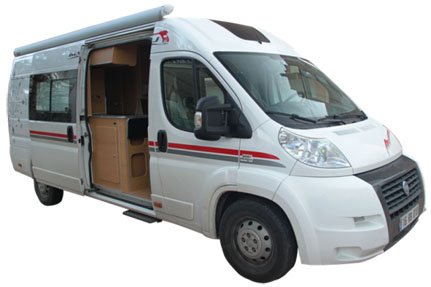
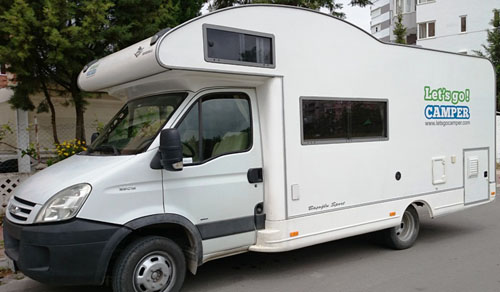
For a comfortable and manageable RV experience across Turkey's diverse road conditions, Class SI Semi-integrated and Class C Alcove RVs from Bandana's fleet are excellent choices. Class SI Semi-integrated RVs, averaging around 6.9 meters in length, offer a good balance of living space for up to 3-4 people while remaining relatively maneuverable. The larger Class C Alcove RVs, averaging 7.5 meters and accommodating up to 5-6 people, are ideal for families needing more interior space and amenities for extended adventures. Both classes are well-suited for main highways and well-maintained secondary roads, providing adequate ground clearance for most travel scenarios.
Should I Choose a Compact Van Instead of a Large RV in Turkey?
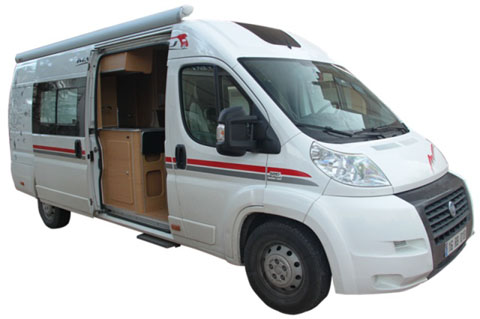
Generally, there's no significant issue driving any RV size in Turkey, and prioritizing comfort and interior space often outweighs the marginal maneuverability benefits of a compact van for most travelers. Compact vans (Class B Camper Vans, averaging 5.8 meters) offer superior agility for navigating extremely tight historic city centers or challenging mountain passes, and finding smaller parking spots. However, a larger RV provides substantially more living space and amenities, which is often a better trade-off for the overall travel experience on the majority of Turkish roads. A compact van is best considered only if your itinerary heavily features deeply historic urban centers or exceptionally difficult rural roads; otherwise, a larger RV generally ensures a more comfortable journey.
Can I Park Anywhere? Free & Wild Camping Rules in Turkey
While official regulations for wild camping can vary by region in Turkey, it is largely tolerated in many rural and natural areas, particularly outside designated national parks or protected zones, provided campers practice responsible 'leave no trace' principles. Travelers should always prioritize environmental stewardship, ensure proper waste disposal, and respect private property or local communities. Specific guidance indicates that rules are more restrictive in popular tourist coastal areas and strictly prohibited within national parks. Always verify local regulations and adhere to local laws before parking overnight. Utilizing apps like Park4Night can offer community-sourced information on legal and safe wild camping spots, including practical tips on water sourcing and local etiquette.
Can I Drive an RV Into the City Center? Heights, Tunnels & Local Signage
Yes, you can generally drive an RV into most Turkish city centers, but it's crucial to exercise caution and pay close attention to local signage due to potential restrictions. Be vigilant for specific height limits on bridges and in tunnels, as well as narrow streets, environmental zones (though less common), and 'residents-only' street signs, particularly in older districts. For major cities like Istanbul, it's often more practical to park your RV in peripheral, designated areas or campsites and utilize public transport for exploring the city center. Navigating Istanbul's historical peninsula or densely packed areas with a large RV can be challenging due to traffic and access restrictions.
How much does a one way RV rental cost in Turkey?
The cost for a one-way RV rental in Turkey typically spans from €70 to over €200 per day. This price range is influenced by several factors, including the RV class, the duration of the rental, the season of travel, and the specific pick-up and drop-off locations. One-way fees are an additional charge, covering the logistical costs of returning the vehicle to its original depot, and these can vary significantly. A comprehensive budget for an RV trip should account for the base rental fee, the one-way fee, insurance, fuel (estimated at 10-12 L/100 km for most RVs), tolls, campsite fees, food, and potential attraction entry costs. To find the best value, consider traveling during the shoulder seasons (spring and autumn), booking well in advance, and comparing quotes from various rental providers.
Can I take a one way RV rental from Turkey to Greece?
Taking a one-way RV rental directly from Turkey to Greece is generally not feasible or is prohibitively expensive, as most rental companies do not offer international one-way rentals between these specific countries. One-way rentals are typically restricted to within the same country due to logistical complexities and vehicle repatriation costs. If you wish to combine Turkey and Greece in your travel plans, the common approach is to complete your RV rental in Turkey, return the vehicle, and then cross the border independently before arranging a separate RV rental in Greece. For round trips that might include Greece, always ensure your rental agreement explicitly permits cross-border travel and that you have the necessary Green Card insurance extension valid for Greece, along with an International Driving Permit.
What are the best routes for a one way RV trip in Turkey?
The most rewarding one-way RV routes in Turkey are those designed to maximize exploration without unnecessary backtracking, often focusing on distinct geographical and cultural regions. Popular choices include a Mediterranean coastal journey, perhaps from Antalya to Fethiye, or an Aegean exploration route from Izmir to Pamukkale. Consider itineraries that blend diverse experiences, such as combining scenic coastal drives with visits to ancient ruins, unique geological formations like Cappadocia's fairy chimneys, or charming local villages for deeper cultural immersion. Strategic planning of your pick-up and drop-off locations is essential for optimizing a one-way itinerary and making the most of your travel time.
How safe is it to travel by RV in Turkey?
Traveling by RV in Turkey is generally considered safe, provided tourists adhere to standard travel precautions and stay informed about local conditions. Implementing a holistic RV safety approach means consistently securing your vehicle, being aware of your surroundings, and avoiding remote or poorly lit areas, especially at night. On the road, practice defensive driving, remain mindful of local driving habits, and always use seatbelts. Familiarizing yourself with local emergency services and potential natural hazards, such as varying road conditions in different seasons, particularly in mountainous regions, will further enhance your safety.
What are the requirements for renting an RV in Turkey?
To rent an RV in Turkey, you'll typically need to be between 21 and 23 years old (with some larger vehicles possibly requiring a higher age limit), possess a valid driver's license held for at least 1-2 years, and often an International Driving Permit (IDP) if your national license isn't in Latin script. A major credit card is essential for the security deposit, which can range from several hundred to over a thousand euros. You'll also need a valid passport or national ID card for identification. Crucially, thoroughly understand the rental agreement's details, including insurance coverage, mileage limitations, and any additional fees, before confirming your booking.
Are there any specific driving laws for RVs in Turkey?
Turkey does not have many driving laws specifically for RVs that differ significantly from general vehicle regulations; RV drivers must adhere to the same traffic rules as all other vehicles on the road. Speed limits are posted and generally vary: expect around 50 km/h in urban areas, 90 km/h on intercity roads, and up to 120 km/h on motorways. However, vehicles over 3.5 tons may have slightly lower limits, so always observe signage. Mandatory seatbelt use, strict prohibitions against mobile phone use while driving, and low blood alcohol limits are rigorously enforced. Carrying a basic first-aid kit and a reflective vest is also recommended or legally required in certain situations, contributing to overall road safety.
Where can I park an RV in Istanbul?
Parking an RV directly in Istanbul's central, historical districts is extremely challenging due to narrow streets, heavy traffic, and limited space, making peripheral parking the most practical strategy for RV travelers. Recommended urban RVing approaches include utilizing large, paid parking lots on the outskirts of the city or near major transportation hubs like ferry terminals or intercity bus stations. Consider designated campsites or caravan parks on Istanbul's periphery, such as those towards Silivri on the European side or Şile on the Asian side, which offer facilities and easier access. Once parked, leverage Istanbul's extensive public transport network—metro, tram, bus, and ferry—to explore the city's main attractions, always being mindful of potential vehicle-restricted zones.
What is the best time of year for an RV trip in Turkey?
The optimal times for an RV trip in Turkey are generally during the spring (April-May) and autumn (September-October). These shoulder seasons offer pleasant temperatures, fewer crowds at popular tourist sites, and vibrant natural landscapes. Spring is particularly beautiful with blooming wildflowers, making it ideal for hiking and sightseeing, while autumn provides mild conditions often coinciding with local harvest festivals. Summer (June-August) can be very hot, especially inland and along the Mediterranean coast, and naturally attracts more visitors. Winter (November-March) brings cold temperatures and snow in higher elevations, which might affect access to some mountain roads, though it can be a good time for cultural city tours with fewer tourists.
Can I do wild camping with an RV in Turkey?
Yes, wild camping with an RV is generally tolerated in many undeveloped and rural areas of Turkey, particularly outside national parks and protected zones, provided campers practice responsible 'leave no trace' principles. Finding legal and safe spots often involves consulting apps like Park4Night or iOverlander, which provide community-verified locations and local etiquette tips. Always ensure you have a plan for water sourcing if staying for extended periods and be mindful of local customs, observing quiet hours to maintain respectful travel practices. Prioritize secluded spots away from private property, and if unsure, always seek permission from landowners.
Are there specific apps or resources for RV travel in Turkey?
While a single, universally dedicated 'RV Turkey' app isn't prevalent, a combination of international camping apps, general navigation tools, and local online resources can greatly assist RV travelers. Essential navigation tools include Google Maps or Yandex Maps for real-time traffic updates in cities, alongside offline map applications for areas with limited internet access. Camping-specific apps like Park4Night and iOverlander are invaluable for locating both established campgrounds and community-verified wild camping spots, often complete with user reviews and facility details. Other useful resources encompass online forums for RV travelers in Turkey, translation apps, currency converters, and official Turkish tourism websites for up-to-date information on attractions and regulations.
What are the advantages of a one way RV rental in Turkey?
The primary advantage of a one-way RV rental in Turkey is the ability to maximize your exploration and cover more diverse regions without the need to backtrack to your starting point. This rental type facilitates a linear travel itinerary, perfect for point-to-point journeys, such as exploring the Aegean coast and then dropping off on the Mediterranean, or vice versa. One-way rentals save valuable travel time that would otherwise be spent returning the vehicle, allowing for a more efficient and comprehensive experience of Turkey's vast landscapes and cultural sites. It offers unparalleled flexibility in crafting unique travel routes, effortlessly connecting different areas of interest.
How do I find RV campgrounds in Turkey?
RV campgrounds in Turkey can be readily located using international camping applications such as Park4Night and iOverlander, which list numerous sites with details on amenities and user reviews. Performing online searches for 'kamping' or 'karavan park' combined with your desired region (e.g., 'Antalya karavan park') will yield local results. Official Turkish tourism websites or local tourist information offices can also provide lists of registered campgrounds. These campgrounds vary from basic sites nestled in nature to more resort-style parks offering full amenities like electricity hookups, water supply, waste disposal, and even swimming pools.
Is it possible to find pet-friendly RV rentals in Turkey?
Yes, finding pet-friendly RV rentals in Turkey is possible, though options might be more limited. It is crucial to confirm the specific rental company's pet policy before making your booking. Most pet-friendly rentals will typically involve an additional cleaning fee to cover potential pet-related wear and tear or special cleaning requirements. Always inquire about any restrictions on pet size, breed, or the number of animals allowed in the RV. Ensure your chosen rental vehicle is suitable for your pet's needs and be aware of local regulations concerning pets in public spaces and campsites throughout Turkey.
How to plan a one-way RV trip to Turkey from Bulgaria?
Planning a one-way RV trip *to* Turkey from Bulgaria, meaning picking up in Bulgaria and dropping off in Turkey, is typically not feasible with standard rental agreements due to the significant logistical complexities and costs involved in international one-way rentals. However, planning a round-trip RV journey *from* Bulgaria *into* Turkey is a common practice and requires careful attention to border crossing documentation. For border crossings like Kapıkule, Hamzabeyli, or Dereköy, ensure all travelers have valid passports, any necessary Turkish e-visas, and an International Driving Permit (IDP) alongside their national license. Crucially, your rental RV must have Green Card insurance valid for Turkey, and you must carry the vehicle's registration documents; expect potential waiting times at border posts and declare any goods as required by customs regulations.
What are common scams or pitfalls to avoid during an RV trip in Turkey?
To ensure a smooth RV trip in Turkey, travelers should be vigilant against common pitfalls such as potential overcharging at gas stations, unsolicited 'guides' at tourist sites, and general tourist traps. Always double-check your change at gas stations and ensure the pump is reset to zero before fueling; avoid accepting unsolicited help from unofficial 'guides' or parking attendants. Be wary of overly aggressive sellers in bazaars; while bargaining is customary, know your limits and be prepared to walk away politely. Ensure your RV rental contract clearly outlines all charges and insurance coverage, and always keep valuable items out of sight to deter potential theft, contributing to a holistic RV safety approach.
Can I cross borders with a rental RV in Turkey?
Yes, crossing borders with a rental RV from Turkey is generally permissible for round trips to neighboring countries like Greece or Bulgaria, but it always requires prior arrangement and explicit permission from the rental company. You must inform the rental agency in advance of your international travel plans, as they need to provide specific documentation, including an authorization letter and potentially an extended Green Card insurance valid for the destination country. Travelers will also need to ensure all passports and visas for the target countries are in order. Be prepared for customs procedures and potential delays at border crossings; always confirm any associated cross-border fees with your rental provider beforehand.
What You Shouldn't Miss
- Trace the footsteps of history with an RV by visiting the ancient ruins of Ephesus, one of the best-preserved Roman cities, easily accessible with your rented motorhome.
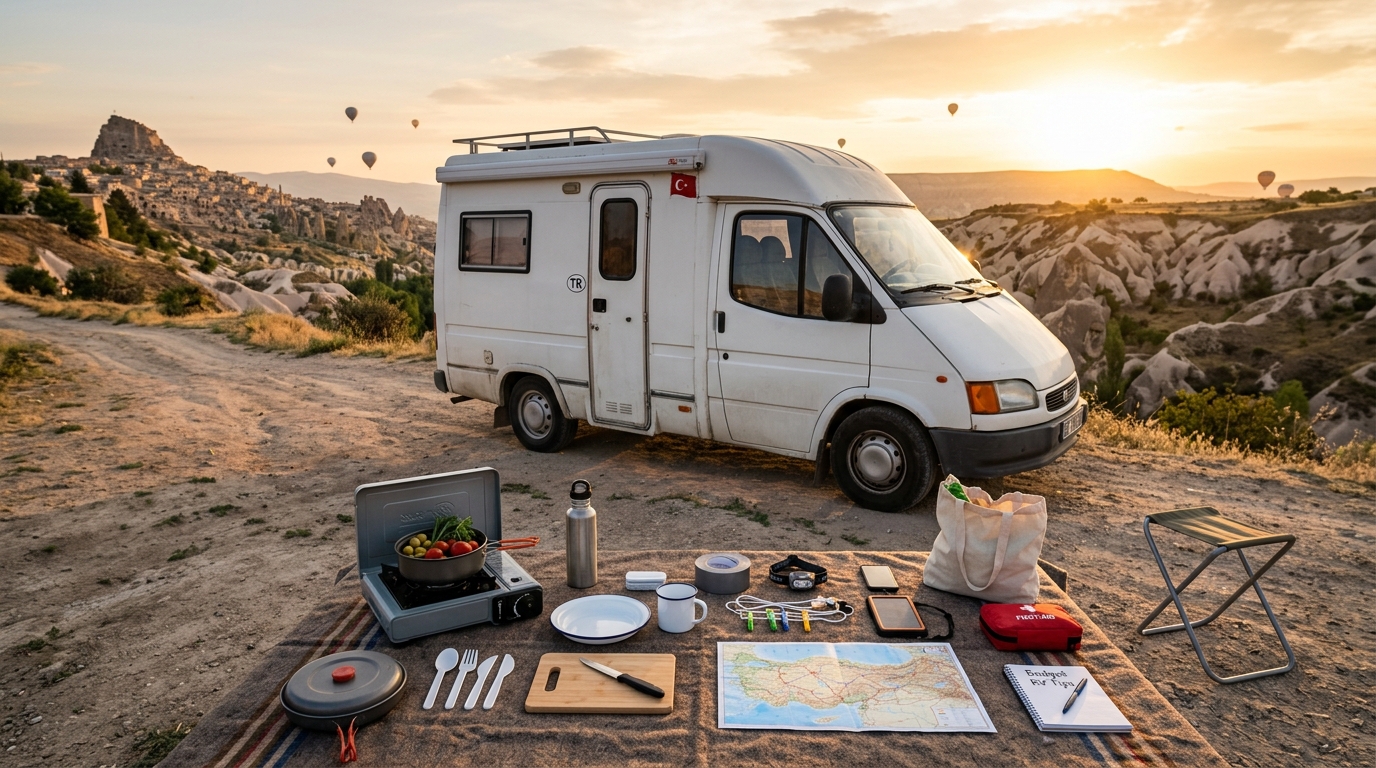
- Experience the surreal landscape of Cappadocia, exploring its unique 'fairy chimney' rock formations and cave dwellings, perhaps parking your RV near Göreme and taking a scenic hot air balloon ride at sunrise.
- Drive the stunning Mediterranean coast, perhaps along the D400, stopping at picturesque towns like Kaş or Antalya, and finding scenic spots for overnight stays with your rented RV.
- Witness the ethereal white travertines of Pamukkale, a UNESCO World Heritage site, where you can park your RV and wander through the mineral-rich thermal pools.
- Explore the vibrant cultural tapestry of Istanbul, driving your RV to the city's outskirts or a designated campsite and then utilizing public transport to navigate the bustling metropolis and its iconic sites like the Hagia Sophia and Blue Mosque.
- Take a slow travel journey along the Aegean coast, visiting charming seaside towns, ancient Greek ruins, and enjoying fresh Turkish cuisine, all while having your comfortable rented RV as your mobile base.
Final Thoughts
Embarking on a one-way RV adventure in Turkey offers an unparalleled way to experience its rich history, diverse landscapes, and vibrant culture. From the bustling streets of Istanbul to the ancient ruins along the coast and the otherworldly terrain of Cappadocia, a rented RV provides the freedom and comfort to explore at your own pace.
Remember that planning is key, but so is embracing spontaneity. With Bandana Caravan, you can compare options transparently and book with confidence, knowing you're getting the best value. So, pack your bags, chart your course, and get ready to discover the magic of Turkey from the unique perspective of your home on wheels. Your unforgettable journey awaits!