In This Guide
- Can You Drive an RV in Tokyo? License & Age Rules
- Road Conditions & Terrain in Tokyo
- RV Size Limits, Bridges & Restricted Zones
- Fuel: Diesel vs. Petrol & Cost per 100 km
- Tolls, Vignettes & Border Rules
- Driving Tips for one way rv rental Travelers
- Recommended RV Class for Tokyo Roads
- Class C - Alcove: Ideal for Tokyo RV Adventures
- Should I Choose a Compact Van Instead of a Large RV in Tokyo?
- Can I Park Anywhere? Free & Wild Camping Rules in Tokyo
- Can I Drive an RV Into the City Center? Heights, Tunnels & Local Signage
- What are the Practical Challenges of Driving and Parking an RV in Central Tokyo?
- What is the Comprehensive Cost Breakdown for an RV Trip to Japan, Including Tokyo Parking and Tolls?
- What are the Cultural Etiquette Tips for RV Travel in Japan?
- How Can I Visit Tokyo Attractions While RVing?
- How to Overcome Language Barriers When RVing in Japan?
Embarking on a one-way RV rental adventure in Tokyo offers unparalleled freedom to explore Japan at your own pace, from the bustling cityscapes to tranquil natural escapes. At Bandana Caravan, we specialize in helping you discover this unique travel style, ensuring you have all the information you need for a smooth and memorable journey. For live availability and current prices, start with our RV Rental Tokyo - Complete Guide 2026 guide. We are true RV specialists, dedicated solely to motorhome travel, which means we understand the intricacies of planning an RV trip better than anyone else.
Can You Drive an RV in Tokyo? License & Age Rules
Foreigners can generally drive a rented RV in Japan with a valid International Driving Permit (IDP) alongside their home country license, as long as it's issued by a signatory country of the 1949 Geneva Convention. Most standard motorhomes suitable for Tokyo roads fall under the 3.5-ton weight limit, requiring a standard B category license as per IDP standards. The minimum driving age for an RV rental in Japan is typically 21 years old, ensuring a broad range of travelers can enjoy this experience without age-based vehicle class restrictions. For vehicles exceeding 3.5 tons, a higher license category may be required, though these larger Class A motorhomes are less common for one-way RV rentals in Tokyo. Always carry your IDP and original driver's license when operating any rental vehicle in Japan.
Navigating the legalities of driving in a foreign country can seem daunting, but we're here to help. Our team of true RV specialists is available before, during, and after your booking to answer any questions about licensing or requirements. We believe in full transparency, providing you with all the necessary details upfront so there are no surprises when you pick up your chosen motorhome or campervan in Tokyo. This clear communication is part of our commitment to delivering personal service from day one.
Road Conditions & Terrain in Tokyo
Japan boasts excellent road quality, even in rural areas, making for comfortable RV travel, though urban environments like Tokyo present unique challenges. Central Tokyo features dense urban infrastructure with narrow streets, heavy traffic, and numerous overhead structures, requiring careful navigation for RVs. While Tokyo itself is largely flat, surrounding regions and popular day-trip destinations such as Hakone or Nikko may involve mountainous terrain, requiring awareness of winding roads and inclines. Drive slowly and carefully, and you can drive almost anywhere without issues. No need to stress - just use common sense and pay attention to signage, especially near areas like Shinjuku or Shibuya.
🎬 Video coming soon
When planning your route, remember our recommendation for slow travel: aim for a maximum of 100-150 km per day on average. This allows you to truly feel the place, connect to the culture, the food, and the scenery without feeling rushed. Japan's infrastructure is incredibly efficient, but a rented motorhome offers the flexibility to deviate from expressways and explore charming towns or scenic coastal roads at your leisure. For detailed route plans and assistance, consider checking out RV PLANET (rvplan.net), which offers 1,300+ pre-planned routes across 5 continents designed by professionals.
RV Size Limits, Bridges & Restricted Zones
Drivers must pay close attention to height and width restrictions prominently displayed for tunnels, underpasses, and multi-story parking garages throughout Tokyo. While specific environmental zones with entry restrictions like those in some European cities are not common in Tokyo, certain residential areas, particularly older districts, may have vehicle size limitations or restricted access. Low bridges and overhead infrastructure are prevalent in Tokyo's older districts and can pose challenges for taller RVs; always heed posted warning signs to avoid damage. For one-way rentals potentially involving ferry travel out of Tokyo Bay, be aware that ferries have strict length, width, and weight limits for vehicles, which must be booked in advance to guarantee passage.
Choosing the right size of rental motorhome is crucial for a stress-free trip. A compact Class C or campervan is often the most practical choice for navigating Japanese cities and roads. Before you confirm your booking, compare final prices across suppliers with Bandana Caravan – what you see is what you pay, with no surprise fees at pickup. This full transparency ensures you can confidently choose a vehicle that fits both your travel style and the local driving conditions, knowing there are no hidden costs for unexpected size restrictions. On the routes offered through RV PLANET routes, you can itemize and track every expense along the way for easy budgeting.
Fuel: Diesel vs. Petrol & Cost per 100 km
Both petrol (gasoline) and diesel are widely available across Japan, with petrol stations (gasスタンド) easily found, particularly along major routes and in urban areas. Many Japanese motorhomes, especially smaller and mid-sized models suitable for Tokyo, run on petrol, so verify your rental's fuel type at pickup. While specific fuel consumption averages for Bandana's Tokyo fleet are not available, general estimates for a typical Class C motorhome can help you budget for travel, typically ranging from 10-15 liters per 100 km. Expect average fuel costs in Japan to fluctuate; budgeting for approximately ¥150-¥200 per liter is a reasonable starting point for 2026. For budgeting ancillary costs beyond the RV rental itself, such as fuel, tolls, and groceries, remember that RV PLANET routes allow you to itemize and track every expense along the way for easy budgeting.
Keeping track of your expenses is easy when you plan ahead. When exploring route options for your one-way RV rental in Tokyo, remember that fuel efficiency can vary greatly between different campervan and motorhome models. Our expertise as true RV specialists means we can help you compare options from over 50 leading RV suppliers worldwide, including trusted partners like Apollo and Britz, ensuring you find a vehicle that fits your budget and travel style.
Tolls, Vignettes & Border Rules
Japan has an extensive network of toll roads, especially major expressways around Tokyo (like the Shuto Expressway) and inter-city routes, which are efficient but add significantly to travel costs. An ETC (Electronic Toll Collection) card is highly recommended for RV travel in Japan, as it allows for automatic toll payments and often offers discounts compared to manual payment. Unlike some European countries, Japan does not use a vignette system; tolls are paid per use or distance via ETC or cash at toll booths. For one-way RV rentals within Japan, there are no 'border rules' or international travel considerations as you remain within the country's domestic road network. Some Bandana RV rental partners may offer pre-purchased ETC cards or rental options, which can streamline travel and prevent fines from missed payments, making your journey around Tokyo much smoother.
Understanding these costs upfront is part of our full transparency promise. We ensure there are no hidden fees or surprises throughout your booking process, from comparing vehicles to understanding local driving requirements. This dedication to clarity means you can focus on the excitement of your Japanese road trip, knowing all the details are handled.
Driving Tips for one way rv rental Travelers
Always remember Japan drives on the left-hand side of the road; take time to adjust, especially at intersections and around Tokyo's iconic Shibuya Crossing. Utilize a reliable GPS system with English language support that can accept phone numbers (map codes) or precise addresses, as street names are not always prominently displayed in Japan. Be prepared for heavy traffic, especially during peak hours around Tokyo Station and the Shuto Expressway; consider driving outside these times or using public transport for city exploration. Familiarize yourself with Japanese road signs, many of which use standard international symbols but some may have Japanese text requiring translation apps. Plan your routes in advance, identifying suitable RV parking spots or campgrounds outside central Tokyo for easier access and more affordable rates, ensuring a smooth travel experience.
Imagine yourself cruising through the scenic countryside surrounding Tokyo, with the freedom of your own rented motorhome. This is the essence of RV travel in Japan. Remember, slow travel is the key to truly experiencing Japan's diverse landscapes and rich culture. Take your time to savor local delicacies, perhaps even preparing some RV-friendly recipes playlist in your camper's kitchen, using fresh ingredients from local markets.
Recommended RV Class for Tokyo Roads
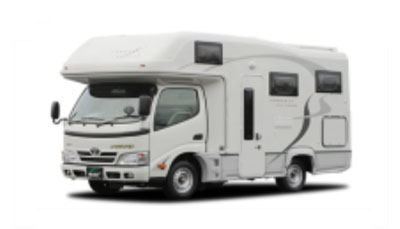
For navigating Tokyo's urban environment and Japan's often narrower roads, a compact or mid-sized RV class is generally recommended to balance interior comfort with maneuverability. Bandana's Tokyo fleet includes options like the Class C - Alcove, with an average length of 5 meters, offering a good balance for both city fringes and regional exploration. Vehicles around 5-6 meters in length with a relatively narrow profile (e.g., 2.1-2.3 meters wide) are typically easier to handle on Japan's narrower streets and fit into more parking spaces. While ground clearance is not a primary concern for Tokyo's well-maintained roads, a comfortable size allows for easier turning and reduces stress in tight spots, such as navigating alleyways in areas like Asakusa. We handle the details, you live the journey- personal service from day one until your booking is confirmed.
Our position as true RV specialists, founded in 2001 and having helped tens of thousands of travelers, means we offer unmatched personal experience and attention to the smallest details. We can help you identify the ideal motorhome for your one-way RV rental in Tokyo, ensuring it meets your needs for comfort while remaining practical for Japanese driving conditions. Choosing the right vehicle is paramount for a successful and enjoyable trip.
Class C - Alcove: Ideal for Tokyo RV Adventures
Tokyo's Class C - Alcove rental fleet typically averages 5 meters in length, providing a manageable size for Japan's roads while offering ample living space. These models, like the El Monte and Apollo options available through our partners, usually provide sleeping places for up to 6 individuals, making them suitable for families or larger groups seeking a one-way RV adventure. With an average capacity for 3 adults, the Class C - Alcove balances comfortable seating with interior amenities for a pleasant travel experience. The compact design of the Class C - Alcove allows for easier navigation through less congested areas surrounding Tokyo and for parking at designated RV-friendly spots in prefectures like Yamanashi or Kanagawa.
Consider a vehicle like a Class C - Alcove for your Tokyo exploration. It’s equipped for comfort and practicality, ensuring you have a mobile home-away-from-home that’s also agile enough for local conditions. When you opt for a Rent&Plan package through rvplan.net, you can leverage professional route planning and receive a 25% planning discount, ensuring your journey is well-organized and cost-effective.
Should I Choose a Compact Van Instead of a Large RV in Tokyo?
While a compact van offers superior maneuverability and easier parking in central Tokyo, a larger RV provides significantly more comfort, living space, and amenities for extended trips. Most RVs, even those larger than compact vans, can be driven in Tokyo; the primary trade-off is often parking convenience rather than driving impossibility. For travelers prioritizing indoor comfort, a separate bathroom, kitchen facilities, and dedicated sleeping areas, sticking with a mid-sized motorhome (like a compact Class C) is usually the better choice. A compact van might be genuinely advantageous for navigating extremely tight historic centers or very narrow mountain passes, but Tokyo's main roads can accommodate mid-sized RVs. Consider parking your rental outside central Tokyo near major transportation hubs like Shinagawa or Ueno, and utilizing Japan's excellent public transport system, regardless of RV size, to access core city attractions.
Ultimately, the choice depends on your travel priorities. If maximizing comfort and amenities for your group of 4-6 people is key, a Class C motorhome is ideal. If you value extreme agility and plan to spend most of your time exploring urban cores by vehicle, a campervan might be more suitable. Remember, you can always upgrade to a top-level deductible reimbursement for extra peace of mind, no matter your chosen vehicle size, providing comprehensive coverage for your adventure.
Can I Park Anywhere? Free & Wild Camping Rules in Tokyo
True 'wild camping' or unauthorized overnight parking in a rented RV is generally discouraged and often illegal in Japan, including within Tokyo and its surrounding areas. Michi-no-Eki (Roadside Stations) are a common and legal option for overnight rest, offering facilities like restrooms and local produce, but are primarily for resting, not extended camping. For secure and amenity-rich overnight stays near Tokyo, designated RV parks and campgrounds, such as those near Lake Kawaguchiko or in Chiba Prefecture, are the best option, offering facilities like power hookups, water, and waste disposal. Always prioritize paid campgrounds or designated RV spots for multi-night stays, especially when visiting Tokyo, to ensure safety, comply with local laws, and access necessary facilities like dump stations which are scarce in urban centers. Rules vary by region- check local regulations and follow local law before parking overnight.
For finding campsites and campgrounds during your trip, we recommend using RV PLANET (rvplan.net) - a great resource for locating available spots along your route. This platform can help you identify suitable locations outside of Tokyo's dense core, ensuring a comfortable and legal overnight stay. Planning your overnight stops is just one of the ways we support you before, during, and after your booking, making your one-way RV rental in Tokyo a stress-free experience.
Can I Drive an RV Into the City Center? Heights, Tunnels & Local Signage
It is generally possible to drive a rented RV into Tokyo's city center, but it requires significant vigilance due to dense traffic, narrow streets, and numerous overhead obstructions. Pay extremely close attention to local signage indicating height limits for underpasses, tunnels, and multi-story parking structures, as these can be significantly restrictive (often under 2.1 meters or 6.9 feet in central areas like Ginza). Drivers should also watch for signs denoting width restrictions, one-way streets, residents-only access, and areas with limited turning space common in older urban districts such as Yanaka. Many central Tokyo roads are part of a complex expressway network with varying height clearances; planning routes carefully with a dedicated RV GPS is crucial. Due to the high cost and scarcity of large vehicle parking in the city center, it's often more practical to park your RV on the outskirts and use Tokyo's efficient public transport from areas like Shinjuku-Gyoenmae.
Remember, "One-Way RV Rental in Tokyo - Price Guide 2026" covers some of the costs associated with city driving, including potential parking fees. We stand by our full transparency policy, ensuring you're aware of all potential expenses from the outset. We don't want any surprises for you, which is why we provide clear, honest advice on navigating urban centers with a motorhome or campervan.
What are the Practical Challenges of Driving and Parking an RV in Central Tokyo?
Central Tokyo features incredibly narrow streets, particularly in older districts and residential areas like Shibuya, making maneuvering a large rented RV highly challenging. Traffic congestion in Tokyo is notoriously heavy, especially during peak hours on major arteries like the Metropolitan Expressway, leading to slow travel times and increased driving stress. Finding suitable parking for an RV in central Tokyo is exceptionally difficult and expensive, with most multi-story garages having strict height and width restrictions that exclude most motorhomes. Drivers must constantly be aware of height and width clearances for overpasses, tunnels, and signs that are common throughout the densely built urban environment, particularly when approaching popular areas like the Imperial Palace. Specific local regulations may exist for certain areas or times, which can be hard for non-Japanese speakers to identify and comply with, making it essential to have clear information or a local guide.
This is where our Rent&Plan service comes in handy, offering pre-planned routes by professionals that take into account these local nuances. With a 25% planning discount, you can enjoy peace of mind knowing that experienced planners have considered these practical challenges, allowing you to focus on the joy of discovery rather than logistical headaches. Explore our "RV Travel Guide to Tokyo - Tips and Top Spots 2026" for more practical advice.
What is the Comprehensive Cost Breakdown for an RV Trip to Japan, Including Tokyo Parking and Tolls?
RV rental fees for a one-way trip in Tokyo will vary based on vehicle class (e.g., a compact campervan versus a larger Class C motorhome), duration, and seasonality, often including a one-way drop-off surcharge typically ranging from $150 to $500. Fuel costs are a significant factor; plan for fluctuating petrol/diesel prices (e.g., ¥150-¥200/liter in 2026) and the vehicle's efficiency, with many Class C motorhomes achieving 10-15 liters per 100 km. Tolls, especially on expressways around Tokyo and for longer journeys (e.g., Tokyo to Kyoto can be over ¥10,000 in tolls), accumulate quickly; an ETC card helps but budgeting for substantial toll expenses is critical. Parking fees in Tokyo are high, particularly for larger vehicles, with hourly rates in urban centers potentially reaching several hundred yen, and designated RV parking being rare and costly. Budget for campground costs (typically ¥2,000-¥5,000 per night) if staying outside the city, and consider public transport costs if parking your RV away from city attractions to save on central parking fees. For detailed budgeting and expense tracking, remember to utilize the tools available on RV PLANET routes.
When you're comparing "RV Rental in Tokyo - Prices and Best Deals 2026", remember that our platform provides full transparency on all costs. We list prices in 30+ currencies with no hidden fees or conversion commissions, so what you see is what you pay. This allows you to accurately plan your budget and avoid any unwelcome surprises, reinforcing our commitment to selling the way we'd like to buy- with honesty.
What are the Cultural Etiquette Tips for RV Travel in Japan?
When using Michi-no-Eki (roadside stations) for overnight rest, remember they are not campgrounds; practice quiet hours, avoid extensive setups like awnings and outdoor cooking, and dispose of waste properly to maintain local respect. Waste disposal is highly regulated in Japan; separate trash meticulously into burnable, non-burnable, plastics, and recyclables, using designated bins or facilities at campgrounds or Michi-no-Eki. Show respect for local customs by keeping noise to a minimum, especially in residential areas and around other campers, and always leaving areas cleaner than you found them. Engage with locals politely; a simple bow and attempts at basic Japanese phrases like 'arigato' (thank you) and 'sumimasen' (excuse me/sorry) can go a long way in fostering positive interactions. Be mindful of public bathing etiquette if using shared facilities at a campground or onsen, and always remove your shoes before entering homes, some public buildings, or even certain rented RVs, adhering to traditional Japanese custom.
Understanding and respecting local customs enhances your travel experience significantly. Our comprehensive guides, including "RV Rental Japan - Complete Guide 2026", offer insights that go beyond just driving logistics, preparing you for a truly immersive journey. Our commitment as true RV specialists means we empower you with the knowledge to travel respectfully and joyfully.
How Can I Visit Tokyo Attractions While RVing?
The most practical strategy for visiting Tokyo attractions while RVing is to park your rented RV at a campground or dedicated RV park on the outskirts of Tokyo, then use public transport to access city attractions. Identify parking locations near major train or subway stations outside the central area (e.g., in Saitama, Chiba, or Kanagawa prefectures, such as parking near Fuchu Station or around the Tama River) that offer easy connections into Tokyo's extensive transit system. Consider leaving your RV parked for a few days at a secure facility while you explore central Tokyo using trains and buses, which are often more efficient and less stressful for navigating the city's dense urban core than driving. For attractions accessible by car, plan your visits during off-peak hours to minimize traffic and increase the chance of finding parking, though this will still be challenging for an RV near popular spots like the Tokyo Skytree. Utilize apps like Google Maps for public transport routes and Hyperdia for train schedules, which are indispensable for navigating Tokyo without your RV. For finding campsites, remember to check RV PLANET (rvplan.net).
This approach gives you the best of both worlds: the freedom of an RV for broader exploration of Japan, and the convenience of Tokyo's world-class public transport for city sightseeing. Our Rent&Plan service can also help you design an itinerary that integrates these logistics seamlessly, providing a rewarding experience for your one-way RV rental in Tokyo.
How to Overcome Language Barriers When RVing in Japan?
Download offline translation apps (e.g., Google Translate, DeepL) that offer text, voice, and even image translation for signs and menus, which are invaluable for RVing in Tokyo. Carry a simple phrasebook with essential Japanese phrases for common RVing situations like asking for directions to a petrol station, inquiring about campground availability, or making a purchase at a Michi-no-Eki. Renting a pocket Wi-Fi device is highly recommended for constant internet access, enabling real-time translation and navigation assistance, especially useful when looking for specific places like a dump station or a local supermarket. While many major tourist attractions and transport hubs have English signage and staff, prepare for limited English at smaller shops, local eateries in neighborhoods like Shimokitazawa, and some Michi-no-Eki. Don't be afraid to politely ask for help; Japanese people are often eager to assist, and a smile along with gestures can bridge many communication gaps, making your one-way RV rental in Tokyo an enriching experience.
Our goal is to make your RV journey as smooth as possible. We offer 24/7 support for pre-booking comparisons, booking assistance, and post-booking coordination. While we don't offer in-trip language translation, we provide authoritative advice like this to help you prepare. Our extensive experience, dating back to 2001, means we understand the needs of international RV travelers and continuously strive to support you.
What You Shouldn't Miss
- Explore the Izu Peninsula: Drive your rented campervan south of Tokyo to discover rugged coastlines, volcanic landscapes, and therapeutic onsen (hot springs).
- Mount Fuji Views from Lake Kawaguchiko: Park your motorhome at a nearby campground and enjoy iconic views of Japan’s tallest peak, perhaps after a scenic drive from Tokyo.
- Hakone Open-Air Museum: A perfect blend of art and nature, easily accessible with your RV before returning to a nearby overnight spot.
- Nikko's UNESCO Shrines & Temples: Drive your RV to this stunning national park north of Tokyo for a cultural and natural escape, famous for the Toshogu Shrine.
- Coastal Cruise to Kamakura: Enjoy a relaxed drive to this historic seaside town, home to the Great Buddha and beautiful beaches, offering suitable RV parking outside the main tourist areas.
- Looking for expert insights from Avi Bandana? Top 5 Adventures - recommendations from Avi Bandana.
Final Thoughts
Exploring Tokyo and beyond with a one-way RV rental offers a unique blend of urban excitement and serene natural beauty. While navigating a motorhome in a bustling metropolis like Tokyo presents its own set of considerations, with careful planning and an understanding of local customs, your journey can be incredibly rewarding. Remember that driving slowly, using reliable navigation, and understanding parking solutions on the city's outskirts are key to a stress-free experience.
At Bandana Caravan, we are here to support your adventure from the very first click to the moment you return your campervan. We provide you with the tools, the expertise, and the transparent information needed to confidently book your ideal vehicle and plan an unforgettable route. Let the freedom of the open road, combined with the comfort of your rented home-on-wheels, lead you to discover the incredible diversity of Japan.
Find Motorhome Rentals in Tokyo