In This Guide
- Can You Drive an RV in Spain? License & Age Rules
- Road Conditions & Terrain in Spain
- RV Size Limits, Bridges & Restricted Zones
- Fuel: Diesel vs. Petrol & Cost per 100 km
- Tolls, Vignettes & Border Rules
- Driving Tips for one way rv rental Travelers
- Recommended RV Class for Spain Roads
- Should I Choose a Compact Van Instead of a Large RV in Spain?
- Can I Park Anywhere? Free & Wild Camping Rules in Spain
- Can I Drive an RV Into the City Center? Heights, Tunnels & Local Signage
- Can you do a one way RV rental in Spain?
- Is Spain good for RV travel?
- What is the best month to RV in Spain?
- What are the logistics for long-term or seasonal RVing in Spain?
- What are the road rules in Spain for RVs?
- Is it difficult to drive an RV in Spain?
- What are essential safety tips for RV travel in Spain?
- Is it safe to wild camp in Spain?
- Are RV hookups common in Spain?
- Is it easy to find campsites in Spain?
- Do you need to book campsites in Spain?
- Can I park an RV in a car park in Spain?
- Is it easy to find places to empty RV waste in Spain?
- Can you drink tap water in Spain with an RV?
- How do I choose an RV for Spain?
- How much does it cost to rent an RV in Spain for a month?
- What documents do I need to rent an RV in Spain?
- Can I travel with a dog in an RV in Spain?
- How Can RVers Immerse Themselves in Spanish Culture and Language?
- How Can Digital Nomads Ensure Connectivity While RVing in Spain?
- How Can RVers Practice Sustainable and Responsible Travel in Spain?
Can You Drive an RV in Spain? License & Age Rules
Most standard driver's licenses, specifically Category B, permit the operation of RVs up to 3,500 kg (3.5 tons) Maximum Authorized Mass (MAM) within Spain. This category covers the majority of camper vans and a significant number of semi-integrated motorhomes available for rental. For those looking to drive larger or heavier RVs, exceeding the 3,500 kg MAM threshold, a higher license category, such as C1 for vehicles up to 7,500 kg, is necessary. Rental providers will specify the license requirements for each vehicle class.
The minimum driving age for renting an RV in Spain is generally 21 years old. This age requirement is often set by rental companies, even if your national driver's license permits driving at a younger age. Travelers from EU/EEA countries can typically use their national driver's licenses, while drivers from outside these regions will usually need an International Driving Permit (IDP) in conjunction with their valid national license to legally drive in Spain. It's always recommended to verify specific licensing requirements with your chosen rental provider well in advance of your trip.
Road Conditions & Terrain in Spain
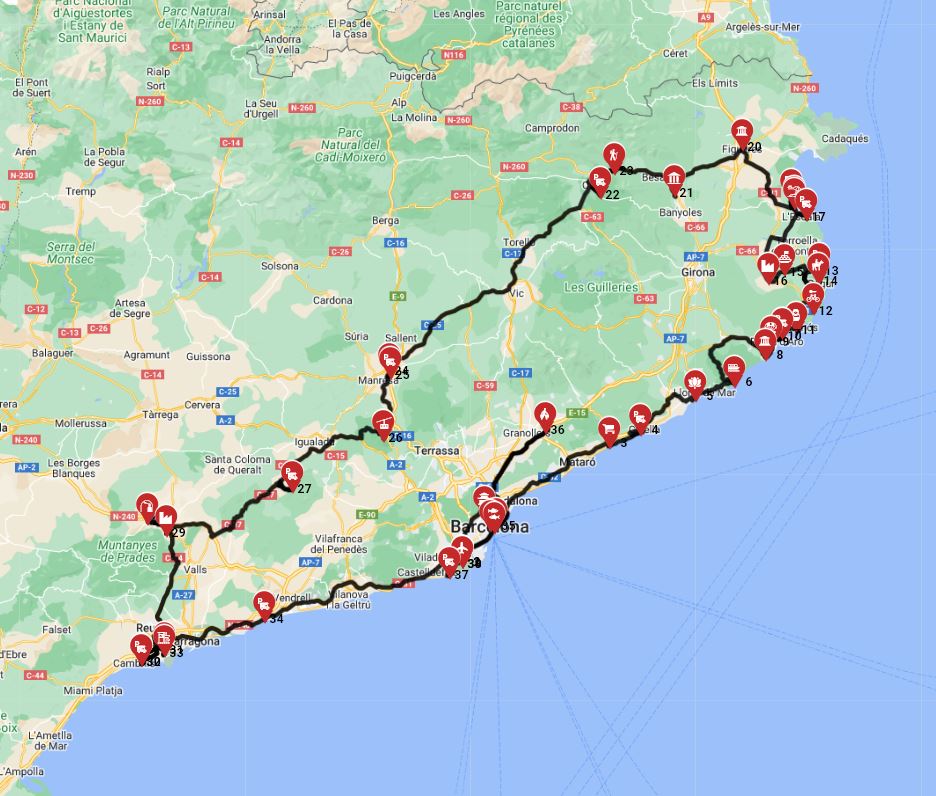
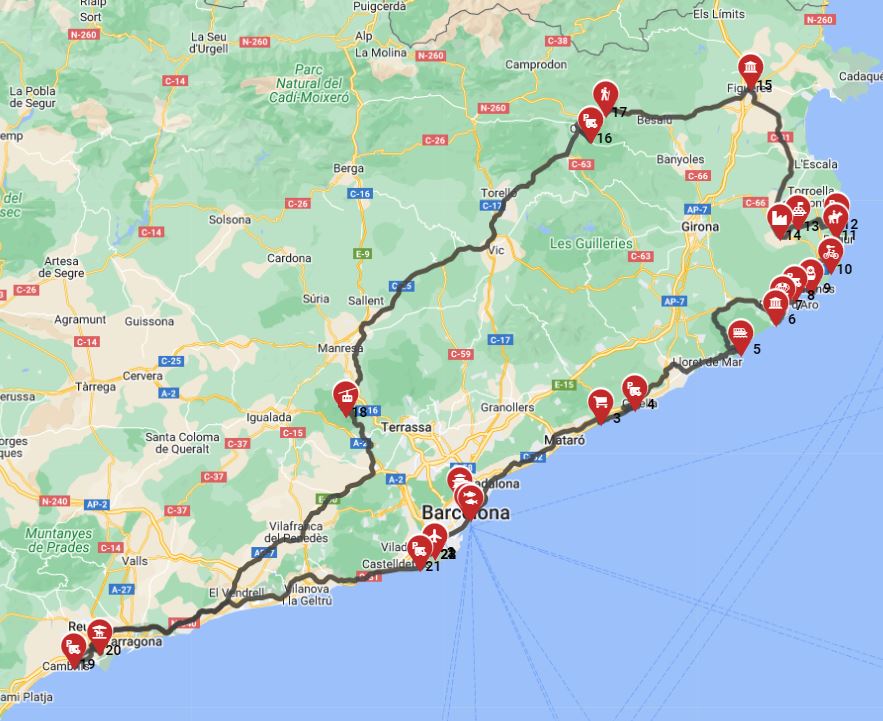
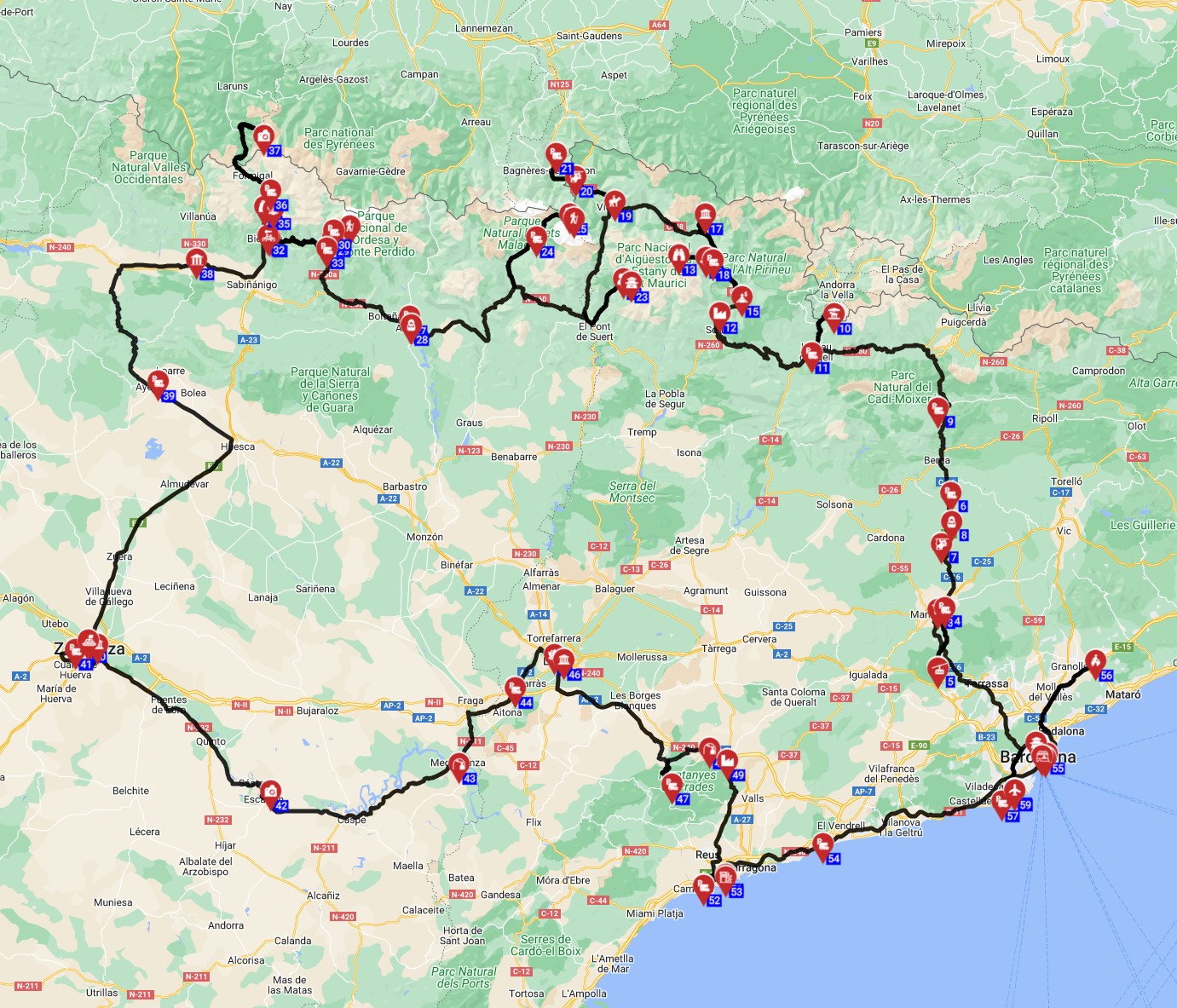
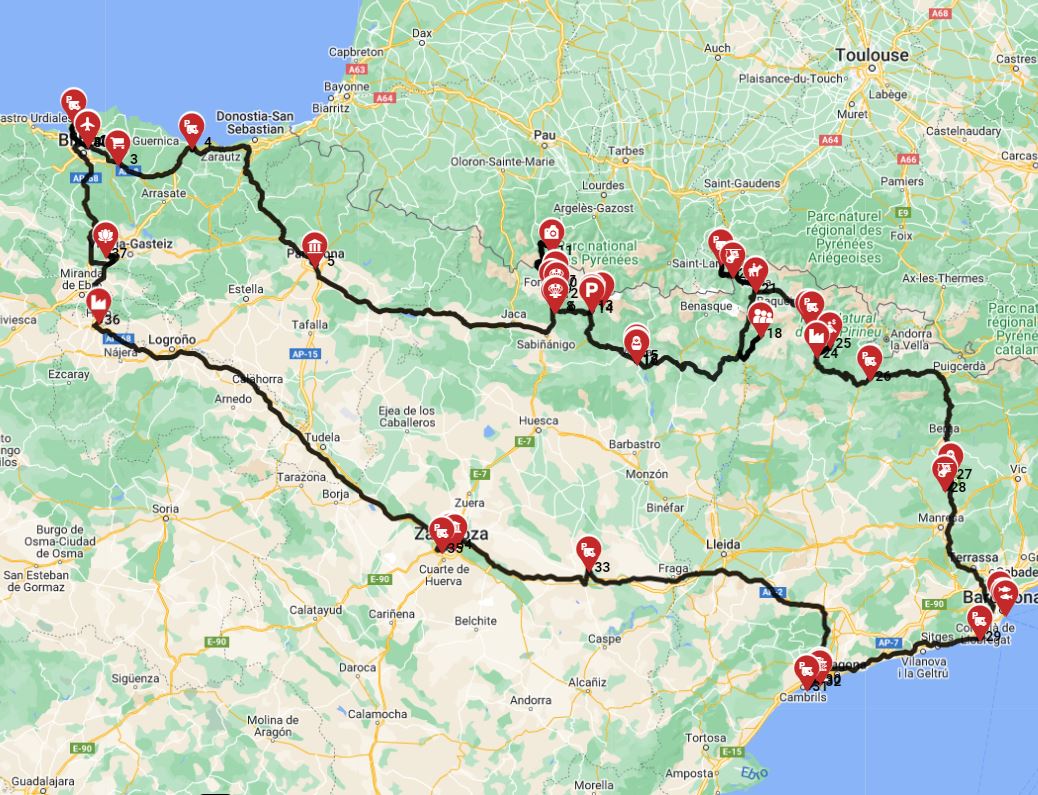
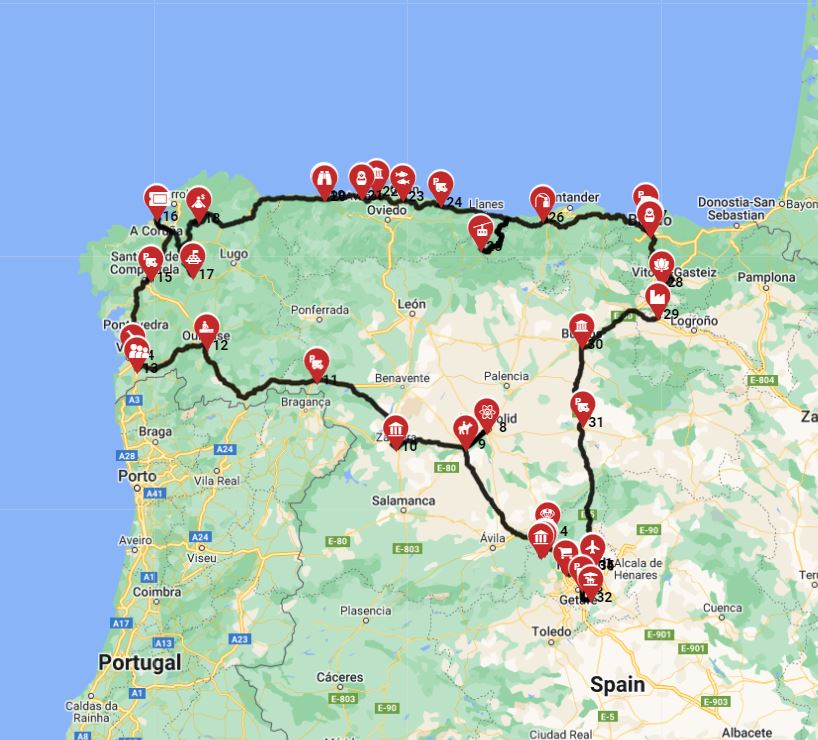
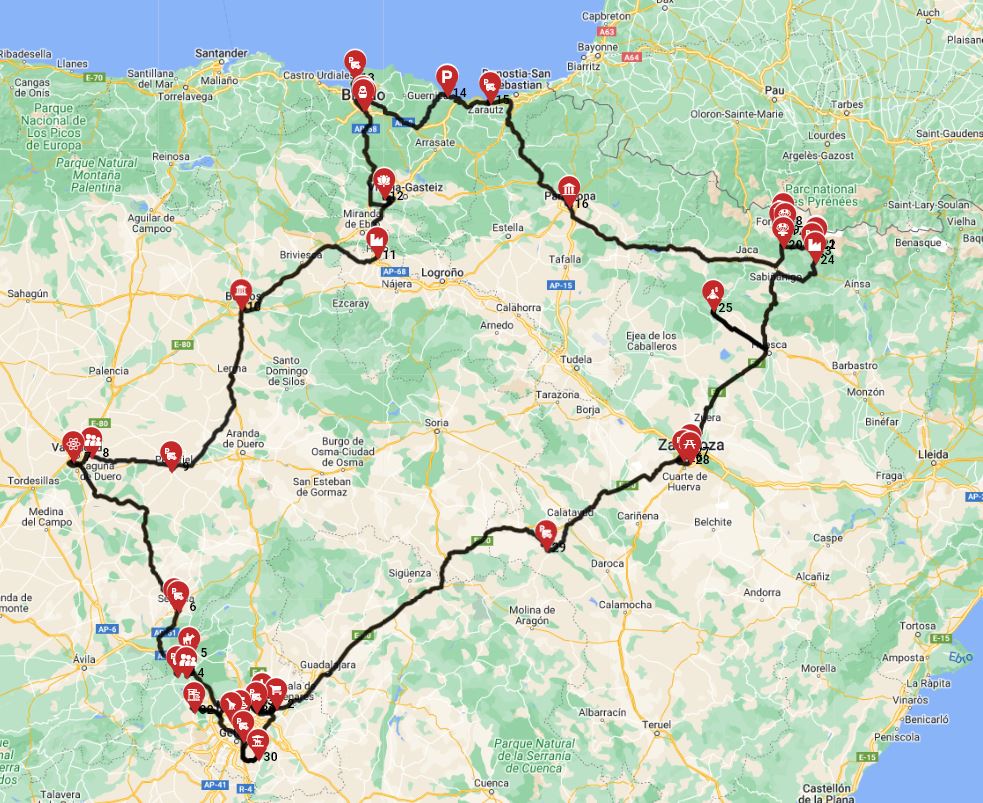
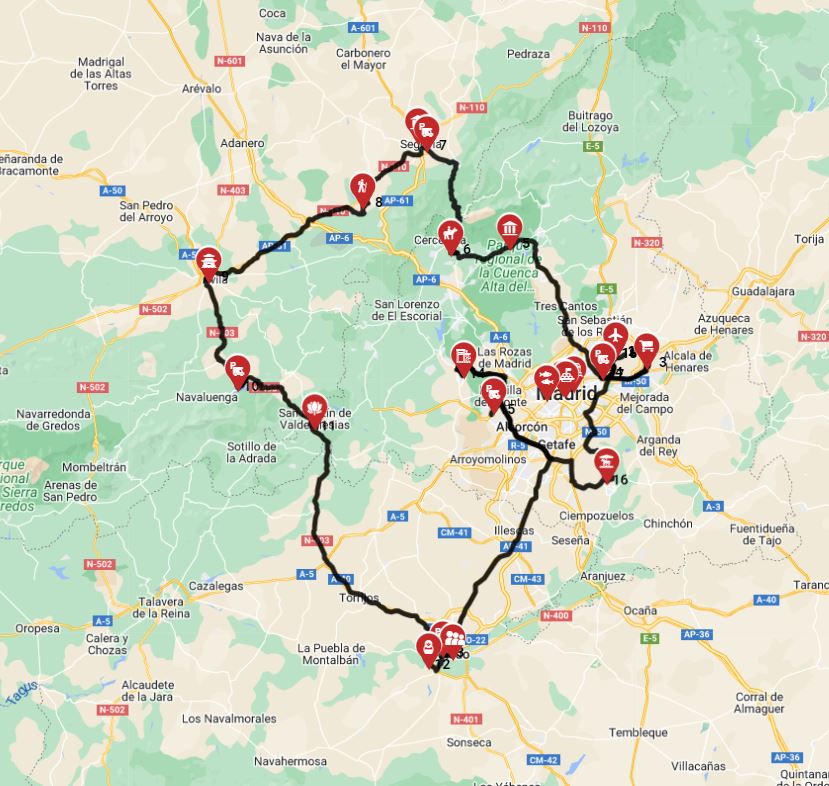
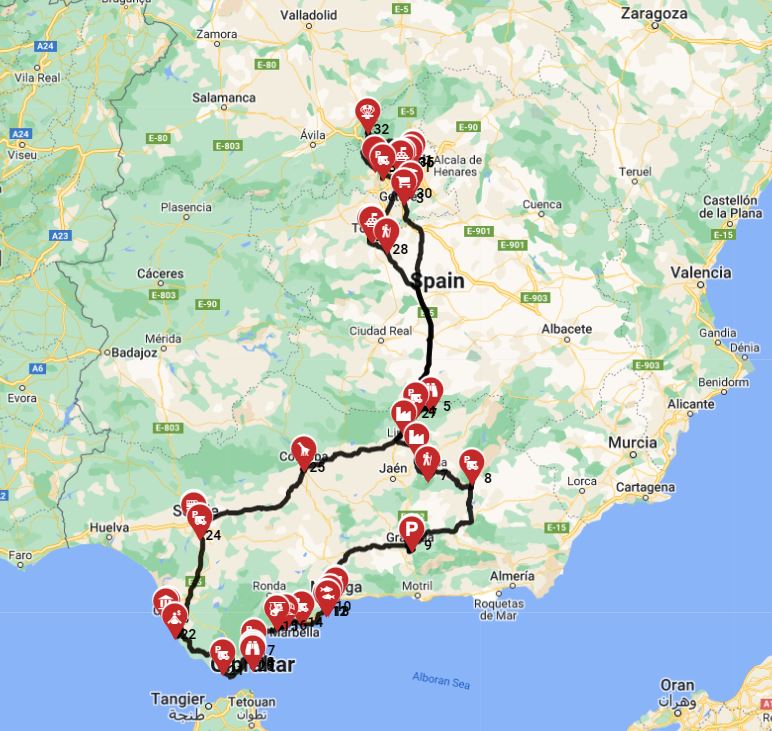
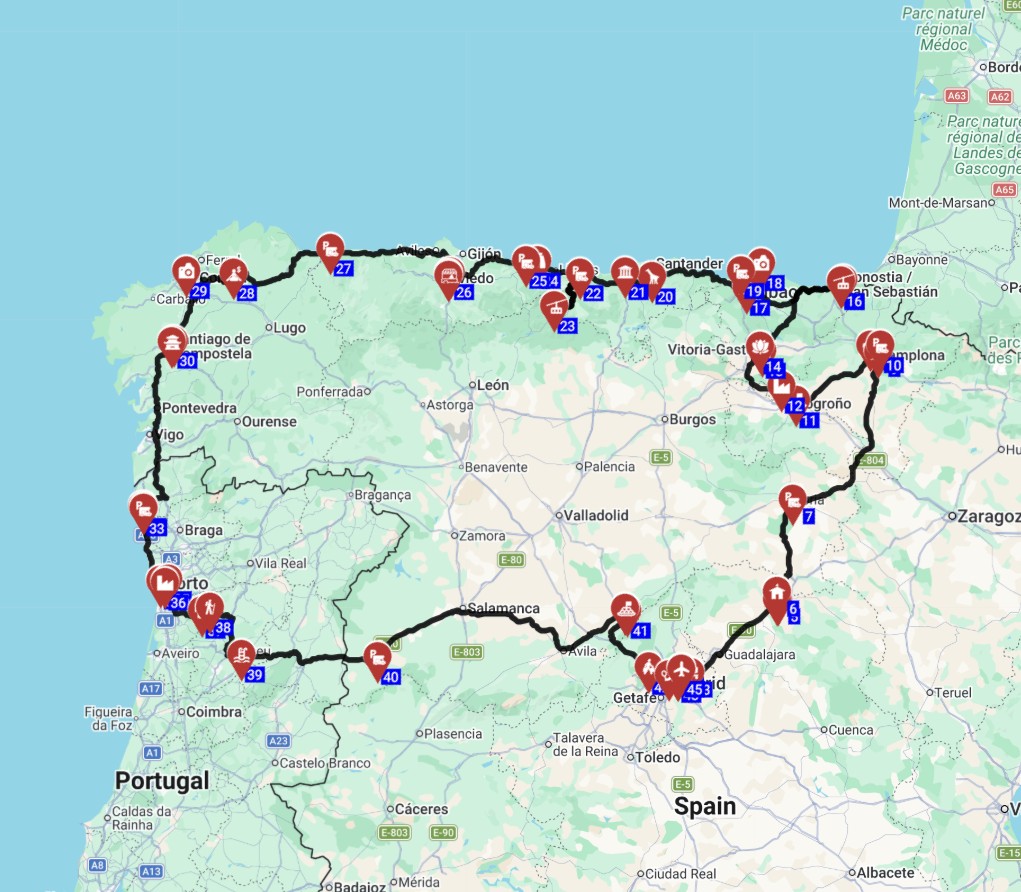
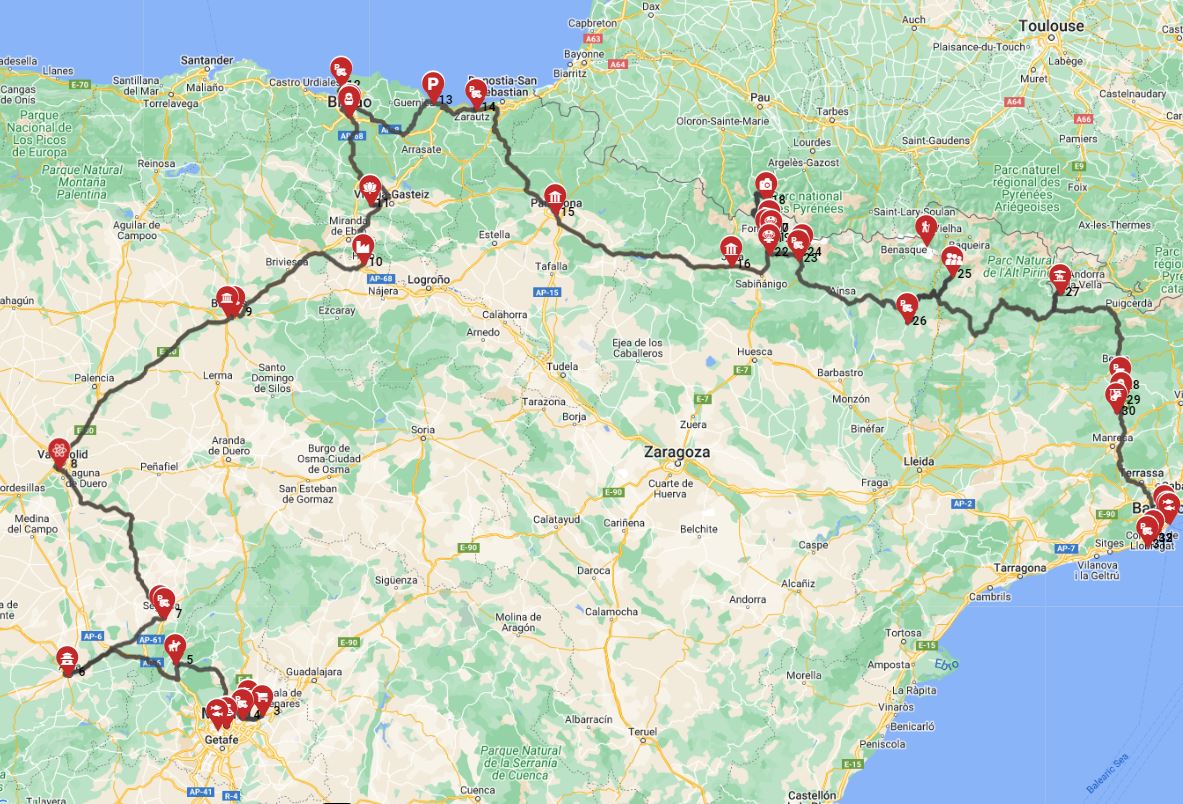
Spain boasts an extensive and generally well-maintained road network, featuring a comprehensive system of *Autovías* (motorways, typically free) and *Autopistas* (toll motorways), alongside national and regional roads. This infrastructure makes long-distance RV travel comfortable and efficient, allowing for smooth journeys across the country. The quality of roads is consistently high, particularly on the main arteries connecting major cities and regions. On the routes offered through RV PLANET routes, you can itemize and track every expense along the way for easy budgeting.
However, travelers should be prepared for varied terrain, especially when venturing into mountainous areas. Regions like the Pyrenees, Picos de Europa, or the Sierra Nevada can present winding, narrow roads with steep ascents and descents. These routes encourage a slower, more scenic pace of driving and might require extra attention when maneuvering larger RVs. Urban areas also present a mix of conditions, from wide avenues to extremely narrow historic streets, which can be challenging for larger motorhomes, though most town centers are accessible with careful navigation.
One-way RV rentals are particularly well-suited for exploring Spain's diverse landscapes, from the sun-drenched coastal roads of Andalusia to the rolling vineyards of La Rioja. This flexibility allows travelers to experience a wide array of terrains and cultures without the need for backtracking, maximizing exploration time and the variety of scenery encountered.
RV Size Limits, Bridges & Restricted Zones
Spain generally accommodates RVs of various sizes, but drivers must remain vigilant regarding height, width, and length restrictions. These limitations are most commonly encountered when entering older towns with narrow streets, navigating low bridges, or passing through tunnels, which are often clearly signposted. Typical RV height limits for specific parking garages or older tunnels can be around 3 meters, while most rental RVs fall within the 2.5 to 3.5-meter height range.
A growing consideration for RVers in Spain is the implementation of Environmental Zones (*Zonas de Bajas Emisiones* – ZBE) in major cities like Madrid and Barcelona. These zones restrict vehicle access based on emission standards, so it’s crucial to ensure your rental RV complies with the required environmental label or to plan alternative transportation or parking options outside these areas. Checking the specific city's ZBE regulations before arrival is highly recommended.
For travelers planning ferry trips, whether to the Balearic Islands or even across to Morocco, be aware that specific length and weight considerations apply. It's essential to consult with the ferry operator and your rental provider beforehand to confirm compatible RV dimensions and any associated surcharges to ensure a seamless travel experience.
Fuel: Diesel vs. Petrol & Cost per 100 km
The vast majority of RVs available for rent in Spain, including those typically found in Bandana's comprehensive fleet, operate on Diesel fuel, commonly referred to as *gasóleo*. Diesel is widely available at service stations throughout the country, ensuring convenient refueling opportunities.
When budgeting for your trip, it's helpful to have an estimate of fuel consumption. Bandana's Class B Camper Vans, known for their efficiency, typically consume between 8-10 Liters per 100 km. For the more spacious Semi-integrated (Class SI) or Alcove (Class C) RVs, consumption generally ranges from 10-12 Liters per 100 km. These figures provide a good basis for planning your fuel expenses, especially on longer one-way journeys across Spain.
Fuel prices in Spain fluctuate based on global markets and national taxes but are generally comparable to other Western European countries. Diesel is often slightly more economical than petrol. Some rental agreements might include fuel discount cards or offer pre-purchase fuel options, which can potentially lead to savings on longer one-way trips. Always check your specific rental agreement for details on fuel policies.
Tolls, Vignettes & Border Rules
Navigating Spain by RV involves understanding its toll system. Most motorways, known as *Autopistas*, are toll roads, meaning you'll pay for usage, typically based on the distance traveled or section covered. In contrast, *Autovías* are generally free to use, forming a substantial part of the national network. Travelers should factor potential toll costs into their budget, particularly if prioritizing speed and efficiency on major routes.
Tolls can be paid conveniently using cash or credit/debit cards at manned booths located along these routes. For even greater convenience and potentially faster passage, many sections of Spain's toll roads also accept electronic payment systems via transponders. Some Bandana RV rentals may offer these transponders as an option, simplifying toll payments and helping to avoid potential fines associated with unpaid tolls.
Unlike some other European countries that utilize a vignette system (a sticker or pass required for road use), Spain primarily relies on a pay-as-you-go toll system for its motorways. When planning one-way RV rentals that may involve cross-border travel into neighboring countries like Portugal or France, it's crucial to be aware of their respective toll systems. These can vary significantly, from Portugal's predominantly electronic toll collection to different payment methods used in France, so researching these in advance is advisable.
Driving Tips for one way rv rental Travelers
Plan Your Route Carefully: Utilize GPS navigation systems that allow you to input RV dimensions (height, width, length) to avoid roads with restrictions, especially in older towns or mountainous regions. Apps like Google Maps or dedicated RV navigation tools can be invaluable.
Take Frequent Breaks: Especially on longer one-way journeys, it’s vital to plan stops every 2-3 hours. This allows drivers and passengers to rest, stretch, and take in the scenery, making the travel experience more enjoyable and safer.
Understand Local Driving Customs: Be aware of Spain's specific driving rules. Speed limits for RVs are often lower than for cars (typically 90 km/h on conventional roads and 100 km/h on motorways, depending on weight). Pay attention to roundabout rules, parking etiquette, and note that some local drivers may use indicators less frequently than in other countries.
Budget for Tolls: If speed is a priority for your one-way trip, utilizing toll roads and considering electronic payment passes can save significant time and reduce stress at toll booths.
Consider Automatic Transmission: For a more relaxed driving experience, particularly if you're less accustomed to manual RVs, opting for an automatic transmission RV can greatly enhance comfort, especially in varied terrains and urban environments.
Recommended RV Class for Spain Roads
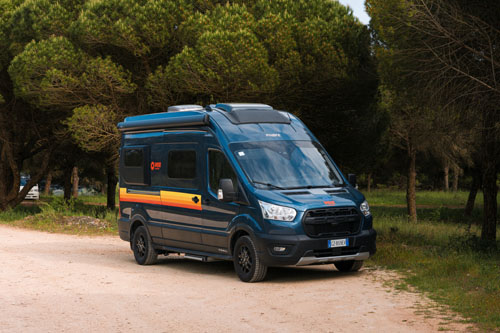
For an optimal RV travel experience in Spain, the Class B Camper Van is highly recommended, particularly due to its manageable size. Bandana's fleet averages around 5.8 meters in length for these vehicles, offering excellent maneuverability on narrow village roads and making parking in urban areas significantly easier. This compact yet functional choice is ideal for exploring historic centers and scenic routes.
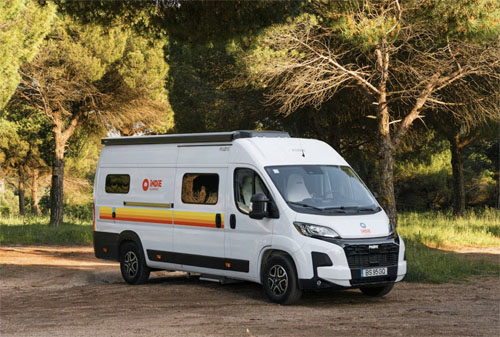
For those seeking a balance between living space and ease of driving, the Class SI (Semi-integrated) RV is an excellent option. With an average length of 6.9 meters in Bandana's fleet, these vehicles provide comfortable living quarters and amenities while remaining manageable on most Spanish roads, including many regional routes. They offer a good compromise for couples or small families.
While larger Class C (Alcove) or Class A (Integrated) RVs offer more generous living space, with an average length of around 7.5 meters, their size can present challenges in very old town centers, tight mountain passes, or when parking in busy cities. The choice of RV class should ultimately align with your planned itinerary: a smaller van is advantageous for extensive city exploration and challenging scenic routes, whereas a semi-integrated model suits longer distances and moderate urban access.
Should I Choose a Compact Van Instead of a Large RV in Spain?
While compact camper vans, like Bandana's Class B models averaging 5.8 meters in length, offer superior maneuverability for navigating tight historic centers and very narrow mountain passes in Spain, most standard RVs can comfortably traverse the country's extensive road network without significant issues. The key is mindful driving and an awareness of your vehicle's dimensions.
Opting for a compact van is genuinely advantageous if your itinerary heavily emphasizes exploring small, ancient villages, parking frequently in bustling city environments, or tackling particularly challenging mountain routes with extremely narrow sections. These scenarios are where the agility of a smaller vehicle truly shines.
However, for many travelers, the enhanced comfort, increased indoor living space, and more comprehensive amenities offered by a larger RV, such as a 6.9-meter semi-integrated model, often outweigh the marginal gains in maneuverability. This is especially true for longer trips or when traveling with family or friends who appreciate the extra room and dedicated facilities. The decision ultimately balances parking convenience and access to specific niche locations against overall living comfort and amenity provision for your travel party.
Can I Park Anywhere? Free & Wild Camping Rules in Spain
In Spain, the concept of overnight parking for RVs, known as *pernocta*, is generally permitted in public spaces where other vehicles are allowed to park. The crucial condition is that the RV must be parked legally, without extending elements like awnings or tables that would indicate camping behavior, and must not obstruct traffic or parking for other vehicles. Simply parking overnight is usually permissible, but setting up camp is not.
True 'wild camping' – which involves deploying chairs, tables, extending awnings, or staying overnight in undesignated areas – is broadly prohibited across Spain and is subject to strict regional and municipal regulations. While some areas might be more lenient, it's essential to understand that explicit rules often ban such activities to protect natural environments and maintain public order. These rules can vary significantly by region and municipality.
Many coastal regions and protected natural parks have explicit bans on overnight RV parking. Therefore, it's always advisable to verify local regulations and utilize specific apps like Park4Night, Campercontact, or iOverlander. These resources are invaluable for finding legal parking spots and designated service areas for RVs, ensuring a hassle-free and respectful experience. Always respect local laws, signage, and the environment.
Can I Drive an RV Into the City Center? Heights, Tunnels & Local Signage
You can almost always drive an RV into Spanish city centers, but it requires careful attention to local signage, potential height restrictions, and designated environmental zones. While the infrastructure is generally accommodating, being aware of these factors will ensure a smooth and stress-free experience.
Major cities like Madrid and Barcelona have implemented Low Emission Zones (*Zonas de Bajas Emisiones* – ZBE). Access to these zones is often restricted based on a vehicle's environmental classification or label. Before entering, confirm if your rental RV meets the required emission standards. If not, plan to park on the outskirts and utilize public transportation, which is widely available and efficient.
Be particularly vigilant for height limits, especially when considering underground parking garages, some tunnels, and older underpasses. These can often be too low for many standard RVs, so always check posted signage carefully. Local road signs are your best guide, clearly indicating restrictions for vehicles of certain sizes, weights, or environmental classifications. Additionally, be mindful of 'residents only' streets in historic areas, which may also have size or access limitations.
Can you do a one way RV rental in Spain?
Yes, one-way RV rentals are readily available throughout Spain, offering tremendous flexibility to pick up your vehicle in one city and drop it off in another, even across international borders, without needing to backtrack. This service significantly enhances the convenience and efficiency of exploring diverse regions.
This option is perfect for travelers planning a comprehensive itinerary across Spain, such as commencing in Barcelona and concluding in Seville. It allows you to maximize your exploration time and avoid redundant driving, making the most of your precious travel days.
While offering unparalleled convenience, it's important to note that one-way rentals typically incur a relocation or drop-off fee. This fee varies depending on the route and distance between pickup and drop-off locations and should be factored into your overall travel budget. The availability of specific RV models for one-way journeys can also vary, so booking well in advance, especially during peak seasons, is highly advisable to secure your preferred vehicle and route.
Is Spain good for RV travel?
Spain is an excellent destination for RV travel, boasting an incredibly diverse range of landscapes, a well-developed road network, and a culture that is increasingly welcoming to motorhome enthusiasts. The country offers a vast array of experiences, from the sun-drenched Mediterranean coasts and the historically rich cities of Andalusia to the rugged mountain ranges of the Pyrenees and the lush, green regions of the north.
The country's infrastructure supports RV travel well, with an extensive network of campsites (*campings*), dedicated motorhome service areas (*áreas de servicio*), and designated overnight parking spots available in many areas. While specific 'wild camping' regulations are strict, the availability of these facilities makes logistics relatively straightforward. The generally mild climate for much of the year, delicious and varied cuisine, vibrant local festivals, and ample opportunities for cultural immersion contribute to a truly memorable RV adventure.
What is the best month to RV in Spain?
The most favorable months for RV travel in Spain are generally Spring (April, May, June) and Autumn (September, October). During these periods, you'll typically find pleasant temperatures ideal for sightseeing, fewer crowds at major attractions, and the natural beauty of the landscapes is often at its peak. Spring is particularly good for experiencing wildflower blooms and comfortable exploration before the intense summer heat, especially in central and southern regions.
Autumn provides mild weather, coinciding with harvest festivals and opportunities to enjoy Spain's diverse scenery in cooler conditions, making it perfect for hiking and outdoor activities. Summer (July and August) can be very hot, particularly inland and in the south, leading to crowded coastal areas and higher prices for accommodations and attractions. Winter offers mild conditions in the southern parts of the country, but expect colder weather and potential snow in the northern and mountainous regions.
What are the logistics for long-term or seasonal RVing in Spain?
For non-EU citizens considering extended stays or seasonal RVing in Spain, understanding visa requirements is paramount. You must ensure compliance with Schengen visa limitations for short stays and investigate options for long-stay visas if planning to remain for periods exceeding 90 days within a 180-day period. Legal residency status for extended periods needs careful planning.
Winter RVing in Spain is a popular pursuit, particularly in the warmer southern regions and along the Mediterranean coast. However, preparation is key; ensure your RV has adequate heating and insulation to manage potentially damp or cooler weather, especially if venturing into less temperate areas. Many campsites remain open year-round and offer long-term pitches.
Options for secure RV storage exist across Spain for those who need to leave their vehicle for extended periods, perhaps between trips or while traveling elsewhere. Additionally, consider seasonal campsites or long-stay pitches, which often provide better rates and foster a sense of community among long-term RVers, along with access to essential amenities.
What are the road rules in Spain for RVs?
RVs in Spain must adhere to specific speed limits, which are generally lower than those for standard passenger cars. Typically, expect limits of 90 km/h on conventional roads and 100 km/h on motorways, though these can vary based on the RV's weight, configuration, and specific road signage. Always observe posted speed limits.
It is mandatory for all occupants to carry reflective vests and have at least two warning triangles readily accessible within the RV at all times. A spare tire or an approved tire repair kit is also typically required. Drivers must also pay close attention to signage indicating environmental zones in cities, as restricted access for certain vehicle emission classes can result in significant fines if violated.
The general rule for parking an RV in Spain is that it can occupy a space intended for a car, provided it fits within the marked bay and does not obstruct traffic. Crucially, no camping behavior – such as extending awnings or setting out chairs – should be displayed when parked in public areas. Many municipalities also offer designated parking areas specifically for motorhomes, often called *áreas de autocaravanas*, which are usually the preferred option for longer stays or overnight parking.
Is it difficult to drive an RV in Spain?
Driving an RV in Spain is generally not considered difficult, thanks to the country's excellent road infrastructure and clear, multilingual signage. These factors contribute to making Spain a popular and accessible destination for motorhome travel, even for those new to RVing.
The primary challenges often encountered involve navigating the tight, narrow streets found in historic town centers and charming old villages, as well as finding parking in bustling urban areas. In these situations, opting for a more compact RV or camper van, like those averaging 5.8 meters in Bandana's fleet, can offer a distinct advantage. However, with careful driving and planning, most standard-sized RVs can be managed effectively.
Mountainous regions, while incredibly scenic and rewarding to explore, can present winding roads with steep inclines and hairpin turns. These require careful driving, appropriate gear selection, and maintaining a steady pace. Familiarity with local traffic laws, including the specific speed limits for RVs and the regulations surrounding environmental zones in cities, will greatly ease the overall driving experience and contribute to a more relaxed and enjoyable journey.
What are essential safety tips for RV travel in Spain?
Prioritize comprehensive RV-specific insurance that covers potential issues such as breakdowns, accidents, and theft scenarios tailored to the conditions in Spain. Ensure your policy includes robust roadside assistance and, ideally, medical evacuation coverage for added peace of mind during your travels.
Familiarize yourself with local emergency protocols. Spain uses the pan-European emergency number 112, which connects you to all emergency services. Know the locations of local police stations and hospitals along your planned route. Having these details accessible can be crucial in unforeseen circumstances.
Be vigilant against theft, particularly in crowded tourist areas, busy beaches, or isolated parking spots. Always secure valuables, utilize alarm systems if available, and avoid leaving the RV unattended in locations that feel suspicious or overly exposed. Taking precautions can significantly mitigate risks.
Carry essential safety equipment such as reflective vests for all occupants, warning triangles, and a well-stocked first-aid kit. Ensure your rental RV is regularly serviced and that tire pressures are checked, especially before embarking on long one-way journeys across the country. Being prepared is key to a safe and enjoyable RV adventure.
Is it safe to wild camp in Spain?
Generally, 'wild camping' in Spain, which involves fully setting up camp outside designated areas (e.g., deploying awnings, setting out chairs), is not considered safe from a legal and practical standpoint. It is largely prohibited by law and can lead to fines, making it far safer and more advisable to utilize official campsites or designated legal overnight parking spots.
While the concept of *pernocta* (overnight parking without camping behavior) is permitted in many areas, specific regional and municipal laws can vary significantly. A spot that might be acceptable in one autonomous community could be explicitly illegal in another, meaning you should always verify local regulations. This variability necessitates a cautious approach and thorough research.
To ensure both safety and legality, always prioritize designated *áreas de autocaravanas* (motorhome service areas), official campsites, or private parking facilities that explicitly welcome RVs. These locations offer necessary amenities and peace of mind, ensuring compliance with local rules.
If you do consider remote overnight parking, use reputable apps like Park4Night or Campercontact, which often feature vetted locations and user reviews. Opt for spots that are well-lit and visible if possible, and always respect local signage and regulations to avoid any potential issues. Your safety and adherence to the law are paramount.
Are RV hookups common in Spain?
RV hookups, particularly electrical hookups and water connections, are common and widely available at official campsites (*campings*) and dedicated motorhome service areas (*áreas de autocaravanas*) across Spain. These facilities are designed to support RV travelers, ensuring comfort and convenience.
Most official campsites offer electrical hookups, typically providing 6-10 amps, along with fresh water connections and essential greywater/blackwater disposal points. These amenities allow for a comfortable, extended stay without needing to rely solely on onboard resources.
While many service areas provide basic services like water refilling and waste disposal, full electrical hookups might be less prevalent than at full-service campgrounds. These areas are often more basic, focusing on essential dump and fill services. For off-grid camping or *pernocta* in undesignated areas, you will primarily rely on your RV's onboard fresh water tank, grey water capacity, and battery power, making resource management essential.
Is it easy to find campsites in Spain?
It is generally very easy to find campsites in Spain, thanks to the country's well-developed tourism infrastructure for RV travelers. You'll find a wide network of official campgrounds (*campings*) and dedicated motorhome service areas (*áreas de autocaravanas*) located throughout the country, catering to a range of needs and preferences.
Popular coastal regions and major tourist destinations boast a high concentration of well-equipped campsites. These facilities range from basic grounds offering essential services to resort-style parks with extensive amenities like swimming pools, restaurants, and recreational activities. Online resources and mobile apps, such as Park4Night, Campercontact, and iOverlander, are excellent tools for locating, comparing, and identifying campsites and service points along your route.
However, while campsites are easily found, availability can become limited during peak season, particularly in July and August, and in highly sought-after coastal or national park locations. To avoid disappointment and ensure a smooth journey, making advance reservations for campsites along your planned one-way route is highly advisable. This allows you to focus on enjoying your travels rather than searching for overnight spots.
Do you need to book campsites in Spain?
While booking campsites in Spain is not always strictly necessary during the off-peak seasons or in less touristy, more rural areas, it is highly recommended, especially during the peak summer months (July and August) and for popular coastal or national park locations. Advance booking significantly increases your chances of securing a desirable spot.
Pre-booking guarantees a pitch, particularly if you have specific requirements, such as a particular RV size, proximity to amenities, or a full hookup site. This proactive approach prevents potential disappointment upon arrival, especially if campsites are operating at high capacity. For travelers undertaking a one-way RV trip, securing campsites in advance along your planned route ensures a smoother, less stressful journey, allowing you to concentrate on the adventure itself.
Fortunately, many campsites in Spain offer convenient online booking systems, making it straightforward to reserve your spot prior to your arrival. This digital convenience simplifies the planning process, allowing you to confirm your overnight accommodations efficiently.
Can I park an RV in a car park in Spain?
Yes, you can generally park an RV in regular car parks in Spain, provided it fits within the marked parking bays and adheres to local parking regulations. For parking purposes, RVs are typically treated similarly to other vehicles, meaning standard parking rules apply.
It is essential that your RV does not exceed the dimensions of the parking space or obstruct traffic flow. Crucially, no 'camping behavior' – such as extending awnings, deploying slide-outs, or setting out chairs and tables – should be displayed when parked in a standard car park. Doing so could lead to fines or require you to move.
Be aware that some car parks, particularly those located in historic city centers or underground facilities, may have specific height or weight restrictions. These limitations will always be clearly signposted, so pay close attention to them before entering. Many Spanish towns also provide designated parking areas specifically for motorhomes, often referred to as *áreas de autocaravanas*. These are usually a better and more accommodating option for longer stays or overnight parking.
Is it easy to find places to empty RV waste in Spain?
Finding suitable places to empty RV waste, including grey water (from sinks and showers) and black water (from toilets), is relatively easy in Spain. The primary and most convenient locations are dedicated motorhome service areas (*áreas de autocaravanas*) and official campsites (*campings*).
These designated service points, often clearly signposted along roads and within campgrounds, provide the necessary facilities for disposing of chemical toilet waste and draining greywater. They also typically include stations for refilling fresh water tanks, making them essential stops for RV maintenance.
Utilizing RV-specific navigation apps and guidebooks, such as Park4Night or Campercontact, is highly recommended. These resources effectively map out hundreds of service locations across the country, providing details on facilities and user reviews. Responsible waste management is crucial for sustainable RV travel, so always use these designated facilities and never dispose of waste in undesignated areas, as this can lead to fines and cause environmental damage.
Can you drink tap water in Spain with an RV?
Tap water in most of Spain is generally considered safe to drink. However, when using RVs, it's always advisable to filter or boil water, especially if filling your fresh water tank from public spigots or at campsites where water quality can occasionally vary. RV tanks and plumbing systems can also be susceptible to bacterial growth if not properly maintained.
While main city water supplies are reliably potable, water quality can differ in rural areas or from specific campsite hookups. For optimal health and peace of mind, especially for sensitive individuals, consider carrying a portable water filter or opting for bottled water for drinking and cooking. Regular cleaning and sanitization of your RV's fresh water tank and plumbing system are also key to maintaining water quality throughout your trip. For ideas you can prep on the road, watch our RV-friendly recipes playlist on YouTube.
How do I choose an RV for Spain?
When selecting an RV for your Spanish adventure, carefully consider your planned itinerary, the number of travelers, and your personal comfort preferences. The goal is to balance maneuverability, especially for navigating Spain's varied road conditions, with adequate living space and amenities.
If your one-way journey involves extensive exploration of cities and tackling challenging scenic routes, a compact camper van, like Bandana's Class B models averaging 5.8 meters in length, offers superior agility and easier parking. These are often the most practical choice for navigating narrow streets and finding convenient spots in urban centers.
Conversely, if your trip emphasizes longer distances and you prioritize comfort for a family or a small group, a semi-integrated RV, averaging 6.9 meters in length, provides a good balance of amenities and drivability. These vehicles offer more living space, dedicated sleeping areas, and often more comprehensive kitchen and bathroom facilities.
Don't forget to factor in your budget. Smaller RVs are typically more fuel-efficient and often less expensive to rent, which can align well with various traveler types, from frugal backpackers to mid-range families. Comparing vehicle classes and their associated costs, fuel efficiency, and suitability for your planned routes will help you make the most informed decision.
How much does it cost to rent an RV in Spain for a month?
The cost to rent an RV in Spain for a month can vary widely, typically ranging from approximately €1,500 to over €4,000. This significant variation depends heavily on factors such as the RV class chosen, the time of year (seasonality), the rental duration, and any specific features or upgrades selected.
A Class B Camper Van (like Bandana's efficient models, averaging 5.8m) or a smaller Class SI (Semi-integrated, averaging 6.9m) will generally be more affordable than larger Class C Alcove or luxury Class A Integrated motorhomes. Larger vehicles naturally command higher rental fees due to their increased capacity, amenities, and often higher operating costs.
Beyond the base rental fee, it's crucial to budget for daily expenses. These include fuel, with Bandana's fleet consuming approximately 8-12 Liters/100 km, translating to roughly €14.40-€21.60 per 100 km based on current diesel prices of about €1.8/liter. You'll also need to account for campsite fees, which can range from free service areas (*áreas de autocaravanas*) to €30-€60+ per night for full-service campgrounds, and daily food and activity expenses.
Remember to factor in potential one-way rental fees if you plan to return the RV to a different pickup location, as these charges can add to the overall cost. Regional price differences for fuel and campsites might also impact your budget, so researching your intended route's cost variations is wise.
What documents do I need to rent an RV in Spain?
To rent an RV in Spain, you will typically need a valid driver's license. For RVs up to 3,500 kg (covering most camper vans and smaller motorhomes), a standard Category B license is usually sufficient. Importantly, this license must have been held for a minimum period, often specified as 2-3 years by rental companies, depending on their specific policies.
For drivers who are not citizens of the EU or EEA, an International Driving Permit (IDP) is generally required in addition to your national driver's license. The IDP serves as a translation of your license and is crucial for legal driving in Spain. Always confirm the specific IDP requirements for your country of origin with the rental provider.
A valid passport or national identity card is essential for identification purposes. You will also need a credit card to provide a security deposit, which is a standard requirement for RV rentals to cover potential damages or extra charges. Some rental companies may also request additional proof of address or a secondary form of identification, so it is best to check the exact documentation needed with your chosen provider well in advance of your rental date.
Can I travel with a dog in an RV in Spain?
Yes, you can generally travel with a dog in an RV in Spain, as many rental companies and campsites are pet-friendly. However, there are specific regulations and potential fees associated with bringing pets, so it's vital to understand these requirements beforehand.
Ensure your dog possesses an up-to-date EU pet passport, is microchipped, and has all necessary vaccinations, particularly the rabies vaccination, which is mandatory for entry into Spain. Travel regulations for pets are stringent and must be adhered to strictly.
While many campsites welcome pets, some may enforce restrictions on specific breeds, sizes, or require that dogs be leashed at all times within the campground premises. Always confirm the pet policies of both your rental provider and any campsites you plan to visit when making bookings. Additionally, be aware that dogs may not be permitted on all public transport, beaches, or within certain attractions, so it's wise to research pet-friendly activities and restricted areas in advance.
How Can RVers Immerse Themselves in Spanish Culture and Language?
To genuinely connect with locals and enrich your Spanish RV experience, making an effort to learn essential Spanish phrases is highly recommended. Focusing on common RV scenarios, such as asking for directions (*¿Dónde está...?*), refueling (*Lleno de diésel, por favor*), or making purchases (*¿Cuánto cuesta?*), will open doors to more meaningful interactions.
Embracing local customs, like the traditional *siesta* period where many shops and services close in the afternoon, will help you adapt to the rhythm of Spanish life. Adjusting your daily schedule to accommodate these customs allows for a more authentic cultural immersion. Seeking out experiences beyond typical tourist traps, such as visiting vibrant local markets, attending regional festivals, and dining at *menú del día* restaurants favored by residents, offers genuine insight into Spanish life.
Engaging with campground hosts and fellow RVers, many of whom are local Spaniards, can provide invaluable insights into hidden gems and cultural nuances. Don't hesitate to strike up conversations; you'll often find a willingness to share recommendations and experiences that can significantly enhance your journey.
How Can Digital Nomads Ensure Connectivity While RVing in Spain?
Digital nomads RVing in Spain should secure a local SIM card from major providers like Orange, Vodafone, or Movistar upon arrival. These companies typically offer reliable mobile data coverage across most of the country, ensuring you can stay connected for work and communication.
For a consistent internet connection across multiple devices, consider using a portable Wi-Fi hotspot (MiFi device) paired with a local SIM card. This setup provides a stable internet link independent of potentially variable campsite Wi-Fi, which can sometimes be unreliable or slow, especially in more remote locations.
Many campsites, cafés, and public libraries in Spain offer Wi-Fi access, though the quality and speed can vary significantly. It's always a good idea to inquire about the connection strength before settling in to work. Planning your route with connectivity in mind is also beneficial; seek out regions known for better mobile reception and consider a mobile signal booster if you anticipate spending significant time in rural areas.
How Can RVers Practice Sustainable and Responsible Travel in Spain?
Minimizing your environmental impact while RVing in Spain involves conscious practices. Always use designated waste disposal points for grey and black water, and diligently separate your trash into the appropriate recycling categories available at campsites and service areas. Adhering to these practices helps preserve Spain's natural beauty.
Conserve water diligently by taking shorter showers, turning off taps when not in use, and reporting any leaks or water waste observed at campsites or service areas. Water is a precious resource, and mindful usage is appreciated everywhere.
Support local communities and businesses by purchasing fresh produce and goods from local markets, dining at independent restaurants, and engaging respectfully with artisans in the towns you visit. This not only enriches your travel experience but also contributes positively to the local economy.
Respect natural environments by staying on marked trails when hiking, avoiding disturbance to wildlife, and leaving no trace of your visit, particularly when exploring Spain's stunning national parks and protected natural areas. Proper stewardship ensures these beautiful places remain pristine for future generations.
What You Shouldn't Miss
- Drive the Coastal Roads of Andalusia: Experience the breathtaking scenery of Spain's southern coast, from the Costa del Sol to the less-developed Costa de la Luz, with plenty of opportunities for scenic RV parking.
- Explore the Picos de Europa: Navigate the dramatic mountain landscapes of Northern Spain in your RV, discovering charming villages and stunning natural parks that offer a cooler, greener contrast to the south.
- Visit Historic Cities with RV in Mind: Plan your city visits by parking on the outskirts and using public transport. Discover the rich history of cities like Seville, Granada, or Valencia, perhaps finding designated motorhome parking areas (*áreas de autocaravanas*).
- Taste the Flavors of La Rioja: Journey through Spain's renowned wine region, stopping at vineyards that may welcome RVs, and sample local produce, olive oils, and of course, exceptional wines.
- Experience Galicia's Coastal Beauty: Explore the rugged, green coastline of northwestern Spain, known for its exceptional seafood, Celtic heritage, and unique Rías Baixas estuaries, often featuring well-equipped service areas for RVs.
- Discover the Caves of Altamira (or similar): While access might be restricted, understand the regions known for prehistoric art and natural wonders. Plan routes that take you through areas with cultural significance, perhaps finding RV-friendly stops nearby.
Final Thoughts
Embarking on a one-way RV adventure in Spain offers an unparalleled opportunity to experience the country's diverse landscapes and rich culture at your own pace. From the sun-baked coasts of the south to the verdant hills of the north, a rented RV provides the freedom and flexibility to explore hidden gems and iconic landmarks alike.
Remember to plan your route, be mindful of local driving conditions and regulations, and embrace the slower pace of travel that RVing affords. With Bandana Caravan, you have a partner dedicated to making your Spanish RV journey seamless and memorable. We’re here to help you navigate the booking process, ensuring you find the perfect vehicle for your adventure, all with complete transparency and support.
Get inspired for your next trip! Discover top destinations, planning tips, and everything you need for an unforgettable Spanish RV experience. Plan your itinerary in advance with minimal effort and maximum enjoyment, and prepare for an adventure that promises freedom, discovery, and lasting memories.