In This Guide
- Can You Drive an RV in South Africa? License & Age Rules
- Road Conditions & Terrain in South Africa
- RV Size Limits, Bridges & Restricted Zones
- Fuel: Diesel vs. Petrol & Cost per 100 km
- Tolls, Vignettes & Border Rules
- Driving Tips for one way rv rental Travelers
- Recommended RV Class for South Africa Roads
- Should I Choose a Compact Van Instead of a Large RV in South Africa?
- Can I Park Anywhere? Free & Wild Camping Rules in South Africa
- Can I Drive an RV Into the City Center? Heights, Tunnels & Local Signage
Can You Drive an RV in South Africa? License & Age Rules
Yes, most foreign drivers can drive a rented RV in South Africa with their valid home country license and an International Driving Permit (IDP), provided they meet age requirements and the RV's weight classification. A valid foreign driving license, accompanied by an International Driving Permit (IDP) translated into English, is generally required for non-residents. While an IDP is highly recommended for visitors from non-English-speaking countries to ensure smooth interactions with local authorities, it is not always strictly mandatory if your home license is in English. For RVs weighing under 3,500 kg, which includes most standard motorhomes like a Class SI (Semi-integrated) at approximately 6.9m in length, a Code B (or equivalent foreign) license is sufficient, similar to a regular car license. For larger rented RVs exceeding 3,500 kg, a Code EB (or equivalent foreign) license is required. The minimum driver age for motorhome rentals in South Africa is typically 21 years, and importantly, there are no young driver surcharges or vehicle class restrictions based on age with our partners. We handle the details, so you can focus on living the journey.Road Conditions & Terrain in South Africa
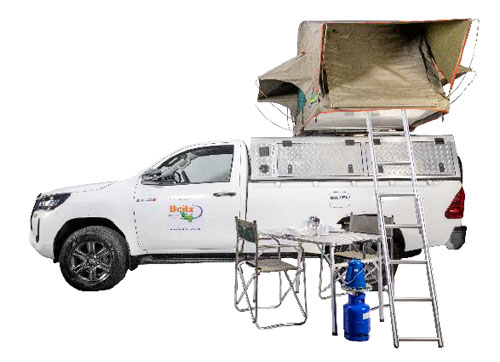
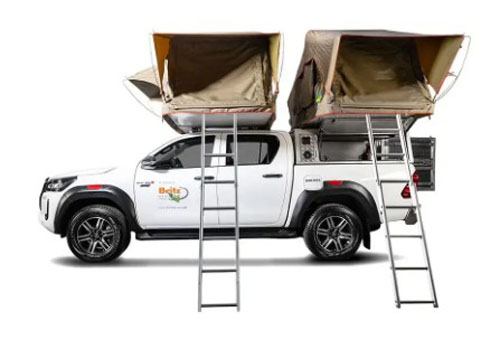
South Africa offers a diverse range of road conditions, from well-maintained national highways to gravel roads and mountain passes, making it suitable for RV travel with proper planning. Major national routes (N-roads) are generally well-paved and in good condition, allowing for comfortable motorhome travel between key destinations like Johannesburg and Cape Town. Secondary provincial roads and routes leading to game reserves or more remote areas can vary significantly, often including well-maintained gravel or dirt sections. While a standard 2WD rented motorhome is perfectly capable for most popular tourist routes like the Garden Route, a 4x4 camper (such as the "Patagonia Camper 4x4 double cab" or "4x4 Scout Adventure Truck Camper Gold" from our fleet, averaging 5.5m in length) might be essential for truly rugged, unpaved tracks or certain deeper game reserve trails. Mountain passes, particularly along the scenic Garden Route or in areas like the Drakensberg, require careful driving due to winding roads and elevation changes, yet they offer breathtaking views that are worth the slower pace. Remember to travel slowly, aiming for a maximum of 100-150 km per day on average, to fully immerse yourself in the scenery and local culture. This ensures you're ready for any road, and that your trip is focused on discovery, not just covering distance.RV Size Limits, Bridges & Restricted Zones
While South Africa generally accommodates rented RVs of various sizes, drivers should be mindful of specific height and weight restrictions, particularly in older urban areas or certain national park entrances, though widespread restrictive zones are uncommon. Most motorhomes, including Bandana's global fleet with lengths typically ranging from 5.5m for a compact campervan like the "2 Berth Hi Top" to 7.5m for a larger Class C like the "29′ Class C Motorhome", can navigate South African roads without major issues. Low bridges are rare on main routes, but always observe signage for height restrictions when entering smaller towns or older city sections. Environmental zones with specific vehicle restrictions are not a common feature in South Africa for RVs, unlike some European cities. However, certain national parks or private reserves may have restrictions on larger vehicles or specific vehicle types (e.g., no caravans on some 4x4 trails), so always check park regulations in advance. Our full transparency commitment means we ensure you're aware of any potential limitations during your booking process.Fuel: Diesel vs. Petrol & Cost per 100 km
The majority of rented RVs available in South Africa, including Bandana's global fleet, operate on diesel, which is widely available at virtually all service stations across the country. Fuel costs average between 10-12 Liters per 100 km, depending on the specific RV class and driving conditions. For instance, a Class SI (Semi-integrated) motorhome like the "Euro Quest" typically consumes 10-11 Liters/100 km, a Class C (Alcove) like the "4 Berth Henty" is around 10-12 Liters/100 km, and a compact Class B (Camper Van) like the "2 Berth Hi Top" can achieve 8-10 Liters/100 km. To estimate your cost per 100 km, multiply the average fuel consumption for your chosen vehicle by the current diesel price per liter in South Africa, which can fluctuate. Beyond the rental price, understanding these ancillary costs is crucial for accurate budgeting. For comprehensive financial planning, remember that RV PLANET routes allow you to itemize and track every expense along the way, ensuring full transparency with no surprises.Tolls, Vignettes & Border Rules
South Africa primarily uses a toll road system, particularly on major national routes, and while no vignettes are required, travelers should plan for toll costs and understand specific border crossing requirements if entering neighboring countries. Major national highways, such as sections of the N1, N2, and N3 that connect major cities like Cape Town, Johannesburg, and Durban, feature toll gates where fees are paid either manually (cash or card) or via electronic tags (e-tolls, particularly around Gauteng). There is no specific 'vignette' system, common in parts of Europe, in place for RVs in South Africa; tolls are paid per passage. If your one-way RV rental plan involves cross-border trips into neighboring countries like Namibia, Botswana, or Mozambique, specific vehicle permits, insurance extensions, and visa requirements apply, which must be arranged well in advance through your rental provider. It’s vital to confirm these details before your journey begins. For those considering longer adventures across Africa, our "RV Rental Africa - Complete Guide 2026" offers a broader perspective on continental travel.Driving Tips for one way rv rental Travelers
For a one-way RV rental in South Africa, focusing on safety, meticulous route planning, and respectful local engagement will significantly enhance your journey across its diverse landscapes. South Africa drives on the left side of the road, and speed limits are typically 120 km/h on national highways, 100 km/h on secondary roads, and 60 km/h in urban areas. Drive slowly and carefully, and you can drive almost anywhere without issues. No need to stress - just use common sense and pay attention. **Safety Protocols:** Always secure your rented RV, especially at night or when parked; utilize designated secure campsites for overnight stays, ensure all doors and windows are locked, and keep valuables out of sight to enhance personal safety and crime prevention. Local emergency numbers include 10111 for police and 10177 for ambulance. **Wildlife Interactions:** When driving through game reserves like Kruger National Park, adhere strictly to speed limits, keep windows closed, never feed animals, and maintain a safe distance from wildlife. Learn specific rules for encounters, such as what to do if an animal is in the road, and always secure food to prevent clever primates from accessing it at campsites. **Route Planning:** Consider crafting themed itineraries, such as a "Garden Route Explorer" from George to Port Elizabeth, or a "Kruger & Panorama Adventure" starting in Johannesburg. RV PLANET (rvplan.net) offers over 1,300 pre-planned routes across 5 continents, including South Africa, with estimated driving times and points of interest, allowing ample time for scenic stops and unexpected discoveries. You can also get a 25% planning discount when using rvplan.net for your travel planning. **Cultural Immersion:** Engage respectfully with local communities, seek out authentic local food experiences beyond typical tourist areas (perhaps even trying some new RV-friendly recipes playlist with local ingredients!), visit hidden gems and local markets, and explore opportunities for community-based tourism for a richer travel experience. **Connectivity & Practicalities:** Purchase a local SIM card (e.g., Vodacom, MTN) for reliable internet and navigation. Use apps for finding water refill points and waste disposal facilities, and plan grocery shopping strategically in larger towns to easily resupply your motorhome. **Health Precautions:** Beyond general travel advice, RV-specific health considerations include checking vaccination recommendations with your doctor, understanding anti-malarial zones (especially for Kruger and surrounds), ensuring water safety in your RV's tank, and knowing protocols for accessing medical facilities while on the road. We’re here to support you with pre-booking comparison and post-booking coordination, but always recommend familiarizing yourself with local health resources.Recommended RV Class for South Africa Roads
For South Africa's diverse roads, a Class SI (Semi-integrated) or Class C (Alcove) motorhome often provides a good balance of comfort, space, and maneuverability, handling well on both paved and well-maintained gravel routes. **Class SI (Semi-integrated)**: With an average length of 6.9m, these RVs offer a good compromise between living space and ease of driving, suitable for couples or small families (typically sleeping 2-4 people). Vehicles like the "2 Berth Rover" or "2 Berth Tamar" are excellent examples. Their lower profile often means better fuel economy, averaging 10-11 Liters/100 km from Bandana's fleet. **Class C (Alcove)**: Averaging 7.5m in length, these are ideal for larger families (sleeping up to 6 people, like the "6 Berth Discovery") and provide ample indoor space, including dedicated sleeping areas like a bed over the cab and a rear double bed. They perform well on paved roads and well-maintained gravel, but their higher profile requires more caution in strong winds. Fuel consumption for these vehicles, such as the "4 Berth Henty," typically falls in the 10-12 Liters/100 km range. **Vehicle Choice vs. Route Suitability**: For standard tourist routes, a 2WD motorhome is perfectly adequate. A 4x4 camper (often a Class TC - Truck Camper, averaging 5.5m in length, offering high ground clearance like the "Patagonia Camper 4x4 double cab") is truly essential only if you plan to tackle challenging off-road tracks, specific unpaved sections within certain game reserves, or very remote areas where robust capability is paramount. When considering your ideal vehicle, exploring our "Family RV Rental in South Africa - Pricing Guide 2026" or "Luxury RV Rental in South Africa - Premium Prices 2026" can offer insights into models that suit various group sizes and budgets.Should I Choose a Compact Van Instead of a Large RV in South Africa?
While compact vans offer increased maneuverability, larger RVs are generally well-suited for South African roads, providing superior comfort and living space without significant hindrance, except in very specific tight urban or off-road situations. **Compact Van Advantages (e.g., Class B - Camper Van)**: Averaging 5.8m in length, such as the "2 Berth Hi Top" or "HiTop Campervan," these are easier to maneuver in tighter urban settings, often fit into standard parking spaces, and may offer slightly better fuel economy (8-10 Liters/100 km). They are ideal for solo travelers or couples seeking agility. **Large RV Advantages (e.g., Class SI, Class C)**: These rented motorhomes offer significantly more interior space, dedicated sleeping areas, larger kitchens, and more amenities, greatly enhancing comfort for longer trips or larger groups. Models like the "Adventure Tent Select 4" or "Euro Deluxe" comfortably accommodate 4-6 people. South Africa's road network, including most major routes and designated campsites, is well-equipped to handle larger RVs, making extensive maneuverability concerns largely unfounded for general travel. Choose a compact van if you prioritize agility for navigating busy city centers frequently, aim for maximum fuel efficiency, or are a solo traveler/couple. Opt for a larger RV if comfort, living space, and amenities for family travel are your priority, as it's typically the better trade-off for a comprehensive South African road trip. Our "Weekly RV Rental in South Africa - Pricing 2026" guide can help you compare options.Can I Park Anywhere? Free & Wild Camping Rules in South Africa
Free or wild camping is generally not permitted or recommended in most areas of South Africa due to safety concerns and land ownership laws, making designated campgrounds the preferred and safer option for overnight stays. The legality of wild camping is highly restricted, with most land being privately owned or managed by national parks or municipalities where overnight parking requires explicit permission or a fee. Designated campgrounds, including national parks (e.g., SANParks), private resorts, and municipal sites, offer essential amenities like power hook-ups (often 15A), fresh water, waste dump stations, ablution blocks, laundry facilities, and enhanced security, addressing critical aspects of camping logistics. Booking procedures for popular campgrounds, especially within national parks like those found along popular itineraries or during peak season (December-February), should be done well in advance due to high demand. While many parks reserve only 25-30% of spots, the rest are often first-come-first-serve. You'll find a spot; if not at the first campground, then the next one. Always call ahead before driving. To ensure safety and comply with local regulations, always utilize official campsites and inquire about secure parking options for your rented RV. Rules vary by region, so always check local regulations and follow local law before parking overnight. For finding campsites and campgrounds during your trip, we recommend using RV PLANET (rvplan.net) - a great resource for locating available spots along your route.Can I Drive an RV Into the City Center? Heights, Tunnels & Local Signage
Yes, you can generally drive an RV into South African city centers, but vigilance for local signage indicating height restrictions, low bridges, or specific access rules for residents-only streets is crucial, though widespread height-restricted tunnels are uncommon. Most South African cities, including major hubs like Cape Town, Durban, and Johannesburg, feature modern infrastructure that can accommodate RVs, including common routes into city centers. Always pay close attention to local signage for specific height and weight limits, especially when navigating older parts of cities or encountering multi-story car parks (which RVs typically cannot use due to their dimensions). While rare, be aware of any signs indicating 'residents only' or restricted vehicle access zones in very specific historical or pedestrianized areas. Underground parking garages are usually off-limits due to height restrictions, but street parking or dedicated RV-friendly lots are often available near attractions. Drive slowly and carefully, and you can drive almost anywhere without issues. No need to stress - just use common sense and pay attention.🎬 Video coming soon
What You Shouldn't Miss
- **The Garden Route Coastal Drive:** This iconic route between Mossel Bay and Storms River offers stunning coastal scenery, lush forests, and charming towns like Knysna and Plettenberg Bay. It's a perfect slow travel experience with numerous RV-friendly stops.
- **Wildlife Safari in Kruger National Park:** No trip to South Africa is complete without a safari. Kruger National Park offers diverse wildlife and excellent camping facilities, making it a must-do for nature lovers.
- **Cape Peninsula Exploration:** Drive the breathtaking Chapman's Peak Drive, visit the penguins at Boulders Beach, and stand at the mythical Cape of Good Hope, all easily accessible with a rented motorhome from Cape Town.
- **Drakensberg Mountains Majesty:** Explore the dramatic landscapes of the Drakensberg, a UNESCO World Heritage site, offering incredible hiking opportunities and scenic drives with numerous mountain resort campgrounds.
- **Winelands Indulgence in Stellenbosch & Franschhoek:** Take a leisurely drive through the picturesque Cape Winelands, sampling world-class wines (with a designated driver, of course!) and enjoying gourmet food. Route 62, the world's longest wine route, is an RVer's dream.
- **Looking for expert insights from Avi Bandana?** Top 5 Adventures - recommendations from Avi Bandana.
Final Thoughts
A one-way RV rental in South Africa opens up a world of adventure, offering unparalleled flexibility to discover its stunning diversity without retracing your steps. From the wildlife-rich plains near Johannesburg to the coastal beauty of Cape Town, your mobile home allows you to immerse yourself fully in each experience. Remember that slow travel is the best way to truly feel the place, connect to the culture, the food, and the scenery. With Bandana RV, you're choosing a partner committed to full transparency and genuine expertise. We ensure you have all the information and support needed before you even start your engine. Imagine yourself on the route, cooking dinner with a view of the mountains, or waking up to the sounds of the bush – these are the moments that make RV travel so special. Let us help you plan a trip itinerary in advance with minimal effort and maximum enjoyment. Your South African one-way motorhome journey is waiting! Check South Africa RV Rental Prices Now to find your perfect vehicle and start planning an epic adventure.On the routes offered through RV PLANET routes, you can itemize and track every expense along the way for easy budgeting.