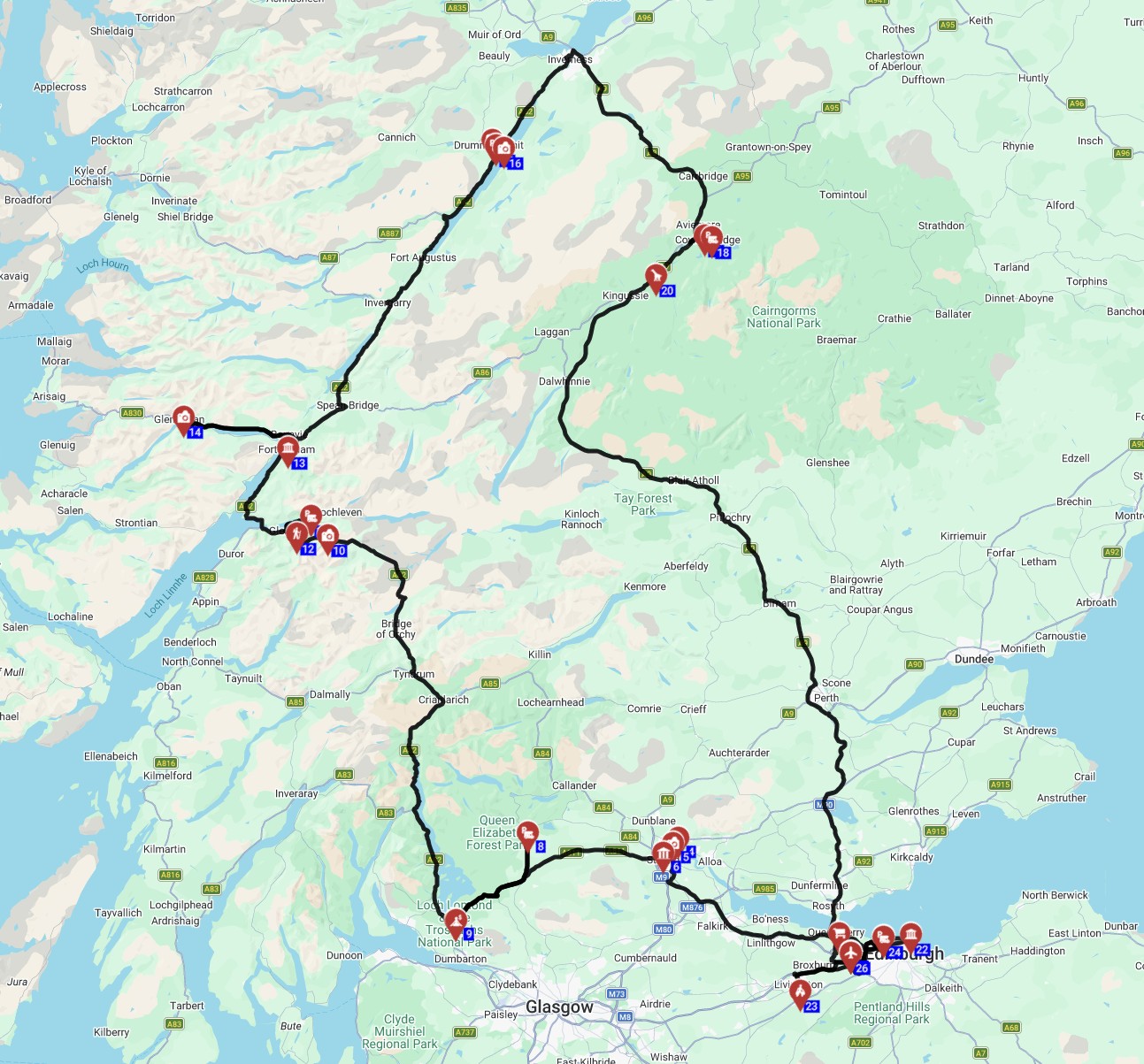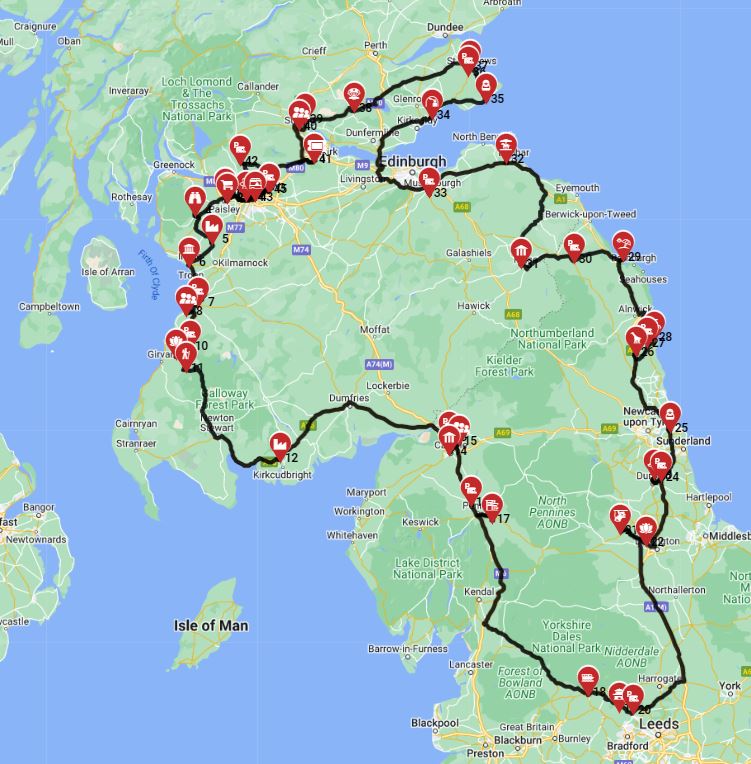
In This Guide
- Can You Drive an RV in Scotland? License & Age Rules
- Road Conditions & Terrain in Scotland
- RV Size Limits, Bridges & Restricted Zones
- Fuel: Diesel vs. Petrol & Cost per 100 km
- Tolls, Vignettes & Border Rules
- Driving Tips for one way rv rental Travelers
- Recommended RV Class for Scotland Roads
- Should I Choose a Compact Van Instead of a Large RV in Scotland?
- Can I Park Anywhere? Free & Wild Camping Rules in Scotland
- Can I Drive an RV Into the City Center? Heights, Tunnels & Local Signage
- How much does it cost to rent an RV in Scotland for a week?
- What is the best month to RV Scotland?
- Is it cheaper to rent an RV or stay in hotels in Scotland?
- Is it worth taking an RV to Scotland?
- Can you RV the NC500 in Scotland?
Imagine yourself traversing the dramatic Highlands, winding along a loch-side road, or discovering a hidden castle, all from the comfort of your very own mobile haven. Scotland, with its breathtaking landscapes and rich history, is an ideal destination for a one-way RV adventure. This flexible way of traveling allows you to immerse yourself fully in the Scottish experience, providing the freedom to explore at your own pace and truly connect with the stunning scenery, vibrant culture, and delicious local food.
For live availability and current prices, start with our RV Rental Scotland - Complete Guide 2026 guide. Bandana Caravan has been helping tens of thousands of travelers explore the world by RV since 2001, offering full price transparency with no hidden fees and supportive service before and during the booking process. We’re truly RV specialists, not just another travel agency. You can explore some amazing itineraries and routes across Europe by checking out our comprehensive "RV Rental Europe - Complete Guide 2026".
Can You Drive an RV in Scotland? License & Age Rules
Yes, you can absolutely drive a rented RV in Scotland, with specific license categories applying to different vehicle sizes and a minimum rental age of 21 years.
Most smaller and medium motorhomes in Scotland, with a Maximum Authorised Mass (MAM) up to 3,500kg, can be driven with a standard Category B car driver's license. For larger RVs, typically those between 3,500kg and 7,500kg MAM, a Category C1 license is required, which is standard for many larger Class C Alcove models or some Class A Integrated models. If you are from outside the EU/EEA and your national license is not in English, an International Driving Permit (IDP) is highly recommended, though not strictly mandatory in all cases, to avoid potential language barriers with local authorities. Bandana Caravan facilitates a transparent booking process, ensuring you understand all licensing requirements for your chosen RV before you confirm your rental.
Road Conditions & Terrain in Scotland
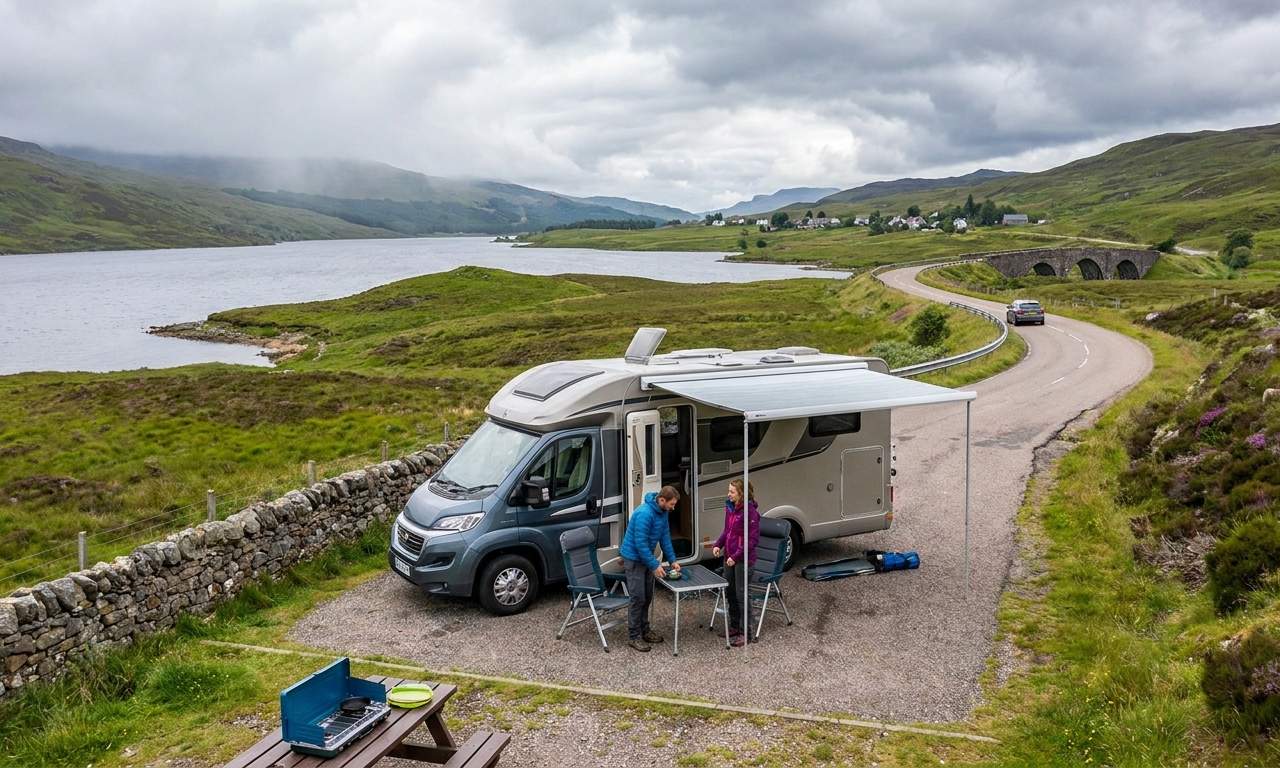
Scottish roads present a varied driving experience, ranging from multi-lane motorways to challenging narrow single-track routes, especially in the scenic Highlands.
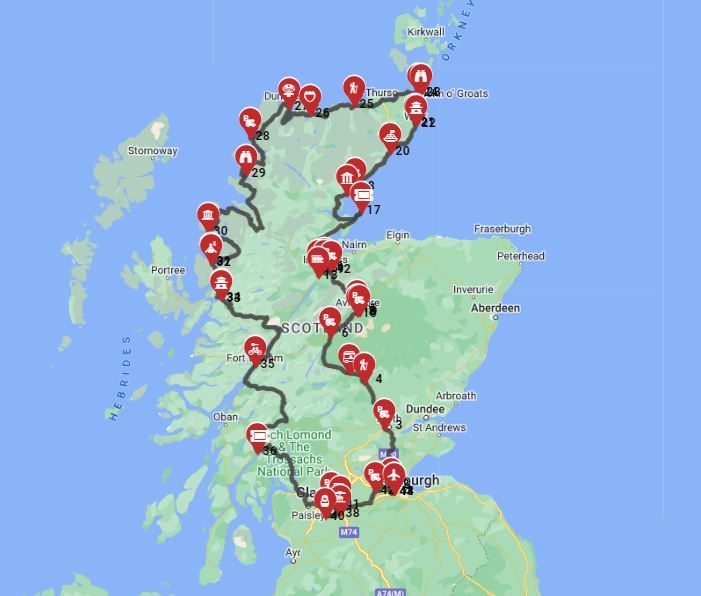
Main arterial routes and motorways (M-roads) in Scotland are generally well-maintained and allow for smooth travel, connecting major cities like Edinburgh and Glasgow. However, venturing into rural areas, such as the famous North Coast 500 (NC500) or regions like Skye and the Outer Hebrides, you will encounter numerous single-track roads. These require careful, slow driving and diligent use of designated passing places. The terrain is diverse, featuring coastal routes with stunning sea views, winding roads through deep glens, and occasional steep mountain passes. This varied topography requires drivers of rented motorhomes to be adaptable and attentive, but it also ensures an incredibly rewarding and picturesque journey. Remember, the journey is as much a part of the adventure as the destination itself, so embrace the slow travel philosophy, aiming for a maximum of 100-150 km per day on average.
RV Size Limits, Bridges & Restricted Zones
While Scotland generally does not impose blanket RV size limits, drivers of rented motorhomes must remain alert for specific local restrictions and Low Emission Zones (LEZs) in urban areas.
You won't find widespread national prohibitions on RV size, but careful observation of road signage is paramount. Pay close attention to height and weight restrictions, particularly on older stone bridges, railway underpasses, and narrow village streets, which can be unexpectedly tight. Ferry services, essential for exploring Scotland's islands, also have their own length and weight restrictions that can affect booking and pricing. Furthermore, major cities such as Glasgow and Edinburgh operate Low Emission Zones (LEZs). Vehicles, including rented RVs, entering these zones must meet specific emission standards or be subject to charges. Always check the current LEZ requirements for your planned route to avoid unexpected fees. When you choose Bandana, our true RV specialists provide upfront information about potential restrictions, helping you plan your route with full transparency and no surprises.
Fuel: Diesel vs. Petrol & Cost per 100 km
Most rented RVs in Scotland, particularly the larger motorhomes and campervans, operate on diesel fuel, which is widely available at service stations across the country.
When planning your one-way RV adventure in Scotland, it's important to budget for fuel. For typical Bandana rental vehicles, a Class B - Camper Van might consume around 8-10 Liters/100 km, while a Class SI - Semi-integrated RV generally uses 10-11 Liters/100 km. Larger Class C - Alcove RVs, such as the "cruise america rv rental example Explorer" (7.1m length, 4 sleeping places), typically average around 10-12 Liters/100 km. To estimate your fuel cost, take the average consumption rate (e.g., 10 Liters/100 km) and multiply it by the current diesel price per liter. For example, if diesel is £1.60/L, 100km would cost approximately £16. Fuel prices are dynamic, fluctuating daily, so always check local prices. For comprehensive budgeting, remember that RV PLANET routes allow you to itemize and track every expense along the way, ensuring full transparency in your total trip cost. On the routes offered through RV PLANET routes, you can itemize and track every expense along the way for easy budgeting.
Tolls, Vignettes & Border Rules
Travelers on a one-way RV rental in Scotland will be pleased to find that the country does not implement any road tolls or vignettes for general use on its motorways or A-roads.
This means you can drive your rented motorhome across much of Scotland without incurring additional charges beyond your rental fee and fuel. When traveling between Scotland and England or Wales, there are no specific border rules to consider, as these countries are part of the same country (Great Britain). However, if your adventure includes a ferry journey to destinations like the Scottish islands (e.g., Isle of Skye, Outer Hebrides) or Northern Ireland, be aware that ferry operators have specific booking requirements and pricing structures for RVs, which are typically based on the vehicle's length and height. It is always wise to book these ferry crossings well in advance, especially during peak travel seasons, to secure your spot and confirm costs.
Driving Tips for one way rv rental Travelers
Driving a rented RV in Scotland requires attention to local customs and road conditions, particularly on narrow routes, ensuring a safe and enjoyable journey.
The most crucial rule is to always remember to drive on the left-hand side of the road. Master the etiquette of single-track roads, prevalent in the Highlands: use designated passing places efficiently and safely, pulling over to the left to let oncoming traffic pass or faster vehicles overtake, and always offer a quick wave of thanks. Be prepared for Scotland's famously unpredictable "four seasons in one day" weather by packing layers and driving cautiously in rain, wind, or even unexpected snow, especially in highland areas. Plan your route carefully, checking for narrow bridges, steep gradients, and potential low emission zones in cities like Edinburgh or Glasgow. Finally, be mindful of midges; while repellents help, consider parking in windy spots, using midge nets on your RV windows, and keeping windows closed during dawn and dusk to minimize their impact.
🎬 Video coming soon
Recommended RV Class for Scotland Roads
For navigating Scotland's diverse road network, a Class B Camper Van or a Class SI - Semi-integrated motorhome generally offers the optimal balance of maneuverability and comfortable living space.
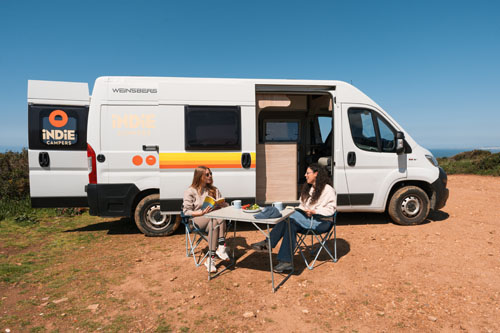
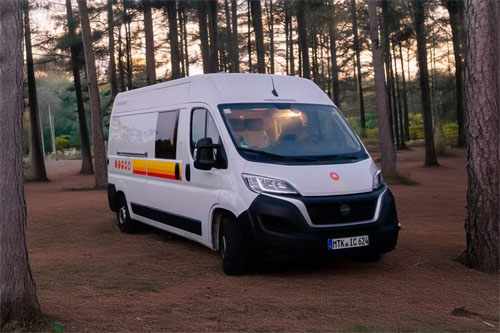
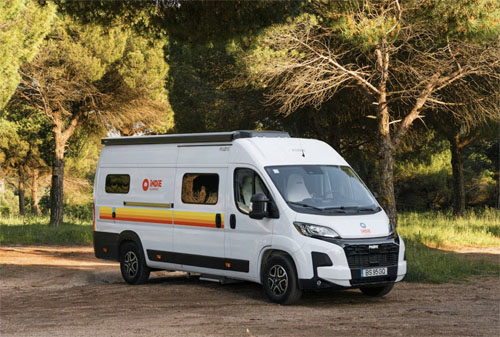
A compact Class B Camper Van, averaging around 5.8 meters in length and suitable for 2-3 adults, provides excellent agility for very narrow single-track roads and easier parking in smaller villages or town centers. Models like the "Category Van" are ideal for couples. If you require a bit more interior space and amenities without compromising too much on maneuverability, a Class SI - Semi-integrated motorhome, averaging 6.9 meters in length and comfortable for 3-4 adults, is an excellent choice. The "Luxury Small" model, at 6.75m length, is a good example. For larger families, a Class C - Alcove motorhome, typically averaging 7.5 meters in length and suitable for 4-5 adults, offers significant sleeping capacity, but does require more careful and deliberate driving on tighter roads and when utilizing passing places. Our true RV specialists can help you compare options from partners like El Monte, Cruise America, Apollo, and Britz to find the perfect rented RV for your Scottish adventure.
Should I Choose a Compact Van Instead of a Large RV in Scotland?
While a compact campervan offers increased agility on Scotland's most winding roads, most RV sizes can navigate the country's main routes without significant issue, and larger models often provide superior comfort and living amenities for an extended trip.
A smaller Class B Camper Van, like the "Active Pop Top" or "Combi Van", is undeniably easier to maneuver through very tight historic village centers and on extremely remote single-track routes where passing places are infrequent. They are also often easier to park. However, for those embarking on a week-long trip or longer, especially families or groups, sticking with a larger Class SI - Semi-integrated or Class C - Alcove RV is often the better trade-off. These provide more indoor living space, a separate shower and toilet (e.g., "MIA" or "MIB" models), and ample storage for luggage and supplies. Ultimately, the choice between a compact van and a larger RV depends on your personal comfort preference, the specific destinations and routes you plan to take, and your confidence level driving a larger vehicle. Drive slowly and carefully, and you can drive almost anywhere without issues. No need to stress - just use common sense and pay attention.
Can I Park Anywhere? Free & Wild Camping Rules in Scotland
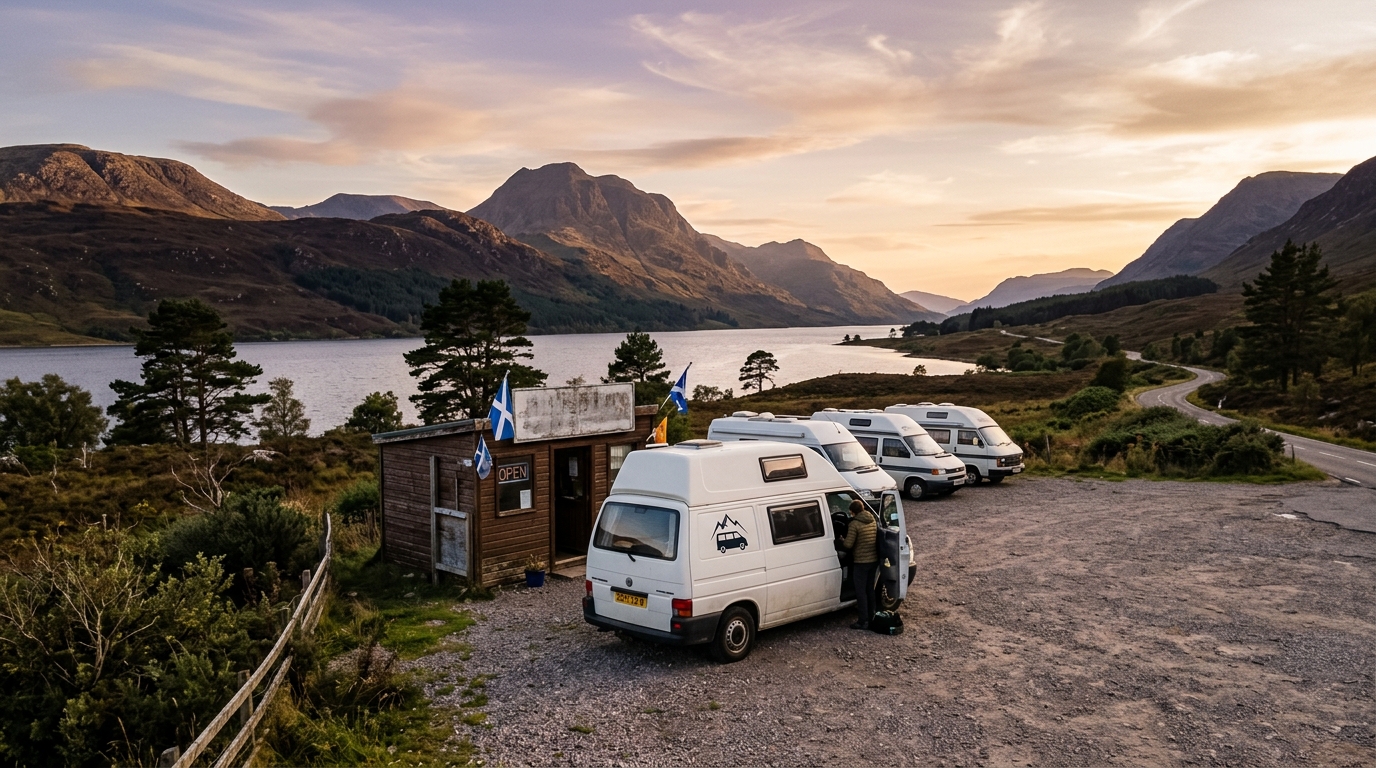
Wild camping with a rented motorhome in Scotland falls under different guidelines than traditional tent wild camping, generally requiring explicit permission to park overnight in a specific spot, especially on private land.
The Scottish Outdoor Access Code (SOAC), often referred to as the "Right to Roam," primarily applies to non-motorized access and typically does not extend to RVs. This means you cannot legally just park your motorhome anywhere overnight without the landowner's consent. Therefore, utilizing designated overnight parking areas, "Aires" (motorhome stopovers), and formal campsites is strongly recommended for RVs. In popular tourist regions, such as along the NC500 route and particularly within Loch Lomond & The Trossachs National Park, specific byelaws prohibit overnight parking outside of official campsites in many areas. Rules and enforcement vary by region, so always check local regulations and adhere to local law before parking your rented motorhome overnight. For finding campsites and campgrounds during your trip, we recommend using RV PLANET (rvplan.net) - a great resource for locating available spots along your route.
Can I Drive an RV Into the City Center? Heights, Tunnels & Local Signage
Yes, it is generally possible to drive a rented RV into Scottish city centers, but careful attention to local signage, including Low Emission Zones (LEZs), height restrictions, and parking limitations, is crucial.
Cities like Glasgow and Edinburgh have active LEZs, which require vehicles to meet specific emission standards or incur a charge. Always verify if your rented motorhome complies to avoid fines. Be vigilant for height barriers in multi-storey car parks, underpasses, and around historic structures, as well as narrow streets in older, charming parts of cities. Parking for larger RVs in city centers can be limited and expensive; therefore, many travelers opt to utilize convenient park-and-ride facilities located on the outskirts of major cities and then use public transport for urban exploration. Drive slowly and carefully, and you can drive almost anywhere without issues. No need to stress - just use common sense and pay attention.
How much does it cost to rent an RV in Scotland for a week?
The cost to rent an RV in Scotland for a week typically ranges from £700 to £1,500+ during the peak season, varying significantly based on the RV's class, time of year, rental duration, and included amenities.
Budget-friendly Class B Camper Vans, averaging 5.8m in length, might start at £700-£1,000 per week, while larger, more luxurious Class A Integrated (avg. 7.5m) or Class C Alcove (avg. 7.5m) models can exceed £1,200-£2,000+ per week in summer. Prices are lowest during the off-season (October to April), offering potential savings of 30-50% compared to July/August peak rates. Additional costs include fuel (expect £100-£200+ for a week depending on mileage), campsite fees (£25-£45 per night), insurance excesses, and any optional extras like bedding or outdoor furniture. You can upgrade to a top-level deductible for extra peace of mind, though this is an optional add-on. For a precise estimate tailored to your travel dates and preferred vehicle, it's always best to compare prices for a one way rv rental in Scotland using a platform like Bandana, which offers full transparency on costs.
What is the best month to RV Scotland?
The best months to experience a one-way RV trip in Scotland are generally May, June, and September, as these shoulder seasons provide an ideal balance of pleasant weather, abundant daylight, and fewer tourist crowds compared to the bustling peak summer months.
During May and June, Scotland's landscapes are in full bloom, offering milder temperatures, with average highs around 15-18°C, and long daylight hours, perfect for exploring. This period also typically precedes the worst of the notorious midge season. September brings stunning autumnal colors, generally stable weather, and significantly reduced tourist numbers after the school holidays, with average highs around 13-16°C. While July and August offer the warmest temperatures and longest days, they are also the busiest, most expensive, and can see higher midge activity, necessitating advance bookings for popular routes like the NC500. Regardless of when you travel, renting a motorhome provides the ultimate flexibility to adapt to Scotland's "four seasons in one day" weather, offering comfort and shelter on demand. You can learn more about seasonal pricing in our "One-Way RV Rental in Scotland - Price Guide 2026" or "Weekly RV Rental in Scotland - Pricing 2026" guides.
Is it cheaper to rent an RV or stay in hotels in Scotland?
Renting an RV in Scotland can indeed be more cost-effective than exclusively relying on hotels, particularly for families or groups on a week-long trip or longer, as it cleverly combines accommodation and transportation costs while enabling significant savings through self-catering.
For a family of four, the combined expenses of separate hotel rooms, daily restaurant meals, and a rental car often surpass the weekly RV rental fee, campsite charges, and fuel. The ability to prepare your own meals, perhaps even grilling some local produce outside your campervan, significantly reduces food expenses compared to eating out for every meal, which can be particularly expensive in Scottish tourist areas. This is where knowing some RV-friendly recipes playlist comes in handy. While a rented motorhome incurs fuel costs and campsite fees, the flexibility to choose more budget-friendly campsites or utilize designated overnight parking areas (where permitted) offers greater control over your budget than fixed hotel prices. Always check current prices through Bandana's comparison platform for "Cheap RV Rental in Scotland - Budget Guide 2026" or "RV Rental in Scotland - Prices and Best Deals 2026" to see the real-time savings.
Is it worth taking an RV to Scotland?
Yes, embarking on a one-way RV adventure in Scotland is profoundly worthwhile for travelers seeking unparalleled flexibility, immersive experiences in nature, and the freedom to explore remote landscapes and local cultures at their own pace.
A rented RV allows you to wake up to breathtaking loch-side views, such as at Loch Ness or Loch Lomond, explore hidden historical sites off the main tourist trails, and easily access national parks and stunning coastal routes like the NC500 without being tied to hotel check-in times. The independence of having your accommodation with you means you can spontaneously change plans, follow the best weather, or linger longer in a charming small community to truly engage with local festivals and unique food experiences. It's an ideal option for adventure seekers, families, and nature lovers who value independence, comfort, and the opportunity for a deep dive into Scotland's diverse regions. The journey itself becomes an integral part of the unforgettable experience, allowing for slow travel and deep connection to the places you visit. This is one of the joys we help tens of thousands of travelers discover every year.
Can you RV the NC500 in Scotland?
Yes, you can absolutely RV the North Coast 500 (NC500) in Scotland, but it requires diligent planning due to the route's increasing popularity, prevalence of single-track roads, and the critical need for responsible parking and waste disposal.
While any size of rented RV can technically tackle the NC500, a smaller Class B Camper Van (avg. 5.8m in length) or a Class SI - Semi-integrated motorhome (avg. 6.9m in length) is often recommended. These smaller vehicles, like a "Koru Star 3 Freedom" or a "2 Berth Tamar", offer greater ease of navigation on the narrow, winding sections and more comfortable use of passing places, which are vital for smooth traffic flow. Pre-booking campsites well in advance, especially during the peak season of July and August, is essential due to high demand along the entire 516-mile route. Practicing responsible tourism by utilizing designated waste disposal points, avoiding overnight parking in passing places, and adhering to local advice is crucial for preserving the NC500's pristine environment and supporting its local communities. The stunning vistas and remote beauty make it one of the most rewarding one-way RV routes in Scotland, provided you travel prepared and respectfully.
What You Shouldn't Miss
- **The Isle of Skye:** Drive your rented motorhome across the iconic Skye Bridge and spend several days exploring the Fairy Pools, the Old Man of Storr, and the Quiraing. Park up at a scenic campsite and soak in the rugged beauty.
- **Loch Ness & Urquhart Castle:** Journey along the shores of the legendary Loch Ness. Visit Urquhart Castle for a glimpse into Scottish history and keep an eye out for Nessie from your comfortable mobile home.
- **Edinburgh's Historic Charm:** Park your RV at a nearby park-and-ride and spend a day walking the Royal Mile, exploring Edinburgh Castle, and climbing Arthur's Seat for panoramic city views.
- **Whisky Trail in Speyside:** For those who appreciate a fine dram, take a leisurely route through Speyside, home to over half of Scotland's malt whisky distilleries. Many offer tours and tastings, best enjoyed when your RV is parked safely for the night.
- **Glencoe Valley:** Drive through the dramatic and historically significant Glencoe Valley, a landscape carved by glaciers and steeped in clan history. This is one of Scotland's most photographed locations, offering countless opportunities for scenic stops.
- Looking for expert insights from Avi Bandana? Top 5 Adventures - recommendations from Avi Bandana
Final Thoughts
A one-way RV rental in Scotland promises an unforgettable adventure, offering the freedom to explore ancient castles, majestic lochs, and vibrant cities at your leisure. Whether you're a seasoned RVer or embarking on your first motorhome journey, Scotland's diverse landscapes and welcoming culture are best experienced with the flexibility that a rented campervan or motorhome provides. Remember to embrace the local pace, drive slowly, and savour every moment of your journey.
We're here to support you every step of the way, from comparing prices and finding the perfect vehicle to ensuring a smooth booking process. Discover top destinations, planning tips, all in one place! With our transparent pricing, expert knowledge, and dedication to your journey, your Scottish RV adventure is just a few clicks away. Get inspired for your next trip and start planning today.
Check Scotland RV Rental Prices Now!