In This Guide
- Can You Drive an RV in Portugal? License & Age Rules
- Road Conditions & Terrain in Portugal
- RV Size Limits, Bridges & Restricted Zones
- Fuel: Diesel vs. Petrol & Cost per 100 km
- Tolls, Vignettes & Border Rules
- Driving Tips for one way rv rental Travelers
- Recommended RV Class for Portugal Roads
- Should I Choose a Compact Van Instead of a Large RV in Portugal?
- Can I Park Anywhere? Free & Wild Camping Rules in Portugal
- Can I Drive an RV Into the City Center? Heights, Tunnels & Local Signage
- What You Shouldn't Miss
- Why Book with Bandana Caravan
- Final Thoughts
- Frequently Asked Questions
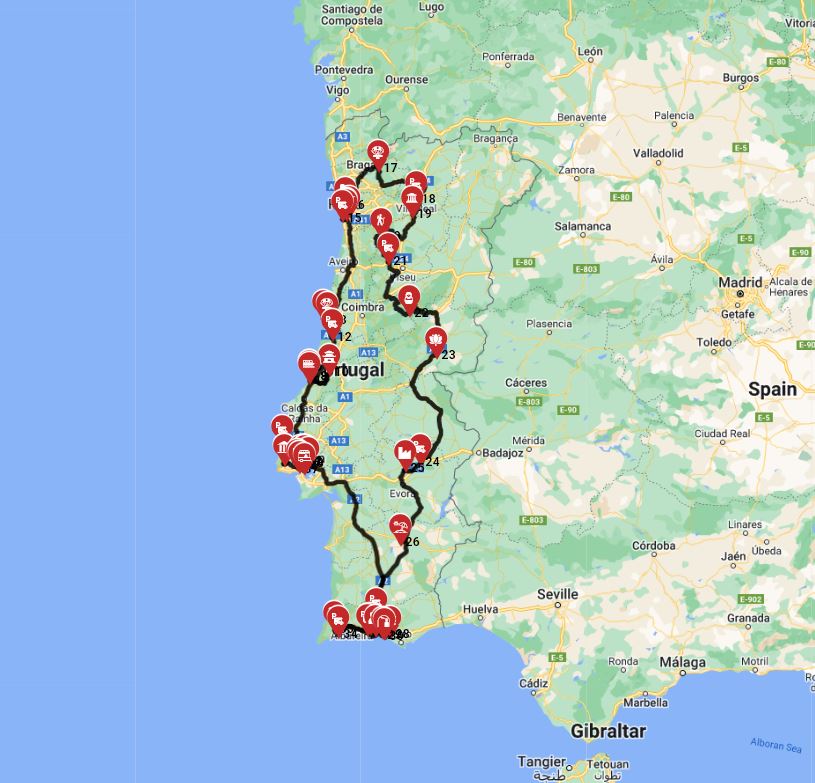
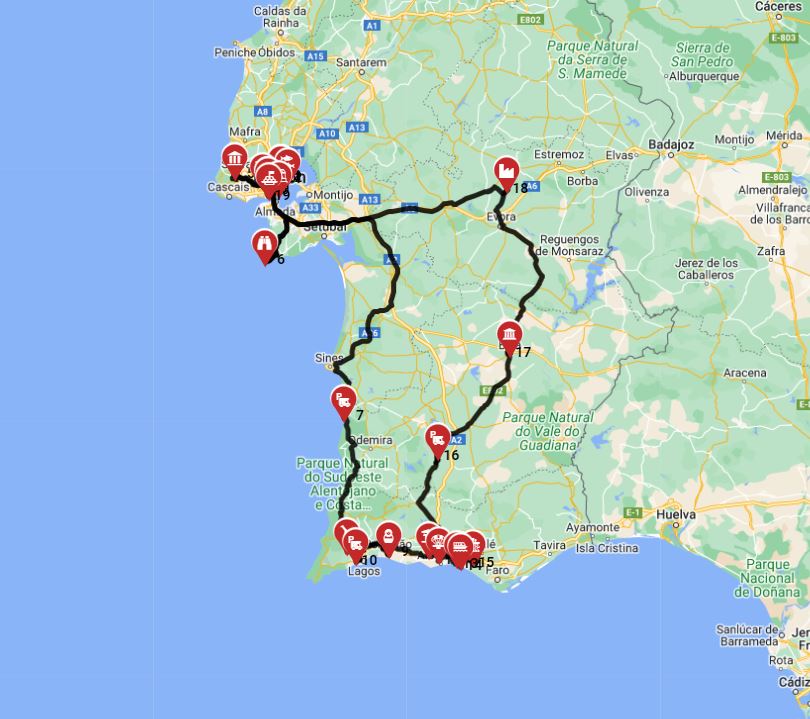
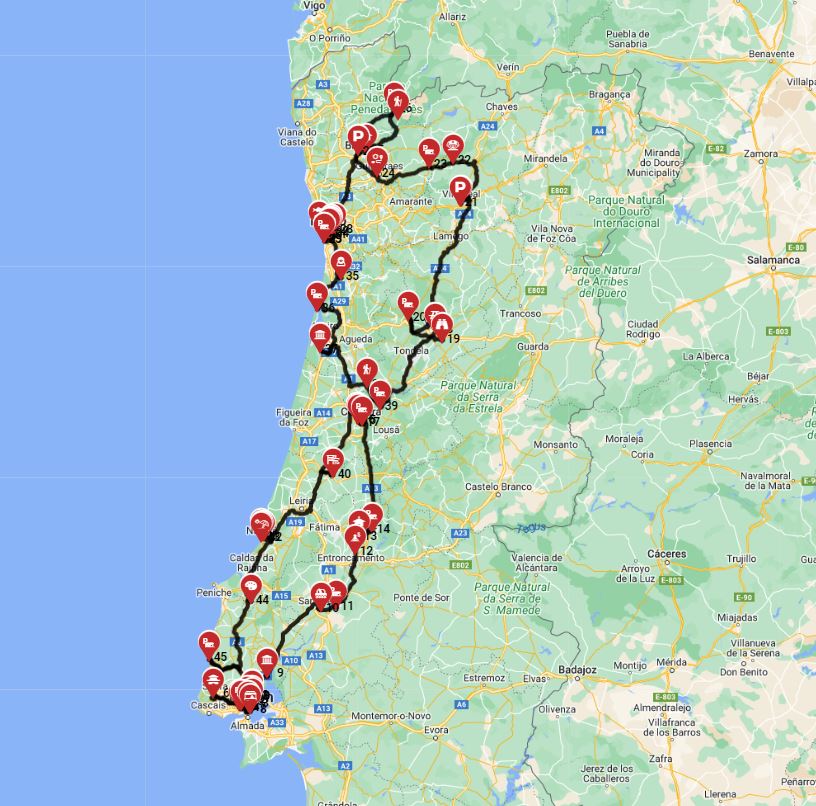
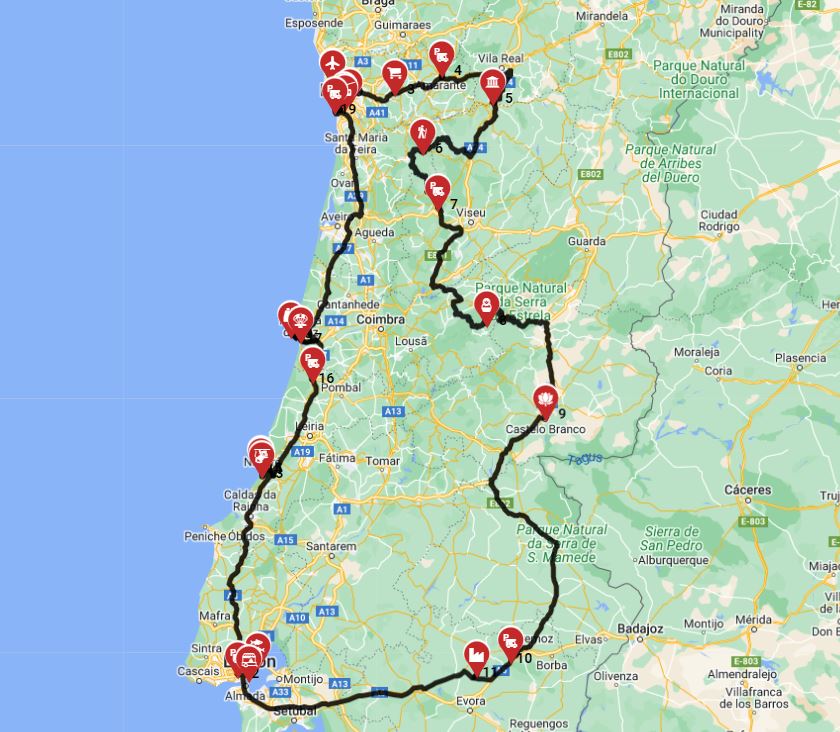
Embarking on a one-way RV adventure in Portugal offers unparalleled freedom to discover this captivating country at your own pace. Imagine winding through sun-drenched vineyards, exploring historic coastal towns, and savoring fresh seafood by the ocean – all from the comfort of your rented motorhome. With Bandana RV, we act as your trusted guide, offering RV PLANET routes to help you plan an unforgettable journey. For live availability and current prices, start with our RV Rental Portugal - Complete Guide 2026 guide.
Can You Drive an RV in Portugal? License & Age Rules
Yes, you can absolutely drive a rented RV in Portugal with the appropriate license, and for most motorhomes, a standard car driver's license (Category B) is sufficient. This covers vehicles with a Maximum Authorized Mass (MAM) up to 3,500 kg, which includes the majority of campervans and smaller Class C or Class SI - Semi-integrated motorhomes you'll find for rental. If you happen to rent a larger RV that exceeds 3,500 kg MAM, a Category C1 or C driving license would be required, though these are less common in typical rental fleets. The minimum age for RV rentals in Portugal is generally 21 years old, and unlike some other countries, there are no additional young driver surcharges for those aged 21-24. For visitors from non-English-speaking countries, carrying an International Driving Permit (IDP) alongside your national license is highly recommended for legal compliance and smooth interactions with local authorities, though it is not strictly mandatory in all cases. As true RV Specialists, we ensure you have all the essential licensing information before you even book, providing full transparency.
Road Conditions & Terrain in Portugal
Portugal features a diverse road network, offering a mix of modern, well-maintained highways (autoestradas) and charming, often winding national and regional roads. The autoestradas are generally excellent for smooth RV travel between major cities like Lisbon and Porto, though they are primarily tolled. Venture off the highways, and you'll discover a vast network of national roads (IP, EN) that are perfect for experiencing Portugal's scenic beauty. These routes can be winding, especially in mountainous regions such as the Serra da Estrela, requiring careful driving and a slower pace. When navigating historic villages and city centers, be prepared for narrow, cobblestone streets and steep inclines. No need to stress - just use common sense and pay attention. Drive slowly and carefully, and you can drive almost anywhere without issues. Embracing a slower, more deliberate driving pace allows you to fully appreciate the diverse landscapes, from the dramatic coastal cliffs of the Algarve to the tranquil plains of the Alentejo. We always recommend slow travel, aiming for a maximum of 100-150 km per day on average, to truly feel the place, connect to the culture, the food, and the scenery.
RV Size Limits, Bridges & Restricted Zones
While most Portuguese infrastructure accommodates standard RV sizes, drivers must remain vigilant for specific signs indicating height, width, and weight restrictions. This is particularly important on older, smaller roads, underpasses, and within the charming but compact historic town centers. For instance, low bridges and tunnels, especially those outside major highways, may have height limits, so always confirm your rented RV's specific clearance (e.g., a Class C Alcove like the "cruise america rv rental example Explorer" might have a height around 3.2 meters, whereas a Class B Camper Van like a "Combi Van" would be significantly lower). Additionally, some Portuguese cities, notably Lisbon and Porto, have implemented Zonas de Emissões Reduzidas (Low Emission Zones) that restrict older or more polluting vehicles; ensure your rental RV's compliance. When exploring picturesque, narrow historic village streets in regions like the Algarve or Alentejo, exercising caution is key. Drive slowly and carefully, and you can drive almost anywhere without issues. No need to stress - just use common sense and pay attention.
Fuel: Diesel vs. Petrol & Cost per 100 km
The vast majority of rented motorhomes and campervans in Portugal, including those in Bandana's diverse fleet, run on diesel fuel, locally known as 'Gasóleo.' Diesel is widely available at service stations across the country, from major highways to smaller towns. Fuel prices in Portugal are dynamic and generally align with Western European averages, so checking current prices via reliable apps before you fill up is highly advisable for effective budget planning. To give you an idea of consumption, Class B - Camper Vans typically consume around 8-10 Liters per 100 km, while Class SI - Semi-integrated RVs, like a "2 Berth Tamar," average 10-11 Liters per 100 km. Larger Class C - Alcove models, such as the "Euro Deluxe," usually consume between 10-12 Liters per 100 km. To estimate your one-way journey budget, calculate current diesel costs (e.g., if diesel is €1.70/L, a Semi-integrated RV would cost approximately €17-€19 per 100 km). Remember, on RV PLANET routes, you can itemize and track every expense, including fuel, for easy budgeting throughout your trip. On the routes offered through RV PLANET routes, you can itemize and track every expense along the way for easy budgeting.
Tolls, Vignettes & Border Rules
Portugal's highway network utilizes an extensive electronic toll system, commonly known as e-Tolls, with many sections lacking traditional manual payment booths. The most convenient and recommended method for RVers is typically a Via Verde transponder, which can often be rented directly from your RV supplier (Bandana partners with many suppliers who can arrange this) or acquired locally. This transponder automatically deducts tolls, ensuring seamless travel and avoiding fines. Alternatively, other payment methods include pre-paid Toll Cards or the EasyToll system for foreign license plates, but these require more proactive management to avoid penalties. For a one-way RV rental in Portugal that might cross into neighboring countries like Spain, it is crucial to be aware of different toll systems, driving regulations, and insurance requirements for cross-border travel. Always ensure all your documentation is in order before crossing any international borders, confirming you have everything needed for your RV Rental Europe - Complete Guide 2026 adventure.
Driving Tips for one way rv rental Travelers
Mastering Portugal's unique driving landscape is key to an enjoyable one-way RV rental experience. First, ensure you pre-arrange a Via Verde transponder through your rental agency to navigate Portugal's electronic tolls seamlessly, saving time and avoiding potential fines. Second, embrace the slower pace that Portugal encourages; its charm lies in winding roads through historic towns and along scenic coasts, so plan your daily routes (max 100-150 km per day on average) to allow ample time for stops and exploration. Third, always choose strategic parking by utilizing dedicated RV parking areas (Áreas de Serviço para Autocaravanas - ASA) or official campsites, especially in popular tourist zones, to ensure safety and compliance with local regulations. For finding campsites and campgrounds during your trip, we recommend using RV PLANET (rvplan.net) - a great resource for locating available spots along your route. Fourth, navigate smartly by using a reliable GPS system but always cross-reference with physical road signs, particularly for specific height, width, or environmental zone warnings in cities. Finally, staying connected is essential; consider a local SIM card or international roaming for reliable navigation, access to emergency services, and staying informed about local conditions.
Recommended RV Class for Portugal Roads
For a balanced and comfortable one-way RV rental experience on Portugal's diverse roads, from modern highways to charming village streets, a Class SI - Semi-integrated motorhome or a Class B - Camper Van from Bandana's fleet are highly recommended. A Class SI - Semi-integrated RV, typically averaging 6.9 meters in length, offers a comfortable living space for 3-4 adults with good maneuverability on most roads, consuming around 10-11 Liters/100 km. This makes it a versatile choice for families or couples seeking more amenities. Alternatively, a Class B - Camper Van, with an average length of 5.8 meters, excels in navigating tighter city centers, finding parking in more restrictive areas, and exploring off-the-beaten-path locations, generally consuming 8-10 Liters/100 km. While larger Class C - Alcove (avg 7.5m) and Class A - Integrated (avg 7.5m) motorhomes provide more spacious accommodations, their increased length and height can present slightly more challenges in very narrow historic centers or on steep, winding rural roads, potentially limiting accessibility to some areas. As true RV Specialists, we help you find the perfect match for your Portugal adventure.
Should I Choose a Compact Van Instead of a Large RV in Portugal?
Choosing between a compact van and a larger motorhome for your one-way RV rental in Portugal ultimately depends on your itinerary and travel priorities. Generally, all RV sizes can navigate Portugal's main routes and highways without significant issues. Compact vans, such as a Class B - Camper Van (averaging 5.8m in length), offer superior maneuverability for extremely narrow historic village streets and significantly easier parking in congested urban areas. They also boast better fuel efficiency, typically consuming 8-10 Liters per 100 km. Larger motorhomes, including Class SI - Semi-integrated (avg. 6.9m) and Class C - Alcove (avg. 7.5m) RVs, provide substantially more interior comfort, dedicated bathroom and kitchen facilities, and ample storage, which is often preferred for extended road trips or families with children. While a compact van is advantageous for deep dives into ancient city centers like Lisbon or Porto, the enhanced comfort and amenities of a larger RV often outweigh the minor maneuverability challenges on most Portuguese roads and for more relaxed campsite stays. Drive slowly and carefully, and you can drive almost anywhere without issues. No need to stress - just use common sense and pay attention.
Can I Park Anywhere? Free & Wild Camping Rules in Portugal
No, free and wild camping with a rented RV is largely prohibited in Portugal, particularly in protected natural areas and along the picturesque coastline, with strict enforcement of national regulations. Portuguese law, specifically amendments reinforced in 2026, has made overnight parking and camping outside designated campsites or authorized motorhome service areas (Áreas de Serviço para Autocaravanas - ASA) generally illegal. Violations of these wild camping rules, especially in national parks, protected landscapes, and coastal regions, can result in substantial fines, with authorities actively monitoring popular spots. Always prioritize official campsites or clearly designated ASAs, which provide legal and often serviced parking, including essential waste disposal and fresh water refill facilities. While rules can vary slightly by region, it is crucial to always check local regulations and follow local law before parking overnight to avoid penalties and ensure a responsible travel experience. You'll find a spot at a designated campground; if not at the first one, then the next one. Always call ahead before driving.
Can I Drive an RV Into the City Center? Heights, Tunnels & Local Signage
Yes, it is generally possible to drive a rented RV into Portuguese city centers, but drivers must exercise extreme caution and meticulously observe local signage. While main arteries and new infrastructure often accommodate RVs, the historic cores of cities such as Lisbon, Porto, Coimbra, and Évora feature very narrow, winding, and often cobblestone streets, pedestrianized zones, and limited access that can be challenging for larger vehicles. Always pay close attention to signs indicating maximum height for underpasses and parking garages, as well as signs for Zonas de Emissões Reduzidas (Low Emission Zones) that may restrict vehicle access based on emission standards. For major cities, it is often advisable to park your RV in designated peripheral parking areas or campsites on the outskirts and use Portugal's efficient public transport (metro, bus, tram) to explore the city center. Drive slowly and carefully, and you can drive almost anywhere without issues. No need to stress - just use common sense and pay attention. Knowing these local tips is part of what makes Bandana your true RV Specialists.
🎬 Video coming soon
What You Shouldn't Miss
- **The Algarve Coastline:** Drive a one-way RV rental from Faro along the stunning southern coast, stopping at golden beaches like Praia da Marinha and exploring charming towns such as Lagos and Tavira.
- **Lisbon's Historic Charms:** Park your motorhome on the outskirts of Lisbon - Airport and take public transport into the city. Wander through Alfama's narrow alleys, ride Tram 28, and visit the Belém Tower and Jerónimos Monastery.
- **Porto's Douro Delights:** Journey to Porto, where you can explore the Ribeira district, taste world-famous Port wine, and perhaps take a scenic cruise on the Douro River. Our RV PLANET routes offer specific itineraries for this region.
- **Central Portugal's Medieval Wonders:** Explore cities like Coimbra with its historic university, or the medieval village of Óbidos, a perfect stop for a week-long trip.
- **Alentejo's Rural Beauty:** Discover the vast, peaceful landscapes of the Alentejo, with its cork oak forests, olive groves, and white-washed hilltop towns like Évora, a UNESCO World Heritage site.
- **Serra da Estrela's Peaks:** For those seeking mountain adventures, drive your rented campervan through the Serra da Estrela Natural Park, home to Portugal's highest mainland peak and stunning glacial valleys.
Final Thoughts
A one-way RV rental in Portugal truly unlocks an incredible travel experience, allowing you to immerse yourself in its rich history, vibrant culture, and breathtaking landscapes at your leisure. With the freedom of your own rented motorhome or campervan, every day brings new discoveries, from the golden beaches of the Algarve to the historic streets of Lisbon and Porto. Remember, traveling slowly and deliberately, perhaps 100-150 km a day, is the best way to soak it all in. Whether you're planning a week-long trip through the wine regions or an extended road trip along the coast, Portugal by RV is an adventure waiting to happen.
At Bandana, we're dedicated to making your journey seamless and enjoyable, providing full transparency and expert support. We know the ins and outs of RV travel in Portugal and are here to help you choose the perfect vehicle and navigate the practicalities. So, pack your bags, prepare your favorite RV-friendly recipes playlist for delicious meals on the go, and get ready for the open road!
Don't wait to start your Portuguese adventure. Compare One-Way Motorhome Prices for Portugal today and discover the freedom of RV travel.