In This Guide
- Can You Drive an RV in East Europe? License & Age Rules
- Road Conditions & Terrain in East Europe
- RV Size Limits, Bridges & Restricted Zones
- Fuel: Diesel vs. Petrol & Cost per 100 km
- Tolls, Vignettes & Border Rules
- Driving Tips for One-Way RV Rental Travelers
- Recommended RV Class for East Europe Roads
- Should I Choose a Compact Van Instead of a Large RV in East Europe?
- Can I Park Anywhere? Free & Wild Camping Rules in East Europe
- Can I Drive an RV Into the City Center? Heights, Tunnels & Local Signage
- What is the 3-3-3 rule for RV travel?
- What is the 333 rule for campervan?
- Can you drive an RV in Europe?
- Can you sleep anywhere in a campervan in Europe?
- Which countries are RV friendly?
- Do people drive RVs in Europe?
- What is the best travel insurance company for Europe?
- Is there such a thing as a one-way RV rental?
- Is rving a thing in Europe?
- What is the best motorhome for touring Europe?
Embarking on a one-way RV rental adventure through East Europe offers unparalleled freedom to discover diverse landscapes, rich history, and vibrant cultures at your own pace. Imagine waking up to the stunning peaks of the Slovenian Alps, enjoying a coffee overlooking the Adriatic coast in Croatia, or exploring the ancient castles of Romania—all from the comfort of your mobile home. With a rented motorhome, you are not just traveling; you are experiencing the journey as a local, with the flexibility to adapt your route as inspiration strikes. For live availability and current prices, start with our RV Rental East Europe - Complete Guide 2026 guide.
🎬 Video coming soon
Can You Drive an RV in East Europe? License & Age Rules
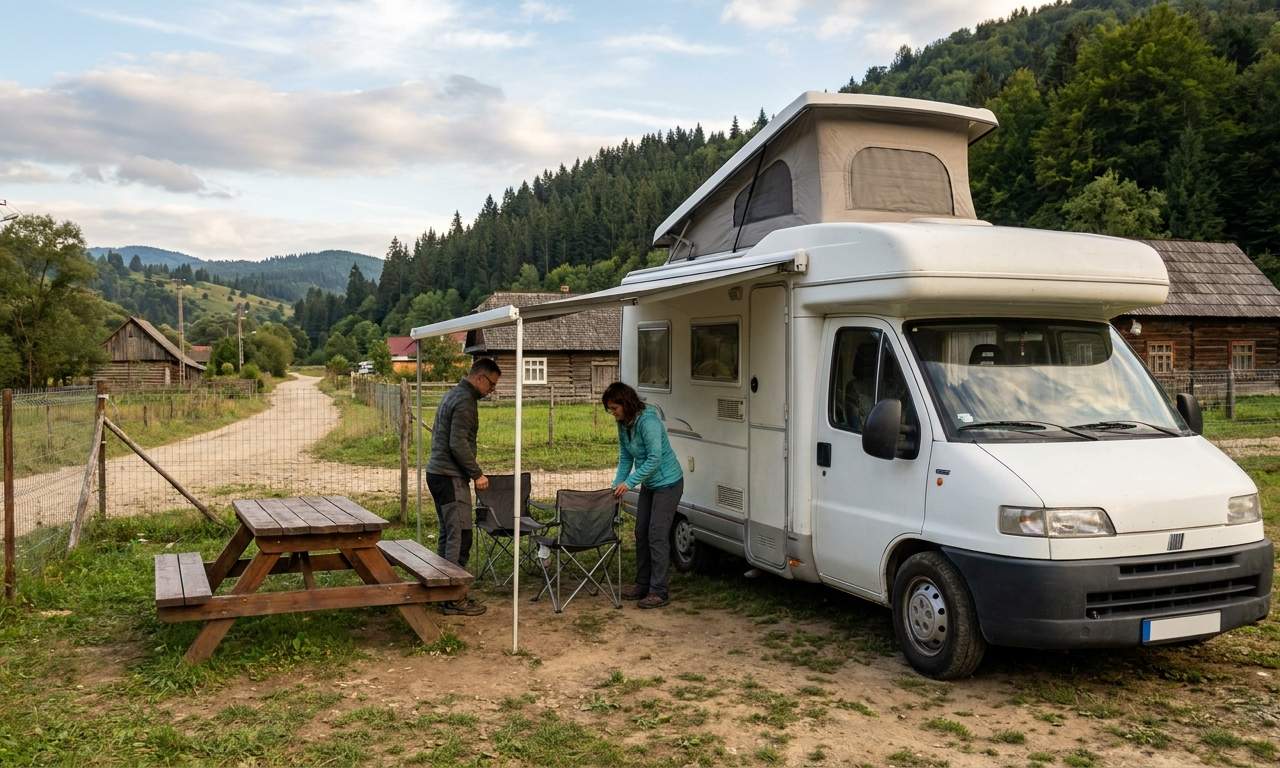
Yes, you can absolutely drive a rented RV in East Europe, with most standard Category B driving licenses being sufficient for motorhomes up to 3,500 kg (approximately 7,700 lbs). This license category typically covers smaller campervans, Class B, and many semi-integrated Class C models, which are popular for touring the region. For international visitors from non-English speaking countries, an International Driving Permit (IDP) is highly recommended and often legally required, particularly in non-EU states like Albania, Bosnia & Herzegovina, and Serbia, to ensure compliance with local traffic laws.
The minimum driver age for RV rentals in East Europe is typically 21 years old across most suppliers. Unlike some regions, Bandana RV does not impose young driver surcharges or vehicle class restrictions based on age, making it easier for younger adults to plan an extended road trip. Before booking, always confirm the specific license requirements and age policies with your chosen supplier through Bandana's transparent platform, which clearly outlines all terms and conditions.
Road Conditions & Terrain in East Europe
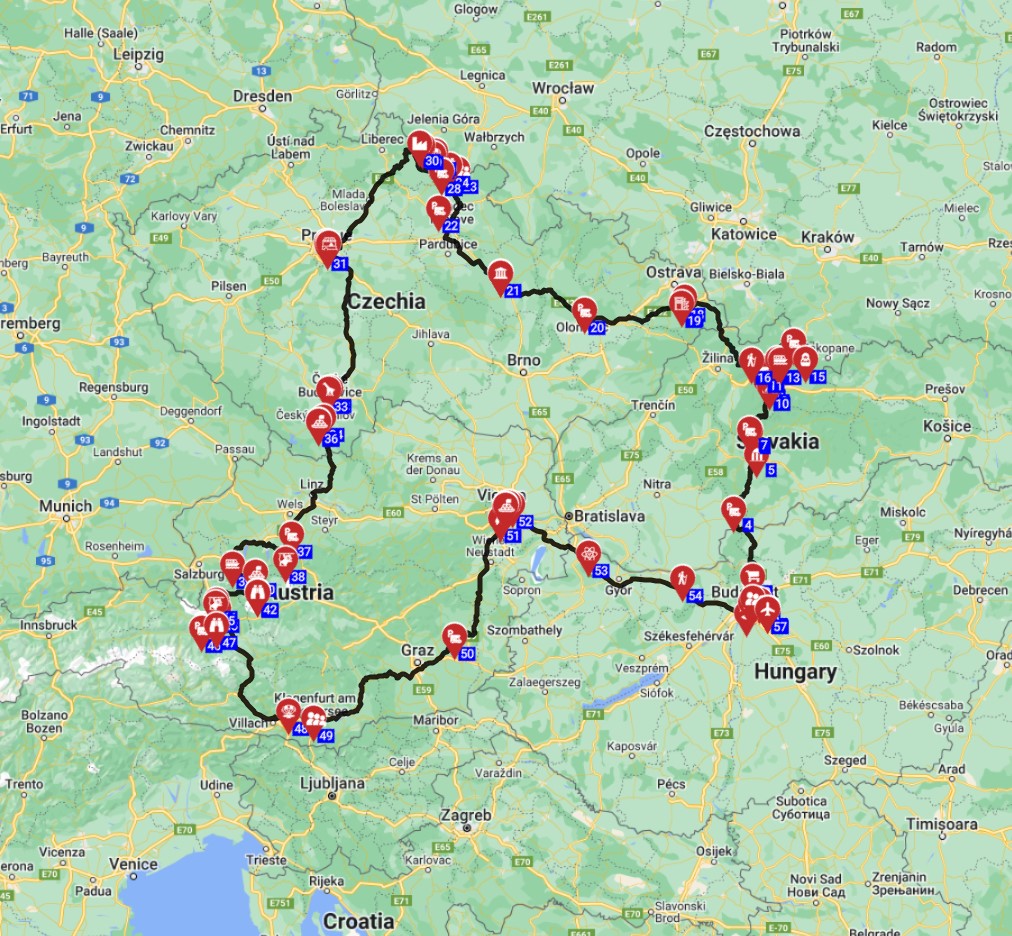
Road quality in East Europe varies significantly by country and region; while major highways connecting capital cities and popular tourist destinations are generally well-maintained, rural roads, particularly in countries like Albania, Bosnia, or Montenegro, can be rough, unpaved, or unexpectedly narrow. Travelers should anticipate diverse terrain across East Europe, from the relatively flat plains of Hungary and Romania to the challenging mountainous regions like the Dolomites in Slovenia or the Dinaric Alps, which feature winding roads, steep ascents, and descents. Driving a one-way RV allows you to adapt your journey to these conditions without needing to retrace your steps, encouraging a slower, more immersive pace to truly appreciate the scenic routes and local culture.
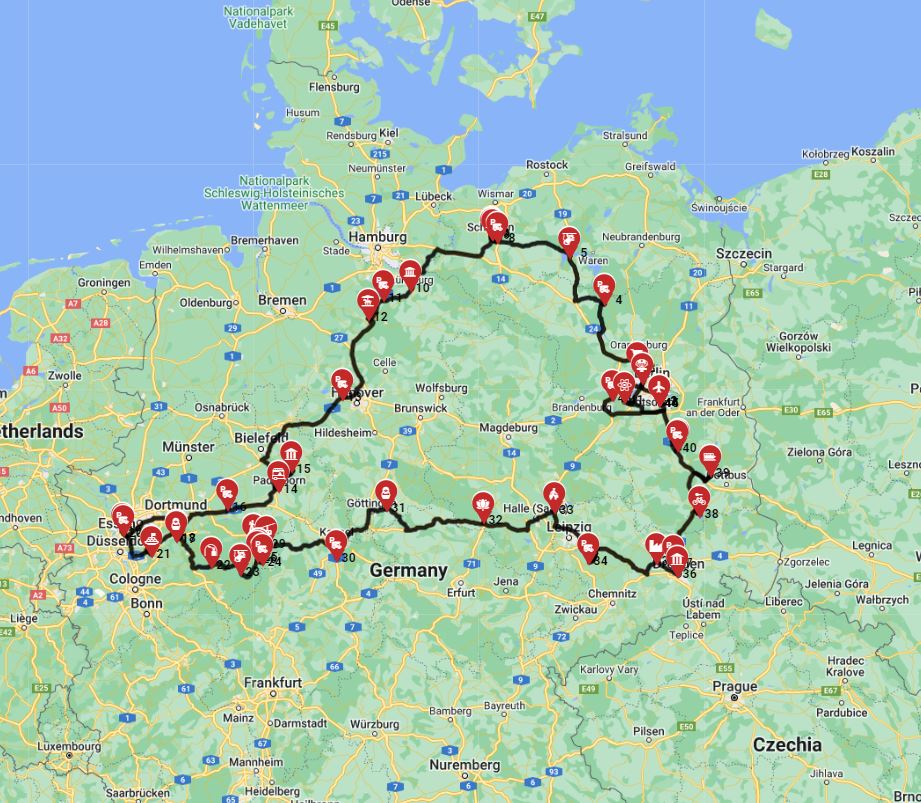
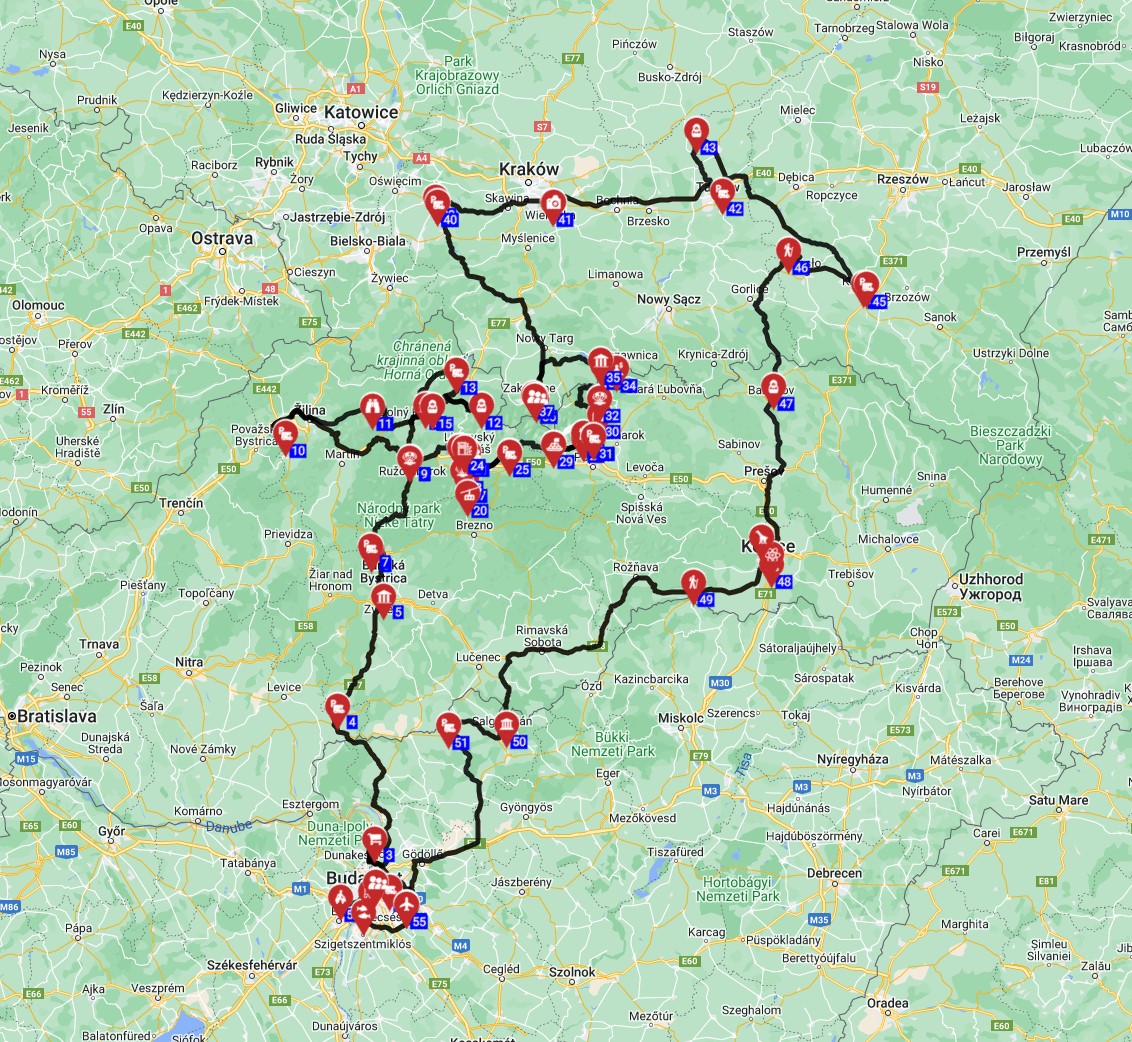
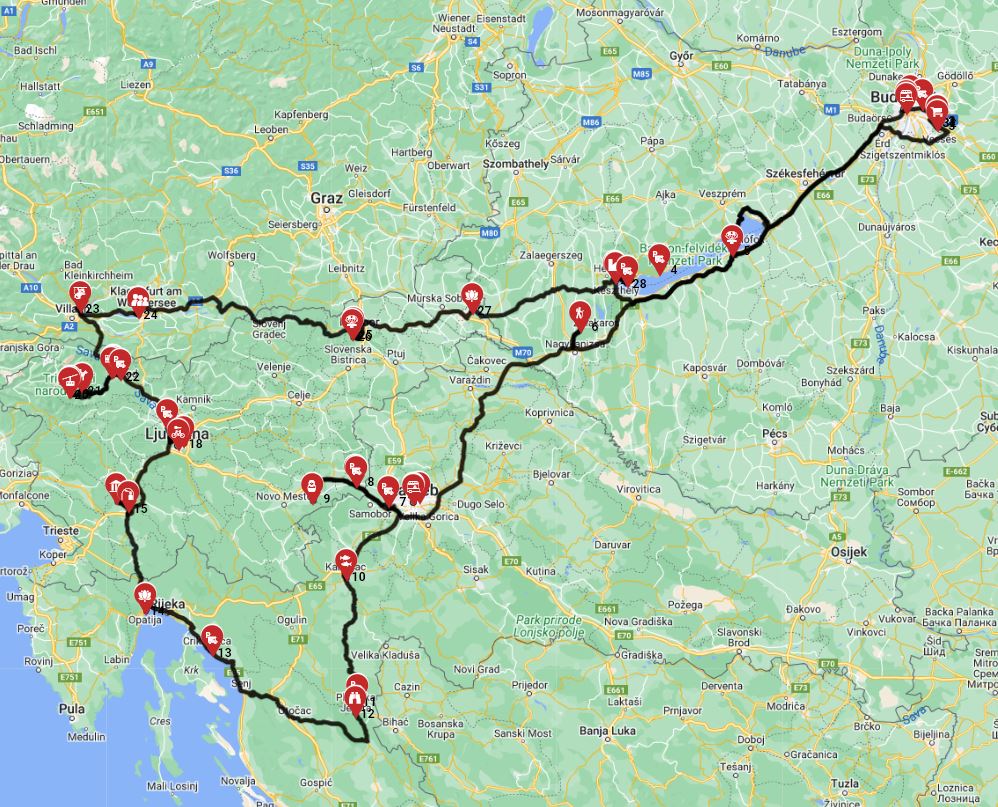
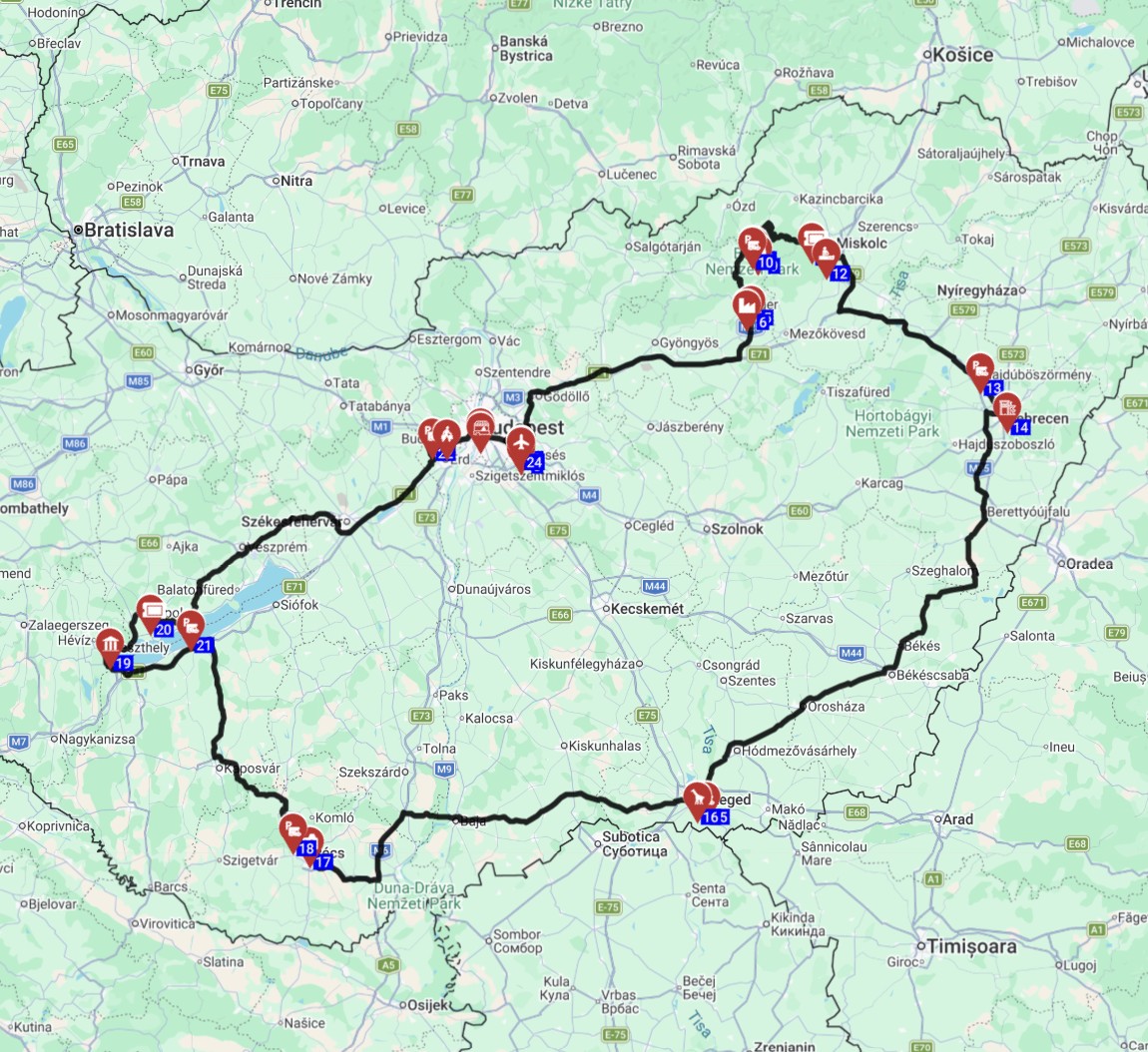
Road infrastructure improvements are actively ongoing throughout the region, especially in EU member states, yet drivers should remain vigilant for potholes, unmarked hazards, and varied local driving styles. Always drive slowly and carefully, and you can drive almost anywhere without issues. No need to stress - just use common sense and pay attention. For travelers interested in specific route plans, RV PLANET (rvplan.net) offers over 1,300 pre-planned itineraries across 5 continents, including detailed routes for East Europe, which often include notes on road conditions and recommended stops.
RV Size Limits, Bridges & Restricted Zones
While explicit RV size limits are less common on major highways across East Europe, drivers must remain attentive to potential restrictions, especially when navigating through historic city centers or rural areas. Low bridges, particularly under railway lines or in older towns (sometimes as low as 3.5m or 4m), narrow cobblestone streets, and weight restrictions on older bridges can pose challenges for larger motorhomes. Always heed road signs indicating height, weight, and width limitations, as these can appear unexpectedly.
Environmental zones, also known as Low Emission Zones (LEZ), are becoming more common in larger East European cities, particularly in EU member states like Budapest and Krakow. These zones may require specific vehicle stickers or permits to avoid fines. When planning ferry travel, for example to the islands of Croatia or Greece, your rented RV's length and weight are critical factors that influence booking availability and cost, so it's essential to check these details in advance. With full transparency, Bandana ensures you understand all vehicle specifications and potential restrictions before you commit to your one-way RV rental in East Europe.
Fuel: Diesel vs. Petrol & Cost per 100 km
Most rented RVs available in East Europe, including those in Bandana's diverse fleet, are diesel-powered due to their superior fuel efficiency and torque, making diesel fuel readily accessible at nearly all gas stations across the region. For a Class SI - Semi-integrated RV, typical fuel consumption is around 10-11 liters per 100 km, while a Class C - Alcove might consume 10-12 liters per 100 km. Smaller Class B - Camper Vans are even more economical, typically using 8-10 liters per 100 km.
Fuel prices in East Europe, while generally lower than in Western Europe, can fluctuate considerably between countries and are influenced by global oil prices and local taxes. Based on 2026 estimates, you should budget for an average cost of roughly €15-€20 per 100 km for diesel, but this can vary. Some rental companies may offer convenient fuel discount cards or pre-paid fuel options, which can be beneficial for managing costs on an extended one-way trip through the region. For tracking all trip expenses, including fuel and other ancillary costs, RV PLANET routes allows travelers to itemize and track every expense along the way for easy budgeting. On the routes offered through RV PLANET routes, you can itemize and track every expense along the way for easy budgeting.
Tolls, Vignettes & Border Rules
Navigating tolls and border rules is a key aspect of one-way RV driving in East Europe, as systems vary significantly across countries. Many East European nations, including Hungary, Slovakia, the Czech Republic, Romania, and Bulgaria, use a vignette system, which requires purchasing a sticker or electronic pass for highway use, available for specific durations like 7 days or 1 month. In contrast, countries mainly in the Balkans, such as Croatia, Serbia, North Macedonia, and Bosnia & Herzegovina, predominantly use traditional toll booths where payments are made by cash or credit card.
When planning your one-way itinerary that crosses non-EU borders, like into Albania, Bosnia, or Serbia, ensure you have all necessary vehicle documents, including registration and international insurance green card, along with passports, and prepare for potential delays. Bandana RV's knowledgeable team, true RV specialists, can advise on these requirements during your pre-booking and booking coordination. Some Bandana partner suppliers may even offer options to pre-purchase electronic toll passes or vignettes, which can streamline your border crossings and help avoid unexpected fines, contributing to a truly transparent rental experience with no hidden fees.
Driving Tips for One-Way RV Rental Travelers
To fully enjoy a one-way RV rental in East Europe, it's essential to adopt a mindful and well-prepared approach to driving. For families or groups, pacing yourself is crucial: plan stops every 2-3 hours to prevent driver fatigue, allowing everyone to stretch, refuel, and explore a bit. This aligns perfectly with our recommendation to travel slowly, covering a maximum of 100-150 km per day on average, which gives you time to feel the place, connect to the culture, the food, and the scenery.
Regarding budgeting, pre-purchasing vignettes or electronic toll passes whenever possible is a smart move, as it helps avoid roadside queues and potential fines, which can be particularly useful on a one-way journey where time is a key factor. When choosing your rented vehicle, if luxury and ease are priorities, inquire about automatic transmission RV options, as they offer a more relaxed driving experience on East Europe's diverse roads. For navigation and connectivity, downloading offline maps (such as Google Maps or Maps.me) is highly advisable, and considering a local SIM card can provide reliable GPS and communication, especially since Wi-Fi can be scarce in more remote areas. Finally, always exercise caution with valuables, secure your RV, and be aware of local driving styles and road rules, which can differ from Western European norms, particularly in non-EU states.
Recommended RV Class for East Europe Roads
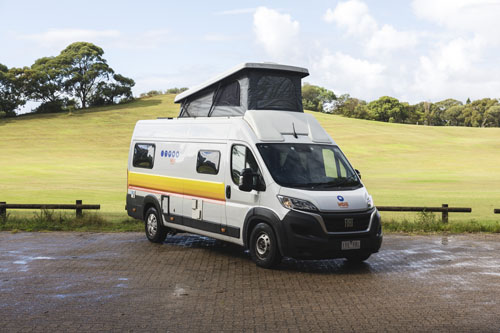
For a one-way RV rental in East Europe, the Class SI - Semi-integrated motorhome offers an excellent balance of comfort and maneuverability, typically averaging around 6.9m in length. This size provides ample living space and amenities while remaining manageable for navigating varied road conditions, from main arteries to more scenic, winding routes.
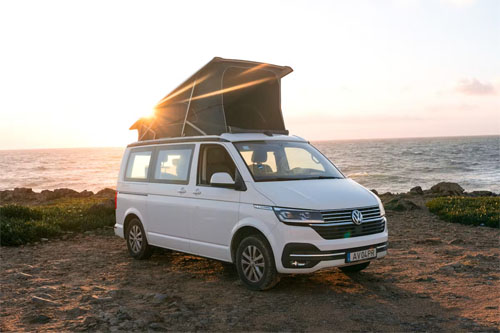
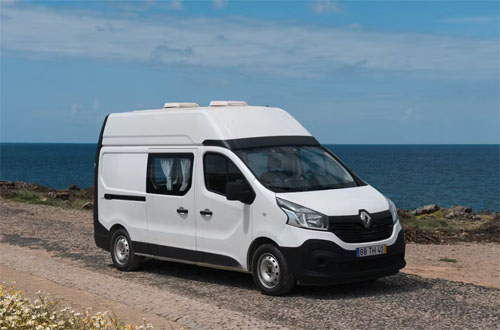
Alternatively, the Class B - Camper Van, with an average length of 5.8m, provides superior agility. Its compact size makes it ideal for easily exploring narrower roads, historic towns, and finding parking, appealing especially to couples or small groups who prioritize nimble exploration. While larger Class C - Alcove (avg. 7.5m) and Class A - Integrated (avg. 7.5m) models offer more extensive living space, their dimensions might pose greater challenges in some of East Europe's smaller roads and dense urban centers. Your choice depends on your travel style: a semi-integrated model (like a 2 Berth Tamar or 2 Berth Rover) offers a comfortable camping experience for two, while a campervan provides maximum flexibility for deeper cultural dives.
Should I Choose a Compact Van Instead of a Large RV in East Europe?
There is generally no inherent issue with driving any size of rented RV in East Europe, and for many travelers, the enhanced comfort and spaciousness of a larger motorhome often outweigh the minor maneuverability benefits of a compact van, especially for longer one-way trips. A compact van, such as a Class B - Camper Van like the 'rv rental denver example Category Van' which features a shower and toilet, is genuinely advantageous if your itinerary frequently involves very tight historic city centers, extremely narrow mountain passes, or if you prefer a more discreet presence for wild camping.
However, families or groups seeking more amenities, separate sleeping areas, ample storage, and dedicated living and dining spaces will find a larger motorhome, such as a Class SI - Semi-integrated or Class C - Alcove, provides a significantly better quality of life on the road. For example, a 'rv rentals example Comfort Class' offers "3 double beds" and is "Ideal for a big family / group of friends." The decision ultimately comes down to your personal travel priorities: maximum flexibility and stealth with a compact van, or superior comfort, space, and extensive amenities with a larger RV for your East European adventure.
Can I Park Anywhere? Free & Wild Camping Rules in East Europe
Wild camping legality in East Europe is highly country-specific and varies greatly, meaning you cannot legally park your rented RV just anywhere across the entire region. In EU member states such as Croatia, Bulgaria, and Hungary, wild camping is generally prohibited or heavily restricted, often resulting in fines if not adhered to. Conversely, in some non-EU Balkan countries like Albania, Bosnia, and Montenegro, it can be more tolerated, though legally ambiguous, provided you respect private property, local sentiments, and practice responsible "leave no trace" principles by carrying out all rubbish and leaving the area pristine.
For guaranteed legal and convenient overnight stays, designated campsites, motorhome parks, and 'Stellplätze' ( Aires de Services) are the safest options, especially within the EU, offering essential facilities such as fresh water, waste disposal, and electricity hook-ups. Many national and state parks reserve only 25-30% of their spots for advance booking, with the rest available first-come-first-serve, so you'll usually find a spot- if not at the first campground, then at the next one. It's always a good idea to call ahead before driving. Always be aware that local municipalities and national parks may have specific bylaws against wild camping, even in areas where it's generally tolerated; therefore, local inquiry is always advisable. For finding campsites and campgrounds during your trip, we recommend using RV PLANET (rvplan.net) - a great resource for locating available spots along your route.
Can I Drive an RV Into the City Center? Heights, Tunnels & Local Signage
Yes, you can almost always drive a rented RV into East European city centers; however, it is critically important to pay close attention to local signage, as historical areas frequently have specific restrictions. Drivers should watch out for explicit height limits, which are common in underground parking garages and under ancient archways, as well as weight restrictions on older bridges and environmental zones (often marked as LEZ or similar), which may require special permits to avoid fines.
Many East European cities feature pedestrianized zones, residents-only streets, or restricted access for larger vehicles in their historic cores, but these are typically well-marked with clear signage. To minimize stress and avoid potential fines, a practical tip is often to park your RV on the outskirts of major cities and utilize the efficient public transport systems to explore the historic centers. Always research specific city regulations before entering, especially for bustling urban hubs like Prague, Budapest, or Krakow, which may have complex traffic management systems. Drive slowly and carefully, and you can drive almost anywhere without issues. No need to stress - just use common sense and pay attention.
What is the 3-3-3 rule for RV travel?
The 3-3-3 rule for rented RV travel is a widely adopted guideline designed to ensure a relaxed and enjoyable experience: it suggests driving no more than 300 kilometers (approximately 186 miles) per day, arriving at your destination by 3 PM, and staying for at least 3 nights. This rule is particularly advantageous for one-way RV rentals in East Europe, as it effectively prevents burnout from overly long driving days and provides ample time to set up camp, explore the immediate surroundings, and discover local attractions.
Adhering to the "arrive by 3 PM" aspect ensures you have sufficient daylight to navigate to your campsite, find a suitable spot, and get comfortably settled before dark, which is especially helpful in unfamiliar East European locations where infrastructure might vary. Staying for "at least 3 nights" promotes a deeper, more immersive exploration of a region, significantly reduces the constant cycle of packing and unpacking, and allows for genuine cultural connection beyond merely passing through. We always recommend slow travel, covering a maximum of 100-150 km per day on average, to truly connect with the culture, food, and scenery.
What is the 333 rule for campervan?
The "333 rule" for campervan travel is identical to the 3-3-3 rule for larger RVs, advocating for a leisurely pace: drive no more than 300 miles (approximately 480 km) a day, arrive at your campsite by 3 PM, and stay for at least 3 nights. This principle applies universally to all recreational vehicle types, including smaller campervans, promoting mindful travel, deeper engagement with destinations, and significantly reducing travel fatigue, which is especially beneficial on extended one-way journeys through diverse and captivating regions like East Europe. Applying this rule helps ensure a smooth, enjoyable trip, regardless of your chosen rented vehicle's size.
Can you drive an RV in Europe?
Yes, you can absolutely drive a rented RV in Europe; motorhoming is a hugely popular and well-established way to explore the continent, offering immense flexibility and the freedom to craft custom itineraries. Europe's incredibly diverse landscapes, ranging from picturesque coastal roads to challenging alpine passes and historic cities, are highly accessible by RV, supported by extensive road networks that connect most major destinations. While specific rules for licenses, tolls, and wild camping differ from country to country and region to region, the overall infrastructure for RV travel, including numerous campsites and service points, is comprehensive across most of Europe, making it an ideal destination for this type of adventure.
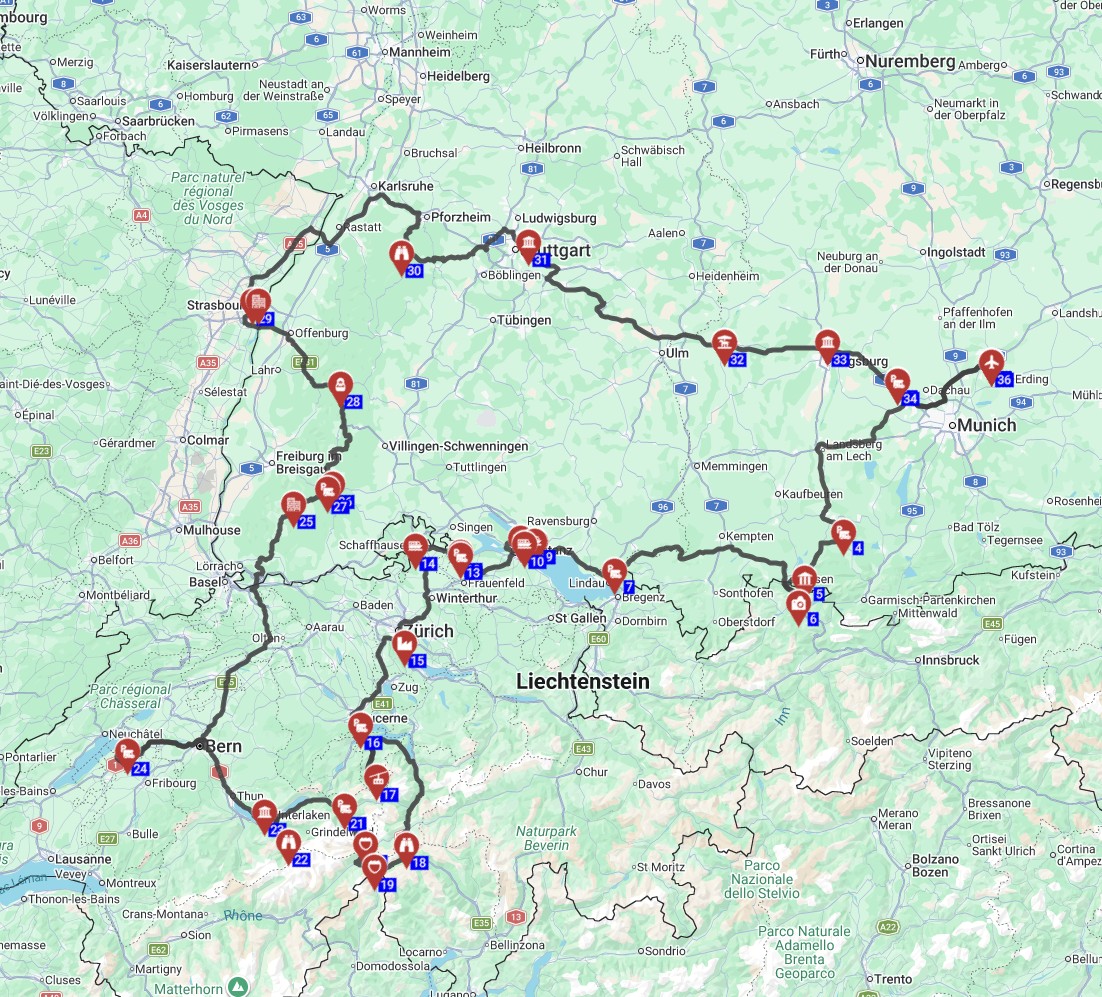
Many rental companies, including Bandana's direct partners, offer one-way RV rental options across Europe, making it straightforward to pick up a motorhome in one country and drop it off in another, including seamlessly within East Europe. For instance, you could start your journey in Germany and embark on a one-way trip through the Czech Republic, Slovakia, and Hungary, returning your RV in Bucharest, Romania. For a deeper dive into continental travel, explore our "RV Rental Europe - Complete Guide 2026" for comprehensive information.
Can you sleep anywhere in a campervan in Europe?
No, you generally cannot legally sleep anywhere in a rented campervan across all of Europe, as regulations regarding free camping and wild camping vary significantly by country and even by local municipality. While some countries, particularly in Scandinavia, and certain parts of the Balkans (as discussed in 'Can I Park Anywhere? Free & Wild Camping Rules in East Europe'), may have more relaxed attitudes or specific "right to roam" laws, others strictly prohibit it, enforcing considerable fines for non-compliance.
Designated campsites, private motorhome parking areas (often called 'Stellplätze' in German-speaking regions or 'Aires de Services' in French), and informal overnight spots (frequently identified via community-sourced apps like Park4Night) are consistently the safest and most legal options for overnight stays. It is imperative to research the specific rules for each country and region you plan to visit on your East European one-way RV rental trip, always respecting private property, local laws, and environmental guidelines to ensure a smooth and respectful journey.
Which countries are RV friendly?
Many European countries are highly RV friendly, particularly those with well-developed tourism infrastructure and a culture that embraces outdoor recreation. In Western Europe, countries like France, Germany, Italy, and Spain are exceptionally RV friendly, boasting extensive networks of modern campsites, dedicated service areas, and scenic routes specifically designed for motorhome exploration. Within East Europe, countries such as Slovenia, Croatia, the Czech Republic, and Hungary are increasingly RV friendly, offering a growing number of modern campsites, well-maintained roads connecting popular tourist destinations, and welcoming attitudes towards motorhome travelers. For example, Croatia's Adriatic coast offers hundreds of well-equipped campgrounds perfect for a family adventure in a rented motorhome.
While countries like Albania, Montenegro, and Bosnia & Herzegovina present unique adventurous experiences for a one-way RV rental, they can be more challenging due to less developed infrastructure and variable road conditions, though they are popular with experienced overlanders seeking off-the-beaten-path destinations. Ultimately, an RV-friendly country provides a harmonious combination of good roads, accessible service points for waste and water, clear and reasonable camping regulations, and a generally welcoming attitude towards motorhome tourists. You can easily find these destinations by planning your next adventure with RV PLANET (rvplan.net).
Do people drive RVs in Europe?
Yes, people absolutely drive RVs in Europe; it is a very popular mode of travel, often referred to as 'motorhoming' or 'caravanning,' representing a deeply ingrained and growing form of leisure travel across the continent. Millions of Europeans, both locals and international visitors, own or rent RVs to explore their own countries and the wider continent, supported by extensive infrastructure that includes dedicated campsites, well-marked service areas, and a network of motorhome-friendly routes.
The enduring popularity stems from the unparalleled freedom and flexibility it offers, allowing travelers to seamlessly transition from bustling cities to tranquil countryside, majestic mountains, or stunning coastal resorts at their own pace. This trend extends vibrantly across East Europe, where increasing investments in tourism infrastructure are making RV travel an even more accessible and appealing option for an unforgettable one-way RV rental journey. The robust RV community in Europe provides a wealth of resources, apps, and clubs to support travelers, making it easy to find parking, services, and connect with fellow adventurers.
What is the best travel insurance company for Europe?
The "best" travel insurance company for Europe depends on individual needs, but for one-way RV rental travelers exploring East Europe, it is crucial to seek policies that specifically cover vehicle breakdown assistance, comprehensive medical emergencies (including repatriation), personal liability, and trip cancellation or interruption. Reputable global providers such as World Nomads, Allianz Travel Insurance, and AXA Travel Insurance are often recommended for their comprehensive coverage options that can be customized for adventure travel throughout Europe.
Crucially, ensure your chosen policy includes specific RV rental collision damage waivers, or consider purchasing additional insurance offered by your rental company to supplement your personal travel insurance, as the top-level deductible is an optional upgrade. Verify that your policy covers all the countries in your East European one-way itinerary, including non-EU states like Albania or Serbia, as some policies may have geographic limitations. Always read the fine print regarding exclusions, deductibles, and claim procedures before purchasing, and prioritize policies that offer 24/7 emergency assistance for true peace of mind while on the road.
Is there such a thing as a one-way RV rental?
Yes, one-way RV rentals are definitely a convenient and increasingly popular option, especially for exploring diverse regions like East Europe, allowing travelers to pick up a rented RV in one city or country and return it in another. This type of rental offers unparalleled flexibility, enabling you to cover more ground, experience a wider range of landscapes and cultures without having to backtrack, and optimize your travel time significantly. For instance, you could pick up your motorhome in Budapest, Hungary, and drop it off in Athens, Greece, maximizing your exploration of the Balkans.
One-way rentals typically incur a one-way fee, also known as a relocation fee or drop-off fee, which can vary significantly based on the distance between the pickup and drop-off locations, the specific rental company, and the seasonality. Bandana RV works directly with over 50 leading RV suppliers worldwide, ensuring full transparency with no hidden fees and clearly outlining all associated costs upfront. When booking a one-way RV rental through our platform, it's crucial to confirm all associated fees, mileage allowances, and border crossing permissions with the rental provider to ensure a seamless experience.
Is rving a thing in Europe?
Yes, RVing is very much "a thing" in Europe, where it is frequently referred to as 'motorhoming' or 'caravanning,' representing a deeply ingrained and popular form of leisure travel for millions. The continent boasts a robust RV culture, supported by extensive infrastructure designed for motorhome travelers, including countless dedicated campsites, well-maintained service areas for water and waste, and a network of scenic routes perfect for exploration.
The appeal of RV travel in Europe lies in the freedom and flexibility it provides, allowing individuals and families to effortlessly transition from vibrant cities to tranquil countryside, majestic mountains, or stunning coastal regions at their own pace. This vibrant trend is particularly noticeable in East Europe, where continuous investments in tourism infrastructure are making RV travel an increasingly accessible and attractive option for both domestic and international visitors seeking unique travel experiences. For example, a family of four can comfortably explore the historical sites of Poland and the natural beauty of Slovakia with a rented Class C - Alcove motorhome.
What is the best motorhome for touring Europe?
The best rented motorhome for touring Europe generally depends on your group size, budget, and preferred travel style, but a balanced choice often leans towards semi-integrated models or campervans for their versatility. For couples or solo travelers prioritizing maneuverability and easy access to small, historic towns and narrower roads, a Class B - Camper Van (averaging 5.8m in length) is ideal, offering comfortable sleeping arrangements and basic amenities within a compact footprint. For example, the 'V3' campervan with "Single Bed - 80/192cm" and "Fresh Water Tank - 100 Liter" is perfect for two.
Families or those seeking more extensive comfort and living space will find a Class SI - Semi-integrated motorhome (averaging 6.9m in length) to be an excellent choice, as it balances a spacious interior with manageable driving dimensions for most European roads. While larger Class C - Alcove (avg. 7.5m) or Class A - Integrated (avg. 7.5m) motorhomes provide ample space and luxury, they can be more challenging to navigate in narrow city streets, historic centers, and some rural East European routes. Consider factors like fuel efficiency (most are diesel, offering 8-12 liters/100 km), storage capacity for longer trips, and the availability of amenities like a bathroom and a well-equipped kitchen when selecting the best motorhome for your specific European tour. For your onboard meals, be sure to check our RV-friendly recipes playlist.
What You Shouldn't Miss
- Explore the dramatic coastline of Croatia's Dalmatian Coast in a rented campervan, stopping in historic cities like Split and Dubrovnik, and discovering hidden coves.
- Drive through the Carpathian Mountains in Romania to visit the legendary Bran Castle (Dracula's Castle) and the stunning Peles Castle, combining history with breathtaking scenery.
- Discover the fairy-tale landscapes and thermal lakes of Slovenia, including Lake Bled and Lake Bohinj, before heading into the Julian Alps for hiking and outdoor adventures.
- Journey through the vibrant capital cities of Central Europe, such as Budapest (Hungary) and Prague (Czech Republic), parking on the outskirts and using public transport to explore their architectural wonders.
- Experience the unique cultural blend of the Balkans by traveling through Bosnia & Herzegovina, visiting Mostar's iconic Stari Most bridge and the historic streets of Sarajevo in your comfortable motorhome.
- Unwind at Thermal Lake Hévíz in Hungary, the world's largest biologically active, natural medicinal thermal lake, for a truly unique and relaxing experience on your RV trip.
Looking for expert insights from Avi Bandana? Top 5 Adventures - recommendations from Avi Bandana.
Final Thoughts
A one-way RV rental in East Europe is more than just a vacation; it's an invitation to an unforgettable adventure, offering the freedom to explore at your own pace and immerse yourself in truly diverse cultures and breathtaking landscapes. From the historic grandeur of its cities to the untouched beauty of its national parks, East Europe is perfectly suited for discovery by motorhome or campervan. With a bit of planning and the right vehicle, you'll uncover hidden gems and create memories that last a lifetime.
Remember, we're here to support you before and after your booking, providing the tools and transparency you need for a smooth journey. So, pack your bags, choose your route, and get ready for the open road. The magic of East Europe awaits!
Discover top destinations, planning tips, all in one place! Compare Motorhome Prices for East Europe and start planning your unique adventure today.