In This Guide
- Can You Drive an RV in Belgium? License & Age Rules
- Road Conditions & Terrain in Belgium
- RV Size Limits, Bridges & Restricted Zones
- Fuel: Diesel vs. Petrol & Cost per 100 km
- Tolls, Vignettes & Border Rules
- Driving Tips for one way rv rental Travelers
- Recommended RV Class for Belgium Roads
- Should I Choose a Compact Van Instead of a Large RV in Belgium?
- Can I Park Anywhere? Free & Wild Camping Rules in Belgium
- Can I Drive an RV Into the City Center? Heights, Tunnels & Local Signage
- How much does a one way RV rental cost in Belgium?
- What is the average speed limit for RVs in Belgium?
- How long does it take to drive across Belgium?
- What are the most scenic drives in Belgium?
- What is the best route for an RV in Belgium?
- Are RVs allowed in Bruges?
- Where can I find free RV parking in Bruges?
- Is it easy to park an RV in Ghent?
- Is it worth buying an RV in Belgium?
- Top Cities for RV Rental in Belgium
- Practical Information for Belgium RV Travel
- What You Shouldn't Miss
- Frequently Asked Questions
Embarking on a one-way RV adventure through Belgium offers unparalleled freedom, allowing you to immerse yourself in its rich history, diverse landscapes, and vibrant culture at your own pace. Imagine waking up to the serene beauty of the Ardennes, enjoying a fresh Belgian waffle in a medieval town square, and ending your day with a local brew along a peaceful canal-side, all from the comfort of your rented motorhome or campervan. This is the magic of RV travel, and Belgium, with its compact size and excellent infrastructure, is an ideal destination for it. For live availability and current prices, start with our RV Rental Belgium - Complete Guide 2026 guide.
Can You Drive an RV in Belgium? License & Age Rules
Drivers must hold a valid Class B license for RVs up to 3,500 kg, or a Class C1 for vehicles between 3,500 kg and 7,500 kg in Belgium. The good news is that a standard car driver's license from most countries is sufficient for almost all Class B, Class C, and even many smaller Class A motorhomes and campervans available for rental. There's no need for a special commercial driver's license (CDL) for a holiday rental. For foreign drivers from outside the EU/EEA, an International Driving Permit (IDP) is highly recommended alongside your national license, though it's not strictly mandatory in all cases, it greatly simplifies interactions with local authorities and rental agencies. The minimum age to rent an RV in Belgium is typically 21 years old across our suppliers, and you'll be pleased to know there are no young driver surcharges or vehicle class restrictions based on age with Bandana Caravan, ensuring accessibility for younger adventurers.Road Conditions & Terrain in Belgium
Belgian roads are generally well-maintained, offering a mix of efficient highways and picturesque regional routes suitable for rented RV travel. The country boasts an impressive network of motorways that allow for smooth and swift travel between major cities like Brussels, Antwerp, and Ghent. Beyond the highways, the terrain varies from the flat, accessible plains of Flanders to the rolling hills and dense forests of the Ardennes, encouraging diverse scenic drives. While driving your rented motorhome in Belgium allows for comfortable exploration across these varied landscapes, remember that charming, historic cobblestone streets in older towns will require slower speeds and careful attention. Drive slowly and carefully, and you can drive almost anywhere without issues. No need to stress - just use common sense and pay attention.RV Size Limits, Bridges & Restricted Zones
Standard European RV dimensions (typically up to 12 meters length, 4 meters height, 2.55 meters width) are generally accommodated on Belgian main roads, highways, and most designated RV routes. Travelers should be mindful of height restrictions in urban areas, particularly for low bridges, tunnels, and parking garages, which can be found in historic city centers. Always check road signs carefully to ensure your rented campervan or motorhome fits. Low Emission Zones (LEZs) are active in cities like Brussels, Antwerp, and Ghent, requiring online registration or adherence to specific emission standards for RVs to avoid fines; failure to register can lead to costly penalties, even for passing through briefly. It's best to check the specific requirements for each city's LEZ well before your trip, as rules can change.Fuel: Diesel vs. Petrol & Cost per 100 km
Diesel is the predominant fuel type for rented RVs in Belgium and is widely available at service stations across the country. Most rental motorhomes and campervans in Europe run on diesel, which tends to be more fuel-efficient than petrol. The average fuel consumption for Bandana Caravan's global fleet typically ranges from 10-11 Liters/100 km for Class SI RVs and 8-10 Liters/100 km for Class B Camper Vans. Fuel costs in Belgium can fluctuate based on global markets and local taxes, so budgeting for approximately 10-12 Liters per 100 km is a reasonable estimate for your journey. When planning your route, remember that RV PLANET routes allow travelers to itemize and track every expense, including fuel, for easy budgeting throughout your trip.Tolls, Vignettes & Border Rules
Belgium does not require a vignette for RVs under 3.5 tonnes for general motorway use, unlike some neighboring countries like Switzerland or Austria. The main exception for tolls is the Liefkenshoek Tunnel near Antwerp, which has a specific fee. Otherwise, most motorways are free to use for smaller RVs. Combining a Belgian RV trip with neighboring countries like the Netherlands, France, or Germany is seamless, as border crossings within the Schengen Area generally have no formalities. This flexibility makes a one-way RV rental in Belgium an excellent starting point for an extended road trip across Europe, as outlined in our RV Rental Europe - Complete Guide 2026.Driving Tips for one way rv rental Travelers
Prioritize route planning to account for rented RV dimensions, especially when navigating smaller towns or scenic backroads in Belgium. Before setting off, familiarize yourself with Belgian road signage and rules, including speed limits and the common "priority-to-the-right" rule at unmarked intersections. On motorways, the typical speed limit is 120 km/h, on regional roads outside urban areas it's 90 km/h, and within urban zones, it's 50 km/h. Remember to always drive slowly and carefully, paying attention to your surroundings. For families, consider regular stops every 2-3 hours to stretch legs and explore. Always secure your belongings inside the RV before driving to prevent movement and potential damage. For peace of mind, keep emergency contacts readily available and ensure you know how to access roadside assistance provided with your rental. Traveling slowly, aiming for a maximum of 100-150 km per day on average, allows you to truly feel the place, connect to the culture, the food, and the scenery.Recommended RV Class for Belgium Roads
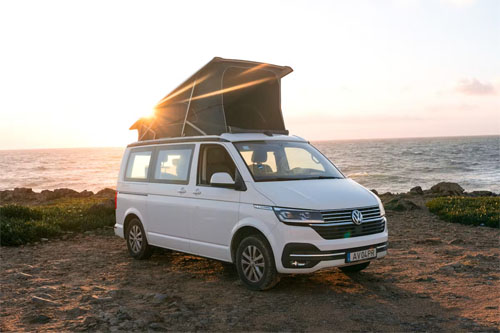
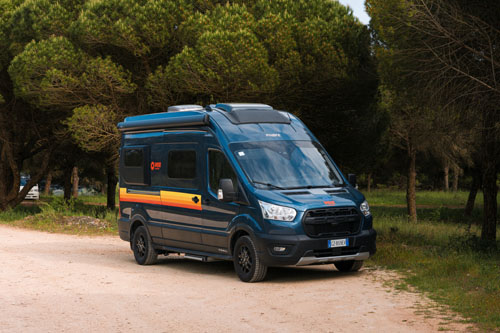
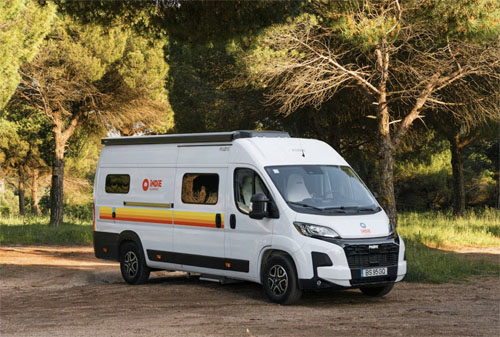
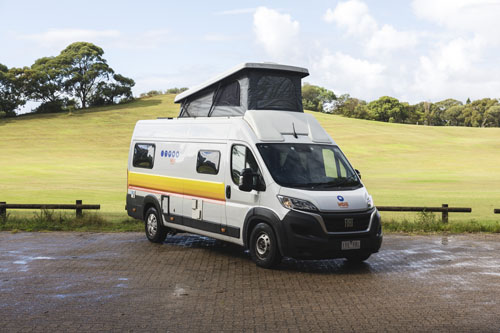
For RV travel in Belgium, a Class SI - Semi-integrated RV, with an average length of 6.9 meters, offers an excellent balance of comfort and maneuverability. This class typically provides ample living space, a full kitchen, and a separate bathroom, making it ideal for couples or small families seeking a comfortable base to explore. For greater agility and easier access to tighter city areas, particularly in historic towns like Bruges or Ghent, a Class B - Camper Van, averaging 5.8 meters in length, is highly recommended. These compact campervans are easier to park and navigate through narrower streets. Both classes are well-suited for extensive highway travel and exploring Belgium's charming towns, providing the flexibility you need for an enjoyable one-way RV trip.Should I Choose a Compact Van Instead of a Large RV in Belgium?
While larger motorhomes can comfortably navigate Belgium's main roads and motorways, compact vans offer superior agility for historic city centers and narrower routes. Choosing a compact campervan like a Class B (average 5.8m in length) significantly simplifies parking and navigating tight urban environments such as those found in Bruges or Ghent. These smaller vehicles, often equipped with front air conditioning and suitable for a couple or a small family, are perfect for travelers who prioritize urban exploration and ease of movement. However, a larger RV, such as a Class SI (average 6.9m) or a Class C (which might feature 3 double beds and ideal for a big family), provides more indoor space and comfort, which might be a better trade-off for longer trips focusing on rural exploration and more amenities, including a larger refrigerator and bathroom. Rest assured, with careful driving, even larger RVs can manage most routes without issue.Can I Park Anywhere? Free & Wild Camping Rules in Belgium
Wild camping and unauthorized overnight parking for RVs are generally prohibited across Belgium, particularly in urban areas and nature reserves. Travelers should exclusively use designated campsites or official motorhome parking areas, often referred to as 'camperplaatsen,' which are plentiful and often provide essential utilities. These facilities typically offer waste disposal for grey and black water, fresh water refills, and electricity hookups, which are vital for a comfortable RV experience. Always verify local regulations for specific areas, as rules can vary, and adhere to posted signage to avoid fines. Farm camping ('Camping à la Ferme') offers a legal and charming alternative for those seeking a more rustic experience while adhering to local rules.Can I Drive an RV Into the City Center? Heights, Tunnels & Local Signage
RVs can generally drive into Belgian city centers, but significant restrictions such as Low Emission Zones (LEZs), height limits, and narrow streets often apply, especially in older towns. Drivers should pay close attention to local signage indicating height restrictions for tunnels and underpasses, as well as weight limits on certain roads, which are common in historical areas. For cities like Brussels, Antwerp, Ghent, and Bruges, it is often more practical to use designated RV park-and-ride facilities on the outskirts and utilize efficient public transport (trams, buses, trains) to explore the historic core. Drive slowly and carefully, and you can drive almost anywhere without issues. No need to stress - just use common sense and pay attention.How much does a one way RV rental cost in Belgium?
The cost of a one-way RV rental in Belgium varies significantly based on factors like RV class, rental season, duration, and the specific drop-off location. Prices are dynamic, similar to flight tickets, changing daily based on availability and supplier marketing decisions. For example, a Class B campervan might start from €80 per day in the low season, while a larger Class C motorhome could be €150+ per day during peak summer. A comprehensive budget breakdown should account for the base rental fee, a one-way surcharge (typically ranging from €150-€500 depending on distance and supplier), fuel (approximately 10-12 Liters/100 km for most RVs), campsite fees (averaging €20-€40 per night), groceries for your RV kitchen, tolls (like the Liefkenshoek Tunnel), and attraction costs. Expect higher prices during peak season (June-August) and major festivals, with off-season travel offering more budget-friendly options and unique experiences like autumn foliage or Christmas markets. Remember, you can optionally upgrade to a top-level deductible for extra peace of mind, though this is not included by default.What is the average speed limit for RVs in Belgium?
The average speed limit for RVs in Belgium generally follows standard vehicle regulations but can have specific adaptations for heavier vehicles. On motorways (autoroutes), the limit is typically 120 km/h, on regional roads outside urban areas, it's 90 km/h, and within urban zones, it's 50 km/h. RVs over 3.5 tonnes, especially larger Class C or Class A motorhomes, may have slightly reduced speed limits on certain roads or in specific zones, so always check local signage carefully. Remember that slow travel, around 100-150 km per day on average, is recommended to truly experience Belgium.How long does it take to drive across Belgium?
Driving across Belgium typically takes between 2 to 4 hours, depending on the specific start and end points and traffic conditions. For example, a direct route from the Belgian coast to the heart of the Ardennes, covering roughly 200-250 km, can be comfortably driven within 3-4 hours in a rented RV. However, scenic detours, stops for cultural experiences, and navigating urban areas will extend travel times significantly, making multi-day itineraries more enjoyable. We always recommend slow travel, aiming for a maximum of 100-150 km per day, to truly feel the place, connect to the culture, the food, and the scenery.What are the most scenic drives in Belgium?
Belgium offers several picturesque routes perfect for rented RV travel, including the rolling hills and forests of the Ardennes region and the historic canals and coastal landscapes of Flanders. Consider driving through the Semois Valley in the Ardennes for stunning natural beauty, stopping at quaint villages like Bouillon or Durbuy. Alternatively, follow the network of provincial roads in Flanders to discover charming villages, local markets, and coastal gems. These drives provide ample opportunities to experience Belgian culture firsthand, from sampling authentic fries and waffles to exploring local breweries and chocolatiers. Imagine preparing some delicious meals right in your RV kitchen after a day of exploring: check out our RV-friendly recipes playlist for inspiration.What is the best route for an RV in Belgium?
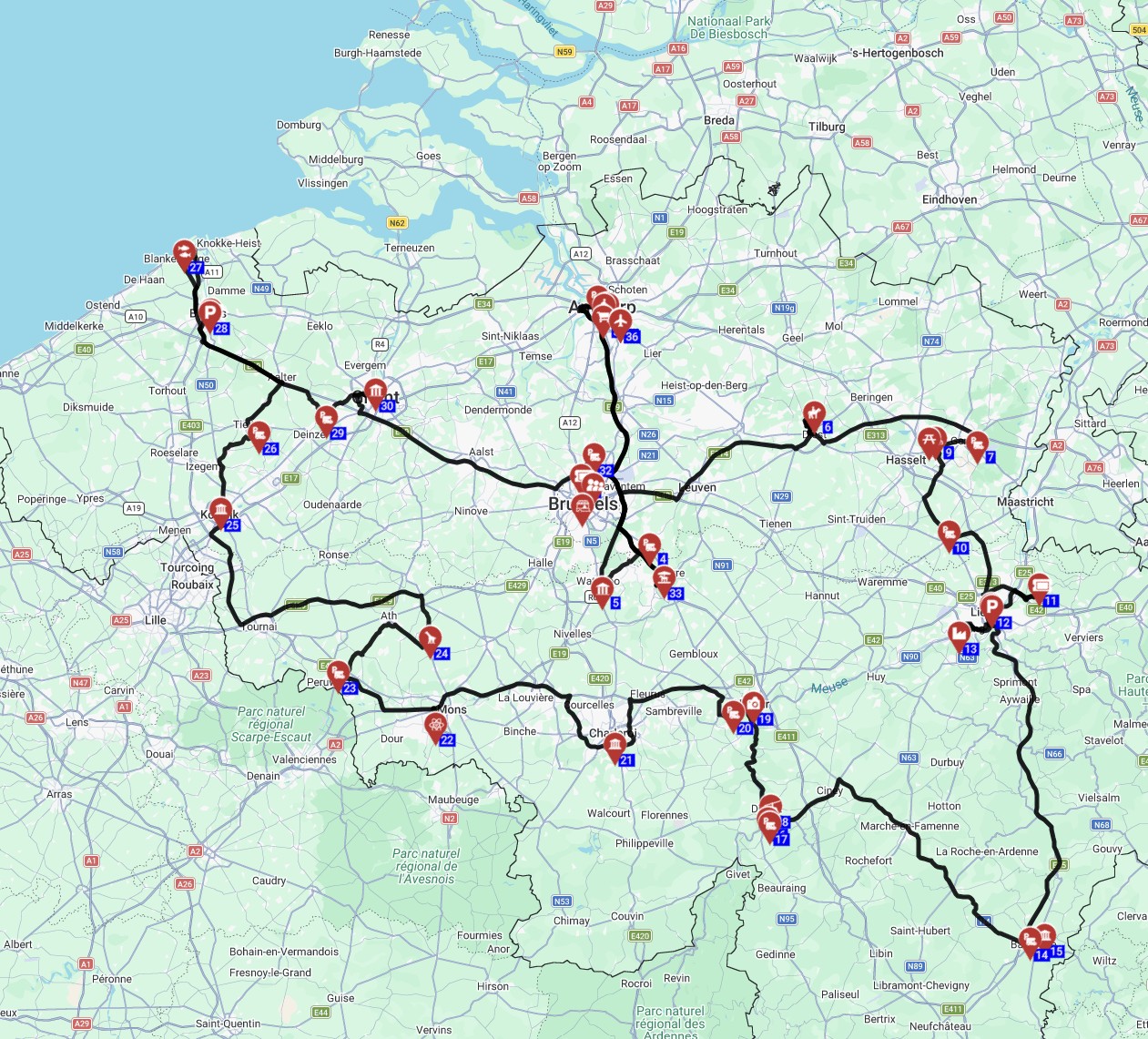
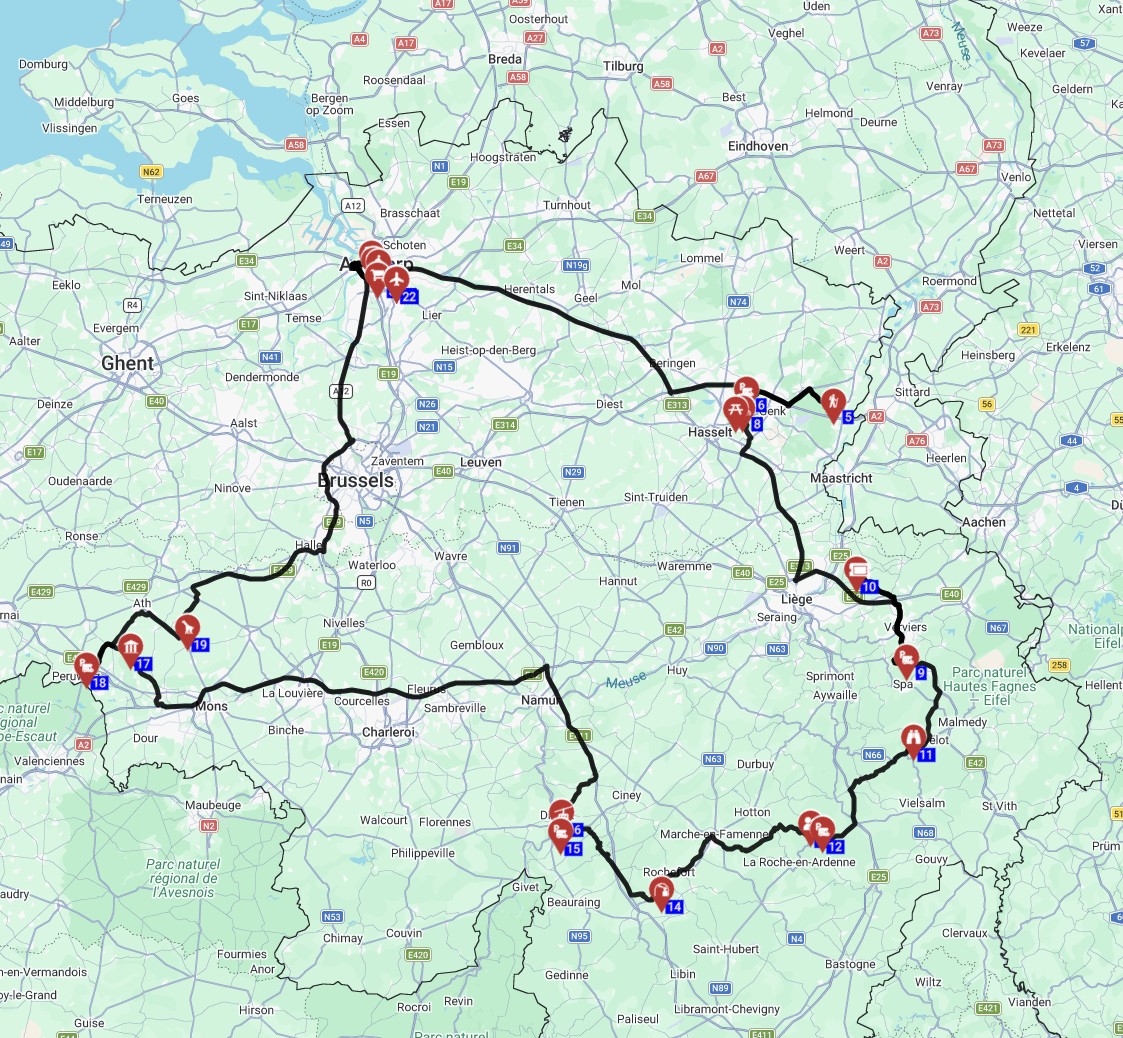
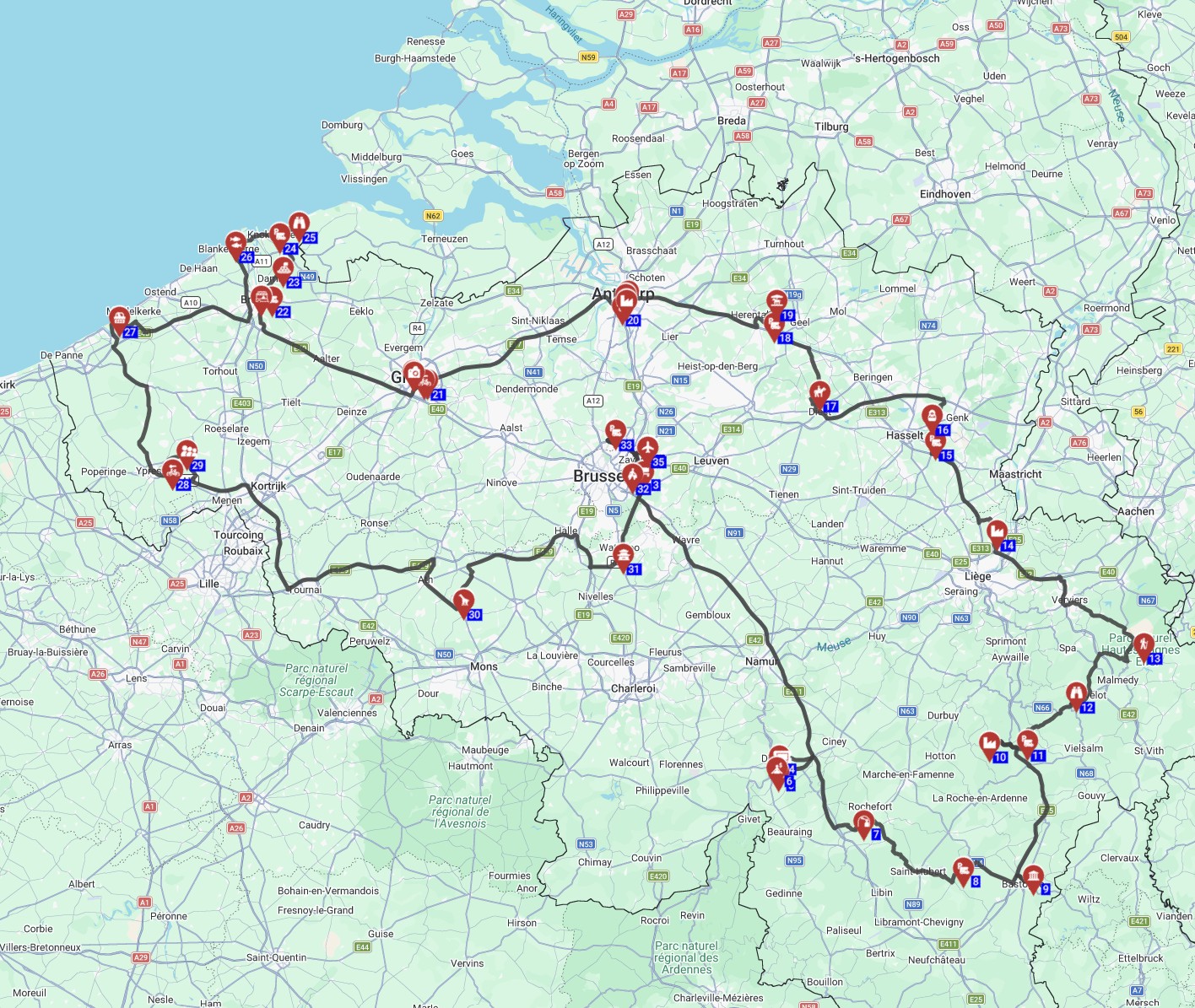
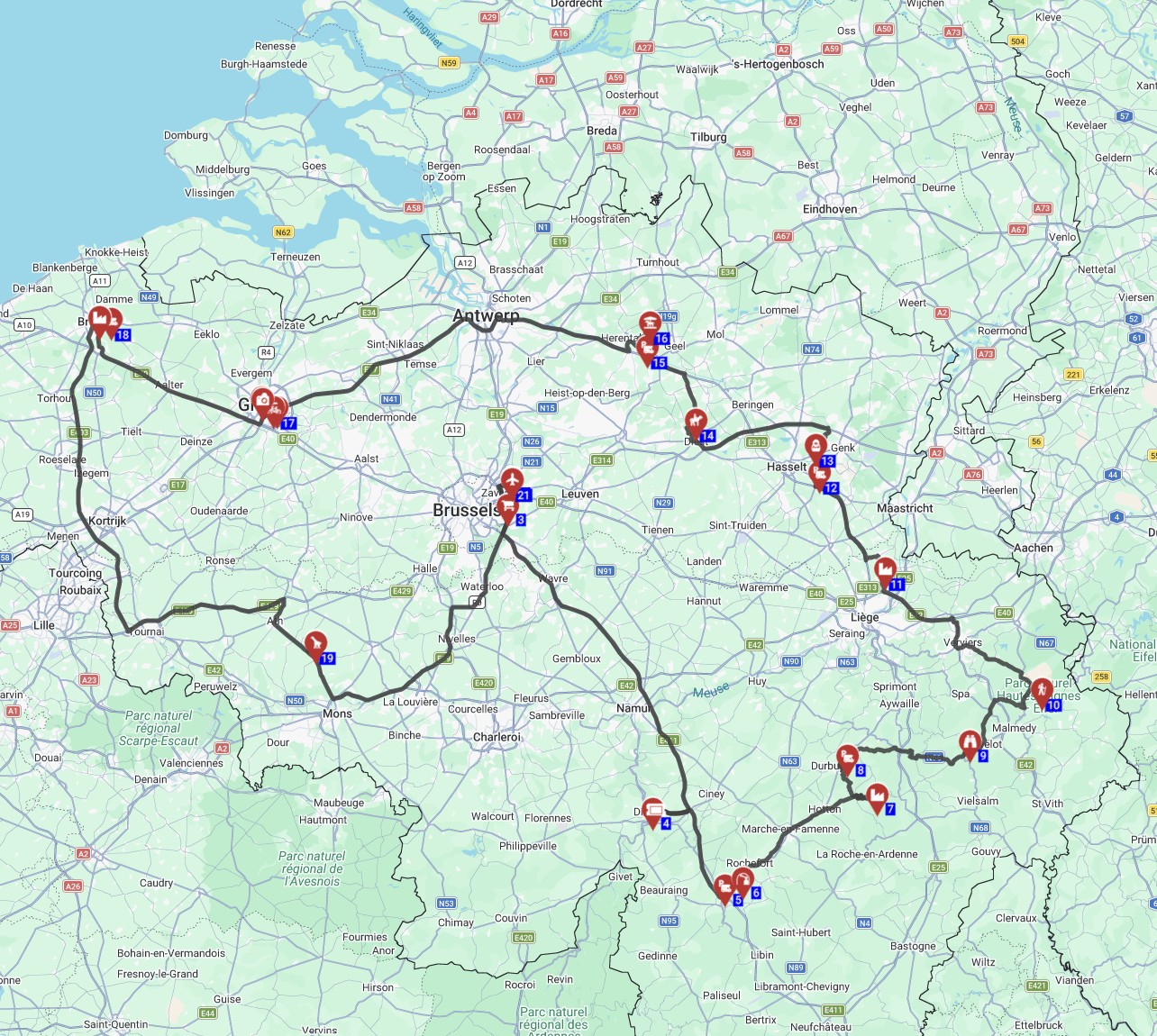
The best route for a rented RV in Belgium often combines the cultural richness of Flanders with the natural beauty of the Ardennes, allowing for a diverse travel experience. A popular week-long itinerary might start with exploring the historic cities of Bruges and Ghent, then heading east to discover the quaint towns and forested landscapes of the Ardennes, potentially looping back via a different path or continuing to a neighboring country. Pre-planned RV itineraries by professionals can help travelers maximize their time and uncover hidden gems, including ideal parking spots for local festivals. For finding campsites and campgrounds during your trip, we recommend using RV PLANET (rvplan.net) - a great resource for locating available spots along your route. You can explore professionally curated routes like the "Dusseldorf Roundtrip - Germany / Netherlands / Belgium", an 8-day adventure covering 1076.2 km which includes 1 amusement park, 1 aquarium, and 3 local industry visits. Another fantastic option is the "Frankfurt Roundtrip - North West -Exploring Germany, Belgium, and the Netherlands," a 22-day itinerary spanning 2254.5 km. This route plan features a rich selection of activities, including 2 amusement parks, 3 animal shows, 1 aquarium, 1 beach, 1 bike rental, 1 cave, 2 cruise terminal/sailing experiences, 4 family activities, 6 local industry visits, and 2 museums, ensuring there's something for everyone in your family or group of friends.Are RVs allowed in Bruges?
RVs are generally allowed in and around Bruges, but direct access to the historic city center is significantly restricted, particularly for larger motorhomes. Visitors should utilize designated RV parking facilities situated outside the immediate city center, which are typically well-connected by public transport to the main attractions. These designated spots, or 'camperplaatsen,' offer specific strategies for RV parking, often including 'park and ride' options that minimize congestion and environmental impact within the medieval core. This allows you to explore the canals and cobblestone streets of Bruges without the stress of navigating a large vehicle through its narrow lanes. Drive slowly and carefully, and you can drive almost anywhere without issues. No need to stress - just use common sense and pay attention.Where can I find free RV parking in Bruges?
Truly free RV parking directly within Bruges is extremely limited and generally discouraged; official designated parking areas usually come with a fee. Your best option for affordable or 'free-ish' parking involves official camper spots or 'camperplaatsen' on the outskirts of the city, which might have minimal charges or are integrated with public transport options. For example, Parking Kanaaleiland (Bargeweg) is a popular and relatively inexpensive official site. Always check local council websites or specific RV park apps for the most current information on designated parking areas and any associated costs before you arrive. Planning your parking ahead for your one way rv rental in Belgium will save you time and hassle.Is it easy to park an RV in Ghent?
Parking a rented RV in Ghent's city center can be challenging due to its Low Emission Zone (LEZ) and numerous narrow, historic streets. For ease of access and to avoid restrictions, it is highly recommended to use designated RV parking areas located on the periphery of the city. These outlying parking solutions, such as Gent-Blaarmeersen or other official 'camperplaatsen,' often integrate well with Ghent's efficient public transport network (trams and buses), allowing easy and convenient access to the city's main sights without driving your motorhome directly into the bustling core. Drive slowly and carefully, and you can drive almost anywhere without issues. No need to stress - just use common sense and pay attention.Is it worth buying an RV in Belgium?
Buying an RV in Belgium represents a substantial long-term investment, involving considerations like depreciation, ongoing maintenance, and storage costs. For those planning a one-way trip, a week-long adventure, or short-term travel in Belgium and surrounding countries, renting an RV offers far greater flexibility and eliminates the financial commitment and responsibilities of ownership. A one-way RV rental allows travelers to explore different regions without the need for a return journey, making it a highly practical and cost-effective solution for specific travel plans and a wonderful way to experience the country without the long-term ties of buying. Bandana Caravan focuses exclusively on RV rentals, ensuring you get the best options for your vacation.Top Cities for RV Rental in Belgium
Belgium may be small, but it's packed with incredible destinations perfect for a motorhome or campervan adventure. Here are some of the top cities for RV rental in Belgium, each offering unique charm and excellent starting points or stops for your itinerary:- Brussels: As the capital, Brussels is a hub of grand architecture, European institutions, and vibrant culture. While driving directly into the historic center is challenging due to LEZs, numerous park-and-ride options make it easy to access.
- Bruges: This enchanting medieval city, often called the "Venice of the North," is a must-see. RV parking is available on the outskirts, with quick public transport links to the iconic canals and Markt square.
- Ghent: A lively university city with a beautiful historic center, Ghent also has LEZ restrictions, so plan to park your rented RV or campervan on the periphery and use its excellent tram system for exploration.
- Antwerp: Known for its diamond district, fashion, and impressive port, Antwerp is a dynamic city. Like Brussels and Ghent, it operates an LEZ, so parking strategies involve designated zones outside the immediate center.
- Liège: Located in Wallonia, Liège offers a different flavor of Belgium with its Meuse river setting, historical sites like the Montagne de Bueren, and vibrant markets.
- Durbuy: Often referred to as the "smallest city in the world," Durbuy is a charming medieval town in the heart of the Ardennes, ideal for nature lovers and outdoor activities. It's a great base for exploring the region by rented motorhome.
- Dinant: Perched dramatically on the Meuse River with its citadel overlooking the town, Dinant is another picturesque stop in the Walloon region, offering stunning scenic views.
- Ostend: For a coastal experience, Ostend is Belgium's largest seaside resort, offering wide sandy beaches, a vibrant promenade, and easy access to ferry connections.
Practical Information for Belgium RV Travel
To ensure a smooth one-way RV rental experience in Belgium, here are some key practical details:- Road Rules: Belgians drive on the right side of the road. Seatbelts are mandatory for all passengers. Speed limits are generally 120 km/h on motorways, 90 km/h on regional roads, and 50 km/h in urban areas.
- Emergency Numbers: In case of an emergency, dial 112 for police, ambulance, or fire services. This number works across all EU countries.
- SIM Card/Connectivity: Staying connected is easy. You can purchase a local SIM card from providers like Proximus, Orange, or Base upon arrival, or opt for an eSIM service for convenient data access across Europe. Many campsites and public areas offer Wi-Fi, but having mobile data is always a good backup for navigation and research.
- Driving in Cities: Drive slowly and carefully, and you can drive almost anywhere without issues. No need to stress - just use common sense and pay attention to local signs, especially for Low Emission Zones and height restrictions.
- Parking: Always look for designated RV parking ('camperplaatsen') or official campsites. Wild camping is generally not permitted.
🎬 Video coming soon
What You Shouldn't Miss
- Explore the Canals of Bruges by Boat: A classic experience, a boat tour of Bruges' canals offers a unique perspective on its stunning medieval architecture. Find a designated RV parking spot on the city's edge and enjoy the walk into this fairytale city.
- Taste Authentic Belgian Fries in Brussels: Head to a 'frietkot' or 'friterie' in Brussels for a cone of crispy Belgian fries, typically served with one of many delicious sauces. It's a national treasure and a perfect quick meal during your motorhome travels.
- Hike or Bike in the Ardennes: Immerse yourself in nature with a scenic drive and a hike or bike ride through the dense forests and rolling hills of the Ardennes region. Many RV-friendly campsites are nestled here, offering direct access to trails.
- Visit a Belgian Brewery: From Trappist monasteries to microbreweries, Belgium is famous for its beer. Take a tour and enjoy a tasting. Remember to always have a designated driver for your rented camper.
- Discover Ghent's Gravensteen Castle: This impressive medieval moated castle in the heart of Ghent is a historical gem. Park your RV at one of the city's park-and-ride facilities and take public transport to this captivating site.
- Enjoy a Waffle by the Sea in Ostend: Experience the Belgian coast in Ostend, where you can stroll along the promenade and indulge in a fresh Belgian waffle while enjoying the sea breeze.
Looking for expert insights from Avi Bandana? Top 5 Adventures - recommendations from Avi Bandana
Final Thoughts
A one-way RV rental in Belgium truly unlocks a unique and memorable travel experience. From the bustling medieval cities of Flanders to the tranquil, forested hills of the Ardennes, having your own mobile home allows you to explore at your own pace, savoring every moment and every local flavor. We encourage you to travel slowly, perhaps 100-150 km per day on average, allowing yourself the time to truly feel the place, connect to the local culture and cuisine, and soak in the diverse scenery. With Bandana Caravan, you're choosing a partner dedicated to making your RV rental journey as smooth and enjoyable as possible. We offer full transparency, 24/7 pre-booking support, and the peace of mind that comes from dealing with true RV specialists. So, start dreaming of your Belgian adventure, whether it's a week-long immersion in historical towns or an extended exploration into neighboring European countries. Ready to hit the road? Discover top destinations, planning tips, all in one place! Plan a trip itinerary in advance with minimal effort and maximum enjoyment.On the routes offered through RV PLANET routes, you can itemize and track every expense along the way for easy budgeting.