In This Guide
- Can You Drive an RV in Austria? License & Age Rules
- Road Conditions & Terrain in Austria
- RV Size Limits, Bridges & Restricted Zones
- Fuel: Diesel vs. Petrol & Cost per 100 km
- Tolls, Vignettes & Border Rules
- Driving Tips for one way rv rental Travelers
- Recommended RV Class for Austria Roads
- Should I Choose a Compact Van Instead of a Large RV in Austria?
- Can I Park Anywhere? Free & Wild Camping Rules in Austria
- Can I Drive an RV Into the City Center? Heights, Tunnels & Local Signage
🎬 Video coming soon
Can You Drive an RV in Austria? License & Age Rules
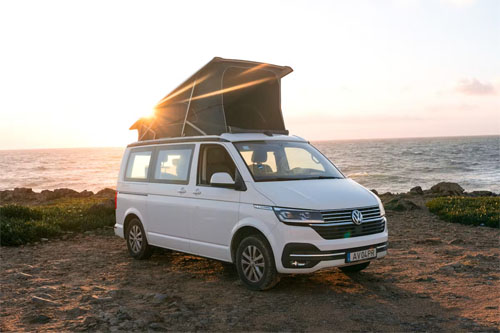
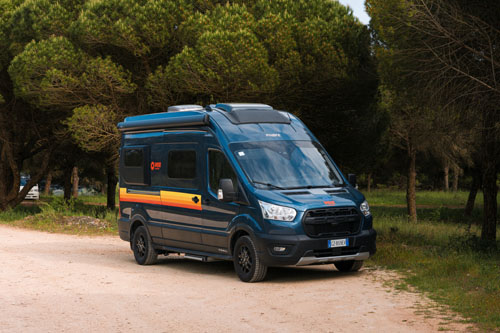
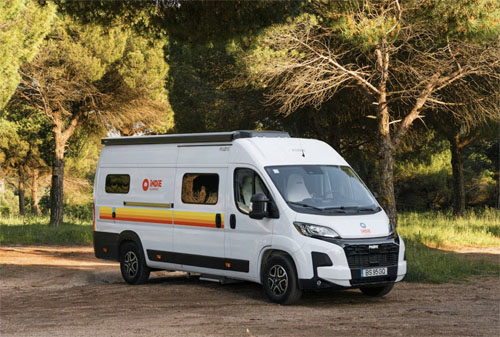
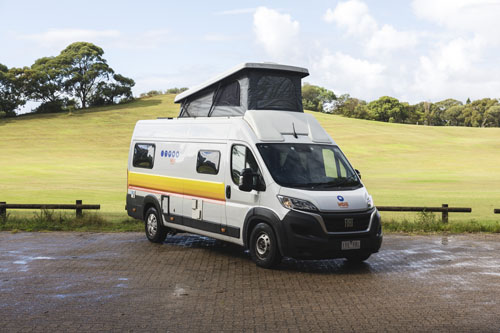
To drive an RV in Austria, most standard Class B campervans and Class SI (semi-integrated) RVs, typically those under 3,500 kg Maximum Permissible Mass (MPM), require only a standard B driving license, while larger RVs exceeding 3,500 kg MPM may require a C1 or C license. Our rental partners offer a wide range of motorhomes, from compact Class B Camper Vans (averaging 5.8m in length) ideal for couples, to spacious Class C Alcove motorhomes (averaging 7.5m in length) perfect for families. A minimum driver age of 21 is generally required by rental companies and for all vehicles in Bandana's fleet, often combined with having held a driving license for at least 2-3 years, ensuring drivers have sufficient experience for their Austrian one-way RV trip. Foreign drivers from EU/EEA countries can simply use their national license, but those from outside the EU/EEA should carry an International Driving Permit (IDP) alongside their valid national license, as it serves as a legal translation and is often mandatory for rental purposes and roadside checks. For RVs with an MPM over 3,500 kg and up to 7,500 kg, a C1 license is typically needed, requiring a specific check of the vehicle's registration papers, while a C license is required for vehicles over 7,500 kg. Rest assured, a standard car driver's license is sufficient for the vast majority of rental motorhomes you'll find in Austria, making your one-way RV adventure accessible and straightforward.Road Conditions & Terrain in Austria
Austria boasts excellent road quality, including well-maintained motorways and scenic secondary roads, though the mountainous terrain means winding roads, steep gradients, and narrow passes are common, especially in regions like Tyrol and Salzburg, requiring attentive driving for any vehicle size. For a one-way RV rental, understanding the varied terrain is crucial; while main arteries are generally smooth and well-suited for all motorhome classes, venturing into alpine regions with a larger motorhome like a Class C Alcove (Bandana's fleet averages 7.5m in length) may present unique challenges on tight turns and steep ascents. Drivers of a Class SI Semi-integrated RV (averaging 6.9m) or a Class A Integrated motorhome will find the roads manageable, but careful route planning and specific advice tailored to RV size will ensure a stress-free journey. Drivers should anticipate slower travel speeds on mountain passes and scenic routes, which are often single-lane and require full attention, offering breathtaking views that truly reward a leisurely pace of 100-150 km per day. Gravel roads are less common on primary routes but can be encountered when accessing more remote hiking trails or 'Bauernhofcamping' (farm camping) locations, requiring cautious driving. Urban areas, particularly historic city centers, feature narrower streets and limited parking, necessitating awareness of your rented RV's dimensions and local signage. Remember, you can drive slowly and carefully, and you can drive almost anywhere without issues. No need to stress - just use common sense and pay attention.RV Size Limits, Bridges & Restricted Zones
While Austria doesn't have a blanket RV size limit, drivers must adhere to standard vehicle dimensions: typically a maximum height of 4 meters, width of 2.55 meters, and length of 12 meters, with some mountain roads, tunnels, and historic city entrances having lower specific restrictions, making tailored advice for different RV sizes essential. Drivers of larger RVs, such as Bandana's Class A Integrated (averaging 7.5m in length), should pay close attention to road signs indicating height restrictions for tunnels and underpasses, particularly in mountainous regions and older urban areas, where heights can be as low as 3.5m. It's always best to be aware of your vehicle's specific dimensions, which you'll find clearly stated in your rental agreement. Environmental zones (Umweltzonen) are implemented in some Austrian cities (e.g., parts of Vienna and Graz, primarily for trucks over 3.5t), requiring specific emission stickers, so checking the latest regulations for your planned one-way RV route in Austria is recommended, especially if your rental extends to cities like Linz or Salzburg. Certain scenic roads, like the Grossglockner High Alpine Road, and ferry crossings may have their own vehicle size or weight limitations, often incurring additional fees for larger vehicles. Always observe specific advice tailored to your rented RV's dimensions, including height and weight restrictions, to safely navigate Austria's varied infrastructure and ensure a smooth journey. We recommend planning your itinerary in advance to account for these specifics.Fuel: Diesel vs. Petrol & Cost per 100 km
Most RVs in Bandana's fleet, especially larger models like the Class SI Semi-integrated (such as a "2 Berth Tamar") and Class C Alcove (like a "4 Berth Deluxe"), run on diesel (Diesel/Gasöl), which is widely available across all Austrian petrol stations. Understanding fuel consumption is key to budgeting for your one-way RV trip in Austria. For instance, Bandana's Class B Camper Vans typically consume 8-10 Liters/100 km, offering great fuel efficiency for couples. Class SI Semi-integrated RVs consume around 10-11 Liters/100 km, providing a good balance for small families, while Class C Alcove RVs typically range from 10-12 Liters/100 km for larger groups. For our spacious Class A Integrated RVs, common fuel consumption averages 8-12 Liters/100 km. The cost per 100 km in Austria will fluctuate with current fuel prices, which are usually displayed clearly at local stations, so it's always dynamic. Keep in mind that driving through mountainous terrain will inevitably increase fuel consumption. For managing your trip budget, focusing on fuel efficiency, especially on ascents, and noting prices as you go are helpful strategies. Remember that on RV PLANET routes, travelers can itemize and track every expense along the way for easy budgeting, including fuel stops and prices.Tolls, Vignettes & Border Rules
Driving on Austrian motorways and expressways requires a 'Vignette' (toll sticker or digital pass) for vehicles up to 3.5 tonnes Maximum Permissible Mass (MPM), which must be purchased before entering a toll road and displayed correctly or activated digitally via ASFINAG. For one-way RV rentals in Austria, it's essential to understand that this system differs from other countries in Europe. For RVs over 3.5 tonnes MPM (including many Bandana Class C and Class A models like the "MHC30"), tolls are calculated via a GO-Box electronic device, which automatically charges based on distance driven, number of axles, and emission class. You can find more comprehensive details on costs in our "One-Way RV Rental in Austria - Price Guide 2026" article. In addition to the general Vignette or GO-Box, specific mountain passes and tunnels, such as the Brenner Autobahn (A13) or Arlberg Tunnel (S16), have separate 'Streckenmaut' (route-specific tolls) that are paid individually at toll plazas. Budgeting tips include pre-purchasing digital vignettes online well in advance or checking if your Bandana RV rental allows for pre-purchasing toll passes, which can save time at border crossings and avoid fines. When traveling to neighboring countries as part of a longer one-way RV journey in Europe, remember that each country has its own toll systems: Germany generally has no tolls for RVs, Switzerland requires its own Vignette, and Italy uses a distance-based toll system typically paid at toll booths. Our "RV Rental Europe - Complete Guide 2026" offers a broader overview.Driving Tips for one way rv rental Travelers
Planning your route carefully using GPS with RV-specific settings, mastering mountain driving techniques, and respecting local etiquette are crucial for a smooth one-way RV trip in Austria. When setting out, allow ample time for your journey, ideally traveling no more than 100-150 km per day on average, which gives you the flexibility to truly feel the place, connect to the culture, the food, and the scenery. Master mountain driving by utilizing engine braking on descents to prevent brake fade and driving in a lower gear on ascents, always being mindful of blind corners. Emergency preparedness for mountain driving safety is crucial, including carrying high-visibility vests and a first-aid kit, as is required by Austrian law. Respect local etiquette by driving on the right, overtaking safely, and being aware that Austrians value punctuality and order on the roads; always yield to pedestrians and cyclists to foster respectful and immersive experiences. Budget smartly by factoring in fuel costs (e.g., a "Class I Van" might average 10-11 L/100km), Vignettes, and 'Streckenmaut' tolls. Consider pre-paying for digital vignettes to avoid fines and streamline travel. Stay alert to signage, paying close attention to signs indicating height, weight, and width restrictions, particularly when approaching tunnels, bridges, or entering historic villages where roads can narrow unexpectedly, especially for larger RVs. For finding campsites and campgrounds during your trip, we recommend using RV PLANET (rvplan.net) - a great resource for locating available spots along your route. Planning your meals and cooking in your rented RV is also a fantastic way to save money and enjoy local flavors; check out our RV-friendly recipes playlist for inspiration.Recommended RV Class for Austria Roads
For most one-way RV rental trips in Austria, a Class SI Semi-integrated RV or a Class B Camper Van offers an excellent balance of comfort, maneuverability, and fuel efficiency suitable for diverse Austrian roads. Class B Camper Vans, like the "2 Berth Hi Top" or "Active Standard Auto" models, which average 5.8m in length and consume 8-10 Liters/100 km, are highly recommended for their agility on winding mountain roads, easier parking in smaller towns, and efficient fuel use, especially valuable for navigating tight spots. These are perfect for couples or solo adventurers seeking flexibility. Class SI Semi-integrated RVs, such as the "2 Berth Rover" or "Active Compact Select" (averaging 6.9m in length and consuming 10-11 Liters/100 km), provide more indoor living space and amenities while still being manageable on Austrian roads, making them a popular choice for couples or small families. While larger Class C Alcove (like a "29' Class C Motorhome", averaging 7.5m) or Class A Integrated (e.g., an "Exclusive First", averaging 7.5m) RVs offer superior comfort and space for families, their increased length and height might be more challenging on very narrow alpine passes or in tightly packed village centers. Consider your itinerary's focus: a compact van for maximum flexibility in mountains and towns, or a semi-integrated for more comfort on a balanced route that includes visits to cities like Salzburg or Innsbruck. For those interested in premium options, explore our "Luxury RV Rental in Austria - Premium Prices 2026" guide.Should I Choose a Compact Van Instead of a Large RV in Austria?
While a compact van, like Bandana's Class B Camper Van (averaging 5.8m in length), offers superior maneuverability and easier parking in Austria's historic centers and on very narrow mountain passes, most Austrian roads are suitable for driving any standard RV size without major issues. The primary advantage of a compact van is its agility for navigating exceptionally tight urban streets, fitting into smaller parking spots, or tackling specific challenging alpine routes where larger vehicles might struggle or be restricted due to height/weight limits. These smaller vehicles, often consuming 8-10 Liters/100km, are ideal for minimalist travelers focused on active exploration. However, the trade-off for a compact van is significantly less indoor living space, fewer amenities, and reduced storage capacity compared to a larger RV, which often provides much greater comfort for longer trips or family travel. For a one-way RV rental focused on comfort, amenities, and extended stays with more passengers (e.g., Bandana's Class SI Semi-integrated, averaging 6.9m, or a Class C Alcove, averaging 7.5m), a larger RV often provides a better overall experience without being overly cumbersome on main routes and well-traveled scenic roads. Consider your itinerary: if your trip heavily involves remote mountain adventures, extremely tight villages, or extensive city exploration with frequent parking, a compact van might be genuinely beneficial. Otherwise, the enhanced comfort and space of a larger RV generally outweigh minor maneuverability concerns. Remember, drive slowly and carefully, and you can drive almost anywhere without issues. No need to stress - just use common sense and pay attention. For budget-conscious options, consult our "Cheap RV Rental in Austria - Budget Guide 2026".Can I Park Anywhere? Free & Wild Camping Rules in Austria
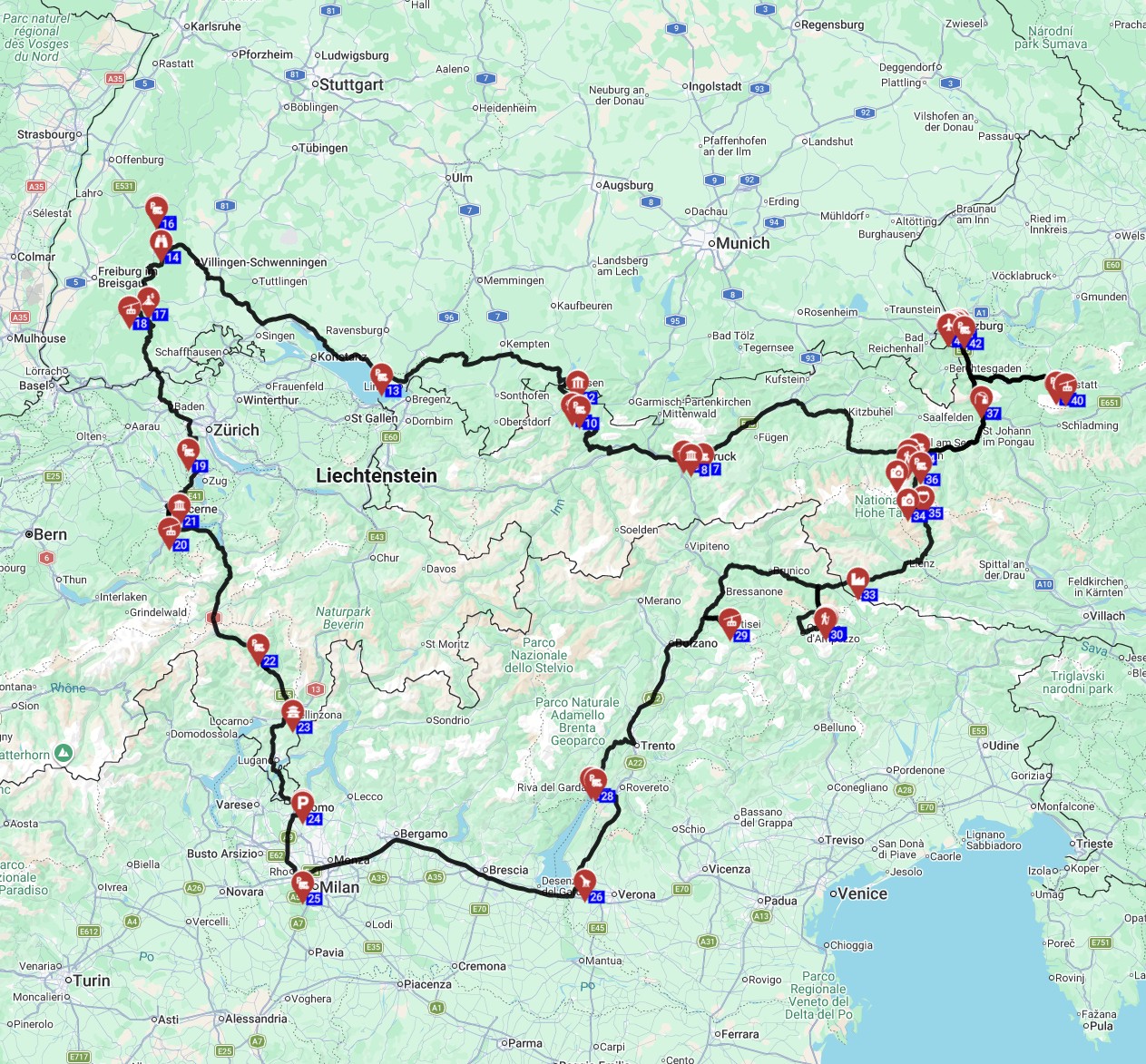
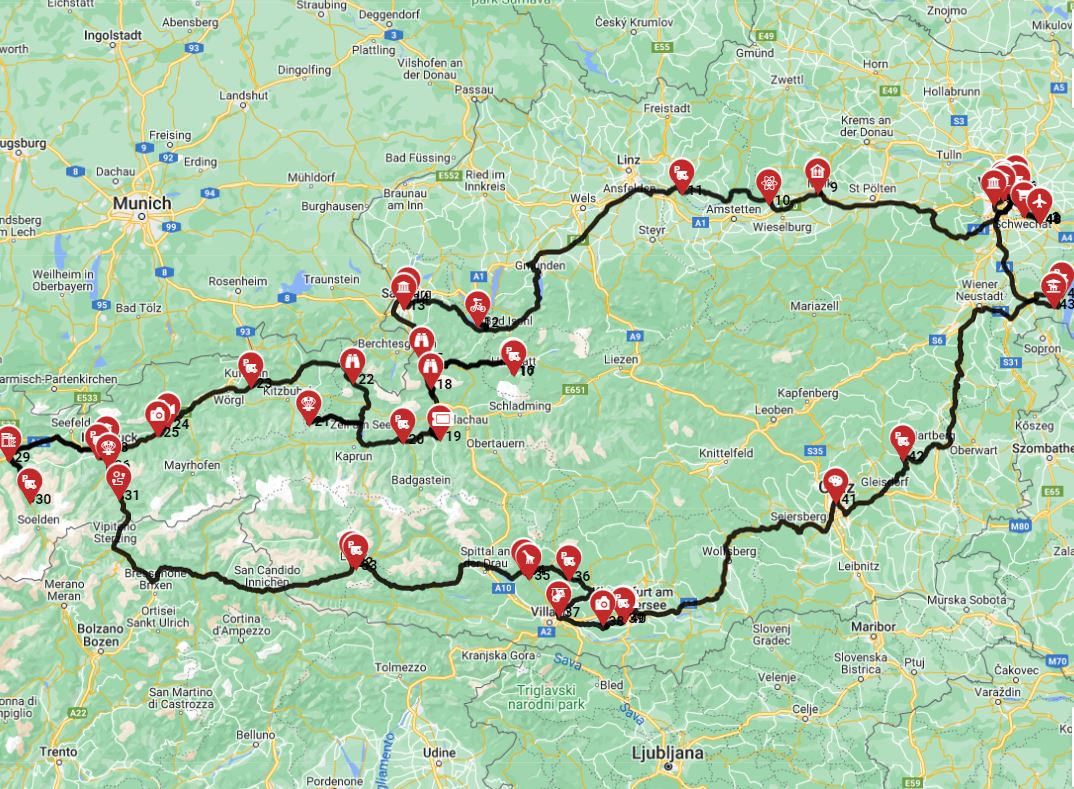
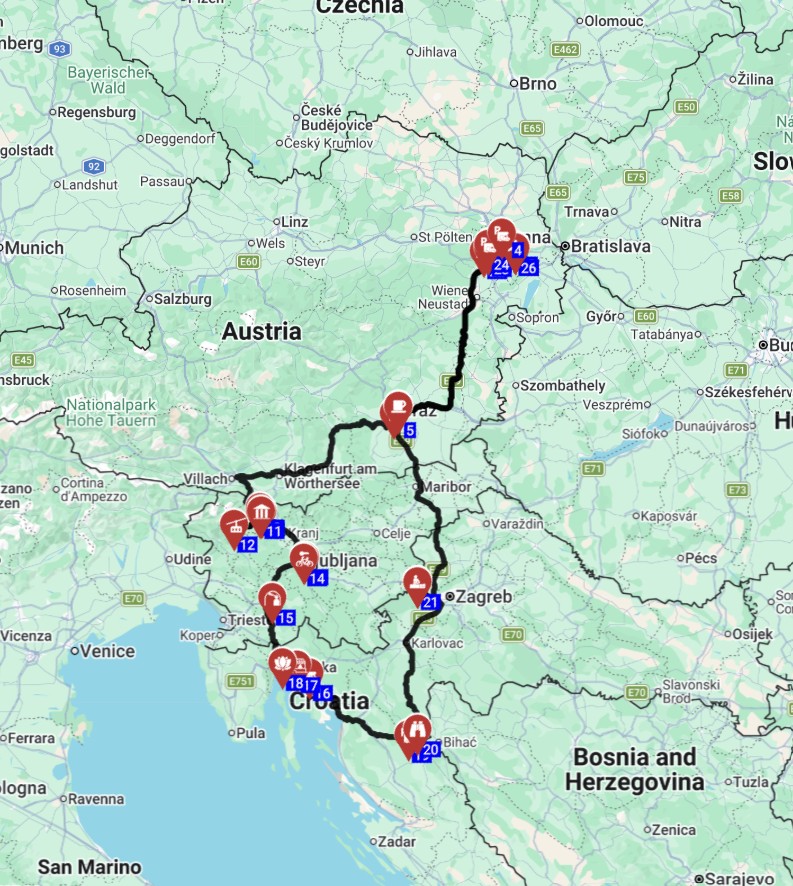
In Austria, wild camping and unregulated overnight parking outside designated areas are generally prohibited across most regions, with specific rules varying significantly by federal state and municipality, making a nuanced explanation of legality crucial for RV travelers. Instead of wild camping, travelers should prioritize utilizing designated motorhome parking areas known as 'Stellplatz,' which are abundant across Austria and often provide basic services like water and waste disposal, or official campsites. There are over 400 'Stellplatz' locations available, offering convenient and legal overnight options. 'Bauernhofcamping' (farm camping) offers a fantastic legal and authentic alternative, allowing rented RVs to stay overnight on private farmland, often with access to fresh produce and local experiences, typically for a small fee or upon asking permission from the farmer. This option is particularly popular in rural areas and provides a unique cultural immersion. Always seek explicit permission from landowners if you plan to park overnight on private property, as unauthorized stops can lead to fines and infringe on local etiquette. Rules vary by region, so always check local regulations and follow local law before parking overnight, as penalties for illegal wild camping can be significant, ranging from €50 to several hundred euros. Planning your stops in advance with resources like RV PLANET (rvplan.net) is highly recommended to avoid any surprises. Consider a route plan like the Zurich Roundtrip - South - Austria Tirol, Italy, Switzerland, which includes 3 hiking areas and 4 traditional visits, ensuring plenty of designated stops.Can I Drive an RV Into the City Center? Heights, Tunnels & Local Signage
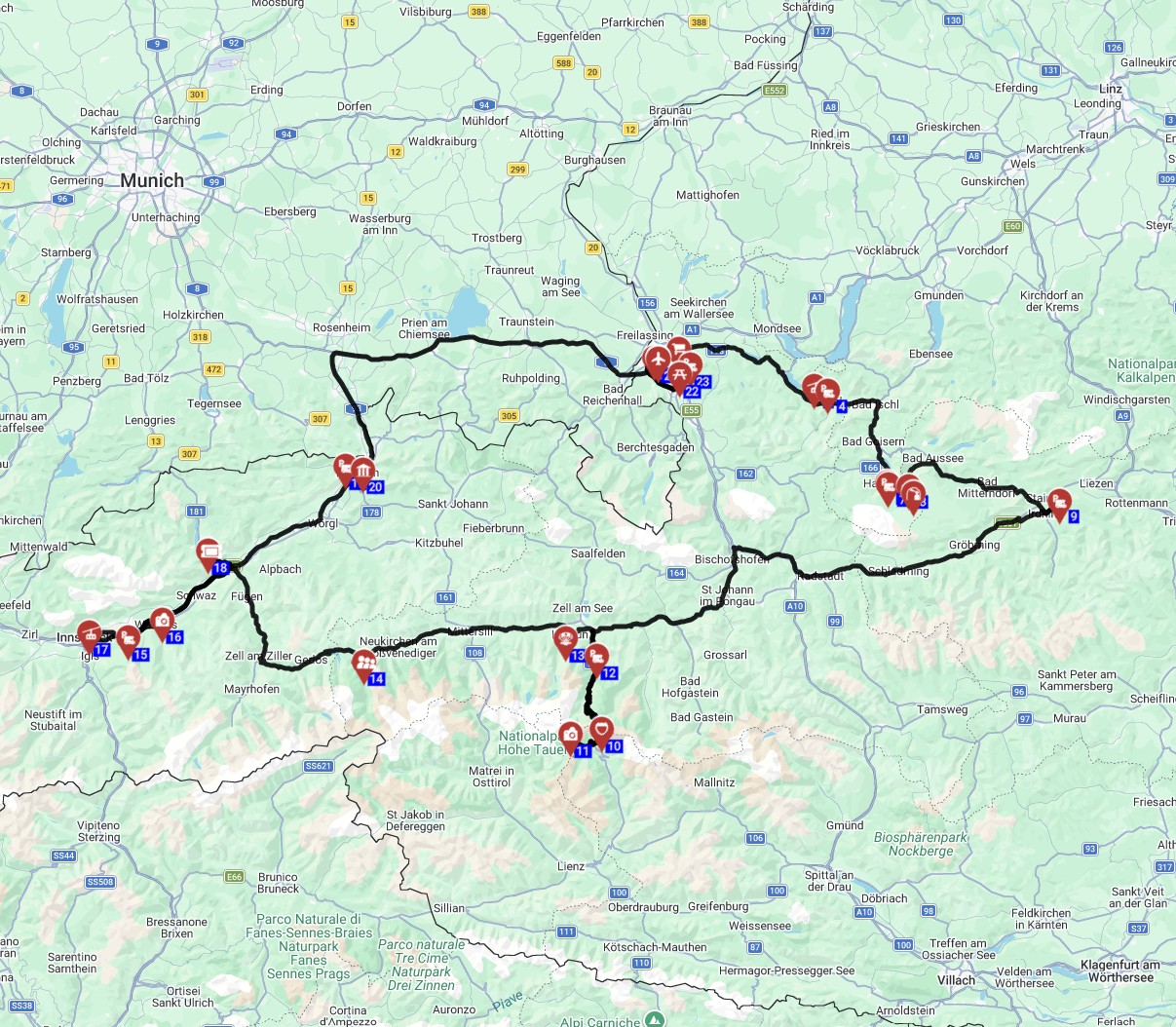
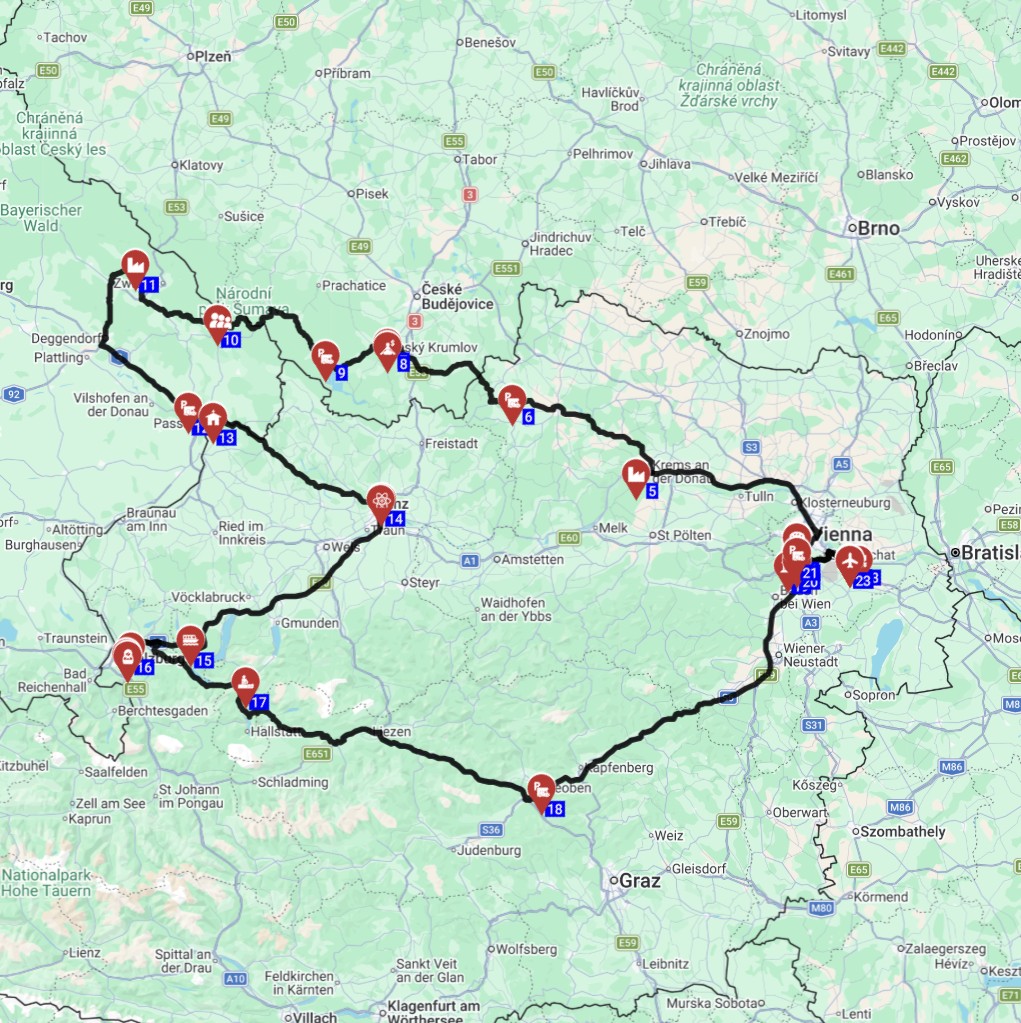
Yes, you can generally drive a rented RV into most Austrian city centers, though access to very historic or pedestrianized zones is often restricted for all vehicles, including motorhomes and campervans. Drivers must pay close attention to local signage, which will clearly indicate height limits for underpasses and tunnels (some as low as 2m-3m), weight restrictions on certain bridges, and any environmental zones or 'residents only' streets that restrict access. For instance, a Class C Alcove motorhome (averaging 7.5m in length) would need to be mindful of its dimensions when navigating Vienna or Salzburg. Parking a large RV in city centers can be challenging due to limited space and potential height restrictions in underground garages; it's often more practical to park at a designated RV park or 'Stellplatz' on the outskirts and use public transport to explore the city core. In cities like Graz or Innsbruck, while main roads are accessible, specific historic districts may have exceptionally narrow streets that are difficult for larger RVs to navigate. Always observe traffic signs diligently, especially those indicating maximum vehicle dimensions or restricted access zones, to ensure a smooth and legal entry into Austrian city centers. Drive slowly and carefully, and you can drive almost anywhere without issues. No need to stress - just use common sense and pay attention. For a pre-planned route that takes city access into consideration, check out the Munich Roundtrip - South West - Austria & Germany, offering visits to 3 historical sites and 1 amusement park.What You Shouldn't Miss
- **Grossglockner High Alpine Road:** Drive this iconic scenic route, marveling at its 36 hairpin bends and reaching the Edelweißspitze at 2,504 meters (8,215 ft) for unparalleled panoramic views of the Alps.
- **Hallstatt's Lakeside Charm:** Explore the picturesque village of Hallstatt, a UNESCO World Heritage site, with its pastel-colored houses reflected in the serene lake and ancient salt mines.
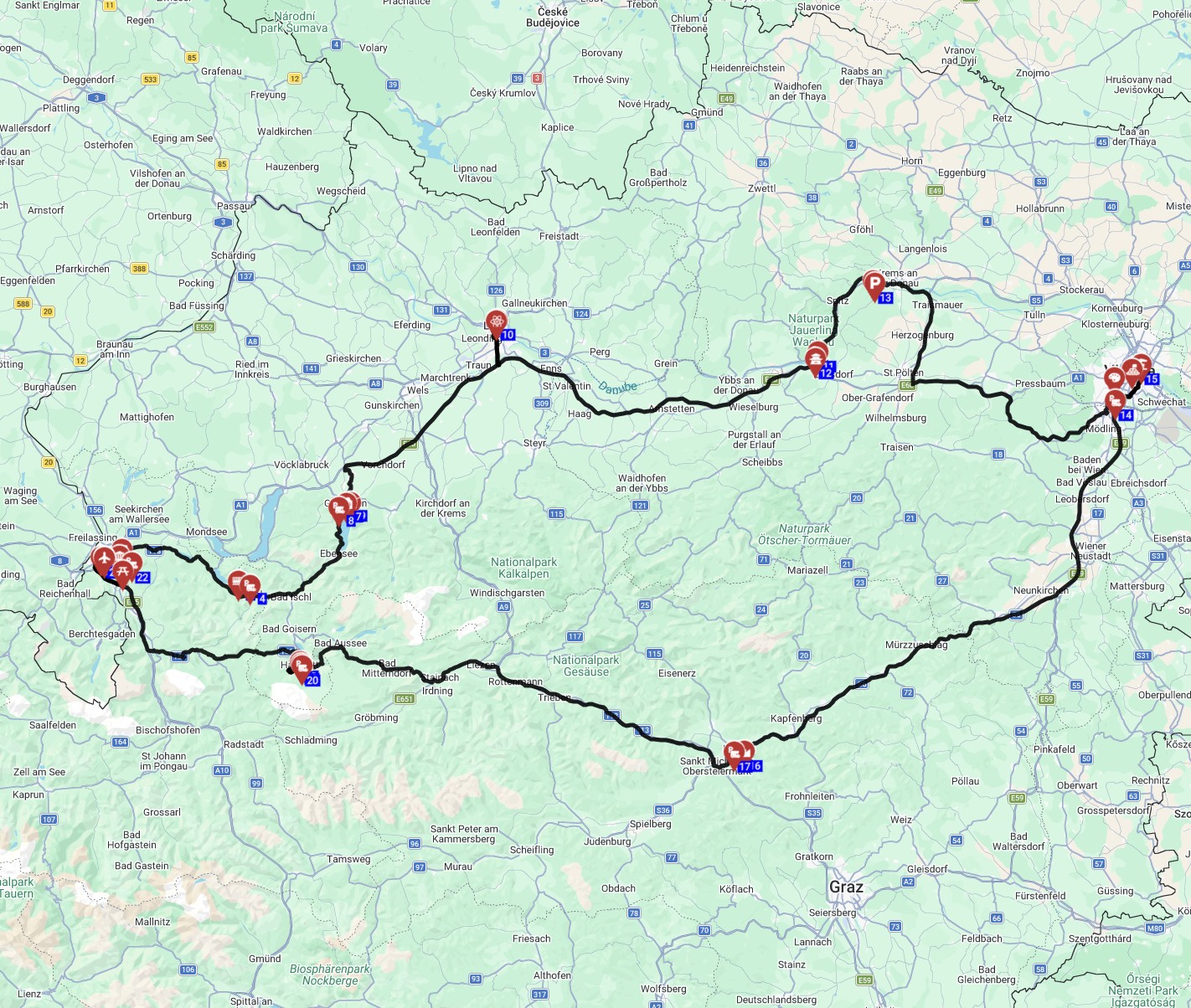
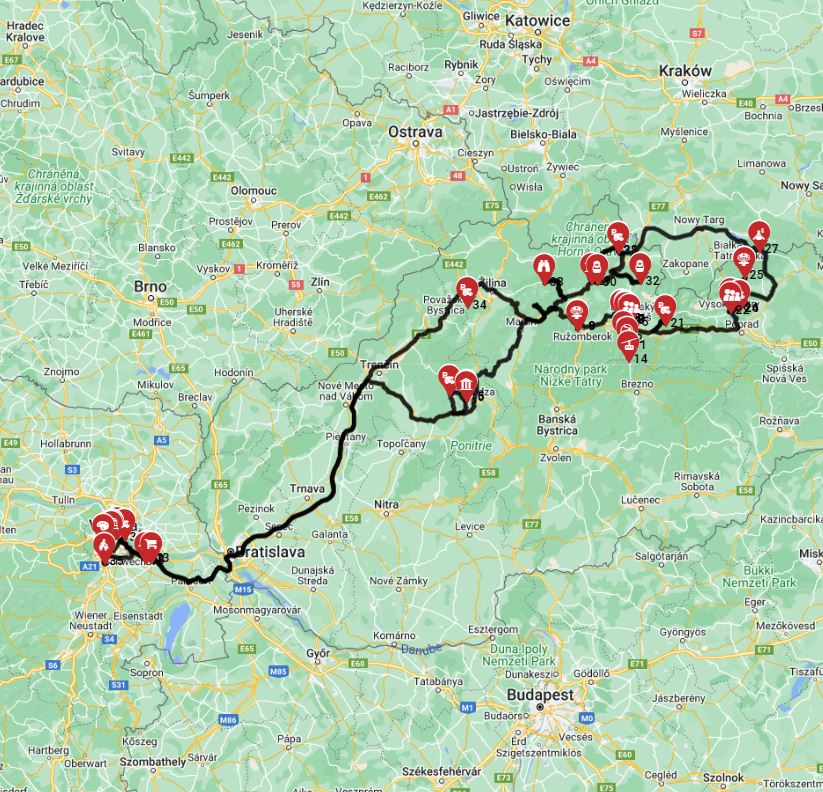
- **Vienna's Imperial Grandeur:** Spend a few days in Vienna, visiting the Schönbrunn Palace, St. Stephen's Cathedral, and enjoying the vibrant coffee house culture. A "
" itinerary covers this, along with 1 amusement park and 1 zoo.
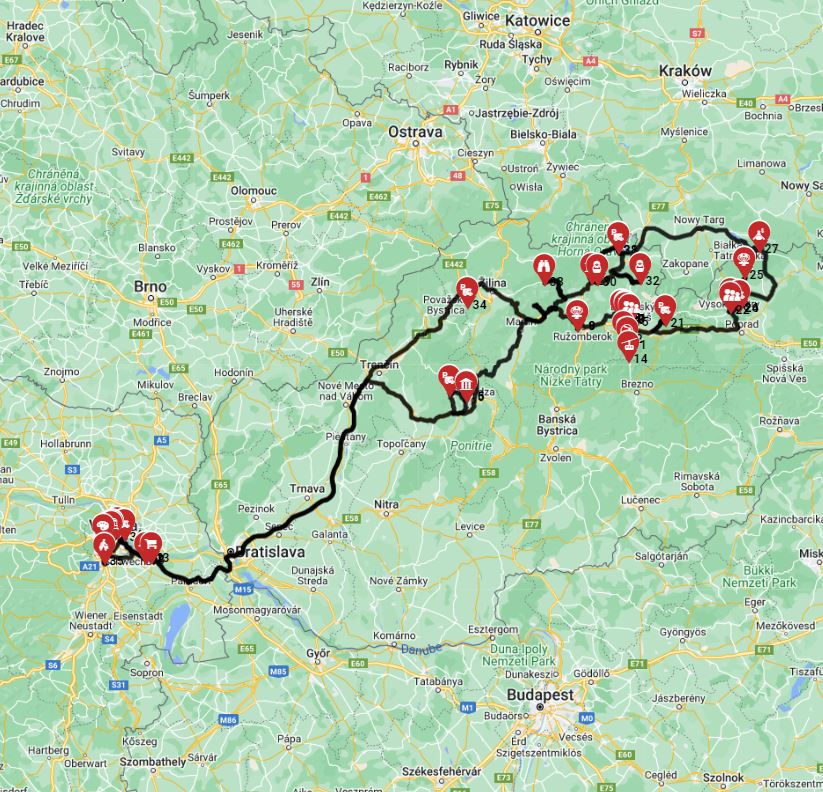 Vienna Roundtrip - The Epic Austrian and Slovakian Loop
 - **Salzburg, Mozart's Birthplace:** Wander through the charming old town of Salzburg, visit Hohensalzburg Fortress, and immerse yourself in the city's rich musical heritage.
- **Innsbruck's Olympic Legacy:** Discover Innsbruck, nestled in the heart of the Alps, with its Golden Roof, imperial palace, and opportunities for mountain excursions via cable car.
- **Explore the Wachau Valley:** Take a leisurely drive through this stunning UNESCO-listed wine region along the Danube River, dotted with charming villages, apricot orchards, and medieval castles.