In This Guide
- Can You Drive an RV in Africa? License & Age Rules
- Road Conditions & Terrain in Africa
- RV Size Limits, Bridges & Restricted Zones
- Fuel: Diesel vs. Petrol & Cost per 100 km
- Tolls, Vignettes & Border Rules
- Driving Tips for one way rv rental Travelers
- Recommended RV Class for Africa Roads
- Should I Choose a Compact Van Instead of a Large RV in Africa?
- Can I Park Anywhere? Free & Wild Camping Rules in Africa
- Can I Drive an RV Into the City Center? Heights, Tunnels & Local Signage
- What is the 3-3-3 rule for RV?
- Can I drive in Africa with a US license?
- At what age must you stop driving in South Africa?
- How big of an RV can I drive with a regular license?
- Which countries are RV friendly?
- Can you drive an RV across the border?
- How long does it take to drive RV across country?
- Can you drive an RV in Europe?
- What is the 333 rule for campervan?
- What is the largest RV you can drive without a special license?
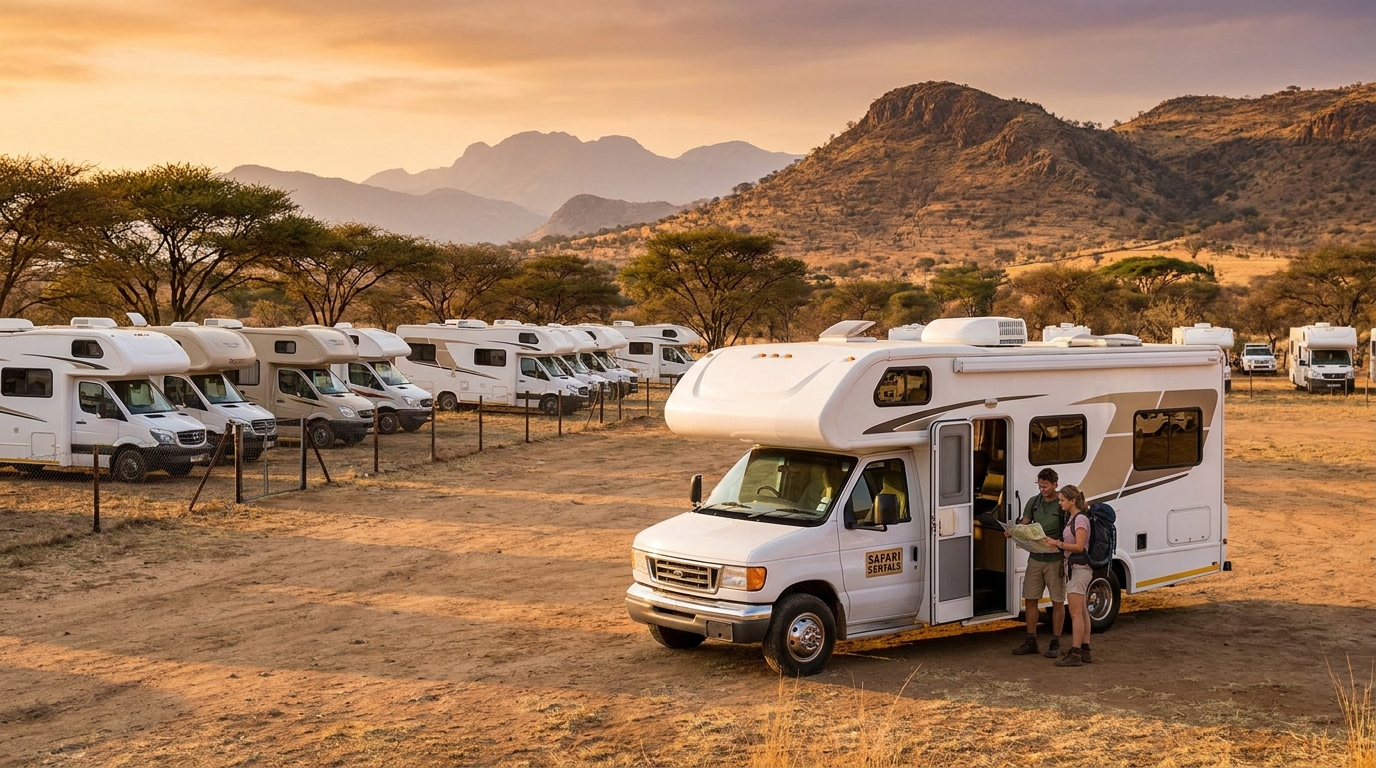
Africa offers an unparalleled adventure for those seeking to explore its vast and diverse landscapes with the freedom of a rented motorhome or campervan. Imagine waking up to the sounds of the bush, sipping coffee with a panoramic view of a distant mountain range, or navigating ancient routes that connect vibrant cultures. A one-way RV rental in Africa truly lets you craft an epic journey across this magnificent continent. For live availability and current prices, start with our RV Rental Africa - Complete Guide 2026 guide. It's an experience unlike any other, promising unforgettable memories as you traverse from one breathtaking destination to the next.
Can You Drive an RV in Africa? License & Age Rules
Yes, most foreign drivers can legally operate a rented RV in Africa with a valid national driver's license, typically accompanied by an International Driving Permit (IDP). For visitors from non-English speaking countries, an IDP is highly recommended to ensure your license is understood by local authorities across different African nations. The minimum driving age for an RV rental in Africa is generally 21 years old, with Bandana Caravan having no young driver surcharges or vehicle class restrictions based on age. It's always wise to confirm specific requirements with your rental supplier, but a standard car driver's license is sufficient for all motorhome classes (Class A, Class B, Class C) up to 3,500 kg Gross Vehicle Weight Rating (GVWR).
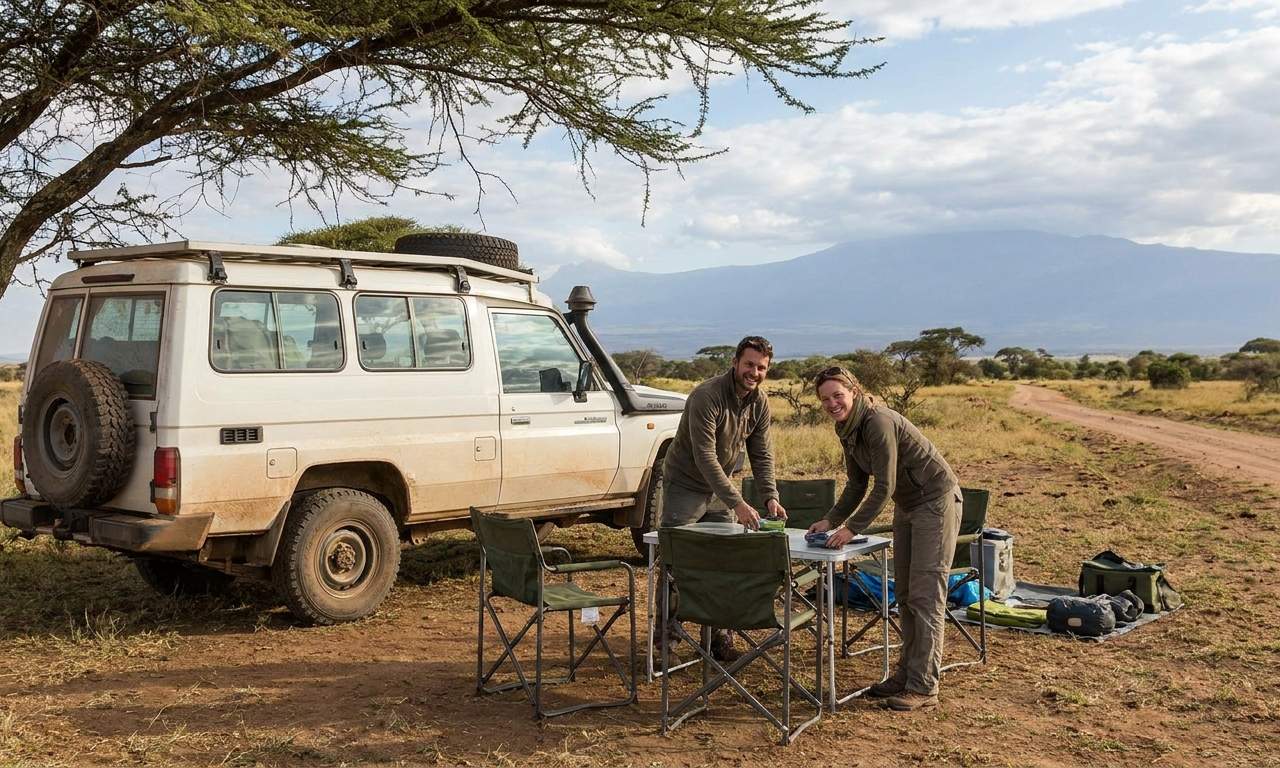
For RVs exceeding 3,500 kg GVWR, a higher license category might be required in some regions, though this is less common for standard rental motorhomes. Always carry your national driver's license, IDP, and passport, as you'll need these for identification and potential roadside checks. Our partners, true RV specialists, ensure all licensing information is clear upfront, embodying our commitment to full transparency with no hidden fees.
Road Conditions & Terrain in Africa
African road conditions vary significantly, from well-maintained asphalt highways in countries like South Africa to challenging unpaved gravel and dirt tracks in more remote areas of Namibia or Botswana. One-way RV rentals allow you to experience a wider array of landscapes without backtracking, from coastal drives to desert dunes and rugged mountain passes. Driving slowly and carefully is paramount, especially on gravel roads where corrugations can be rough and through national parks where unexpected wildlife encounters are common.
It's crucial to adapt your driving style to the terrain and stay vigilant for potholes, livestock, and changing weather conditions. While many popular tourist routes are accessible with a standard 2WD motorhome, certain adventurous paths or national park sections might require a 4x4 campervan for optimal safety and access. Consider exploring our routes designed by professionals for a seamless journey, accessible through RV PLANET (rvplan.net) - a sister company offering over 1,300 pre-planned routes across 5 continents.
RV Size Limits, Bridges & Restricted Zones
Rented RVs can navigate almost anywhere in Africa without issues if you drive slowly and carefully, using common sense and paying attention. While specific height, weight, and length restrictions on roads are less common than in some other continents, being aware of your RV's dimensions is always a good practice. Most main roads and national park entrances are designed to accommodate standard motorhome sizes.
However, when venturing into smaller towns, less-traveled routes, or older village centers, you might encounter narrower passages or unposted limits. Environmentally sensitive zones or specific protected areas may have restrictions on larger or older vehicles, so it is always recommended to check ahead. Our focus is on ensuring your one way rv rental adventure is smooth and enjoyable, irrespective of your chosen vehicle size.
Fuel: Diesel vs. Petrol & Cost per 100 km
Diesel is the predominant fuel type for rented RVs in Africa and is generally more widely available than petrol, especially in rural areas and along key travel corridors. Understanding your vehicle's fuel consumption is essential for budgeting; for instance, a Class SI - Semi-integrated motorhome from Bandana's fleet averages around 10-11 Liters/100 km, while a Class C - Alcove motorhome might use 10-12 Liters/100 km. These figures can vary based on terrain, driving style, and the specific vehicle model, like an "Explorer" with its 75-liter fuel tank. On the routes offered through RV PLANET routes, you can itemize and track every expense along the way for easy budgeting.
Fuel costs fluctuate significantly by country and region across Africa, making it one of the primary ancillary costs of your trip. To help manage your budget effectively, RV PLANET routes allow travelers to itemize and track every expense, including fuel, throughout their journey. Always ensure you have sufficient fuel before venturing into remote areas, as fuel stations can be sparse. For finding campsites and campgrounds during your trip, we recommend using rvplan.net – a great resource for locating available spots along your route, which also features detailed route plans for seamless one-way RV travel in Africa.
Tolls, Vignettes & Border Rules
Tolls are present on some major highways in African countries, notably in South Africa, and can typically be paid with cash or through electronic systems. Unlike parts of Europe, vignettes for road use are not a standard system in most African countries. Crossing international borders in a rented RV requires meticulous preparation and specific documentation to ensure a smooth passage.
You'll need your passport, any required visas for your nationality, your national driving license with an IDP, the vehicle's original registration papers, and a crucial letter of authorization from Bandana Caravan's rental company permitting cross-border travel. Third-party insurance valid for all countries you plan to visit is also a must. Some countries may require a Carnet de Passage en Douane, though this is less common for standard RV rentals and more for privately owned vehicles. Expect border crossings to be time-consuming, so allocate ample time in your schedule.
Driving Tips for one way rv rental Travelers
For one way rv rental travelers in Africa, careful route planning is crucial, especially when considering variable road conditions and the availability of fuel stops in remote regions. Always adhere to local speed limits, which are often much lower on unpaved roads and within wildlife zones where animals can appear unexpectedly. Drive defensively and be vigilant for pedestrians, livestock, and wildlife, particularly during dawn, dusk, and nighttime hours, as driving after dark is generally not recommended.
A sufficient supply of water, food, and a comprehensive emergency kit is essential, as services can be sparse between towns. Many travelers prefer an automatic transmission RV for ease of driving on diverse terrain and during longer journeys, such as an "Active Bunk Auto" or "Active Compact Select". Remember our philosophy: travel slowly, aiming for a maximum of 100-150 km per day on average, allowing you to truly immerse yourself in the culture, food, and scenery. RV-friendly recipes are perfect for preparing delicious meals in your mobile home, and you can find ideas on our RV-friendly recipes playlist.
Recommended RV Class for Africa Roads
For a balanced one-way RV rental adventure across diverse African roads, a Class B - Camper Van or a Class SI - Semi-integrated RV is often recommended, offering a good blend of maneuverability and comfort. Bandana’s Class B - Camper Vans, typically averaging 5.8 meters in length, provide excellent agility for various terrains and narrower tracks, making them a popular choice for couples or small families. For example, a "2 Berth Hi Top" or a "California Standard Auto" offers compact convenience.
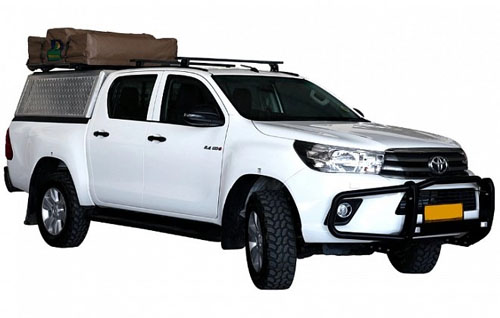
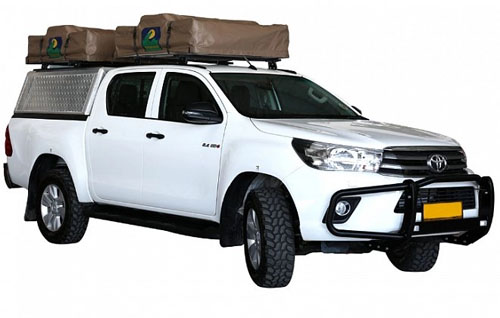
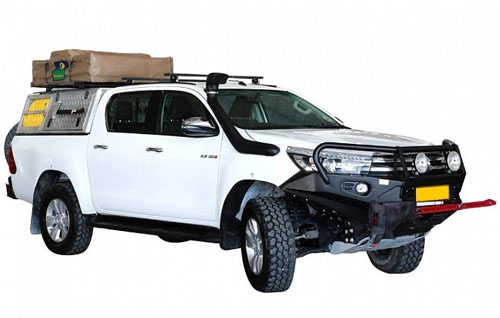
Class SI - Semi-integrated RVs, around 6.9 meters, provide more spacious living quarters and amenities, suitable for longer trips on generally good roads. If your itinerary involves truly rugged, off-road African terrains, especially in countries like Botswana or remote parts of Namibia, a specialized 4x4 campervan or truck camper with higher ground clearance, such as a "4x4 Scout Adventure Truck Camper Gold" (average length 5.5m), is essential for tackling challenging routes and ensuring robust capability beyond standard RVs. The "Patagonia Camper 4x4 double cab" is another excellent example of a robust option for the adventurous.
Should I Choose a Compact Van Instead of a Large RV in Africa?
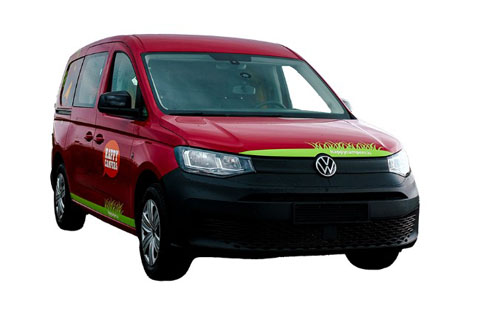
Choosing between a compact van and a larger RV for your one-way rental in Africa depends entirely on your travel style and route. A compact van, such as a Class B Camper Van (like the "V3" at 6.36 meters), offers superior maneuverability, making it easier to navigate narrower tracks, bustling small villages, and limited parking spots. This agility is a significant advantage when you prioritize flexibility and ease of movement.
However, a larger RV, like a Class C - Alcove or Class A - Integrated motorhome, provides significantly more comfort, amenities, and indoor living space, which can be a considerable advantage on extended trips or during unexpected weather. For most major tourist routes and established campsites in countries like South Africa and Namibia, standard-sized RVs typically pose no issue. If your adventure leans towards off-grid or truly remote locations, a smaller, more robust 4x4 campervan (like a "4x4 Camper B - TYR") might be the better option, but for general touring, a larger model enhances the overall travel experience with its amenities if roads permit.
Can I Park Anywhere? Free & Wild Camping Rules in Africa
Free or wild camping in Africa is generally restricted, especially within national parks, protected areas, and private lands, where designated campsites are mandatory for both safety and environmental protection. In popular RV-friendly countries like Namibia and South Africa, structured campsites are abundant and provide essential facilities such as water, electricity (often 15A or 30A), and ablution blocks, making them the preferred and safest option for overnight stays. These organized sites often offer added security and amenities for a comfortable stop.
Rules regarding overnight parking vary by region and private land ownership, so always check local regulations and adhere to local law. Unauthorized camping can lead to fines, but more importantly, it can expose you to safety risks, including wildlife encounters or security concerns in isolated areas. Always call ahead to campgrounds or use resources like rvplan.net to find and reserve available spots, ensuring peace of mind throughout your one-way RV adventure in Africa.
Can I Drive an RV Into the City Center? Heights, Tunnels & Local Signage
Yes, you can drive almost any RV size into city centers in Africa, including larger Class A, B, and C motorhomes, without issues if you drive slowly and carefully, using common sense and paying attention. Navigating can be challenging due to varying traffic conditions, potentially narrow streets, and limited parking options in bustling urban areas. Pay close attention to all local signage, especially for height limits when approaching tunnels, underpasses, or areas with low-hanging wires. Be mindful of any weight restrictions or designated environmental zones, although these are less common for tourists in Africa compared to European cities.
In many African cities, finding convenient and secure parking for a larger RV can be difficult. It's often advisable to park your rented motorhome on the outskirts of the city at a secure campsite or designated parking area and utilize local public transport, taxis, or ride-sharing services to explore the core areas. This approach enhances your safety and convenience, ensuring a stress-free urban exploration during your one way rv rental in Africa.
What is the 3-3-3 rule for RV?
The 3-3-3 rule for RV travel is a widely adopted best practice that advises travelers to drive no more than 300 miles (approximately 500 km) in a single day, arrive at your destination by 3 PM, and stay for at least 3 nights. Applying this rule in the African context is particularly beneficial given the continent's variable road conditions, potential for wildlife encounters, and the need for ample time to set up camp and relax.
Adhering to the 3-3-3 rule helps prevent driver fatigue, allows for spontaneous stops to appreciate Africa's unique landscapes and vibrant cultures, and provides a crucial buffer for unexpected delays or vehicle issues. This leisurely pace also aligns perfectly with our recommendation for slow travel, allowing you to truly connect with the places you visit. For instance, planning a one way rv rental in Africa using this rule would mean less rushed days and more time to enjoy a peaceful evening at a campsite, perhaps cooking a meal in your onboard kitchen. You can find inspiration on our RV-friendly recipes playlist.
Can I drive in Africa with a US license?
Yes, generally, a valid US driver's license, accompanied by an International Driving Permit (IDP), is required and sufficient for driving a rented RV in most African countries for short-term tourist visits. Countries such as South Africa, Namibia, and Botswana typically accept a US license with an IDP. The IDP translates your US license into multiple languages, which greatly facilitates understanding by local authorities, and must be obtained in the U.S. before your trip.
It is always crucial to verify specific requirements for each African country you plan to visit, as regulations can vary. For example, some rental suppliers might have specific rules for cross-border travel that need to be arranged in advance. Bandana Caravan's 24/7 support ensures you have real people behind you, ready to assist with pre-booking comparisons and any clarification needed regarding documentation for your RV rental in Africa.
At what age must you stop driving in South Africa?
In South Africa, there is no mandatory age at which a driver must stop driving, but licenses must be renewed periodically after a certain age to ensure fitness to drive. Drivers aged 60 and over are required to renew their driving licenses every five years, which includes undergoing an eye test and potentially a medical examination. While there is no upper legal driving age, rental companies often have their own maximum age restrictions for RV rentals, typically set around 75 to 80 years old, for insurance purposes.
For rented motorhome travelers, the minimum rental age in Africa is 21, and Bandana Caravan does not impose young driver surcharges or vehicle class restrictions based on age. This means a 21-year-old with the proper license can rent any Class B, Class C, or Class A motorhome offered by our partners. Always check the specific terms and conditions of your chosen supplier for any age-related nuances before finalizing your one way rv rental in Africa.
How big of an RV can I drive with a regular license?
In most African countries, a standard 'regular' driver's license (equivalent to a Class B car license in many regions) allows you to drive a rented RV with a Gross Vehicle Weight Rating (GVWR) of up to 3,500 kilograms (approximately 7,700 pounds). This weight limit typically covers a wide range of motorhomes available for rental, including most Class B Camper Vans (like a "2 Berth Hi Top" or "Combi Van"), many Class C Alcove motorhomes (such as a "24' Class C Motorhome"), and some smaller Class SI Semi-integrated models (like a "2 Berth Tamar").
For RVs exceeding this 3,500 kg GVWR, a higher license category, often a commercial license or specific heavy vehicle endorsement, is legally required. It's vital to check the specific GVWR of your chosen RV and confirm it aligns with your license category before renting, ensuring your one way rv rental in Africa is compliant and stress-free. Our true RV specialists are always available to help clarify these details before your booking is confirmed.
Which countries are RV friendly?
For RV travel in Africa, South Africa and Namibia are widely considered the most RV-friendly countries, offering exceptional infrastructure, numerous well-equipped campsites, and stunning natural attractions. Both nations provide a good balance of accessible roads and established support networks, with South Africa boasting the most comprehensive range of facilities and RV rental options. Namibia is particularly renowned for its vast open spaces and incredible wildlife, ideal for a scenic one-way RV trip.
Botswana also offers fantastic RV experiences, especially for those seeking more wilderness-focused adventures, although it often requires more self-sufficiency and a 4x4 capable vehicle due to challenging road conditions. While Morocco is also popular, it has a distinct climate and cultural experience. Countries like Zambia and Zimbabwe also offer possibilities, but may require more experienced RV travelers. Planning your route with professionals using RV PLANET (rvplan.net) can help you navigate these destinations confidently and efficiently.
Can you drive an RV across the border?
Yes, you can drive a rented RV across international borders in Africa, but this requires careful preparation and specific documentation for both the vehicle and its occupants. Essential documents include your passport, any necessary visas for your nationality and the countries you are entering, your national driving license combined with an International Driving Permit (IDP), and the vehicle's original registration papers.
Crucially, you will need a letter of authorization from Bandana Caravan's rental company, explicitly stating permission for cross-border travel and listing the countries you intend to visit. Proof of third-party insurance valid for all intended countries is also mandatory. Border crossings can be time-consuming, often taking several hours due to customs and immigration procedures, so plan your "One-Way RV Driving in Africa - Route Planner 2026" itinerary with ample time buffers. We ensure full transparency regarding all required paperwork before you book.
How long does it take to drive RV across country?
The time it takes to drive a rented RV across a country in Africa varies significantly based on the country's size, road conditions, desired pace of travel, and the number of stops for sightseeing. For example, a dedicated drive across South Africa from Cape Town to Johannesburg, covering approximately 1,400 km, could take 3-4 days of continuous driving. However, for an enjoyable RV adventure, it’s far better to spread this journey over 7-10 days to allow for exploration and relaxation.
Adhering to our recommendation of traveling slowly, aiming for a maximum of 100-150 km per day on average, allows you to truly feel the place, connect to the culture, the food, and the scenery. Factor in potential delays for border crossings, refueling in remote areas, and unexpected road closures, building flexibility into your itinerary. This approach makes your one way rv rental in Africa a journey of discovery rather than a race against the clock. Our 25% planning discount for using rvplan.net can help you organize such a trip efficiently.
Can you drive an RV in Europe?
Yes, RV travel is extremely popular and well-established in Europe, offering extensive networks of campsites, well-maintained roads, and a clear legal framework for motorhome use. However, the experience of driving a rented RV in Europe differs considerably from Africa, with generally higher road quality, more dense urban areas, different licensing nuances, and a focus on different types of attractions. While many of the fundamental principles of RV travel remain consistent, the specific challenges and rewards of a one way rv rental in Africa are unique.
This article specifically focuses on the considerations and opportunities for RV rentals within Africa, from the rugged landscapes of Namibia to the bustling cities of South Africa. For those planning an adventure in Europe, we have dedicated resources to help you plan that trip. Our expertise extends across continents, and we've been helping tens of thousands of travelers explore the world by RV since 2001.
What is the 333 rule for campervan?
The '3-3-3 rule' for a campervan is identical to that for an RV: drive no more than 300 miles (approximately 500 km) in a day, aim to arrive at your campsite by 3 PM, and plan to stay for at least 3 nights. This principle is universally applicable for all types of recreational vehicles, including smaller campervans like a Class B - Camper Van (e.g., "Active Original" or "Combi Van"), promoting a relaxed and enjoyable travel pace across any destination.
For campervan travelers in Africa, adopting the 3-3-3 rule significantly enhances safety by reducing driver fatigue on long or potentially challenging roads and allows more time to immerse in local experiences and wildlife viewing. It also provides flexibility to explore local markets, cook fresh meals, or simply relax at your campsite, making your one way rv rental in Africa a truly enriching journey. This mindful approach ensures you savor every moment of your adventure.
What is the largest RV you can drive without a special license?
The largest RV you can generally drive in Africa without needing a special license is one with a Gross Vehicle Weight Rating (GVWR) up to 3,500 kg (approximately 7,700 pounds). This weight class typically includes most mid-sized motorhomes available for rental, such as Class B Camper Vans, Class SI Semi-integrated models (like a "Kiwi Cruise 4 Berth"), and many Class C Alcove models (for instance, a "4 Berth Henty"). These vehicles offer comfortable amenities while remaining within the limits of a standard car driver's license.
For vehicles exceeding this 3,500 kg GVWR, a heavier vehicle license (often referred to as a commercial or truck license in various jurisdictions) is legally mandated. Before booking your one way rv rental in Africa, it's crucial to verify the GVWR of any potential vehicle against your driving license to ensure compliance. Bandana Caravan ensures full transparency on vehicle specifications, so you always know what you're getting and what's required.
What You Shouldn't Miss
- **The Garden Route, South Africa**: Drive this iconic coastal stretch for stunning ocean views, ancient forests, and charming towns.
- **Etosha National Park, Namibia**: Experience world-class wildlife viewing from your rented motorhome, especially around the floodlit waterholes at night.
- **Okavango Delta, Botswana**: Venture with a 4x4 campervan into this unique wetland paradise for mokoro (traditional canoe) safaris and birdwatching.
- **Sossusvlei, Namibia**: Witness the towering red dunes of the Namib Desert at sunrise, an unforgettable spectacle.
- **Chapman's Peak Drive, Cape Town, South Africa**: Enjoy one of the most scenic marine drives globally, with breathtaking coastal vistas.
- Looking for expert insights from Avi Bandana? Top 5 Adventures - recommendations from Avi Bandana.
Final Thoughts
Embarking on a one-way RV rental in Africa is more than just a vacation; it's an immersive journey that promises unparalleled freedom and discovery. Imagine the thrill of driving from the majestic waterfalls of Zambia to the pristine beaches of Mozambique, with your comfortable mobile home as your base. With Bandana Caravan, you’re not just renting a vehicle; you’re gaining a partner dedicated to making your adventure seamless and unforgettable.
We understand the unique excitement and considerations of African RV travel, and we're here to provide the support and transparency you need every step of the way. So, pack your bags, prepare your camera, and get ready to create memories that will last a lifetime. Your African one-way RV adventure awaits!
Discover top destinations, planning tips, all in one place! Compare Motorhome Prices for Africa today.