In This Guide
- Best Spain RV Itinerary for luxury rv rental — Overview
- 7-Day Classic Route in Spain
- 14-Day Extended Journey in Spain
- Recommended RVPlan Trip for Spain
- Must-See Stops Along the Way (Avi Bandana Picks)
- Daily Driving Distances & Drive Times in Spain
- Best RV Class for This Itinerary — Couple & Family Picks
- Is wild camping allowed in Spain?
- What documents do I need to rent an RV in Spain?
- What is the cost of renting an RV in Spain?
- What are the rules for driving an RV in Spain?
- Are there RV parks in Spain?
- Is it safe to travel in Spain in a motorhome?
- What's the best time of year to RV in Spain?
- Are there tolls on Spanish motorways?
- How do you dispose of waste in an RV in Spain?
- Is it easy to find gas stations in Spain?
- Can you rent a motorhome in Spain with a UK driving license?
- Can I bring my dog in an RV rental in Spain?
- Do I need an international driving permit for Spain?
Best Spain RV Itinerary for luxury rv rental — Overview
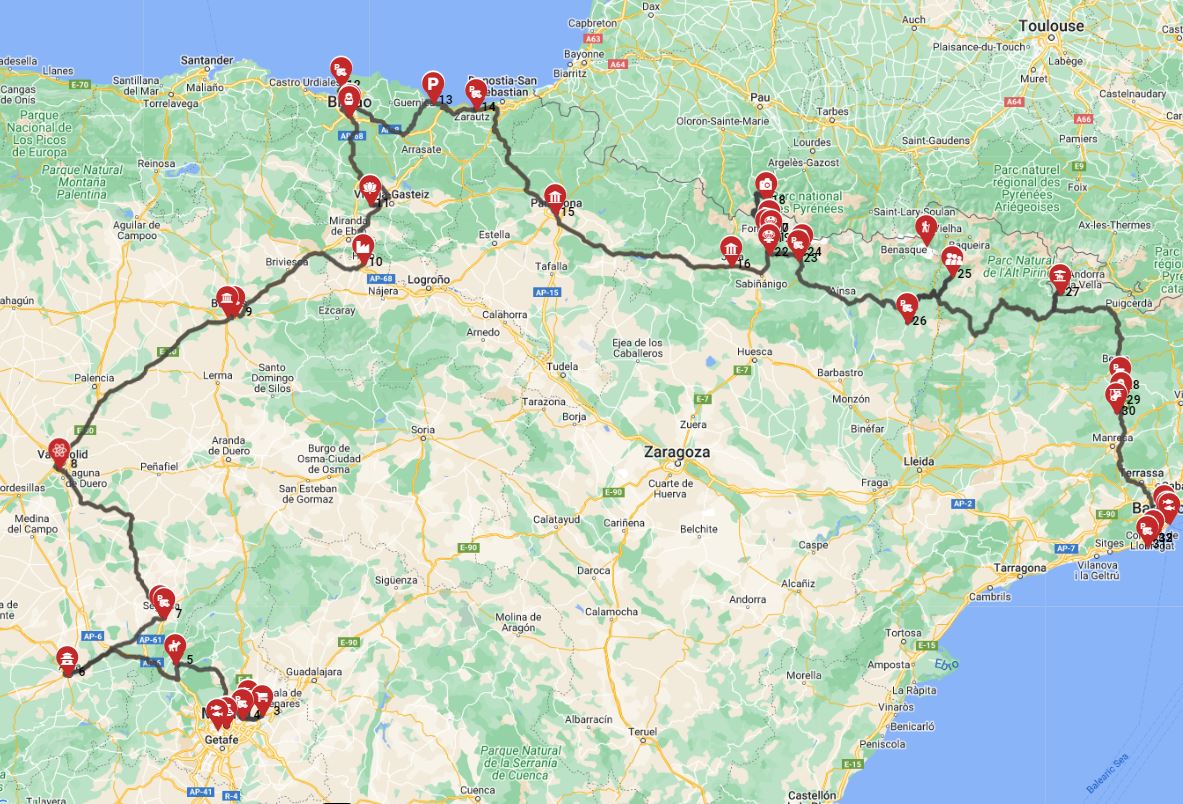
Embarking on a luxury RV rental adventure through Spain offers an unparalleled way to experience the country's diverse landscapes and rich culture. For a truly immersive journey, we recommend a minimum of 7 days, though a 10-14 day trip allows for a more comprehensive exploration of distinct regions. For instance, an 11-day Southern Spain trip might cover around 1541.9 km (958 miles), showcasing the beauty of Andalusia. The most pleasant seasons for RV travel in Spain are typically Spring (April to June) and Autumn (September to October), when the weather is comfortable and the tourist crowds are thinner. These itineraries are designed to balance scenic drives with ample time to explore historic cities, charming villages, and natural parks. For live availability and current prices, start with our RV Rental Spain - Complete Guide 2026 guide.
7-Day Classic Route in Spain
For a taste of southern Spain's iconic beauty, a 7-day itinerary is a fantastic introduction to luxury RV travel. This route focuses on Andalusia, a region renowned for its Moorish heritage, vibrant flamenco culture, and stunning landscapes. You'll drive slowly, covering an average of about 100-160 km (60-100 miles) per day, allowing you to truly soak in the atmosphere.
Day 1: Málaga → Ronda (approx. 100 km / 60 miles) Begin your journey in Málaga, picking up your rented RV. Drive inland towards Ronda, a breathtaking town perched dramatically on cliffs. The drive itself is scenic, winding through Andalusian countryside. Spend the night near Ronda, perhaps at a designated motorhome parking area or a small campsite.
Day 2: Ronda → Seville (approx. 130 km / 80 miles) Continue your journey to Seville, the capital of Andalusia. This drive will take you through rolling hills and agricultural land. Upon arrival, find a suitable campsite or *área de autocaravanas* on the outskirts of the city to easily access Seville's attractions.
Day 3: Seville Exploration Dedicate this day to exploring Seville. Wander through the Alcázar, marvel at the Plaza de España, and perhaps catch a flamenco show. Driving an RV in Seville requires care; park at your designated spot and utilize public transport or walk to explore the city center.
Day 4: Seville → Córdoba (approx. 140 km / 87 miles) A relatively short drive brings you to Córdoba, famous for its Mezquita-Cathedral. The drive is mostly on well-maintained roads. Park your RV and immerse yourself in Córdoba's historic Jewish Quarter.
Day 5: Córdoba → Granada (approx. 160 km / 100 miles) Journey towards Granada, home to the magnificent Alhambra palace. This route will take you through more varied Andalusian terrain. Ensure you book your Alhambra tickets well in advance.
Day 6: Granada Exploration Explore Granada. The Alhambra is the main attraction, but don't miss the Albaicín quarter with its narrow, winding streets. Again, careful RV parking and local exploration are key.
Day 7: Granada → Málaga (approx. 130 km / 80 miles) Conclude your Andalusian adventure with a drive back to Málaga for your RV return. This route offers a final glimpse of the Spanish countryside before heading home.
14-Day Extended Journey in Spain
For those with more time, a 14-day luxury RV itinerary allows for a deeper dive into Spain's diverse offerings, extending beyond the classic Andalusian circuit. This plan includes coastal scenery and natural parks, offering a richer tapestry of experiences.
Days 1-7: Andalusia (as per 7-Day Classic Route) Begin with the foundational Andalusian exploration, covering Málaga, Ronda, Seville, Córdoba, and Granada.
Day 8: Málaga → Nerja (approx. 60 km / 37 miles) After returning to Málaga, drive east along the coast to Nerja. Known for its stunning beaches and the famous Balcón de Europa, Nerja offers a relaxed coastal vibe. Consider parking at a beachfront campsite.
Day 9: Nerja → Cabo de Gata-Níjar Natural Park (approx. 140 km / 87 miles) Head further east into the region of Andalusia towards Almería, specifically the Cabo de Gata-Níjar Natural Park. This unique volcanic landscape boasts pristine beaches and arid beauty, a stark contrast to the lushness of other Spanish regions. RV parking and overnight stays might be restricted in certain parts of the natural park, so always check local regulations and designated areas.
Day 10: Cabo de Gata Exploration Spend the day exploring Cabo de Gata. Enjoy its quiet coves, charming villages like San José, and the dramatic desert-like scenery.
Day 11: Cabo de Gata → Valencia (approx. 380 km / 236 miles) This is a longer transit day, heading north along the Mediterranean coast towards Valencia. Breaking up the drive with a stop in a coastal town is advisable. Valencia is a vibrant city known for its City of Arts and Sciences and paella.
Day 12: Valencia Exploration Discover Valencia. Explore its futuristic architecture, historic old town, and enjoy the beach. Valencia has good infrastructure for RVs, with designated parking areas and campsites available.
Day 13: Valencia → Madrid (approx. 360 km / 224 miles) Embark on another transit day heading towards the capital, Madrid. The drive is primarily on motorways. Madrid is a bustling metropolis; plan your RV parking strategically at a campsite or park-and-ride facility outside the city center.
Day 14: Madrid Exploration & Departure Explore Madrid's cultural treasures like the Prado Museum and Retiro Park. Be mindful of city driving with a larger RV; utilize public transport from your parking base. Conclude your 14-day adventure by returning your RV.
Recommended RVPlan Trip for Spain
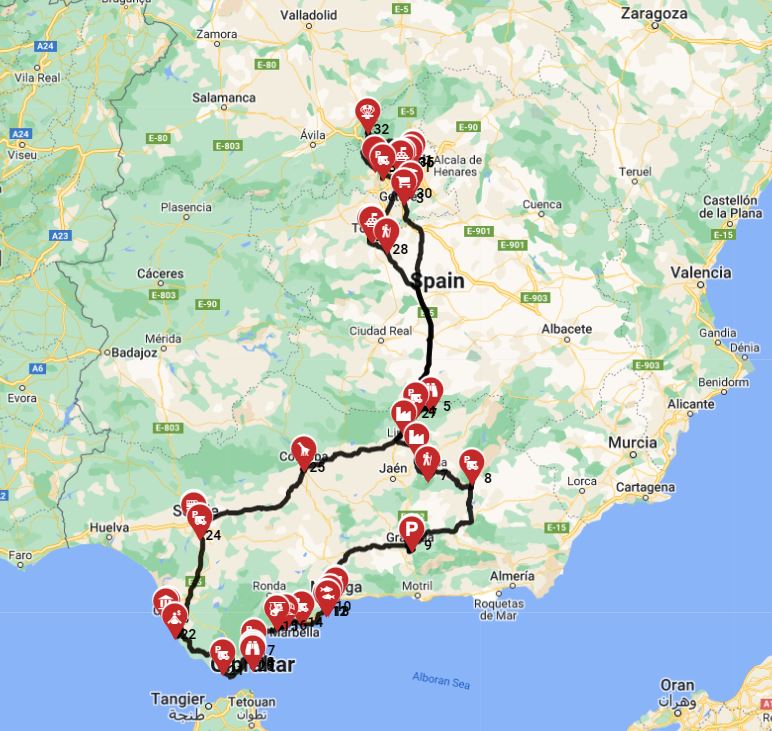
For travelers seeking expertly crafted itineraries that minimize planning stress and maximize enjoyment, RVPlan offers a fantastic solution. One particularly well-regarded route that includes significant Spanish portions is the "Faro Roundtrip - South Portugal & South Spain."
This 11-day journey covers a total distance of approximately 1541.9 km (958 miles), starting and ending in Faro, Portugal. Crucially, it delves into the heart of Spain's Algarve and Andalusia, including visits to Seville, offering a wonderful blend of Iberian cultures and landscapes. Using RVPlan's pre-planned routes, like this one, can save you time and provide valuable local insights, ensuring a smoother and richer travel experience.
Find this trip and more at RVPlan route planner.
Must-See Stops Along the Way (Avi Bandana Picks)
To enhance your luxury RV journey through Spain, here are some recommendations focusing on authentic experiences:
- Traditional Visit: Explore the historic town centers of Andalusia, such as the white villages (*pueblos blancos*) like Arcos de la Frontera or Zahara de la Sierra. Engaging with local heritage often involves visiting ancient castles, Roman ruins, or simply wandering through charming, centuries-old streets.
- Traditional Restaurant / Fine Dining: Savor regional specialties. In Seville, try tapas; in Córdoba, enjoy *salmorejo*; in Granada, experience *tapas* culture where a small bite often comes with your drink. Seek out restaurants that emphasize local, seasonal ingredients for an authentic taste of Spain.
- Traditional Market: Visit local markets like Mercado de Triana in Seville or Mercado Central de Atarazanas in Málaga. Here, you can find fresh local produce, artisanal cheeses, cured meats, and handmade crafts, offering a vibrant glimpse into Spanish daily life.
- Local Industry: For unique insights, visit an olive oil mill in Jaén to learn about Spain's vast olive oil production, or explore a vineyard in the Jerez region for a sherry tasting. Many smaller towns also have artisan workshops for ceramics, leather goods, or textiles, providing a connection to local craftsmanship.
Daily Driving Distances & Drive Times in Spain
To truly embrace slow travel and enjoy Spain at a leisurely pace, Avi Bandana recommends aiming for an average of no more than 150 km (about 100 miles) per day. This allows you to savor the journey, stop spontaneously, and avoid rushed travel, which is essential for a luxury RV experience.
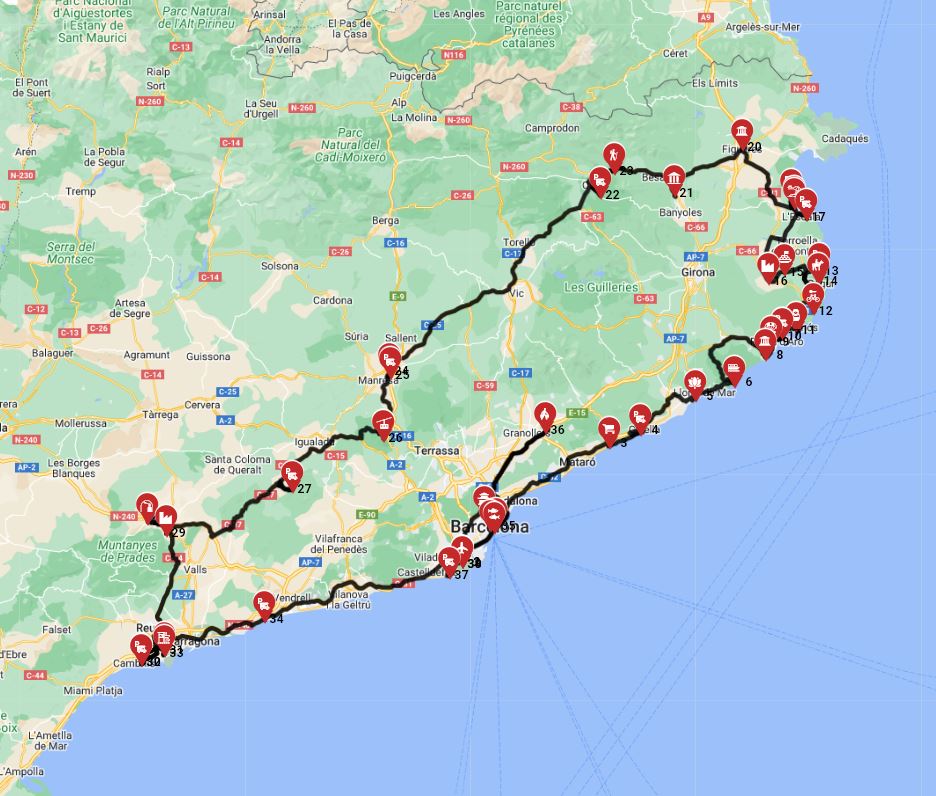
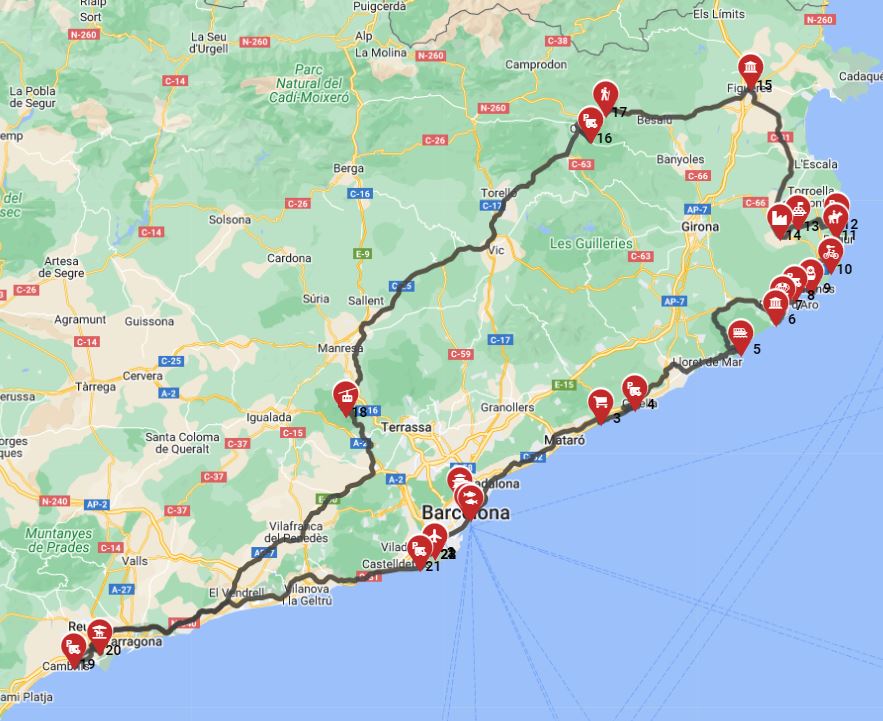
Keep in mind that drive times can vary significantly. For example, the drive from Seville to Córdoba, approximately 140 km (87 miles), typically takes around 1 hour and 45 minutes to 2 hours, depending on traffic and your RV's speed. A slightly longer journey from Barcelona to Cadaqués, about 170 km (105 miles), might take around 2 hours and 30 minutes. Remember that driving in mountainous regions or on narrow, winding coastal roads can take considerably longer, even for shorter distances, so always factor in buffer time.
Best RV Class for This Itinerary — Couple & Family Picks
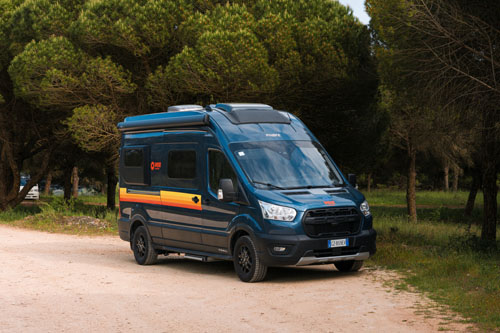
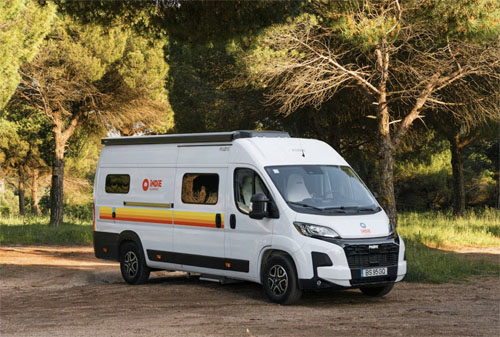
Choosing the right RV class is crucial for a comfortable and enjoyable luxury RV rental in Spain. For couples or smaller groups, a Class B Camper Van offers agility and a more intimate travel experience. These vehicles, typically around 5.8 meters (19 feet) in length, are ideal for navigating narrower streets and finding convenient parking. They usually achieve better fuel economy, around 8-10 liters per 100 km, making them efficient for longer trips.
For families or groups seeking maximum comfort and space, a Class A Integrated motorhome is an excellent choice. These larger vehicles, averaging about 7.5 meters (25 feet) in length, provide luxurious amenities and ample living space. While they may consume slightly more fuel (8-12 liters per 100 km), they offer the ultimate in comfort and convenience for family adventures. Bandana's Rent & Plan service can help you pair the perfect RV with an expert-designed itinerary, ensuring a seamless and unforgettable trip.
Is wild camping allowed in Spain?
Wild camping, in the traditional sense of pitching a tent outside designated areas, is generally prohibited in Spain. However, overnight parking for self-contained RVs is often tolerated under specific, unwritten conditions, though regulations can be strict and vary significantly by region. The key distinction often made is between 'camping' (setting up outside your vehicle) and simply 'parking' within the confines of your RV.
It's always essential to check local municipal ordinances and look for signs indicating restrictions, particularly 'No Autocaravanas' (No Motorhomes) signs, which are common in sensitive areas. To find legal and acceptable overnight spots, many RVers rely on apps like Park4night, which highlight designated *áreas de autocaravanas* (motorhome service areas). These areas often provide basic services like water and waste disposal, and sometimes even free or low-cost overnight parking. For consistent peace of mind and access to full amenities, official campsites (*campings*) are always a recommended and reliable option, especially when exploring unfamiliar or remote regions. Coastal and natural park areas are often the strictest regarding overnight parking regulations.
What documents do I need to rent an RV in Spain?
To rent a luxury RV in Spain, you'll need a few essential documents to ensure a smooth booking and pick-up process. Primarily, you will require a valid driving license that you have held for at least 2-3 years. For most RVs up to 3,500 kg (which includes most Class B and C motorhomes), a standard Category B license is sufficient. However, for larger motorhomes, potentially classified as Class A, a specific license category like C1 or C might be required, so always verify this with your rental provider.
International visitors, particularly those with licenses from outside the EU/EEA (e.g., US, Canada, UK, Australia), will typically need an International Driving Permit (IDP) presented alongside their national driving license. This IDP acts as an official translation and is a legal requirement in many cases. You'll also need a major credit card for the security deposit, which is standard practice for RV rentals. Finally, ensure you have your passport or national ID card readily available for verification. The minimum driver age is generally 21, though some rental companies may require drivers to be 25 for larger or higher-class vehicles; confirmation with the specific rental company is always advised.
What is the cost of renting an RV in Spain?
The cost of renting an RV in Spain varies significantly based on several factors, including the RV class, rental season, duration of hire, and any included extras like insurance or mileage packages. As a general guideline, expect daily rental costs to range from approximately €100-€200 for mid-range motorhomes during the low season, up to €250-€400 or more for luxury models during peak travel periods like summer holidays or major festivals.
Beyond the rental price, budget for ancillary costs such as fuel, which is a significant expense given typical motorhome consumption of 8-12 liters per 100 km. Campsite fees can add up, averaging €20-€50 per night, depending on the site's amenities and location. Potential tolls on Spain's extensive motorway network should also be factored into your budget. For luxury RVs, especially during popular travel times, booking several months in advance is highly recommended to secure the best availability and potentially better rates. On the routes offered through RV PLANET routes, you can itemize and track every expense along the way for easy budgeting.
What are the rules for driving an RV in Spain?
Driving an RV in Spain involves adhering to specific traffic laws designed for safety and efficiency. Always observe the posted speed limits, which are generally 120 km/h on motorways (*autopistas* and *autovías*) for vehicles under 3.5 tonnes (most RVs), and 90 km/h on secondary roads. For RVs over 3.5 tonnes, these limits may be lower.
You must carry mandatory safety equipment in your RV, including a reflective vest for each occupant, two warning triangles, a spare tire or repair kit, and spare bulbs. Be aware that parking large RVs can be restricted in certain city centers and historic areas; look for designated RV parking zones or use campsites on the outskirts. The blood alcohol limit is 0.05% for experienced drivers and 0.03% for new drivers. Always secure loose items inside the RV before driving, and choose well-lit, populated areas for overnight parking to ensure security.
Are there RV parks in Spain?
Yes, Spain offers an extensive and well-developed network of RV parks and campsites, commonly referred to as *campings* or *áreas de autocaravanas*. These facilities cater specifically to motorhomes and campervans, providing essential services and amenities for a comfortable road trip.
*Campings* are typically more comprehensive, offering full services such as electricity hook-ups, fresh water supply, grey and black water disposal points, hot showers, on-site shops, restaurants, and often swimming pools or recreational areas. In contrast, *áreas de autocaravanas* are often more basic, providing essential services like water refills, grey water disposal, and chemical toilet emptying points, sometimes with designated overnight parking spots that are free or very low cost. Additionally, some unique options exist, such as farm stays or vineyards (*e.g., via España Discovery*) that may welcome RVs for overnight stays, offering a more local and immersive experience. For guaranteed amenities and security, especially in busier areas or if you're new to RVing in Spain, official *campings* are highly recommended.
Is it safe to travel in Spain in a motorhome?
Traveling by motorhome in Spain is generally very safe, supported by excellent tourist infrastructure and a strong focus on visitor safety. Spain is a popular destination for motorhome travelers, and the country is well-equipped to welcome them, with good road networks and a wide availability of campsites and service areas.
As with any travel, practicing basic vehicle security is essential. Always lock your RV when you leave it unattended, hide valuables out of sight, and consider using external security measures like robust door locks or alarms, especially if parking in less secure areas. It is advisable to opt for official campsites or secure *áreas de autocaravanas* for overnight parking whenever possible. Be aware of petty theft, particularly in crowded tourist areas or large service stations; staying vigilant and aware of your surroundings is key. Always adhere to Spanish road rules, drive cautiously on narrower roads or in heavy traffic, and ensure you have reliable mobile data for navigation and emergency contacts; Spain's universal emergency number is 112. Showing respect for local communities by parking considerately, managing waste properly, and minimizing noise will foster positive interactions and ensure a pleasant experience.
What's the best time of year to RV in Spain?
Spain's diverse climate offers excellent RV travel opportunities throughout the year, but the "best" time often depends on the regions you wish to visit and your preferred travel conditions. Generally, Spring (April to June) is a fantastic time, offering comfortable temperatures, lush green landscapes, and the chance to experience vibrant local festivals. The wildflowers are in bloom, making scenic drives particularly rewarding.
Autumn (September to October) is another prime period, providing pleasant, warm weather, fewer crowds than summer, and still-inviting coastal waters for swimming. This season is ideal for exploring southern Spain and the islands. Summer (July to August) can be extremely hot, especially in the interior and southern regions, and is also the peak tourist season, leading to crowded attractions and campsites. If traveling in summer, consider heading north to cooler coastal areas or mountainous regions. Winter (November to March) is generally mild in southern Spain, making it popular for "snowbirds" seeking sunnier climes, but expect colder and wetter conditions in the north. Always consider regional climate differences when planning your itinerary.
Are there tolls on Spanish motorways?
Yes, Spain has an extensive network of toll roads, known as *autopistas de peaje*, which run alongside its system of free motorways (*autovías*). The toll roads are generally less congested and can offer faster, more direct routes, which is particularly beneficial for luxury RV travel, allowing you to cover distances more efficiently.
Tolls can typically be paid using cash, credit cards, or through electronic toll collection systems like *Via-T*. When planning your routes using navigation apps, you can often choose to avoid tolls if you prefer a more budget-friendly journey or wish to experience more local roads. However, for longer distances or when time is a factor, the convenience and speed of the *autopistas* often justify the toll costs. It's always a good idea to check your navigation system for toll options and to budget accordingly for your trip.
How do you dispose of waste in an RV in Spain?
Responsible waste disposal is crucial for RV travel in Spain, and designated service points are readily available at official campsites (*campings*) and *áreas de autocaravanas*. These points are specifically designed for the safe and hygienic emptying of grey water (from sinks and showers) and black water (from toilets).
Always use the designated grey water drains for sink and shower water and the chemical toilet emptying points, which typically include a rinsing facility, for black water. For general rubbish, utilize the bins provided at campsites or public facilities, paying attention to recycling separation where available (look for color-coded bins: yellow for plastics and cans, blue for paper and cardboard, green for glass). Practicing sustainable and responsible travel by leaving no trace and avoiding illegal dumping helps preserve Spain's natural beauty and fosters positive relationships with local communities. Adhering to these practices ensures that RV travel remains a welcomed and respected way to explore the country.
Is it easy to find gas stations in Spain?
Finding gas stations in Spain is generally straightforward, especially along major motorways and within towns and cities. Larger service areas on *autovías* and *autopistas* typically include fuel stations alongside shops, restaurants, and other amenities, making refueling stops convenient during your travels.
In more rural or remote areas, stations may be less frequent, so it’s always advisable to keep your RV’s fuel tank topped up when you see a station, particularly if venturing off the main routes. Most stations accept credit and debit cards, but it’s wise to carry some cash for smaller, independent stations that might not have card facilities. The common fuel types you'll encounter are *Gasolina 95* (unleaded 95 octane), *Gasolina 98* (unleaded 98 octane), and *Diésel*. Most modern RVs and motorhomes run on diesel, so ensure you select the correct fuel type.
Can you rent a motorhome in Spain with a UK driving license?
Yes, you can rent a motorhome in Spain with a UK driving license, but there's a crucial post-Brexit regulation to be aware of. As of 2026, UK driving license holders are required to carry an International Driving Permit (IDP) alongside their physical UK driving license when driving in Spain.
The IDP serves as an official translation of your domestic license, which is a legal requirement for many international visitors. You can obtain your IDP from the Post Office or online in the UK before you travel. It’s important to note that failing to carry an IDP can result in fines or complications with rental agreements and insurance, so ensure you have this document in order before your trip to avoid any issues.
Can I bring my dog in an RV rental in Spain?
Many luxury RV rental companies in Spain do offer pet-friendly vehicles, often allowing you to bring your canine companion along for the adventure. Typically, there's an additional cleaning fee associated with bringing a pet, which helps cover the extra sanitization required for the vehicle after your trip.
It is absolutely essential to confirm the specific pet policy directly with the rental company when you are making your booking. Some companies may have restrictions on the number of pets, their size, or breed, and specific rules might apply regarding securing pets while driving, such as requiring them to be crated or leashed. Additionally, ensure your dog has all the necessary documentation, including up-to-date vaccinations, a microchip, and an EU pet passport, which will be required for travel. Remember that not all campsites or attractions in Spain are pet-friendly, so it’s wise to plan your stops and activities accordingly.
Do I need an international driving permit for Spain?
Yes, if you are a non-EU/EEA citizen, including those from the UK, US, Canada, or Australia, you are generally required to carry an International Driving Permit (IDP) when driving in Spain. This permit must be presented alongside your valid national driving license.
The IDP functions as an official, internationally recognized translation of your license, fulfilling a legal requirement for many international visitors. It's important to obtain your IDP in your home country before you travel, as it is typically valid for one year from the date of issue and cannot be obtained once you are in Spain. For citizens of EU/EEA countries, a valid national driving license is usually sufficient for renting and driving an RV in Spain.
What You Shouldn't Miss
- Architectural Marvels: Visit the Alhambra in Granada, the Mezquita-Cathedral of Córdoba, and the Alcázar of Seville for a journey through Spain's rich Islamic and Christian history.
- Coastal Charm: Drive your RV along the Costa del Sol towards Nerja, or explore the rugged beauty of the Cabo de Gata-Níjar Natural Park in Andalusia for stunning beaches and unique landscapes.
- City Vibes: Experience the vibrant energy of Seville, the historic allure of Córdoba, and the modern architectural wonders of Valencia.
- Gastronomic Delights: Indulge in authentic Spanish tapas culture, particularly in Andalusia, and sample regional specialties like olive oil from Jaén or sherry from Jerez.
- Scenic Drives: Take the time to drive through Andalusia's rolling hills and olive groves, and perhaps explore the dramatic, arid landscapes of the Tabernas Desert for a unique contrast.
- Cultural Immersion: Catch a traditional flamenco show in Seville or experience the lively atmosphere of local markets to truly connect with Spanish culture.
Final Thoughts
Spain's diverse regions, from the sun-drenched coasts of Andalusia to the vibrant cities and historic heartlands, offer an incredibly rewarding experience for RV travelers. By planning a route that allows for slow travel and embracing the local culture, you can unlock the true magic of this beautiful country.
Remember that renting an RV is more than just transportation; it's your mobile home, your ticket to freedom, and your gateway to authentic experiences. With the right preparation and a spirit of adventure, your luxury RV journey through Spain promises to be an unforgettable exploration.
Ready to plan your Spanish RV adventure? Compare top RV rental options and discover the perfect vehicle for your journey!
Get inspired for your next trip! Discover top destinations, planning tips, all in one place! Plan a trip itinerary in advance with minimal effort and maximum enjoyment.