In This Guide
- Can You Drive an RV in San Francisco? License & Age Rules
- Road Conditions & Terrain in San Francisco
- RV Size Limits, Bridges & Restricted Zones
- Fuel: Diesel vs. Petrol & Cost per 100 km
- Tolls, Vignettes & Border Rules
- Driving Tips for luxury rv rental Travelers
- Recommended RV Class for San Francisco Roads
- Should I Choose a Compact Van Instead of a Large RV in San Francisco?
- Can I Park Anywhere? Free & Wild Camping Rules in San Francisco
- Can I Drive an RV Into the City Center? Heights, Tunnels & Local Signage
- Do you need a CDL to drive a luxury RV?
- What is the 72 hour rule in San Francisco?
- What is the new RV law in California?
- Can you park an RV on the street in San Francisco?
- Who insures expensive motorhomes?
- How much does it cost to insure an RV in California?
- How to Access San Francisco Attractions from Your RV Park
Can You Drive an RV in San Francisco? License & Age Rules
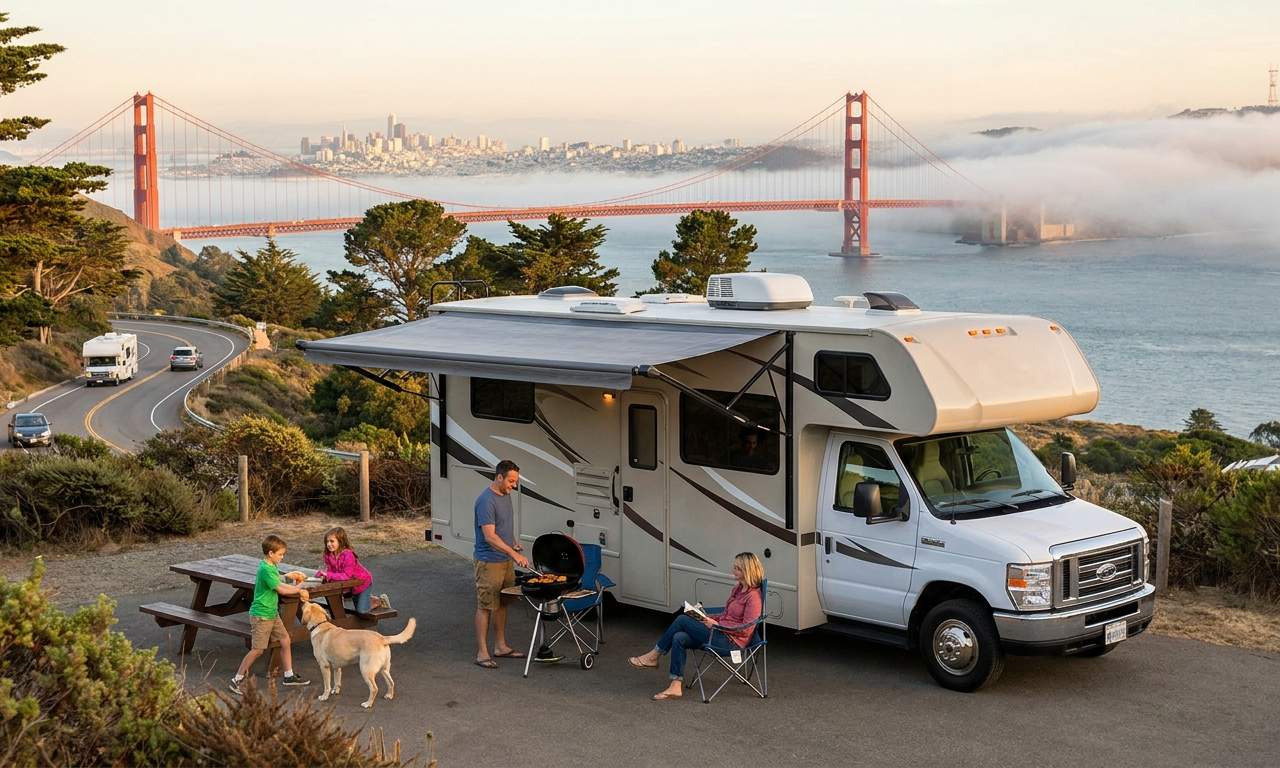 Most luxury RVs available for rental, particularly Class C models in California, typically require only a standard Class C driver's license, provided their Gross Vehicle Weight Rating (GVWR) is 26,000 pounds (approx. 11,793 kg) or less. California law specifies that a standard Class C license is sufficient for operating most non-commercial recreational vehicles. The minimum driver age for RV rentals in California is generally 25 years, though some companies might allow younger drivers (21+) with additional fees or restrictions. Foreign drivers must possess a valid driver's license from their home country, and an International Driving Permit (IDP) is strongly recommended for translation purposes, particularly in San Francisco. For live availability and current prices, start with our RV Rental San Francisco - Complete Guide 2026 guide.
Road Conditions & Terrain in San Francisco
San Francisco is famously characterized by steep hills and dense urban traffic, presenting unique driving conditions for a luxury RV. Expect significant inclines and descents throughout the city, requiring careful gear management and braking, especially on iconic routes like Lombard Street or around Russian Hill. While main arterial roads are generally well-maintained, navigating narrow side streets and congested areas demands heightened awareness due to the RV's size. It is advisable to drive slowly and deliberately, especially in residential areas, to account for blind spots, pedestrians, and cyclists. Choosing a Class C - Alcove or a Class TC - Truck Camper, like the 4x4 Scout Adventure Truck Camper Gold, offers a practical balance between spacious luxury and manageable dimensions for San Francisco's roads. For those prioritizing extreme maneuverability, a Class TC - Truck Camper, averaging 5.9 meters in length, is ideal.RV Size Limits, Bridges & Restricted Zones
When driving a luxury RV in San Francisco, most major routes and bridges, including the Golden Gate Bridge, accommodate standard RV dimensions without specific prohibitions; however, awareness of localized restrictions is crucial. The Golden Gate Bridge has specific lanes for oversized vehicles, but typical RVs are not considered oversized. Tolls are electronic and usually paid southbound. While rare on main thoroughfares, always watch for explicit height, weight, or length restriction signs, particularly for tunnels or older underpasses. Be mindful of any environmental zones or designated residential parking areas that may restrict large vehicle access or parking, even for short durations. You can compare motorhome prices for San Francisco to find a vehicle that suits your needs.Fuel: Diesel vs. Petrol & Cost per 100 km
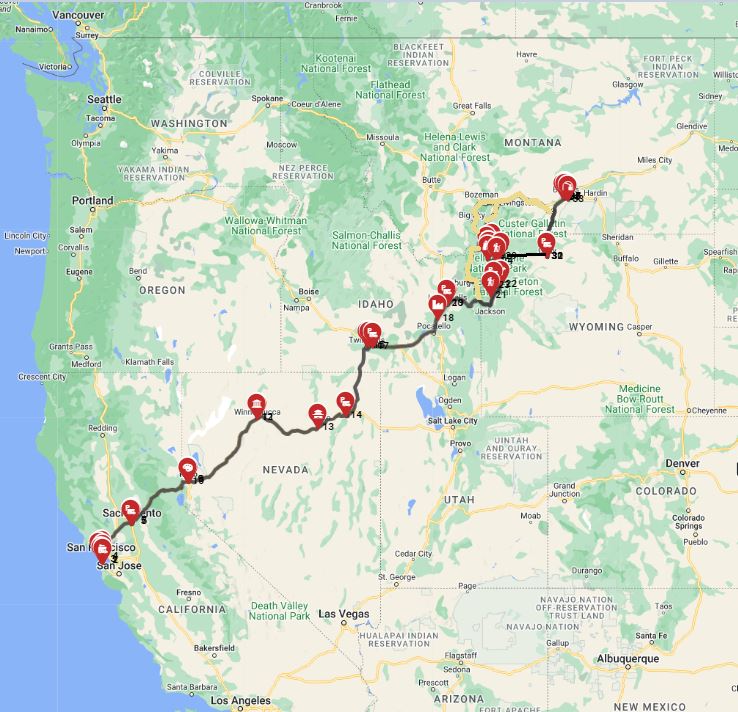
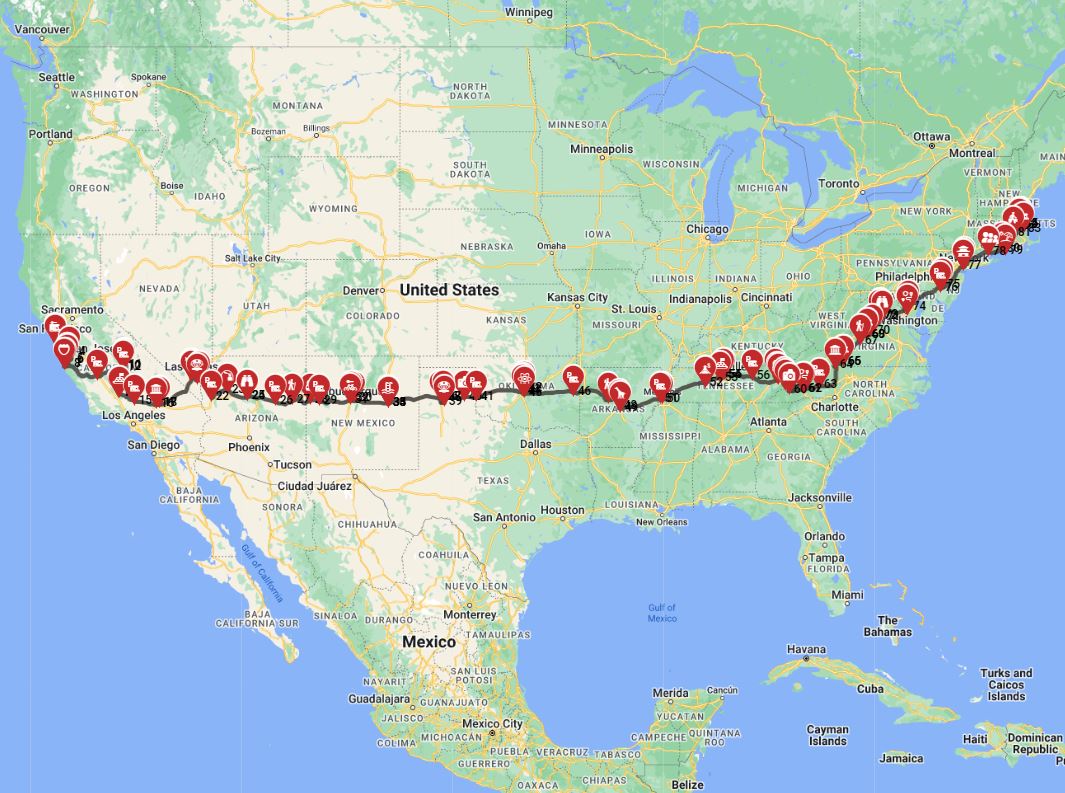
Many luxury RVs, especially larger Class A and some Class C models, operate on diesel fuel, which is readily available at most truck stops and larger gas stations across California, while other Class C models use petrol. Bandana's Class C - Alcove RVs typically consume between 23-35 Liters per 100 km (7-10 Miles per Gallon), whereas Class A - Integrated models may consume around 30-45 Liters per 100 km. Fuel costs in the San Francisco Bay Area are generally among the highest in the U.S., necessitating a substantial budget for fuel. Utilize apps to locate RV-friendly gas stations with easy access and competitive pricing; some rental agreements may include fuel discount cards for added value. For finding campsites and campgrounds during your trip, we recommend using RV PLANET (rvplan.net) — a great resource for locating available spots along your route. For example, the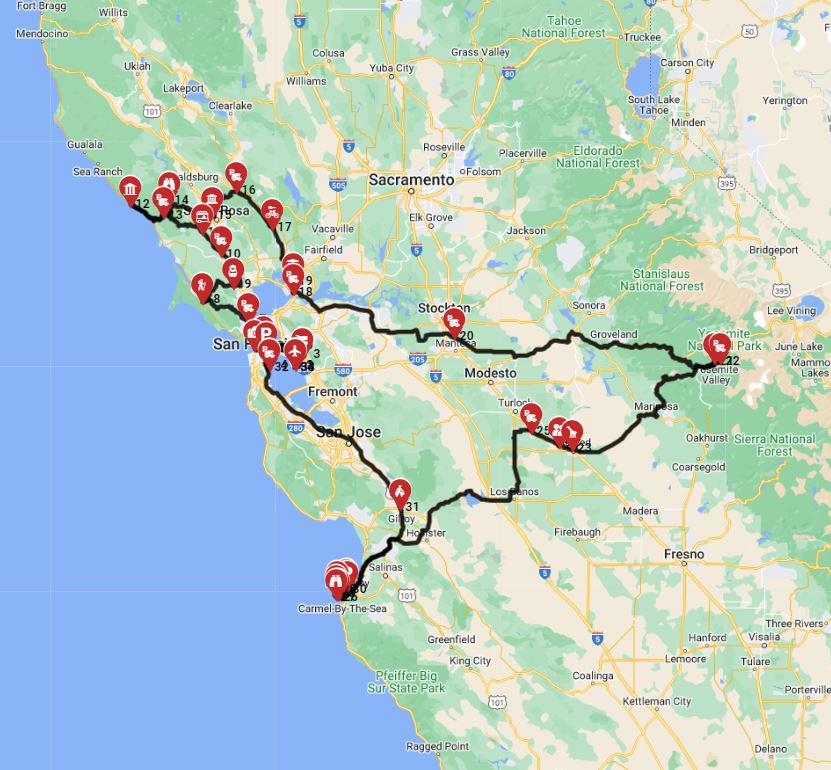
Tolls, Vignettes & Border Rules
San Francisco's major bridges, including the Golden Gate Bridge and the Bay Bridge, operate on electronic toll systems without cash payment options. The Golden Gate Bridge charges a toll only when entering San Francisco (southbound) and accepts FasTrak, invoice by mail, or one-time online payments. The Bay Bridge is tolled westbound (entering San Francisco) and also utilizes electronic payment methods like FasTrak. California does not use a vignette system, and within the contiguous United States, there are no 'border rules' when driving an RV between states. Planning a trip itinerary in advance with minimal effort and maximum enjoyment is key; for a comprehensive overview of California's RV scene, consult our RV Rental California - Complete Guide 2026 guide.Driving Tips for luxury rv rental Travelers
Plan your routes using an RV-specific GPS that considers vehicle dimensions, helping to avoid tight turns, low clearances, and steep, unmanageable hills. Exercise extreme caution for cyclists and pedestrians, who are abundant in San Francisco and can be difficult to see in an RV's blind spots. When descending the city's steep hills, utilize lower gears to control your speed and prevent brake overheating, a critical safety practice for heavy vehicles. Pre-pay tolls online or acquire a FasTrak transponder to navigate bridge crossings seamlessly and avoid potential fines. Always allow ample space for turns and braking, maintaining a greater following distance than you would in a smaller vehicle, especially on busy city streets. Travelers exploring the region may also enjoy Motorhome Rental in Norway - Costs, Routes & Fjord Adventures 2026, though for San Francisco specifics, our Family RV Rental in San Francisco - Pricing Guide 2026 offers tailored advice.Recommended RV Class for San Francisco Roads
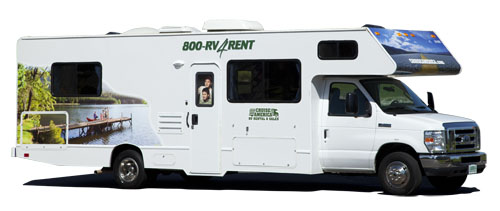
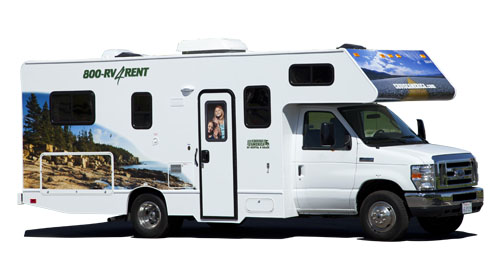
For navigating San Francisco's urban landscape, a Class C - Alcove or a Class TC - Truck Camper offers a practical balance between spacious luxury and manageable dimensions. For example, the 24' Class C Motorhome, with an average length of 7.1 meters, provides comfortable sleeping for 5-6 people and sufficient amenities while still being maneuverable for most city driving. A Class TC - Truck Camper, averaging 5.9 meters in length, is ideal for couples or smaller groups prioritizing extreme maneuverability and easier parking closer to attractions. While Class A - Integrated RVs (average length 10.3 meters) offer the highest level of luxury and interior space, their significant size can make navigating San Francisco's steep, narrow streets and finding suitable parking more challenging. Discover top destinations, planning tips, all in one place!Should I Choose a Compact Van Instead of a Large RV in San Francisco?
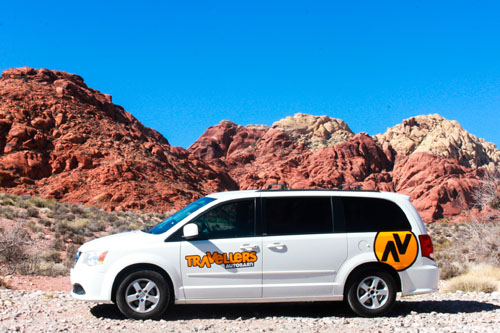
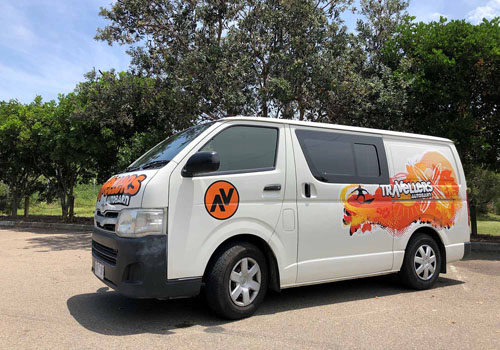
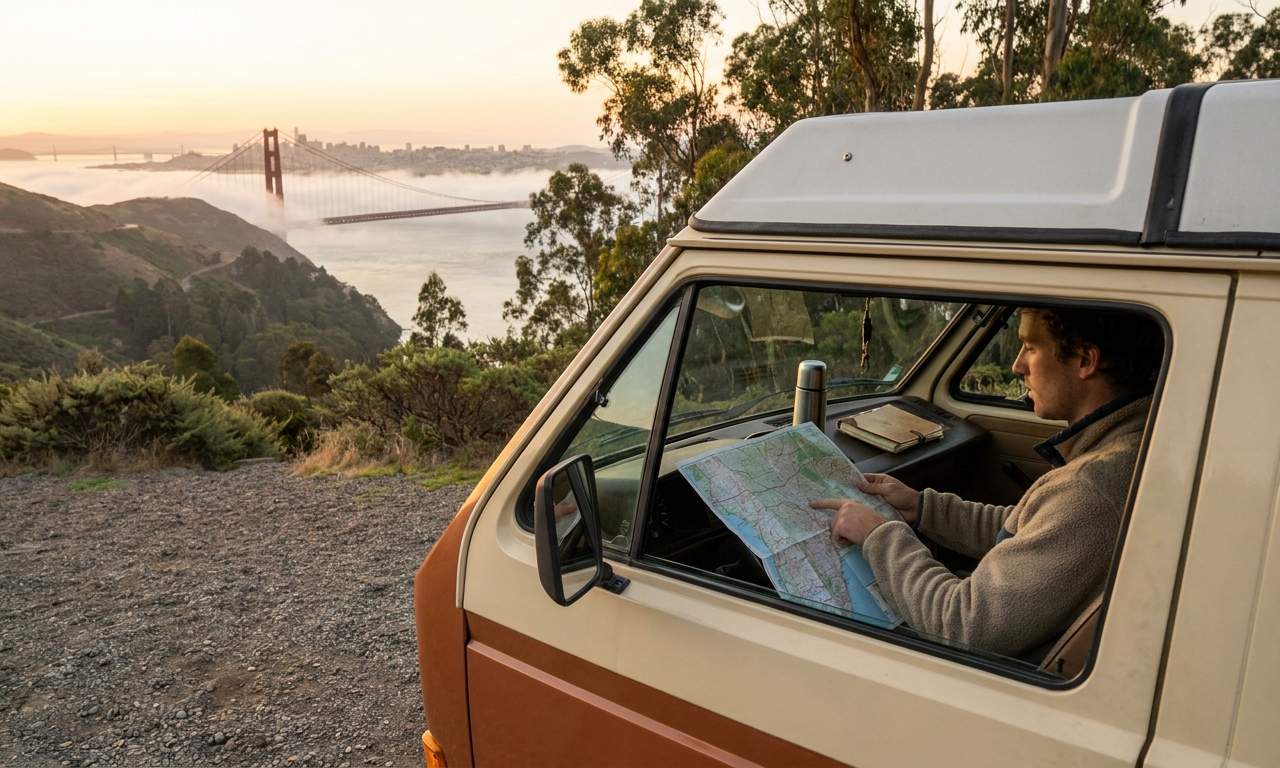
Choosing between a compact van and a larger luxury RV for San Francisco depends on your priorities: a compact van offers superior maneuverability and easier parking, while a large RV provides unmatched comfort and amenities. While driving a large RV in San Francisco presents challenges, it is entirely feasible with careful route planning and awareness of your vehicle's dimensions, focusing on main thoroughfares. Opt for a compact van if your itinerary demands frequent street parking within the immediate city center, or if you plan to explore very narrow, winding roads and tight spaces extensively. However, for those valuing spacious living areas, private facilities, full kitchens, and a more luxurious travel experience, sticking with a larger RV and parking at nearby RV parks with transit access is often the better trade-off. If you're looking for flexible booking options, check out RV Rental Deals in San Francisco - Latest Offers 2026.Can I Park Anywhere? Free & Wild Camping Rules in San Francisco
Free or wild camping is generally prohibited within San Francisco city limits, and strict municipal codes regulate overnight parking for RVs and oversized vehicles on public streets. To legally park overnight, RV travelers must typically secure a spot at designated RV parks or campgrounds located in the immediate vicinity of San Francisco, such as those in Marin County or the East Bay. Enforcement of parking regulations, including the 72-hour rule, is common; always heed posted signs and local ordinances to avoid citations or towing. Rules vary by region—always check local regulations and follow local law before parking overnight. For a broader perspective on California's offerings, our RV Rental California - Complete Guide 2026 can provide additional insights.Can I Drive an RV Into the City Center? Heights, Tunnels & Local Signage
Yes, you can generally drive an RV into San Francisco's city center, but it requires careful attention to your vehicle's dimensions, local signage, and specific restrictions. Most main routes and arterial roads are accessible to RVs; however, be vigilant for explicit height limits on tunnels or underpasses, and avoid navigating extremely narrow residential streets. Pay close attention to local signage regarding environmental zones, residential parking permit areas, or 'no oversized vehicle' restrictions that may impact RV access or parking. The primary challenge is not necessarily driving into the city center but rather finding suitable and legal parking, making it advisable to utilize RV parks outside the core and rely on public transportation for city exploration. You'll find great tips and top spots in our RV Travel Guide to San Francisco - Tips and Top Spots 2026 video.Do you need a CDL to drive a luxury RV?
In California, a Commercial Driver's License (CDL) is typically not required to drive most luxury RVs, provided their Gross Vehicle Weight Rating (GVWR) is 26,000 pounds or less. A standard Class C non-commercial license is sufficient for operating the majority of recreational vehicles, including many Class C and even some smaller Class A motorhomes. A Class B non-commercial license (non-CDL) is required for single vehicles with a GVWR of 26,001 pounds or more, which may apply to larger, heavier Class A luxury RVs. Always verify the exact GVWR of your specific luxury RV rental and confirm your license class meets California's Department of Motor Vehicles (DMV) requirements before driving. Get inspired for your next trip!What is the 72 hour rule in San Francisco?
The '72-hour rule' in San Francisco dictates that no vehicle, including an RV, can be parked in the same spot on a public street for more than 72 consecutive hours. This regulation is enforced by the San Francisco Municipal Transportation Agency (SFMTA) to prevent long-term vehicle storage on public roads and facilitate street cleaning schedules. Violations can lead to parking citations and, if persistent, vehicle towing; enforcement often involves tire chalking or timestamping by parking enforcement officers. For RV travelers, this rule means any street parking within San Francisco is temporary and necessitates moving the vehicle a significant distance (usually at least one block) every three days, making extended street stays impractical. Understanding local ordinances is key, and for detailed pricing comparisons, explore our RV Rental in San Francisco - Prices and Best Deals 2026.What is the new RV law in California?
While there isn't one singular 'new RV law' that broadly redefined RV usage across California in 2026, there have been continuous local and state legislative efforts primarily addressing RV parking and homelessness. Many California cities, including San Francisco, have implemented or strengthened local ordinances to regulate overnight RV parking, often citing public health, safety, and congestion concerns. Recent state legislative actions (e.g., related to bills like AB-1956 or AB-587 in prior years) have often focused on empowering municipalities to manage RV parking more flexibly, particularly concerning designated parking zones for unhoused individuals. RV renters should always consult the specific municipal codes for their intended destinations within California, as local regulations on overnight parking and vehicle size are more dynamic than overarching statewide laws. If you're looking for budget-friendly options, check out our Cheap RV Rental in San Francisco - Budget Guide 2026.Can you park an RV on the street in San Francisco?
Parking an RV on the street in San Francisco is generally very challenging and often impractical due to stringent regulations, extremely limited space, and safety considerations. Beyond the 72-hour rule, many residential streets have explicit size restrictions, require residential parking permits, or are designated as 'No Parking' zones for oversized vehicles. Finding a legal and safe street parking spot large enough for a luxury RV, even for a few hours during the day, can be exceptionally difficult. It is highly recommended for RV travelers to secure bookings at dedicated RV parks or campgrounds located outside the immediate city center and then use public transportation or ride-sharing services for city exploration. For those considering rental deals, our RV Rental Deals in San Francisco - Latest Offers 2026 might provide helpful options.Who insures expensive motorhomes?
Expensive motorhomes, including luxury RV rentals, are typically insured by a combination of specialized RV insurance providers and major auto insurance companies offering comprehensive RV policies. Rental companies like Bandana usually include basic liability insurance as part of the rental agreement, which covers damages to third parties in an accident. For comprehensive coverage protecting the rented RV itself against damage, theft, or unforeseen events, renters often have options to purchase supplemental insurance directly from the rental company or through a personal travel insurance policy. Always thoroughly review your rental agreement and personal auto insurance policy to understand the extent of your coverage and consider additional protection for high-value luxury vehicles. We handle the details, you live the journey—personal service from day one until your booking is confirmed.How much does it cost to insure an RV in California?
The cost to insure an RV in California varies significantly based on factors such as the RV's class, its market value, the driver's history, chosen coverage limits, and the deductible amount. For rental RVs, basic liability insurance is typically included in the rental price, covering third-party damages, but this often means the renter is responsible for a deductible on damages to the RV itself. Optional supplemental insurance, often available from the rental provider, can range from $20-$70 per day, depending on the coverage level and the RV's value, significantly reducing your out-of-pocket risk. For personally owned RVs in California, annual insurance premiums can range from approximately $800 to over $2,000, underscoring the value of the included basic coverage in rental agreements. Travel with peace of mind and consider our top-level deductible reimbursement options.How to Access San Francisco Attractions from Your RV Park
To visit San Francisco's iconic attractions like Alcatraz, Lombard Street, and Fisherman's Wharf from your luxury RV, the most practical approach is to park at a campground outside the city and utilize public transportation. Many RV parks in Marin County (north of SF) or the East Bay (across the Bay Bridge) offer convenient access to BART (Bay Area Rapid Transit) stations or regional bus lines, which connect directly to downtown San Francisco. Utilize public transit apps such as Muni Mobile, Google Maps, or Citymapper to plan efficient routes from your RV park directly to major city hubs, minimizing the stress of driving and parking a large vehicle in the city. Consider using ride-sharing services (e.g., Uber or Lyft) for direct, convenient transport from your RV park or from key transit hubs within the city, especially beneficial for late-night returns. Discover top destinations, planning tips, all in one place!What You Shouldn't Miss
- Explore the Golden Gate Bridge: Walk or bike across this iconic suspension bridge for breathtaking views of the city and the bay. Remember the southbound toll is electronic.
- Wander through Fisherman's Wharf: Enjoy the lively atmosphere, see the sea lions at Pier 39, and savor fresh seafood. Plan your transportation from your RV park as parking is extremely limited.
- Visit Alcatraz Island: Take a ferry to the infamous former prison. Book tickets well in advance and arrange transportation to Pier 33.
- Drive the Crookedest Street: Experience the famously winding section of Lombard Street (between Hyde and Leavenworth). Remember to park your RV nearby and walk.
- Ride a Cable Car: A quintessential San Francisco experience, offering scenic routes through the hilly cityscape. Park your RV and use public transport to reach a cable car line.
- Discover Golden Gate Park: This vast urban oasis offers museums, gardens, and diverse attractions like the Japanese Tea Garden and the California Academy of Sciences. Consider a compact van rental for easier park navigation.
Final Thoughts
Renting a luxury RV for your San Francisco adventure offers unparalleled freedom and comfort. While navigating the city's unique terrain and parking regulations requires careful planning, the rewards of exploring this iconic destination at your own pace are immense. Embrace the journey, savor the views, and let the spirit of the open road guide you.
Remember to book your RV well in advance, especially during peak seasons, to ensure availability and potentially secure better rates. With Bandana Caravan, you're not just renting an RV; you're gaining a partner dedicated to making your travel dreams a reality. Ready to embark on your San Francisco RV adventure?
Find Motorhome Rentals in San FranciscoOn the routes offered through RV PLANET routes, you can itemize and track every expense along the way for easy budgeting.