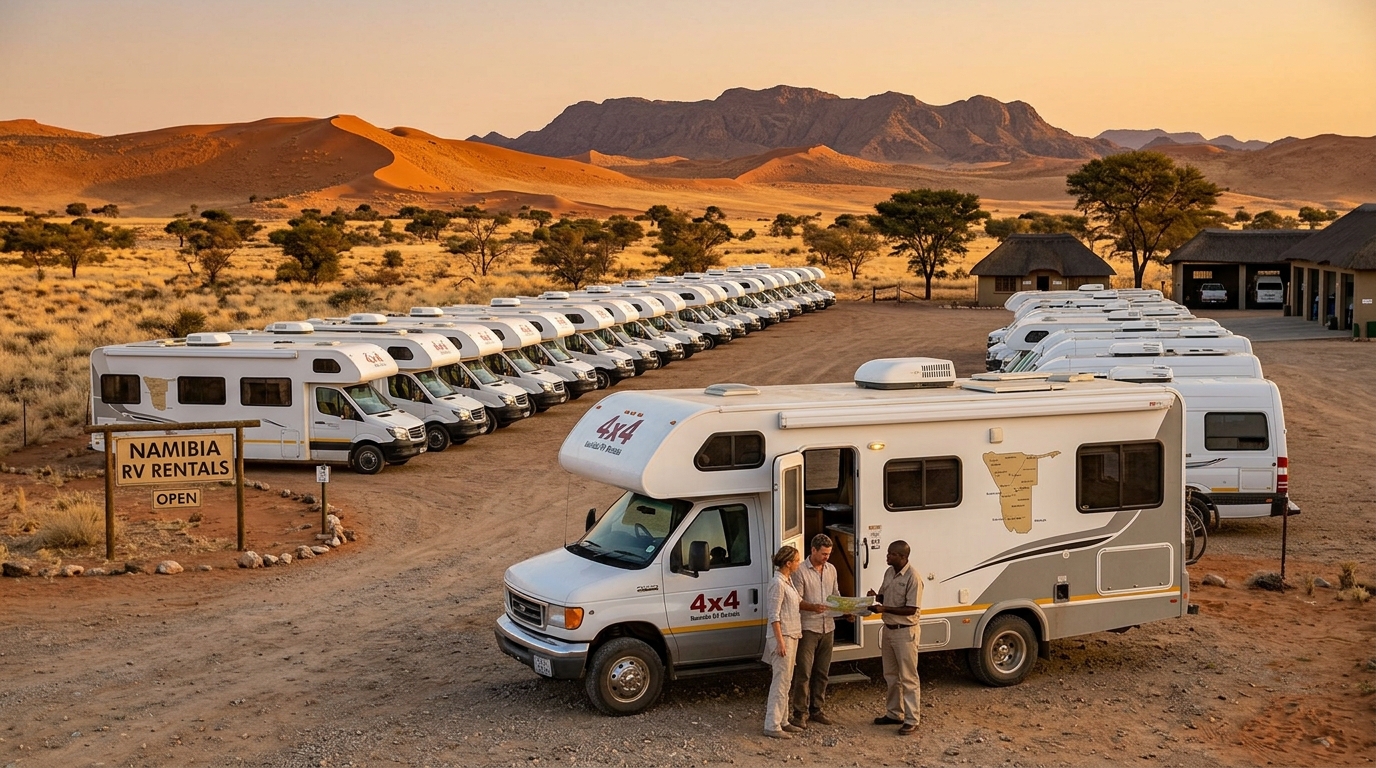
For live availability and current prices, start with our RV Rental Namibia - Complete Guide 2026 guide.
In This Guide
- Can You Drive an RV in Namibia? License & Age Rules
- Road Conditions & Terrain in Namibia
- RV Size Limits, Bridges & Restricted Zones
- Fuel: Diesel vs. Petrol & Cost per 100 km
- Tolls, Vignettes & Border Rules
- Driving Tips for Luxury RV Rental Travelers
- Recommended RV Class for Namibia Roads
- Should I Choose a Compact Van Instead of a Large RV in Namibia?
- Can I Park Anywhere? Free & Wild Camping Rules in Namibia
- Can I Drive an RV into the City Center? Heights, Tunnels & Local Signage
Can You Drive an RV in Namibia? License & Age Rules
Yes, driving an RV in Namibia is feasible with a standard driver's license, though specific regulations apply. For RVs under 3,500 kg Gross Vehicle Mass (GVM), a typical Class B driver's license (equivalent to a standard car license) is generally sufficient. However, for foreign drivers, an International Driving Permit (IDP) is highly recommended and often legally required in conjunction with your national license. Most RV rental companies in Namibia have a minimum driver age of 21 or 23, with some larger, more powerful RVs potentially having a higher age requirement, such as 25, and sometimes imposing surcharges for drivers under 25. It's crucial to verify these age requirements and any potential fees with your chosen rental provider. For RVs exceeding the 3,500 kg GVM threshold, a higher license category, such as a C1 in some jurisdictions, might be necessary, but this is less common for standard rental RVs.
Road Conditions & Terrain in Namibia
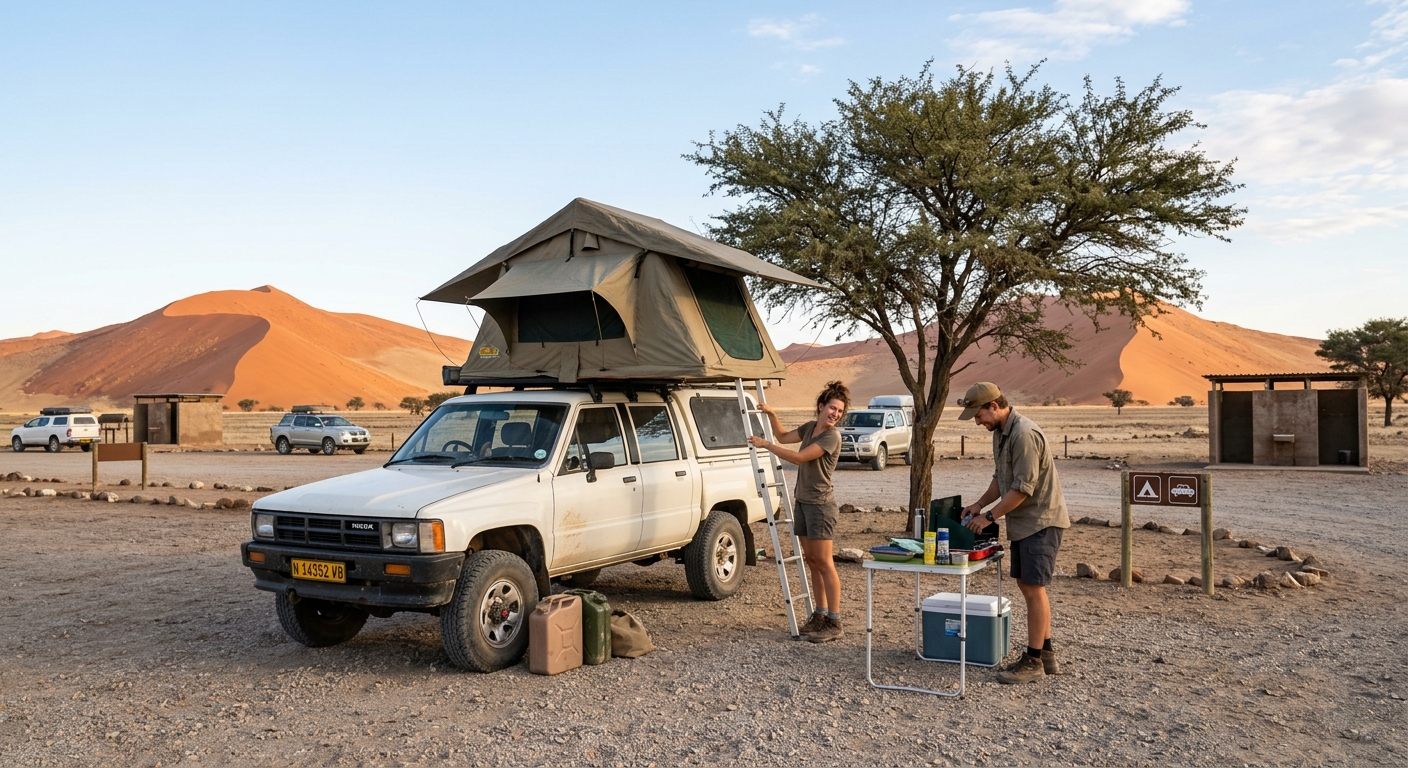
Namibia's road network offers a diverse range of conditions, from well-maintained tarred roads to extensive gravel surfaces. The primary road network, known as B-roads, connects major towns and is generally in good condition, suitable for all types of rental RVs. However, a significant portion of secondary routes and the roads leading into national parks are unpaved gravel roads, often classified as C- and D-roads. Driving on these gravel roads requires extra caution; it's recommended to reduce your speed to 60-80 km/h to prevent punctures and maintain vehicle control. During the rainy season, typically from November to April, flash floods can impact unpaved roads, sometimes necessitating route adjustments or delays. Despite these conditions, luxury RVs, particularly those with comfortable suspensions and robust builds, are well-suited for a slower, scenic pace across Namibia's varied terrain, allowing you to fully appreciate the breathtaking landscapes.
RV Size Limits, Bridges & Restricted Zones
Namibia generally presents few significant RV size limitations for travelers on its main tourist routes. Most rental RVs, including Bandana's fleet categories like Class SI, C, B, A, and TC units, are designed to comply with standard legal dimensions for width and height, ensuring access to most common travel paths. You are unlikely to encounter widespread low bridges or tunnels that would restrict the passage of typical rental RVs on the primary tourist routes. However, it's always prudent to verify potential restrictions when planning travel into specific national parks or private reserves, as some might have entrance gates with particular width or height limitations. While ferry crossings are uncommon in Namibia for RV travel, if your itinerary involves crossing borders into neighboring countries via such means, always confirm the specific size and weight restrictions with the ferry operator. Bandana RV aims to provide detailed specifications for all its rental vehicles, helping you choose a model that best suits your planned routes.
Fuel: Diesel vs. Petrol & Cost per 100 km
Diesel is the predominant fuel type for most RVs available for rent in Namibia, and it is widely accessible at fuel stations throughout the country. Based on global fleet averages for Bandana RV rentals, a Class SI Semi-integrated RV typically consumes around 10–11 liters per 100 km. Larger Class C Alcove RVs from Bandana's fleet generally average between 10–12 liters per 100 km, reflecting their size and power, while more compact Class B Camper Vans are often more fuel-efficient, consuming 8-10 liters per 100 km. Fuel prices in Namibia are government-regulated, meaning they tend to be consistent across the country, although prices at very remote stations might be slightly higher. Given the vast distances between service points, it's a good practice to fill up your tank whenever you have the opportunity to ensure you don't run low in remote areas.
Tolls, Vignettes & Border Rules
Currently, Namibia does not impose road tolls or require vignettes for driving on its public road network, simplifying your journey. However, if your travel plans extend beyond Namibia into neighboring countries such as South Africa or Botswana, it's essential to be aware of specific documentation requirements. These typically include the original rental agreement, a formal letter of authorization from the rental company permitting cross-border travel, and the vehicle's registration documents. Upon entering other countries, you may encounter fees for road usage, a carbon tax, or temporary import permits for the vehicle. To ensure a seamless experience, it's advisable to discuss any planned cross-border travel with your luxury RV rental provider well in advance, as some may offer assistance with preparing the necessary documentation or even provide pre-purchased passes for surrounding territories. On the routes offered through RV PLANET routes, you can itemize and track every expense along the way for easy budgeting.
Driving Tips for Luxury RV Rental Travelers
Embarking on an RV adventure in Namibia comes with unique considerations to ensure a safe and enjoyable trip. A paramount tip is to drive cautiously on gravel roads; significantly reduce your speed to 60-80 km/h on unpaved surfaces to prevent punctures and maintain vehicle control. Distances in Namibia are vast, so it's crucial to plan fuel and water stops meticulously, ensuring your tanks are full whenever possible. Always be aware of wildlife, as animals can be present on roads unexpectedly, especially at dawn and dusk; it's strongly recommended to avoid night driving due to the increased risk of animal encounters. In Namibia's hot climate, remember to stay hydrated and protected by carrying ample water, using sun protection, and taking frequent breaks. Finally, leverage your RV's amenities; utilize features like automatic transmission (if available), climate control, and onboard facilities for a more comfortable and convenient journey across the diverse terrain.
Recommended RV Class for Namibia Roads
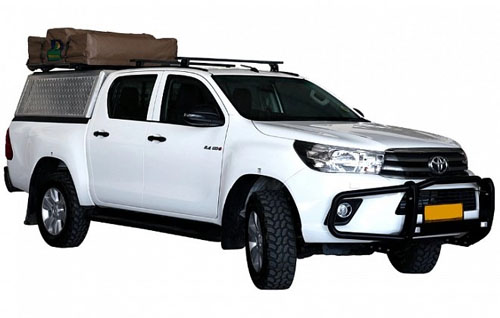
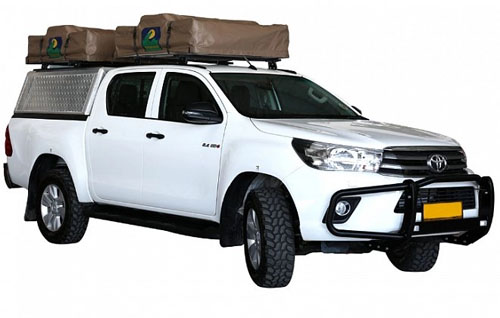
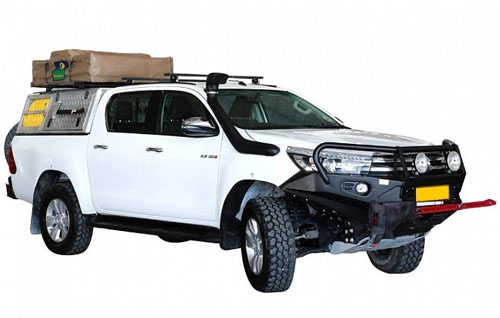
For navigating Namibia's varied road conditions, a Class SI Semi-integrated or Class C Alcove RV is highly recommended. These classes offer an excellent blend of comfort, living space, and capability, making them ideal for the country's main tarred roads and secondary gravel routes. Bandana's Class SI Semi-integrated RVs, typically around 6.9 meters in length, provide good maneuverability and comfortable living space for couples or small families, even on gravel roads. Class C Alcove RVs, averaging 7.5 meters in length, offer enhanced space, often accommodating up to 4 adults or providing sleeping places for 5.8 on average, making them excellent choices for families traveling along main and secondary routes. The elevated driving position and often more robust chassis of these RV classes are particularly advantageous for handling Namibia's gravel and potentially uneven surfaces. If your adventure leans towards more rugged off-road expeditions and you prioritize true 4x4 capability, a specialized Class TC Truck Camper, typically around 5.5 meters in length, might be considered, though these generally offer reduced living space.
Should I Choose a Compact Van Instead of a Large RV in Namibia?
While compact vans, such as a Class B Camper Van, offer a slight edge in agility, larger RVs like Bandana's Class SI or C models generally provide superior comfort and space, which are crucial for extended travel across Namibia's vast landscapes. Compact vans, averaging around 5.8 meters in length, are indeed easier to maneuver and park in tighter urban spaces and can be more fuel-efficient, typically consuming 8-10 liters per 100 km. However, larger RVs offer significantly more living area, larger beds, full kitchen facilities, and often private bathrooms, features that greatly enhance comfort during long drives and remote stays. Namibian cities, including Windhoek, are generally RV-friendly with ample parking, reducing the critical need for a compact van's maneuverability. Ultimately, for a luxury travel experience in Namibia, the added comfort and self-sufficiency provided by a larger RV are often prioritized by travelers, especially for extended road trips. For ideas you can prep on the road, watch our RV-friendly recipes playlist on YouTube.
Can I Park Anywhere? Free & Wild Camping Rules in Namibia
While the allure of 'overlanding' and wild camping is understandable, it's important to note that in Namibia, sleeping in your RV vehicle outside of designated campsites or private land is generally discouraged and often illegal. Namibia places a strong emphasis on conservation and respect for private property, making authorized campsites the primary and most responsible option for overnight stays. Within national parks and protected areas, adhering strictly to official campsite regulations is mandatory for all visitors. The country boasts a good network of well-maintained public and private campsites, offering safe, secure, and often scenic locations to park your RV. Always check local regulations and adhere to local laws before deciding on an overnight parking spot. For finding these authorized campsites, we recommend using RV PLANET routes – a great resource for locating available spots along your route.
Can I Drive an RV into the City Center? Heights, Tunnels & Local Signage
Yes, driving an RV into Namibian city centers, such as the capital Windhoek, is generally not an issue. These urban areas typically lack the severe restrictions on vehicle size found in many older international cities. Namibian cities are usually designed with spacious roads and often offer ample parking, making them quite accommodating for larger vehicles like rental RVs. You'll generally find no restrictive low bridges, tunnels with height limits, or specific environmental zones in city centers that would prohibit RV access. As always, drivers should remain attentive to standard traffic signage, including one-way streets and designated parking areas, to ensure smooth navigation. Windhoek, in particular, is well-equipped to handle larger vehicles, providing easy access to essential amenities before you venture out into the more remote parts of the country or upon your return.
What You Shouldn't Miss
- Drive the scenic route through Sossusvlei in the Namib-Naukluft National Park, marveling at the towering red dunes and ancient dead trees of Deadvlei.
- Experience the wildlife-rich plains of Etosha National Park, with its unique salt pan and abundance of waterholes that attract diverse fauna, best observed from your RV.
- Explore the coastal town of Swakopmund, a charming blend of German colonial architecture and adventure activities, offering a refreshing break from the desert landscapes.
- Witness the dramatic desert meeting the Atlantic Ocean along the Skeleton Coast, perhaps visiting the famous Zeila shipwreck.
- Embark on a guided safari or drive through the Damaraland region to seek out desert-adapted elephants and the rare desert-dwelling rhinos.
- Visit the ancient rock art at Twyfelfontein (a UNESCO World Heritage site) and explore the unique geological formations like the Organ Pipes and Burnt Mountain.
Final Thoughts
Renting a luxury RV in Namibia offers an unparalleled way to explore its vast landscapes and incredible wildlife at your own pace. The freedom to craft your itinerary, combined with the comfort and convenience of a mobile home, transforms a vacation into an unforgettable adventure. Remember to plan meticulously, especially regarding fuel and water, and to embrace the spirit of slow travel.
Namibia’s dramatic scenery, from the towering dunes of the Namib Desert to the abundant wildlife of Etosha, is best experienced through the windows of your own RV. With Bandana Caravan, you get the peace of mind that comes from expert guidance and transparent booking, allowing you to focus on the journey itself.
Discover the magic of Namibia from the comfort of a rented RV. We're here to help you plan every step, ensuring your adventure is as smooth and inspiring as the landscapes you'll encounter. Get inspired for your next trip!
Compare Luxury RV Rentals in Namibia