In This Guide
- Can You Drive an RV in Montreal? License & Age Rules
- Road Conditions & Terrain in Montreal
- RV Size Limits, Bridges & Restricted Zones
- Fuel: Diesel vs. Petrol & Cost per 100 km
- Tolls, Vignettes & Border Rules
- Driving Tips for luxury rv rental Travelers
- Recommended RV Class for Montreal Roads
- Should I Choose a Compact Van Instead of a Large RV in Montreal?
- Can I Park Anywhere? Free & Wild Camping Rules in Montreal
- Can I Drive an RV Into the City Center? Heights, Tunnels & Local Signage
- Do you need a CDL to drive a luxury RV?
- Can I drive a class A motorhome with a regular license in Canada?
- Can you drive an RV from the US to Canada?
- Who insures expensive motorhomes?
- How much is RV insurance in Canada?
- RV-Friendly Campgrounds Near Montreal
- Essential RV Services in Montreal: Propane, Water & Waste
- Seasonal RVing in Montreal: What to Know
Can You Drive an RV in Montreal? License & Age Rules
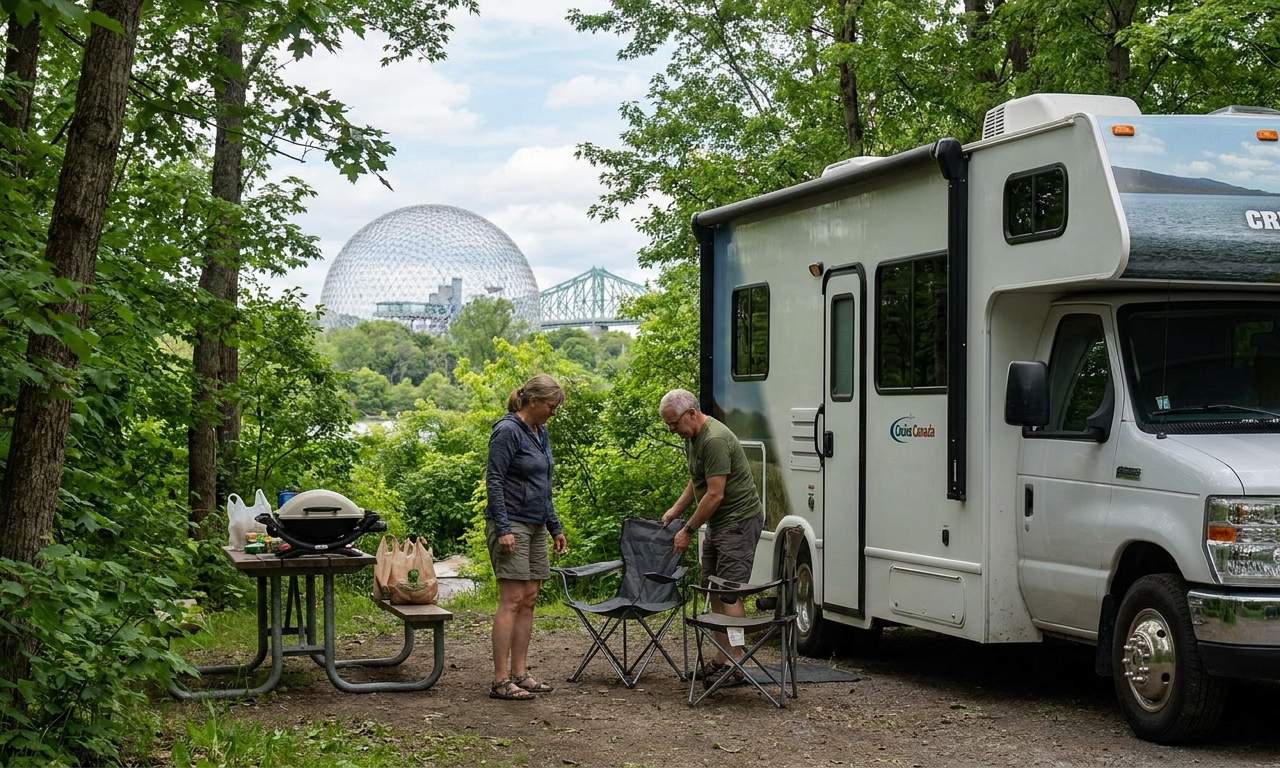
Yes, driving an RV in Montreal is generally permissible with a standard Canadian Class 5 (passenger vehicle) license for most rental RVs. This applies provided the vehicle's Gross Vehicle Weight Rating (GVWR) does not exceed 4,500 kg (approximately 9,920 lbs). The Canadian Class 5 license is the standard for passenger vehicles and covers the majority of recreational RVs. It's crucial to be aware of specific weight thresholds, as vehicles exceeding the 4,500 kg GVWR may require a higher license category. The minimum driver age for luxury RV rentals typically ranges from 21 to 25 years old, with this varying slightly by rental company policies. For our international visitors, a valid license from your home country is essential. While not always mandatory, an International Driving Permit (IDP) is highly recommended if your home country's license is not in English or French, as it aids in understanding and communication with local authorities.
Road Conditions & Terrain in Montreal
Montreal's road conditions offer a varied experience, featuring a mix of urban density, some areas with potentially rougher pavement (often a result of winter freeze-thaw cycles), and generally flatter terrains surrounding the city, making it largely suitable for luxury RV travel. When navigating the city, you can expect typical urban driving challenges such as traffic congestion and narrower streets, particularly in the historic districts. However, the major highways connecting to and around Montreal are generally well-maintained, though it's always wise to be prepared for potential construction zones, especially during warmer months. Seasonal variations, particularly the freeze-thaw cycles experienced in spring, can lead to potholes, so maintaining vigilance and adapting your driving speed is advised. We always encourage a slower, more scenic driving pace to fully appreciate the region and comfortably adapt to varying road conditions.
RV Size Limits, Bridges & Restricted Zones
While Montreal does not impose broad, city-wide RV size restrictions, drivers must remain keenly aware of specific bridge height clearances, tunnel dimensions, and local street regulations, especially when venturing into historic or densely populated areas. Always pay close attention to signage that indicates maximum height and weight limits, particularly for underpasses and bridges, such as those found on the approaches to the Champlain Bridge or Jacques Cartier Bridge. Currently, there are no widespread environmental or low-emission zones specifically restricting RV access within Montreal's core. Navigating the charming but narrow cobblestone streets of Old Montreal might present a challenge for very large RVs; in such cases, it's often more practical to park on the city's periphery and utilize public transit for exploration. Additionally, any ferry services, for example, those that might take you to Île Sainte-Hélène, will have their own specific RV size and weight limitations that you'll need to check.
Fuel: Diesel vs. Petrol & Cost per 100 km
Both diesel and petrol (gasoline) fuel options are readily available at numerous service stations throughout Montreal and its surrounding areas. The fuel efficiency for luxury RVs varies significantly depending on the specific class of vehicle you choose. For instance, our Class B – Camper Vans typically consume between 11–15 Liters per 100 km, offering good fuel economy. Class TC – Truck Campers average a slightly higher 12–17 Liters per 100 km. Larger luxury rentals, such as Class C – Alcove RVs, which are very popular for families, generally consume around 25 Liters per 100 km, with some Class C models potentially reaching 25-30 Liters per 100 km. The average fuel cost per 100 km will naturally fluctuate with current market prices; you can estimate this by multiplying the vehicle's L/100km consumption by the local fuel price per liter. Some rental providers may also offer fuel discount cards to help manage these expenses. On the routes offered through RV PLANET routes, you can itemize and track every expense along the way for easy budgeting.
Tolls, Vignettes & Border Rules
As you approach Montreal, RV travelers should be aware of potential toll roads. For example, Autoroute 30 (A-30) may be applicable if you are arriving from the south. Additionally, strict border crossing requirements are in place if you are entering Canada from the United States. Canada does not operate on a vignette system; tolls are typically paid on a per-use basis for specific highway sections or bridges. If you are renting from Bandana, it's always a good idea to inquire if pre-purchased toll passes are available to help you avoid fines and streamline your travel. For US-Canada border crossings, ensure all occupants possess valid passports. The RV itself will require current registration, proof of ownership or a valid rental agreement authorizing cross-border travel, and appropriate insurance. Your US auto insurance policy may extend coverage into Canada, but it's vital to carry a Canadian Non-Resident Inter-Province Motor Vehicle Liability Insurance Card, typically available from your insurer. Be prepared for customs declarations, including limits on alcohol and tobacco, and be aware of restrictions on certain food items, firearms, and the transport of cannabis, which remains illegal to transport across the border.
Driving Tips for luxury rv rental Travelers
Navigating Montreal in a luxury RV can be an incredibly rewarding experience when you follow specific tips tailored for comfort and local customs. Always allow extra stopping distance and ample space for turns, as luxury RVs are larger and heavier than standard passenger vehicles. Utilize the comfortable automatic transmission options common in luxury RVs to reduce driving fatigue, especially in urban traffic. Familiarize yourself with common French road signs, as this is a predominantly French-speaking environment, although English is widely understood in tourist areas. Planning your routes meticulously in advance is key to avoiding unnecessarily narrow streets or low clearances. Consider driving during off-peak hours to minimize stress and make your journey more enjoyable.
Recommended RV Class for Montreal Roads
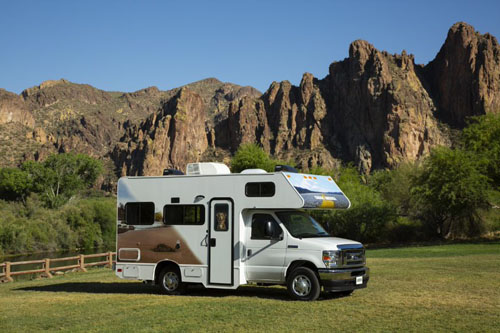
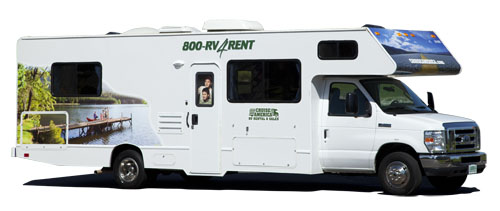
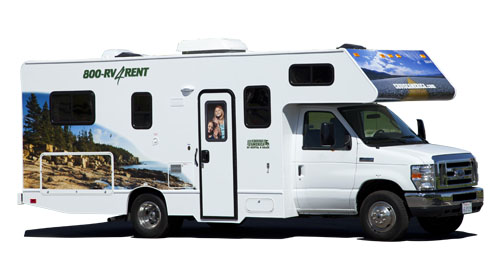
When considering the best RV class for navigating Montreal's roads, Class B Camper Vans and Class TC Truck Campers are generally recommended for their excellent maneuverability, making them ideal for city driving and parking. For those seeking more space and comfort for families, Class C Alcove RVs also offer ample amenities while remaining manageable. Class B Camper Vans, averaging around 6.6 meters in length, provide superior urban agility and easier parking, making them perfect for couples or solo travelers aiming to explore city centers with ease. Class TC Truck Campers, typically around 7.4 meters long, strike a good balance between comfort and a manageable footprint, offering versatility for both city excursions and trips to surrounding natural areas. If you're traveling with larger families or prioritize extensive indoor living space, Class C Alcove RVs, averaging about 8.5 meters in length and often accommodating up to 4 adults comfortably, are a popular choice. Despite their larger dimensions, they provide all the conveniences of a luxury home on wheels. Class SI Semi-integrated models, averaging 7.6 meters, also present a great option, offering a good balance of spaciousness and drivability for a luxury travel experience.
Should I Choose a Compact Van Instead of a Large RV in Montreal?
While compact vans genuinely offer superior maneuverability in very tight urban spaces, larger luxury RVs, such as Class C or SI models, are generally quite manageable in Montreal and provide significantly more comfort and onboard amenities for your trip. The primary trade-off is often between exceptional maneuverability and the living space and onboard facilities. Luxury RVs, by their nature, prioritize comfort, offering multiple sleeping areas and full kitchens and bathrooms. A compact van might truly be beneficial in extremely tight historic centers or for navigating very narrow mountain passes, which are less common direct obstacles within Montreal itself. For most luxury travelers, the enhanced comfort, storage, and amenities of a larger RV typically outweigh the slight increase in parking and navigation effort required in a city like Montreal. Montreal's main arteries and many RV-friendly attractions are indeed accessible to larger vehicles, making the choice often about your preferred travel style and the specific amenities you desire.
Can I Park Anywhere? Free & Wild Camping Rules in Montreal
Free or wild camping within Montreal city limits is generally not permitted, with strict regulations favoring designated campgrounds and official overnight parking solutions. Overnight parking outside of designated areas, such as official campgrounds, RV parks, or specific truck stops, is often prohibited and can lead to fines. It's always best to seek out established campgrounds or authorized RV parking facilities for your overnight stays to ensure legality and safety. While specific regional data on free camping for Montreal is not readily available, the general rule across most Canadian urban centers is that wild camping is not allowed. Rules can vary by region, so it's crucial to always check local regulations and follow local laws before parking overnight, particularly concerning private property or municipal bylaws.
Can I Drive an RV Into the City Center? Heights, Tunnels & Local Signage
Yes, you can generally drive an RV into Montreal's city center, but it's essential to pay careful attention to local signage regarding height limits, tunnels, and low bridges to avoid any incidents. Most RVs, including luxury models, can successfully access the city center via main roads and bridges, but some older or narrower streets, particularly in areas like Old Montreal, might pose challenges. Always heed specific signage that indicates maximum vehicle heights for underpasses, tunnels (such as those on the Ville-Marie Expressway), and covered parking garages. It's important to note that there are no specific environmental zones within the central core that restrict RV access based on emissions, but standard local parking restrictions, like residents-only zones or metered parking with time limits, will still apply. Before entering any potentially restricted areas, take a moment to familiarize yourself with your RV's exact dimensions, especially its height.
Do you need a CDL to drive a luxury RV?
In Canada, a Commercial Driver's License (CDL) is typically not required to drive a luxury RV for personal use, even if it’s a large model, as long as its Gross Vehicle Weight (GVW) or Gross Vehicle Weight Rating (GVWR) remains below the provincial threshold for commercial vehicles. The requirement for a CDL, or a higher class of license beyond a standard passenger vehicle license, generally depends on the RV's weight and whether it is being used for commercial purposes. Most luxury RVs rented for personal recreational travel, including Class B, C, SI, and TC models, fall within the weight limits that permit driving with a standard Class 5 license in Quebec. For the most precise provincial regulations, it's always best to consult Quebec's Société de l'assurance automobile du Québec (SAAQ) or to confirm directly with your rental provider. Always ensure your existing license is valid for the weight class of the specific luxury RV you intend to rent.
Can I drive a class A motorhome with a regular license in Canada?
In many Canadian provinces, including Quebec, a standard Class 5 (passenger vehicle) license permits the operation of a Class A motorhome for personal use, provided its Gross Vehicle Weight (GVW) or Gross Vehicle Weight Rating (GVWR) does not exceed 4,500 kg (approximately 9,920 lbs). For Class A motorhomes that exceed this threshold, some provinces may mandate a higher class of non-commercial license, such as a Class 3 or D license for vehicles over 11,001 kg GVWR in certain jurisdictions. It is critical to verify the specific GVWR of the Class A motorhome you plan to drive and consult the SAAQ for Quebec's exact licensing requirements for heavier recreational vehicles. Most luxury RV rentals from providers like Bandana, which typically include Class B, C, SI, and TC models, fall within the standard Class 5 license limits for personal use. Always confirm the licensing requirements with your rental company and the relevant provincial motor vehicle authority before setting out on your journey.
Can you drive an RV from the US to Canada?
Yes, you can certainly drive an RV from the United States to Canada, but it’s essential to ensure all travelers have valid passports, the RV possesses proper registration and insurance for international travel, and all Canadian customs regulations are met. Every individual crossing the border must possess valid identification, typically a passport, and any necessary visas. The RV must have its current registration and proof of ownership; if it is a rental, you must carry the rental agreement authorizing you to take the vehicle across the border. It's also crucial to ensure your vehicle insurance is valid in Canada; while most US policies extend coverage, carrying a Canadian Non-Resident Inter-Province Motor Vehicle Liability Insurance Card, which you can usually obtain from your insurer, is highly advisable. Be prepared for customs declarations, including adherence to limits on alcohol and tobacco, and be aware of restrictions on certain food items, firearms, and the transport of cannabis across the border.
Who insures expensive motorhomes?
Expensive motorhomes are typically insured by specialized RV insurance providers or through major insurance carriers that offer comprehensive recreational vehicle policies specifically tailored to their unique value and usage patterns. Many large, reputable insurance companies have dedicated divisions for recreational vehicles, providing policies that extend beyond standard auto insurance to cover the specific needs of RV owners. These specialized RV insurers often offer more comprehensive coverage options, which can include full-timer's coverage if applicable, personal effects coverage for belongings inside the motorhome, and roadside assistance plans designed specifically for RVs. For luxury RV rentals, basic liability and collision coverage are usually included by the rental company, but renters often have the option to purchase additional coverage or reduce their deductible through the provider or a third-party travel insurance policy. It's always a good practice to compare quotes from several providers to find the best coverage and value for an expensive motorhome, ensuring it adequately covers its full replacement value and any personal belongings you might have onboard.
How much is RV insurance in Canada?
The cost of RV insurance in Canada can vary significantly, influenced by factors such as the RV's overall value, its specific class (e.g., Class A, C, or B), the age of the driver, their driving record, the chosen coverage limits, and the province of registration. Annual premiums can range broadly, from a few hundred dollars for basic liability coverage on a smaller RV to several thousand dollars for comprehensive coverage on a high-value luxury motorhome. Key factors influencing the premium include the driver's experience level, claims history, and the deductible amount chosen. For rentals, the base insurance is typically included in the rental price, but opting for additional coverage, such as a reduced deductible or expanded personal effects coverage, will naturally add to the overall booking cost. It's always recommended to check with your rental provider for specific insurance inclusions and options.
RV-Friendly Campgrounds Near Montreal
Several RV-friendly campgrounds are conveniently located within a reasonable driving distance of Montreal, offering essential amenities and often public transport links for easy city access. Popular options include Parc national des Îles-de-Boucherville, which provides a beautiful natural escape very close to the city, and private campgrounds like Camping Alouette or Camping Choisy, which typically offer full hookups and a range of facilities. Many of these campgrounds provide essential amenities such as electrical and water hookups, dump stations, laundry facilities, and Wi-Fi. Furthermore, some campgrounds situated near Montreal boast excellent public transport accessibility (via bus or metro), allowing RVers to park their vehicle and explore the city hassle-free. Booking campsites in advance, especially during peak season (summer festivals, holidays), is highly recommended to ensure availability.
Essential RV Services in Montreal: Propane, Water & Waste
Beyond fuel, luxury RV travelers in Montreal will appreciate knowing where to access essential services such as propane refills, fresh water, and waste dump stations to ensure a comfortable and self-sufficient journey. Propane refills are widely available at various hardware stores (such as Canadian Tire, RONA), some larger gas stations, and dedicated propane suppliers throughout the Montreal area. Fresh water can typically be refilled at the campgrounds where you are staying, and sometimes at truck stops or even municipal service stations. RV dump stations for grey and black water waste are commonly found at most campgrounds, many truck stops, and select provincial parks near Montreal. Planning your route to include stops at these essential service points will help maintain your luxury RV's comfort and functionality throughout your Montreal adventure.
Seasonal RVing in Montreal: What to Know
Montreal's distinct seasons offer varied experiences for RV travelers, from vibrant summer festivals to the unique challenges and beauty of winter RVing. Summer (June through August) is considered peak season, ideal for enjoying outdoor activities and numerous festivals, but it necessitates booking campgrounds and popular attractions well in advance due to high demand. Fall (September through October) offers stunning foliage and pleasant, cooler temperatures, making it perfect for scenic drives, though some campgrounds may begin to reduce services or close for the season. Spring (April through May) is characterized by thawing weather, which can sometimes lead to potholes and muddy conditions in certain areas; roads may still have winter tire requirements early in the season. Winter RVing (November through March) is certainly possible with a properly winterized RV (ensuring anti-freeze is in the water systems and equipped with appropriate tires), and it requires finding campgrounds that remain open and offer essential winter services like heated electrical hookups.
What You Shouldn't Miss
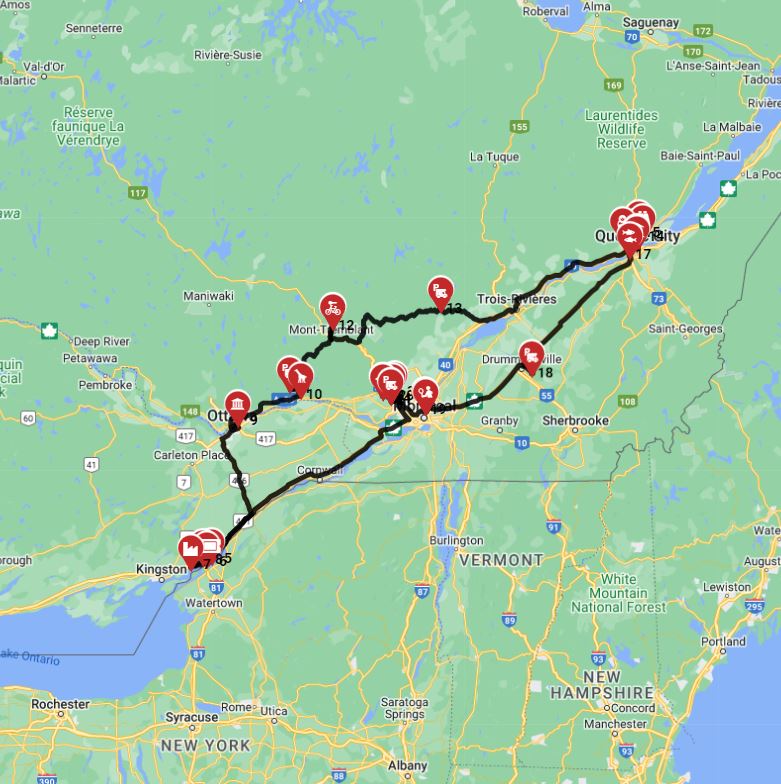
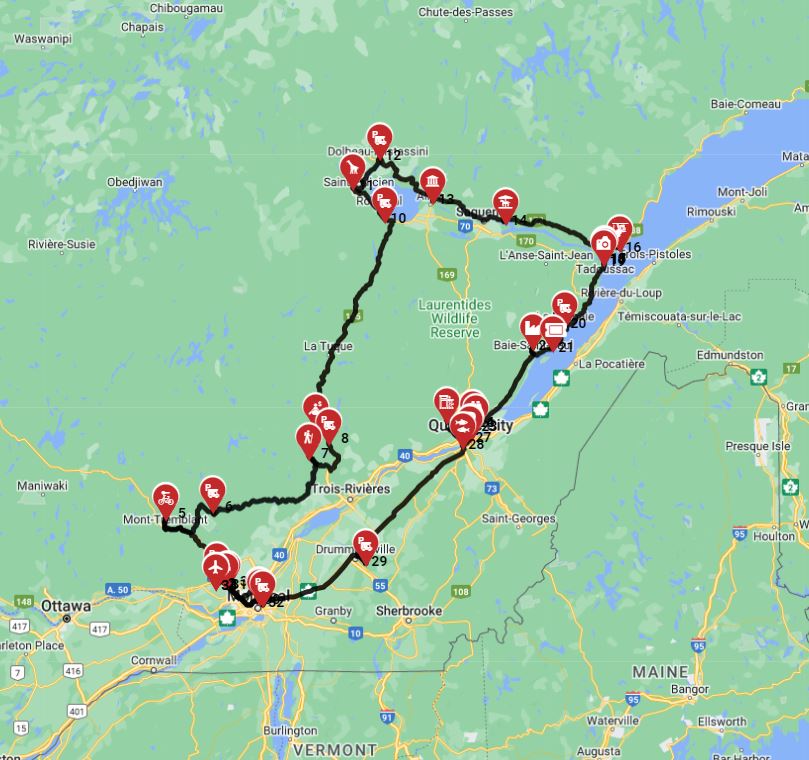
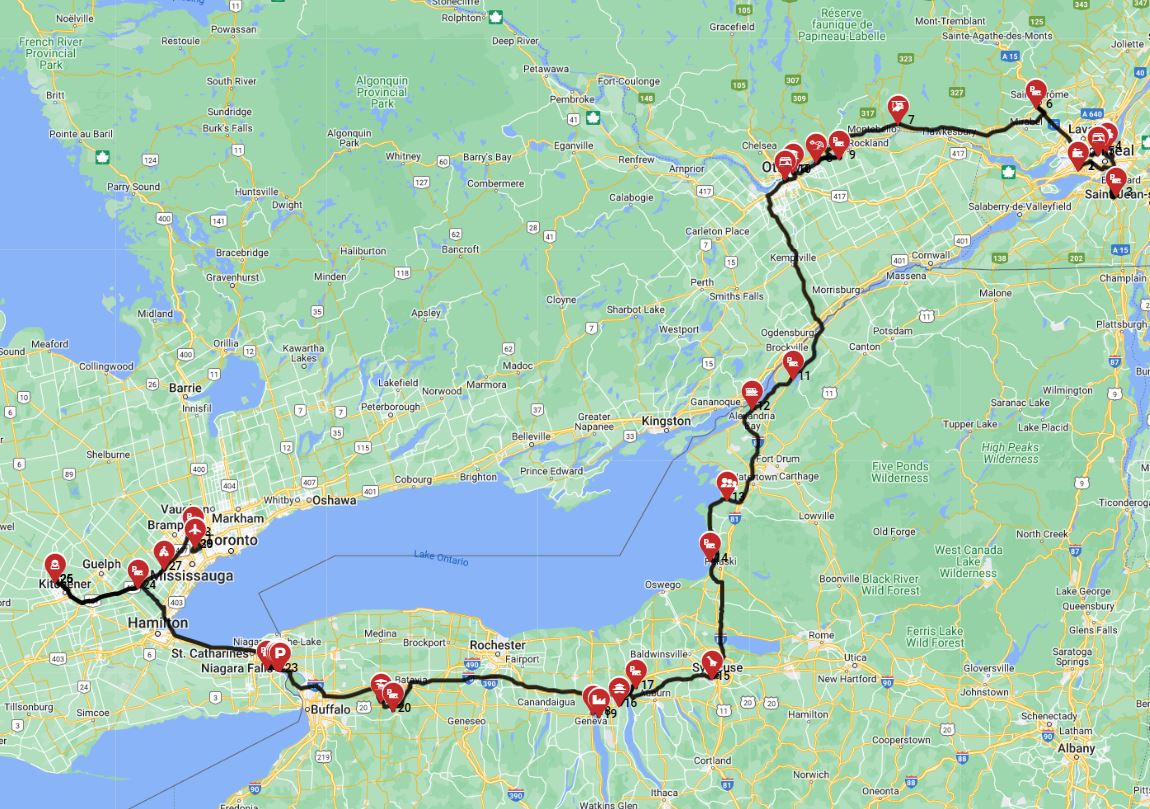
- Drive along the scenic route of the Montreal to Toronto trip, covering approximately 1327 km over 11 days. This route includes a diverse range of attractions like an amusement park, wildlife viewing, an aquarium, and a beach.
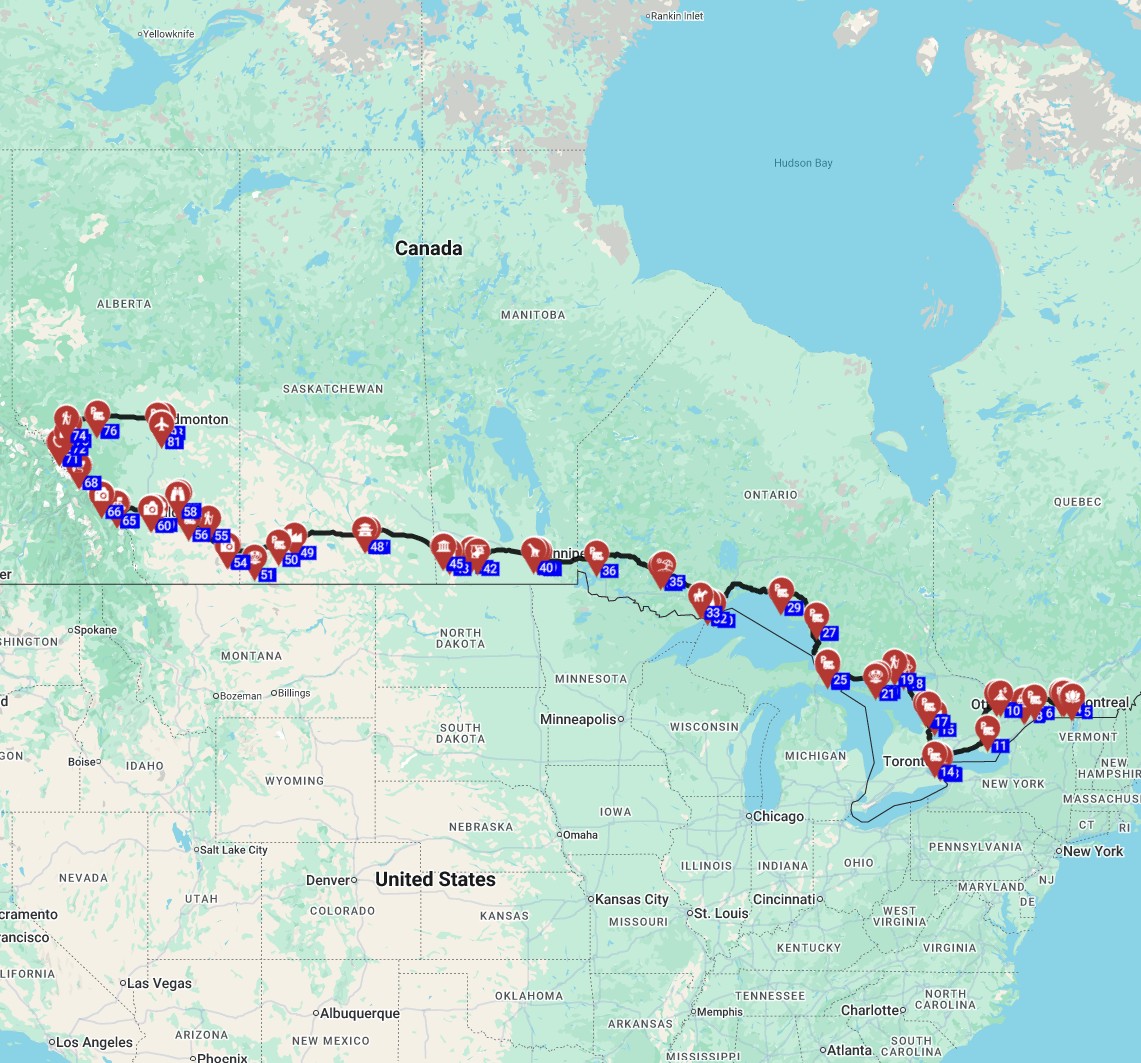
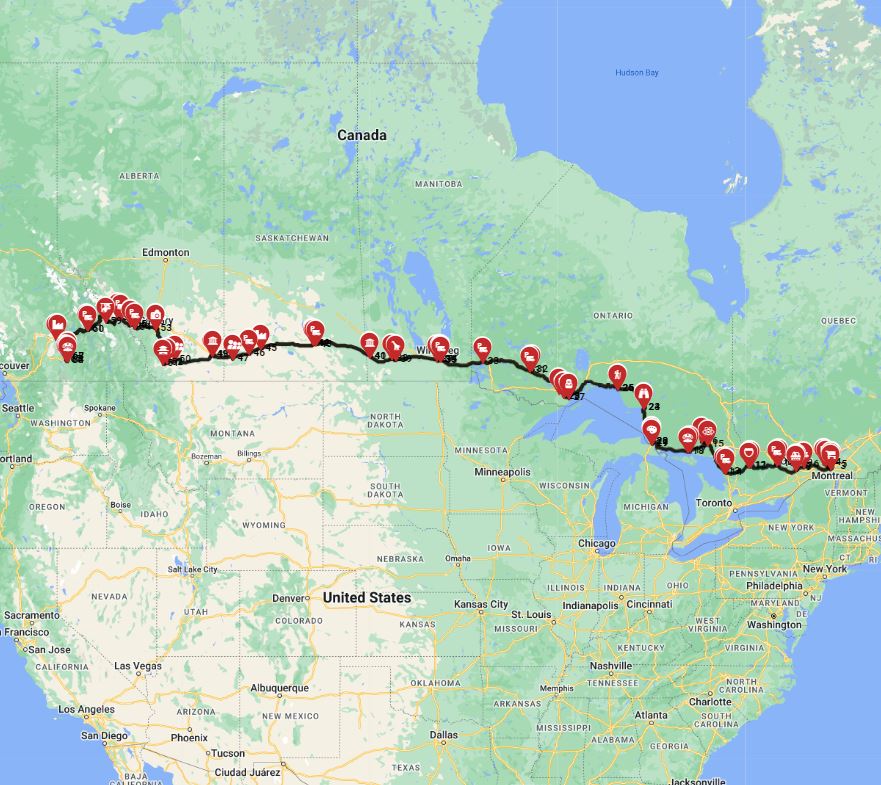
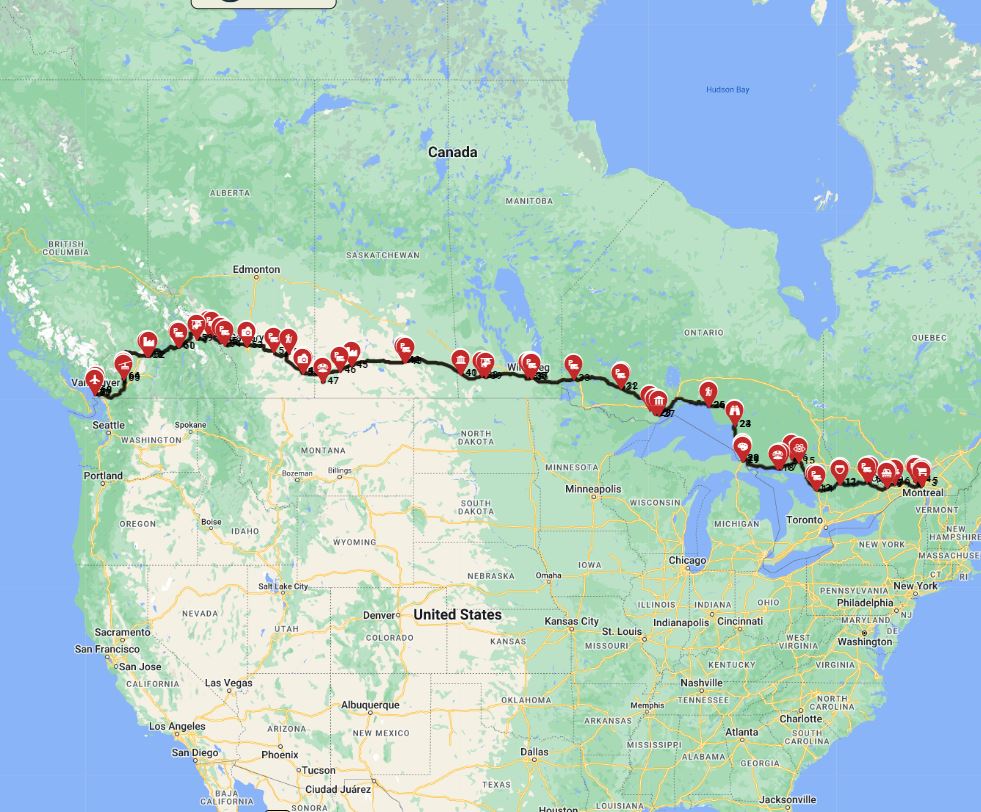
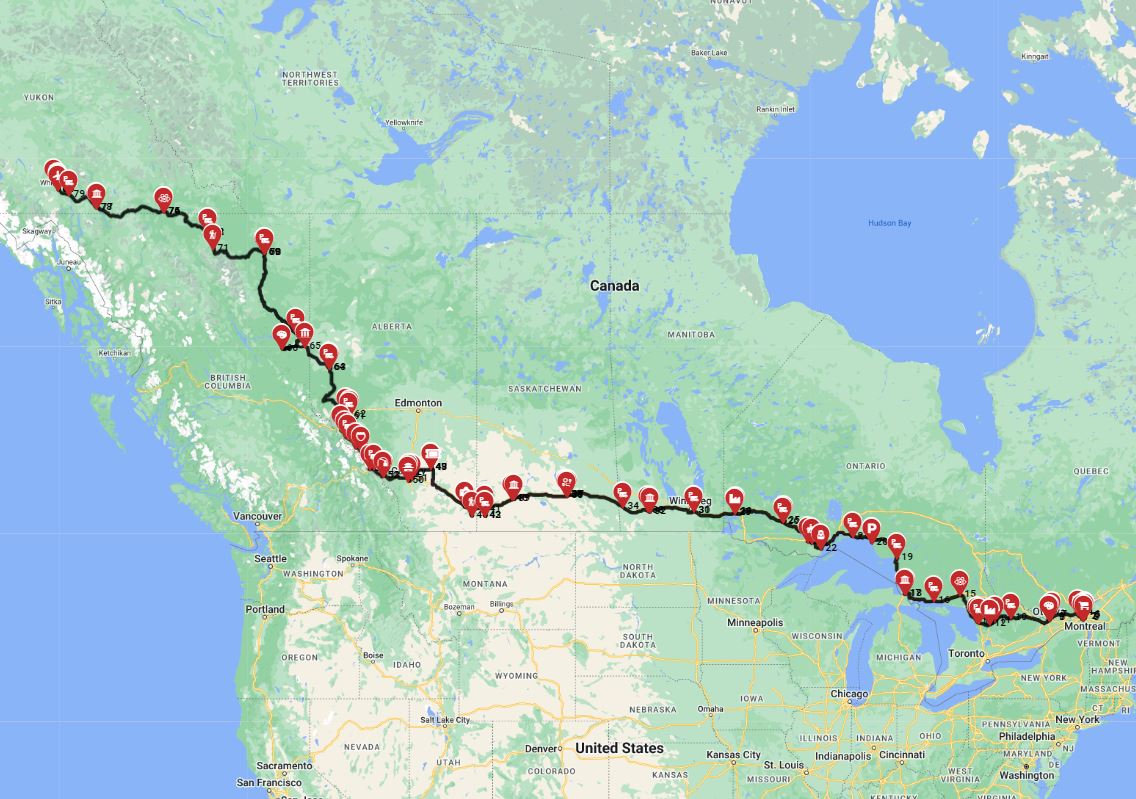
- Embark on the epic Montreal to Edmonton adventure, a 30-day, nearly 5828 km journey that delves into Canada's core, featuring over 40 attractions including amusement parks, art galleries, and numerous hiking areas.
- Experience the unique charm of Montreal by visiting the iconic Orange Julep drive-in, a must-see landmark for a quirky photo opportunity and a taste of local history.
- Explore Montreal's extensive Underground City (RESO), the world's largest pedestrian network, accessible via public transport, offering a comfortable way to discover the city's attractions year-round.
- Take a scenic drive around Mount Royal Park, designed by Frederick Law Olmsted, offering breathtaking city views and accessible hiking trails, providing a natural escape within the urban landscape.
- Consider the Draft-Edmonton to Montreal route, a 29-day, 5527 km exploration of Canada, packed with diverse activities ranging from family attractions to historical sites and numerous museums.
Final Thoughts
Renting a luxury RV in Montreal opens up a world of possibilities for exploration, blending urban discovery with access to Canada's stunning natural landscapes. With a little planning, you can ensure a comfortable and memorable adventure.
Remember to consider the class of RV that best suits your travel style and the city's infrastructure. Whether you opt for a nimble campervan for city maneuvering or a spacious motorhome for family comfort, the freedom of the open road awaits.
Find Motorhome Rentals in Montreal