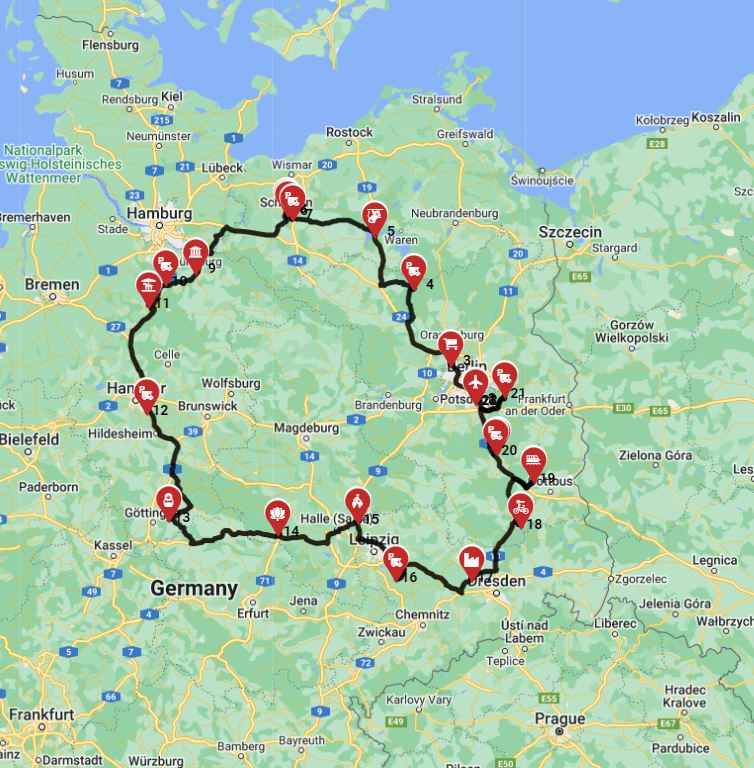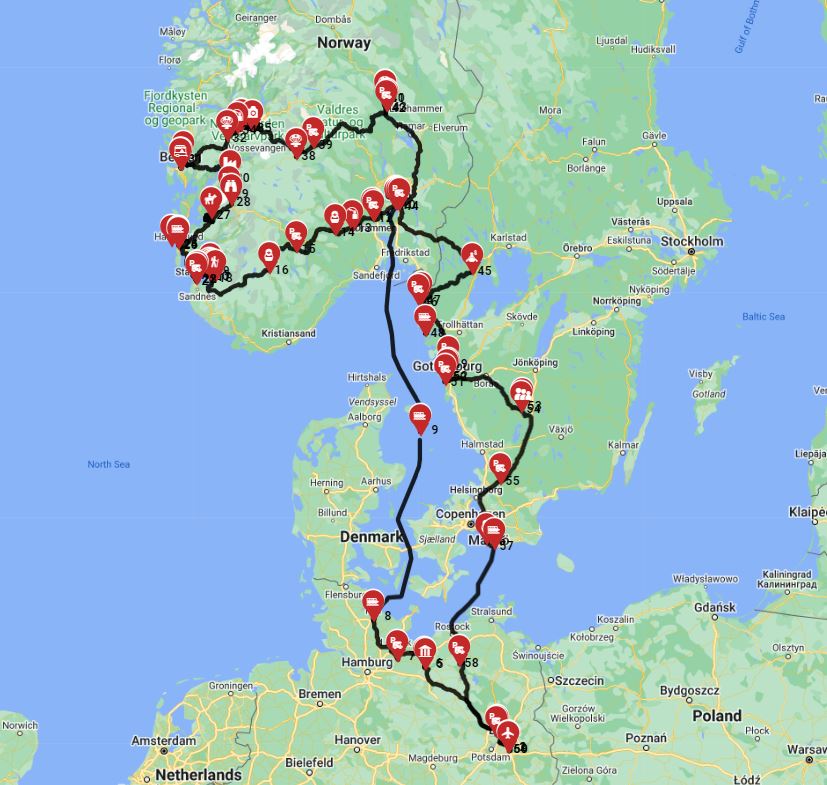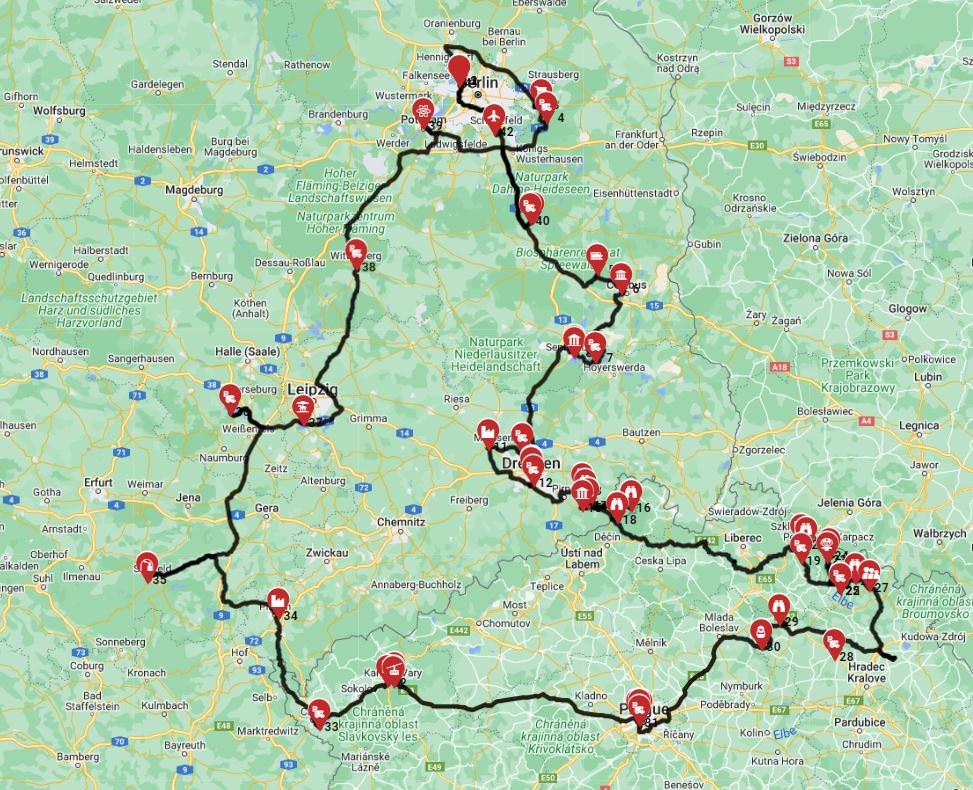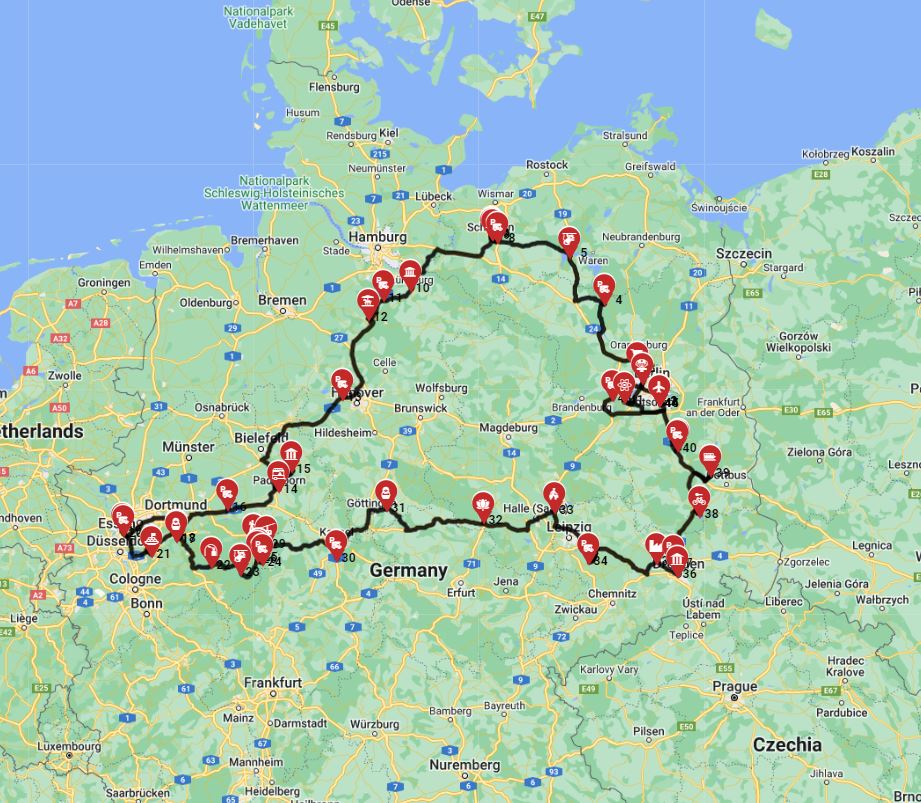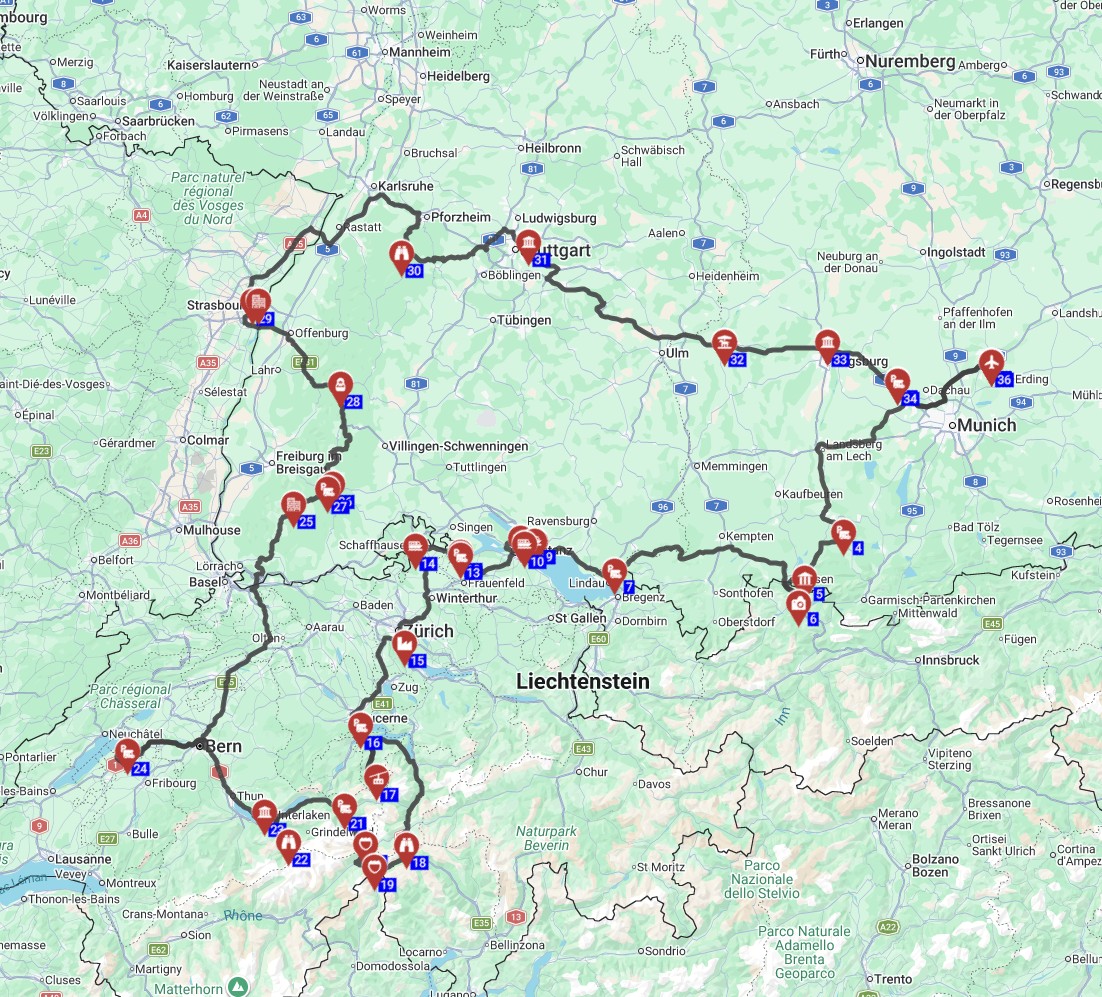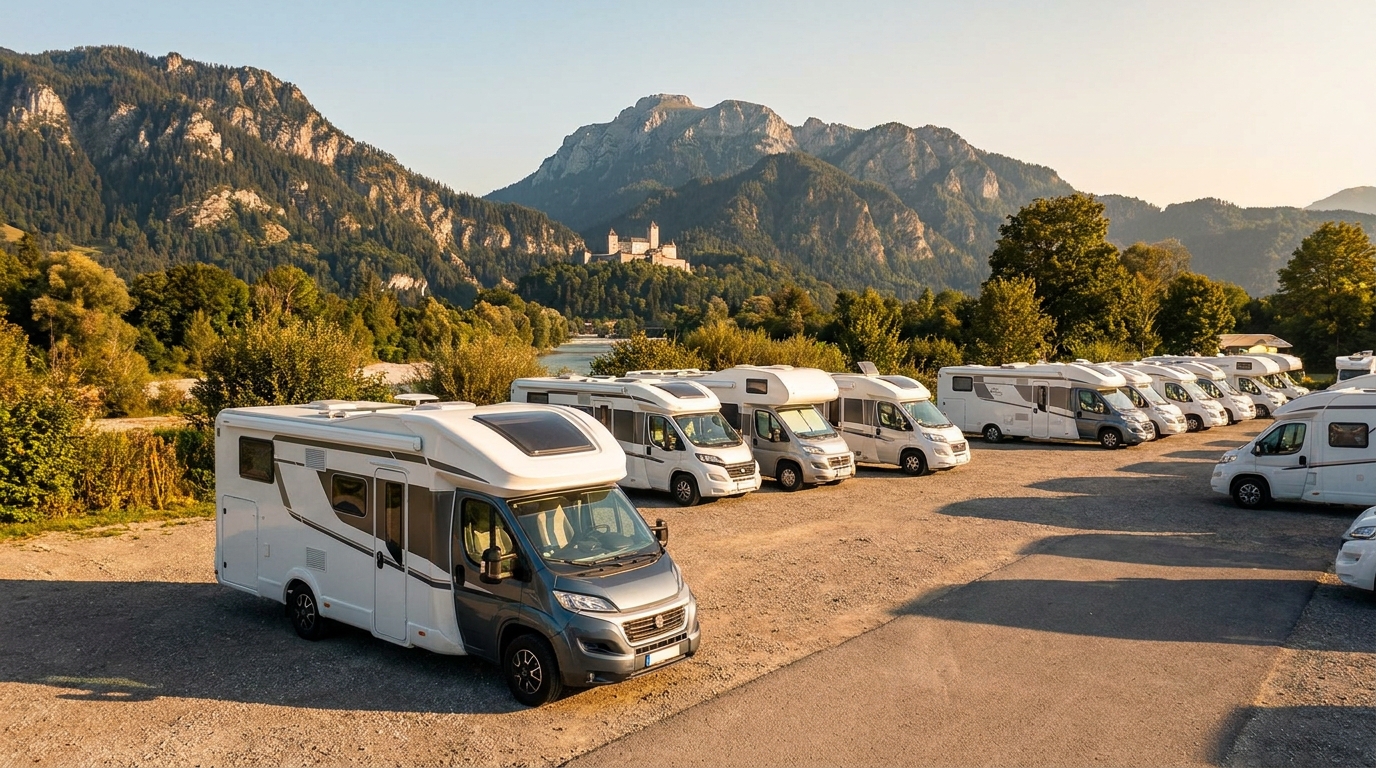
For live availability and current prices, start with our RV Rental East Europe - Complete Guide 2026 guide.
In This Guide
- Can You Drive an RV in East Europe? License & Age Rules
- Road Conditions & Terrain in East Europe
- RV Size Limits, Bridges & Restricted Zones
- Fuel: Diesel vs. Petrol & Cost per 100 km
- Tolls, Vignettes & Border Rules
- Driving Tips for luxury rv rental Travelers
- Recommended RV Class for East Europe Roads
- Should I Choose a Compact Van Instead of a Large RV in East Europe?
- Can I Park Anywhere? Free & Wild Camping Rules in East Europe
- Can I Drive an RV Into the City Center? Heights, Tunnels & Local Signage
- What is the 3-3-3 rule for RV travel?
- What is the 333 rule for campervan?
- Can you drive an RV in Europe?
- What is the 444 rule for RV?
- Do people drive RVs in Europe?
- Which European countries are best for driving in a motorhome?
- What do Europeans call an RV?
- Can you sleep anywhere in a campervan in Europe?
- What is the most luxurious motorhome brand?
- What is the best travel insurance company for Europe?
Can You Drive an RV in East Europe? License & Age Rules
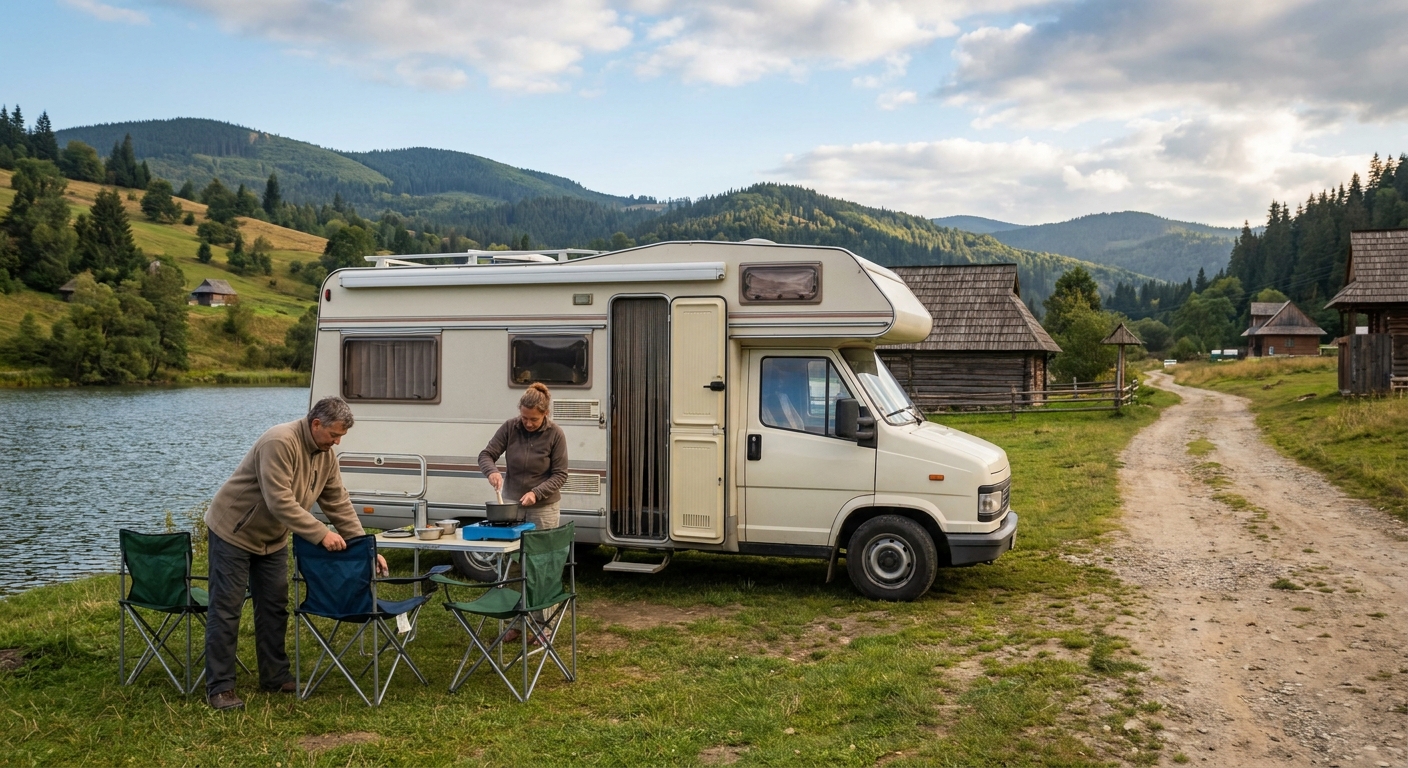
Navigating the diverse landscapes of East Europe in a rented RV is an accessible adventure for most licensed drivers. Most standard European driving licenses, specifically Category B for vehicles up to 3,500 kg, are sufficient for many RVs in East Europe. This typically covers the majority of campervans and smaller semi-integrated models, making them a great starting point for exploring the region. For those seeking more spacious and luxurious RVs, such as larger integrated or alcove models that may exceed 3,500 kg, a C1 license or its equivalent is generally required.
The minimum driver age for RV rentals generally ranges from 21 to 25 years, a common requirement that can vary depending on the specific rental company and the particular vehicle class. It's crucial for international visitors to confirm specific license requirements and age restrictions with your chosen luxury RV rental provider. Additionally, always verify these regulations for each country you plan to visit within East Europe to ensure full compliance and a smooth journey.
Road Conditions & Terrain in East Europe
Embarking on an RV journey through East Europe means embracing a tapestry of road conditions and terrains, from modern highways to charming, albeit sometimes challenging, rural routes. Road conditions can range significantly: expect well-maintained, multi-lane highways connecting major cities, but also be prepared for older roads, occasional cobblestone sections in historic towns, and unpaved tracks in more remote, rural areas. The terrain itself is equally varied, offering everything from the flat, expansive plains found in Hungary and Poland to the dramatic, winding mountain passes of the Carpathians in Romania and Slovakia, and the picturesque coastal routes that grace Croatia's Adriatic coastline.
Your luxury RV, with its robust construction and comfortable suspension, is generally well-equipped to handle these diverse conditions. However, a slower, more deliberate driving pace is highly recommended, especially when navigating narrower or less-developed routes. Increased vigilance and a mindful approach will allow you to fully appreciate the region's varied landscapes and ensure safe passage through different road types. Embracing this 'slow travel' philosophy is key to truly experiencing the heart of East Europe. Navigating intricate border crossings, particularly between Schengen and non-Schengen zones, also requires an awareness of potential road quality changes and localized traffic rules.
RV Size Limits, Bridges & Restricted Zones
When planning your East European RV adventure, understanding vehicle size limits, particularly for height and weight, is paramount. This is due to the region's varied infrastructure, which often includes older bridges and narrower urban passages that can pose challenges for larger vehicles. Always pay close attention to road signage indicating height restrictions for bridges, tunnels, and underpasses; a common restriction for larger vehicles can be around 3.5 to 4 meters, so it's essential to be aware of your RV's exact dimensions.
Many East European cities, such as Prague or Budapest, have implemented environmental zones (low emission zones) that restrict access for certain vehicles. It’s crucial to research the specific requirements for each city on your itinerary in advance and to obtain any necessary stickers or permits to avoid fines. You should also be aware of potential weight limits on certain roads or historic bridges, especially in rural or mountainous regions, which could impact larger luxury RVs. Furthermore, if your route includes ferry crossings, particularly for Adriatic Sea travel to Croatian islands, remember that these often have length and weight limitations that could affect your booking and cost for larger motorhomes.
Fuel: Diesel vs. Petrol & Cost per 100 km
Diesel is the predominant fuel type for RVs and is widely available across East Europe, typically branded as 'Motorina,' 'Nafta,' or simply 'Diesel' at service stations. Bandana's fleet generally sees common fuel consumption for Class SI (Semi-integrated) RVs around 10-11 Liters/100 km, for Class C (Alcove) models, it's about 10-12 Liters/100 km, and for Class A (Integrated) luxury RVs, expect around 11-12 Liters/100 km. These figures provide a helpful baseline for budgeting your fuel expenses. On the routes offered through RV PLANET routes, you can itemize and track every expense along the way for easy budgeting.
Fuel costs in East Europe are generally more favorable when compared to Western Europe, offering a pleasant surprise for your travel budget. You can expect to pay slightly less for diesel per liter compared to petrol. While LPG (Liquefied Petroleum Gas), often used for heating and cooking in RVs, is available, it's less widespread than diesel. Therefore, it's wise to plan your refills carefully and consider carrying the necessary adapters. Some luxury RV rental providers may offer fuel discount cards or specific guidance to help manage travel costs, which can contribute to a more favorable overall cost analysis when compared to Western European travel. For ideas you can prep on the road, watch our RV-friendly recipes playlist on YouTube.
Tolls, Vignettes & Border Rules
Navigating the motorways of East Europe is made smoother by understanding its varied toll systems, primarily consisting of either electronic vignettes (e-vignettes) or traditional toll booths. Countries such as Hungary, Czechia, Slovakia, Bulgaria, and Romania mandate e-vignettes, which must be purchased online or at border crossings and petrol stations before you enter their motorway networks. Poland utilizes a mix of manual toll booths and electronic systems, such as dedicated apps or devices, for specific highway sections; it's essential to verify the requirements based on your RV's weight class.
Be prepared for potentially intricate border crossings, especially when traveling between Schengen and non-Schengen zones, which can include countries like Croatia, Romania, or Bulgaria. These crossings may involve passport checks, vehicle inspections, and customs declarations, which can sometimes cause delays. Fortunately, some luxury RV rental options may offer the convenience of pre-purchasing necessary toll passes or vignettes, which can significantly simplify your journey and help you avoid unexpected fines, making for a more relaxed travel experience.
Driving Tips for luxury rv rental Travelers
Embrace a 'slow travel' philosophy when exploring East Europe in your rented RV; this region is best savored at a relaxed pace, allowing for spontaneous stops at 'hidden gems' and genuine cultural immersion. This approach not only reduces stress but also enhances your connection with the places you visit. Planning regular breaks every 2-3 hours is also highly recommended, especially for family travelers, to ensure comfort, combat fatigue, and provide opportunities to explore roadside attractions.
When selecting your vehicle, consider opting for an RV with an automatic transmission, often found in luxury models, as this can make driving more comfortable and less stressful on varied terrains and in urban traffic. Always keep some local currency on hand (e.g., Hungarian Forint, Polish Złoty) for tolls or small purchases, as card payments might not be universally accepted, especially in more rural areas. To further enrich your cultural interactions, consider pre-loading translation apps and learning a few basic phrases in the local languages – it can truly transform your experience beyond mere sightseeing.
Recommended RV Class for East Europe Roads
For a luxurious RV experience in East Europe, the Class SI (Semi-integrated) RV stands out as an excellent choice, offering a superb balance of comfort, amenities, and manageable size that is well-suited for the region's varied road conditions. Bandana's Class SI models, typically averaging around 6.9 meters in length, provide ample living space for up to 3-4 adults while being considerably easier to navigate on narrower roads and in smaller towns compared to larger alternatives.
If ultimate luxury and spaciousness are your priorities, Class A (Integrated) RVs, averaging about 7.5 meters in length, deliver premium amenities and a commanding presence on the road. However, these require more careful planning for tight city centers and very narrow rural routes. For those prioritizing maximum maneuverability and access to more remote areas, a Class B (Camper Van), averaging 5.8 meters in length, offers exceptional agility. While it provides less internal living space and luxurious features, its compact size makes it ideal for exploring more rugged or less-traveled paths. Ultimately, the best RV class for your East European adventure should align with your specific itinerary, personal comfort preferences, and your confidence in driving a larger vehicle through diverse landscapes.
Should I Choose a Compact Van Instead of a Large RV in East Europe?
While compact campervans, like Class B models, offer superior maneuverability on extremely narrow streets, within historical centers, and on unpaved rural tracks, larger luxury RVs, such as Class SI or A models, generally provide a significantly more comfortable and spacious experience. This enhanced comfort is often preferred for extended East European journeys, where you'll be spending more time living and traveling within your vehicle.
For most major roads, scenic routes, and access to well-established campsites across East Europe, even larger luxury RVs are perfectly suitable. This means the trade-off for superior comfort and abundant amenities usually outweighs the need for maximum compactness. If your itinerary heavily involves frequent city driving, navigating very tight, ancient town centers, or exploring deeply rural, unmaintained roads, a compact van might seem appealing. However, a strategic approach, such as parking larger RVs on city outskirts and utilizing public transport, can effectively negate many of the perceived disadvantages in urban areas, allowing you to enjoy both spacious living and city exploration.
Can I Park Anywhere? Free & Wild Camping Rules in East Europe
Free or wild camping in East Europe is a practice that requires careful consideration, as it is largely restricted or prohibited in most countries, with specific laws varying widely by nation and even by region. In popular tourist destinations like Croatia and Slovenia, wild camping is strictly forbidden and can result in substantial fines, particularly in national parks, coastal areas, and on private lands. It's always best to err on the side of caution and prioritize official campsites or designated Stellplatz (motorhome parking areas).
While some rural, less-traveled areas in countries such as Romania, Albania, or parts of Bosnia and Herzegovina might tolerate discreet overnight parking, it is always done at your own risk and discretion. Always seek explicit permission from private landowners if you intend to stay on their property. Remember that rules vary significantly by region; therefore, it is crucial to check local regulations and adhere to local law before parking overnight. Understanding specific country-by-country guidelines is essential for avoiding legal issues and ensuring your safety and peace of mind throughout your travels.
Can I Drive an RV Into the City Center? Heights, Tunnels & Local Signage
Yes, you can generally drive an RV into many East European city centers, particularly along main arterial roads, but it requires careful attention to specific local signage and diligent planning. Prioritize keeping an eye out for height limit signs at tunnels, underpasses, and low bridges, which are common in older European cities and can pose a significant challenge for larger luxury RVs. Familiarize yourself with your RV's height and ensure it's well within these limits.
Be aware of local environmental zones, pedestrian-only areas, and resident-only streets, which are typically identified by specific signage and may restrict RV access. Finding suitable parking for a large RV within city centers can be quite difficult. It is often more practical and less stressful to park on the outskirts in designated RV parking areas or public lots and then utilize efficient public transportation to explore the city. Specific watchouts include navigating narrow cobblestone streets found in historic districts of cities like Krakow or Prague, where careful maneuvering is required even for moderately sized RVs.
What is the 3-3-3 rule for RV travel?
The 3-3-3 rule for RV travel is a popular guideline that advocates for a relaxed and immersive travel pace. It suggests driving no more than 300 miles per day, arriving at your destination by 3 PM, and staying for a minimum of 3 nights at each location. This rhythm is intentionally designed to reduce driver fatigue, allow ample time for campsite setup and relaxation, and provide genuine opportunities to thoroughly explore the surrounding area at each stop.
Adhering to the 3-3-3 rule can significantly enhance the overall enjoyment of an RV trip, transforming it from a rushed sightseeing tour into a more immersive and less stressful travel experience. It is particularly beneficial for luxury RV travel in East Europe, enabling travelers to comfortably navigate varied roads, engage authentically with local cultures, and discover 'hidden gems' without the constant pressure of being on the move. This approach fosters a deeper connection with destinations, encouraging authentic cultural immersion rather than just ticking off landmarks.
What is the 333 rule for campervan?
The 333 rule for campervans is essentially the same well-regarded travel guideline as the 3-3-3 rule for RVs. It consistently recommends drivers to limit their daily travel to approximately 300 miles, aim to stop driving by 3 PM, and commit to staying a minimum of 3 nights at each chosen destination. This principle applies universally to all recreational vehicles, including compact campervans, promoting a sustainable and enjoyable travel rhythm.
For campervan enthusiasts exploring the diverse landscapes of East Europe, embracing the 333 rule allows for greater flexibility and spontaneity while ensuring sufficient rest and ample time for local discovery. It assists in managing the practical logistics of navigating new territories, finding suitable overnight spots, and accounting for potential variations in road conditions or unexpected delays. Implementing this rule helps travelers maximize their experience of local attractions and cultural nuances, truly aligning with the spirit of a relaxed luxury campervan adventure.
Can you drive an RV in Europe?
Yes, you can absolutely drive an RV in Europe; it's a well-established and increasingly popular method for exploring the continent's diverse regions, including its rich Eastern territories. Europe boasts an extensive network of roads suitable for RVs, ranging from modern, high-speed highways connecting major cities to charming, winding country lanes, complemented by a robust infrastructure of campsites and service areas designed to cater to recreational vehicles.
While RV travel is highly popular in Western Europe, driving an RV in East Europe provides a unique blend of historical richness, stunning natural beauty, and often more budget-friendly travel experiences. Drivers should, however, be mindful of specific national traffic laws, licensing requirements, and vehicle size restrictions that can vary considerably from country to country. For detailed information specific to your journey, it's always advisable to consult resources like the 'Can You Drive an RV in East Europe? License & Age Rules' section for comprehensive, tailored guidance.
What is the 444 rule for RV?
The 444 rule for RV travel is a popular variation of the 3-3-3 guideline, suggesting that travelers should aim to drive no more than 400 miles per day, cease driving by 4 PM, and commit to staying a minimum of 4 nights at each chosen destination. This rule is particularly tailored for RVers who might prefer a slightly faster travel pace than the 3-3-3 guideline but still prioritize adequate rest and in-depth exploration time over continuous driving.
It strikes a practical balance between covering more geographical ground and ensuring sufficient opportunity for relaxation, hassle-free campsite setup, and meaningful engagement with local culture. For luxury RV travelers exploring East Europe, the 444 rule can be an effective framework for connecting more distant attractions or exploring larger countries more efficiently. Ultimately, the best rule—whether it's 3-3-3, 4-4-4, or another variant—depends on your personal travel preferences, the specific itinerary you've planned, and the unique needs of your travel group.
Do people drive RVs in Europe?
Yes, people extensively drive RVs throughout Europe, where it is a highly popular and cherished mode of travel. Millions of travelers choose RVs for the unparalleled flexibility and immersive experience they offer, allowing for spontaneous detours and a deeper connection with the diverse cultures and landscapes across the continent.
The continent boasts a thriving RV culture, well-supported by a vast network of dedicated campsites, convenient 'Stellplatz' (motorhome parking areas), and specialized service points. This widespread adoption and popularity extend robustly to East Europe, where an increasing number of travelers, both local and international, are discovering the region's unique charm and hidden treasures through memorable RV adventures. The growing demand for luxury RV rentals, in particular, further underscores the practicality and enjoyment of this travel style across the varied terrains and rich cultural offerings of Europe.
Which European countries are best for driving in a motorhome?
For an exceptional motorhome driving experience in East Europe, Slovenia, Croatia, Hungary, Czechia, and Poland are consistently cited as top choices, each offering a unique blend of scenic beauty, rich cultural experiences, and well-developed infrastructure. Slovenia, for instance, provides breathtaking Alpine landscapes, crystal-clear lakes, and generally well-maintained roads, making it ideal for picturesque drives and exploration.
Croatia boasts a spectacular Adriatic coastline, perfect for scenic motorhome touring, complete with numerous island-hopping opportunities and a good number of well-equipped campsites. Hungary and Czechia offer deep historical immersion with their rich city centers, revitalizing thermal baths, and generally good road infrastructure, alongside vibrant cultural scenes. Romania appeals to more adventurous travelers with its dramatic Carpathian mountain roads, medieval villages, and authentic rural experiences, though it's worth noting some of its roads can be more challenging. Collectively, these countries provide a comprehensive East European motorhome adventure, catering to a wide range of interests from serene natural beauty to bustling historical centers.
What do Europeans call an RV?
Across Europe, the common terms for an RV are 'motorhome' or 'campervan.' 'Motorhome' typically encompasses larger, integrated units that are self-propelled, while 'campervan' generally refers to smaller, van-based conversions that prioritize maneuverability. It's also important to note that the term 'caravan' in Europe typically denotes a towable travel trailer, which is distinct from a self-propelled RV.
In some East European countries, you might encounter local terms such as 'autókaraván' in Hungary, 'karavan' in Serbia, or 'kempingowy samochód' in Poland. Understanding these terminology distinctions is helpful for clear communication when booking campsites, inquiring about services, or simply engaging with locals during your luxury RV rental journey. Regardless of the specific term used, the concept of recreational vehicle travel is universally understood and widely embraced across the continent.
Can you sleep anywhere in a campervan in Europe?
Generally speaking, sleeping anywhere in a campervan or RV in Europe is not permitted, as wild camping is largely prohibited or heavily regulated in most countries, including throughout East Europe. While discreet overnight parking might be tolerated in very remote or rural areas of certain countries, relying on this practice is risky and can lead to fines, especially in popular tourist regions, national parks, or on private land.
It is always highly recommended to utilize official campsites, designated 'Stellplatz' (motorhome parking areas), or private property with explicit permission for overnight stays. Specific country-by-country laws are paramount; for instance, wild camping regulations are strictly enforced with bans in Croatia, Slovenia, and many parts of the Czech Republic. For comprehensive details on free and wild camping rules pertinent to your East European adventure, please refer to the 'Can I Park Anywhere? Free & Wild Camping Rules in East Europe' section for localized guidance.
What is the most luxurious motorhome brand?
While the definition of "most luxurious" can be subjective and vary based on personal preferences, brands like Concorde, Niesmann+Bischoff, and Morelo are consistently recognized for producing some of the most opulent and high-end motorhomes globally, holding particular popularity within the European market. These top-tier brands are distinguished by their exceptional craftsmanship, bespoke interiors, premium materials, integrated smart home technology, and extensive customization options that collectively define true luxury RV travel.
Many luxury RV rental fleets, including those that Bandana partners with, feature models that offer amenities and build quality inspired by these leading manufacturers, often focusing on spaciousness, unparalleled comfort, and advanced features. Key indicators of a truly luxurious motorhome include a high-end chassis, gourmet kitchen appliances, spa-like bathrooms, sophisticated entertainment systems, and superior insulation for all-season comfort. When choosing a luxury RV rental for your East European journey, focus on the specific features and comfort levels that best align with your personal definition of opulence and will most enhance your overall travel experience.
What is the best travel insurance company for Europe?
Determining the "best" travel insurance company for Europe often depends on individual travel needs and priorities, but providers like World Nomads, Allianz Travel Insurance, and AXA Assistance are frequently recommended for their comprehensive coverage options and reliable service.
When selecting travel insurance for an RV trip in East Europe, it's crucial to find a policy that explicitly covers potential recreational vehicle rental damage, includes robust personal liability protection, offers comprehensive emergency medical expenses coverage, and provides trip interruption or cancellation benefits. Ensure that your chosen policy covers any specific adventure activities you plan to undertake and includes repatriation or evacuation services, especially important for travel in less-traveled East European regions. Always compare multiple quotes, carefully review policy details, understand coverage limits and exclusions, and verify if any existing car insurance or credit card benefits might offer relevant protection. Comprehensive travel insurance is a vital component of emergency preparedness, ensuring peace of mind throughout your luxury RV adventure in East Europe.
What You Shouldn't Miss
- Embark on a scenic drive along the Dalmatian coast of Croatia, stopping at charming islands like Hvar or Korčula accessible by ferry.
- Explore the historic medieval towns of Český Krumlov in the Czech Republic or Sighisoara in Romania, seemingly frozen in time.
- Wander through the stunning Plitvice Lakes National Park in Croatia, famous for its cascading turquoise lakes and waterfalls, accessible via RV parking facilities.
- Immerse yourself in the vibrant culture of cities like Budapest, Hungary, with its thermal baths, or Krakow, Poland, with its historic market square.
- Experience the dramatic mountain landscapes of the Carpathian Mountains in Romania, perhaps on the iconic Transfăgărășan Highway (seasonal opening).
- Discover the natural beauty of Slovenia's Lake Bled and the Julian Alps, offering opportunities for hiking and serene RV stays.
Final Thoughts
East Europe offers an incredible RV adventure, blending rich history, diverse cultures, and stunning natural landscapes. From the Adriatic coast to the Carpathian mountains, a rented motorhome provides the perfect means to explore at your own pace.
Remember to plan ahead regarding licenses, tolls, and potential city restrictions, but don't let the logistics overshadow the immense freedom and discovery that RV travel affords. With Bandana Caravan, you're not just renting an RV; you're gaining a reliable partner in your journey, ensuring a transparent and supportive experience from booking to your final destination.
Get inspired for your next trip! Discover top destinations, planning tips, all in one place, and start planning an RV itinerary in advance with minimal effort and maximum enjoyment.
Ready to embark on your East European RV adventure? Compare RV Rentals in East Europe and find your perfect home on wheels!