In This Guide
- Can You Drive an RV in Croatia? License & Age Rules
- Road Conditions & Terrain in Croatia
- RV Size Limits, Bridges & Restricted Zones
- Fuel: Diesel vs. Petrol & Cost per 100 km
- Tolls, Vignettes & Border Rules
- Driving Tips for luxury rv rental Travelers
- Recommended RV Class for Croatia Roads
- Should I Choose a Compact Van Instead of a Large RV in Croatia?
- Can I Park Anywhere? Free & Wild Camping Rules in Croatia
- Can I Drive an RV Into the City Center? Heights, Tunnels & Local Signage
- How much does it cost to rent an RV in Croatia?
- Is Croatia good for RV travel?
- Is it easy to drive in Croatia?
- Is Croatia safe to drive?
- Navigating Croatia's Ferry System with an RV
- Off-Season RV Travel in Croatia: Advantages & Challenges
- Beyond Commercial Campsites: Unique RV Stays in Croatia
- Emergency Preparedness for Your RV Trip in Croatia
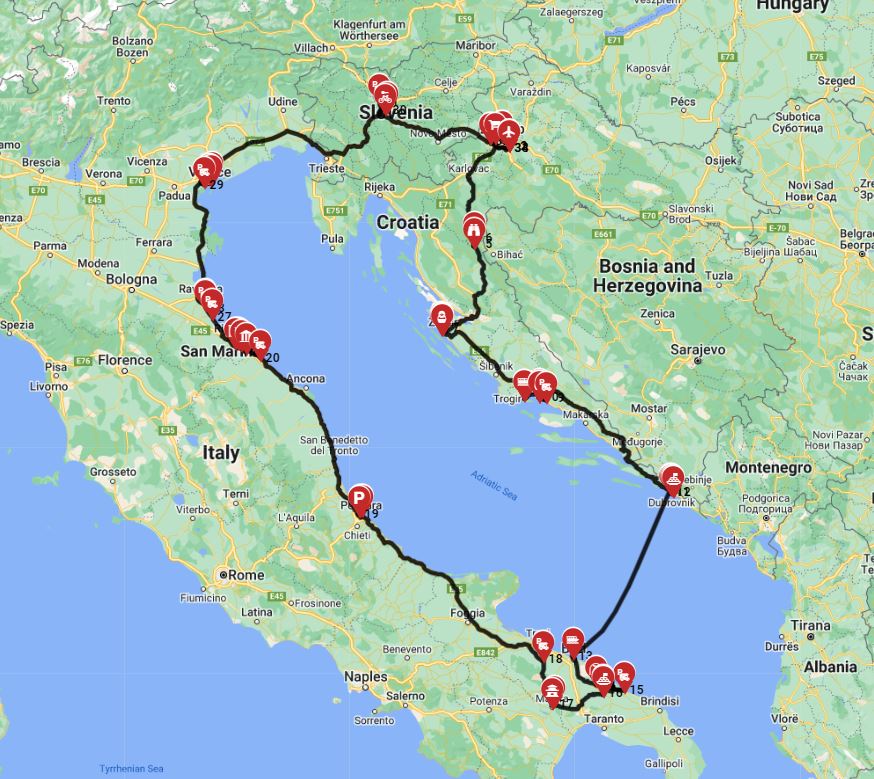
- RV Border Crossings: Croatia & Neighboring Countries
- Cultural Etiquette for RVers in Croatia
Can You Drive an RV in Croatia? License & Age Rules
Yes, you can absolutely drive an RV in Croatia, provided you meet the licensing and age requirements. For most standard RVs, typically those under 3,500 kg Maximum Authorized Mass (MAM), a standard Category B driving license is sufficient, and the minimum driver age is generally 18 years old. However, for larger luxury models or those exceeding 3,500 kg MAM, you’ll need a Category C1 or C license, and the minimum age might be higher, often 21 years old, depending on the rental provider. International visitors from EU/EEA countries can usually use their national license, but drivers from non-EU/EEA countries are often required to possess an International Driving Permit (IDP) alongside their national license. It's crucial to verify the specific requirements for your chosen RV class with your rental company before booking to ensure a smooth start to your Croatian adventure.
Road Conditions & Terrain in Croatia
Croatia offers a diverse driving experience for RV travelers, with a well-maintained network of highways connecting major cities that provide a smooth and comfortable journey for your luxury RV rental. These main arteries are generally in excellent condition, making long-distance travel pleasant. As you venture off the beaten path, especially along the stunning coastal routes, expect winding, scenic roads that require careful navigation. These roads often narrow, offering breathtaking views of the Adriatic Sea and charming seaside towns, but demanding a slower pace. The terrain varies significantly, from the relatively flat plains in the eastern Slavonia region to the more mountainous and sometimes steep inclines in areas like the Dinaric Alps. While navigating historic towns and smaller villages, roads can become narrower and less paved, so always be prepared. Despite these variations, the overall driving culture in Croatia encourages a more relaxed, scenic pace, perfectly suited for RV exploration. Remember, driving slowly and carefully, and you can drive almost anywhere without issues. No need to stress — just use common sense and pay attention.
RV Size Limits, Bridges & Restricted Zones
When exploring Croatia in a rented RV, it’s essential to be aware of potential size limits, particularly when venturing into historic city centers or utilizing certain island routes. While major roads and highways are generally well-equipped to handle RVs, drivers of larger luxury models should always pay attention to signage that may indicate height or weight restrictions, especially for older underpasses or narrower village streets. Ferry operators also have specific guidelines for RVs regarding length and height, which directly influence booking and pricing, so knowing your RV's exact dimensions is key. While Croatia doesn't widely implement environmental zones for private vehicles, it's always prudent to check for local signage in specific cities or protected natural areas. Using an RV-specific GPS navigation system can be incredibly helpful in avoiding unsuitable roads, tunnels with low clearances, or narrow passages that might not accommodate larger vehicles, ensuring a smoother and more enjoyable journey across Croatia's varied landscapes.
Fuel: Diesel vs. Petrol & Cost per 100 km
The majority of Bandana's RV fleet, including luxury models, operates on diesel fuel, which is readily available at service stations throughout Croatia. Understanding fuel consumption is vital for budgeting your trip. Generally, semi-integrated RVs (similar to Class SI) consume around 10–11 liters per 100 km, while larger alcove models (like Class C) might average 10–12 liters per 100 km. More compact camper vans (Class B) are typically more fuel-efficient, using about 8–10 liters per 100 km, while larger integrated RVs (Class A) might consume between 8-12 liters per 100 km. Truck campers (Class TC) can have higher consumption, typically 12–17 liters per 100 km. Fuel prices in Croatia are consistent with other European Union countries, fluctuating with global markets. For 2026, budgeting approximately €1.60-€1.70 per liter for diesel is a reasonable estimate. Some rental packages might include fuel discount cards or offer fuel pre-purchase options, which can help manage overall travel costs. On the routes offered through RV PLANET routes, you can itemize and track every expense along the way for easy budgeting.
Tolls, Vignettes & Border Rules
Croatia employs a pay-as-you-go toll system for its extensive highway network, meaning you'll pay fees based on the distance traveled and your vehicle's category. Tolls are collected at toll gates, where payment can typically be made in cash (HRK or EUR) or by credit card. RVs are categorized based on their height and number of axles. While Croatia itself does not use a vignette system for its highways, it's crucial to ensure your rental RV’s insurance, often documented by a 'Green Card,' covers any neighboring countries you plan to visit, as this is a mandatory requirement at border crossings. Some rental packages may offer electronic toll passes (ENC), which can streamline travel and potentially help avoid fines. Be prepared for potential delays at border crossings, especially during peak tourist seasons, and always keep your vehicle and personal documents readily accessible for a smoother experience.
Driving Tips for luxury rv rental Travelers
Embracing the Croatian spirit of 'pomalo' (slowly) is key to an enjoyable RV journey. Driving in Croatia is best savored at a relaxed pace, allowing for spontaneous stops at breathtaking viewpoints and charming local eateries. Always be mindful of your RV's dimensions; utilizing an RV-specific GPS can help you navigate away from narrow roads, low bridges, or steep inclines unsuitable for larger vehicles. If your luxury RV rental features an automatic transmission, it will significantly ease the navigation of winding coastal roads and mountain passes, adding to your comfort. Planning ferry crossings in advance, especially during high season, by booking online is highly recommended to secure your spot and minimize wait times. For families, scheduling regular breaks every 2-3 hours is a great way to keep everyone comfortable and energized, making the entire journey a positive experience.
Recommended RV Class for Croatia Roads
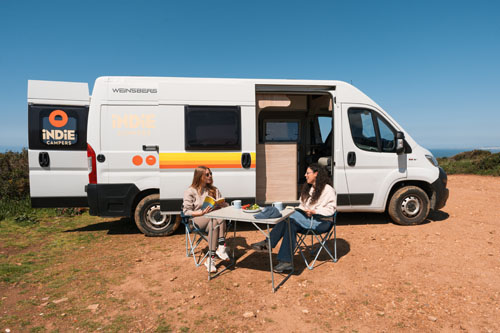
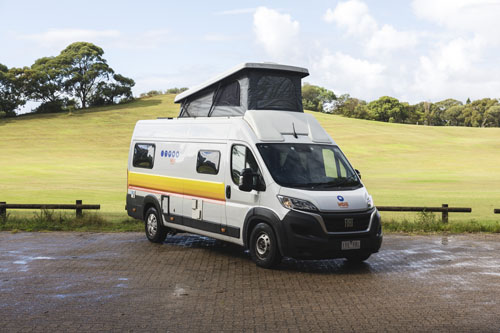
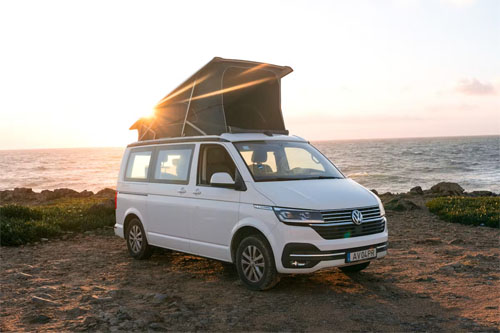
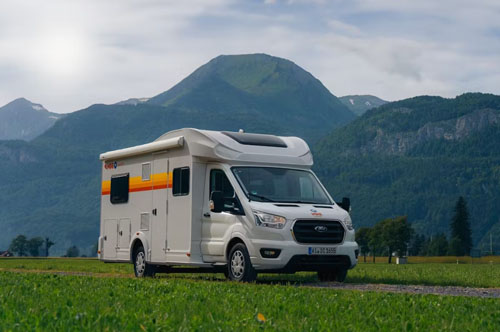
For navigating Croatia's diverse landscapes while balancing comfort and maneuverability, Bandana recommends the Class B – Camper Van and Class SI – Semi-integrated RVs. Camper Vans, typically around 5.8 meters in length, offer excellent agility for those narrow coastal roads and make parking in smaller towns much easier, ideal for couples or small families. The Semi-integrated RVs, averaging about 6.9 meters, provide a great balance of living space and amenities without being overly cumbersome, making them perfect for families who want more comfort. Both classes generally offer adequate ground clearance for Croatia's varied road conditions and are well-suited for ferry travel. While larger Class C (Alcove) and Class A (Integrated) RVs offer maximum luxury and space, their greater length (around 7.5 meters) might require more careful route planning in very compact areas, though they remain excellent choices for highway travel and spacious campgrounds.
Should I Choose a Compact Van Instead of a Large RV in Croatia?
Deciding between a compact van and a larger RV for your Croatian adventure often comes down to prioritizing convenience versus comfort. While a compact camper van (like Bandana's Class B, around 5.8m) offers advantages in navigating extremely tight historic city centers or finding parking in busy areas, a larger semi-integrated (around 6.9m) or alcove RV (around 7.5m) provides significantly more living space, private bathrooms, full kitchens, and storage for longer trips. Croatia's main roads and highways are generally well-suited for larger RVs, and many campsites are designed to accommodate them, serving as a comfortable mobile base for your explorations. The choice often hinges on whether you value the enhanced living experience and amenities of a larger RV for your luxury vacation or the occasional ease of maneuverability a compact vehicle provides for those rare, very tight spots.
Can I Park Anywhere? Free & Wild Camping Rules in Croatia
It’s important to know that free and wild camping is generally prohibited throughout Croatia, with strict enforcement, especially along the popular coastline and within national parks. Overnight parking outside of designated campsites or legal overnight parking areas can lead to substantial fines. For a legal, secure, and comfortable stay, travelers should utilize official campsites, smaller family-run 'kampovi', or designated RV parks. These locations offer essential amenities like fresh water, waste disposal facilities, and often electricity hookups, ensuring a pleasant experience for your luxury RV journey. Always adhere to local regulations and follow signage to ensure a compliant and enjoyable trip.
Can I Drive an RV Into the City Center? Heights, Tunnels & Local Signage
While navigating the outskirts of most Croatian cities with an RV is generally manageable, direct entry into historic city centers can present challenges due to restricted access for larger vehicles. Drivers must pay close attention to local signage, which frequently indicates height and weight limits, particularly at entrances to old town areas, tunnels, and low bridges. Many of Croatia's most charming historic centers, such as Dubrovnik, Split, and Rovinj, feature narrow, pedestrian-only streets or designated zones where vehicle access is either restricted or completely forbidden. It's often more practical to park your RV in designated lots on the city's periphery and then explore the central attractions using public transport or by walking, ensuring a less stressful experience with limited parking options for larger RVs within dense urban areas.
How much does it cost to rent an RV in Croatia?
The cost to rent a luxury RV in Croatia varies significantly based on factors like RV class, rental duration, the season of travel, and specific amenities included. Typically, you can expect prices to range from €80 to €250+ per night. For example, a compact camper van (Class B) might start from €80-€120 per night during the shoulder season, while a more spacious semi-integrated (Class SI) or alcove (Class C) luxury RV could command €120-€200+ per night. Prices during the high season (June-August) are generally 30-50% higher than off-season rates, and longer rental periods often come with a lower daily rate. Beyond the rental fee itself, remember to budget for fuel (estimated at 10-12 liters/100 km for diesel), tolls (which vary by route and RV size), ferry costs (which can be substantial for larger RVs based on length and height), and campsite fees, which typically range from €25 to €60+ per night. Don't forget to factor in additional expenses like local tourism taxes, optional insurance upgrades, and a security deposit to get a complete picture of your trip's budget.
Is Croatia good for RV travel?
Croatia is exceptionally well-suited for RV travel, offering a spectacular combination of natural beauty, a well-developed network of campsites, and a welcoming atmosphere for motorhome enthusiasts. The country's diverse landscapes, from the stunning Adriatic coastline and its numerous islands to its pristine national parks and historic towns, are perfectly suited for exploration at your own pace. With a robust tourist infrastructure that includes many modern campsites equipped with essential amenities, RV travelers can tour the country with comfort and ease. The freedom an RV provides allows for access to remote beaches, charming villages, and natural parks that might be harder to reach with traditional accommodations. While wild camping is prohibited, the abundance of official campsites, including smaller family-run 'kampovi' and agritourism options, ensures plenty of legal and scenic spots to stay throughout your journey.
Is it easy to drive in Croatia?
Driving in Croatia is generally considered easy, particularly on its modern highway system, but it requires attention to local driving habits and the varying road conditions you might encounter. The main highways are well-maintained, clearly signposted, and offer a smooth driving experience, even for larger luxury RVs. However, away from the highways, especially on coastal roads and in older towns, roads can become narrow, winding, and sometimes steep, demanding careful maneuvering. Croatian drivers can sometimes be assertive, particularly in urban areas, so maintaining situational awareness and practicing defensive driving is advisable. With an RV-specific GPS and careful route planning, navigating Croatia's roads is a manageable and rewarding experience that allows you to comfortably explore the country's incredible beauty.
Is Croatia safe to drive?
Croatia is generally regarded as a safe country for driving, boasting low crime rates and a well-functioning road infrastructure that makes it a secure destination for RV travelers. Road safety standards are comparable to those in other European countries, with a visible police presence on major routes helping to ensure adherence to traffic laws. As always, common-sense precautions like keeping valuables out of sight and ensuring your RV is locked are recommended, particularly in popular tourist areas or more remote parking spots. While driving conditions are predominantly excellent, vigilance is advised on winding coastal roads and during periods of adverse weather, and adherence to speed limits remains important for safety. In the unlikely event of an emergency, roadside assistance is available, and emergency services are reliable, further contributing to a safe travel experience.
Navigating Croatia's Ferry System with an RV
Exploring Croatia's numerous islands with your RV is a quintessential part of the experience, and navigating the extensive ferry system is key. Planning ahead is crucial, especially during peak season, as popular routes and larger RVs require reservations made well in advance online, particularly with operators like Jadrolinija. When booking your ferry, be precise with your RV's exact length and height, as these dimensions determine its vehicle category and ultimately the cost of your ticket. It’s also advisable to arrive at the ferry port with ample time before departure to allow for the loading procedures, which can be slower for larger vehicles, and to secure your place in the queue. When choosing your island destinations, consider which ones are most RV-friendly, as some smaller islands or ports may have tighter maneuvering spaces or fewer suitable campsites, which can influence your route planning.
Off-Season RV Travel in Croatia: Advantages & Challenges
Opting for off-season RV travel in Croatia, specifically during spring (April-May) and autumn (September-October), offers numerous advantages. You'll find fewer crowds, lower prices for RV rentals and campsites, and milder weather that’s often ideal for extensive exploration. The shoulder seasons provide a unique opportunity for solitude in popular national parks and historic towns, allowing for a more intimate and authentic experience of Croatian culture. However, challenges during these periods can include reduced availability of some tourist services, such as fewer ferry departures, potentially closed restaurants in very remote areas, or limited campsite opening hours. Weather can also be a factor, with cooler temperatures and a higher chance of rain in autumn, while spring brings pleasant warmth and vibrant greenery, but also occasional unpredictable showers. Despite potential service reductions, the ability to experience Croatia's beauty without the summer rush, often at a significantly reduced cost, makes off-season RV travel a highly appealing option for many.
Beyond Commercial Campsites: Unique RV Stays in Croatia
Croatia offers delightful alternatives to traditional commercial campsites for RV travelers seeking a more authentic experience. Many farms and rural households provide 'agritourism' (rural tourism) opportunities, where RVers can park overnight, often with basic amenities, in exchange for purchasing local produce or meals. These stays, particularly in inland regions, can offer a legal and genuine alternative to official campsites. You’ll also find numerous small, privately-owned 'kampovi' which often provide a more personal and intimate camping experience than larger resorts, frequently nestled in scenic rural or coastal settings. Always research these unique stays in advance, contacting them to confirm availability, facilities, and any specific rules to ensure a respectful and legal overnight stop. For ideas you can prep on the road, watch our RV-friendly recipes playlist on YouTube.
Emergency Preparedness for Your RV Trip in Croatia
Being prepared for emergencies is crucial for a smooth RV trip in Croatia, ensuring you have resources for potential breakdowns, medical issues, or lost documents. Before your departure, confirm that your RV rental includes comprehensive roadside assistance coverage and have the contact numbers for the rental company and local emergency services (112 for all emergencies) readily available. Pack a well-stocked first-aid kit, along with any necessary personal medications, and familiarize yourself with the location of pharmacies ('ljekarna'), which are commonly found in towns and cities. It's also wise to keep physical and digital copies of all essential documents—passport, driver's license, rental agreement, insurance details, and Green Card—stored separately. In the event of a breakdown, pull over safely, activate hazard lights, place a reflective triangle, and contact your rental provider or roadside assistance immediately, clearly stating your location.
RV Border Crossings: Croatia & Neighboring Countries
Crossing borders with your RV from Croatia into neighboring countries like Bosnia-Herzegovina or Montenegro requires specific preparations beyond typical car travel. Most importantly, ensure your RV insurance, usually indicated by a 'Green Card,' explicitly covers the countries you plan to visit, as this is a mandatory entry requirement. Be prepared for vehicle checks at the border, where officials might inspect your RV's registration, insurance documents, and sometimes its contents, especially concerning fuel and alcohol allowances. Wait times at border crossings can vary significantly depending on the season, time of day, and specific crossing point, so factor in potential delays when planning your itinerary. Having all personal identification (passports), vehicle documents, and your International Driving Permit (if required) readily accessible will help ensure a smooth and efficient border crossing experience.
Cultural Etiquette for RVers in Croatia
Observing local cultural etiquette enhances your RV experience in Croatia, fostering respectful interactions and deeper connections with the local community. A simple 'Dobar dan' (Good day) or 'Hvala' (Thank you) can go a long way in demonstrating respect and friendliness when interacting with locals. Support local economies by purchasing fresh produce from local markets, stopping at family-run 'konobas' (taverns), and choosing smaller, independent shops. Practice responsible camping by leaving no trace, respecting private property boundaries, and utilizing designated waste disposal facilities at campsites. Be mindful of noise levels, especially in quieter kampovi or agritourism stays, and always seek permission before parking or setting up in non-designated areas.
What You Shouldn't Miss
- Drive the scenic coastal roads of the Dalmatian Coast, stopping in historic towns like Split and Dubrovnik.
- Explore the Plitvice Lakes National Park, famous for its stunning waterfalls and turquoise lakes, accessible by RV.
- Island hop via car ferry to Hvar or Brač, experiencing the unique charm of Croatian islands with your rented RV.
- Visit the ancient Roman amphitheater in Pula, a remarkable historical site easily reachable by motorhome.
- Enjoy the culinary delights of Croatia by stopping at local 'konobas' for traditional dishes and regional wines.
- Discover the Istrian peninsula, known for its charming hilltop towns, vineyards, and coastal beauty, perfect for RV exploration.
Final Thoughts
Renting a luxury RV in Croatia offers an unparalleled way to experience the country's stunning Adriatic coastline, historic cities, and natural wonders at your own pace. By understanding the driving regulations, road conditions, and unique aspects of RV travel in Croatia, you can plan a seamless and unforgettable adventure.
With Bandana Caravan, you benefit from our expertise as true RV specialists, ensuring transparent pricing and dedicated support from the moment you book until your journey concludes. We handle the details so you can live the journey, making your Croatian RV exploration as relaxing and enjoyable as possible.
Ready to embark on your Croatian RV adventure? Compare prices and find the perfect motorhome for your dream road trip today!