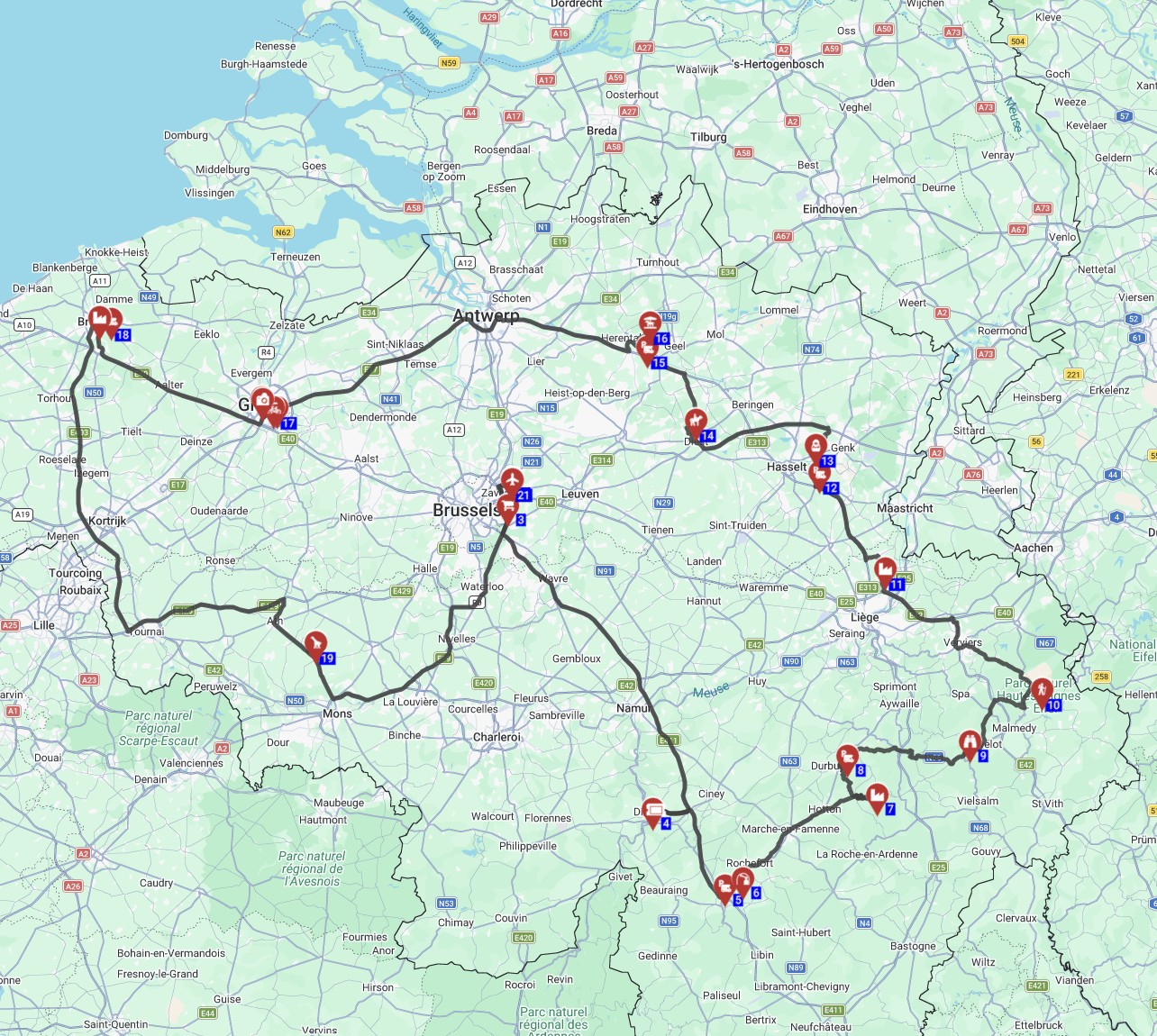
For live availability and current prices, start with our RV Rental Brussels - Complete Guide 2026 guide.
In This Guide
- Can You Drive an RV in Brussels? License & Age Rules
- Road Conditions & Terrain in Brussels
- RV Size Limits, Bridges & Restricted Zones
- Fuel: Diesel vs. Petrol & Cost per 100 km
- Tolls, Vignettes & Border Rules
- Driving Tips for luxury rv rental Travelers
- Recommended RV Class for Brussels Roads
- Should I Choose a Compact Van Instead of a Large RV in Brussels?
- Can I Park Anywhere? Free & Wild Camping Rules in Brussels
- Can I Drive an RV Into the City Center? Heights, Tunnels & Local Signage
Can You Drive an RV in Brussels? License & Age Rules
Yes, you can drive an RV in Brussels with the right documentation and adherence to regulations. A standard B driving license is sufficient for RVs with a Maximum Authorized Mass (MAM) of 3,500 kg or less, which covers many Class B camper vans and smaller Class C motorhomes. However, for RVs between 3,500 kg and 7,500 kg MAM, a C1 license is required, and for heavier vehicles, a full C license is necessary. Most rental companies set the minimum driver age at 21, but some may require drivers to be 25, with a minimum of two years of driving experience. It's crucial for non-EU drivers, such as those from the US, to carry an International Driving Permit (IDP) alongside their valid national license to legally drive in Belgium. Similarly, foreign-registered RVs must comply with all Belgian traffic laws.
Road Conditions & Terrain in Brussels
Driving an RV in Brussels presents a generally manageable experience, with most roads being well-maintained. The R0 Brussels Ring motorway provides excellent access around the city for larger vehicles. However, as you venture into the historic inner-city areas, be prepared for narrower streets, potential cobblestones, and denser traffic, particularly during peak hours. The terrain surrounding Brussels is predominantly flat, making for comfortable driving conditions once you're outside the immediate urban sprawl. When navigating Brussels itself, always adopt a slower, more deliberate pace, being mindful of the urban density and potential traffic congestion. This cautious approach ensures a smoother and safer journey for you and your luxury RV.
RV Size Limits, Bridges & Restricted Zones
Navigating Brussels requires awareness of specific size and emission regulations. The entire Brussels-Capital Region is designated as a Low Emission Zone (LEZ), restricting access for vehicles that do not meet certain Euro emission standards; all vehicles, including compliant RVs, must be registered online before entry to avoid fines. Drivers should also remain vigilant for height restrictions, typically ranging from 2.5m to 3.5m, which are common in underground parking, older tunnels, and some city bridges. Similarly, weight limits are crucial; always observe local signage for bridges and residential streets, as exceeding these limits can lead to substantial penalties.
Fuel: Diesel vs. Petrol & Cost per 100 km
Most luxury RV rentals, including those commonly offered through Bandana, operate on diesel fuel, which is readily available throughout Belgium. For instance, Class B Camper Vans typically achieve a fuel consumption of around 6.3 Liters per 100 km, making them quite efficient. While petrol RVs are less common for larger models, petrol stations are also widely distributed. It's worth noting that many modern diesel RVs require AdBlue (Diesel Exhaust Fluid), which is conveniently sold at most fuel stations. Some rental providers might offer fuel discount cards or pre-paid fuel options, so it’s always a good idea to inquire about these possibilities when booking your RV.
Tolls, Vignettes & Border Rules
Belgium has a straightforward toll system for RVs; generally, vehicles under 3.5 tonnes do not require vignettes or pay conventional tolls on their motorways. However, Heavy Goods Vehicles (HGVs) exceeding 3.5 tonnes must use the satellite-based Satellic OBU system for electronic toll payments. When crossing into neighboring countries, be prepared for different regulations: travel to France often involves toll roads (péage) payable by cash, card, or electronic tag, and speed stickers are mandatory for RVs over 3.5 tonnes. Germany's Autobahns are largely toll-free for cars and RVs, and the Netherlands also has very few tolled roads. Some RV rentals may offer pre-purchased toll passes, such as a Liber-t badge for France, to simplify your journey and prevent potential fines. On the routes offered through RV PLANET routes, you can itemize and track every expense along the way for easy budgeting.
Driving Tips for luxury rv rental Travelers
To ensure a smooth and enjoyable experience driving a luxury RV rental in Brussels, several tips are invaluable. Utilizing an RV-specific GPS that accounts for vehicle dimensions is highly recommended to avoid low bridges, narrow streets, and weight-restricted roads. Remember to register your RV for the Brussels Low Emission Zone (LEZ) online before your arrival, even if your vehicle is compliant, and research LEZ requirements for any other Belgian cities you plan to visit. Planning your parking strategy in advance is also key; consider parking larger RVs at designated sites on the city's periphery and utilizing Brussels' efficient public transport system for city center access. Drive cautiously, especially in historic or densely populated areas, always being mindful of cyclists and pedestrians. Plan for regular stops every 2-3 hours, particularly if traveling with family, to ensure everyone stays comfortable and alert.
Recommended RV Class for Brussels Roads
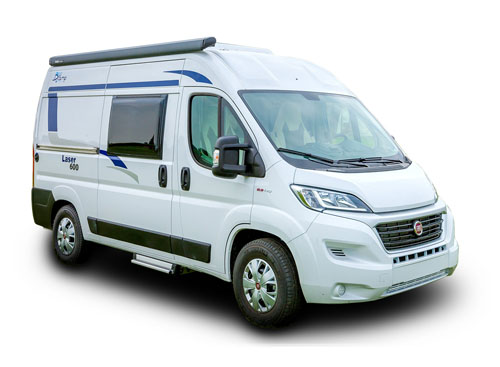
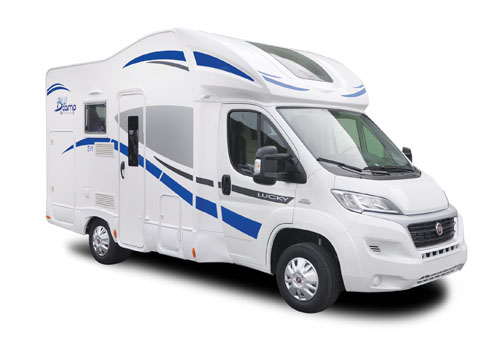
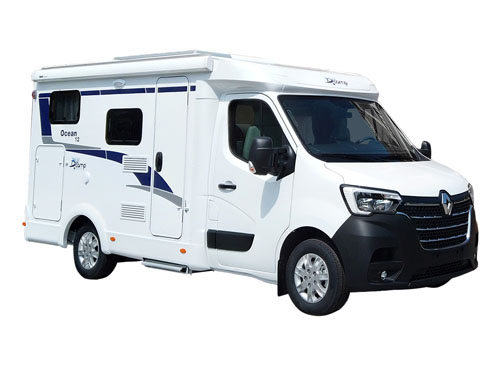
For navigating Brussels and exploring the wider Belgian region, a Class B Camper Van or a Class SI Semi-integrated RV generally offers the best combination of luxury, comfort, and maneuverability. Class B Camper Vans, typically around 5.3 meters in length, are highly agile, making them excellent for urban environments and easier parking, while still providing comfortable amenities for 2-4 people. The Class SI Semi-integrated RVs, averaging 6.7 meters, provide more spacious living and sleeping areas, making them suitable for longer journeys and main roads without being overly challenging to drive. Larger RVs, such as Class C Alcove or Class A Integrated models, offer maximum space but can present greater challenges for parking and navigating very narrow city streets.
Should I Choose a Compact Van Instead of a Large RV in Brussels?
While compact vans, like Class B Camper Vans (averaging 5.3 meters), offer superior maneuverability in very tight city spaces, the added comfort and amenities of a larger luxury RV often present a better overall trade-off for many travelers. Larger luxury RVs, such as Class SI models (averaging 6.7 meters), provide significantly more indoor living space, a full kitchen, and a private bathroom, greatly enhancing the travel experience. Brussels' urban environment can be effectively managed by parking larger RVs at designated sites on the city's outskirts and then utilizing public transport for exploring the city center. However, if your itinerary focuses heavily on parking directly within historic city cores or navigating extremely narrow, winding roads, a compact van might be more genuinely beneficial. For a luxurious, comfortable base that allows for extensive exploration of Belgium and neighboring countries, a larger RV generally offers a better overall balance. For ideas you can prep on the road, watch our RV-friendly recipes playlist on YouTube.
Can I Park Anywhere? Free & Wild Camping Rules in Brussels
When it comes to parking and overnight stays for your RV in Belgium, including Brussels, it's essential to understand the regulations. Wild camping and overnight parking outside of officially designated areas are generally prohibited throughout the country. Travelers are expected to utilize established campgrounds (campings) or designated motorhome stopovers (aires de services or Stellplätze), which provide vital services like fresh water and waste disposal. While daytime parking might be permitted in regular parking spots, overnight stays typically require official campsites or explicit permission from private landowners. Non-compliance with these regulations can lead to significant fines, so always check local rules and follow them diligently before parking overnight.
Can I Drive an RV Into the City Center? Heights, Tunnels & Local Signage
Driving an RV into Brussels' city center is generally possible, but it requires a keen eye for local signage, especially concerning the Low Emission Zone (LEZ), height restrictions, and weight limits. The entire Brussels-Capital Region functions as an LEZ, operating 24/7, so ensuring your RV is registered and compliant is crucial to avoid substantial fines. Always pay close attention to circular signs indicating maximum heights for tunnels and underpasses, as well as weight limits on specific roads. Most underground parking garages have height restrictions that are too low for RVs, so it's advisable to plan for surface parking or designated RV bays. For the most stress-free experience, consider parking your RV at designated spots on the city's periphery and then using Brussels' excellent public transportation system to explore the city center.
What You Shouldn't Miss
- Grand Place: A UNESCO World Heritage site and the stunning central square of Brussels, surrounded by guildhalls, the City Hall, and the King's House.
- Atomium: A unique landmark built for the 1958 Brussels World's Fair, offering panoramic views of the city from its spheres.
- Manneken Pis: The iconic bronze statue of a urinating boy, a small but famous symbol of Brussels.
- Royal Museums of Fine Arts of Belgium: Home to an impressive collection of Belgian art, from Old Masters to modern works.
- Comic Strip Center (Belgian Comic Book Centre): A must-visit for fans of Tintin and the Smurfs, celebrating Belgium's rich comic art heritage.
Final Thoughts
Renting an RV for your Brussels adventure opens up a world of flexibility and personalized travel. By understanding the local driving regulations, embracing efficient navigation strategies, and choosing the right vehicle for your needs, you're set for an unforgettable experience. Brussels offers a fantastic gateway to exploring Belgium's charming cities and scenic countryside.
Let Bandana Caravan simplify your planning process. We're dedicated RV specialists focused on providing you with all the information and support you need for a seamless booking. Discover the freedom of the open road with a reliable, comfortable rented RV.
Find Motorhome Rentals in Brussels