In This Guide
- Can You Drive an RV in Anchorage? License & Age Rules
- Road Conditions & Terrain in Anchorage
- RV Size Limits, Bridges & Restricted Zones
- Fuel: Diesel vs. Petrol & Cost per 100 km
- Tolls, Vignettes & Border Rules
- Driving Tips for weekly rv rental Travelers
- Recommended RV Class for Anchorage Roads
- Should I Choose a Compact Van Instead of a Large RV in Anchorage?
- Can I Park Anywhere? Free & Wild Camping Rules in Anchorage
- Can I Drive an RV Into the City Center? Heights, Tunnels & Local Signage
- What is the longest RV you can drive without a CDL?
- Does RV need a separate license?
- Can you get temporary RV insurance?
- How much is RV insurance each month?
- Does Good Sam insurance cover full-time RVers?
- What You Shouldn't Miss
- Why Book with Bandana Caravan
- Final Thoughts
- Frequently Asked Questions
Embarking on a luxury RV driving adventure in Anchorage, Alaska, offers unparalleled freedom to explore some of North America's most breathtaking scenic routes. With a rented motorhome, you're not just booking a vehicle; you're unlocking a mobile home base for an unforgettable week-long journey into the Last Frontier. For live availability and current prices, start with our RV Rental Anchorage - Complete Guide 2026 guide. We’ve been helping tens of thousands of travelers explore the world by RV since our founding in 2001, and we're here to ensure your Anchorage adventure is as smooth and magnificent as the Alaskan landscape itself.
Can You Drive an RV in Anchorage? License & Age Rules
Yes, you can absolutely drive a rented RV in Anchorage, and it's simpler than you might think regarding licensing. Most rental RVs in Alaska, especially popular Class C motorhomes and Class B campervans, typically have a Gross Vehicle Weight Rating (GVWR) under 26,000 pounds (approximately 11,793 kg) and can be operated with a standard Class D driver's license. A special Commercial Driver's License (CDL) is generally not required for recreational RVs in the U.S. Rental companies in Anchorage usually require drivers to be at least 21 years old, with a valid driver's license held for a minimum period, and importantly, Bandana RV does not impose young driver surcharges or vehicle class restrictions based on age. Foreign drivers will need their valid home country driver's license; an International Driving Permit (IDP) is highly recommended for non-English speaking visitors, though not always mandatory.
Road Conditions & Terrain in Anchorage
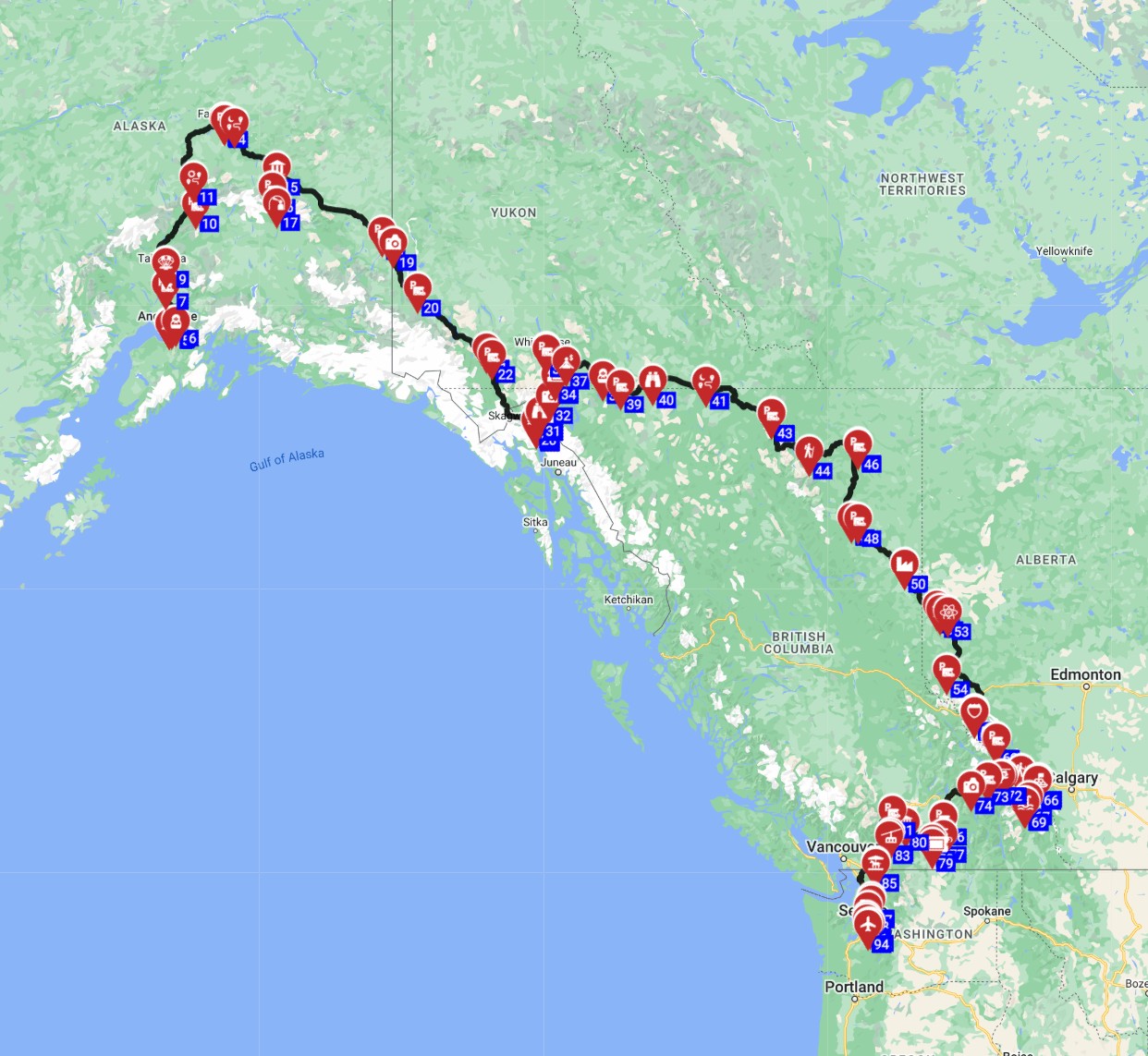
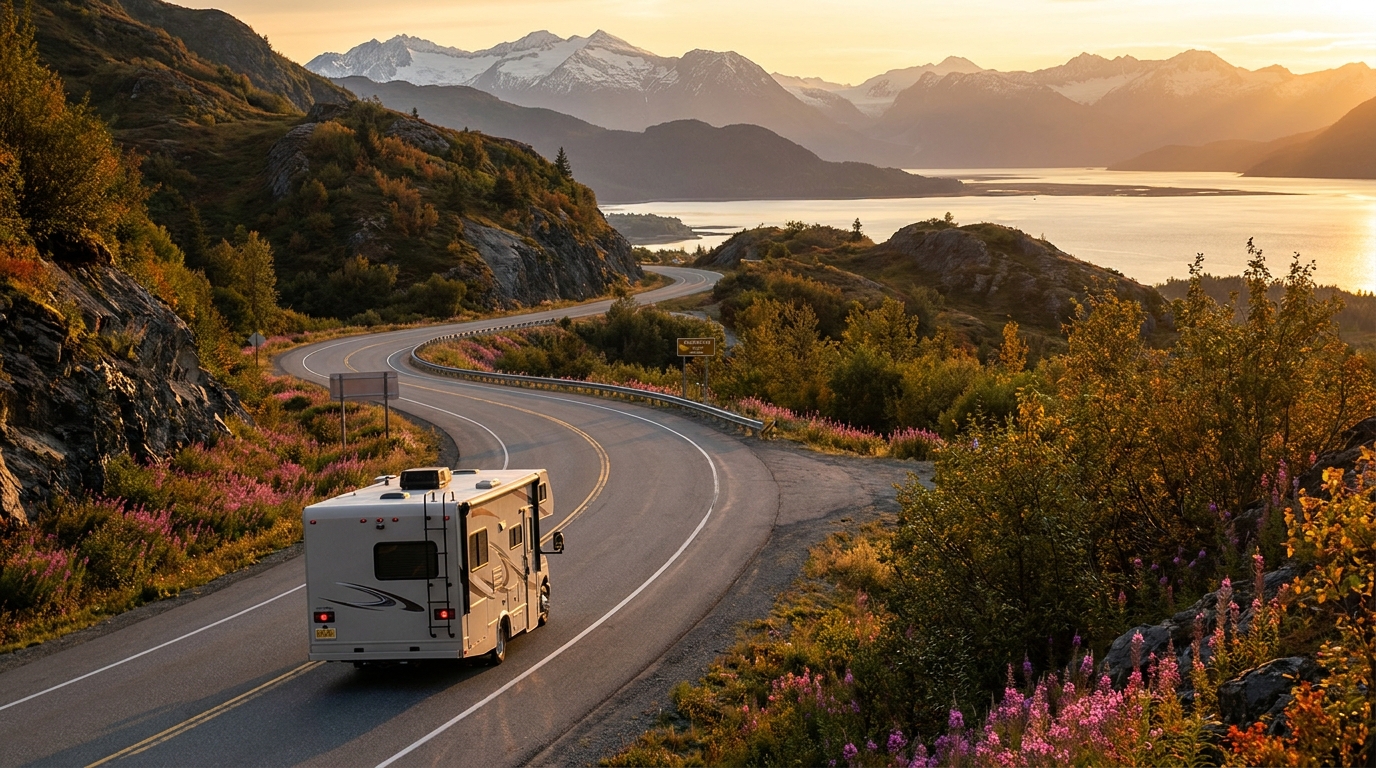
Road conditions in and around Anchorage are generally well-maintained, but can vary significantly from paved highways to unpaved gravel roads, particularly on routes leading to more remote areas. Alaska's diverse terrain includes stunning mountain passes and picturesque coastal stretches; the famous Seward Highway, which starts in Anchorage and winds south toward the Kenai Peninsula, offers breathtaking views but requires careful driving due to its curves, elevation changes, and tight spots. Driving a rented RV in Alaska also demands constant vigilance for wildlife encounters, especially moose and bears, which can appear suddenly on roads near Chugach State Park or along the Turnagain Arm. Drivers of weekly RV rentals should always plan for slower travel speeds than in other regions, allowing ample time to enjoy the scenery and safely navigate varied conditions.
RV Size Limits, Bridges & Restricted Zones
Alaska's main road network around Anchorage generally accommodates larger motorhomes and campervans without significant size restrictions, and there are typically no low bridges or tunnels that pose common issues for standard rental RVs in the Anchorage area. Drivers should always pay attention to road signage, especially when diverting from main highways onto smaller, local roads or entering private campgrounds near places like Eklutna Lake, as these may have their own specific size or weight limitations. Unlike some European cities, environmental zones are not a common concern for RV travel within Anchorage or across Alaska's primary road system. If you plan to use the Alaska Marine Highway System (ferries) for further exploration, be aware that RV length is a critical factor for booking and pricing, and specific length measurements will be required when making reservations.
Fuel: Diesel vs. Petrol & Cost per 100 km
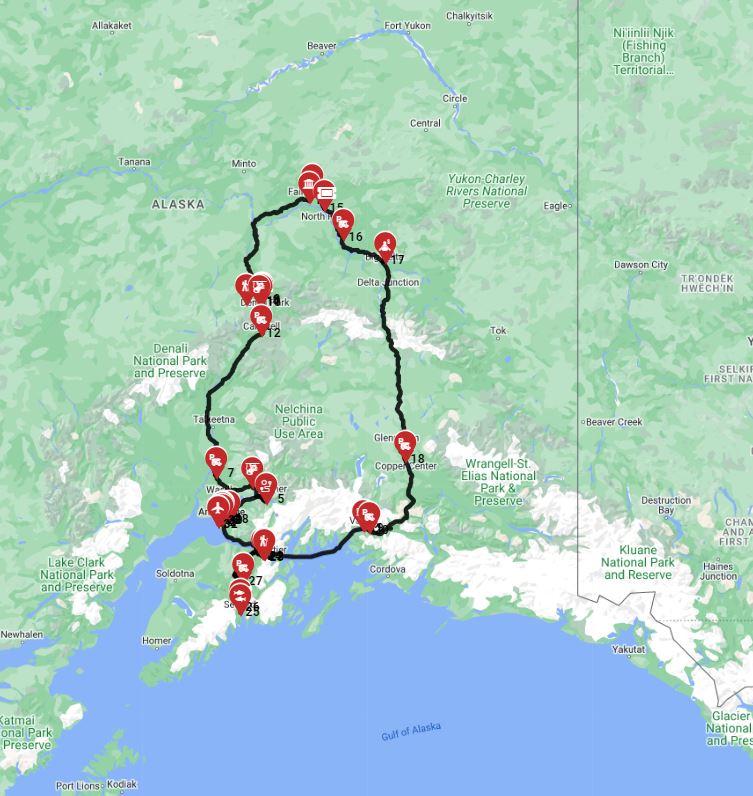
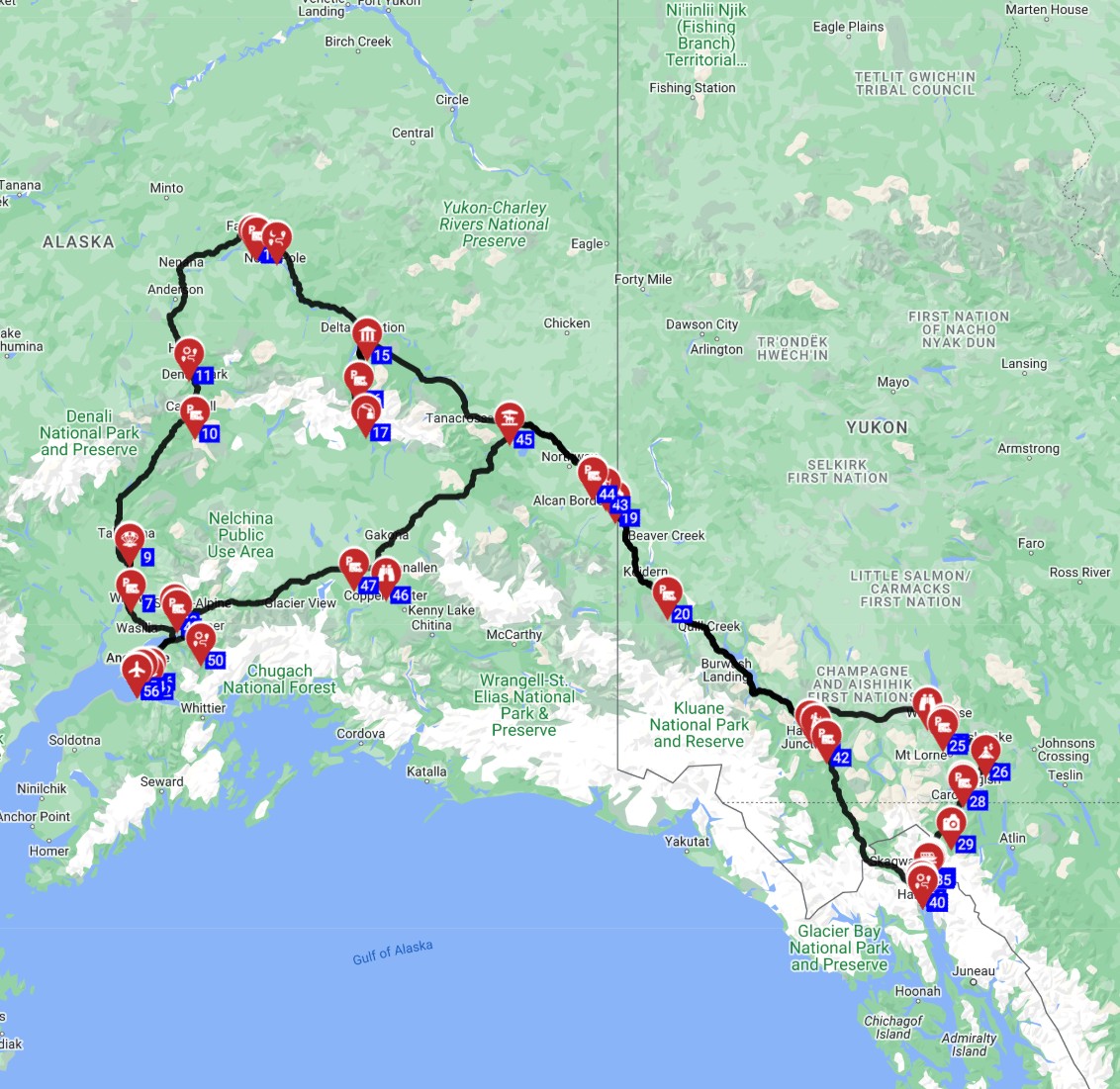
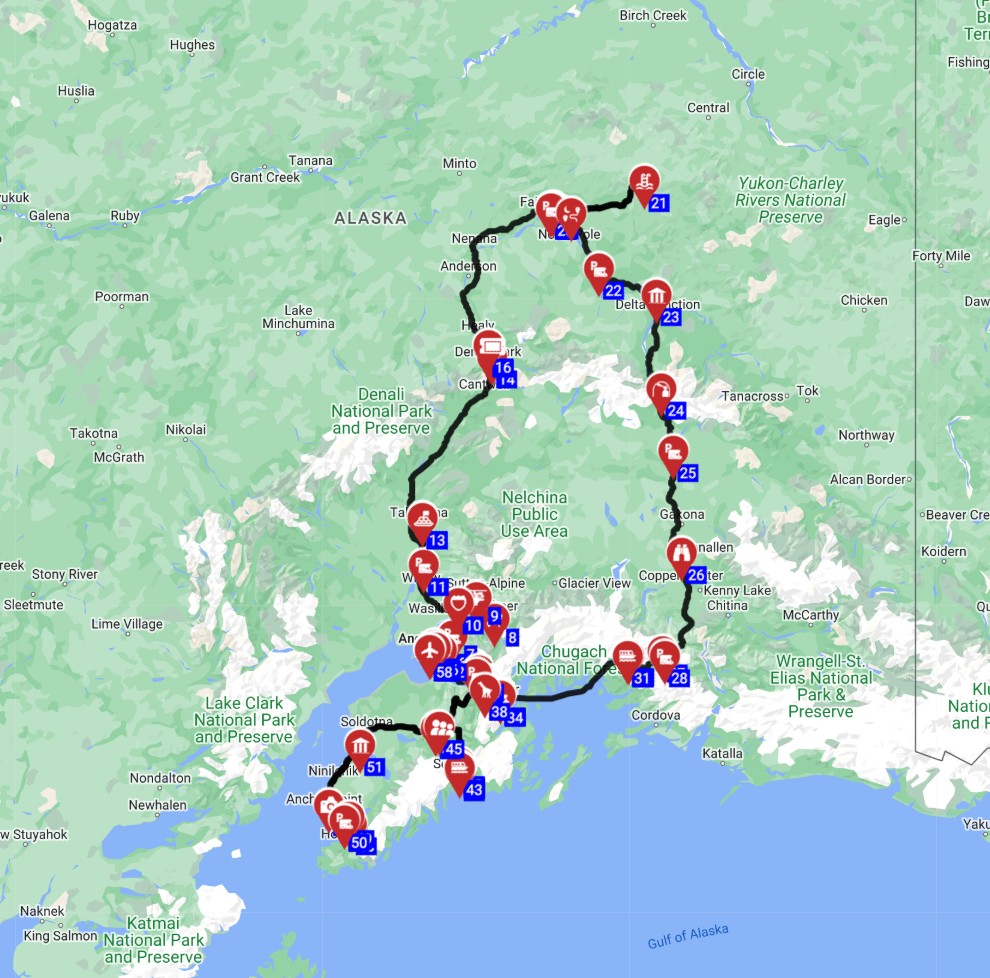
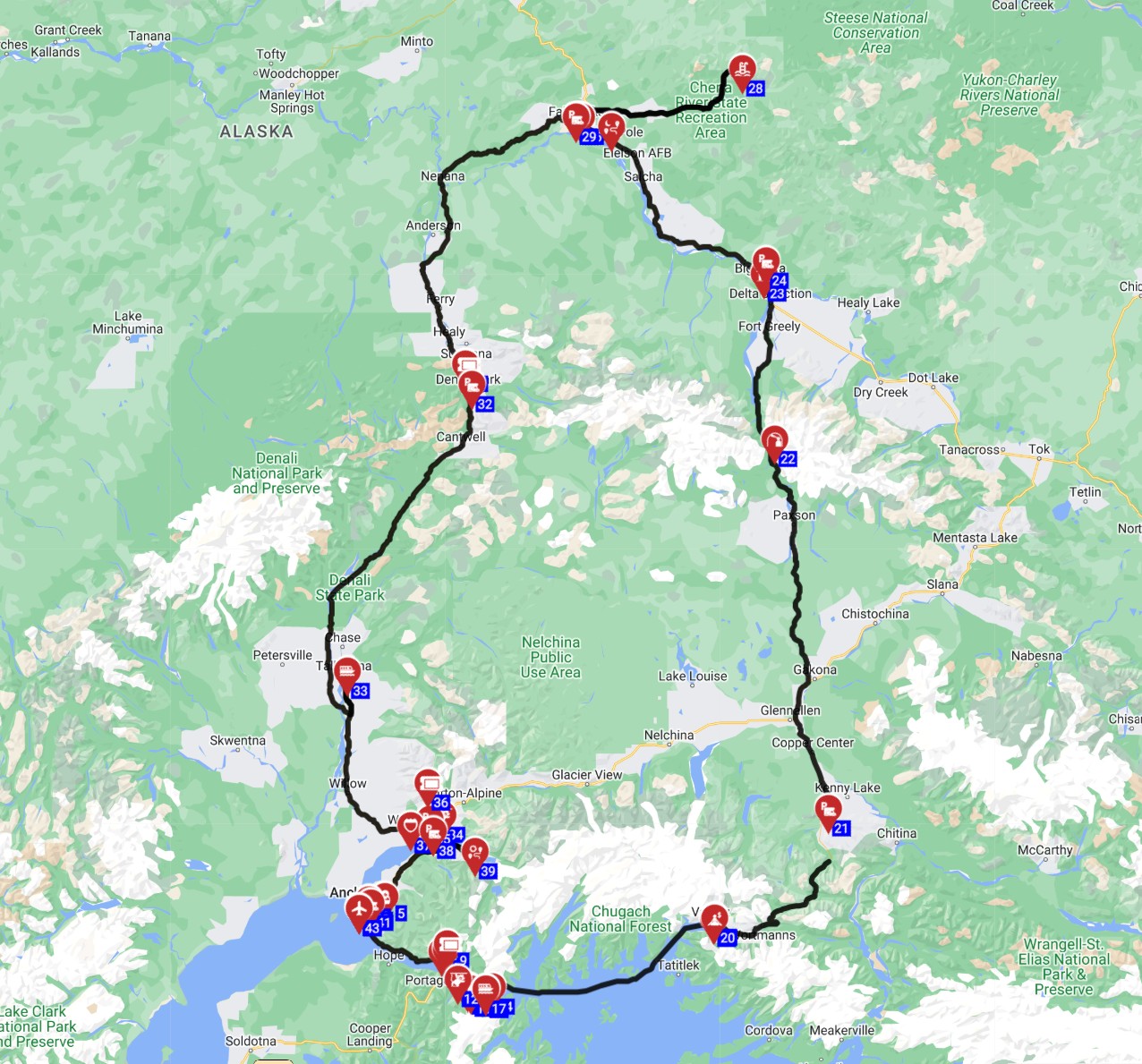
Most rental motorhomes available for weekly rental in Anchorage, particularly Class C Alcoves and campervans, run on petrol (gasoline), with diesel typically reserved for some larger Class A units. For a Class C - Alcove, common fuel consumption averages between 24-30L/100km, while a Class TC - Truck Camper (like our "4x4 Truck Camper Gold" or "4x4 Scout Adventure Truck Camper Silver") typically consumes 13-19.5L/100km. Based on these averages and estimated 2026 fuel prices in Alaska (which are generally higher than the lower 48 states), budgeting for approximately $30-$50 per 100 km is a reasonable estimate for petrol RVs. Fuel availability is good along major routes such as the Parks Highway and Seward Highway, but becomes less frequent in remote areas, necessitating careful trip planning and refueling whenever possible, especially before heading into Denali National Park. For tracking all your trip expenses, remember that RV PLANET routes offer detailed itemization. RV PLANET routes are a great tool for budgeting. On the routes offered through RV PLANET routes, you can itemize and track every expense along the way for easy budgeting.
Tolls, Vignettes & Border Rules
There are no specific tolls or vignettes that apply to RVs directly within Anchorage or across Alaska's main road network, simplifying in-state travel. This makes exploring local attractions, like the Alaska Wildlife Conservation Center off the Seward Highway, straightforward. Travelers extending their journey into Canada from Alaska will need to be aware of international border crossing requirements, including valid passports for all occupants, vehicle registration, and your rental agreement. While there are no tolls in Alaska, Canadian provinces may have their own toll roads or ferry fees if your itinerary includes extensive travel outside of Alaska, so research these in advance for areas like the Yukon. Bandana RVs do not typically come with pre-purchased toll passes for Alaskan travel, as they are not needed for in-state trips.
Driving Tips for weekly rv rental Travelers
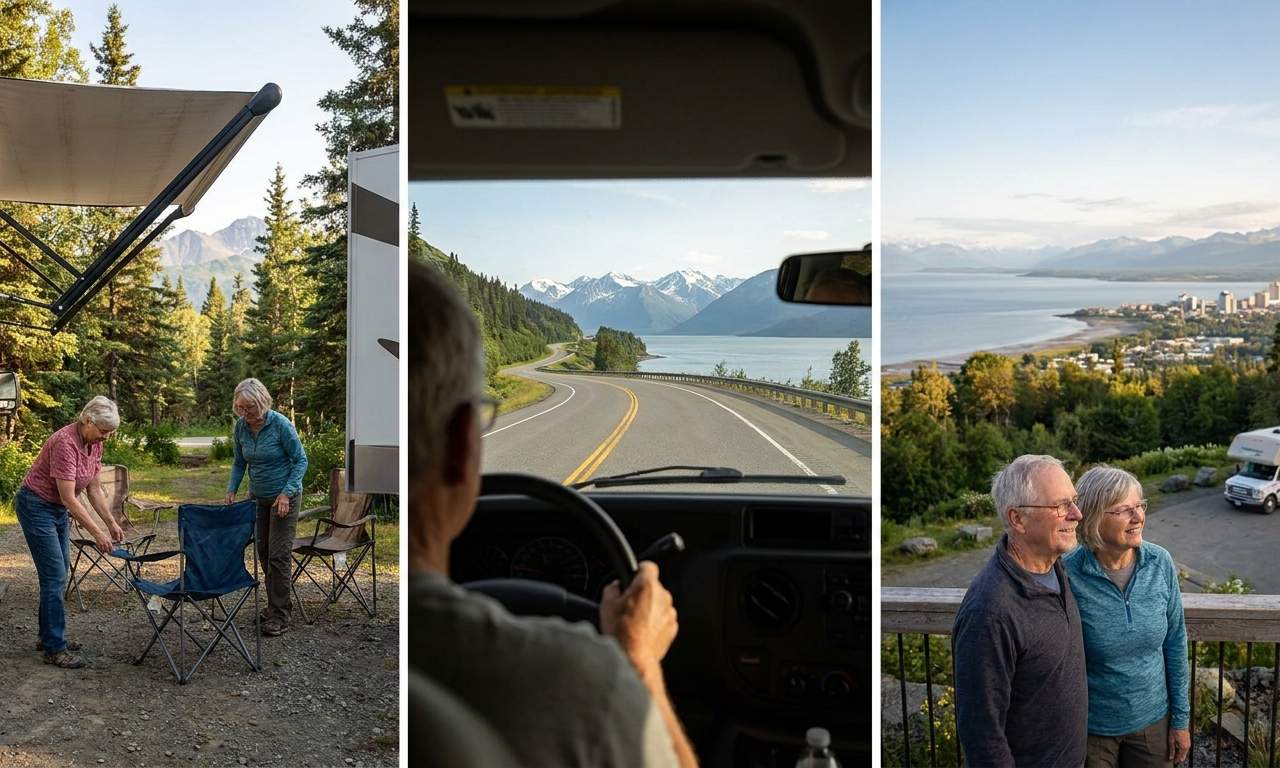
Planning for shorter driving days is key to enjoying a weekly RV rental in Anchorage, especially if traveling with family; aim for a maximum of 100-150 km per day on average, incorporating frequent stops every 2-3 hours to stretch, take in sights, and allow children to play. Always maintain a safe driving speed, often below the posted limit for comfort and control, particularly on winding roads like the Chugach Foothills or in inclement weather. Be acutely aware of wildlife; drive defensively, especially during dawn and dusk, and use pull-offs to allow faster traffic to pass safely. Familiarize yourself with your RV's dimensions and practice backing up in a safe, open area like a large retail parking lot before venturing into busy campgrounds or city parking. Finally, carry emergency supplies including extra water, non-perishable food, a first-aid kit, and a satellite communication device, as cell service can be spotty in remote Alaskan areas.
Recommended RV Class for Anchorage Roads
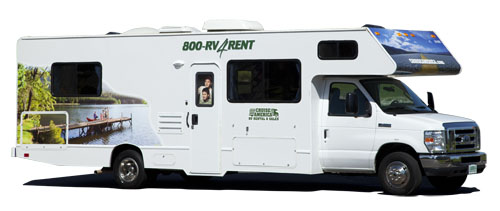
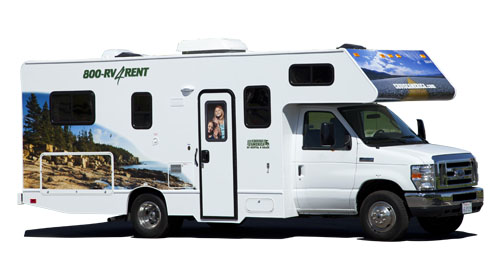
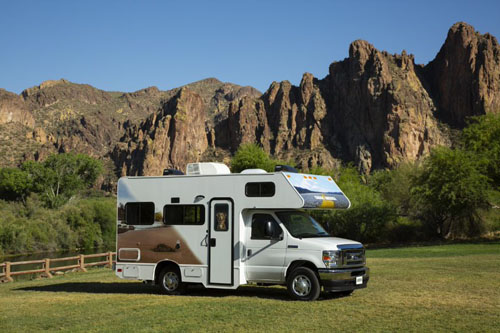
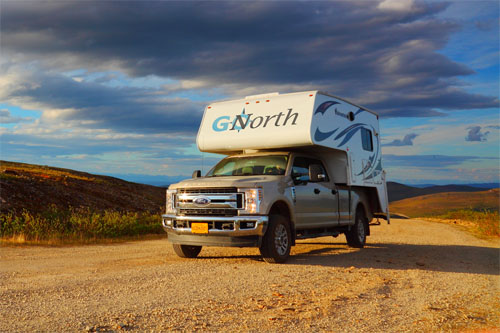
For weekly RV rentals exploring Anchorage and surrounding Alaska, the Class C - Alcove (averaging 7.8 meters in length) is highly recommended for its excellent balance of spaciousness and maneuverability. This type of motorhome, such as a "24' Class C Motorhome" or "Adak Argonaut 21 - Gold", comfortably sleeps an average of 5.8 people and accommodates 4.6 adults, making it ideal for families or small groups seeking essential amenities while on the road. Alternatively, the Class TC - Truck Camper (averaging 6.0 meters in length), like our "4x4 Scout Adventure Truck Camper Gold," is an excellent choice for couples or smaller groups (avg. 2 adults, 2.6 sleeping places) who prioritize agility and access to more rugged, unpaved areas such as those found on forest service roads outside of Anchorage. Both Class C and Truck Campers offer sufficient ground clearance for varied Alaskan road conditions, providing confidence for both paved highways and well-maintained gravel roads.
Consider a Class B Camper Van, like our "2 Berth Hi Top", for ultimate flexibility. These smaller vehicles, averaging 6.1 meters in length, are perfect for couples looking to easily navigate both city streets and gravel roads. Their compact size makes parking easier at popular spots like downtown Anchorage's Elderberry Park or the Alaska Native Heritage Center. Regardless of your choice, whether it's a roomy Class C or a nimble campervan, Bandana offers transparent pricing and a range of options to suit your Alaskan adventure.
Should I Choose a Compact Van Instead of a Large RV in Anchorage?
Choosing between a compact van and a larger motorhome for your Anchorage adventure depends on your priorities; while a compact van offers superior maneuverability and potentially better fuel efficiency, most roads and highways in and around Anchorage are well-suited for larger RVs, making comfort and space often a more significant consideration for a week-long rental. A Class B - Camper Van (averaging 6.1 meters in length) is an excellent choice for solo travelers or couples seeking a more nimble vehicle, easier parking, and better access to tighter spots. However, larger RVs like Class C - Alcoves (such as a "29′ Class C Motorhome") or Class A - Integrated models provide significantly more living space, dedicated sleeping areas, and full kitchen/bathroom amenities, enhancing the comfort of an extended Alaskan adventure, especially when preparing RV-friendly recipes playlist on board. Opt for a compact van if your itinerary emphasizes frequent city parking, venturing onto very narrow unpaved roads near Talkeetna, or if you prefer a 'stealthier' camping experience; otherwise, a larger RV often provides a more comfortable home-away-from-home, perfect for a family trip. Drive slowly and carefully, and you can drive almost anywhere without issues. No need to stress - just use common sense and pay attention.
Can I Park Anywhere? Free & Wild Camping Rules in Anchorage
Within Anchorage city limits, overnight RV parking outside of designated campgrounds or private RV parks like the Anchorage Ship Creek RV Park is typically prohibited, meaning 'parking anywhere' is generally not an option for an overnight stay. Wild camping (also known as boondocking or dispersed camping) is permitted on many public lands managed by the Bureau of Land Management (BLM) and National Forests across Alaska, but this is outside of developed areas and Anchorage city limits. Always adhere to 'Leave No Trace' principles when wild camping, packing out all trash and minimizing environmental impact. Established RV parks and campgrounds, both private and state-run (like Chugach State Park campgrounds), are the safest and most reliable options for overnight stays near Anchorage, offering amenities like hookups and dump stations. Rules vary by region, so always check local regulations and follow local law before parking overnight, especially in popular spots along the Turnagain Arm.
Can I Drive an RV Into the City Center? Heights, Tunnels & Local Signage
Yes, driving a rented RV into downtown Anchorage is generally manageable, as there are no significant height or tunnel restrictions that commonly affect standard rental motorhomes and campervans. The primary challenge for RVs in the city center is often finding suitable parking; designated RV parking areas or larger commercial lots near attractions like the Anchorage Museum or the Alaska Center for the Performing Arts are the best options. Always pay close attention to local signage regarding parking restrictions, weight limits, or any temporary road closures, especially on narrower streets. For very large rigs, consider parking your RV on the outskirts of downtown Anchorage and utilizing public transportation or ride-sharing services for easier exploration of the immediate city center. Our partners like El Monte and Cruise America offer a variety of RV sizes, from compact campervans to larger Class C models, making it easy to find a vehicle that fits your comfort and driving preferences for exploring Anchorage.
What is the longest RV you can drive without a CDL?
The maximum length of an RV you can drive without a Commercial Driver's License (CDL) is generally not restricted by length in the United States, but rather by its Gross Vehicle Weight Rating (GVWR). A standard Class D driver's license is sufficient for driving most recreational RVs as long as their GVWR is under 26,000 pounds (approximately 11,793 kg). Even very long Class A RVs, such as some models measuring over 9 meters, typically fall under this weight threshold and do not require a CDL. This means that for a weekly RV rental in Anchorage, you are highly unlikely to need anything more than your regular driver's license, regardless of the motorhome's length.
Does RV need a separate license?
No, generally a rented RV does not need a separate license beyond a standard Class D driver's license in the United States, including for weekly rentals in Anchorage. This rule applies as long as the Gross Vehicle Weight Rating (GVWR) of the RV is below 26,000 pounds (11,793 kg) and it is used for personal, non-commercial recreational purposes. The vast majority of rental RVs, including common Class C Alcoves (like the "Adak Argonaut 23 - Gold" or "24 Class C Motorhome") and Truck Campers (like the "Truck Camper Slide-Dinette") available in Anchorage, fall well within these weight limits. Foreign visitors will need their valid home country driver's license, and an International Driving Permit (IDP) is usually recommended or required for driving in Alaska.
Can you get temporary RV insurance?
Yes, temporary RV insurance is readily available and often included or offered by rental companies for weekly RV rentals in Anchorage. When renting a motorhome, coverage typically comes in the form of a Collision Damage Waiver (CDW) and Supplemental Liability Insurance (SLI) provided by the rental agency. It is advisable to check if your personal auto insurance policy extends coverage to RV rentals, as some policies may offer limited protection, but always confirm specific exclusions for RVs. Credit card rental car benefits generally do not cover RVs, so it's critical to verify coverage directly with your card provider if you plan to rely on it. Independent third-party insurers also offer dedicated temporary rental RV insurance, providing another option for comprehensive protection during your trip.
How much is RV insurance each month?
For a weekly RV rental in Anchorage, insurance costs are typically integrated into the overall rental agreement as a daily or weekly fee, rather than a separate monthly premium. The cost of insurance for a rental RV will vary based on the level of coverage selected, ranging from basic liability to more comprehensive collision and damage waivers. Expect to see daily insurance charges, which can range from $15 to $50 or more per day depending on the rental company, the RV's value, and the extent of coverage. These insurance fees contribute to the total cost of your weekly RV rental in Alaska and should be factored into your budgeting for the trip. You can also opt for our top-level deductible reimbursement for extra peace of mind.
Does Good Sam insurance cover full-time RVers?
While Good Sam Insurance does offer specialized policies for full-time RVers, this particular coverage type is not typically relevant for individuals undertaking a weekly RV rental in Anchorage. Good Sam's full-timer insurance is designed for those who use their RV as a primary residence, providing comprehensive coverage for personal belongings and liability akin to a homeowner's policy. For a short-term weekly rental, your insurance needs will be met through the rental company's offered insurance options, such as Collision Damage Waivers and Supplemental Liability Insurance, or through a temporary third-party rental RV policy. Recreational RV insurance (for personal RV ownership) and full-timer coverage are distinct from the temporary insurance required for a rental RV trip.
What You Shouldn't Miss
- **Drive the Scenic Seward Highway:** This All-American Road is a must-do, offering spectacular views of Turnagain Arm, Chugach Mountains, and wildlife. Stop at pull-offs to capture the scenery and perhaps spot beluga whales.
- **Explore Chugach State Park:** Just minutes from downtown Anchorage, this vast park offers numerous hiking trails for all skill levels, like the Powerline Pass trail, and several RV-friendly campgrounds.
- **Visit the Alaska Wildlife Conservation Center:** Located an hour south of Anchorage along the Seward Highway, this sanctuary provides up-close views of Alaskan wildlife like bears, moose, and bison in a spacious setting.
- **Experience the Alaska Native Heritage Center:** Immerse yourself in the rich cultures of Alaska's 11 major Native groups through traditional Native dwellings, storytelling, and dance.
- **Discover Local Flavors at Downtown Anchorage Eateries:** Sample fresh Alaskan seafood at local favorites like Simon & Seafort's or Glacier Brewhouse, often just a short walk from RV-friendly parking spots.
- **Walk or Bike the Tony Knowles Coastal Trail:** This 11-mile paved trail offers stunning views of Cook Inlet, the Anchorage skyline, and the Chugach Mountains, easily accessible from several parking areas.
🎬 Video coming soon
Looking for expert insights from Avi Bandana? Top 5 Adventures - recommendations from Avi Bandana
Final Thoughts
A luxury RV adventure through Anchorage and its surrounding scenic routes is an experience you won't soon forget. With the freedom of your own motorhome, you can embrace the slow travel philosophy, spending max 100-150 km per day to truly immerse yourself in Alaska's stunning landscapes, vibrant culture, and unique wildlife encounters. From navigating the beautiful Seward Highway to finding the perfect spot for an evening meal with a view, your rented campervan or motorhome is your ticket to discovery.
We at Bandana RV are dedicated to making your journey transparent, stress-free, and incredibly rewarding. With our expertise, comprehensive support, and partnership with top suppliers like El Monte and Cruise America, you'll be well-prepared to hit the road. So, pack your bags, plan your route with tools like RV PLANET (rvplan.net), and get ready to create lasting memories in the Alaskan wilderness.
Find Motorhome Rentals in Anchorage