In This Guide
- Where to Camp in Namibia - Top Options
- Campground Types in Namibia (National, Private, Wild)
- Featured RV Park or Campground in Namibia
- Hookups & Amenities - What to Expect
- Booking Windows & Reservations in Namibia
- Nearby Supermarkets & Resupply Points
- Best RV Class for Camping in Namibia
- How to Save on Campgrounds in Namibia
- What is the best month to RV in Namibia?
- Is RVing in Namibia safe?
- What is the average cost of an RV rental in Namibia?
- What are the rules for driving an RV in Namibia?
- Can you drink tap water in Namibia RV?
- What is the dress code in Namibia?
- Do you need a 4x4 RV for Namibia?
- What gear do you need for an RV trip in Namibia?
- How much does a safari cost in Namibia?
- What should I know before going to Namibia?
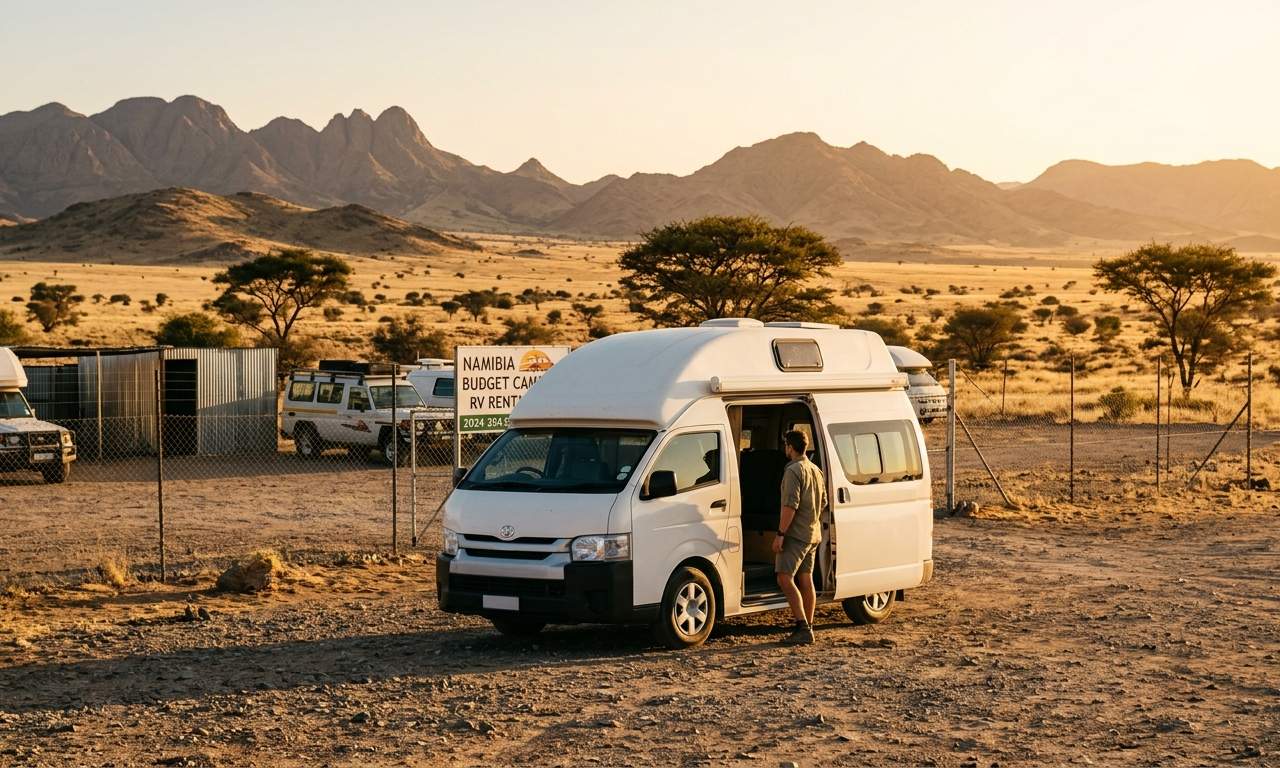
Embarking on a luxury RV adventure in Namibia is an experience of a lifetime, offering unparalleled freedom to explore one of Africa's most breathtaking and diverse landscapes. Imagine waking up to the vastness of the Namib Desert, with the sun painting the dunes in fiery hues, or parking your comfortable rented motorhome beside a bustling waterhole in Etosha National Park, observing wildlife from the privacy of your own space. With Bandana Caravan, your journey through Namibia is designed for comfort, peace of mind, and unforgettable memories. We’ve been helping tens of thousands of travelers explore the world by RV since our founding in 2001, working directly with over 50 leading RV suppliers worldwide, including trusted names like Apollo and Britz. Our deep expertise in RV travel, combined with our commitment to full transparency and 24/7 support (for pre-booking, booking, and post-booking coordination), ensures you’re always in capable hands. For live availability and current prices, start with our RV Rental Namibia - Complete Guide 2026 guide.
Where to Camp in Namibia - Top Options
Namibia offers diverse and spectacular RV camping experiences, from well-appointed national park sites to luxurious private reserves and coastal towns. Key regions for luxury RV camping include Etosha National Park, renowned for its incredible wildlife viewing, where camps like Okaukuejo, Halali, and Namutoni provide the unique advantage of staying within the park boundaries. For the iconic red dunes, Sossusvlei offers Sesriem Campsite, allowing early morning access to the dunes. Coastal towns such as Swakopmund and Walvis Bay provide private campsites with excellent facilities and refreshing sea breezes, perfect after days in the desert.
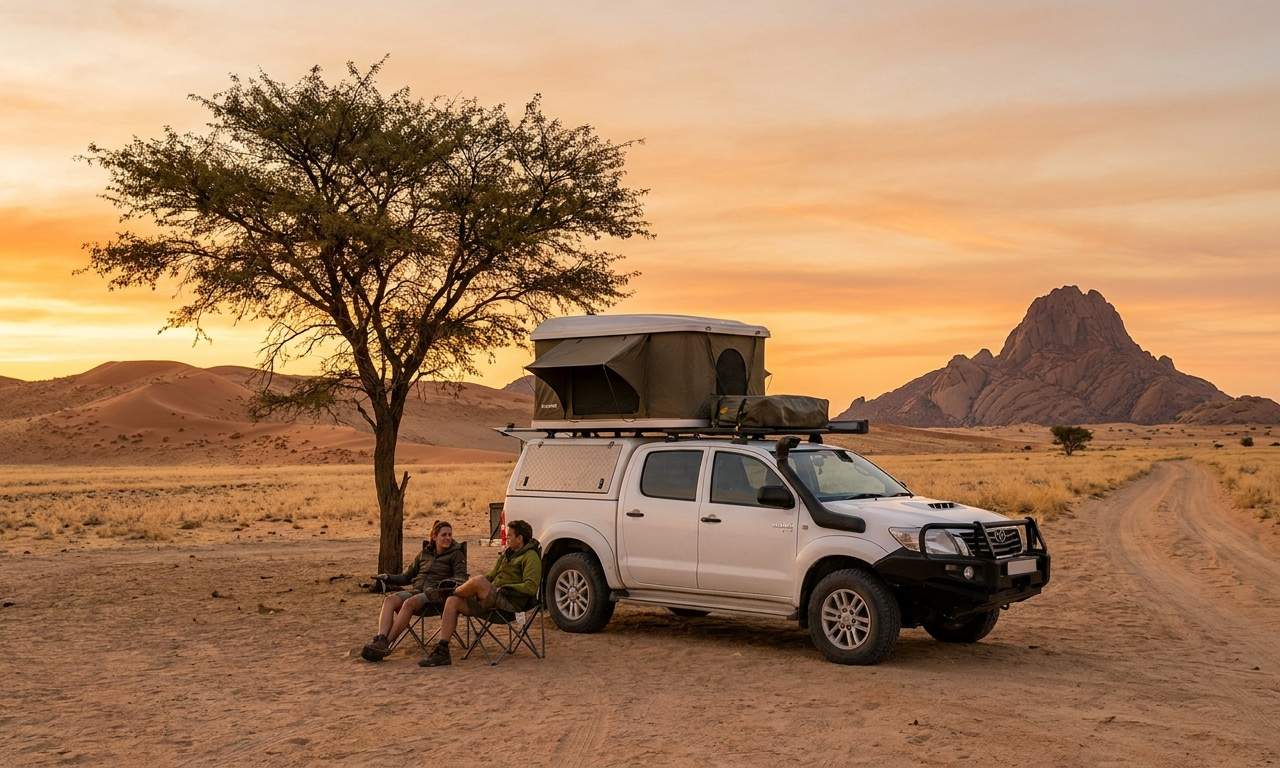
Beyond these highlights, Damaraland presents opportunities for staying at community camps or upscale lodges, immersing you in unique landscapes and cultural interactions. For a truly luxurious adventure, look for campsites that provide private ablution blocks, spacious pitches, and direct access to guided activities, enhancing your connection with Namibia’s wild beauty.
Campground Types in Namibia (National, Private, Wild)
Namibia features three primary types of RV campgrounds: national park sites, private campgrounds, and limited, generally discouraged, wild camping opportunities. National park sites, managed by Namibia Wildlife Resorts (NWR), often provide basic to moderate facilities but grant unparalleled access to iconic wildlife and natural wonders. For instance, in Etosha National Park, NWR camps are strategically located near waterholes, offering exclusive viewing opportunities. Booking these well in advance, particularly 6-12 months ahead for popular spots, is essential. Private campgrounds, frequently attached to lodges or guest farms, typically offer higher luxury, superior amenities like swimming pools, restaurants, and guided tours, ensuring a pampered experience for your rented RV.
Wild camping, also known as freedom camping, is generally illegal and not recommended in Namibia. This is primarily due to significant safety concerns regarding wildlife encounters, potential crime, and strict land ownership laws. Always prioritize designated campsites or secure explicit permission if you are on private land for your peace of mind and safety during your luxury RV trip.
Featured RV Park or Campground in Namibia
When selecting a luxury RV park in Namibia, prioritize comfort, safety, and an enriching cultural or wildlife experience. Ideal luxury RV parks typically offer spacious, shaded pitches, often with private braai (BBQ) areas and modern, meticulously maintained ablution blocks with reliable hot water. For instance, a premier option might be Okaukuejo Camp in Etosha, renowned for its floodlit waterhole where you can watch elephants, rhinos, and lions from a safe distance, often mere meters from your rented motorhome. Many top-tier private resorts, such as those found near Sossusvlei or Swakopmund, include additional amenities like swimming pools, gourmet on-site restaurants, Wi-Fi access (though often limited in remote areas), and secure perimeter fencing. Some even provide laundry services, vehicle wash bays, and exclusive access to guided activities like nature walks or private game drives, making your luxury RV trip truly exceptional.
Hookups & Amenities - What to Expect
Luxury RV rentals in Namibia can expect varying levels of hookups and amenities depending on the chosen campground type. Most private campgrounds and some national park sites offer electrical hookups, typically 220V with a Type M plug (three large round pins), so an adapter may be necessary for non-local RVs. Water hookups are generally available, but it's always wise to carry a filtered water hose and extra potable water, especially when venturing into remote regions, as water pressure and quality can vary. Dump stations for grey and black water are standard in most established campgrounds, although less common in very remote national park sites. On the routes offered through RV PLANET routes, you can itemize and track every expense along the way for easy budgeting.
Wi-Fi connectivity is often provided in private campgrounds and lodges, but it can be slow and unreliable, particularly in remote areas. Cellular service can also be spotty outside major towns, so managing your expectations for constant connectivity is crucial. Laundry facilities, whether self-service or outsourced, and clean hot showers are standard in most mid-to-high-end private campgrounds, while national park sites may offer more basic, solar-heated options. Planning for your meals in your fully equipped RV kitchen can be a joy, and for inspiration, check out our RV-friendly recipes playlist.
Booking Windows & Reservations in Namibia
Booking RV campsites in Namibia is highly recommended, especially during the peak dry season (June to October), for luxury RV travelers seeking specific spots or popular national parks. Dedicated planners should aim to book national park sites, particularly through Namibia Wildlife Resorts (NWR), 6-12 months in advance for iconic locations like Etosha and Sossusvlei, as these fill up quickly. Many national park campgrounds only release 25%–30% of spots for pre-booking, with the remainder allocated on a first-come, first-served basis upon arrival. This means you’ll find a spot if you're flexible - if not at the first campground, then the next one. Always call ahead to confirm availability before driving to a remote location.
Spontaneous travelers often find availability by calling ahead on the day or a day before, especially for private campgrounds or during the shoulder/low season (April-May or October-November). For a luxury experience, pre-booking guarantees premium sites and peace of mind, avoiding the stress of searching for accommodation at the end of a long driving day. This also allows you to enjoy a 25% planning discount when utilizing RVPLAN.NET for your route planning.
Nearby Supermarkets & Resupply Points
Resupplying your luxury rented RV in Namibia is essential for extended trips, with major towns offering well-stocked supermarkets. Key supermarket chains to look for include Shoprite, Pick n Pay, and Spar, which can be found in larger towns like Windhoek, Swakopmund, Walvis Bay, and Opuwo. These stores provide a wide range of groceries, fresh produce, meat, beverages, and basic camping supplies.
For travelers venturing into more remote areas, it is advisable to stock up substantially in major centers, as smaller settlements may only offer basic goods at local shops or petrol stations. Always carry sufficient non-perishable food and water, especially when heading to destinations like Damaraland or Kaokoland where resupply points are few and far between. Remember, planning your route with RV PLANET (RV PLANET routes) allows you to itemize and track every expense, including groceries, for easy budgeting throughout your journey.
Best RV Class for Camping in Namibia
The best RV class for camping in Namibia balances luxury, comfort, and the ability to navigate varying road conditions, predominantly graded gravel roads. Class SI (Semi-integrated) motorhomes, which typically average 6.9 meters in length and accommodate around 3-4 sleeping places, offer a good blend of luxury amenities and maneuverability for Namibia's diverse routes. These vehicles from Bandana's global fleet average a fuel consumption of 10–11 Liters/100 km, making them efficient for longer distances while providing ample living space and comfortable sleeping arrangements for luxury travel. An example is the "2 Berth Tamar" with its automatic transmission and roof air condition.
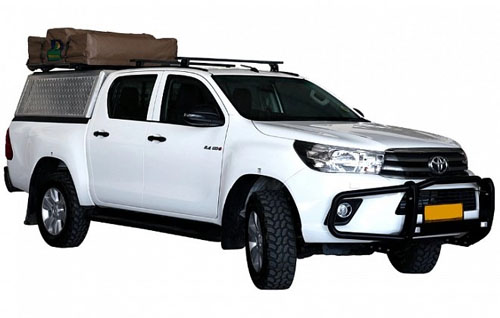
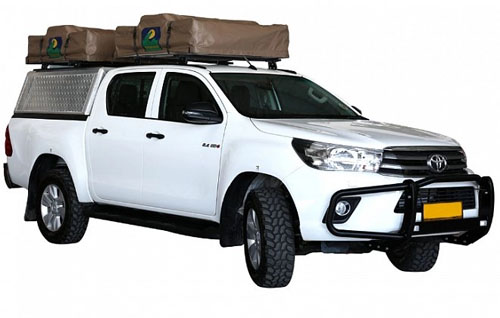
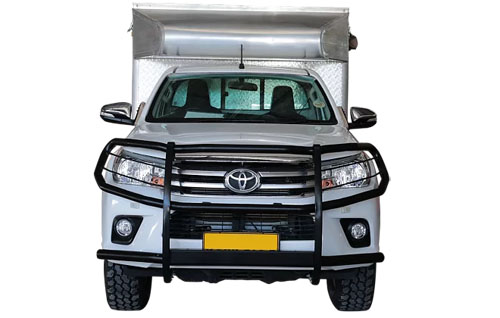
While Class A (Integrated) motorhomes offer maximum luxury and space (averaging 7.5 meters and 4-5 sleeping places, such as a "Comfort Luxury" model), their larger size might be more challenging on narrower or rougher tracks, though they can handle major routes with ease. Bandana's Class A fleet typically consumes 8-12 Liters/100 km. For more rugged or off-the-beaten-path adventures, Class TC (Truck Campers) provide robust 4x4 capabilities and can typically navigate more challenging terrains, though often with less internal luxury space. A "Patagonia Camper 4x4 double cab" is a prime example of a reliable truck camper, averaging 5.5 meters in length and consuming 12–17 Liters/100 km.
Drive slowly and carefully, and you can drive almost anywhere without issues. No need to stress - just use common sense and pay attention. Namibia's roads are generally well-maintained, but gravel sections require a more cautious approach.
How to Save on Campgrounds in Namibia
While opting for a luxury RV rental, several strategies can help optimize campground costs in Namibia without compromising the overall experience. Consider leveraging campground discount cards or loyalty programs, if offered by RV rental providers or local associations, which can provide significant savings on daily rates. Traveling during the shoulder season (April-May or October-November) often results in lower campsite fees and fewer crowds compared to the peak dry season (June-October).
Opt for municipal or regional campgrounds over exclusive private resorts when the budget allows, as they frequently provide essential amenities at a more affordable price point without sacrificing security. For extended stays, always inquire about weekly or monthly rates; many campgrounds offer discounted rates for booking 3 or more nights consecutively. If traveling with another rented RV, sharing hookup sites (where permitted and available) or splitting costs for larger, multi-vehicle pitches can also effectively reduce individual expenses. Bandana is committed to full price transparency, ensuring no hidden fees or surprises throughout your booking process.
What is the best month to RV in Namibia?
The best months to RV in Namibia are typically during the dry season, from May to October, offering optimal weather and wildlife viewing conditions. During this period, rainfall is minimal, skies are clear, and daytime temperatures are pleasant, making road travel and outdoor activities very comfortable. Wildlife, particularly in national parks like Etosha, congregates around permanent waterholes, making sightings more frequent and easier to predict.
While this is generally considered the peak tourist season, leading to higher prices for certain services and more crowded campsites, the excellent conditions for RV travel often outweigh these factors for luxury travelers seeking prime experiences. The cooler evenings during these months are also perfect for enjoying a campfire at your luxury RV campsite and experiencing Namibia's incredibly dark night skies, ideal for stargazing.
Is RVing in Namibia safe?
RVing in Namibia is generally safe, especially when adhering to recommended safety protocols, but it requires awareness of wildlife, varying road conditions, and personal security, particularly in remote areas. Drive defensively, especially on Namibia's extensive gravel road network, and be extremely vigilant for wildlife crossings at any time, but particularly at dusk and dawn. Always adhere to posted speed limits, adjust your speed for road conditions, and avoid driving at night.
🎬 Video coming soon
For personal safety, always lock your rented RV, secure valuables out of sight, and choose established, fenced campgrounds for overnight parking, especially in urban areas like Windhoek or Swakopmund. In national parks, wildlife encounters necessitate staying inside your vehicle, maintaining a safe distance from animals, and following all park rules to prevent dangerous situations. Ensure food and water safety by carrying sufficient sealed bottled water or using a reliable purification system for tank refills, and store food securely within your RV to deter animals. Communication is vital: cell service is intermittent or nonexistent outside major towns, so consider renting or carrying a satellite phone for emergencies, especially for remote itineraries, and always inform someone of your route plans. For solo female travelers, Namibia is generally considered safe, but extra vigilance in urban areas, sharing itineraries with trusted contacts, and choosing secure accommodations are always advisable.
What is the average cost of an RV rental in Namibia?
The average cost of a luxury RV rental in Namibia varies significantly based on factors like the RV class, rental duration, season, and additional inclusions, typically ranging from $150 to $400 USD per day. Prices are dynamic, similar to flight tickets, changing daily based on availability, seasonality, and supplier marketing decisions. For example, a compact 2-berth campervan might start around $150/day in low season, while a spacious 4-6 berth Class C motorhome like an "Adventurer" could be $300-$400+/day in peak season.
A detailed budget breakdown for an RV trip should encompass not just the rental fee but also significant ancillary costs. Fuel is a major expense, given Namibia's vast distances, and Bandana's fleet consumes 8-17 Liters/100 km depending on the vehicle class (e.g., a Class SI "2 Berth Tamar" at 10-11 Liters/100 km versus a 4x4 Truck Camper at 12-17 Liters/100 km). Factor in park entry fees (e.g., N$150-200 per person per day for Etosha, plus N$50 per vehicle), varied camping/accommodation tiers (N$250-N$1000+ per night for luxury sites), and food resupply costs. It is also wise to allocate a contingency for potential repair or recovery expenses on rough roads, and permit fees for restricted areas like the Skeleton Coast or certain community conservancies. Pre-booking bundles or traveling during the shoulder season can help reduce costs, but luxury options inherently command a higher price for enhanced comfort and features. For comprehensive route planning and expense tracking, consider exploring the RV PLANET routes.
What are the rules for driving an RV in Namibia?
Driving a rented RV in Namibia requires adherence to specific rules, primarily driving on the left-hand side of the road, and possessing a valid international driving permit (IDP) alongside your national driver's license. While an IDP is recommended for visitors from non-English-speaking countries, it is not mandatory in most cases, but having both is always best practice. Speed limits are typically 120 km/h on tarred roads, 80 km/h on gravel roads, and 60 km/h in urban areas. Always adjust your speed for current conditions, especially on loose gravel roads where control can be compromised. Seatbelts are mandatory for all occupants of the motorhome, and it is strictly illegal to use a mobile phone without a hands-free device while driving.
Given the long distances between towns and resupply points, always ensure your RV is well-serviced and equipped. It is advisable to carry at least two spare tires, and have sufficient fuel, water, and emergency supplies (like a first-aid kit and basic recovery gear). Be acutely aware of local road signs, including numerous warnings for wildlife, and always yield to animals, especially in national parks and rural areas. There are no toll roads in Namibia, simplifying route planning. Drive slowly and carefully, and you can drive almost anywhere without issues. No need to stress - just use common sense and pay attention.
Can you drink tap water in Namibia RV?
While tap water in major Namibian towns is generally treated and considered safe to drink, it is advisable for RV travelers to exercise caution and purify water, especially when sourcing from remote areas or less developed campground taps. For optimal safety and peace of mind, it is highly recommended to drink sealed bottled water, or diligently filter and boil any tap water obtained from less developed areas or boreholes before consumption. Luxury RVs typically feature built-in fresh water tanks, which should be filled from trusted sources. Additionally, consider installing an extra portable water filter or carrying purification tablets for refilling convenience and emergencies.
Always carry a sufficient supply of potable water, even if you plan to rely on campground hookups, especially when venturing into arid regions like the Namib Desert, where water sources are scarce and unreliable. Running out of water in remote areas can quickly become a serious concern, so prudent planning for water consumption and resupply is paramount for a safe and luxurious RV trip.
What is the dress code in Namibia?
The dress code in Namibia for RV travelers is generally casual and practical, prioritizing comfort, protection from the sun and dust, and adaptability to extreme temperature changes. Lightweight, breathable clothing in neutral colors is ideal for daytime, as it offers effective sun protection and helps you blend in more easily during wildlife viewing excursions. Evenings, particularly in the desert, can be surprisingly cool, so packing layers including warm jackets, fleeces, and long pants is essential for comfort around the campfire or within your rented motorhome.
Comfortable closed-toe shoes are highly recommended for walking on uneven terrain during hikes or safaris, and sandals are perfect for relaxing at your campsite. A wide-brimmed hat, quality sunglasses, and high-SPF sunscreen are non-negotiable for protection against Namibia's intense sun. While there's no strict formal dress code, modest attire is appreciated and respectful when visiting local communities or religious sites, reflecting an understanding of local customs and ethical tourism practices. Remember to pack versatile clothing that can handle both the heat of the day and the chill of the night, common in desert environments.
Do you need a 4x4 RV for Namibia?
While a 4x4 RV is highly recommended for exploring Namibia's more remote and challenging terrains, it is not strictly essential for all RV trips, especially if you plan to stick to main tarred and well-graded gravel roads. Many popular routes to attractions like Etosha National Park, the primary parking area for Sossusvlei (accessible by 2WD vehicles), and major towns like Swakopmund, Walvis Bay, and Windhoek are accessible with a 2WD motorhome, particularly Class SI or Class C vehicles.
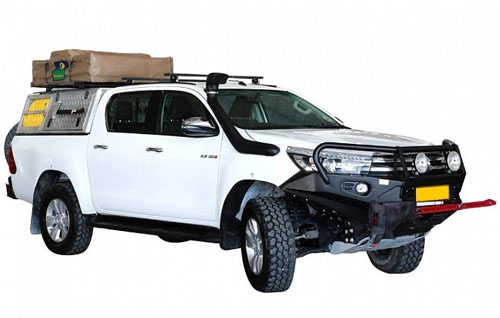
However, a 4x4 RV or a 4x4 truck camper (Class TC) becomes crucial for accessing deep desert tracks, certain community conservancies, or driving the final 5 km stretch into Sossusvlei's iconic dunes (beyond the 2x4 parking area). A 4x4 provides enhanced safety, capability, and peace of mind on sandy, corrugated, or muddy roads, offering you access to a wider range of truly adventurous and exclusive destinations. If your luxury RV itinerary includes off-main-road exploration, a 4x4 RV from Bandana's fleet, like a "Patagonia Camper 4x4 double cab," provides the necessary clearance and traction for an unhindered journey.
What gear do you need for an RV trip in Namibia?
Beyond the standard equipment included with your luxury RV rental, an RV trip in Namibia necessitates specialized gear for safety, self-sufficiency, and comfort in its unique, often remote environment. Essential non-obvious items include a comprehensive first-aid kit (with snakebite serum or local equivalent), robust recovery gear such as a tow rope, spade, and an air compressor for tires (for adjusting pressure on gravel roads). Dust protection is crucial, so consider waterproof and dust-proof bags for electronics and personal belongings. Water purification tablets or a portable filter, extra water containers (at least 20-40 liters), and a good quality cooler or freezer are vital for remote areas, alongside a reliable headlamp or flashlight and ample extra batteries.
Connectivity solutions are paramount: acquire a local SIM card (MTC is generally recommended) for sporadic cellular coverage. Critically, rent or carry a satellite phone for emergency communication in vast areas without any network signal. Specific clothing for extreme temperatures is key, ranging from lightweight, breathable fabrics for hot days to warm layers (including a windproof jacket) for chilly desert nights, complemented by a wide-brimmed hat, sunglasses, and high-SPF sunscreen. Don't forget robust navigation tools, such as a dedicated GPS device with offline maps (like Tracks4Africa), good binoculars for unparalleled wildlife viewing, and a reliable power bank for charging devices in your rented motorhome.
How much does a safari cost in Namibia?
The cost of a safari in Namibia varies widely depending on type, duration, and luxury level, but choosing a luxury RV rental offers significant flexibility to integrate self-guided safaris, potentially reducing overall costs compared to fully guided tours. A traditional high-end guided safari can range from $500 to $1500+ USD per person per day, often including exclusive lodges, meals, and multiple game drives. By contrast, a rented RV allows you to enter national parks like Etosha with your own vehicle, paying only park entry fees (approximately N$150-200 per person per day for international visitors, plus N$50 per vehicle) and campsite fees (N$250-N$1000+ per night for luxury sites), enabling self-guided game drives at your own pace.
This approach provides a luxurious and private base in your RV for comfort while enjoying independent wildlife viewing, often at a fraction of the cost of organized safari tours. You can self-drive for wildlife spotting and enjoy cooking your own meals in your motorhome, making use of facilities like a 3-burner gas stove and a 90-liter refrigerator. Consider allocating funds for occasional specialized guided activities, such as night drives or walking safaris, offered by some private lodges or within national parks, to complement your self-drive experience and gain expert insights. This combination allows for a customized luxury safari that offers both independence and targeted expert experiences.
What should I know before going to Namibia?
Before embarking on a luxury RV trip to Namibia, understanding key cultural, environmental, and practical considerations will significantly enhance your experience. Respect local cultural immersion and etiquette by dressing modestly, especially when visiting communities like the Himba. Always ask permission before photographing people, and engage respectfully with diverse communities, recognizing that ethical tourism practices extend beyond transactional encounters. Be highly aware of your environmental responsibility: adhere strictly to 'Leave No Trace' principles, minimize water usage, manage waste responsibly by carrying out all refuse, and respect fragile desert ecosystems by staying strictly on designated tracks.
For solo female travelers, Namibia is generally safe and welcoming, but extra vigilance in urban areas, sharing your itineraries with trusted contacts, and choosing secure campgrounds are always advisable. Familiarize yourself with drone laws and photography ethics; drone use is restricted or prohibited in national parks and cultural sites, so always seek necessary permits and respect privacy. While popular routes are well-covered, consider off-the-beaten-path experiences accessible by your rented RV, such as visiting lesser-known community conservancies or remote wilderness areas, for unique cultural interactions and untouched landscapes. Travel slowly, aiming for a maximum of 100-150 km per day on average, to truly connect with the culture, the food, and the scenery. This allows for an immersive "unplugged" RV adventure, where Namibia's unparalleled dark skies invite deep connection with nature and incredible stargazing, a true digital detox experience.
What You Shouldn't Miss
- Etosha National Park Self-Drive Safari: Experience world-class wildlife viewing from your rented RV, particularly around the floodlit waterholes at Okaukuejo, Halali, and Namutoni camps. Spot desert-adapted elephants, lions, and rhinos showcasing their unique survival strategies.
- Sossusvlei and Deadvlei's Towering Dunes: Witness the iconic red dunes of the Namib Desert, the oldest desert in the world, with early morning access from Sesriem Campsite. Hike Big Daddy dune and explore the ghostly trees of Deadvlei.
- Coastal Charms of Swakopmund: Explore the German colonial architecture, enjoy fresh seafood, and try adventure activities like quad biking or sandboarding on the dunes near this charming coastal town. Consider a stay at a well-equipped private campsite with sea views.
- Damaraland's Ancient Landscapes and Rock Art: Drive through rugged, ancient landscapes to see desert elephants and visit Twyfelfontein, a UNESCO World Heritage site with thousands of ancient rock engravings, offering a glimpse into Namibia's profound natural history.
- Stargazing in a Designated Dark Sky Reserve: Capitalize on Namibia's incredibly low light pollution. Park your RV in one of the country's dark sky reserves for an unparalleled cosmic spectacle, capturing stunning astrophotography right from your campsite.
- Fish River Canyon: Discover Africa's largest canyon, a geological marvel that offers breathtaking panoramic views and challenging hiking opportunities for adventurous RV travelers in southern Namibia.
Looking for expert insights from Avi Bandana? Top 5 Adventures - recommendations from Avi Bandana
Avi Bandana, our founder, has explored countless corners of the globe by RV. He always emphasizes the importance of slow travel, spending time to truly absorb the essence of each destination. "Life is now!" he often says, encouraging travelers to embrace every moment. His top adventure recommendations for Namibia would undoubtedly include a multi-day immersion in Etosha, ensuring time at each main camp for varied wildlife encounters. He would also stress the unique experience of spending at least two nights near Sossusvlei to witness both sunrise and sunset over the dunes, and finding a remote spot in Damaraland for an authentic desert experience, perhaps with a local community interaction. For city visits, he recommends Swakopmund for its blend of culture and adventure sports. Lastly, he champions an 'unplugged' RV adventure, choosing a dark sky area to fully appreciate the celestial show Namibia offers, reinforcing the idea of a digital detox to connect more deeply with the environment.
Final Thoughts
A luxury RV rental in Namibia offers an unparalleled way to experience this vast and wild country, blending comfort with raw adventure. Imagine the freedom of setting your own pace, choosing where to linger, and enjoying the convenience of a fully equipped home on wheels as you explore ancient deserts, abundant wildlife, and captivating cultures. We truly believe in slow travel - maximum 100-150 km per day on average - so you can take your time to feel the place, connect to the culture, the food, and the scenery.
Whether you're planning a week-long trip to Etosha or an extended road trip through Damaraland and the coastal towns, Bandana Caravan is here to ensure your journey is seamless and memorable. We handle the details, so you can live the journey, supported by our true RV specialists and our commitment to full transparency. Discover top destinations, planning tips, all in one place and plan a trip itinerary in advance with minimal effort and maximum enjoyment.
Ready to embark on your luxurious Namibian RV adventure? Compare Luxury RV Prices for Namibia today and let the wild beauty of this incredible country call you home on the road.