
In This Guide
- Where to Camp in Israel — Top Options
- Campground Types in Israel (National, Private, Wild)
- Featured RV Park or Campground in Israel
- Hookups & Amenities — What to Expect
- Booking Windows & Reservations in Israel
- Nearby Supermarkets & Resupply Points
- Best RV Class for Camping in Israel
- How to Save on Campgrounds in Israel
- How much does it cost to rent a luxury RV in Israel?
- What is the Total Cost of an RV Trip in Israel?
- What is the best time of year to rent an RV in Israel?
- What do I need to know about driving an RV in Israel?
- What are the best places to visit in Israel by RV?
- Are there luxury RV parks in Israel?
- What are the regulations for RV camping in Israel?
- Emergency Preparedness and Support for RVers in Israel
- How to rent a luxury RV in Israel?
Where to Camp in Israel — Top Options
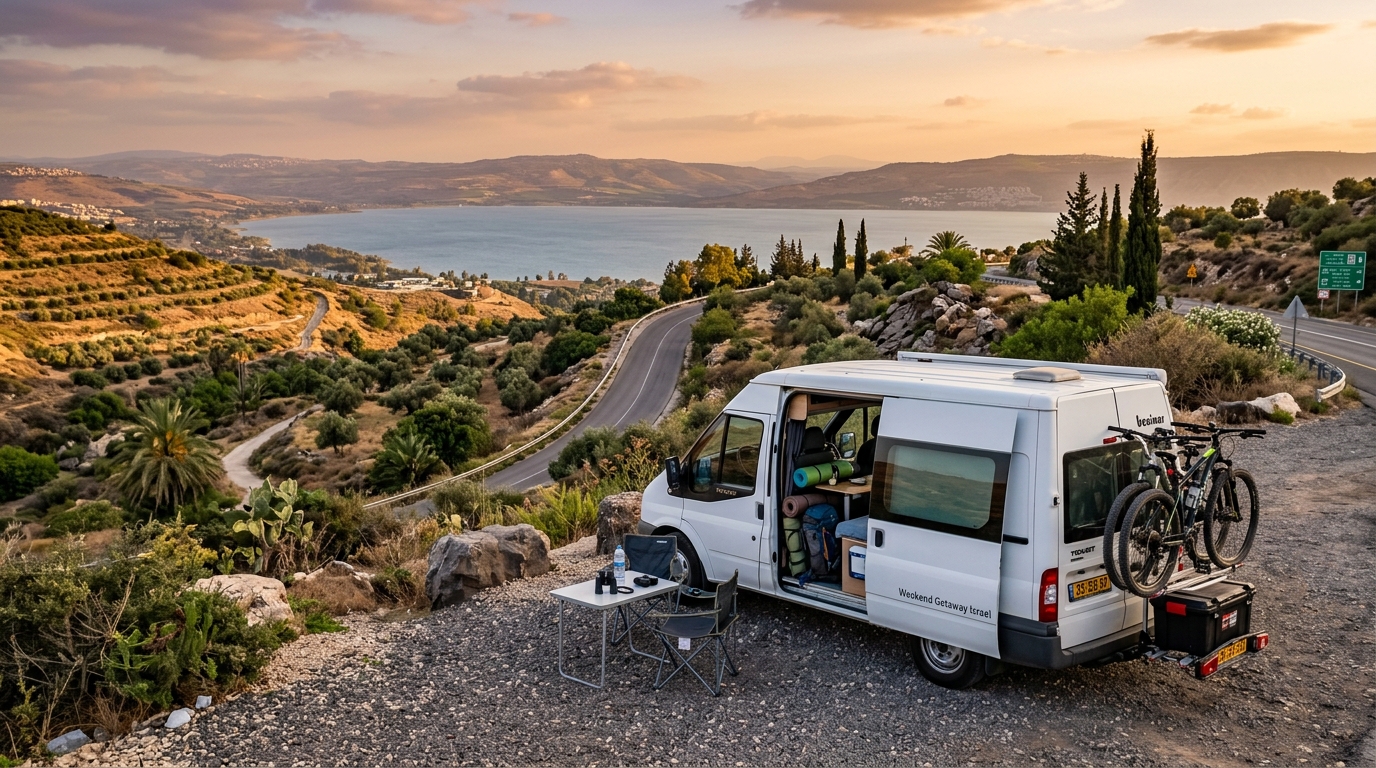
Israel's diverse landscapes offer a wealth of camping experiences for luxury RV travelers. The northern regions, including the Galilee and Golan Heights, boast lush green landscapes, historical sites, and abundant fresh water sources, making them ideal for nature lovers. Imagine waking up to scenic views and exploring ancient ruins from your mobile home. Further south, the stark beauty of the Negev Desert provides opportunities for unique desert activities, such as experiencing Bedouin hospitality and unparalleled stargazing, all accessible with a rented RV. The Dead Sea region offers a truly unique natural phenomenon and health benefits, with nearby attractions like Masada and Ein Gedi Nature Reserve easily reachable by RV. For those who prefer coastal vibes, the Mediterranean coast offers beach access and vibrant cities like Tel Aviv, though parking larger RVs may require planning to stay on the outskirts. Historical ports like Caesarea also provide excellent RV-friendly camping opportunities, blending history with coastal charm. When planning your RV itinerary, our guide RV Rental Israel - Complete Guide 2026 can help you map out the best routes to these diverse and captivating destinations.
Campground Types in Israel (National, Private, Wild)
Israel offers a variety of camping environments to suit every RVer's preference. National Parks, managed by the Israel Nature and Parks Authority (INPA), often provide stunning locations with basic to moderate amenities; advance reservations are highly recommended, especially during peak seasons. For those seeking greater comfort, private campgrounds offer more comprehensive facilities, which can include swimming pools, on-site restaurants, and convenience shops, catering to higher expectations for luxury RV travel. A truly unique cultural experience can be found in Kibbutz Camping, where stays on communal settlements offer simpler facilities but a strong sense of community and invaluable local insights into Israeli life. While generally not permitted without explicit authorization, wild camping is sometimes tolerated in remote desert areas. However, it's crucial to rigorously check local regulations and prioritize safety and environmental concerns before considering such options. Exploring these diverse camping options is key to fully enjoying your RV adventure in Israel. If you're planning a broader trip, our guide RV Rental Israel - Complete Guide 2026 covers everything you need to know about the state.
Featured RV Park or Campground in Israel
When selecting your ideal base for exploring Israel by RV, look for campgrounds that prioritize comprehensive amenities for maximum comfort and convenience. Prioritizing locations with modern, clean sanitary facilities, reliable Wi-Fi access, and laundry services will significantly enhance your luxury RV trip. Seek out parks that offer recreational options, are in close proximity to hiking trails, or provide unique local experiences that align with your travel style. Consider the overall atmosphere – whether you prefer a family-friendly environment, a quiet and secluded retreat, or an adventure-oriented park – to perfectly match your travel desires. For finding excellent campgrounds and detailed amenity information along your chosen route, we recommend using RV PLANET (rvplan.net), a great resource for locating available spots.
Hookups & Amenities — What to Expect
Established RV sites in Israel typically offer standard hookups to ensure a comfortable stay. Electricity is provided at 220-240V, so travelers should bring European adapters (Type H or C) for compatibility with their devices. Potable fresh water hookups are a common feature at most established RV sites, ensuring easy access to clean water. Facilities for proper grey and black water disposal, known as dump stations, are readily available at designated campgrounds across the country. Wi-Fi is increasingly common, though signal strength can vary, especially in more remote natural areas. You can expect hot water showers and coin-operated laundry facilities at well-equipped sites, adding to the convenience. Many sites also provide essential amenities like picnic tables, BBQ areas, and sometimes small convenience shops for basic supplies, making your luxury RV rental experience smooth and enjoyable. If you're looking for specific details on what's included with your rental, our guide Cheap RV Rental in Israel - Budget Guide 2026 can offer some insights. On the routes offered through RV PLANET routes, you can itemize and track every expense along the way for easy budgeting.
Booking Windows & Reservations in Israel
Securing your ideal camping spot in Israel requires a bit of planning, especially if you're traveling during peak seasons like Passover, Sukkot, or the summer months. It's highly advisable to book national park and popular private campgrounds 3-6 months in advance to avoid disappointment. Many national park campgrounds reserve only 25-30% of their spots for advance booking, meaning the majority become available on a first-come, first-served basis on the day of arrival. This makes flexibility a key asset for spontaneous travelers. Even if you're aiming for a same-day arrival, it's always crucial to call ahead to a campground to confirm availability and avoid a wasted trip. Having alternative campground options in mind is also a smart strategy for a successful last-minute RV trip in Israel. For those seeking the best deals, consider our guide RV Rental Deals in Israel - Latest Offers 2026.
Nearby Supermarkets & Resupply Points
Keeping your luxury RV stocked with provisions is easy with Israel's widespread supermarket chains and vibrant local markets. Major supermarket chains like Shufersal, Rami Levy, Victory, and Mega are readily available in urban centers and many rural areas, offering a wide selection of groceries and essentials. For an authentic cultural and culinary experience, don't miss the local markets, known as 'shuks,' which are treasure troves of fresh, seasonal produce, aromatic spices, local cheeses, and freshly baked goods. Convenience stores are also prevalent, typically found at gas stations and in smaller towns, providing quick access to snacks, drinks, and basic necessities. Always ensure you carry an ample supply of drinking water, particularly when planning excursions into the Negev Desert or other remote regions. A crucial point to remember is the impact of Shabbat (Friday afternoon to Saturday evening), during which most businesses, including supermarkets, are closed throughout the country. Planning your resupply runs around this period is essential for a smooth trip.
Best RV Class for Camping in Israel
Choosing the right RV class for your Israeli adventure depends on your travel party size and desired maneuverability. Class B camper vans, averaging 5.8 meters in length and sleeping approximately 3.2 people, are excellent for navigating Israel's diverse terrain, including bustling city streets and winding rural roads. They typically offer fuel consumption around 8-10 liters per 100 km. For a good balance of comfort and agility, Class SI semi-integrated RVs are ideal for families, averaging 6.9 meters in length and sleeping around 3.8 people, with fuel consumption usually between 10-11 liters per 100 km. Larger Class C alcove RVs provide more spacious living quarters, averaging 7.5 meters and sleeping up to 5.8 people, though their size can pose challenges in very tight urban areas or ancient sites, with fuel consumption around 10-12 liters per 100 km. The largest option, Class A integrated RVs, average 7.5 meters and sleep about 4.4 people, offering ultimate luxury but are best suited for established campgrounds and main roads due to their size constraints; fuel consumption typically ranges from 8-12 liters per 100 km. Finally, the very compact Class TC truck campers (averaging 5.5 meters, sleeping 2.4) are perfect for adventurous couples who prioritize maneuverability, with common fuel consumption around 12-17 liters per 100 km. When making your choice, consider the vehicle's length and maneuverability relative to the types of roads and parking you anticipate encountering across Israel. You can compare various RV classes and specifications on our platform to find the perfect fit for your trip.
How to Save on Campgrounds in Israel
Maximizing your budget while enjoying the comforts of an RV in Israel is achievable with smart planning. Inquire with your rental provider about any affiliated discount programs or loyalty cards for campsites, as these can offer significant savings. Traveling during the shoulder seasons – spring (March-May, excluding Passover) or autumn (September-November, excluding Sukkot) – helps avoid peak prices and crowds, often leading to better rates. Municipal or regional campgrounds can be more affordable than private resorts and often offer excellent value with essential amenities. Many campgrounds provide reduced nightly rates for stays of three or more nights, or offer attractive weekly rates for extended visits. If you're traveling with another RV, consider inquiring about sharing hookup sites, if permitted, to potentially split costs. For those planning extensive visits to INPA sites, purchasing a multi-As you explore Israel in your RV, consider these tips to manage campground costs effectively. Always inquire with your rental provider about any affiliated campground discount programs or loyalty cards, as these can offer significant savings. Traveling during the shoulder seasons – spring (March-May, excluding Passover) or autumn (September-November, excluding Sukkot) – can help you avoid peak prices and crowds, often resulting in better nightly rates. Municipal or regional campgrounds tend to be more affordable than private resorts, frequently providing essential amenities and a good value for money. Many campgrounds also offer reduced nightly rates for longer stays, such as three or more nights, or even provide special weekly rates for extended visits. If you're traveling with another RV, it's worth asking about the possibility of sharing hookup sites to potentially split the cost. Finally, for those planning to visit numerous Israel Nature and Parks Authority sites, consider purchasing a multi-entry pass, which can lead to substantial savings on cumulative entrance and camping fees.
How much does it cost to rent a luxury RV in Israel?
The daily rental cost for a luxury RV in Israel typically ranges from $150 to $400+, with variations influenced by the RV class, rental duration, and the season of travel. Class B camper vans generally fall at the lower end of the luxury spectrum, while larger Class A integrated RVs command higher premium prices due to their enhanced amenities and space. Rental rates are notably higher during peak seasons, which include major Jewish holidays like Passover and Sukkot, as well as the summer months. Opting for longer rental periods often results in reduced daily rates, making extended trips a more cost-effective choice. Remember to factor in additional common expenses such as comprehensive insurance, potential mileage limits (with extra fees for exceeding them), and optional equipment rentals like camping gear, GPS units, or Wi-Fi hotspots, which are usually paid for separately.
What is the Total Cost of an RV Trip in Israel?
Beyond the initial RV rental fee, several other significant expenses should be factored into your budget for an RV trip in Israel. Fuel costs are a major consideration, with prices generally being higher in Israel compared to some other countries, and consumption averaging 8-17 Liters/100 km depending on the RV class. Campground fees typically range from $30-$70+ per night for sites offering various levels of service, from basic to full hookups. Toll roads, such as the Trans-Israel Highway (Highway 6), should also be accounted for in your route planning and budget, especially if you plan to utilize these expressways frequently. Don't forget to allocate funds for attraction entrance fees, as many national parks, historical sites, and museums require paid admission. Budgeting for groceries is also essential, particularly if you plan to stock up at local 'shuks' (markets) for fresh produce, or for dining out, which can be more expensive in tourist areas. Parking for larger RVs can be challenging, especially in city centers, and may incur additional costs. It's always prudent to budget a contingency fund for unexpected expenses, such as minor mechanical issues, additional supplies, or unforeseen emergencies, to ensure a stress-free journey.
What is the best time of year to rent an RV in Israel?
The most pleasant time of year to rent a luxury RV in Israel is undoubtedly during the shoulder seasons of spring (March to May, avoiding Passover) and autumn (September to November, avoiding Sukkot). These periods offer ideal weather conditions for exploring, with fewer crowds than the peak summer months. Spring brings mild temperatures and blooming wildflowers, creating perfect conditions for hiking and outdoor activities across the country. Autumn offers comfortably warm temperatures, making it excellent for exploring desert landscapes and historical sites without the intense heat. While summer (June-August) is very hot, especially inland and in the south, it can be suitable for coastal areas and water activities, though desert camping can be challenging. Winter (December-February) is mild with some rain in the north and central regions, while the south generally enjoys cooler but often sunny weather, which is quite pleasant for desert exploration. Regardless of the season, always consider the impact of major Jewish holidays, as they can significantly increase prices, crowds, and affect the availability of services.
What do I need to know about driving an RV in Israel?
Driving an RV in Israel requires a degree of awareness regarding local road signs (which are often in Hebrew, Arabic, and English), understanding assertive local driving habits, and navigating potentially narrow streets in older towns. Defensive driving is highly recommended due to the assertive nature of Israeli drivers. Exercise extreme caution in old city centers and smaller towns where streets can be significantly narrower than anticipated for larger RVs. Dedicated RV parking is rare, so plan to park on the outskirts of cities or utilize designated campground parking when visiting urban areas. Be mindful of toll roads, particularly Highway 6 (Trans-Israel Highway), and factor these into your route and budget. Fuel stations are generally readily available, but it’s important to know your RV's specific fuel type. Keep local emergency numbers handy: Police (100), Magen David Adom (Ambulance, 101), and Fire Department (102), in addition to your rental company's breakdown assistance contacts. While there are no specific driving restrictions on Shabbat, be aware that traffic patterns change, and many services may be closed during this time.
What are the best places to visit in Israel by RV?
Israel offers a multitude of RV-friendly destinations, from the historical and spiritual sites of the Galilee and the vibrant coastal cities to the serene desert landscapes of the Negev and the unique wonders of the Dead Sea region. In Northern Israel, explore the Sea of Galilee, ancient synagogues like Capernaum, take scenic drives through the Golan Heights, visit wineries, and discover nature reserves such as Banias. The Mediterranean Coast invites visits to Tel Aviv (consider parking outside the city center), the Roman ruins of Caesarea National Park, and Haifa's stunning Baháʼí Gardens. Central Israel is home to the rich history of Jerusalem (again, plan for RV parking outside the city center), the natural beauty of Ein Gedi Nature Reserve, and the ancient fortress of Masada. For desert adventures, head south to the Negev and Eilat to discover the geological marvels of Ramon Crater, Timna Park, and the Red Canyon, culminating in the Red Sea diving and relaxation in Eilat. Consider exploring tailored RV-specific itineraries, such as a '7-Day Northern Israel RV Loop' or a 'Desert Adventure RV Route,' to efficiently connect these attractions with suitable campsites. For more detailed itinerary inspiration, check out RV PLANET routes, which can help you itemize and track every expense along the way for easy budgeting.
Are there luxury RV parks in Israel?
While Israel may not boast the sheer volume of large-scale 'luxury RV resorts' found in some other countries, it certainly offers high-quality private campgrounds and well-equipped national park sites that can provide an excellent and luxurious experience for RV travelers. When searching for accommodation, look for private campgrounds that specifically cater to RVs, often advertising full hookups, modern sanitary facilities, and sometimes additional amenities like swimming pools, on-site restaurants, or organized activities. Many national park sites, though not typically marketed as 'resorts,' provide stunning natural settings, clean facilities, and essential hookups, offering a luxury experience through immersion in Israel's diverse and beautiful landscapes. Some kibbutzim or unique desert accommodations even offer 'glamping' style RV parking with special services and opportunities for cultural integration. It is always recommended to check the specific amenity lists and recent reviews for each campground to ensure it meets your personal definition of luxury and comfort for your rented RV.
What are the regulations for RV camping in Israel?
RV camping in Israel is primarily restricted to designated campgrounds, with strict regulations generally prohibiting wild camping in most areas and specific rules governing national parks and nature reserves. RVs must generally stay within official campgrounds, which include national park sites, private facilities, or kibbutz-operated campsites. Wild camping is generally illegal or highly discouraged due to safety concerns, the need for environmental protection, and potential permit requirements in many areas; always seek local advice if considering remote options. Fire restrictions are common, particularly during dry seasons, and open fires may be prohibited outside designated areas within campgrounds. Proper waste disposal is mandatory; always use designated dump stations for grey and black water, as improper disposal is both illegal and environmentally harmful. Some specific nature reserves or archaeological sites may require special permits for entry or overnight stays, so always check in advance with the relevant authorities. It's also important to be mindful of local customs, especially regarding Shabbat, as some religious towns may prefer RVs to be parked discreetly, and most local services will be closed from Friday afternoon to Saturday evening.
Emergency Preparedness and Support for RVers in Israel
RVers in Israel should always be prepared for potential emergencies by carrying essential supplies, knowing local emergency numbers, and having their rental company's roadside assistance contact readily available for any mechanical or safety issues. Memorize or keep accessible the key emergency numbers: Police (100), Magen David Adom (Ambulance, 101), and Fire Department (102). Your luxury RV rental provider will typically offer 24/7 roadside assistance for mechanical breakdowns; ensure you have their specific contact details and understand the procedure for requesting help. Always carry a comprehensive first-aid kit, extra water, non-perishable food items, a flashlight, and a fully charged mobile phone, ideally with a local SIM card for better connectivity. While GPS navigation is generally reliable, having a physical map as a backup is advisable, especially when exploring remote areas where signal strength might be inconsistent. Don't hesitate to ask locals for help; Israelis are generally very friendly and willing to assist travelers in need. Prioritize personal safety by being aware of your surroundings and adhering to any local advisories, particularly in remote regions or if considering wild camping options.
How to rent a luxury RV in Israel?
Renting a luxury RV in Israel typically involves a straightforward process: research reputable rental companies, select an RV class that perfectly suits your travel needs and preferences, carefully review insurance options, and make reservations well in advance, especially if traveling during high season. Look for providers specializing in luxury RV rentals in Israel with a track record of positive reviews, a diverse and well-maintained fleet, and comprehensive customer support. Choose your RV class wisely, considering options like a Class SI semi-integrated (averaging 6.9m, sleeping 3.8) or a spacious Class A integrated (averaging 7.5m, sleeping 4.4) for enhanced comfort and amenities. Thoroughly understand the included Collision Damage Waiver (CDW) and Supplemental Liability Insurance (SLI) options, and consider any additional coverage for extra peace of mind. Most companies offer online booking, where you'll need to provide documentation including a valid driver's license and often an International Driving Permit (IDP), along with your passport and credit card. Finally, take advantage of any pre-trip orientation provided by the rental company, which will cover RV operation, safety features, and local driving tips specific to Israel.
What You Shouldn't Miss
- Galilee's Ancient Wonders: Explore Roman-era synagogues like Capernaum and the scenic beauty of the Golan Heights, perhaps visiting local wineries, all accessible via well-maintained roads suitable for RVs.
- Masada Sunrise & Dead Sea Float: Witness a breathtaking sunrise from the historic Masada fortress, then experience the unique buoyancy of the Dead Sea – a truly unforgettable natural phenomenon.
- Tel Aviv Coastal Drive: Enjoy the Mediterranean breeze with a drive along the coast, perhaps stopping in the vibrant city of Tel Aviv (remembering to park larger RVs on the outskirts) for its cultural scene and culinary delights.
- Negev Desert Stargazing: Venture into the vastness of the Negev Desert for unparalleled stargazing opportunities and experience unique desert activities, perhaps staying at a Bedouin-style campsite.
- Caesarea's Roman Ruins: Explore the remarkably preserved Roman amphitheater and aqueduct in Caesarea National Park, a stunning historical site easily accessible by RV.
- Jerusalem's Old City Charm: While navigating large RVs within Jerusalem's Old City is challenging, park strategically and immerse yourself in its ancient religious and historical significance.
Final Thoughts
Embarking on an RV adventure in Israel offers an unparalleled way to connect with its diverse landscapes and rich history. From the northern heights to the southern deserts, a rented RV provides the freedom and flexibility to explore at your own pace. Remember that thorough planning, especially regarding bookings and understanding local driving nuances, will greatly enhance your experience.
With Bandana Caravan, you gain access to a world of RV rental options, ensuring you find the perfect vehicle and the best value. We're here to support you through the planning process, providing transparent pricing and expert advice so you can focus on the journey ahead. Get inspired for your next trip and discover the magic of RVing in Israel!
