In This Guide
- Top 5 Tips for Long-Term RV Rental in Tokyo
- Before You Book - Class, Dates, Insurance
- Pre-Trip Prep - Packing Checklist for Tokyo
- On the Road - Driving, Fueling, Navigation
- At the Campground - Setup, Hookups and Etiquette
- Long Term RV Rental-Specific Tips for Tokyo
- Common Mistakes to Avoid in Tokyo
- Why You Should Not Drive Your RV into Tokyo City Center
- How to Visit Tokyo with an RV Without Driving it Into the City
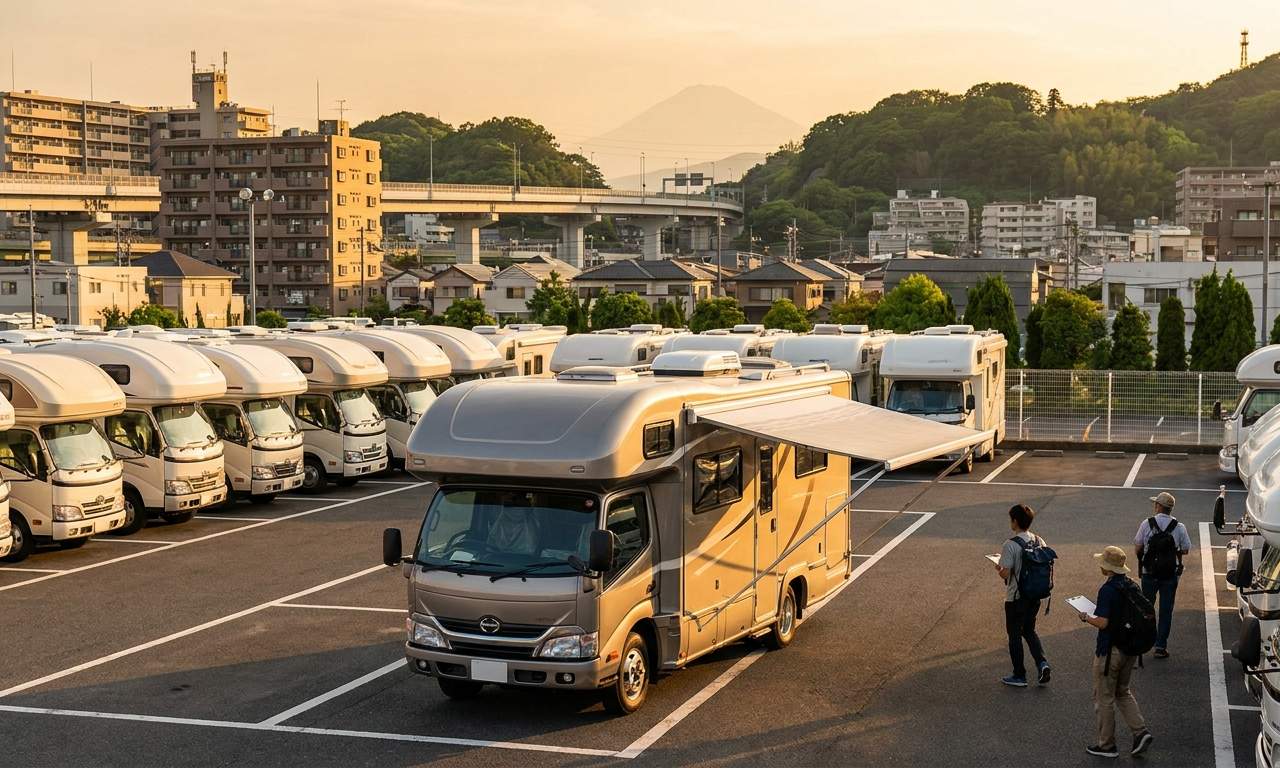
- Where Can I Park an RV Near Tokyo
- What is the Cost of RV Parking Near Tokyo vs Public Transport
- Can You Sleep in a Car in Tokyo
Embarking on a long-term RV rental in Tokyo offers an unparalleled way to experience Japan, providing the freedom to explore its stunning landscapes and rich culture at your own pace. With a rented motorhome, your journey becomes a mobile adventure, allowing you to delve deeper into both the bustling city surrounds and the serene countryside. For live availability and current prices, start with our RV Rental Tokyo - Complete Guide CurrentYear guide. Choosing Bandana RV means you're partnering with true RV specialists, not just a side department of a travel agency. We understand the nuances of RV travel, ensuring full transparency in pricing with no hidden fees or surprises, and providing support from real people before, during, and after your booking.
Top 5 Tips for Long-Term RV Rental in Tokyo
Planning your RV size carefully for Japan's unique roads and parking is crucial for a successful long-term adventure in Tokyo. Japan's infrastructure, especially outside of major highways, often features narrower lanes and tighter turns than what many international travelers are accustomed to, making smaller Class B campervans or compact Class C motorhomes ideal.
Booking your desired long-term RV rental well in advance, particularly for peak seasons like the spring cherry blossom (March-April) or autumn foliage (October-November), is highly recommended due to limited availability and dynamic pricing. Familiarizing yourself with Japan's specific road rules and signage before you arrive will significantly enhance your driving confidence and safety. Integrating Japan's efficient public transport system is often the most practical approach for exploring Tokyo's dense urban core. Lastly, researching RV-friendly parking and campgrounds located outside central Tokyo is essential, as central city parking for larger vehicles is virtually nonexistent.
Before You Book - Class, Dates, Insurance
When preparing for your long-term RV adventure in Tokyo, selecting the right vehicle class and securing your rental dates are primary considerations. Compact campervans, such as the "rv rental denver example Category Van" or "hire campervan example Paradise S/T", are generally recommended for easier navigation and parking in Japan, balancing comfort for extended stays with superior maneuverability on smaller roads. These vehicles typically offer features like shower and toilet, ideal for couples or small families.
To ensure availability and potentially secure better rates, it's wise to book your long-term RV rental dates as early as possible-ideally 3-6 months out, especially if your trip coincides with popular periods like cherry blossom season or national holidays. While basic insurance is always included with your rental, you can upgrade to a top-level deductible for extra peace of mind; simply select this option during your search to see prices inclusive of the most comprehensive coverage. Bandana Caravan offers full price transparency, ensuring no hidden fees or surprises throughout the booking process.
Pre-Trip Prep - Packing Checklist for Tokyo
Effective pre-trip preparation and a smart packing checklist are essential for a comfortable long-term RV rental in Tokyo. Given Tokyo's varied climate, from humid summers to mild winters, packing versatile layers is crucial; consider lightweight, breathable fabrics for warmer months and easily adaptable insulation for cooler times.
Bringing a universal power adapter for your electronics is a must, and a portable Wi-Fi device (either rented or your own) will prove invaluable for navigation and staying connected throughout Japan. Ensure all essential travel documents, including your passport, visa (if applicable), and an International Driving Permit (IDP), are organized and easily accessible. Packing compact cooking essentials, such as a small set of pots, pans, and utensils, is advisable for preparing meals in your RV, allowing you to enjoy local produce from markets and save on dining costs. For culinary inspiration, explore our RV-friendly recipes playlist.
Don't forget personal toiletries, a first-aid kit, and any prescription medications. Remember that storage space in even a comfortable Class C motorhome like the "rv rentals example Comfort Class" can be limited, so prioritize multi-functional items. Consider packing reusable shopping bags for groceries and a small Japanese phrasebook or translation app to assist with local interactions. On the routes offered through RV PLANET routes, you can itemize and track every expense along the way for easy budgeting.
On the Road - Driving, Fueling, Navigation
Driving a rented motorhome in Japan requires adherence to specific local customs and rules to ensure a smooth journey. Most notably, you must drive on the left side of the road, and speed limits are strictly enforced, typically 40-60 km/h in urban areas and 80-100 km/h on expressways. Drive slowly and carefully, and you can drive almost anywhere without issues. No need to stress - just use common sense and pay attention.
Fueling stations are abundant across Japan, identifiable by 'gasoline' (ガソリン, gasorin) signs; remember that many stations are full-service, so understanding basic Japanese phrases for fuel types (regular/レギュラー, premium/ハイオク, diesel/軽油) is helpful. For accurate navigation in Tokyo and beyond, utilize a reliable English-language GPS system or a smartphone with popular navigation apps, keeping in mind that some Japanese addresses use a block-based system rather than sequential street numbers. Be aware of the extensive toll system on expressways; an Electronic Toll Collection (ETC) card, often available with your RV rental or purchased separately, can make toll payments seamless, or you can pay manually at booths. For planning your routes and tracking expenses, RV PLANET routes offers a great resource.
At the Campground - Setup, Hookups and Etiquette
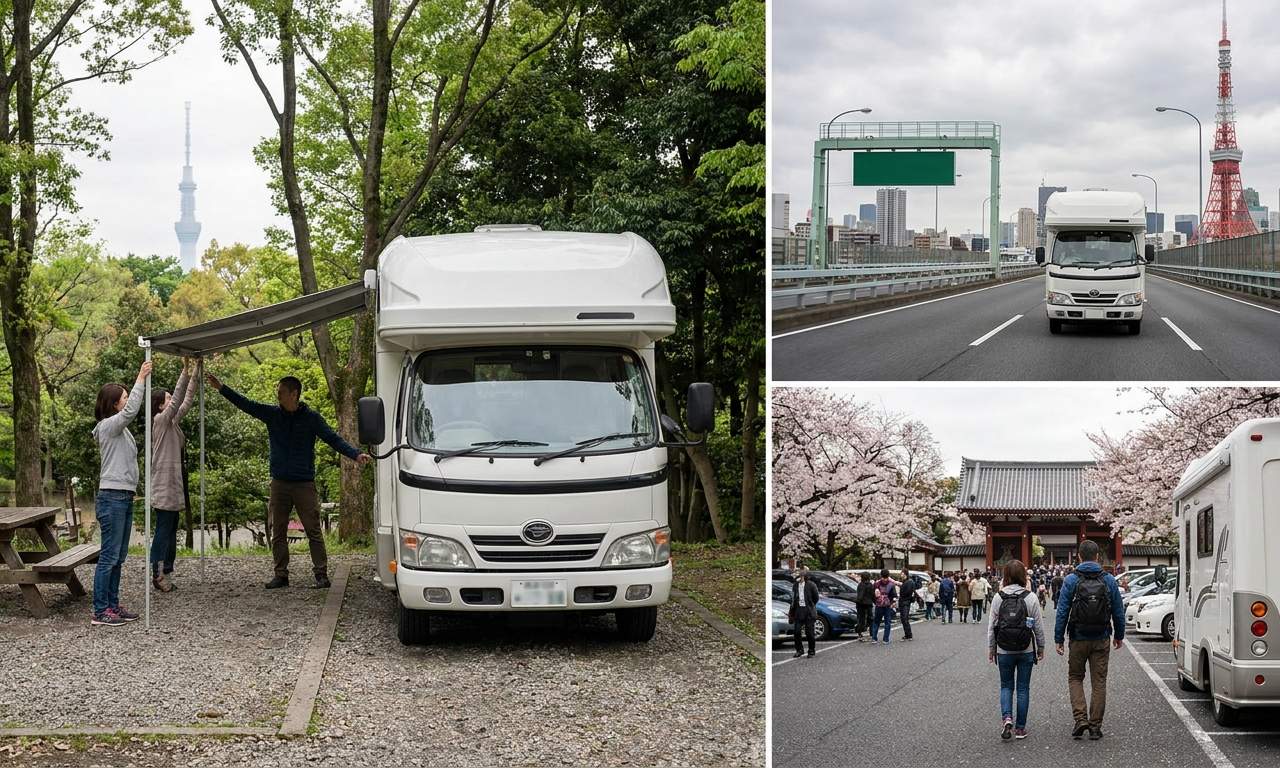
Setting up your rented RV at a Japanese campground involves a few key steps and important cultural etiquette. Upon arrival, carefully park your motorhome according to the site instructions, ensuring adequate space for your vehicle and outdoor living area, if permitted. Many campgrounds feature compact spots designed for smaller Japanese RVs, so selecting an appropriate size like the "Class 0" or "camper for rent example Category A" is beneficial. Connecting hookups should follow a specific order: first, attach your electrical hookup, then the freshwater hose, and finally, the sewer hose (if available and applicable) to prevent contamination.
Observing quiet hours, typically from 9 PM to 7 AM, is essential, as Japanese campgrounds prioritize tranquility. Proper trash disposal is also vital; separate waste into burnable, non-burnable, plastics, and PET bottles, following the specific recycling rules often posted at designated receptacles. Utilizing shared facilities like restrooms and showers respectfully by keeping them clean for other users demonstrates good etiquette. Many campgrounds offer clean, well-maintained facilities, reflecting Japan's high standards of public cleanliness. Always call ahead to confirm availability and book your spot, especially during peak seasons.
Long Term RV Rental-Specific Tips for Tokyo
Tailoring your long-term RV rental in Tokyo to your travel group enhances the experience significantly. For families with 4-6 people, choosing a Class C motorhome like the "24' Class C Motorhome" with sufficient sleeping and living space is essential; research campgrounds near Tokyo, such as Wakasu Park Camping Ground, that offer playgrounds or recreational areas to keep children entertained during extended stays. Consider the "Category Family 5" or "Glamys 40" models for their family-friendly layouts.
Senior travelers may find RV classes with lower entry steps and automatic transmissions, like a "luxury rv rentals example Carthago Malibu 600" campervan, more comfortable and accessible. When looking for "long term rv rental Tokyo" options, prioritize campgrounds with paved, level sites near public transport for ease of access. Budget-conscious travelers can significantly save by utilizing 'Michi-no-Eki' (roadside stations) for free overnight parking (where permitted) and cooking most meals in their rented RV, supplementing with inexpensive local groceries. For those seeking luxury, larger, fully-equipped Class A motorhomes, such as "Class A - Thor ACE 30", might be a choice, possibly integrating services like campground booking assistance or premium tour packages for a seamless high-end experience.
Travel slowly, max 100-150 km per day on average. Take time to feel the place, connect to the culture, the food, and the scenery. A long-term rental provides the flexibility to truly immerse yourself.
🎬 Video coming soon
Common Mistakes to Avoid in Tokyo
To ensure a stress-free long-term RV rental in Tokyo, avoiding common pitfalls is key. Instead of attempting to navigate Tokyo's dense, narrow streets with a large RV, park your rented motorhome outside the city center and utilize Japan's excellent public transportation. This approach mitigates issues with extreme traffic congestion, numerous height and width restrictions, and a severe lack of appropriate RV parking that can lead to frustrating navigation and potential damage.
Do not underestimate Japanese road tolls; budget generously for expressway costs or plan alternative routes using scenic, toll-free roads where feasible. Many drivers are surprised by the high cost of tolls, which can quickly add up on extended trips. It is also a mistake to expect readily available spontaneous RV parking within Tokyo's core; pre-booking dedicated RV sites or planning to use 'Michi-no-Eki' outside the metropolitan area is crucial. Finally, don't overlook the importance of Japanese etiquette, particularly regarding noise levels, trash disposal, and public behavior at campgrounds, which differ from Western norms. Always be mindful and respectful of local customs.
Why You Should Not Drive Your RV into Tokyo City Center
Driving a rented RV into Tokyo's core is generally impractical and highly advised against due to unique urban challenges. Extreme traffic congestion within central Tokyo, coupled with exceptionally narrow streets, numerous height and width restrictions, and a severe lack of appropriate RV parking, makes navigation frustrating and potentially damaging for larger vehicles. Even smaller campervans like a "Category Van" or "Active Pop Top" would find maneuvering through areas like Shibuya or Shinjuku difficult. The practical feasibility of driving an RV directly into Tokyo is low; many central areas are simply not designed for vehicles exceeding standard car dimensions, leading to inevitable delays and stress.
Ignoring these specific challenges can lead to significant delays, increased stress, and higher costs from tolls and potential fines or damages. Unlike some Western cities, Tokyo does not have a culture or infrastructure that accommodates large recreational vehicles in its urban core. We, as true RV specialists with over 20 years of experience, emphasize smart travel choices to ensure your journey is enjoyable and problem-free. This approach ensures you spend your time experiencing Tokyo's wonders rather than battling its traffic and parking limitations.
How to Visit Tokyo with an RV Without Driving it Into the City
The most effective strategy for RV travelers to experience Tokyo without driving their rented RV directly into the city involves parking at an RV-friendly location outside the urban core and utilizing Japan's efficient public transportation system. This method ensures convenience and minimizes stress. Recommended parking options include established campgrounds, designated 'Michi-no-Eki' roadside stations, or private RV parks situated within a reasonable commuting distance to major train lines.
From these outer locations, travelers can easily access Tokyo's iconic attractions via commuter trains, such as the extensive JR lines (e.g., Yamanote Line) or subway, which are renowned for their punctuality and coverage. For instance, parking near Wakasu Park Camping Ground (Tokyo Bay area) offers direct bus connections to Shin-Kiba Station, from where you can take a 15-minute train ride to Tokyo Station. Estimated commute times into central Tokyo can range from 30 minutes to 1.5 hours, depending on your parking location, with public transport costs generally being economical (e.g., ¥300-¥1,000 per person per trip, or more cost-effective with multi-day passes like the Japan Rail Pass if applicable) compared to central Tokyo parking fees and expressway tolls. This strategy allows you to enjoy the full "long term rv rental Tokyo" experience without the urban driving hassle.
Where Can I Park an RV Near Tokyo
RV-friendly parking locations within a reasonable commuting distance of Tokyo include various campgrounds, 'Michi-no-Eki' (roadside stations), and private RV parks. One popular option is Wakasu Park Camping Ground, located in the Tokyo Bay area in Koto City, offering a seaside location with amenities like electrical hookups, water, and shower facilities, along with convenient public transport connections to central Tokyo.
Further afield, sites in Saitama or Chiba prefectures, easily accessible from Tokyo, provide additional campground options often featuring more extensive amenities for a long-term RV rental. 'Michi-no-Eki' are excellent for free overnight stays, often providing clean restrooms and local produce markets, though full hookups are rare. For instance, Michi-no-Eki Ichihara in Chiba or Michi-no-Eki Kawagoe in Saitama are popular choices, but travelers should research specific locations for their permissibility of overnight RV parking and proximity to train stations. Private RV parks, while potentially pricier, often provide full hookups and enhanced amenities, and booking these, especially during peak seasons, is highly recommended through online platforms or direct contact. When considering your overall trip cost, remember that RV PLANET routes can help you itemize and track every expense, including campsite fees, along your way for easy budgeting.
What is the Cost of RV Parking Near Tokyo vs Public Transport
A direct cost comparison typically shows that RV parking near Tokyo, combined with public transport, is significantly more economical and stress-free than enduring tolls and attempting to park directly in the city center. RV parking at well-equipped campgrounds or private parks near Tokyo can range from ¥2,000-¥5,000 (about $13-$35 USD) per night, offering amenities like electricity, water, and restrooms.
'Michi-no-Eki' roadside stations, while lacking full hookups, are often free for overnight stays, providing a budget-friendly alternative. Conversely, tolls for driving an RV into Tokyo's core can be substantial, easily exceeding ¥2,000 (about $13 USD) for a one-way trip on expressways, compounded by extremely expensive hourly parking rates in the city center (often ¥500-¥1,000+ per hour, rarely suitable for larger RVs). Public transport fares from outer RV locations into central Tokyo generally cost ¥300-¥1,000 (about $2-$7 USD) per person per trip, making it a predictable and often cheaper alternative, especially with multi-day passes for extended travel. This strategy saves both money and the frustration of navigating challenging city traffic and parking.
Can You Sleep in a Car in Tokyo
While it is technically possible to sleep in a car in Tokyo, realistic expectations and legal considerations are crucial, as it is generally not encouraged or widely accepted for long-term stays. Overnight parking in public areas is highly regulated, and sleeping in regular street parking spots can lead to fines or being moved on by police, as well as a lack of basic facilities.
For travelers in smaller campervans like a "Patagonia Camper 4x4 double cab" or even a standard vehicle, designated overnight parking areas at 'Michi-no-Eki' (roadside stations) located outside the immediate Tokyo city center are the most viable and legal option, often providing restrooms and vending machines. Using a car for sleeping within Tokyo's dense urban environment is not a comfortable or practical alternative to dedicated RV parks or hotels, lacking essential facilities like showers and privacy. For a truly comfortable long-term stay, a rented RV at a designated campground or RV park offers a far superior experience.
What You Shouldn't Miss
- Mount Fuji Views from RV: Drive your rented RV to the Fuji Five Lakes region (Kawaguchiko, Yamanakako) for breathtaking, iconic views of Mount Fuji, especially during sunrise or sunset. There are several RV-friendly campgrounds around Lake Kawaguchiko.
- Hakone Open-Air Museum: Explore this stunning outdoor art museum in Hakone, about 1.5 hours southwest of Tokyo, which combines nature and contemporary sculpture. Parking for RVs is available, and the area is perfect for slow travel.
- Coastal Drive to Kamakura: Take your campervan rental on a scenic drive along the coast to Kamakura, an ancient city known for its Great Buddha and numerous temples. Parking can be found at the periphery, allowing you to walk or use local transport to explore.
- Onsen Experience in Izu Peninsula: Head to the Izu Peninsula for a relaxing Japanese hot spring (onsen) experience. Many onsen towns have RV-friendly parking nearby, allowing for a rejuvenating overnight stay after a day of driving your motorhome.
- Explore Nikko National Park: Venture north of Tokyo to Nikko National Park, a UNESCO World Heritage site known for its ornate shrines, temples, and stunning natural beauty, especially the autumn colors. RV parking is available at the park's edge, allowing easy access to walking trails and cultural sites.
- Food Adventures: Experience Japan's incredible culinary scene beyond Tokyo by trying regional specialties. Cooking simple meals in your rented RV with fresh ingredients from local markets, especially from a Michi-no-Eki, can be a delightful and authentic experience.
Looking for expert insights from Avi Bandana? Top 5 Adventures – recommendations from Avi Bandana
As the founder of Bandana Caravan, Avi Bandana has personally explored countless destinations. His recommendations for RV adventures in Japan include focusing on the scenic routes around Mount Fuji, discovering the cultural gems of Kyoto and Nara with your RV as a base, and experiencing the tranquil beauty of Hokkaido's national parks. He emphasizes embracing slow travel, allowing 100-150 km per day on average, to truly connect with the local culture and breathtaking landscapes. For more detailed itineraries and hidden gems, Avi recommends consulting RV PLANET's expertly curated route plans, ensuring you uncover the best of Japan.
Final Thoughts
Embarking on a long-term RV rental in Tokyo is an incredible way to experience Japan, blending the vibrancy of city life with the tranquility of its natural wonders. By planning thoughtfully, especially regarding RV size and parking outside the city center, you unlock a journey of unparalleled freedom and discovery. Remember, a standard car driver's license is sufficient for all motorhome classes, and an International Driving Permit is always a good idea.
With Bandana Caravan, you're not just renting a vehicle; you're gaining a partner who values transparency, offers dedicated support, and provides expert planning tools through RVPLAN.NET. Whether you're a pre-planner or a spontaneous adventurer, the beauty of Japan awaits. So, imagine yourself driving through scenic routes, savoring local cuisine, and waking up to new horizons each day.
Ready to turn that dream into reality? Find your perfect long-term RV rental in Tokyo and start planning an unforgettable extended travel adventure. Discover top destinations, planning tips, all in one place!
Find Motorhome Rentals in Tokyo