In This Guide
- Top 5 Tips for long term rv rental RV Rental in South America
- Before You Book - Class, Dates, Insurance
- Pre-Trip Prep - Packing Checklist for South America
- On the Road - Driving, Fueling, Navigation
- At the Campground - Setup, Hookups & Etiquette
- long term rv rental-Specific Tips for South America
- Common Mistakes to Avoid in South America
- What is the 3-3-3 rule for RV travel?
- What is the 4-4-4 rule for RV travel?
- What is the 2-2-2 rule for RV?
- What are some tips for long-term RV storage?
- What is the 333 rule for campervan?
- How much would it cost to rent an RV for 1 month?
- Is it cheaper to rent an RV or stay in hotels?
- Can you rent a campervan for 6 months?
- How much money do I need for 3 weeks in South America?
- Can you RV in South America?
- What You Shouldn't Miss
- Why Book with Bandana Caravan
- Final Thoughts
- Frequently Asked Questions
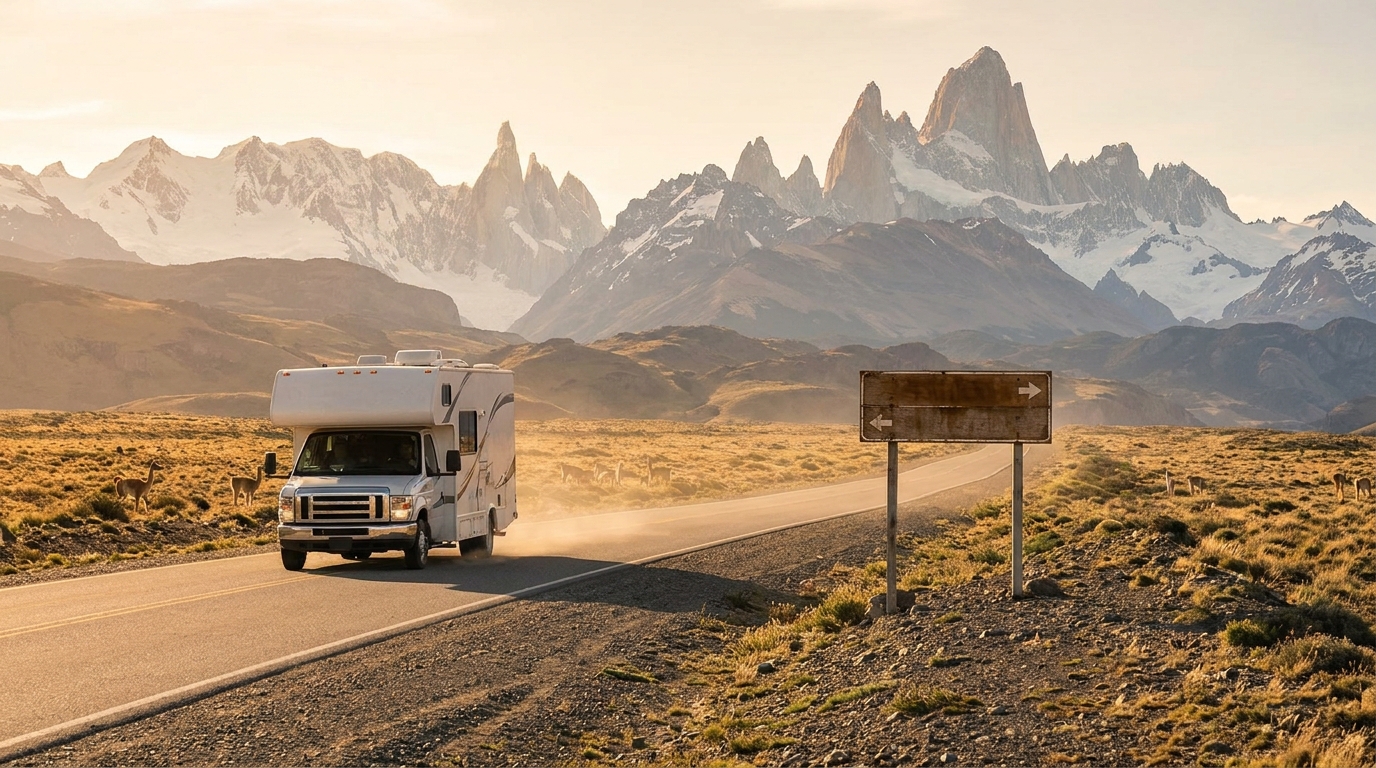
Embarking on a long-term RV rental in South America promises an unparalleled adventure, offering the freedom to explore diverse landscapes, rich cultures, and hidden gems at your own pace. Imagine waking up to the majestic Andes, enjoying a fresh breakfast prepared in your own mobile kitchen, and then setting off to discover ancient ruins or vibrant cities. For live availability and current prices, start with our RV Rental South America - Complete Guide 2026 guide.
Top 5 Tips for long term rv rental RV Rental in South America
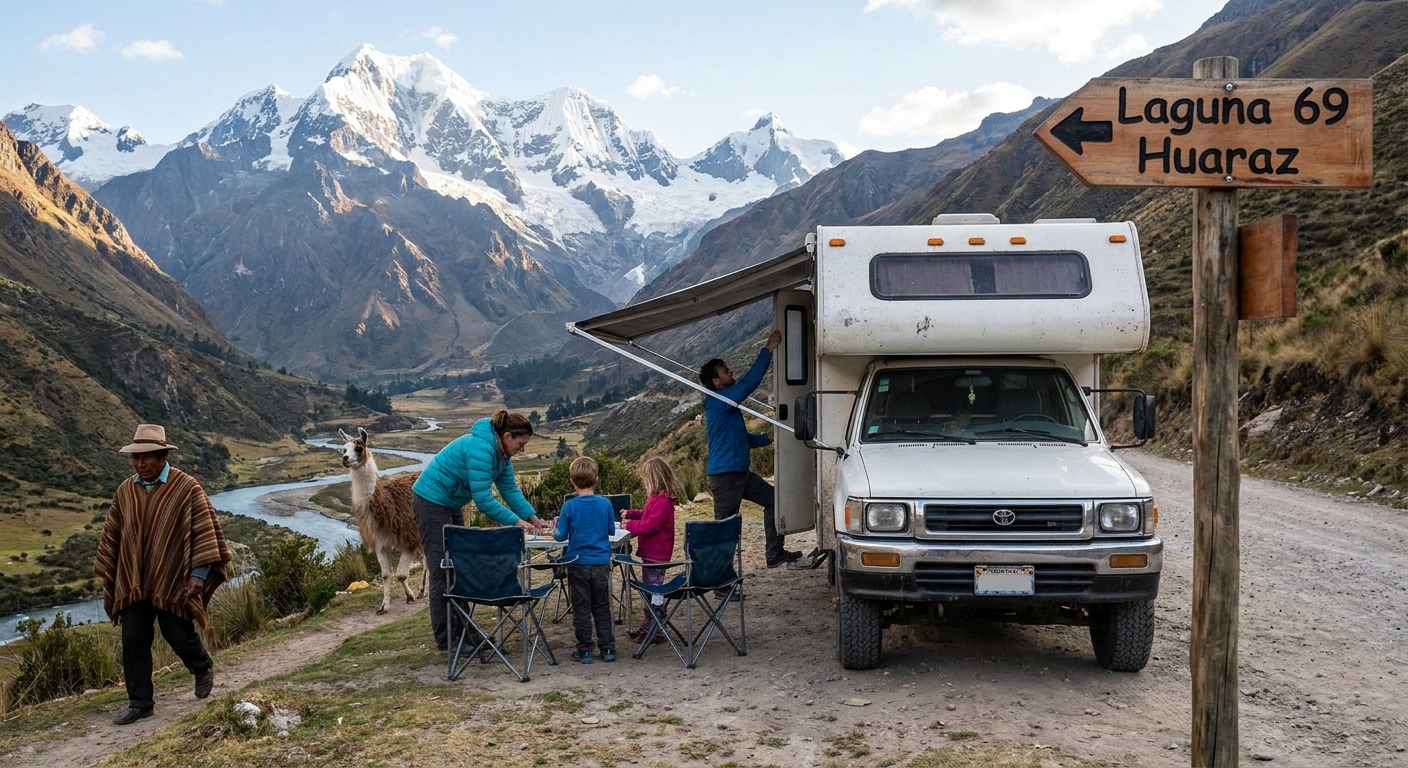
Navigating a long-term RV rental through South America requires careful preparation, given the continent's diverse geography and varying infrastructure. Here are five crucial tips to ensure a smooth and enjoyable journey:
- Plan your route with realistic driving times and consider road conditions unique to South America, which can vary significantly. Don't rush your adventure; traveling slowly, averaging max 100-150 km per day, allows you to truly feel the place, connect to the local culture, savor the food, and immerse yourself in the scenery.
- Secure comprehensive long-term vehicle insurance and consider separate travel health insurance that covers international emergencies. While basic insurance is usually included with your rented motorhome, upgrading to a top-level deductible for extra peace of mind is a smart choice for extended trips.
- Research and prepare all necessary international driving permits, vehicle import documents, and border crossing procedures for each country. A standard car driver's license is sufficient for all motorhome classes (Class A, B, and C), but an International Driving Permit (IDP) is recommended for non-English speakers.
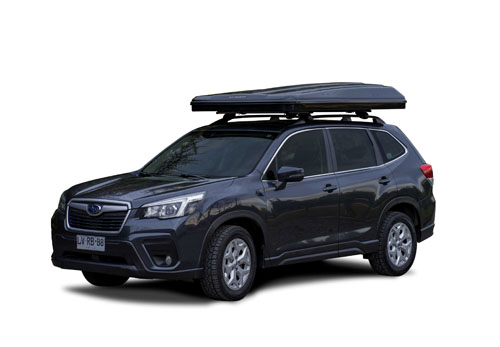
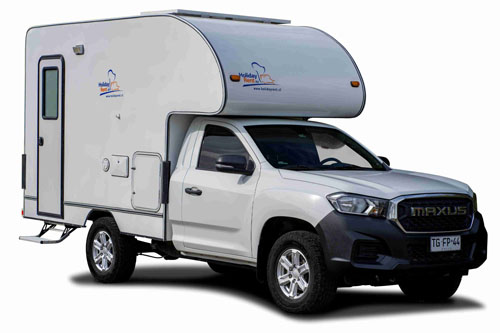
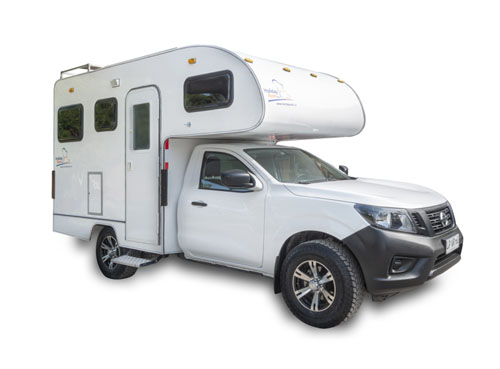
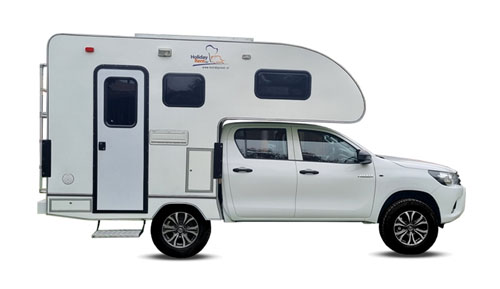
- Opt for a robust RV or campervan with good ground clearance and reliable mechanics, suitable for diverse South American terrains. Vehicles like the "Patagonia Camper 4x4 double cab" or a sturdy Class C like "rv rentals example Comfort Class" are often excellent choices for handling varied road conditions.
- Allocate a flexible budget for fuel variability, unexpected maintenance, local tolls, and potential fees, as costs can fluctuate. On RV PLANET routes, travelers can itemize and track every expense along the way for easy budgeting, ensuring no hidden fees or surprises spoil your trip.
Before You Book - Class, Dates, Insurance
Choosing the right RV class for a long-term rental in South America is crucial; consider a sturdy 4x4 campervan or a compact Class C for better maneuverability and suitability for varied terrain and less-developed roads. For instance, a "2 Berth Hi Top" campervan offers nimble handling and is ideal for couples, while a larger "29′ Class C Motorhome" might suit a family of 2+2 looking for more space and amenities like a microwave and shower.
Lock in your rental dates as far in advance as possible, especially for peak seasons, to ensure availability and potentially secure better long-term rates. While some travelers prefer spontaneous adventures, many pre-planners benefit from organizing their booking 3-6 months ahead to access the best deals, which can sometimes result in savings of up to 25% on long-term motorhome rentals. However, if you are a spontaneous traveler, don't worry, many national and state parks reserve 25-30% of their spots for first-come-first-serve visitors. You'll find a spot; if not at the first campground, then the next one. Just call ahead before driving.
Regarding insurance, basic coverage is typically included with rentals, but for comprehensive protection in South America, it's wise to explore additional options such as collision damage waiver (CDW) with zero deductible and extended liability coverage. Bandana Caravan always advocates for full transparency, so you'll never face hidden fees or surprises. Insider tip: Basic insurance is always included. To see prices including the most comprehensive coverage, select that option during search - then all relevant insurance options will be shown.
Pre-Trip Prep - Packing Checklist for South America
A comprehensive packing checklist tailored for long-term RV travel in South America should include versatile clothing for varied climates, essential kitchen supplies for self-sufficiency, safety equipment for remote travel, and all critical documents. South America's diverse ecosystems, from the Andean highlands to Amazonian rainforests, necessitate adaptable gear.
- Clothing: Pack moisture-wicking layers, sturdy hiking boots suitable for diverse terrains, reliable rain gear for unexpected downpours, and strong sun protection like hats and high-SPF sunscreen.
- Kitchen: For cooking on board your rented RV, essential items include a portable water filter, extra cooking gas for remote areas, basic spices, and non-perishable food items. Check out our RV-friendly recipes playlist for inspiration.
- Safety: Carry a well-stocked first-aid kit (including altitude sickness medications if planning high-altitude routes), a spare tire and repair kit, an emergency communication device (like a satellite phone or SPOT device), recovery gear such as a tow strap and shovel, and a high-visibility vest.
- Documents: Ensure you have your passport, any required visas, an International Driving Permit (recommended, though a standard driver's license is sufficient for all motorhome classes), multiple copies of your vehicle registration and rental agreement, and your travel insurance details. Always carry some local currency in small bills for remote transactions.
At the Campground - Setup, Hookups & Etiquette
Setting up your RV at campgrounds in South America involves a systematic approach to hookups and respecting local etiquette to ensure a smooth and pleasant stay. From bustling city parks to serene wilderness spots, the experience offers a unique connection to the environment. Remember, Bandana Caravan's focus is on providing you with the perfect long term rv rental in South America, and we support you before, during, and after your booking, but campsite finding is part of your journey planning.
- Setup: Always choose a level spot, position your rented motorhome carefully, and deploy leveling blocks if necessary before extending any slides.
- Hookups: When hookups are available, connect your shore power cable first, then your water hose (using a pressure regulator and filter is advisable to protect your RV's system), and finally the sewer hose, connecting from black to grey tanks.
- Etiquette: Observe quiet hours, typically from late evening to early morning; maintain cleanliness in communal areas, always leaving no trace; and respect local customs, which may include asking permission before taking photos or entering certain indigenous areas.
long term rv rental-Specific Tips for South America
Optimizing a long-term RV rental experience in South America benefits from tailored strategies, whether you're traveling as a family, a senior, on a budget, or seeking luxury. Our true RV specialists understand that every journey is unique.
- Family Travelers: Plan routes with shorter daily drives to accommodate children's schedules and incorporate frequent stops at parks or attractions, ensuring the RV has adequate space for play and sleep. A Class C motorhome like the "MHC24" with bunk beds is often ideal for families.
- Senior Travelers: Prioritize RVs with easy access, comfortable bedding, and good suspension; consider a slower travel pace with longer stays in each location to minimize driving fatigue and maximize cultural immersion.
- Budget-Conscious Travelers: Focus on self-catering with your RV's kitchen facilities to save significantly on food costs, utilize free overnight parking options (where safe and permitted), and always look for long-term rental discounts available for trips exceeding a week or more. For more tips on saving, check our "Cheap RV Rental in South America - Budget Guide 2026".
- Luxury Seekers: Opt for premium RV models with advanced amenities, perhaps even considering a Class A motorhome like the "Class A - Thor ACE 30". You might also consider hiring a local guide for specific regions, and factor in additional services like private campground reservations or vehicle cleaning. For high-end options, see "Luxury RV Rental in South America - Premium Prices 2026".
Common Mistakes to Avoid in South America
Avoiding common pitfalls can significantly enhance a long-term RV rental journey through South America, transforming potential challenges into manageable experiences. As RV specialists, we've helped tens of thousands of travelers since 2001, and these are key lessons learned.
- Underestimating Travel Time: Instead, build in extra days for unexpected road closures, border delays, or simply to enjoy spontaneous stops. Remember to travel slowly, max 100-150 km per day on average, to fully appreciate the region.
- Neglecting Vehicle Maintenance: Instead, conduct daily checks on tires, fluids, and lights, and learn basic troubleshooting for minor issues, as professional help may be far away in remote areas. Your rented motorhome is your home on wheels, so treat it well.
- Ignoring Local Safety Advice: Instead, consult with locals, read current travel advisories, and choose secure overnight parking options, especially in urban areas.
- Failing to Budget for Hidden Costs: Instead, anticipate expenses for local insurance variations, tolls, variable fuel prices, and potential unexpected repairs by building a contingency fund. With Bandana, there are no hidden fees or surprises, but external costs must be accounted for.
- Overlooking Cultural Nuances: Instead, learn basic Spanish or Portuguese phrases, be open to local customs, and practice respectful interaction to enrich your travel experience.
- Disregarding Vehicle Requirements: Instead, ensure your chosen RV has appropriate ground clearance and is mechanically sound for the specific terrains you plan to traverse, which may include unpaved or challenging roads. A "4x4 Camper B - THOR" might be ideal for rugged adventures.
What is the 3-3-3 rule for RV travel?
The 3-3-3 rule for RV travel is a widely adopted guideline suggesting travelers aim to drive no more than 300 miles (approximately 480 km) a day, arrive at their destination by 3 PM, and stay for at least 3 nights. This rule is designed to promote a relaxed pace, reduce driver fatigue, allow ample time for campsite setup, and provide opportunities for deeper exploration of each location, which is particularly beneficial for long-term trips in diverse regions like South America.
What is the 4-4-4 rule for RV travel?
The 4-4-4 rule for RV travel, a variation of popular travel guidelines, suggests driving for a maximum of 4 hours, arriving by 4 PM, and ideally staying for at least 4 nights at each location. This rule offers a slightly slower pace than the 3-3-3 rule, further enhancing relaxation and immersion, making it well-suited for long-term travelers in South America who prefer a more leisurely exploration.
What is the 2-2-2 rule for RV?
The 2-2-2 rule for RV travel recommends driving no more than 200 miles (approximately 320 km) a day, arriving at your campground by 2 PM, and staying for a minimum of 2 nights. This rule emphasizes a very relaxed travel style, allowing significant time for sightseeing, rest, and dealing with unexpected delays, which can be advantageous when navigating less predictable road conditions or logistical challenges in South America.
What are some tips for long-term RV storage?
Effective long-term RV storage, especially in varying climates encountered in South America, requires careful preparation to protect the vehicle from environmental damage and maintain its condition. Key tips include thoroughly cleaning the RV inside and out to prevent pests and mold, disconnecting and storing batteries in a cool, dry place, draining all water tanks and lines to prevent freezing or stagnation, and ensuring tires are properly inflated or lifted off the ground. If storing your rented motorhome in South America, consider secure, climate-controlled facilities where available, or cover the RV to protect it from sun, rain, and dust, and research local options for periodic checks if you will be away.
What is the 333 rule for campervan?
The 3-3-3 rule for campervan travel is identical to that for RVs, advising travelers to limit daily driving to 300 miles (about 480 km), arrive at their destination by 3 PM, and plan for a minimum stay of 3 nights. This approach helps prevent burnout and allows campervan adventurers to fully experience their surroundings, which is particularly useful for exploring the diverse landscapes and cultures of South America at a comfortable pace.
How much would it cost to rent an RV for 1 month?
The cost to rent an RV for 1 month in South America can vary significantly, typically ranging from $1,500 to $5,000+ USD, depending on the country, RV class, season, and specific rental company. Factors influencing the cost include the size and age of the vehicle (e.g., smaller campervans are often more economical than larger motorhomes), the rental period (peak seasons like December-February or July-August are usually more expensive), and additional services like comprehensive insurance, mileage packages, and one-way fees. For long-term rentals (1 month or more), many companies offer discounted daily rates compared to short-term hires, and it's essential to factor in variable fuel costs (which differ by country), tolls, and potential cross-border permit fees. Our "Long-Term RV Rental in South America - Monthly Rates 2026" guide offers more detailed insights. On the routes offered through RV PLANET routes, you can itemize and track every expense along the way for easy budgeting.
Is it cheaper to rent an RV or stay in hotels?
Whether it is cheaper to rent an RV or stay in hotels in South America depends largely on your travel style, trip duration, number of travelers, and dining preferences. An RV can be more cost-effective for long-term travel with multiple occupants, as it combines transportation and accommodation, and allows for significant savings on food by enabling self-catering with your onboard kitchen. However, when considering all costs, including the dynamic daily rental rate, fuel variability, campground fees (which can range from free wild camping to $50+ USD per night for full hookups), vehicle insurance, and potential unexpected repairs, RV travel can sometimes exceed the cost of budget hotels if not planned carefully. Hotels may be cheaper for solo travelers or very short trips, or in areas where RV infrastructure is limited, but they generally incur higher food costs due to reliance on restaurants.
Can you rent a campervan for 6 months?
Yes, renting a campervan for 6 months is generally possible, particularly through specialized long-term rental companies or by negotiating extended rental agreements with standard providers, though options may be more limited in some South American countries. Long-term rentals of this duration often come with significant daily rate discounts, making them more economical than multiple short-term hires; however, you should thoroughly review the contract for mileage limits, maintenance responsibilities, cross-border restrictions, and insurance coverage specific to extended periods. It's advisable to book well in advance and discuss your itinerary with the rental company to ensure the vehicle, such as a "4 Berth Hi Top" campervan, is suitable for your intended journey across diverse South American terrains and for obtaining necessary permits for such an extended international trip. For the best long-term deals, check out "RV Rental Deals in South America - Latest Offers 2026".
How much money do I need for 3 weeks in South America?
For a 3-week RV trip in South America, a realistic budget could range from $3,000 to $7,000+ USD, depending on the countries visited, rented RV type, travel style, and activity choices. This estimate typically breaks down into categories such as RV rental (roughly $1,000-$2,000 for 3 weeks after long-term discounts, as prices are dynamic), fuel (highly variable, $500-$1,500+ depending on mileage and country-specific prices), food ($300-$800 for self-catering), campground fees ($100-$500, varying from free wild camping to full-service parks), activities and tours ($200-$1,000+), and a crucial contingency fund for unexpected repairs or emergencies (at least $500-$1,000 is essential for South America). Costs can be significantly impacted by currency exchange rates, the remoteness of your route, and whether you opt for basic camping or full-service parks, making detailed pre-planning and a flexible budget critical. RV PLANET routes help travelers itemize and track every expense for easier budgeting.
Can you RV in South America?
Yes, you can absolutely RV in South America, and it offers an incredibly immersive way to explore the continent's diverse landscapes, vibrant cultures, and less-traveled routes. While RVing in South America presents unique challenges such as variable road conditions (from well-maintained highways to unpaved tracks), distinct border crossing procedures for vehicles, and differing infrastructure for campgrounds and services compared to North America or Europe, these are manageable with thorough planning and a flexible mindset. Travelers often choose rugged campervans or 4x4 RVs for their suitability on diverse terrain, and preparation should include researching specific country regulations, understanding local safety practices, having robust vehicle and health insurance, and being equipped for self-sufficiency in remote areas. With a rented motorhome, the continent truly opens up.
What You Shouldn't Miss
- Drive the Carretera Austral in Chile: This legendary route, mostly unpaved, offers incredible Patagonian landscapes, fjords, and glaciers, best explored in a rugged campervan for true immersion.
- Explore Patagonia's National Parks: Visit Torres del Paine in Chile and Los Glaciares in Argentina, offering stunning trekking opportunities and chances to see iconic wildlife.
- Visit the Atacama Desert in Chile: Experience the world's driest desert with its otherworldly landscapes, geysers, and clear night skies perfect for stargazing from your RV.
- Traverse the High Andes: Take on challenging but rewarding mountain passes, such as the Paso de Jama between Chile and Argentina, for breathtaking views and a sense of true adventure.
- Experience the Culture of Peru: Drive through the Sacred Valley and visit Machu Picchu, immersing yourself in the rich history of the Inca Empire.
- Discover the Salt Flats of Bolivia: A once-in-a-lifetime drive across Salar de Uyuni offers surreal, reflective vistas, though it requires careful navigation.
Looking for expert insights from Avi Bandana? Top 5 Adventures - recommendations from Avi Bandana
Final Thoughts
A long-term RV rental in South America is more than just a vacation; it's a transformative journey into the heart of an incredible continent. With the right preparation, a flexible mindset, and the support of experienced specialists, you're set for an adventure that will create memories to last a lifetime. Remember our philosophy: we handle the details, you live the journey. God is in the small details, and we take care of them. That's what makes the big difference in your travel experience.
So go ahead, imagine yourself traversing the stunning landscapes, savoring local flavors, and connecting with the vibrant cultures of South America from the comfort of your own rented motorhome. The open road is calling, and with Bandana Caravan, you have a trusted partner to help you plan a trip itinerary in advance with minimal effort and maximum enjoyment. Your extended South American RV adventure awaits!
Discover long term rv Rentals in South America with Bandana Caravan today.
🎬 Video coming soon