In This Guide
- Top 5 Tips for Long Term RV Rental in South Africa
- Before You Book - Class, Dates, Insurance
- Pre-Trip Prep - Packing Checklist for South Africa
- On the Road - Driving, Fueling, Navigation
- At the Campground - Setup, Hookups and Etiquette
- Long Term RV Rental-Specific Tips for South Africa
- Common Mistakes to Avoid in South Africa
- How much does it cost to rent an RV in South Africa for a month
- What are the best places to travel in South Africa by RV
- Is it safe to RV in South Africa
- What are the requirements for renting an RV in South Africa
- What is the best time of year to RV in South Africa
- Do I need an International Driving Permit for South Africa RV rental
- What are the rules for pets in South African national parks
- Are there any specific driving laws for RVs in South Africa
- How do I manage water and waste in my RV in South Africa
- Where can I find reliable internet and cellular service for my RV trip in South Africa
- What should I do in case of a breakdown or emergency with my RV in South Africa
- How can I minimize my environmental footprint while RVing in South Africa
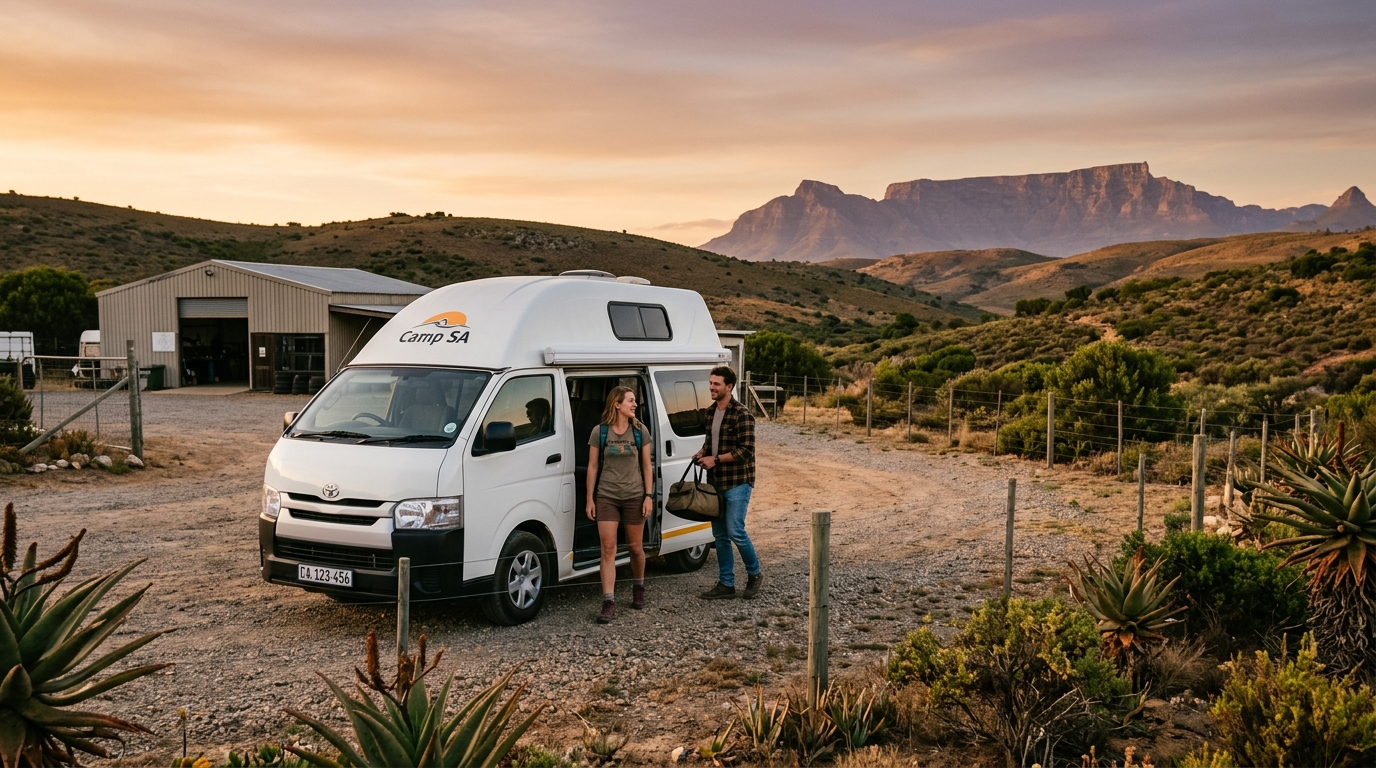
South Africa offers an incredible backdrop for an extended RV adventure, combining diverse landscapes, vibrant cultures, and abundant wildlife. Imagine waking up to the sounds of the African bush, a hot coffee in hand, with the freedom to explore at your own pace. With a rented motorhome or campervan, you unlock a unique way to immerse yourself in this spectacular country for a week or more.
Planning an extended journey requires a bit more thought than a short trip, but with the right preparation, it becomes an unforgettable experience. For live availability and current prices, start with our RV Rental South Africa - Complete Guide 2026 guide.
🎬 Video coming soon
Top 5 Tips for Long Term RV Rental in South Africa
Embarking on a long-term RV rental in South Africa requires strategic planning to ensure a smooth and enjoyable trip. First, booking well in advance, especially for peak seasons (December-February and June-August), is crucial to secure your preferred RV models and rates, potentially saving up to 20% on rentals compared to last-minute bookings. Second, create a detailed yet flexible budget that extends beyond just rental fees, encompassing fuel (diesel averaging ZAR 22-25/litre), national park entry fees (e.g., Kruger National Park at ZAR 485 per international adult per day), diverse camping costs (from ZAR 150-700+/night), groceries, and a contingency fund of at least 10-15% for unexpected expenses. Third, choose an RV class that suits South Africa's diverse terrain and your comfort needs for extended periods, such as a Class C motorhome for families or a nimble campervan like a "Paradise S/T" for couples. Fourth, thoroughly understand your insurance options to ensure comprehensive coverage; while basic liability is included, opting for a top-level deductible reimbursement offers extra peace of mind for longer journeys. Finally, plan a broad itinerary with key destinations like the Garden Route or Panorama Route, but remain flexible to explore unexpected gems and adapt to local conditions, as recommended by seasoned RV travelers who often suggest averaging no more than 100-150 km per day. On the routes offered through RV PLANET routes, you can itemize and track every expense along the way for easy budgeting.
Before You Book - Class, Dates, Insurance
Selecting an RV class for long-term travel should prioritize comfort, fuel efficiency, and suitability for anticipated road conditions across South Africa. For families with 4-6 people, a spacious Class C motorhome like the "Euro Deluxe" or "rv rentals example Comfort Class" with amenities such as a refrigerator, stove, and shower, provides ample living space and convenience. Couples or solo adventurers might prefer a compact and fuel-efficient campervan, which offers easier maneuverability on narrower roads and in cities; remember, you can drive slowly and carefully in almost any city without issues. Locking in your rental dates several months ahead, particularly for peak travel periods (e.g., school holidays or major festivals), significantly helps secure better rates and ensures availability of popular models. RV rental insurance options in South Africa typically range from basic liability, which is always included, to comprehensive packages that can significantly reduce your excess liability or deductible; you can upgrade to a top-level deductible for extra peace of mind. To see prices including the most comprehensive coverage, select that option during your search. Bandana RV specializes in motorhome and campervan rentals, offering transparent pricing with no hidden fees, making it straightforward to compare options from over 50 leading suppliers like Apollo and Britz to find the perfect rented motorhome for your extended adventure.
Pre-Trip Prep - Packing Checklist for South Africa
A comprehensive packing checklist for an RV trip in South Africa should account for diverse climates, practical living, safety, and essential documents. Pack layering clothing to handle varied temperatures, from coastal breezes in the Western Cape to chilly nights in the Drakensberg Mountains, and hot days in Kruger National Park. Essential items for a comfortable RV rental include sturdy walking shoes for hiking, swimwear for beach days, sun protection (hat, high-SPF sunscreen, sunglasses), and insect repellent, especially for wildlife areas where mosquitoes can be present. Ensure you have necessary adapters for South African electrical outlets, which are typically large three-pin round plugs (Type M), and emergency safety equipment like a basic first-aid kit, a flashlight, and a fire extinguisher (usually included with the rental). Keep all travel documents, including your passport, visa (if required), valid national driver's license, and International Driving Permit, readily accessible. Most motorhome rentals come equipped with basic kitchenware and linens, but it's wise to confirm with your supplier; for special cooking needs, consider bringing a favorite pot or spice from home to prepare your RV-friendly recipes playlist.
On the Road - Driving, Fueling, Navigation
Driving a rented RV in South Africa requires adherence to local road rules, awareness of diverse road conditions, and strategic planning for fuel and navigation. South Africa drives on the left side of the road, and speed limits for RVs are generally 100 km/h on national roads and 80 km/h in urban areas, which are typically lower than those for passenger cars. Drive slowly and carefully, and you can drive almost anywhere without issues; no need to stress, just use common sense and pay attention to road signs and other drivers. Fuel stations are widely available in towns and along major routes, but it is always advisable to refuel whenever possible in remote areas, especially when heading into national parks or less-populated regions like the Karoo, where distances between stations can be significant. Utilize reliable GPS apps like Google Maps or Waze alongside physical maps, or downloaded offline maps, as cellular service can be intermittent or non-existent in very remote regions. Be prepared for varying road surfaces, including well-maintained highways, secondary paved roads, and occasional gravel sections, particularly when exploring off the main routes or within certain nature reserves; a rugged 4x4 campervan can handle more challenging terrains, but most Class C motorhomes are perfectly capable on standard routes. Remember to allow ample travel time between destinations, averaging no more than 100-150 km per day, to truly feel the place, connect to the culture, the food, and the scenery.
At the Campground - Setup, Hookups and Etiquette
Setting up your rented RV at a South African campground involves a systematic approach to ensure comfort, safety, and adherence to site rules. Upon arrival, position your motorhome carefully, then proceed with leveling it using ramps or blocks to ensure appliances operate correctly and for a comfortable night's sleep. Connect to electrical hookups using the correct South African adapter (Type M, a large three-pin round plug) to power your onboard systems. Then, connect your freshwater hose, ensuring it is potable, and prepare your wastewater tanks for use, understanding local greywater and blackwater disposal protocols at designated dump stations. Many national and state parks only reserve 25-30% of their spots, leaving the rest for first-come, first-served arrivals, so don't stress about finding a spot; if not at the first campground, then the next one, but call ahead before driving. Observe campground etiquette, which includes respecting quiet hours (typically 10 PM to 6 AM), maintaining personal space with neighbors, and keeping communal areas clean. Exercise caution regarding wildlife, especially in unfenced campsites near natural reserves; secure all food items inside your campervan to deter curious baboons or other animals. For finding campsites and campgrounds during your trip, we recommend using RV PLANET (rvplan.net) - a great resource for locating available spots along your route and even offers pre-planned routes by professionals.
Long Term RV Rental-Specific Tips for South Africa
For budget-conscious long-term RVers in South Africa, consider maximizing your onboard kitchen for meals and actively seeking out free or low-cost overnight parking options where safe and permitted, or utilize the 25% planning discount for RV PLANET routes to save on campground planning fees. Families on long-term trips can greatly benefit from a larger motorhome like a Class A or a 6-berth Class C such as the "Euro Deluxe" which offers ample living space, incorporating frequent breaks for children at playgrounds or roadside attractions, and planning routes with kid-friendly activities like wildlife parks or interactive museums. Seniors might prefer RV models with easier accessibility features, automatic transmissions, and scheduling shorter daily drives with frequent rest stops to maximize comfort and reduce fatigue, ideally staying within the recommended 100-150 km per day. Luxury RV travelers can enhance their long-term experience with premium add-ons, exploring private game reserves, high-end culinary experiences in the Cape Winelands, or even professional guide services for specific excursions. Regardless of your travel style, Bandana, founded in 2001, acts as your true RV specialists, helping tens of thousands of travelers discover the joy of RVing with full transparency and dedicated support before and after your booking, ensuring God is in the small details that make a big difference.
Common Mistakes to Avoid in South Africa
When planning a long-term RV rental in South Africa, avoiding common pitfalls will significantly enhance your experience. Instead of over-scheduling your itinerary, allow for flexibility to truly enjoy unforeseen stops and local experiences; remember, slow travel (max 100-150 km per day) lets you connect deeply with the culture and scenery. Rather than underestimating driving times, factor in potential delays from road works, wildlife crossings (especially in unfenced areas), or scenic detours that will inevitably tempt you. Instead of solely relying on GPS in remote areas, carry physical maps and download offline maps for reliable navigation, as cellular service can be spotty outside major towns. Rather than failing to budget for incidentals, allocate a contingency fund of at least 10-15% for unexpected repairs, medical needs, or additional activities like spontaneous safaris. Instead of ignoring local safety advice, always consult with campground hosts or locals about secure parking strategies in urban versus rural areas and area-specific precautions, as local knowledge is invaluable for a safe and enjoyable journey. Rather than carrying excessive cash, utilize widely accepted credit/debit cards, but keep small denominations (ZAR 100-200) for tolls, local markets, or small vendors where card machines may not be available. We sell the way we'd like to buy - with honesty and no hidden fees, helping you avoid surprises.
How much does it cost to rent an RV in South Africa for a month
Renting a motorhome in South Africa for a month typically ranges from ZAR 25,000 to ZAR 80,000 (approx. USD 1,300 to USD 4,200, as of 2026), varying significantly based on the RV class, rental season, and specific rental company, such as Apollo or Britz. Beyond the base rental fee, a comprehensive budget for a month-long trip should include fuel, which varies by vehicle size (a Class C motorhome might consume 15-20 liters/100km) and region (diesel averages ~R22-R25/litre). National park entry fees, for example, Kruger National Park conservation fees are ~R485 per adult per day for international visitors, can add up quickly over a month. Diverse camping site costs range from basic municipal sites at ZAR 150/night to luxury private resorts at ZAR 700+/night, averaging around ZAR 300-400/night for a powered site. Grocery estimates for a month could be around ZAR 4,000-ZAR 8,000 for self-catering, while incidental expenses like repairs, laundry, or unforeseen attractions require a buffer. For budgeting and tracking every expense along your journey, we highly recommend using RV PLANET routes, which helps travelers itemize and manage their total trip costs transparently. Remember, prices are dynamic and change daily based on availability and seasonality.
What are the best places to travel in South Africa by RV
South Africa offers a diverse array of stunning landscapes and cultural experiences ideal for RV travel, from coastal drives to wildlife reserves and mountainous regions. Popular routes include the scenic Garden Route (Western Cape), a 200 km stretch from Mossel Bay to Storms River, known for its pristine beaches, ancient forests, and charming towns like Knysna and Plettenberg Bay. The iconic Kruger National Park and Panorama Route (Mpumalanga) offer unparalleled wildlife viewing opportunities, with numerous SANParks campsites available for rented motorhomes. The dramatic Drakensberg Mountains (KwaZulu-Natal) provide breathtaking hiking trails and cultural sites. For local cultural immersion, RVers can explore the Cederberg Mountains' ancient rock art or visit the vibrant markets of smaller towns like Stanford or Riebeek Kasteel in the Cape Winelands. Discovering the unique culinary scene beyond major cities by stopping at farm stalls and local eateries offers a true taste of the country. The Wild Coast (Eastern Cape) provides rugged, off-the-beaten-path experiences with rural villages and stunning beaches, while the Northern Cape's Namaqualand bursts into bloom during spring (August-September), providing a lesser-known spectacle easily accessible by RV. For detailed pricing by destination, consult our "RV Rental in South Africa - Prices and Best Deals 2026" or "Luxury RV Rental in South Africa - Premium Prices 2026" guides.
Is it safe to RV in South Africa
RVing in South Africa is generally considered safe for tourists, provided travelers exercise caution, remain vigilant, and adhere to recommended safety protocols. Specific wildlife encounter safety is paramount within national parks; always observe park regulations, never feed animals, and maintain a safe distance of at least 20-30 meters from large wildlife. At campsites, ensure all food is secured inside your motorhome or campervan to deter curious baboons or other animals. For secure parking, prioritize official campgrounds in rural areas and well-lit, designated parking areas in urban centers, avoiding isolated spots, especially at night. When driving, always keep doors locked and windows up, and be aware of other road users, including pedestrians and livestock, particularly on rural roads. Emergency communication in remote zones can be challenging, so carrying a fully charged cell phone with a local SIM, informing family/friends of your itinerary, and considering a satellite messenger for deep wilderness areas is advisable. Practical tips for deterring petty crime include keeping valuables out of sight, avoiding displaying cash or expensive electronics, and locking your rented RV whenever you leave it, even for short periods. Travel slowly and carefully, paying attention to your surroundings, and you'll find South Africa a welcoming and safe destination.
What are the requirements for renting an RV in South Africa
To rent an RV in South Africa, you generally need to be at least 21 years old, although some suppliers might require 23 years for larger Class A motorhomes, but there are no young driver surcharges and no vehicle class restrictions based on age with Bandana's partners. You must possess a valid driver's license from your home country; for visitors from non-English-speaking countries, an International Driving Permit (IDP) is recommended, though not always mandatory, as it translates your license into multiple languages. Most rental agencies require a credit card for a security deposit, which covers potential damages or additional charges, typically ranging from ZAR 15,000 to ZAR 40,000 (approx. USD 800-2,100). Proof of identity, like a passport, is also essential. A minimum rental period, typically 5-7 days for standard RVs and often longer for special offers or peak seasons (up to 14 days), may also apply. Bandana offers full transparency on all requirements and works with leading RV suppliers worldwide, ensuring a seamless booking process for your South African long-term motorhome rental.
What is the best time of year to RV in South Africa
The best time of year to RV in South Africa largely depends on your desired activities and regions, as the country experiences diverse microclimates. Winter, from May to September, offers excellent wildlife viewing in Kruger National Park due to sparse vegetation and animals congregating around water sources, with dry, sunny days but cold nights that can drop to 0-5°C, making onboard heating a welcome feature in your rented motorhome. Summer, from November to March, is ideal for coastal routes like the Garden Route and the Western Cape, offering warm weather perfect for beaches and water activities (averaging 25-30°C), though it can bring heavy rainfall and flood risks to eastern regions, and extreme heat (over 35°C) in arid zones like the Karoo. Spring, from September to October, showcases the Namaqualand wildflowers in the Northern Cape and offers pleasant temperatures across most of the country, ideal for hiking and outdoor exploration. Autumn, from April to May, provides mild weather nationwide with lush landscapes after the summer rains, making it excellent for hiking in areas like the Drakensberg, with temperatures generally between 15-25°C. For the latest offers and seasonal discounts on your journey, check out "RV Rental Deals in South Africa - Latest Offers 2026".
Do I need an International Driving Permit for South Africa RV rental
Yes, an International Driving Permit (IDP) is officially required by law for all foreign visitors driving in South Africa, and it must be presented along with your valid national driver's license. The IDP translates your home country's license information into multiple languages, making it easily understandable for local authorities and rental agencies like El Monte or Cruise America. While some smaller rental outfits might not strictly enforce it, reputable suppliers will require both documents to comply with local regulations and for insurance purposes. Failure to produce an IDP when requested by traffic officials or at a rental counter can result in fines of up to ZAR 1,000 or denial of your vehicle rental. It is advisable to obtain your IDP from your home country's automobile association before traveling to South Africa, as it cannot be issued upon arrival. This small step ensures a hassle-free experience with your rented campervan or motorhome.
What are the rules for pets in South African national parks
Generally, domestic pets are not permitted within South African National Parks (SANParks) to protect indigenous wildlife and prevent the spread of diseases, a strict policy aimed at preserving the delicate ecosystems. However, some specific accommodations or designated areas within or adjacent to national parks may allow pets, often requiring them to be on a leash and with prior arrangement (e.g., certain privately managed campsites or self-catering units outside the main game viewing areas). It is crucial to check specific park regulations directly with SANParks or the relevant private reserve before planning to travel with a pet, as rules can vary significantly, and non-compliance can lead to fines or refusal of entry to your rented RV. Always ensure your pet's vaccination records are up-to-date and carry a portable water bowl and sufficient food for them. While national parks are largely off-limits for pets, many private campsites, pet-friendly guesthouses, and regional parks outside of official reserves do welcome furry companions, offering alternative options for your long-term RV rental in South Africa.
Are there any specific driving laws for RVs in South Africa
While most general driving laws apply to all vehicles, RVs in South Africa have specific considerations due to their size and weight. RVs are typically subject to a maximum speed limit of 100 km/h on national roads and 80 km/h in urban areas, regardless of posted limits for lighter passenger vehicles, so always pay attention to signage. Drivers must be accustomed to driving on the left side of the road, and specific challenges for larger motorhomes or campervans include navigating narrow passes, especially in mountainous regions like the Drakensberg, being aware of low bridges (though less common on main routes), and adapting to gravel roads that can be found when exploring rural or park areas. Drive slowly and carefully, and you can drive almost anywhere without issues; no need to stress, just use common sense and pay attention. Always ensure your RV's load is securely stored to prevent shifting during travel, and be extra cautious when overtaking or being overtaken by larger vehicles due to potential wind buffeting. Headlights should be on during adverse weather conditions or in low light, and seatbelts are mandatory for all passengers. Familiarizing yourself with these specific rules ensures a safer and more confident long-term motorhome rental experience in South Africa.
How do I manage water and waste in my RV in South Africa
Managing water and waste in your rented RV in South Africa involves responsible practices at designated campsites and awareness of local resources. Most formal campsites provide freshwater hookups and waste disposal points for both greywater (from sinks and showers) and blackwater (from the toilet), often clearly marked as 'dump stations.' Water conservation is highly recommended, especially in drought-prone regions of South Africa; take shorter showers, use water-efficient practices for washing dishes, and ensure all taps are turned off to prevent leaks. A typical Class C motorhome like the "cruise america rv rental example Explorer" might have an 82-liter fresh water tank and an 82-liter waste water tank, requiring careful monitoring. Before departing a campsite, ensure all waste tanks are properly emptied and rinsed at a designated dump station, never releasing wastewater into the environment, which is both illegal and harmful. Propane for cooking and heating is generally available at larger towns and specific gas suppliers; it's wise to monitor your tank levels and refill when opportunities arise, as a standard "cruise america rv rental example Explorer" carries a 9kg gas bottle. Utilizing these resources efficiently allows you to extend your stay in more remote, breathtaking locations.
Where can I find reliable internet and cellular service for my RV trip in South Africa
Reliable internet and cellular service for an RV trip in South Africa are primarily found through major mobile network providers like Vodacom, MTN, Cell C, and Telkom, with Vodacom and MTN generally offering the broadest coverage, especially along major routes and in urban centers. Purchasing a local pre-paid SIM card upon arrival, easily done at airports or shopping malls, is highly recommended for cost-effective data and calls, as international roaming can be very expensive. While coverage is robust in urban centers and along major highways, signal can become intermittent or non-existent in very remote areas, particularly within national parks or mountainous regions. Many established campsites, lodges, and even some roadside stops offer Wi-Fi, sometimes free or for a small fee, which can supplement cellular service. For enhanced connectivity in less-covered areas, consider carrying a mobile Wi-Fi device (MiFi) with a local SIM or a signal booster, particularly if staying connected for work or navigation is essential for your long-term motorhome rental. Remember that even with patchy service, many national and state parks operate on a first-come, first-served basis for a significant portion of their campsites, so you'll still find a spot; just call ahead where possible.
What should I do in case of a breakdown or emergency with my RV in South Africa
In case of a rented RV breakdown or emergency in South Africa, your primary action should be to contact your rental company's provided 24-hour roadside assistance number immediately. Bandana RV offers comprehensive support before and after your booking, including coordination with suppliers in such situations. Ensure you have essential emergency contact numbers readily accessible, including the national emergency number (112 from a mobile phone, 10111 for police, 10177 for ambulance), and inform someone of your route and estimated arrival times, especially when traveling in remote areas. If safe to do so, move your vehicle to the side of the road, put on your hazard lights, and place a warning triangle; avoid exiting the vehicle in potentially unsafe areas (e.g., near wildlife or in high-crime zones) until assistance arrives or you've assessed the surroundings. Carry a basic toolkit, spare tire, and extra water/food, as help might take time to reach remote locations, particularly in areas like the Karoo. For regions without reliable cell service, consider a satellite communication device for enhanced safety. The true RV specialists at Bandana are here to support you in every detail, ensuring your peace of mind.
How can I minimize my environmental footprint while RVing in South Africa
Minimizing your environmental footprint while RVing in South Africa involves conscious choices regarding resource consumption, waste management, and interaction with natural environments. Practice water conservation diligently, as South Africa is often water-stressed, especially in the Western Cape; take shorter showers, utilize water-saving techniques for dishwashing, and ensure all taps are turned off to prevent leaks in your campervan. Reduce waste by opting for reusable items like water bottles, coffee cups, and shopping bags, separating recyclables (if facilities are available at campsites), and properly disposing of all waste at designated points, adhering strictly to 'Leave No Trace' principles in all natural areas. Choose eco-friendly cleaning products and toiletries to avoid contaminating natural water sources, and use designated fire pits for campfires, never collecting firewood from protected areas. Support local conservation efforts and communities by visiting ethical tourism operators, purchasing locally made goods, and donating to reputable environmental organizations; always maintain a respectful distance from wildlife and avoid disturbing their natural habitats. Traveling slowly, max 100-150 km per day, allows for a more mindful exploration and reduces fuel consumption, further minimizing your impact. Bandana encourages responsible travel to preserve South Africa's stunning beauty for future adventurers.
What You Shouldn't Miss
- Explore the iconic Kruger National Park for world-class safari experiences, booking campsites well in advance, especially for popular zones.
- Drive the breathtaking Panorama Route in Mpumalanga, including God's Window and Blyde River Canyon, easily accessible with your rented motorhome.
- Indulge in a wine tasting tour through the Cape Winelands, using your RV to visit charming towns like Stellenbosch and Franschhoek at your leisure.
- Hike in the majestic Drakensberg Mountains, immersing yourself in stunning landscapes and ancient San rock art sites.
- Discover the coastal wonders of the Garden Route, taking your time to enjoy beaches, lagoons, and forest walks.
- Experience the unique cultural vibrancy of local markets in cities like Durban, or smaller towns along your route, to connect with South African traditions and cuisine.
Looking for expert insights from Avi Bandana? Top 5 Adventures - recommendations from Avi Bandana
Final Thoughts
An extended RV rental in South Africa promises an adventure of a lifetime, allowing you to truly soak in its breathtaking landscapes and vibrant culture. From the wildlife-rich plains of Kruger to the stunning coastline of the Garden Route, a rented motorhome or campervan provides unparalleled freedom and flexibility. Remember, with a little planning and our expert guidance, your long-term journey will be filled with unforgettable moments and discoveries.
We at Bandana Caravan are committed to making your RV rental experience as seamless and enjoyable as possible. With our transparent pricing, dedicated support, and extensive selection of vehicles, you're in trusted hands. So, pack your bags, prepare your itinerary, and get ready to create lasting memories on the open roads of South Africa!
Ready to embark on your extended South African RV adventure? Compare long-term RV Rental prices for South Africa and find your perfect mobile home away from home.