In This Guide
- Top 5 Tips for long term rv rental RV Rental in Scotland
- Before You Book - Class, Dates, Insurance
- Pre-Trip Prep - Packing Checklist for Scotland
- On the Road - Driving, Fueling, Navigation
- At the Campground - Setup, Hookups & Etiquette
- long term rv rental-Specific Tips for Scotland
- Common Mistakes to Avoid in Scotland
- How much does it cost to rent an RV in Scotland for a month
- Is it worth it to rent an RV in Scotland
- What is the best time of year to RV in Scotland
- Can you wild camp in an RV in Scotland
- What is the best RV for Scotland
- Can you take an RV on a ferry in Scotland
- What is the best route to take an RV in Scotland
- How long do I need for an RV trip in Scotland
- What do I need to know about driving an RV in Scotland
- What are the rules for motorhomes in Scotland
Imagine yourself waking up to the mist-shrouded Highlands, the scent of heather in the air, and a hot cup of tea brewing in your rented motorhome. Long-term RV rental in Scotland offers an unparalleled way to immerse yourself in this ancient land, from its dramatic landscapes to its vibrant cities. It's about freedom, flexibility, and truly connecting with the culture at your own pace. With Bandana RV, you're not just booking a vehicle; you're unlocking an adventure with full transparency, 24/7 support, and the peace of mind that comes from working with true RV specialists.
For live availability and current prices, start with our RV Rental Scotland - Complete Guide 2026 guide. We've been helping tens of thousands of travelers explore the world by RV since 2001, and we're ready to help you plan your extended Scottish escape.
Top 5 Tips for long term rv rental RV Rental in Scotland
For a rewarding long-term RV rental in Scotland, meticulous planning combined with flexibility is key to maximizing your adventure. First, plan your route with ample flexibility, as spontaneous discoveries of charming villages or unexpected scenic detours often make the best memories on extended trips. Second, consider a compact RV size, such as a Class B campervan or a smaller Class C motorhome, to navigate Scotland's often narrow roads, historic villages, and tight parking spaces more easily.
Third, book popular island ferries well in advance, especially for destinations like the Outer Hebrides or Isle of Skye during peak season (June-August), as spaces for larger vehicles are limited and can fill up months ahead. Fourth, pack versatile layers and prepare for all types of weather, as conditions in Scotland can change rapidly from sunshine to rain within a single day, regardless of the season. Finally, familiarize yourself with the Scottish Outdoor Access Code to understand the principles of responsible wild camping and proper waste disposal, ensuring you leave no trace and respect the beautiful environment.
Before You Book - Class, Dates, Insurance
Choosing the right rented RV class for a long-term rental in Scotland involves balancing comfort, maneuverability, and your budget. Smaller campervans like the "Active Pop Top" (sleeps 4) or compact Class C motorhomes, similar to a "Category Small" model (sleeps 2-3), are often preferred for their ease of navigation on Scotland's often narrow and winding roads, particularly if your long-term exploration will take you off the main routes and into smaller villages. Larger motorhomes, such as a 6-berth "Euro Deluxe," offer more space and amenities but might limit access to some remote areas or make driving through historic town centers a bit more challenging. Drive slowly and carefully, and you can drive almost anywhere without issues. No need to stress - just use common sense and pay attention.
For long-term hires, locking in your rental dates as far in advance as possible is crucial, especially during peak seasons (June-August), to secure availability and potentially better rates. Prices are dynamic, similar to flight tickets, changing daily based on availability, seasonality, and supplier marketing decisions. While basic insurance is always included, you can upgrade to a top-level deductible for extra peace of mind, ensuring comprehensive coverage during your extended journey. As true RV specialists, we at Bandana help you compare final prices across suppliers, so what you see is what you pay, with no surprise fees at pickup.
Pre-Trip Prep - Packing Checklist for Scotland
Preparing a comprehensive packing checklist tailored to Scotland's variable climate and the duration of a long-term RV trip is essential for comfort and preparedness. Given the country's unpredictable weather, layering is key.
- Waterproof jacket and trousers
- Thermal layers
- Warm hat and gloves
- Hiking boots
- Quick-drying clothing
- Swimwear
- Reusable water bottle
- Insulated coffee cup
- Small stove-top kettle
- Travel French press
- Reusable shopping bags
- Basic condiments (salt, pepper, oil)
- First-aid kit
- Headlamp/torch
- High-visibility vest
- Basic tool kit
- Midge repellent and head net
- Driver's license & IDP (if applicable)
- Rental agreement
- Insurance details
- Ferry bookings
- Campsite reservations
- Local maps/guidebooks
Many rented motorhomes come equipped with basic kitchenware and bedding, but always confirm with your supplier. For meals on the go, check out our RV-friendly recipes playlist to spark some culinary inspiration. Don't forget your standard car driver's license, which is sufficient for all motorhome classes in Scotland.
On the Road - Driving, Fueling, Navigation
Navigating Scotland by a rented RV requires adapting to driving on the left-hand side of the road and understanding local road etiquette and fueling practices. Always remember to drive on the left, which is crucial for safety and smooth traffic flow. On single-track roads, which are common in remote areas, utilize designated 'passing places' by pulling over to let oncoming traffic or faster vehicles pass safely. It's a courtesy that keeps everyone moving efficiently. For fuel, plan your stops carefully, especially in remote regions where petrol stations can be sparse, and note that most motorhomes run on diesel.
For navigation, rely on a combination of GPS and physical maps, as satellite signals can be intermittent in mountainous regions like the Highlands. Speed limits are typically 30 mph in urban areas, 60 mph on single carriageways, and 70 mph on dual carriageways for cars, but rented RVs often have lower limits (e.g., 50 mph on single carriageways for vehicles over 3 tonnes). Drive slowly and carefully, and you can drive almost anywhere without issues. No need to stress - just use common sense and pay attention to road signs, especially those indicating low bridges, weight limits, and width restrictions in older villages.
At the Campground - Setup, Hookups & Etiquette
Setting up your rented RV at a Scottish campground involves a systematic approach to hookups and adherence to site etiquette for a pleasant and respectful experience. Upon arrival, first ensure your motorhome is parked level. After leveling, extend any slide-outs (if your model has them) before connecting utilities. Next, connect your electrical hookup, followed by your fresh water hose (ensure it's a food-grade hose for drinking water), and then your grey water hose to the drain. This order helps maintain hygiene and safety.
Disposing of chemical toilet waste must only occur at designated 'Elsan' points, which are found at almost all official campsites. Never empty chemical toilets or greywater into regular drains or in the wild, as this is illegal and harmful to the environment. Respect quiet hours, typically from 10 PM to 8 AM, and keep noise levels down to ensure a peaceful environment for all campers. Many campgrounds in Scotland, from the Highlands to coastal regions, offer excellent facilities for RVers, providing a comfortable base for your explorations. For finding campsites and campgrounds during your trip, we recommend using rvplan.net - a great resource for locating available spots along your route.
long term rv rental-Specific Tips for Scotland
Long-term RV rental in Scotland offers unparalleled opportunities for deeper cultural immersion and discovering less-traveled paths that shorter trips might miss. We highly recommend embracing slow travel, allowing ample time to explore regions thoroughly rather than rushing between major landmarks. Aim for a maximum of 100-150 km per day on average to truly feel the place, connect to the culture, the food, and the scenery. This extended period allows you to delve into local history in places like Edinburgh or explore the remote beauty of the Isle of Skye without feeling pressed for time.
When budgeting for an extended period, consider that daily rental rates for a month or more can often be more cost-effective than short-term hires, but remember to factor in potential unexpected costs like breakdown services or ferry cancellations. RV PLANET routes offer the ability to itemize and track every expense along the way for easy budgeting. Utilize your extended stay to seek out unique, themed itineraries such as a "Whisky Trail RV Trip" through Speyside, a "Dark Sky Park Adventures" tour in Galloway Forest Park, or a "Castle Loop" in Aberdeenshire, moving beyond typical tourist routes for a richer experience. Establish a 'home base' for a few days to unpack, recharge, and explore local communities, supporting small businesses and engaging respectfully with residents. On the routes offered through RV PLANET routes, you can itemize and track every expense along the way for easy budgeting.
Common Mistakes to Avoid in Scotland
Avoiding common pitfalls can significantly enhance a long-term RV rental experience in Scotland, ensuring your journey is as smooth as possible. Firstly, do not underestimate driving times; instead, plan for longer journeys on winding, often single-track roads and factor in frequent stops for stunning views that will inevitably tempt you. An average of 100-150 km per day is a good pace.
Secondly, avoid overpacking; instead, pack versatile layers suitable for diverse weather, as storage space in most rented RVs, even a larger Class C motorhome like the "Explorer," is limited. Thirdly, do not ignore midge warnings; instead, equip yourself with effective repellents, head nets, and consider timing your trip to avoid peak midge season (typically late spring to early autumn) if possible. Finally, avoid last-minute ferry bookings, especially for popular islands; instead, secure your ferry passage well in advance, detailing your rented RV's dimensions accurately to avoid issues at the port. These small considerations make a big difference for your long-term adventure.
How much does it cost to rent an RV in Scotland for a month
The cost to rent an RV in Scotland for a month typically ranges from £2,000 to £5,000 or more, depending on the rented RV's size, age, luxury level, and the specific season. Budget-friendly campervans like the "Active Original" might start around £2,000-£3,000 for a month during off-peak times, while larger, newer motorhomes or more exclusive models could easily exceed £4,000-£5,000 per month, especially in summer. Keep in mind that prices are dynamic, changing daily based on availability and demand.
Beyond the rental fee, factor in substantial ancillary costs. Fuel (diesel for most RVs) can add hundreds of pounds per week for extensive driving, with an average fuel consumption of 10-14 liters per 100 km for a medium-sized motorhome. Campsite fees generally range from £20-£40 per night for a powered pitch, accumulating significantly over a month-long trip if you’re not wild camping. Allocate budget for potential ferry travel, which can be costly depending on vehicle size and route, as well as attractions, groceries (cooking your own meals in the RV can save money), and potential unexpected costs like breakdown services or tolls. Planning your trip with RV PLANET routes allows you to itemize and track every expense along the way for easy budgeting.
Is it worth it to rent an RV in Scotland
Renting an RV in Scotland is widely considered worth it for those seeking flexibility, immersive experiences, and the freedom to explore diverse landscapes at their own pace. The primary advantage is the unparalleled freedom to create your own itinerary, stop at scenic viewpoints whenever inspiration strikes, and stay in stunning locations, offering a unique way to experience Scotland's natural beauty. From the dramatic cliffs of the North Coast 500 to the serene lochs of the Trossachs National Park, a rented motorhome or campervan serves as your mobile headquarters.
For groups or families, it can also be a surprisingly cost-effective option over a long-term trip, combining accommodation and transport expenses into one, especially compared to booking multiple hotels and car rentals. However, there are challenges: navigating narrow roads, particularly in older towns or remote areas, and the ongoing need to plan for waste disposal and water refills, which are crucial for responsible travel. Ultimately, the value of a long-term RV rental in Scotland lies in the adventure and the ability to connect deeply with the country's remote areas, charming villages, and breathtaking wilderness, making unforgettable memories.
What is the best time of year to RV in Scotland
The best time of year to RV in Scotland is generally during the shoulder seasons-late April to May and September to early October-to enjoy milder weather, fewer midges, and less crowded attractions. These months offer a sweet spot with longer daylight hours than winter, but you avoid the peak summer crowds and the most intense midge season. Temperatures are pleasant enough for outdoor activities, and the landscapes are often vibrant with spring blossoms or autumn colors.
Summer (June-August) offers the warmest temperatures and the longest daylight hours, sometimes up to 18 hours, which is ideal for maximizing exploration. However, this coincides with the highest tourist numbers, leading to busier roads and campgrounds, and the pervasive presence of midges, especially in the Highlands and West Coast. Winter (November-March) provides stark beauty, quiet roads, and potential for winter sports in the Cairngorms, but also brings colder temperatures, significantly shorter daylight (around 6-7 hours), and potential for challenging driving conditions due to snow and ice. Regardless of the season, packing layers and preparing for highly variable weather is crucial, as Scotland can truly experience 'four seasons in one day' at any time.
Can you wild camp in an RV in Scotland
Yes, you can wild camp in an RV in Scotland under specific conditions outlined by the Scottish Outdoor Access Code, which emphasizes responsible and respectful use of land. While the code largely applies to non-motorized access (like hiking and cycling), responsible motorhome users can often find suitable spots for overnight parking, provided they act respectfully, leave no trace, and do not cause obstruction or nuisance. This means parking in designated lay-bys, car parks, or remote spots without facilities, away from residential areas or sensitive natural sites.
Crucially, wild camping with a rented RV means being entirely self-sufficient for waste and water. You must carry out all waste, including greywater and chemical toilet contents, and dispose of it at designated facilities. Never empty chemical toilets or greywater directly into the environment, as this pollutes water sources and harms wildlife; always seek out official 'Elsan' points at campsites or specific waste disposal sites for proper discharge. Respect private land, agricultural areas, and residential zones, and always move on after one or two nights to avoid overstaying your welcome, preserving the privilege for everyone.
What is the best RV for Scotland
The best RV for touring Scotland is generally a smaller, more agile campervan (Class B) or compact motorhome (Class C) due to the country's narrow, winding roads and tight parking in historic villages. Vehicles measuring under 6 meters (approximately 20 feet) in length and not exceeding 2.3 meters (7.5 feet) in width are ideal for navigating single-track roads with 'passing places' and accessing more remote areas without difficulty. Models like the "V3" (length 6.36m, width 2.05m) or a "Category Van" are excellent examples of suitable choices for a couple or small family.
A smaller rented RV balances comfort with practical maneuverability, reducing stress when encountering oncoming traffic on challenging routes like the North Coast 500. While larger RVs, such as a "6 Berth Deluxe" (length 7.4m, width 2.3m), offer more living space and amenities like a larger refrigerator and multiple beds, their increased size can limit access to certain scenic roads, parking areas, and make ferry bookings more expensive and complex due to vehicle dimension restrictions. Always consider a rented RV with good insulation and heating for Scotland's variable climate, even if traveling in summer.
Can you take an RV on a ferry in Scotland
Yes, you can take an RV on a ferry in Scotland, primarily through CalMac Ferries, which operates routes to the Inner and Outer Hebrides and other islands, but booking in advance is absolutely essential. When making your reservation, accurately declare your rented RV's exact length and height, as prices are determined by vehicle dimensions, and misrepresentation can lead to additional charges or refusal of boarding. For instance, a campervan under 6 meters will have a different rate than a Class C motorhome like the "Explorer" at 7.1 meters.
Ferry travel with an RV, especially to popular islands such as Skye, Mull, or the Outer Hebrides, can be costly, so factor these expenses into your long-term budget. Popular routes, particularly during peak season, book up months in advance, so secure your reservations well ahead of your trip to avoid disappointment. Always be aware of specific vehicle restrictions or advice provided by the ferry operator, and arrive at the port well before your scheduled departure time to allow for boarding procedures.
What is the best route to take an RV in Scotland
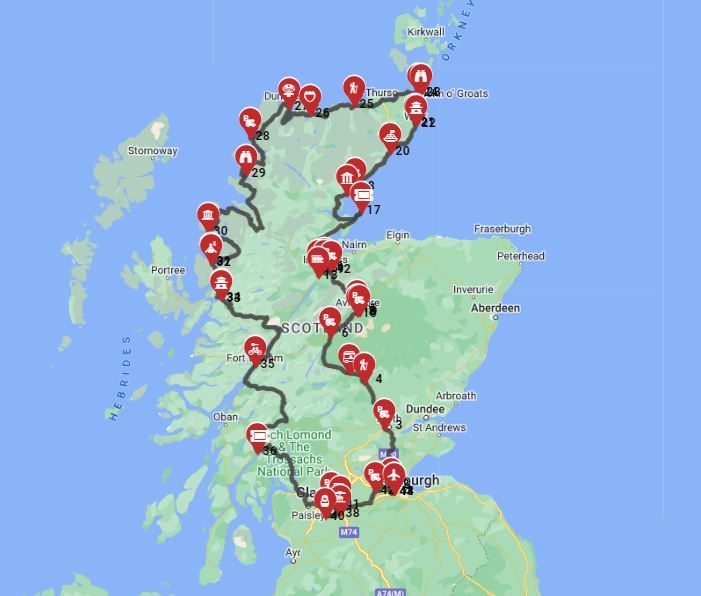
The 'best' RV route in Scotland depends on individual interests and the desired pace for a long-term trip, offering choices from iconic coastal drives to serene inland explorations. The North Coast 500 (NC500) is a famous circular route through the Scottish Highlands, offering spectacular scenery, dramatic mountains, and stunning coastlines, but it can be busy; for a long-term trip, consider extending your stay in specific areas along the route to truly appreciate them. For a more in-depth exploration of costs and deals for this region, you might consult our "RV Rental in Scotland - Prices and Best Deals 2026" guide.
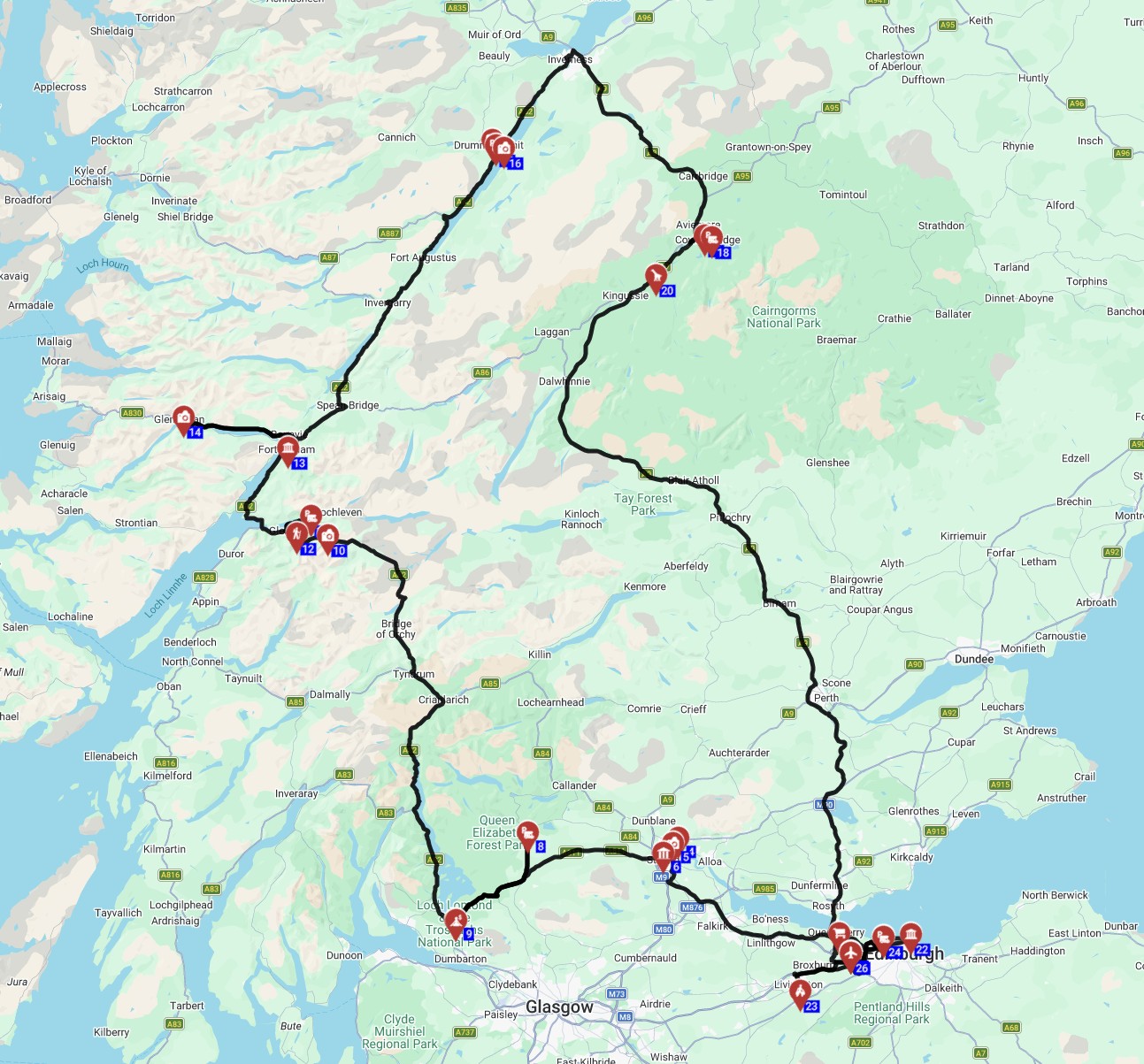
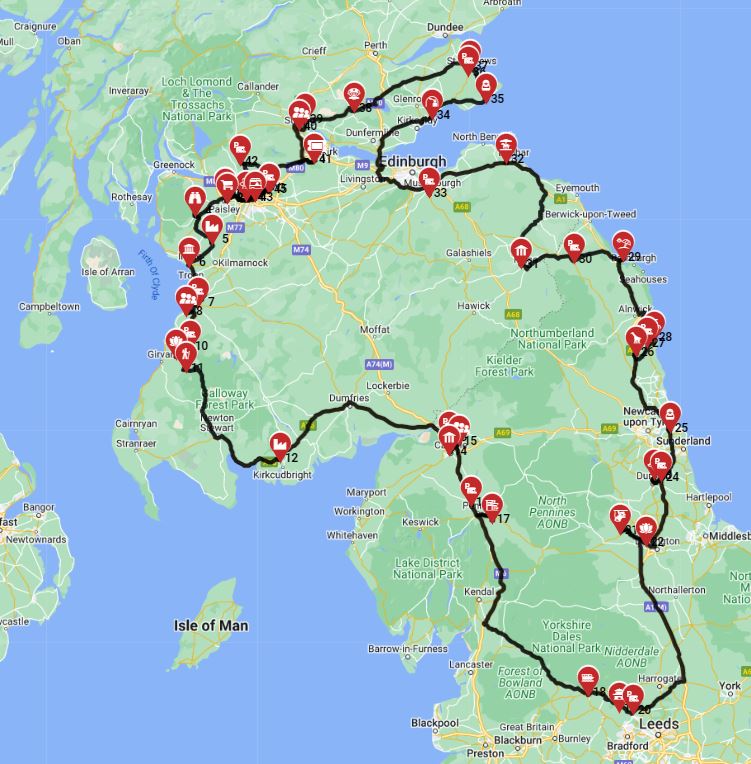
For alternative and off-the-beaten-path experiences, explore routes like the Argyll Coastal Route, known for its lochs and castles, or the Heart of Scotland Tourist Route, which delves into central Scotland's heritage. You could also develop niche itineraries such as a dedicated "Whisky Trail" through Speyside, a "Dark Sky Park Adventures" journey to areas like Galloway Forest Park, or a "Castle Loop" in Aberdeenshire, focusing on specific interests. Utilize the flexibility of a long-term rental to venture into lesser-known regions, visit Dark Sky Parks for stargazing, or explore specific historical sites, allowing for deeper engagement with local culture. Always research road conditions, especially for larger rented RVs, as some scenic routes can feature very narrow sections and sharp bends. RV PLANET (rvplan.net) offers 1,300+ pre-planned routes across 5 continents, including detailed itineraries for Scotland, often with a 25% planning discount when you use their services.
How long do I need for an RV trip in Scotland
For an RV trip in Scotland, a minimum of 7-10 days is often recommended for a basic overview of one region, but a long-term rental of 3-4 weeks or more allows for a truly immersive and unhurried experience. A week allows you to focus on one main region, such as the Highlands or the West Coast, while two weeks offers the chance to combine two regions or undertake a route like the NC500 at a faster pace, covering its 800 km (500 miles) loop.
A long-term rental (3+ weeks) provides the ideal duration to explore multiple regions thoroughly, visit several islands, delve into off-the-beaten-path locations, and truly 'live' the RV lifestyle without feeling rushed. This extended period also allows for essential flexibility to adapt to Scotland's notoriously variable weather, ensuring you can still enjoy your planned activities even if a day is rained out. With ample time, you can slow down, spend more nights in scenic spots, discover hidden gems, and fully appreciate the tranquility and breathtaking beauty of the Scottish landscapes.
What do I need to know about driving an RV in Scotland
Driving a rented RV in Scotland requires familiarity with UK road rules, particular attention to the country's unique road infrastructure, and an awareness of your vehicle's dimensions. Always remember to drive on the left-hand side of the road, and be prepared for roads that are often significantly narrower and more winding than those in many other countries. This is especially true in rural areas and scenic routes like the North Coast 500.
On single-track roads, which are prevalent in the Highlands and islands, utilize designated 'passing places' by pulling over to allow oncoming vehicles or faster traffic to pass; always use the nearest passing place on your left or reverse to the nearest one if on your right. Pay close attention to road signs, especially those indicating low bridges, weight limits, and width restrictions, which are crucial for larger rented motorhomes. Speed limits are typically 30 mph in urban areas, 60 mph on single carriageways, and 70 mph on dual carriageways for cars, but rented RVs often have lower limits (e.g., 50 mph on single carriageways for vehicles over 3 tonnes). Drive slowly and carefully, and you can drive almost anywhere without issues. No need to stress - just use common sense and pay attention to your surroundings.
What are the rules for motorhomes in Scotland
Motorhome rules in Scotland encompass standard road traffic laws, responsible parking, proper waste disposal practices, and adherence to the spirit of the Scottish Outdoor Access Code. General road rules, including speed limits, prohibitions on driving under the influence, and mandatory seatbelt use, apply equally to rented motorhomes and campervans. All drivers need a standard car driver's license; an International Driving Permit (IDP) is recommended for visitors from non-English-speaking countries but is not mandatory in most cases.
While the Scottish Outdoor Access Code generally permits responsible wild camping, this largely applies to non-motorized access; for rented RVs, it means finding suitable overnight spots that do not obstruct access, impact the environment, or cause nuisance. Disposing of all waste, including greywater and chemical toilet waste, at designated facilities (e.g., 'Elsan' points at official campsites) is a legal and environmental imperative. Parking regulations in towns and cities must be observed, and caution should always be exercised regarding height and width restrictions in older villages and some car parks, as these can be particularly tight for any size of RV. We always recommend consulting local signage and regulations wherever you travel.
What You Shouldn't Miss
- **The Isle of Skye:** Drive the iconic Trotternish Loop, hike to the Old Man of Storr, and marvel at the fairy pools. Book your ferry to Skye well in advance, especially in summer.
- **Loch Ness & Urquhart Castle:** Search for Nessie on a boat trip and explore the dramatic ruins of Urquhart Castle overlooking the famous loch.
- **Cairngorms National Park:** Explore Scotland's largest national park, offering stunning mountains, ancient forests, and wildlife spotting, including the UK's only wild reindeer herd.
- **Edinburgh's Historic Charm:** Park your motorhome on the outskirts and use public transport to explore Edinburgh Castle, the Royal Mile, and Arthur's Seat.
- **The North Coast 500 (NC500):** Embark on Scotland's ultimate road trip, an 800 km (500 mile) circular route showcasing breathtaking coastal and mountain scenery.
- Looking for expert insights from Avi Bandana? Top 5 Adventures - recommendations from Avi Bandana (Link placeholder: Replace with actual link when available)
🎬 Video coming soon
Final Thoughts
Embarking on a long-term RV rental in Scotland promises an adventure filled with stunning landscapes, rich history, and the kind of freedom only a motorhome can offer. Imagine the flexibility of a "Patagonia Camper" or a spacious "Category Family 5" as your home for weeks, allowing you to discover hidden glens, ancient castles, and vibrant cities at a leisurely pace. With Bandana, you have a partner dedicated to making your journey transparent, supported, and unforgettable.
Whether you're a pre-planner eager to map out every detail or a spontaneous traveler ready to follow the winding roads where they lead, Scotland welcomes you. Remember to travel slowly, averaging no more than 100-150 km per day, allowing yourself time to truly connect with the local culture, savor the delicious food, and soak in the breathtaking scenery. Your Scottish RV adventure awaits!
Compare Long-Term RV Rental Prices in Scotland and start planning your epic journey today.