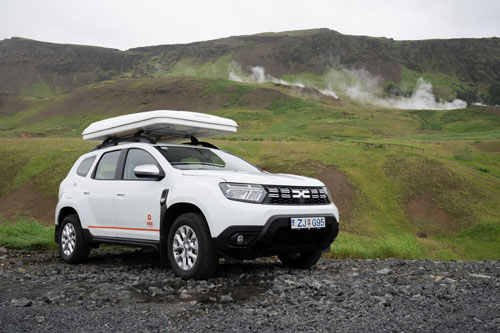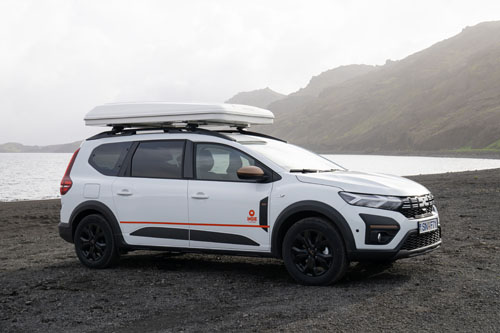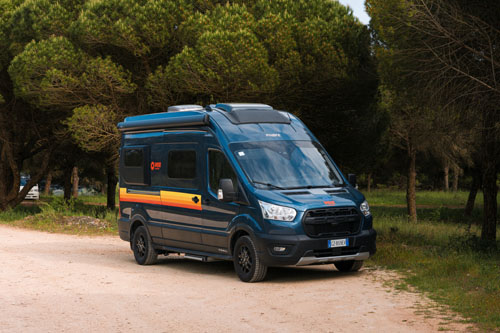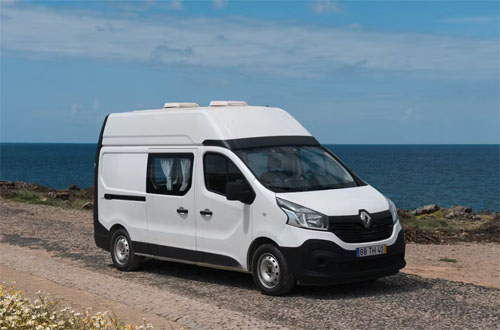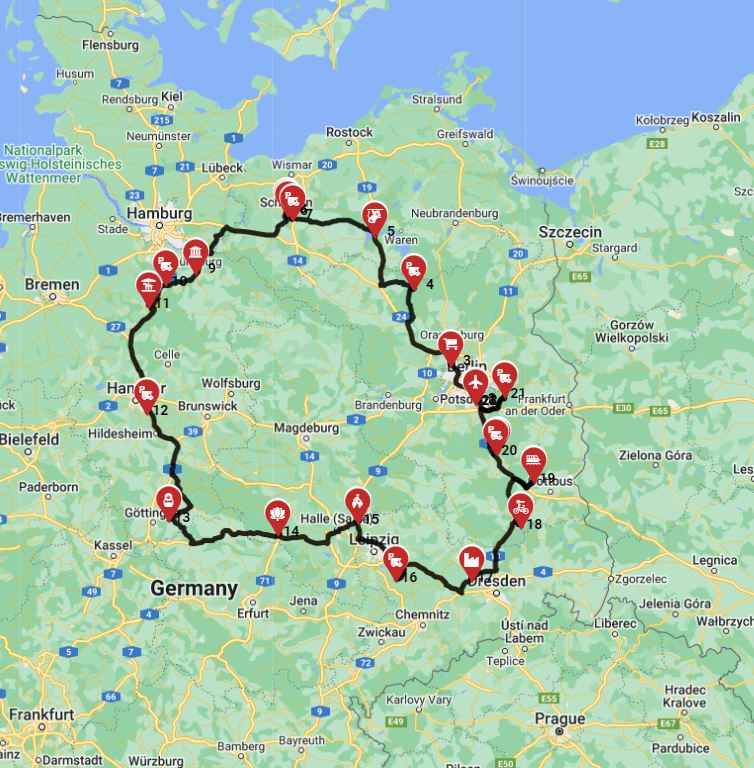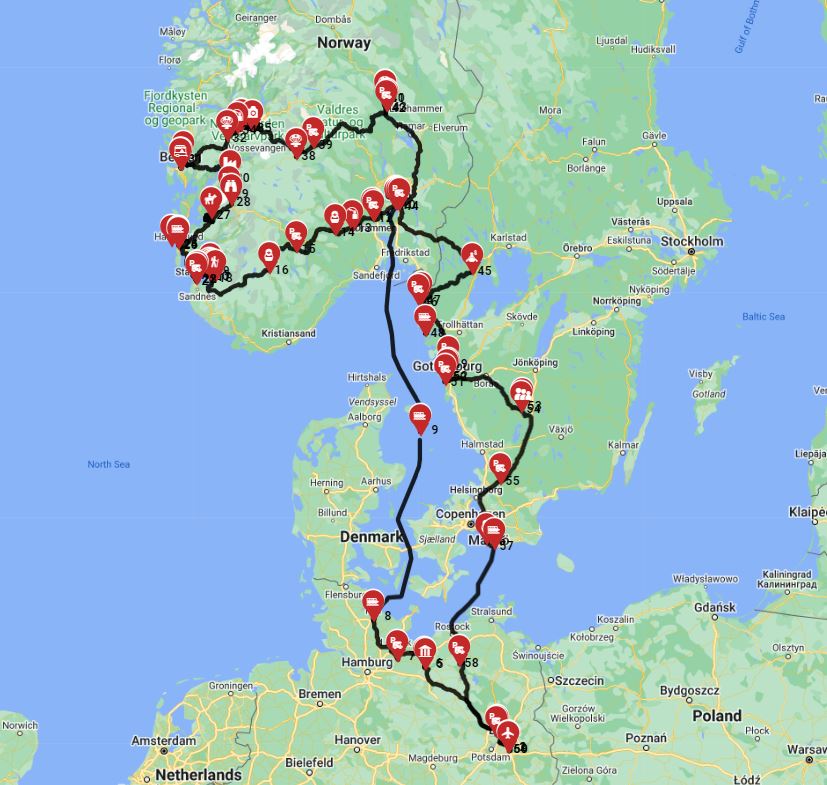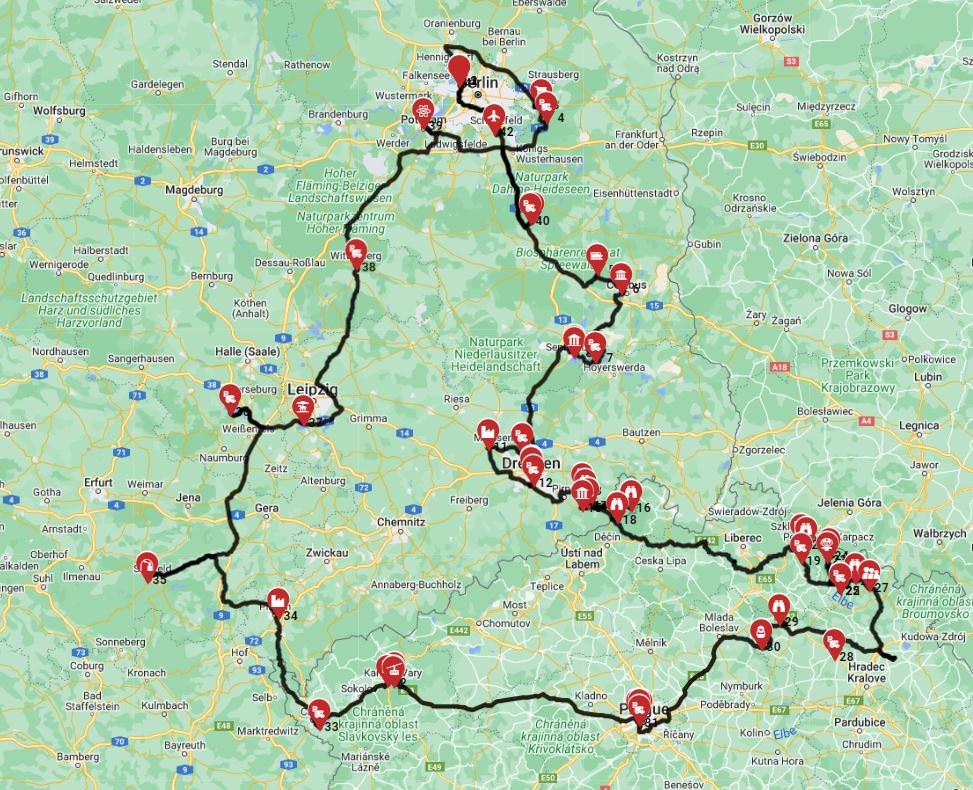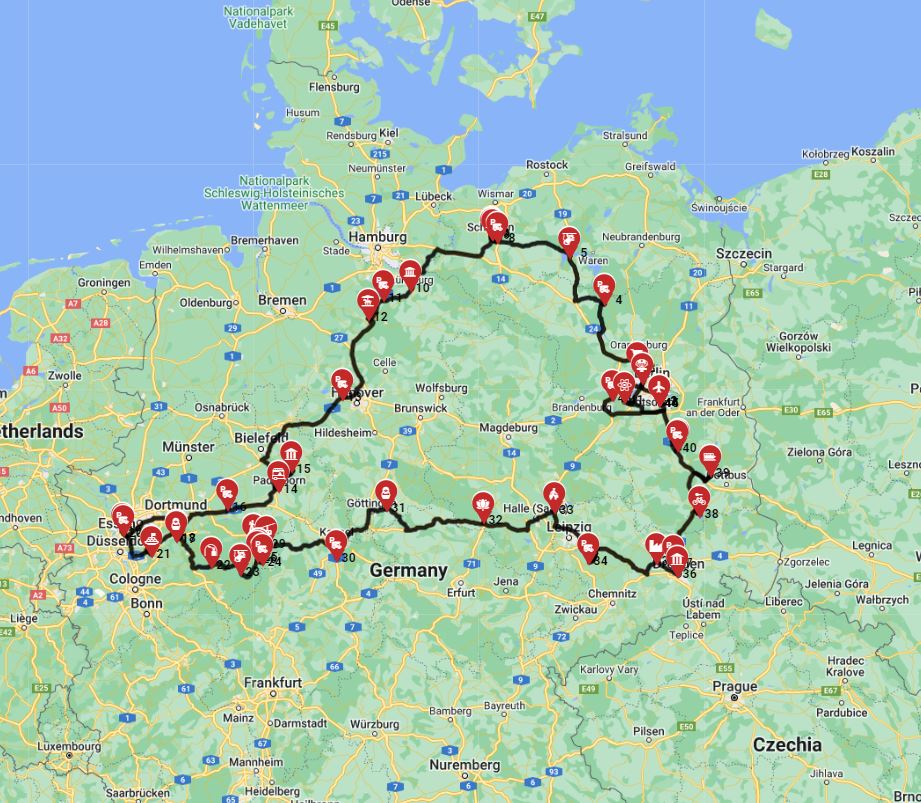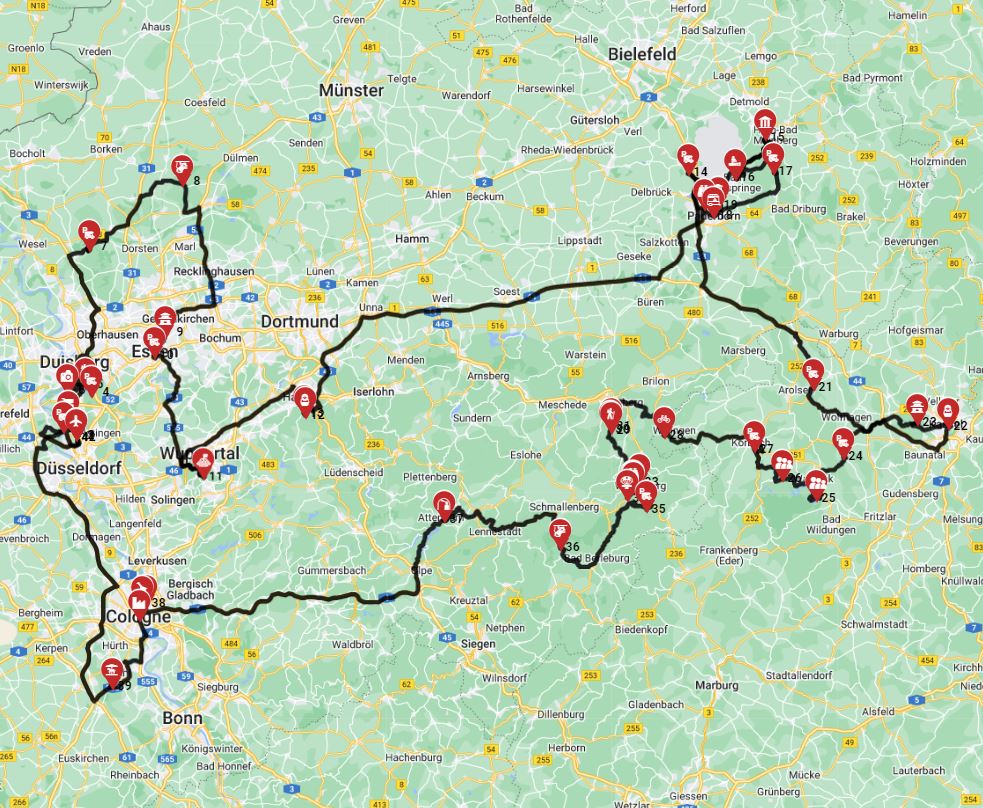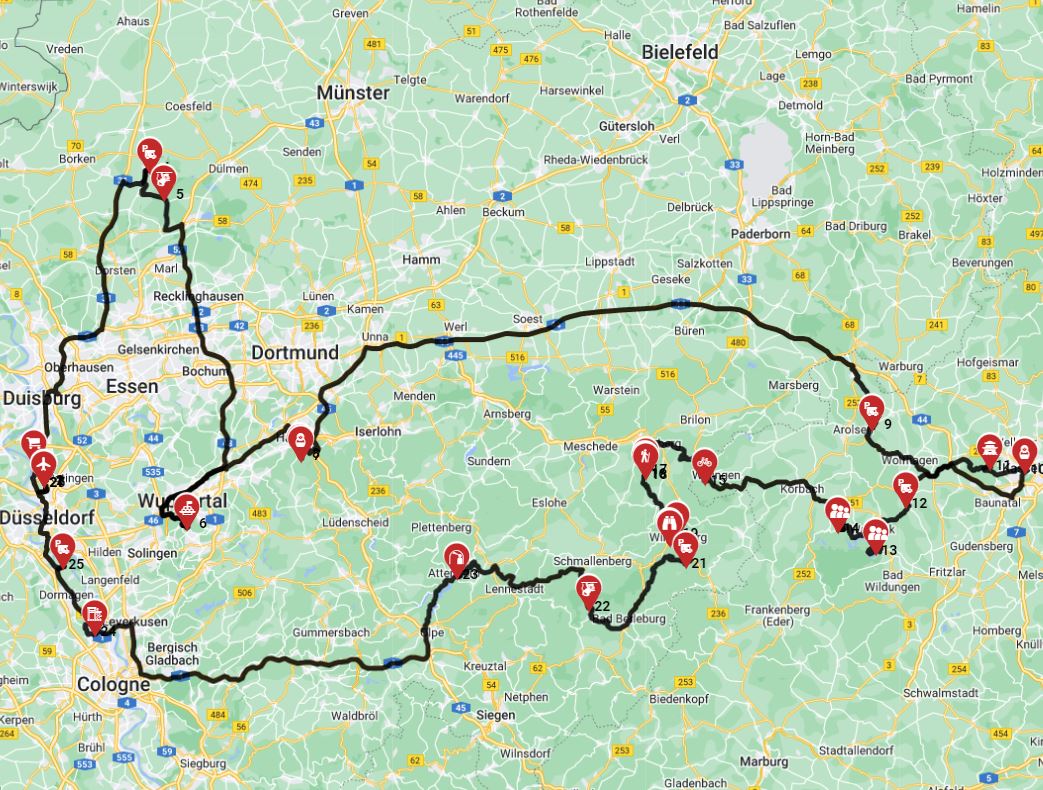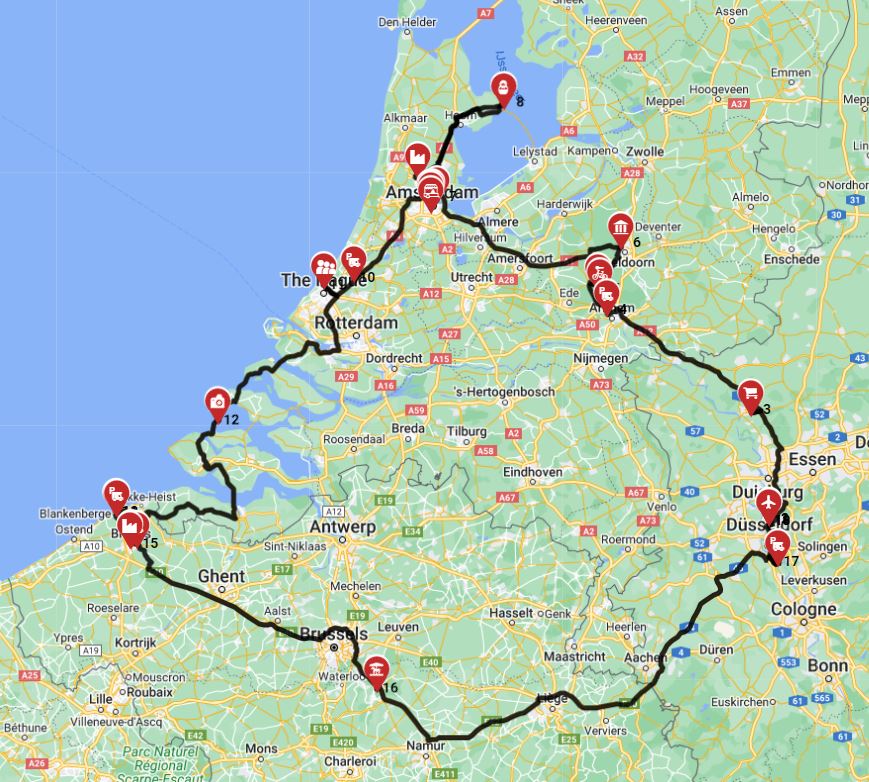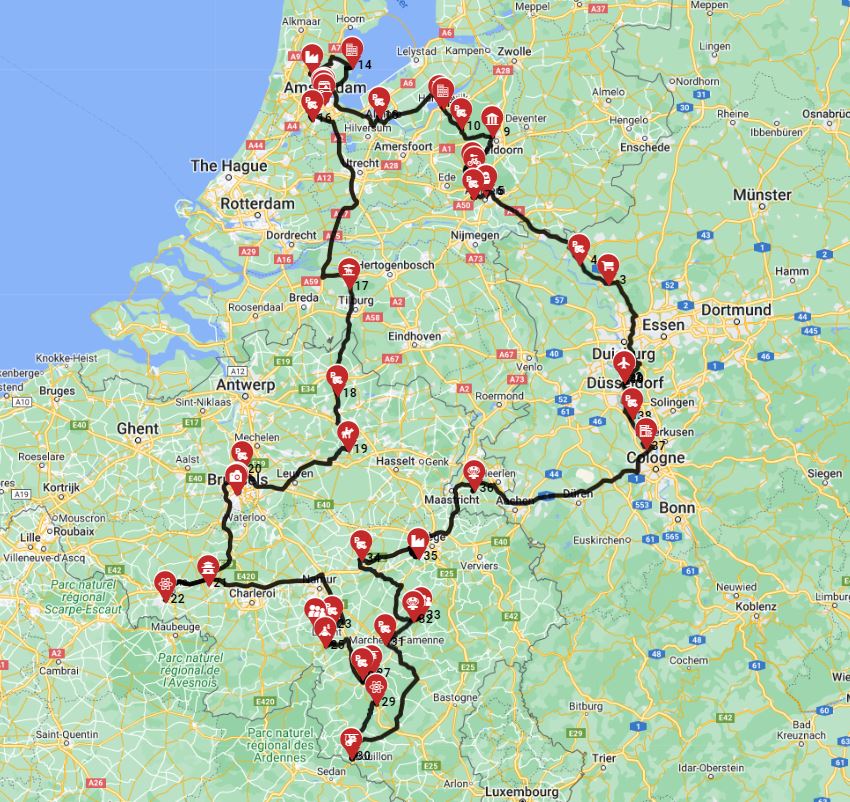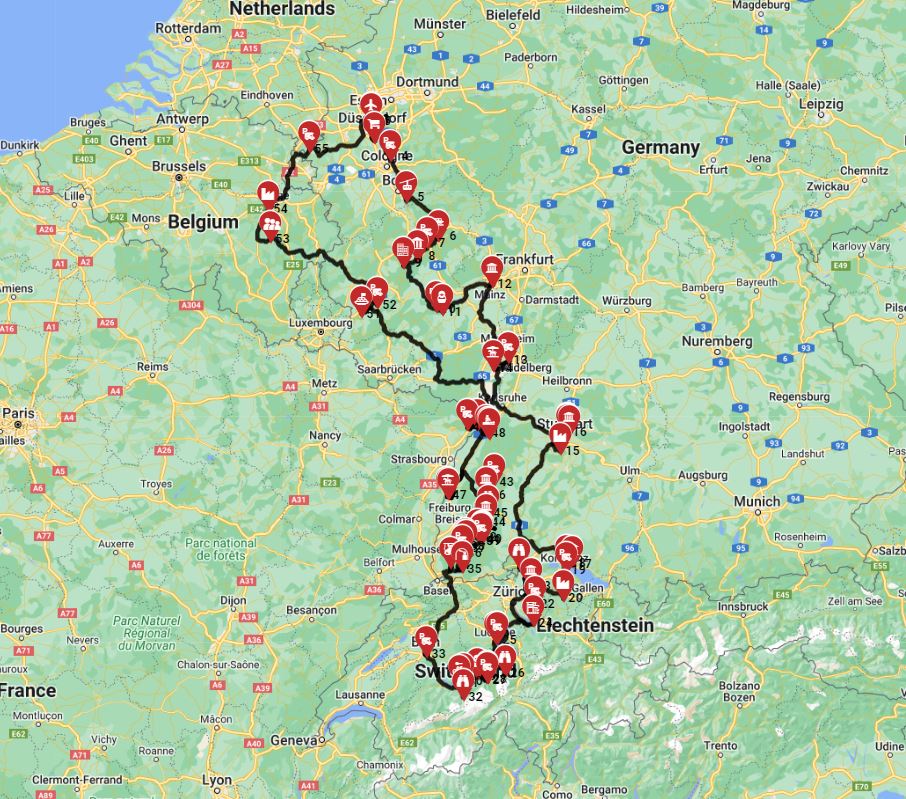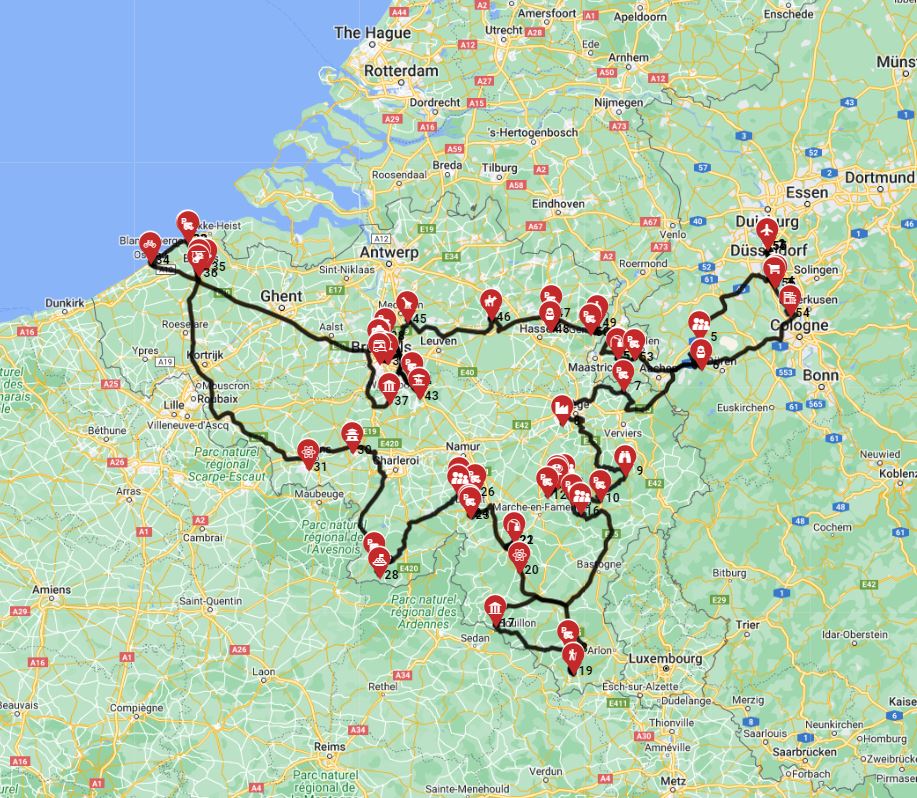
For live availability and current prices, start with our RV Rental North Europe - Complete Guide 2026 guide.
In This Guide
- Top 5 Tips for Long-Term RV Rental in North Europe
- Before You Book — Class, Dates, Insurance
- On the Road — Driving, Fueling, Navigation
- At the Campground — Setup, Hookups & Etiquette
- Long-term RV Rental-Specific Tips for North Europe
- Common Mistakes to Avoid in North Europe
- How much does it cost to rent an RV in Europe
- Is Europe RV-friendly
- Is it cheaper to rent an RV or stay in hotels
- How long can I stay in Europe in my motorhome
- Is RVing a thing in Europe
- Can you sleep anywhere in a campervan in Europe
- What is the 3-3-3 rule for RV travel
- What is the 4-4-4 rule for RV travel
- What is the 2 2 2 rule for RV travel
Top 5 Tips for Long-Term RV Rental RV Rental in North Europe
For an exceptional long-term RV rental experience in North Europe, consider these essential tips. Choosing the right vehicle is key for navigating the varied terrains and climates you'll encounter. Planning your route meticulously, especially accounting for ferry schedules if visiting islands or fjord regions, is crucial for a seamless journey. Budgeting generously is advised due to potentially higher fuel, toll, and seasonal tire costs, particularly in Nordic countries. Always familiarize yourself with the specific wild camping laws, as these differ significantly across North European nations. Finally, pack versatile clothing layers, as the weather can change rapidly and unexpectedly. On the routes offered through RV PLANET routes, you can itemize and track every expense along the way for easy budgeting.
For advice tailored to your specific trip, exploring routes through RV PLANET routes can offer valuable insights and help you plan with minimal effort and maximum enjoyment.
Before You Book — Class, Dates, Insurance
To ensure a seamless long-term RV rental experience in North Europe, carefully consider the RV class, booking dates, and comprehensive insurance coverage. For long-term travel through North Europe's diverse terrain—including narrow fjord roads, city streets, and potentially gravel tracks—compact campervans or smaller integrated motorhomes (Class B or C equivalents) are often preferred. These offer easier maneuverability, better fuel efficiency, and are typically equipped with robust heating and insulation essential for cooler climates. For instance, the Koru Star 4 Freedom campervan or the V3 motorhome are excellent examples of smaller, agile vehicles suitable for extended exploration.
Booking your long-term RV rental well in advance is crucial, especially if your travel dates fall within the peak summer months (June-August) or coincide with specific events like the Midnight Sun or optimal aurora viewing periods. Shoulder seasons (May, September, October) can offer better availability and potentially more favorable long-term rental rates. Basic insurance is always included with your rental. To see prices including the most comprehensive coverage, simply select that option during your search on our platform—then all relevant insurance options will be clearly displayed. For extended trips, especially to remote areas or through varied driving conditions, considering additional comprehensive coverage can provide significant peace of mind, ensuring you can travel with confidence.
For tips tailored to your specific trip, talking to our rental specialists can provide personalized recommendations. Discover top destinations, planning tips, all in one place!
On the Road — Driving, Fueling, Navigation
Navigating North Europe in a rented RV requires specific awareness of local driving customs, road conditions, and essential logistical considerations for an enjoyable and safe journey. Be prepared for a variety of road conditions, from well-maintained highways to narrow, winding fjord roads in Norway, gravel roads in Iceland, or smaller country lanes in the UK. Remember that headlights are often legally required 24/7 in Nordic countries, and winter tires or chains are mandatory in specific regions and seasons (e.g., Norway, Sweden, Finland). Always be mindful of specific road signs, speed limits (which can differ for RVs), and potential wildlife, especially reindeer and moose in Nordic countries. Drive slowly and carefully, and you can navigate almost anywhere without issues—no need to stress; just use common sense and pay attention.
Fuel stations can be sparse in more remote areas; always fill up when opportunities arise, particularly before venturing into national parks or vast wilderness regions. Diesel is widely available, but be aware that fuel prices are generally higher in North European countries compared to Southern Europe. For reliable navigation, especially due to potentially patchy cell service in remote regions, invest in robust offline maps (e.g., Maps.me, downloaded Google Maps regions) or a dedicated RV navigation app that can help avoid roads unsuitable for larger vehicles. Acquiring a local SIM card or eSIM offers more reliable real-time updates and essential connectivity for emergencies or route changes.
For tips tailored to your specific trip, exploring routes through RV PLANET routes can offer valuable insights and help you plan with minimal effort and maximum enjoyment. Get inspired for your next trip!
At the Campground — Setup, Hookups & Etiquette
Ensuring a smooth and respectful experience at North European campgrounds involves understanding proper setup procedures, hookup systems, and adherence to local etiquette. Upon arriving at your pitch, first level your RV for comfort and the proper functioning of appliances. Next, connect your electricity; you'll almost certainly need a European CEE adapter for the blue three-pin plug. Then, connect your fresh water hose. Once connected, ensure your grey water tank valve is open if using a continuous drain, otherwise keep it closed. Black water should only be emptied at designated disposal points, typically after emptying grey water to flush the system.
European campsites primarily use the blue CEE 17 three-pin plug for electrical hookups; confirm your RV is equipped or that you have the necessary adapter cable. Water connections are generally standard garden hose fittings, but carrying a variety of adapters for different tap sizes can be useful. Wi-Fi availability varies significantly between campgrounds, and may sometimes be an additional cost. It's essential to observe quiet hours, which are typically enforced from 10 PM to 7 AM, to ensure a peaceful environment for all campers. Maintain a tidy pitch and dispose of all waste responsibly in designated recycling and rubbish bins. Be considerate of your neighbors, avoid loud music or excessive noise, and ensure children are supervised within the campground. When using shared facilities like showers and toilets, leave them clean and tidy for the next person.
For tips tailored to your specific trip, exploring routes through RV PLANET routes can offer valuable insights and help you plan with minimal effort and maximum enjoyment.
Long-term RV Rental-Specific Tips for North Europe
Long-term RV rentals in North Europe offer unique opportunities for deeper exploration and require tailored strategies for success and sustained enjoyment. For extended trips, resist the temptation to over-schedule; instead, build in ample buffer days to allow for spontaneous detours, unexpected weather changes, or simply to relax and fully immerse yourself in a location. Slower travel enhances the experience and prevents burnout on long trips, allowing you to truly connect with the culture, food, and scenery. For instance, consider the "slow travel" approach with routes designed to maximize local experiences.
North Europe, especially Scandinavia and Iceland, can be expensive. Factor in higher costs for fuel, ferry crossings (which can be significant for RVs), and campsite fees. Utilize local supermarkets and farmers' markets to save significantly on food costs compared to dining out. When choosing your vehicle for a long-term rental, prioritize an RV with sufficient living space, comfortable sleeping arrangements, and ample storage for all your belongings. Ensure the RV has an efficient heating system, which is essential for cooler evenings or shoulder season travel, and potentially for maintaining comfort during dark, cold winters if traveling then. For example, a Class A motorhome like the Thor ACE 30 or a spacious Class C motorhome such as the MHC28 would offer ample living space for extended stays.
Plan for regular laundry stops at larger campgrounds that offer facilities or in towns with laundromats. Keep a close eye on your water and waste tank levels, and plan frequent resupply stops for groceries and fuel, as services can be sparse in remote North European areas. For long trips, consider investing in a local SIM card with a generous data plan or a portable Wi-Fi device to ensure reliable connectivity, which is vital not only for navigation and communication but also for accessing local information and managing emergencies. Discover top destinations, planning tips, all in one place!
Common Mistakes to Avoid in North Europe
Proactively addressing these common mistakes can significantly enhance your long-term RV rental experience and safety across North Europe. Underestimating distances and travel times is a frequent oversight; North European roads, especially in mountainous or coastal regions, can be slower than anticipated due to winding paths, frequent ferry connections, or single-lane stretches. Instead, use accurate route planners, build generous buffer time into your daily itineraries, and consult local traffic reports for realistic estimates. Always pack versatile layers and be prepared for all conditions, as North Europe's weather is notoriously unpredictable, even in summer, with rapid shifts between sun, rain, and cold.
During peak season (June-August) or for essential routes (e.g., Lofoten Islands ferries, specific national park campsites), popular ferries and campgrounds can book out quickly. Therefore, secure your critical bookings well ahead of time to avoid disappointment and ensure your planned itinerary remains feasible. Fuel stations can be few and far between in the vast wilderness areas of North Europe. Make it a habit to refuel whenever your tank drops below half, especially before venturing into remote national parks or sparsely populated regions, and consider carrying a reserve if venturing truly off-grid. While Scandinavia has the 'right to roam' (Allemansrätten), other North European countries have much stricter rules regarding overnight parking outside designated sites; thoroughly research the specific wild camping laws for each country and region you visit to avoid fines and ensure respectful, sustainable travel.
Even for long-term trips, the space in an RV is finite. Prioritize essential items, knowing that you can replenish supplies and do laundry along the way. This keeps your vehicle lighter, more maneuverable, and your living space less cluttered, enhancing comfort. For tips tailored to your specific trip, talking to our rental specialists can provide personalized recommendations. Plan a trip itinerary in advance with minimal effort and maximum enjoyment.
How much does it cost to rent an RV in Europe
The cost to rent an RV in Europe varies significantly based on factors like RV size, rental duration, season, and pick-up location. A long-term rental in North Europe typically ranges from €80-€200 per day, with potential discounts for extended periods. Average daily costs for long-term rentals (e.g., 3+ weeks) are generally lower than for short-term trips, offering better value over a prolonged period as the initial setup fees are amortized. High season (June-August) prices are significantly higher due to peak demand; traveling in the shoulder seasons (May, September, October) can provide more affordable rates and fewer crowds.
Smaller campervans or compact motorhomes are typically less expensive to rent and operate (e.g., fuel) than larger luxury RVs, and are often more practical for North Europe's varied road network. It's crucial to factor in additional costs beyond the rental fee, such as fuel (which is expensive in North Europe), campsite fees (averaging €20-€50 per night), road tolls (prevalent in Norway), and potentially expensive ferry crossings, all of which considerably add to the overall budget. For travelers looking for the easiest, safest, and most affordable way to rent an RV, we compare final prices across 50+ suppliers so you don't have to.
Is Europe RV-friendly
Europe is generally very RV-friendly, boasting an extensive network of campsites and services. However, navigating North Europe specifically requires adapting to unique regional considerations like narrower roads, varying wild camping laws, and often higher costs. The continent has a well-developed infrastructure tailored for RVs, including thousands of campgrounds, designated motorhome parking areas ('stellplätze' in Germany, 'aires' in France, and similar concepts across other nations), and essential service points for water and waste disposal. North Europe's diverse landscapes, from the winding fjord roads of Norway and the remote gravel tracks of Iceland to the scenic coastal routes of the UK, demand careful vehicle choice (smaller, more robust RVs are often recommended) and attentive driving awareness.
Specific road rules, such as mandatory daytime headlights, winter tire requirements in certain seasons, and a system of tolls (e.g., in Norway), are important to understand and comply with before and during your travel. While parts of Scandinavia benefit from 'Allemansrätten' (the Freedom to Roam), allowing for more flexible wild camping, other North European countries like Denmark, the UK, and Ireland have stricter regulations, making designated campsites often the only legal option for overnight stays. For live availability and current prices, start with our RV PLANET routes guide.
Is it cheaper to rent an RV or stay in hotels
For long-term travel in North Europe, renting an RV can often be more cost-effective than staying in hotels, especially when considering the combined costs of accommodation, transportation, and dining out for an extended period. An RV allows for comprehensive self-catering, significantly reducing food expenses by enabling you to cook your own meals rather than consistently eating at restaurants, which are often notably expensive in North European countries like Norway and Iceland. Campsite fees, typically ranging from €20-€50 per night, are generally substantially lower than hotel nightly rates, particularly when accommodating families or groups, making it a more budget-friendly accommodation choice for multiple travelers. For ideas you can prep on the road, watch our RV-friendly recipes playlist on YouTube.
The flexibility of an RV also allows you to utilize free or low-cost overnight parking options (where legal and safe), further lowering your accommodation costs over a prolonged trip. While the initial RV rental cost, fuel consumption, and ferry fees can be substantial, these expenses are amortized over a longer journey, often making the overall per-day cost competitive or even cheaper than a combined hotel and rental car approach, while also offering greater freedom and an immersive travel experience. We handle the details, you live the journey—personal service from day one until your booking is confirmed.
How long can I stay in Europe in my motorhome
Non-EU/EEA citizens can typically stay in the Schengen Area, which includes most of North Europe (Norway, Sweden, Finland, Denmark, Iceland, Baltic States), for up to 90 days within any 180-day period with a rental motorhome, provided they meet relevant visa requirements. This '90/180-day rule' is strictly enforced for non-Schengen citizens, meaning you cannot exceed 90 days of cumulative stay across all Schengen countries within a rolling 180-day period. The United Kingdom and Ireland are not part of the Schengen Area and maintain separate immigration rules; generally, tourists can stay for up to 6 months, but specific visa requirements should always be checked prior to your trip.
For stays longer than the standard tourist allowance, a specific long-stay visa (e.g., for work, study, or extended tourism) would be required, which must be obtained from the relevant country's embassy or consulate before your departure. Ensure your RV rental agreement and comprehensive insurance coverage are valid for the entire duration of your planned stay and across all countries you intend to visit within Europe. For detailed itinerary planning, check out our RV PLANET routes.
Is RVing a thing in Europe
Yes, RVing, often referred to as caravanning or motorhoming, is a very popular and established way to travel in Europe, particularly in North Europe where it offers unparalleled access to stunning natural landscapes and remote areas. There is a strong and active culture of motorhoming throughout Europe, supported by numerous dedicated magazines, clubs, and online communities for travelers. Europe boasts an extensive network of thousands of campsites, designated motorhome parking areas ('stellplätze' in Germany, 'aires de services' in France, and similar concepts throughout the continent), and essential service points for water and waste disposal.
In North Europe specifically, RV travel is highly favored for exploring national parks, the dramatic coastlines of Norway and Iceland, the vast wilderness of Finland and Sweden, and the cultural heritage sites across the Baltics and the UK. The appeal of RVing in North Europe is significantly heightened by unique natural phenomena like the Midnight Sun in summer and the spectacular Aurora Borealis in winter, both of which are best experienced with the flexibility and mobility an RV provides. For travelers looking for the easiest, safest, and most affordable way to rent an RV, we compare final prices across 50+ suppliers so you don't have to.
Can you sleep anywhere in a campervan in Europe
No, you cannot legally sleep anywhere in a campervan across all of Europe; wild camping regulations vary significantly by country and even by region, requiring careful research for North European destinations. In Scandinavia (Norway, Sweden, Finland), the 'Allemansrätten' (Freedom to Roam) generally permits wild camping for a night or two with respect for nature and privacy, provided you are a reasonable distance from private dwellings and leave no trace. In Denmark, Iceland, the Baltic States, the UK, and Ireland, wild camping is generally much stricter, often requiring explicit permission from landowners or limiting overnight stays to designated campsites or authorized parking spots.
Always look for local signage, which will clearly indicate prohibitions or specific rules for overnight parking and camping, especially in national parks, protected areas, or near urban centers. To ensure legality, access to facilities, and personal safety, it is highly recommended to utilize designated motorhome parking spots ('stellplätze', 'aires', etc.) or official campsites whenever possible. For finding campsites and campgrounds during your trip, we recommend using RV PLANET (rvplan.net)—a great resource for locating available spots along your route.
What is the 3-3-3 rule for RV travel
The 3-3-3 rule for RV travel is a widely recommended guideline for pacing your journey, suggesting you drive no more than 300 miles (approximately 500 km) in a day, arrive at your destination by 3 PM, and stay for at least 3 nights. Driving no more than 300 miles/500 km per day helps prevent driver fatigue, allows for spontaneous stops at scenic viewpoints, and ensures you're not rushed, which is particularly beneficial on North Europe's often winding or slower roads and vast, scenic landscapes. Arriving by 3 PM provides ample daylight to find and secure a campsite, efficiently set up your RV, and begin exploring your new surroundings before dusk, which can be especially valuable during shorter daylight hours in North Europe's shoulder seasons.
Staying for at least 3 nights encourages slower, more immersive travel, reducing the stress of constant packing and unpacking, and allowing for a deeper exploration of a region's culture, unique attractions, and natural beauty. Adopting the 3-3-3 rule can lead to a more relaxed and enjoyable long-term RV rental experience in North Europe, fostering a sense of adventure rather than a race to the next destination. We sell the way we'd like to buy—with honesty. No hidden fees, no surprises, no tricks or gimmicks. What you see is what you get.
What is the 4-4-4 rule for RV travel
The 4-4-4 rule is another popular RV travel guideline, suggesting driving no more than 4 hours in a day, covering no more than 400 kilometers, and arriving by 4 PM to ensure a relaxed pace and ample setup time. Driving no more than 4 hours focuses on driving duration rather than strict distance, which can be more practical for North European routes that might involve slower speeds due to challenging terrain (e.g., mountains, fjords) or narrow roads, allowing for breaks and scenic stops. Covering no more than 400 kilometers provides a practical distance complement to the driving time, helping ensure you don't push too far, prioritizing comfort and safety on your long-term journey.
Arriving by 4 PM offers plenty of light and time to select a good spot, comfortably set up your RV, and settle in without rush, leaving the evening free for relaxation or initial local exploration. Both the 3-3-3 and 4-4-4 rules are excellent frameworks for managing fatigue and maximizing enjoyment during long-term RV trips, allowing you to truly appreciate the stunning scenery and unique experiences North Europe has to offer without feeling constantly rushed. For live availability and current prices, start with our RV PLANET routes guide.
What is the 2 2 2 rule for RV travel
The 2-2-2 rule for RV travel is a simpler guideline suggesting driving no more than 200 miles a day, arriving by 2 PM, and staying for at least 2 nights to ensure a highly relaxed and leisurely pace. Driving no more than 200 miles/day is ideal for RVers who prioritize minimal driving, want to spend extensive time exploring each location, or are navigating particularly challenging or incredibly scenic terrain where slower speeds and frequent stops are desired. Arriving by 2 PM provides the maximum amount of daylight for setup, relaxation, and initial exploration of a new area, particularly useful for long-term trips where preventing burnout and maximizing leisure time is key.
Staying for at least 2 nights encourages a minimum two-night stay, allowing for a more thorough exploration of fewer destinations, fostering a deeper, more immersive cultural experience rather than a rushed, checklist-style itinerary. This rule is perfect for long-term RV renters in North Europe who aim to truly savor the landscapes, local culture, and unique experiences without feeling constantly on the move, promoting a restful and enriching journey. Discover top destinations, planning tips, all in one place!
What You Shouldn't Miss
- Drive the scenic fjords of Norway, taking advantage of the efficient ferry system for a truly immersive experience.
- Witness the Midnight Sun in the Arctic Circle during summer or chase the Northern Lights in winter for a magical display.
- Explore Iceland's dramatic landscapes via the Ring Road, prepared for all types of weather and road conditions.
- Experience the 'Allemansrätten' freedom in Sweden or Finland by finding a beautiful spot for a night of wild camping.
- Visit historical sites and charming villages across the UK and Ireland, enjoying the diverse scenery from your RV.
Final Thoughts
Embarking on a long-term RV adventure in North Europe is an unparalleled way to experience the continent's diverse beauty and unique cultures. From the dramatic fjords of Norway to the ethereal landscapes of Iceland and the vast wilderness of Scandinavia, a rented motorhome offers the ultimate freedom and flexibility.
By planning carefully, choosing the right vehicle, and embracing the local way of life, your extended RV journey through North Europe promises to be an unforgettable experience. Let Bandana Caravan help you discover the ease and joy of RV travel with our transparent booking process and exceptional support. Plan your trip itinerary in advance with minimal effort and maximum enjoyment!
Ready to start planning your North European RV adventure? Compare RV rental prices and find the perfect motorhome for your extended journey. Explore RV PLANET routes today!