In This Guide
- Top 5 Tips for long term rv rental RV Rental in Namibia
- Before You Book - Class, Dates, Insurance
- Pre-Trip Prep - Packing Checklist for Namibia
- On the Road - Driving, Fueling, Navigation
- At the Campground - Setup, Hookups & Etiquette
- long term rv rental-Specific Tips for Namibia
- Common Mistakes to Avoid in Namibia
- What You Shouldn't Miss
- Why Book with Bandana Caravan
- Final Thoughts
- Frequently Asked Questions
Top 5 Tips for long term rv rental RV Rental in Namibia
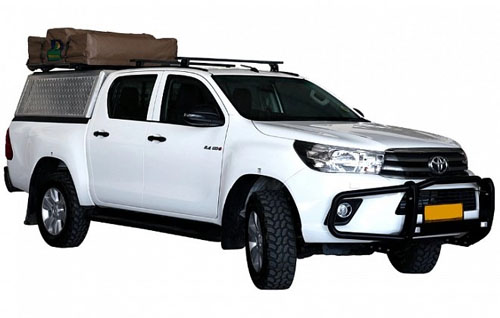
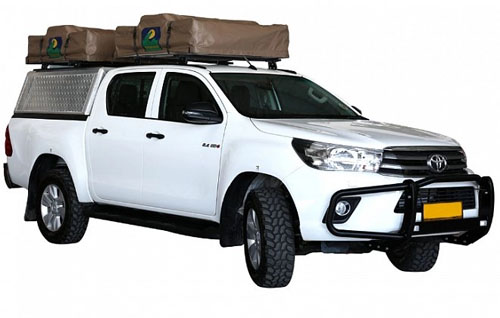
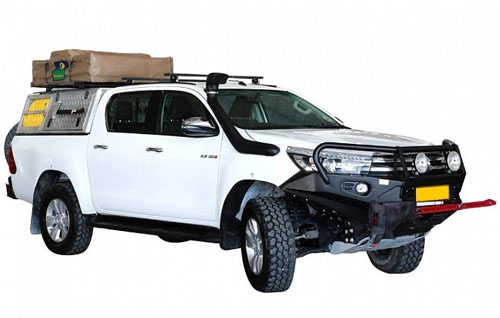
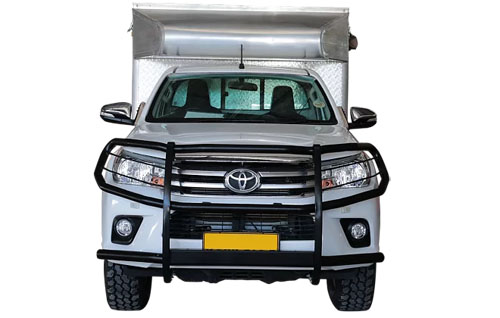
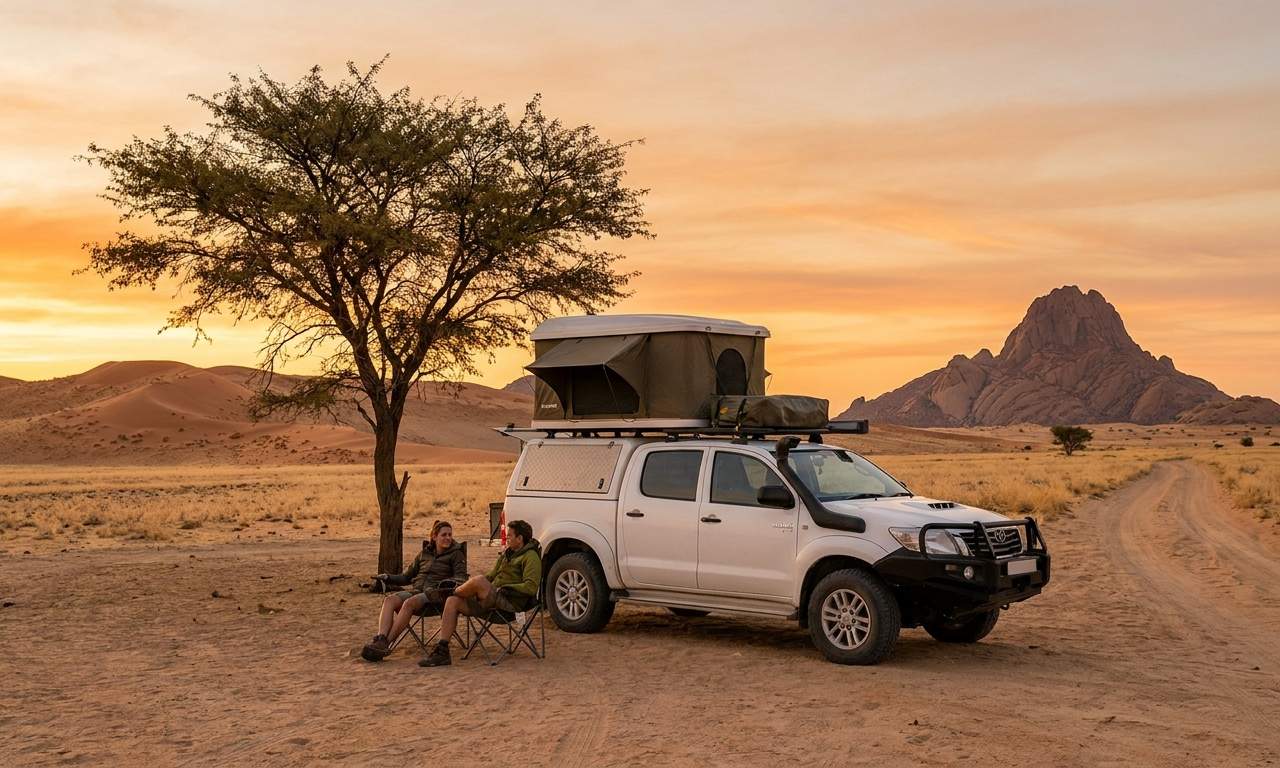 Selecting a robust 4x4 motorhome is crucial for successfully navigating Namibia's diverse terrains, including vast stretches of gravel roads and sandy tracks. These vehicles, like a Patagonia Camper 4x4 double cab, are specifically designed to handle the challenges presented by the country's extensive, unpaved road network, which can make up a significant portion of your journey. Booking your RV well in advance, especially for extended rentals during peak season from June to October, ensures you secure your preferred model and avoid potential surcharges, as popular 4x4 campervans often get booked 6-12 months ahead. For your peace of mind on remote routes, opting for comprehensive insurance coverage is essential, explicitly addressing roadside assistance, tire, windshield, and undercarriage damage which are common concerns on Namibian roads. Furthermore, preparing for extensive self-sufficiency is paramount: pack essential recovery gear such as a shovel, tow strap, and air compressor, along with ample water (at least 20 liters in reserve), additional fuel reserves, and non-perishable food supplies, as services can be sparse outside major towns. Finally, embracing flexibility in your route plans allows you to adapt to unpredictable road conditions, sudden weather changes, or unexpected wildlife sightings, enhancing your overall exploration experience and enabling slower travel, averaging 100-150 km per day.
🎬 Video coming soon
Before You Book - Class, Dates, Insurance
A 4x4 rental motorhome is generally recommended for long-term travel in Namibia due to the prevalence of gravel roads and the necessity to access national parks and remote campsites. While smaller Class B campervans can navigate some areas, a Class C motorhome with 4x4 capabilities offers the best balance of comfort and ruggedness for this adventure, providing ample living space and storage for extended stays. For example, a vehicle similar to the Patagonia Camper 4x4 double cab, with its 4-wheel drive and compact size, is ideal for couples, while a larger "cruise america rv rental example Explorer" can comfortably accommodate families of four with its 82-liter fresh water tank and spacious interior. Booking your long-term rental 3-6 months in advance is highly advisable to secure your preferred RV model and avoid peak season surcharges, particularly for trips between June and October, where availability can be limited. However, spontaneous travelers can often find good last-minute options, especially for smaller vehicles or during the shoulder seasons. Basic insurance is always included with your rental, but to experience travel with complete peace of mind, consider upgrading to a top-level deductible for extra coverage that addresses potential issues on unpaved roads. Confirming the rental company's policy on mileage limits for extended rentals and cross-border travel is also crucial if your itinerary includes neighboring countries like South Africa or Botswana.Pre-Trip Prep - Packing Checklist for Namibia
A comprehensive packing list is essential for a comfortable and safe long-term RV rental in Namibia, ensuring you are prepared for its unique environment. For clothing, pack lightweight, breathable items suitable for hot daytime temperatures, but don't forget warm layers for surprisingly cool desert evenings, along with sturdy closed-toe shoes and swimwear. Your kitchen setup should prioritize self-sufficiency for preparing meals, so consider including a cooler or extra fridge space for extended food storage, water purification solutions, and a comprehensive kitchen setup beyond what's typically included. For cooking on the road, our RV-friendly recipes playlist offers great inspiration. Safety items are non-negotiable: essential recovery gear, including a shovel, tow strap, and air compressor for tire pressure adjustments, a comprehensive first-aid kit, and a satellite phone or robust communication device are vital for remote areas with limited mobile signal. For documents, ensure you have your passport, any required visa, your standard car driver's license, an International Driving Permit (IDP) if coming from a non-English speaking country (though not always mandatory), copies of all important documents, your RV rental agreement, and your travel insurance policy readily accessible. Remember, preparation is key to a smooth journey through Namibia's expansive and beautiful landscapes.At the Campground - Setup, Hookups & Etiquette
Understanding proper RV setup, hookup procedures, and campground etiquette is essential for a respectful and comfortable long-term stay at Namibia's diverse campsites. Many campsites in popular areas like Etosha National Park or Sossusvlei book up quickly, especially during peak season, but many national and state parks reserve 25-30% of spots for first-come-first-serve arrivals, so don't stress if your initial choice is full; you'll find a spot, just call ahead. Upon arrival at a campsite, select a level spot for your rental motorhome, extend awnings for shade, and for remote, unfenced sites, remain aware of your surroundings and any local advice regarding wildlife, especially at night. The typical hookup order involves connecting fresh water (always with a pressure regulator to protect your RV's plumbing), then electricity (ensuring correct polarity), and finally, the sewer hose (emptying black water first, then grey water to rinse the hose). Adhere strictly to waste disposal protocols in Namibia's sensitive environments, using only designated facilities and minimizing environmental impact by practicing "leave no trace" principles. Observe quiet hours, typically from 10 PM to 7 AM, minimize light pollution to preserve Namibia’s dark skies, and support local economies by purchasing goods and services from nearby communities where appropriate. For finding campsites and campgrounds during your trip, we recommend using RV PLANET (rvplan.net) - a great resource for locating available spots along your route, where you can also itemize and track every expense for easy budgeting.long term rv rental-Specific Tips for Namibia
Long-term RV rentals in Namibia offer unique opportunities but require specific planning to maximize comfort, safety, and exploration over extended periods. When provisioning, plan for larger, less frequent grocery runs and consider robust food storage solutions for extended periods, especially when venturing into very remote areas where stores are few and far between. Optimizing your rental RV's power consumption is vital, and investigating options like portable solar panels for charging auxiliary batteries can enable extended off-grid stays, granting access to more secluded and stunning locations. Establishing a reliable communication strategy, such as carrying a satellite phone or HF radio, is crucial, given limited mobile reception outside major towns like Windhoek or Swakopmund. Embracing flexibility in your itinerary allows you to discover lesser-known campsites, spend extra time in favored spots, and engage with local cultural experiences not often found in typical route plans. Acquiring basic RV maintenance skills, such as checking tire pressure, topping up fluids, and knowing how to change a tire, along with carrying essential spare parts, can prevent significant delays in isolated regions. Remember, travel slowly, max 100-150 km per day on average, to truly feel the place, connect to the culture, the food, and the scenery.Common Mistakes to Avoid in Namibia
By recognizing and avoiding common pitfalls, long-term RV renters can significantly enhance their safety, enjoyment, and overall experience in Namibia. Instead of underestimating distances and travel times, plan realistic daily driving distances, accounting for slower speeds on gravel roads, potential animal crossings, and frequent stops for breathtaking scenery; a 300 km journey on gravel can easily take 5-6 hours. Rather than not carrying sufficient water and fuel, always carry extra reserves of both, especially when heading into known arid or remote regions, consulting maps for fuel station locations and noting that some smaller stations might only accept cash. Instead of ignoring wildlife safety protocols, maintain a respectful distance from all wildlife, never feed animals, and store food securely within your rented motorhome to prevent attracting unwanted visitors, especially at national park campsites. Rather than failing to prepare for breakdowns in remote areas, ensure your RV is serviced before a long trip, carry essential recovery gear, have a reliable communication device beyond mobile phones, and know how to change a tire. Most critically, instead of driving at night, plan to be at your campsite before sunset to significantly reduce the risk of wildlife collisions and navigate safely, as many large animals become active after dark. Drive slowly and carefully, and you can drive almost anywhere without issues. No need to stress - just use common sense and pay attention. If you are looking for specific route plans and itineraries for your Namibian adventure, consider consulting RV PLANET (rvplan.net) which offers many curated options.What You Shouldn't Miss
- Sossusvlei and Deadvlei: Witness the iconic towering red dunes and the ancient, petrified trees in the white clay pan. A sunrise hike here is unforgettable.
- Etosha National Park: Spend days observing an incredible array of wildlife gathering around waterholes, especially during the dry season.
- Skeleton Coast National Park: Explore the hauntingly beautiful coastline with shipwrecks and seal colonies, a truly unique and rugged experience.
- Fish River Canyon: Marvel at Africa's largest canyon, offering spectacular viewpoints and hiking opportunities.
- Damaraland and Twyfelfontein: Discover ancient rock art at a UNESCO World Heritage site and search for the elusive desert-adapted elephants.
- Swakopmund: Enjoy the German colonial architecture, adventure activities, and coastal charm of this vibrant city. For more details on RV rentals here, explore our Swakopmund and Swakopmund - Airport guides.
- Walvis Bay: Visit the lagoon for incredible birdwatching, especially flamingos, and enjoy boat trips for marine life encounters. Our Walvis Bay and Walvis Bay - Airport guides offer specific rental information.
Looking for expert insights from Avi Bandana? Top 5 Adventures - recommendations from Avi Bandana
Final Thoughts
Embarking on a long term RV rental in Namibia is more than just a vacation; it's an immersive experience that promises freedom, adventure, and unforgettable memories. From the moment you begin planning to the final moments of your journey, having the right information and support makes all the difference. Imagine the vastness of the Namib Desert unfolding before you from your rented motorhome, or the thrill of spotting desert-adapted wildlife at a remote waterhole. With Bandana RV, you're not just renting a vehicle; you're gaining a partner dedicated to making your long term RV adventure in Namibia as seamless and enjoyable as possible. We’re here to help you navigate the choices, prepare for the road ahead, and ensure that every detail, big or small, is handled with care. So, take that leap, plan your extended escape, and discover the magic of Namibia at your own pace.On the routes offered through RV PLANET routes, you can itemize and track every expense along the way for easy budgeting.