
In This Guide
- Top 5 Tips for Long-Term RV Rental in Israel
- Before You Book - Class, Dates, Insurance
- Pre-Trip Prep - Packing Checklist for Israel
- On the Road - Driving, Fueling, Navigation
- At the Campground - Setup, Hookups and Etiquette
- Long-Term RV Rental-Specific Tips for Israel
- Common Mistakes to Avoid in Israel
- What are the RV Road Conditions and Navigation Challenges in Israel?
- What is the RV Infrastructure and Regulatory Landscape in Israel?
- What are the Local RV Laws and Cultural Etiquette in Israel?
- How to Plan an Optimal RV Itinerary and Route in Israel?
- How Much Does an RV Trip to Israel Realistically Cost?
- What are Key Seasonal Considerations for RV Travel in Israel?
- How to Select the Right RV and Prepare for an Israeli Trip?
- Is Border Crossing Allowed with a Rental RV from Israel?
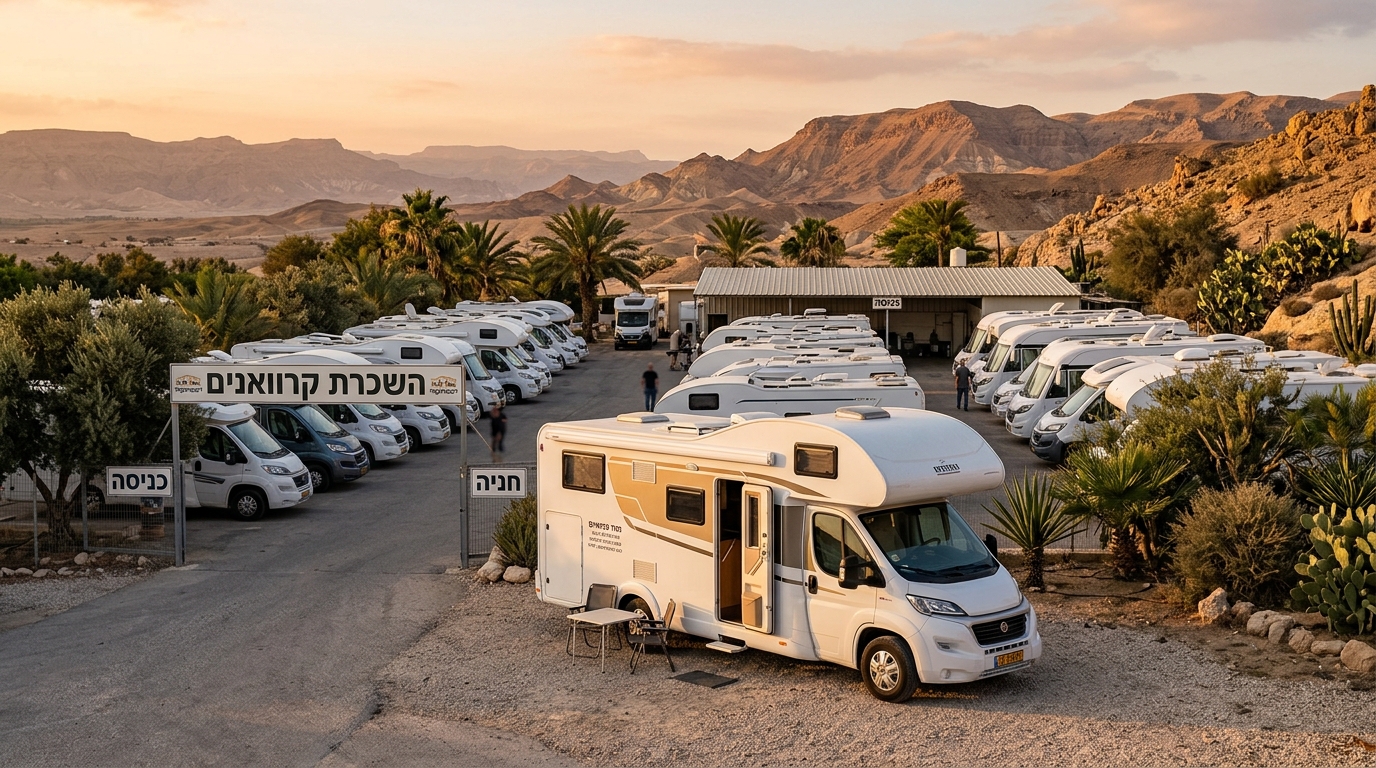
Exploring Israel in a rented RV offers an unparalleled sense of freedom, allowing you to immerse yourself in millennia of history, breathtaking natural beauty, and vibrant culture at your own pace. A long-term RV rental in Israel transforms your journey into an extended adventure, giving you the flexibility to linger at ancient sites, discover hidden oases, and truly connect with the diverse landscapes, from the Galilee’s lush hills to the Negev’s stark deserts. For live availability and current prices, start with our RV Rental Israel - Complete Guide 2026 guide.
Top 5 Tips for Long-Term RV Rental in Israel
Securing your RV well in advance, especially for journeys during peak seasons (March-May and September-November), is crucial to guarantee your preferred models and potentially unlock better long-term rates. Familiarize yourself with Israeli driving norms, which can be more assertive than some other countries, but remember to drive slowly and carefully, and you can navigate almost anywhere without issues. Planning your water refills, dump stations, and propane sources throughout your route is essential, as RV infrastructure can vary by region. Embrace cultural stops and local interactions; many communities across Israel warmly welcome respectful RV travelers, offering unique opportunities to connect with local life and cuisine. Finally, budget comprehensively for all ancillary trip costs including fuel, campground fees, attraction entries, and groceries, as expenses can accumulate over extended trips, and for easy budgeting and expense tracking, you can plan your route using RV PLANET routes. This ensures a stress-free and enriching long-term adventure. On the routes offered through RV PLANET routes, you can itemize and track every expense along the way for easy budgeting.
Before You Book - Class, Dates, Insurance
Choosing an RV class for a long-term rental in Israel involves balancing spaciousness with maneuverability, with smaller campervans often preferred for navigating city streets like those in Jerusalem or Tel Aviv, while larger motorhomes such as a "cruise america rv rental example Explorer" (4-berth, 7.1m length) are ideal for open roads and extended, comfortable stays at campgrounds. Locking in your rental dates several months out, especially for spring (March-May) and fall (September-November), ensures vehicle availability and potentially more favorable pricing for long-term hires. Regarding insurance, basic coverage is always included with your rental; however, for enhanced peace of mind, consider upgrading to comprehensive coverage options, which typically cover a wider range of incidents and reduce your deductible liability. To view prices that include the most comprehensive coverage, simply select that option during your initial search on our platform, and all relevant insurance choices will be clearly displayed, reflecting our commitment to full transparency and no hidden fees.
When selecting your ideal vehicle, consider your travel companions: a cozy campervan like the "hire campervan example Paradise S/T" (ideal for a couple, RV size - Small) might be perfect for two, while a spacious Class C motorhome like the "rv rentals example Comfort Class" (ideal for family of 2+2, RV size - Large) offers more room for families. Remember, rental prices are dynamic, similar to flight tickets, changing daily based on availability, seasonality, and supplier marketing decisions, so the final price is set at the actual booking time.
Pre-Trip Prep - Packing Checklist for Israel
A comprehensive packing checklist tailored for an RV trip in Israel should account for diverse climates, practical living, safety, and essential documentation. Layered clothing is key due to temperature variations between regions (e.g., cool nights in the Negev vs. warm days in Eilat) and between day and night, while a well-stocked kitchen ensures comfortable long-term living and allows you to prepare delicious meals on the go. For culinary inspiration, check out our RV-friendly recipes playlist.
- Clothing:
- Lightweight, breathable clothing (cotton/linen)
- Long sleeves/pants for sun protection and religious sites
- Swimsuit and quick-dry towel
- Sun hat, sunglasses, sunscreen
- Comfortable walking shoes/sandals
- Warm layers for evenings, especially in higher elevations or deserts
- Rain jacket (seasonal)
- Kitchen & Living:
- Reusable water bottles
- Basic cooking spices, oil, coffee/tea
- Dish soap, sponge, small trash bags
- Portable power bank/adapter
- Small cooler for day trips
- Headlamps/flashlights
- Basic toiletries & personal medications
- Safety & Navigation:
- First-aid kit (well-stocked)
- Physical map of Israel (backup to GPS)
- Emergency roadside kit (check if RV includes)
- Small Israeli phrasebook or translation app
- Documents:
- Passport & Visa (if required)
- International Driving Permit (IDP) alongside home license
- RV rental agreement & insurance documents
- Copies of all important documents (digital and physical)
- Credit cards & some local currency (NIS)
For tips tailored to your specific trip, talk to rent-motorhome. Planning a detailed itinerary will also allow you to identify stops for laundry and significant grocery resupply, crucial for longer trips.
On the Road - Driving, Fueling, Navigation
Navigating Israel's roads with a rented RV requires attention to local driving habits, awareness of various road types, and reliance on up-to-date GPS systems. Israeli drivers can be assertive, and roads range from modern highways, like Route 6, to narrow, winding paths in older towns such as Safed or mountainous regions like the Golan Heights, demanding cautious driving. Drive slowly and carefully, and you can drive almost anywhere without issues. No need to stress - just use common sense and pay attention. Fuel stations are widely available across the country, predominantly offering unleaded gasoline (95 octane) and diesel; however, always confirm your RV's specific fuel requirement with your rental provider. Utilizing a reliable GPS app (like Waze or Google Maps, set for a large vehicle if possible) is crucial for real-time traffic updates and navigating complex intersections, especially around major cities like Tel Aviv. Keep emergency numbers handy: 100 for police, 101 for ambulance, and 102 for fire department.
At the Campground - Setup, Hookups and Etiquette
Setting up your rented RV at an Israeli campground typically involves finding your designated spot, leveling the vehicle, and connecting utilities in a specific order. The standard hookup sequence is to connect sewer first, then fresh water, and finally electricity, ensuring all connections are secure and leak-free. Adhering to campground quiet hours, usually from late evening until morning, is essential for respecting fellow campers and maintaining a peaceful environment. Proper waste disposal, including using designated dump stations for grey and black water, is not only regulatory but also a matter of good environmental etiquette. For finding campsites and campgrounds during your trip, we recommend using RV PLANET (rvplan.net) - a great resource for locating available spots along your route. Many national/state parks reserve only 25-30% of spots for advance booking, with the rest available first-come-first-serve, so if you're a spontaneous traveler, call ahead before driving.
Long-Term RV Rental-Specific Tips for Israel
For extended RV rentals in Israel, a detailed budget should meticulously account for consistent consumables, maintenance items, and potential longer-term campground stays. Planning for regular laundry and identifying major grocery resupply points, particularly in larger cities like Haifa or Beersheba, is crucial, as smaller towns may have limited facilities. Families on long-term RV journeys benefit immensely from varied itineraries that include frequent breaks, kid-friendly activities (like water parks or nature reserves), and designated quiet times for naps or relaxation. Senior travelers undertaking long-term RV rentals should prioritize selecting ergonomic RV designs with comfortable sleeping arrangements and accessibility features to ensure sustained comfort throughout their adventure. Remember to travel slowly, aiming for a maximum of 100-150 km per day on average, allowing ample time to feel the place, connect to the culture, the food, and the scenery.
🎬 Video coming soon
Common Mistakes to Avoid in Israel
One common mistake is not booking RVs and popular campgrounds far in advance, especially during peak seasons (Jewish holidays or summer), leading to limited choices and higher prices; instead, secure your reservations several months ahead. Underestimating travel times, particularly for longer distances or routes involving winding roads in regions like the Galilee, can lead to rushed schedules; instead, always add buffer time to your daily plans. Ignoring local RV-specific regulations and cultural norms can cause unnecessary issues; instead, research parking rules, waste disposal guidelines, and etiquette for visiting religious sites. Overpacking, which burdens your RV and limits valuable living space, is a frequent error; instead, pack minimally and plan for regular laundry stops. Lastly, leaving valuables unsecured or visible in the rented RV is unwise; always lock your vehicle and keep precious items out of sight or in secure storage, just as you would with any rental car anywhere in the world.
What are the RV Road Conditions and Navigation Challenges in Israel?
RV-specific road conditions in Israel vary significantly, from modern multi-lane highways connecting major cities to narrower, older roads within historical city centers and mountainous or desert regions, requiring careful navigation. Road signage is primarily in Hebrew, Arabic, and English, though the English translations may not always be present or immediately clear, necessitating reliance on reliable GPS systems for detailed guidance. Urban parking for RVs can be particularly challenging due to limited space and strict regulations in historical centers like Jerusalem and densely populated areas. Mountain passes, such as those found in the Galilee or the Negev, demand cautious driving for larger vehicles, while desert driving requires attention to potential sand accumulation and extreme temperatures, especially during summer months (June-August). Real-time traffic navigation, particularly through apps like Waze (which is widely used in Israel), is essential for larger vehicles to avoid congestion and discover optimal routes.
What is the RV Infrastructure and Regulatory Landscape in Israel?
Israel's RV infrastructure is developing, with a growing number of designated RV parks and campgrounds, though their availability and amenities can vary widely across the country. RV parks typically offer essential services such as electrical hookups for vehicles like "Group C" (4-berth, with 104L refrigerator), fresh water for tanks up to 125 liters, and waste disposal facilities, but it is always advisable to confirm specific amenities when booking. The feasibility and legality of 'wild camping' or boondocking are limited and generally discouraged in Israel, with designated campsites being the safer and legally compliant option for overnight stays. Locations for dump stations, fresh water refills, and propane availability are concentrated near larger towns and established campgrounds; therefore, planning these resupply points is crucial for longer trips, and many can be found using RV PLANET (rvplan.net).
What are the Local RV Laws and Cultural Etiquette in Israel?
Local RV laws in Israel include specific parking restrictions, particularly in urban areas and historical sites where large vehicles may be prohibited or require special permits for overnight stays. Overnight stay rules generally mandate using official campgrounds or designated parking areas, as informal overnight parking (boondocking) is often restricted or not recommended for safety and local compliance. Waste disposal regulations require RVs to use official dump stations for grey and black water to protect environmental health and public sanitation. Cultural etiquette for RV travelers, especially when visiting religious sites or small communities, involves dressing modestly, respecting local customs, and maintaining quiet hours in residential areas, fostering a positive experience for both travelers and locals.
How to Plan an Optimal RV Itinerary and Route in Israel?
Planning an in-depth RV itinerary for Israel involves selecting routes that accommodate larger vehicles while connecting key attractions efficiently. Route optimization for rented RVs should consider various road types, avoiding overly narrow or steep roads if possible, along with realistic travel times between sites (remembering the recommended 100-150 km per day average), and ensuring accessibility of attractions for larger vehicles. RV-friendly attractions in Israel often include national parks like Masada National Park, open-air museums like Caesarea, and sites with ample parking or shuttle services for larger motorhomes. Suggested scenic drives, such as along the Dead Sea (Route 90) or through the Negev Desert, offer breathtaking views and generally have suitable roads for RVs, alongside opportunities for off-the-beaten-path experiences. For travelers seeking structured routes, Rent&Plan offers 1,300+ pre-planned routes across 5 continents, including Israel, and you can enjoy a 25% planning discount when using rvplan.net to create your dream trip. This expert-designed system ensures a seamless and memorable adventure, taking the guesswork out of route planning for your long-term RV rental in Israel.
How Much Does an RV Trip to Israel Realistically Cost?
A realistic budget for an RV trip to Israel extends beyond rental costs, encompassing fuel, campground fees, food, attraction entries, and potential tolls. Rental costs for long-term RVs in Israel vary by vehicle class (e.g., a "Campervan for 2 - Automatic" vs. a "6 Berth Deluxe" Class C), season, and duration, often decreasing on a per-day basis for longer rentals, with prices typically ranging from $100-$450 USD per day. Fuel prices in Israel are generally higher than in many other countries, currently averaging around 7-8 NIS per liter (approx. $1.90-$2.15 USD per liter), making it a significant expense, especially for larger motorhomes with fuel consumption around 11-14 liters per 100 km. Campground fees range from basic municipal sites to more amenity-rich private parks, typically costing between 80-200 NIS ($22-$55 USD) per night, depending on location and services. Food expenses can be managed efficiently by cooking in your RV's kitchen, but dining out and attraction entry fees for popular sites (e.g., Masada entry at 31 NIS, Caesarea at 39 NIS) should be included in daily or weekly budget calculations. Remember, Bandana Caravan offers full transparency on pricing, so what you see is what you pay, with no surprise fees at pickup, and you can compare final prices across suppliers directly on our platform.
What are Key Seasonal Considerations for RV Travel in Israel?
Seasonal RV travel considerations for Israel significantly impact both driving conditions and camping comfort, with distinct advantages and disadvantages for each period. Spring (April-May) and Fall (September-October) are generally considered the best times to visit with a rented RV, offering pleasantly warm weather (average 20-28°C) and moderate crowd levels at popular sites. Weather impacts on driving can range from extremely hot desert conditions in summer (reaching 40°C+ in the Negev) to occasional heavy rains and even snow in northern mountains during winter. Crowd levels at popular sites for RVs are highest during Jewish holidays (Passover, Sukkot) and the summer months (June-August), potentially leading to fully booked campgrounds and increased traffic, making early booking of a Family Plus motorhome critical. Considerations for winter (December-February) RV travel include cooler temperatures (average 10-18°C), shorter daylight hours, and the need for adequate heating within your motorhome, while summer demands robust air conditioning and careful planning to mitigate extreme heat exposure, ensuring your stay in a "Euro Deluxe" is always comfortable.
How to Select the Right RV and Prepare for an Israeli Trip?
Choosing an RV that is best suited for an Israeli trip involves evaluating vehicle size and type against your itinerary and the specific regions you plan to explore. Nimble campervans like the "Juliette 2-3" are often recommended for urban exploration and navigating narrow city streets, offering greater flexibility and easier parking in places like Tel Aviv. Larger motorhomes, such as a "Conquest" Class C with sleeping for up to 7 and amenities like a 167-liter fresh water tank, are better suited for specific desert routes, open highways, and travelers prioritizing comfort and longer stays at campgrounds with full hookups. A comprehensive pre-trip preparation should include checking the RV's mechanical condition (ensuring all systems are in working order), understanding all onboard systems (water, electrical, waste), and assembling a detailed packing list tailored for Israel's diverse climate and activities, just as outlined in the "Pre-Trip Prep" section. For those exploring options, consider checking "RV Rental Asia - Complete Guide 2026" for broader regional insights.
Is Border Crossing Allowed with a Rental RV from Israel?
Crossing international borders from Israel with a rental RV is generally not permissible with most standard rental agreements, primarily due to insurance and logistical complexities. For example, directly driving a rented motorhome from Israel into Jordan or Egypt is typically disallowed by rental companies. Necessary documentation for border crossing, such as specific insurance endorsements or vehicle registration for international travel, is usually not provided for rental RVs. Travelers wishing to visit neighboring countries often need to park their RV in Israel, cross the border via public transport or a tour, and potentially rent another vehicle on the other side. It is crucial to clarify any border crossing intentions directly with your RV rental provider in Israel before booking, as exceptions are rare and require explicit written permission.
What You Shouldn't Miss
- Float in the Dead Sea: Experience the unique sensation of effortlessly floating in the mineral-rich waters of the Dead Sea, followed by exploring the ancient fortress of Masada, accessible from nearby RV-friendly campgrounds.
- Explore Ancient Jerusalem: Park your RV at a designated spot outside the Old City and spend days wandering through the historical quarters, visiting the Western Wall, Church of the Holy Sepulchre, and Dome of the Rock.
- Hike in the Negev Desert: Discover the vast, dramatic landscapes of the Negev Desert, with opportunities for stargazing, camel rides, and exploring unique geological formations like the Ramon Crater from your mobile home.
- Relax in the Galilee: Drive through the lush northern region, enjoying the Sea of Galilee, ancient synagogues in Capernaum, and charming towns like Tiberias and Safed.
- Dive in Eilat's Red Sea: Head south to Eilat for stunning coral reefs, vibrant marine life, and a relaxing beach vacation, with many RV parks available along the coast.
- Discover Roman History in Caesarea: Visit the magnificent Roman ruins and amphitheater in Caesarea, a coastal national park that offers excellent parking for RVs and a glimpse into ancient empires.
Looking for expert insights from Avi Bandana? Top 5 Adventures - recommendations from Avi Bandana.
Final Thoughts
Embarking on a long-term RV rental in Israel is more than just a trip; it's an immersive journey into a land rich with history, vibrant landscapes, and warm hospitality. With the flexibility of your own mobile home, you're empowered to uncover every fascinating corner at your own pace, creating memories that will last a lifetime. Imagine waking up to a desert sunrise, spending the day exploring ancient ruins, and settling in for a peaceful evening under a canopy of stars - that's the magic of RV travel in Israel.
Whether you're a meticulous planner or a spontaneous adventurer, Bandana Caravan is here to support you every step of the way, from comparing transparent prices to providing comprehensive support before and after your booking. We genuinely love helping people discover the joy of RV travel, and Israel offers an incredible canvas for your next extended adventure. Get inspired for your next trip and discover top destinations, planning tips, all in one place!
Ready to start your unforgettable Israeli road trip? Explore our offerings and find the perfect long term rv rental in Israel for your extended adventure!
