In This Guide
- Top 5 Tips for long term rv rental RV Rental in Botswana
- Before You Book - Class, Dates, Insurance
- Pre-Trip Prep - Packing Checklist for Botswana
- On the Road - Driving, Fueling, Navigation
- At the Campground - Setup, Hookups & Etiquette
- long term rv rental-Specific Tips for Botswana
- Common Mistakes to Avoid in Botswana
- What is the Detailed Cost Breakdown for an RV Trip in Botswana
- How to Handle Breakdowns and Emergencies in Remote Botswana RV Travel
- What Type of RV Modifications are Essential for Botswana Roads
- What Documents are Needed for RV Border Crossings in Botswana
- How to Responsibly Engage with Local Cultures During an RV Trip in Botswana
- What are the Essential Safety Protocols for RV Travel in Botswana
- What is the Reality of Cell Service and Connectivity for RVers in Botswana
- How to Practice Responsible and Eco-Friendly RV Travel in Botswana
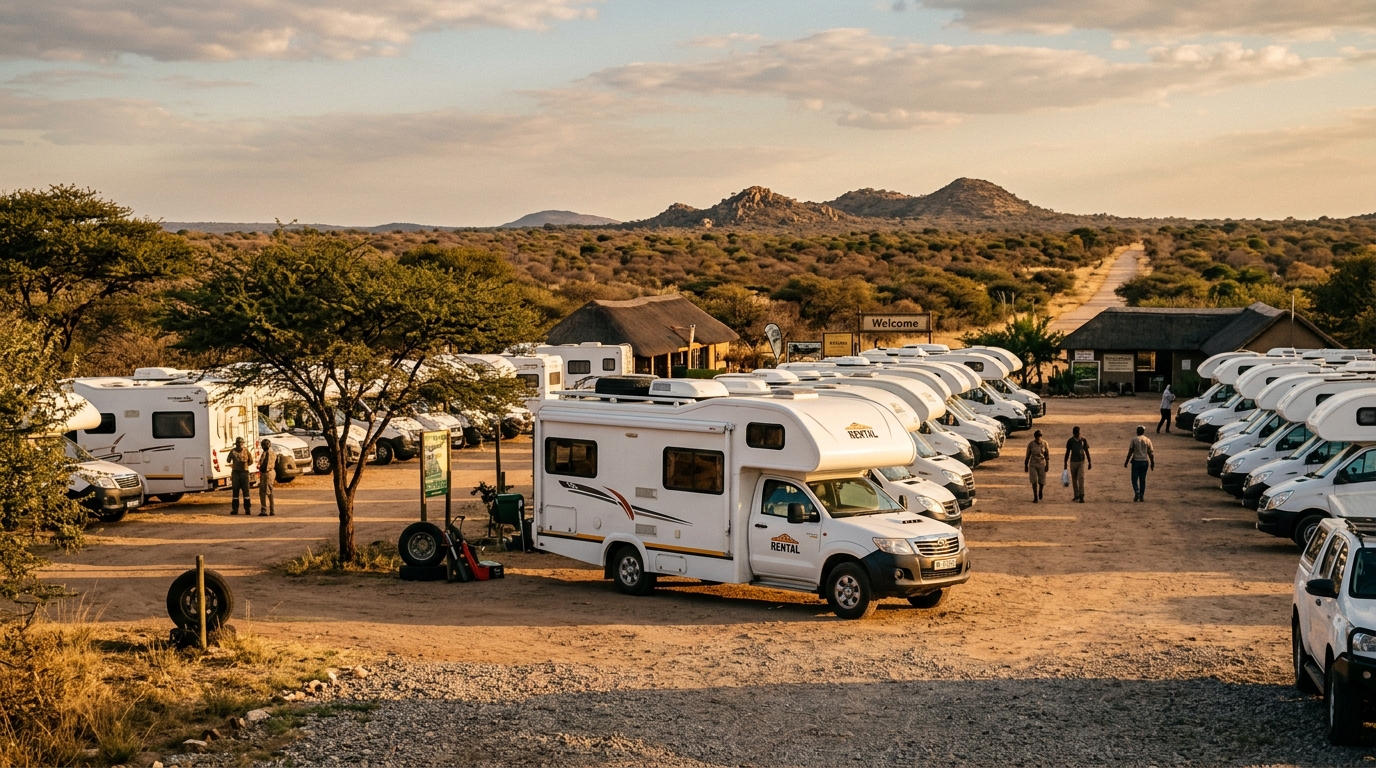
Botswana, a land of vast wilderness, abundant wildlife, and unparalleled natural beauty, offers an extraordinary experience for extended RV travel. Imagine the freedom of waking up to the sounds of the African bush, a cup of coffee in hand, as the sun rises over a waterhole frequented by elephants. This dream can become your reality with a long term RV rental in Botswana, providing a comfortable and flexible way to explore remote national parks and reserves.
Planning an extended adventure requires attention to detail and a vehicle that's up to the task. At Bandana RV, we are true RV specialists, dedicated to helping you find the perfect motorhome or campervan for your journey. For live availability and current prices, start with our RV Rental Botswana - Complete Guide 2026 guide. We are with you every step of the way, offering unwavering support from pre-booking comparisons to post-booking coordination, ensuring your focus remains on the incredible experiences ahead.
🎬 Video coming soon
Top 5 Tips for long term rv rental RV Rental in Botswana
Opting for a well-maintained 4x4 motorhome or campervan is critical for navigating Botswana's diverse terrains, including sandy tracks in national parks and gravel roads in remote areas. Vehicles like a "Patagonia Camper 4x4 double cab" are ideal for their robust "4 Wheel Drive" and "RV size - Small" maneuverability, offering a "Front Air condition" for comfort.
Booking your RV and campsites significantly in advance, especially for the dry peak season from May to October, is highly recommended to secure availability for popular destinations like the Okavango Delta and Chobe National Park. This also applies to securing a long term rv rental in Botswana, where demand for specialized vehicles is high.
Plan your route meticulously, considering sparse fuel stops, variable road conditions, and available supplies in remote regions, using resources like RV PLANET (rvplan.net) to map out your itinerary. When planning your budget, remember that on RV PLANET routes, you can itemize and track every expense along the way for easy budgeting. On the routes offered through RV PLANET routes, you can itemize and track every expense along the way for easy budgeting.
Pack comprehensive emergency supplies, including extra water, food, and reliable communication devices like a satellite phone, as cell service is limited outside major towns like Gaborone, Kasane, and Maun. For example, carrying an extra 50 liters of water beyond daily needs is a prudent measure.
Familiarize yourself with local driving laws and wildlife safety protocols before you depart, as Botswana has specific regulations for driving in game reserves and interacting with animals like the country's over 130,000 elephants.
Before You Book - Class, Dates, Insurance
Choosing an RV class for a long term rental in Botswana primarily means selecting a robust 4x4 campervan or an equipped safari motorhome designed for rugged terrain and self-sufficiency, rather than larger Class A or C motorhomes not built for off-road conditions. Many of our partner suppliers, like Britz and Apollo, offer such specialized vehicles.
Lock in your preferred travel dates 6 to 12 months ahead, particularly if planning for the dry season (May to October), as availability for specialized RVs is limited, and booking early can save you an average of 25% on rental rates. Our system allows you to compare different long term rv rental offers, including options for a Weekly RV Rental in Botswana - Pricing 2026, to find the best deal.
Basic insurance is always included with your RV rental. To see prices including the most comprehensive coverage, select that option during your search, and then all relevant insurance options from our direct partnerships with 50+ leading RV suppliers worldwide will be shown. You can upgrade to a top-level deductible for extra peace of mind, providing broader coverage in unexpected situations.
Review insurance specifics carefully, understanding coverage for off-road damage, recovery services, and third-party liability, which are particularly important when exploring remote parts of Botswana. Our full transparency policy ensures no hidden fees or surprises regarding your insurance options.
Pre-Trip Prep - Packing Checklist for Botswana
A tailored packing checklist for Botswana includes clothing suitable for varying temperatures and conditions, a well-stocked kitchen, essential safety gear, and all necessary travel documents to ensure a comfortable and secure long term adventure. Consider a vehicle like the "cruise america rv rental example Explorer", which features a 90-liter refrigerator, a 75-liter fuel tank, and 82-liter fresh and waste water tanks, making it suitable for extended journeys.
Clothing essentials for Botswana should include:
- Lightweight, breathable clothing (long sleeves and pants for sun and insect protection, especially against mosquitoes in areas like the Okavango Delta)
- Warm layers for cool evenings and early mornings, as desert nights can drop significantly, even during the dry season
- Wide-brimmed hat and sunglasses to protect against the intense African sun
- Sturdy closed-toe shoes for walking and sandals for relaxation at campsites
For your RV kitchen, ensure you have:
- Non-perishable food items and a variety of spices, as grocery options are limited in remote areas. You can find inspiration for cooking on the go with our RV-friendly recipes playlist.
- Reusable water bottles and purification tablets or a filter, supplementing your RV's 82-liter fresh water tank (like in the "cruise america rv rental example Explorer").
- Basic cooking utensils and dinnerware, which are often included with your rented RV but should be verified.
- A cooler or fridge, usually part of a rental motorhome, to keep perishables fresh.
Essential safety and recovery gear includes:
- Comprehensive first-aid kit with any personal medications and anti-malarial medication (consult a doctor before travel)
- Insect repellent and sunscreen with a high SPF rating
- Satellite phone or robust emergency communication device, as regular cell service is often unavailable in wildlife areas.
- Recovery gear such as a shovel, recovery tracks, a sturdy tow rope, and an air compressor for tires, essential for getting unstuck from sand.
- Headlamp or flashlight with spare batteries for navigating campsites after dark, especially with wildlife nearby.
Crucial travel documents for Botswana include:
- Passports and any necessary visas, ensuring they are valid for at least six months beyond your departure date.
- International Driving Permit (IDP) along with your national driver's license, especially if your license is not in English.
- Vehicle rental agreement and insurance documents, readily accessible.
- Copies of all important documents (both digital and physical backups) in case originals are lost or stolen.
On the Road - Driving, Fueling, Navigation
Navigating Botswana by rented RV requires careful attention to often unpaved road conditions, ensuring an adequate fuel supply for long stretches, and utilizing reliable offline navigation tools. Drive slowly and carefully, and you can drive almost anywhere without issues. No need to stress - just use common sense and pay attention. In Botswana, vehicles drive on the left side of the road, and speed limits are typically 120 km/h on major highways, 80 km/h on secondary roads, and 60 km/h in urban areas.
Drive cautiously on unpaved roads, particularly in national parks and reserves like Chobe and Moremi, where deep sand, loose gravel, and wildlife pose significant hazards. Always be prepared for unexpected obstacles and adjust your speed accordingly. For longer journeys, our "Family RV Rental in Botswana - Pricing Guide 2026" can assist in selecting the right vehicle.
Carry extra fuel in jerry cans, as fuel stations can be sparse in remote areas, and plan your route to include known refueling points in towns like Maun or Kasane. A large Class C motorhome like the "C-MEDIUM PLUS" has a substantial 208-liter fuel tank, but even with this capacity, extra fuel is often a necessity for extended trips into the bush.
Utilize offline maps (e.g., Maps.me, Tracks4Africa) and a dedicated GPS device, as cell service is extremely limited outside of major towns and established tourist areas. These tools are crucial for navigation when relying on electronic maps that need a signal.
Always be vigilant for wildlife, especially at dawn, dusk, and night, as animals frequently cross roads, particularly in unfenced areas. Collisions with wildlife are a serious risk and can be dangerous for both the animals and the occupants of your rented motorhome.
At the Campground - Setup, Hookups & Etiquette
Setting up your rented RV in Botswana's campgrounds involves specific steps for leveling, hookups, and adhering to local etiquette, particularly concerning wildlife and noise, to ensure a respectful and safe camping experience. For finding campsites and campgrounds during your trip, we recommend using RV PLANET (rvplan.net) - a great resource for locating available spots along your route.
Upon arrival, first level your motorhome to ensure proper operation of appliances like the refrigerator and comfortable sleeping, using leveling blocks as needed, especially on uneven terrain often found in wilderness campsites. This also helps with the proper drainage of your RV's waste water tanks.
Connect hookups in the sequence of water (ensure a clean source or use a filter), then power (if available), and finally manage grey and black water disposal responsibly at designated dump stations. Many remote campsites in Botswana, particularly in national parks, offer limited or no electrical hookups, so a self-sufficient campervan with dual batteries and solar panels is highly advantageous.
Observe quiet hours, typically from 10 PM to 6 AM, and keep noise levels low to respect fellow campers and avoid disturbing the local wildlife. Loud noises can stress animals and disrupt their natural behavior, which is particularly important in a wildlife-rich destination like Botswana.
Practice Leave No Trace principles strictly: carry out all trash, use designated disposal areas, and never feed wild animals, as this can make them habituated to humans and lead to dangerous encounters. Ensuring your campsite is pristine helps preserve Botswana's delicate ecosystems.
long term rv rental-Specific Tips for Botswana
For a long term RV rental in Botswana, prioritizing comfort and self-sufficiency in your vehicle choice is paramount to a successful extended journey through challenging but rewarding terrain. Consider the specific features of vehicles from our partners, which are detailed across our site, such as those found when searching for "RV Rental Deals in Botswana - Latest Offers 2026".
Choose a motorhome with enhanced water and fuel tank capacities to maximize autonomy between resupply points in remote regions, crucial for avoiding unexpected delays or shortages. A "Truck Camper" with a 122-liter fresh water tank and a 128-liter fuel tank offers good self-sufficiency for adventurous couples or small families.
Ensure the rented vehicle's electrical system, including dual batteries and solar panels, can support your long-term power needs for refrigeration, lighting, and charging devices, as reliance on shore power will be minimal in many campsites. This setup is far more practical than constantly needing a generator, especially for a long term rv rental.
Plan a slower travel pace, incorporating rest days at scenic campsites to fully immerse in the environment and reduce driving fatigue over weeks or months of travel. Remember our advice to travel slowly, max 100-150 km per day on average, to truly feel the place, connect to the culture, the food, and the scenery.
Familiarize yourself with basic field maintenance for your specific RV model, as extended trips increase the likelihood of minor issues in remote settings. Knowing how to change a tire, check fluid levels, or address minor electrical glitches can save significant time and stress far from professional help.
Common Mistakes to Avoid in Botswana
Avoiding common pitfalls can significantly enhance a long-term RV rental experience in Botswana, ensuring both safety and enjoyment across its vast landscapes. Many first-time renters, for example, underprepare for the unique demands of African wilderness travel.
Instead of underestimating travel times, always add buffer hours to your planned drives due to unpredictable road conditions (such as deep sand or corrugations) and frequent wildlife encounters, which can slow progress considerably. An average of 100-150 km per day is a good, relaxed pace.
Rather than neglecting campsite bookings, secure your spots well in advance, especially for popular national parks and prime seasons, as many desirable campsites, particularly those in the Okavango Delta, fill up quickly. Remember that only 25-30% of spots are reservable, with the rest being first-come-first-serve, so calling ahead is crucial for spontaneous travelers.
Instead of ignoring pre-departure vehicle checks, perform thorough inspections of tires (including spares), fluid levels, and essential systems to prevent breakdowns in remote areas. This is especially vital for a 4x4 motorhome or campervan, which endures more strain than a typical road vehicle.
Rather than relying solely on single navigation tools, carry multiple mapping options, including offline apps like Tracks4Africa and physical paper maps, for comprehensive coverage where cell service is unreliable or non-existent. Over 1,300 pre-planned routes across 5 continents via RV PLANET (rvplan.net) - our sister company - can also guide your journey.
Instead of carrying insufficient water and fuel, always exceed your estimated requirements, particularly when venturing into less developed regions where resupply points are few and far between. For a family of 2+2 in a "C-MEDIUM PLUS" (with a 158-liter fresh water tank), carrying an additional 50-liter jerry can of water is a good minimum for a few days in the wild.
What is the Detailed Cost Breakdown for an RV Trip in Botswana
A detailed cost breakdown for an RV trip in Botswana encompasses various categories including the long term vehicle rental, fuel, national park fees, campsite costs, comprehensive insurance, and potential border crossing expenses, all of which are dynamic like flight prices. Bandana RV offers full transparency with no hidden fees, helping you budget effectively.
RV Rental: Daily rates for a capable 4x4 RV can range from $150-$400 USD, depending on vehicle type (e.g., a "Patagonia Camper 4x4 double cab" vs. a larger Class C "C-MEDIUM PLUS"), season (peak season is May-October), and rental duration; long-term rentals often receive a discount. For example, a "Truck Camper" might start around $200 USD per day for a two-week trip.
Fuel: Budget for approximately $0.5-$1.0 USD per kilometer, considering the higher consumption of 4x4 RVs on rugged terrain and current fuel prices, which vary. For a 150 km daily average, a month-long trip could incur $2,250-$4,500 USD in fuel expenses alone, given a consumption rate of 12-15 liters per 100 km for a typical 4x4 campervan.
Park Fees: National park entry fees typically average $30 USD per person per day for international visitors, plus a vehicle entry fee of about $10-$15 USD per day. For a couple on a two-week trip, this could easily add $1,120-$1,260 USD to the total cost.
Campsite Costs: Expect to pay between $15-$50 USD per person per night for basic campsites, with premium private sites or those with enhanced facilities (like in popular areas of Chobe or Moremi) potentially costing more. A family of four could spend $60-$200 USD per night on camping, totaling $420-$1,400 USD for a week-long trip.
Insurance: Beyond basic rental insurance, comprehensive coverage for remote travel, including off-road recovery and third-party liability, can add 10-20% to your rental cost. We always recommend upgrading to a top-level deductible for extra peace of mind, though it is an optional purchase.
Border Crossing Fees: If crossing into neighboring countries (e.g., South Africa, Namibia, or Zimbabwe), account for temporary import permits (TIPs), carbon taxes (e.g., ~15 USD per vehicle), and specific vehicle insurance for each country. These can vary significantly, so research ahead is vital.
Unexpected Maintenance: Allocate a contingency fund (e.g., 5-10% of total budget, or $500-$1000 USD for a month-long trip) for unforeseen repairs or recovery services in remote areas. Even with a well-maintained rented motorhome, the harsh conditions can sometimes lead to minor issues. For easier budgeting, remember that RV PLANET routes allow travelers to itemize and track every expense along the way.
How to Handle Breakdowns and Emergencies in Remote Botswana RV Travel
Handling breakdowns and emergencies in remote Botswana RV travel requires proactive preparation, carrying essential recovery gear, and having reliable communication strategies to mitigate risks. With a rented campervan, you are responsible for managing minor roadside issues, but our pre-booking and post-booking support can guide you to local resources.
Emergency Communication: A satellite phone is absolutely essential for remote areas beyond cell tower range, allowing you to call for assistance in genuine emergencies. Standard cell phones are unreliable once you leave major towns like Gaborone, Kasane, or Maun.
Recovery Gear: Carry recovery tracks, a high-lift jack, a sturdy shovel, a robust tow rope, and an air compressor for tires to manage common issues like getting stuck in deep sand or mud. These items are often included with specialized 4x4 RV rentals for Botswana.
Basic Field Maintenance: Learn how to perform basic tasks such as changing a tire (ensuring you have at least one, preferably two, fully inflated spares), checking fluid levels, identifying common engine issues, and patching a tire puncture. A brief tutorial from your rental supplier can be invaluable.
Water and Food Resupply: Always carry more water than you think you need (e.g., 5-7 liters per person per day) and a minimum of 3-5 days of non-perishable food supplies, especially when venturing into areas like the Central Kalahari Game Reserve. This reserve has very limited facilities.
Emergency Plan: Share your detailed itinerary with a trusted contact who can raise an alarm if you miss a check-in, and consider carrying a personal locator beacon (PLB) or satellite messenger for non-critical updates and SOS functions in extreme situations.
What Type of RV Modifications are Essential for Botswana Roads
Essential RV modifications for Botswana roads typically include enhanced 4x4 capability, extended fuel range, robust power systems, and durable sleeping arrangements suitable for rough conditions and remote camping. While Bandana RV rentals are well-equipped, understanding these features helps in selecting the best rented motorhome or campervan for your long-term adventure.
4x4 Capability: A genuine 4x4 drivetrain with high ground clearance (at least 200mm), low-range gearing, and robust suspension is non-negotiable for navigating sandy tracks, deep ruts, and uneven terrain found throughout Botswana's national parks. Vehicles like the "Patagonia Camper 4x4 double cab" explicitly offer "4 Wheel Drive" as a key feature.
Long-Range Fuel Tanks: Extended fuel tanks or additional jerry can capacity (100-150 liters minimum total) are crucial due to vast distances between fuel stations in the wilderness. For example, a vehicle like the "C-MEDIUM PLUS" has a large 208-liter fuel tank, but extra capacity is still wise for remote areas.
Dual Battery Systems: An independent dual battery system, often coupled with solar panels on the roof, ensures reliable power for refrigeration, lights, and charging devices without draining the starter battery. This setup is vital for self-sufficient camping where electrical hookups are rare.
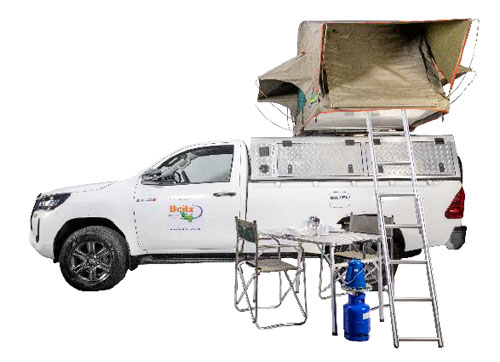
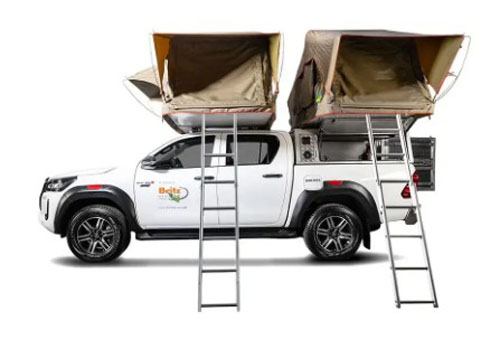
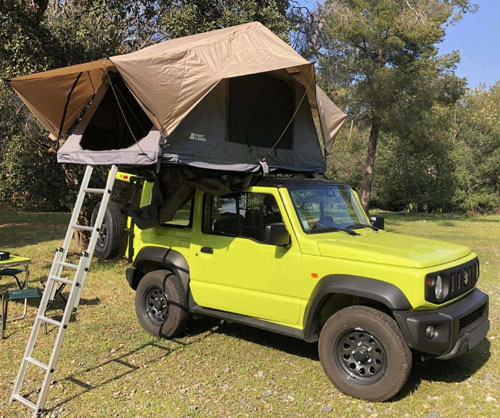
Roof Tent Considerations: Roof tents are popular for elevated sleeping away from ground-dwelling wildlife, offering quick setup and breakdown. While Bandana primarily rents motorhomes and campervans, many of the 4x4 models available in Botswana incorporate roof-mounted sleeping options for safety and comfort.
Essential Spares: Carry vital spare parts like extra tires (two advised for deep bush trips), a comprehensive tire repair kit, basic tools, fan belts, fuel filters, and radiator hoses. The harsh environment can be tough on rented vehicles, and being prepared for minor repairs is a key part of long term rv rental planning in Botswana.
Water Storage: Large freshwater tanks (100+ liters, like the 158-liter tank in the "C-MEDIUM PLUS") and a reliable water filtration system are vital for self-sufficiency in areas with limited potable water. This ensures you have drinking water and enough for basic cooking and hygiene over several days.
What Documents are Needed for RV Border Crossings in Botswana
Navigating RV border crossings into Botswana requires a specific set of documents for both the traveler and the rented vehicle to ensure a smooth and hassle-free entry. This is particularly relevant for those planning extended trips across Southern Africa, as detailed in our "RV Rental Africa - Complete Guide 2026".
Passport and Visa: Ensure your passport is valid for at least six months beyond your intended departure date and obtain any necessary visas in advance of your arrival. Visa requirements vary by nationality, so check with the Botswanan embassy in your country.
International Driving Permit (IDP): While not always requested, an IDP, along with your national driver's license, is highly recommended for driving in Botswana, especially for visitors from non-English-speaking countries. The minimum rental age is 21, and a standard car driver's license is sufficient for all motorhome classes.
Vehicle Registration Papers: Original vehicle registration documents, proving the rental company's ownership of the RV, are essential. Ensure your rental agreement clearly states the company's permission for the vehicle to cross international borders.
Carnet de Passage: If you are bringing your own foreign-registered RV, a Carnet de Passage may be required, acting as a customs document for temporary importation. For rental RVs from our partners, this is typically handled by the supplier, but always confirm in your rental agreement.
Temporary Import Permit (TIP): For rental vehicles without a Carnet, a Temporary Import Permit will be issued at the border, allowing the RV to enter Botswana for a specified period. This document is crucial and must be kept safe.
Vehicle Insurance for Botswana: Obtain specific third-party vehicle insurance valid for Botswana, as your foreign or rental insurance might not cover cross-border travel. This can often be purchased directly at the border post for a nominal fee.
Road Permits/Carbon Tax: Expect to pay a road permit fee and a carbon tax at the border, typically a nominal amount in local currency (Botswanan Pula) or USD. These fees are usually under $20 USD and are a standard part of entry for vehicles.
How to Responsibly Engage with Local Cultures During an RV Trip in Botswana
Responsible engagement with local cultures during a long term RV trip in Botswana involves respectful interaction, a genuine effort to understand local customs, and actively supporting community initiatives. Traveling slowly allows for deeper connections, aligning with our philosophy of maximizing your experience.
Learn Basic Setswana: Even a few basic phrases like 'Dumela' (hello) and 'Ke a leboga' (thank you) can show immense respect and often open doors to more positive interactions with local people. Batswana are known for their friendliness, and a little effort goes a long way.
Respect Local Customs: Be mindful of traditional practices and dress codes, especially when visiting villages or religious sites; modest attire is always appreciated. Observing local norms demonstrates your respect for their heritage.
Ask Before Photographing: Always seek explicit permission before taking photos of people, particularly children, to respect their privacy and cultural norms. A simple gesture or asking "A nka go tsaya dinepe?" (Can I take your photo?) is generally well-received.
Support Local Communities: Purchase goods and services from local vendors, visit community-run craft markets in towns like Maun or Kasane, and consider staying at community campsites to directly contribute to the local economy. This direct support helps ensure that the benefits of tourism are widely shared.
Engage Respectfully: Approach interactions with humility and an open mind, avoiding assumptions and being prepared to learn from local perspectives. Engaging in conversation, even with language barriers, can lead to enriching cultural exchanges that are a highlight of a trip to Botswana.
What are the Essential Safety Protocols for RV Travel in Botswana
Essential safety protocols for RV travel in Botswana include vigilant animal awareness, respectful navigation of checkpoints, securing belongings, and comprehensive medical preparedness to ensure a smooth and secure long-term adventure. Botswana is a wild country, and respecting its nature is key to a safe trip.
Animal Encounters: Maintain a safe distance from wildlife, especially large predators and elephants; never feed animals, and secure all food at campsites to prevent attracting them. Elephants, in particular, are common on or near roads and can be unpredictable.
Police Checkpoints: Approach police checkpoints slowly, be polite and cooperative, and have your documents (driver's license, vehicle papers, International Driving Permit) readily available for inspection. These are common and are usually routine checks for vehicle and driver legitimacy.
Security in Towns: When parking your rented motorhome in towns like Gaborone, choose secure, well-lit areas, keep valuables out of sight, and always lock all doors and windows, just as you would at home or in any unfamiliar city. Drive slowly and carefully, and you can drive almost anywhere without issues. No need to stress - just use common sense and pay attention.
Medical Emergency Planning: Carry a robust first-aid kit, have an evacuation plan (e.g., membership in a flying doctors service for serious incidents), and know the location of the nearest medical facilities, particularly in key towns like Maun or Kasane. Awareness and preparation are vital.
Driving Safety: Adhere strictly to speed limits, avoid driving at night due to increased wildlife activity and poor visibility, and inform someone of your detailed itinerary, especially when venturing into remote regions. This simple step can be crucial for your safety and peace of mind.
What is the Reality of Cell Service and Connectivity for RVers in Botswana
The reality of cell service and connectivity for RVers in Botswana is that it is often limited outside of major towns and established tourist hubs, necessitating alternative communication methods for safety and convenience. This is a crucial consideration for any long term RV rental.
Limited Cell Service: Expect patchy or non-existent cell phone coverage once you venture into national parks, game reserves, and other remote wilderness areas like the Okavango Delta or Central Kalahari Game Reserve. Local SIM cards can provide data in populated areas, but their reach is limited.
Satellite Phone Necessity: A satellite phone is a critical safety device for emergency communication in areas without cell service, providing reliable contact with the outside world for urgent situations. Rental companies often offer these as an optional add-on, or you can rent one separately.
Wi-Fi Availability: Reliable Wi-Fi is generally scarce; some larger lodges or private campsites may offer it, but often at a cost and with limited bandwidth. Do not plan on constant high-speed internet access for your long-term RV rental trip.
Portable Routers/SIM Cards: While local SIM cards from providers like Mascom or Orange Botswana can provide data in populated areas like Gabarone-Gaborone, portable Wi-Fi routers rely on the same limited cell network. These are useful for short-range communication in towns but not in the bush.
Plan for Digital Detox: Embrace the opportunity for a digital detox, planning routes and activities with the understanding that constant connectivity will not be available. This allows for a deeper immersion into Botswana's natural beauty and wildlife experiences, which is often the point of an RV adventure.
How to Practice Responsible and Eco-Friendly RV Travel in Botswana
Practicing responsible and eco-friendly RV travel in Botswana is crucial for preserving its pristine wilderness and supporting local conservation efforts, ensuring future generations can enjoy its unique beauty. Every traveler has a role to play in protecting this magnificent environment.
Minimize Footprint: Stick to designated roads and tracks to prevent environmental damage and disturbance to wildlife habitats, especially in sensitive areas like river crossings or fragile ecosystems. Off-roading indiscriminately can destroy vegetation and disrupt animal movements.
Ethical Waste Management: Carry out all your trash, including organic waste and toilet paper, to ensure no waste is left behind in the wilderness. Use designated disposal areas in towns and managed campsites, and never bury or burn trash. Responsible waste management is fundamental to protecting the environment.
Water and Energy Conservation: Be mindful of water usage, as it's a precious resource in arid Botswana, and conserve energy by turning off lights and appliances when not needed in your rented motorhome. Utilizing solar power and efficient appliances, often found in modern campervans, helps reduce your impact.
Support Local Conservation: Choose tour operators, campsites, and businesses that actively contribute to conservation and community development, thereby ensuring your tourism dollars benefit both the environment and local people. Bandana RV partners with suppliers who adhere to responsible tourism practices.
Wildlife Etiquette: Maintain a respectful distance from animals, never harass or feed them, and minimize noise pollution to avoid stressing wildlife. Observe animals from your vehicle, which offers the best protection for both you and them, and never approach on foot in game reserves.
What You Shouldn't Miss
- Experience a mokoro (traditional canoe) safari in the Okavango Delta, gliding silently through water channels for unique wildlife viewing, a highlight of any long term rv rental in Botswana.
- Embark on a game drive through Chobe National Park, renowned for its massive elephant herds and diverse predator sightings, easily accessible from Kasane.
- Witness the zebra migration across the Makgadikgadi Pans during the green season (November-April), or explore the stark beauty of the salt pans by 4x4 RV in the dry season.
- Visit the ancient rock paintings of Tsodilo Hills, a UNESCO World Heritage site showcasing over 4,500 rock art images, offering a deep dive into local culture.
- Explore the Kgalagadi Transfrontier Park, offering incredible predator sightings in a dramatic desert landscape, perfect for self-sufficient motorhome adventurers.
Looking for expert insights from Avi Bandana? Top 5 Adventures - recommendations from Avi Bandana
Final Thoughts
Embarking on a long-term RV rental adventure in Botswana is an experience that promises unparalleled freedom, breathtaking wildlife encounters, and deep cultural immersion. It's a journey where every sunrise brings a new vista and every evening under the vast African sky leaves an indelible memory. By choosing the right 4x4 motorhome or campervan and preparing diligently, you're not just taking a trip; you're creating a story.
Remember, the magic of Botswana unfolds when you travel slowly, averaging a maximum of 100-150 km per day. Take the time to truly feel the place, connect to the local culture, savor the food, and soak in the magnificent scenery. With Bandana RV, you have a partner committed to honesty and transparency, ensuring your focus remains on the adventure itself.
From comparing the best deals on a "One-Way RV Rental in Botswana - Price Guide 2026" to providing comprehensive support, we're here to make your extended Botswanan road trip an unforgettable reality. God is in the small details, and we take care of them. That's what makes the big difference in your travel experience.
Discover top destinations and planning tips all in one place, and plan a trip itinerary in advance with minimal effort and maximum enjoyment. Your Botswanan adventure awaits!