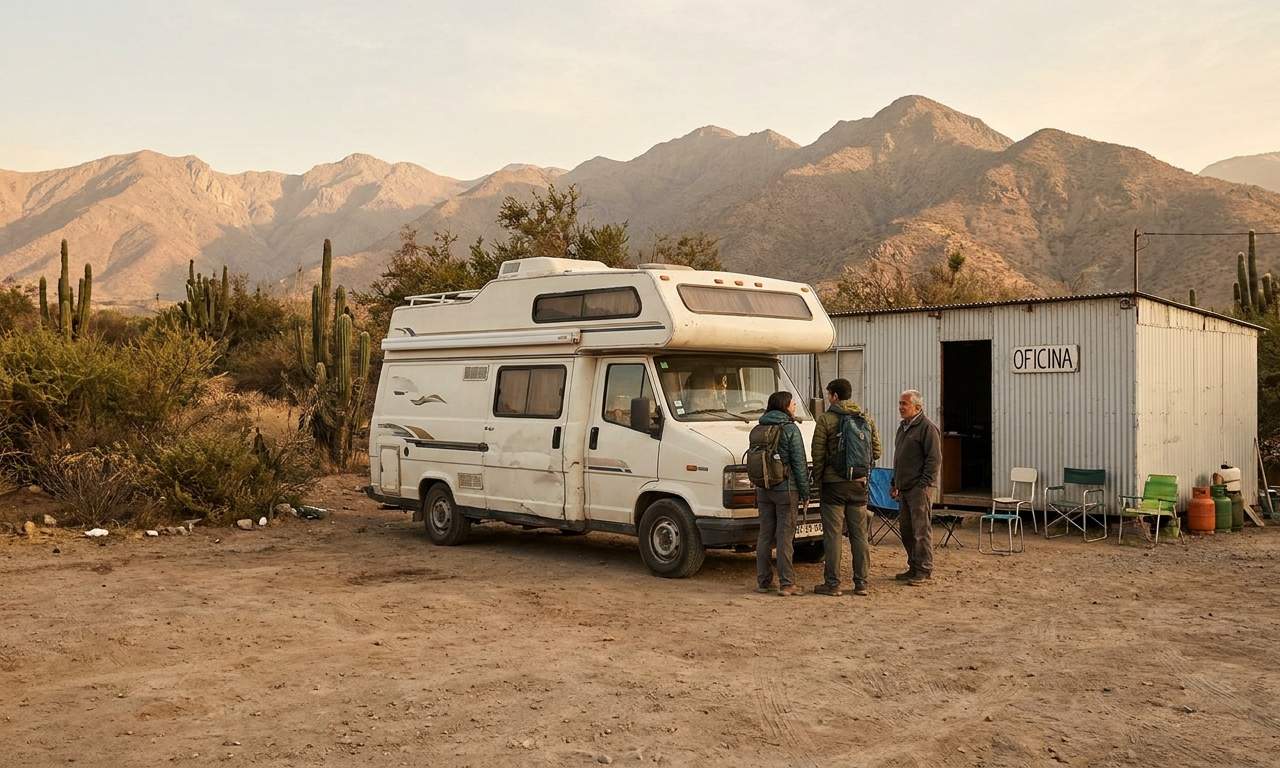
For live availability and current prices, start with our RV Rental Santiago - Complete Guide 2026 guide.
In This Guide
- What long term rv rental RV Rental Costs in Santiago (2026)
- Seasonal Pricing — Peak vs. Shoulder vs. Off-Season in Santiago
- What's Included vs. What's an Add-On
- Hidden Costs to Budget For in Santiago
- How to Save on long term rv rental RV Rental in Santiago
- What are the legal requirements for international RV travelers in Chile?
- When is the best time to RV travel in Chile, considering seasons and weather?
- What is the total cost breakdown for RV travel in Chile?
- What are RV safety guidelines for driving in Chile, including mountain and city navigation?
- Where can I find RV amenities and services like propane and dump stations in Chile?
- How can I stay connected while RVing in Chile (cell service, Wi-Fi)?
- What are responsible tourism practices for RVers in Chile?
What long term rv rental RV Rental Costs in Santiago (2026)
April is typically the cheapest month for RV rental in Santiago, offering more budget-friendly options for longer durations.
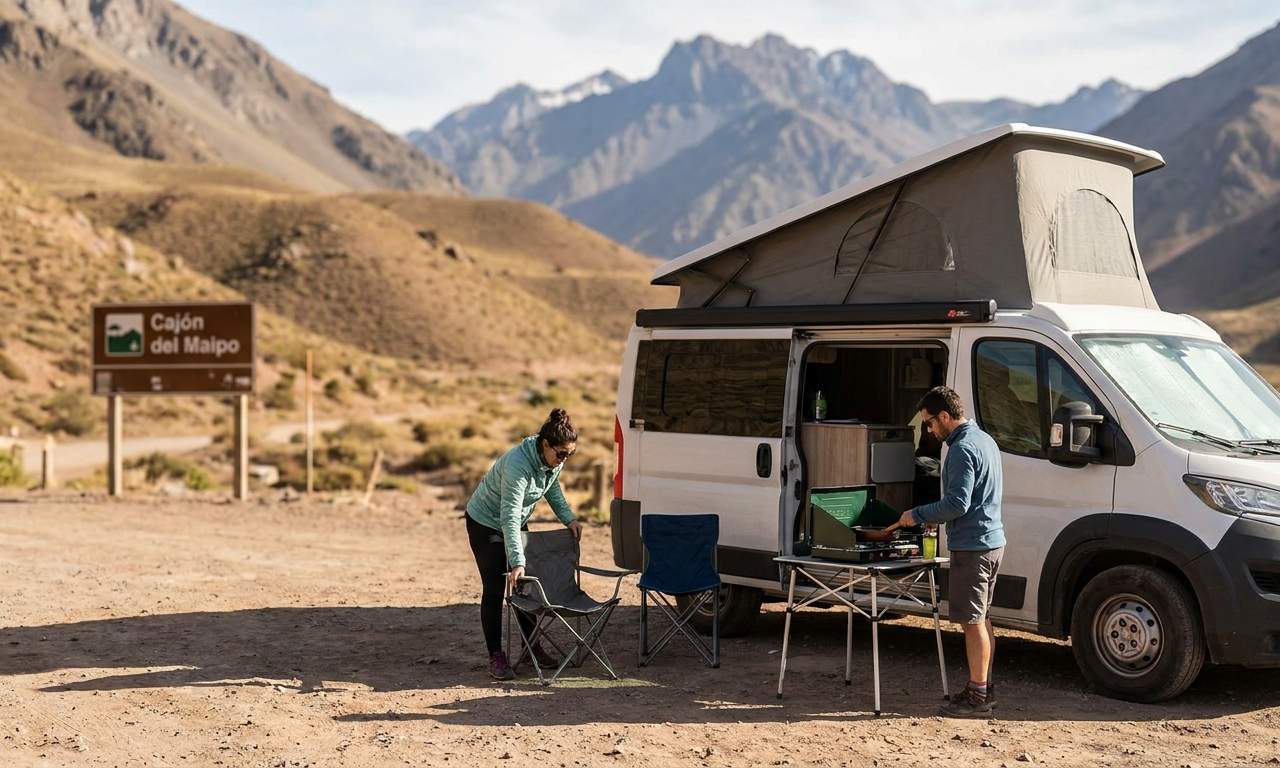
RV rental prices are flex-rate and change daily based on demand and availability. For the most up-to-date live pricing, please check the search box at the top of the page.
Seasonal Pricing — Peak vs. Shoulder vs. Off-Season in Santiago
RV rental prices in Santiago fluctuate significantly throughout the year, with July and August representing peak season and April typically offering the lowest rates.
Peak Season (July–August): This period, often aligning with winter holidays in Chile, sees the highest demand and consequently the highest rental prices. In peak season, prices change significantly day-to-day — always check specific dates well in advance, as availability can also be limited.
Shoulder Season (March–June, September–November): These months offer a good balance for RV travelers. The weather is generally pleasant, crowds are smaller than peak season, and rental prices are more moderate. It's an excellent time to find value without sacrificing ideal travel conditions.
Off-Season (December–February, with April being a key month): While December to February (southern hemisphere summer) can still be popular for certain routes, April stands out as an anchor for the lowest prices and best availability in Santiago. Generally, the off-season provides the most budget-friendly options, though weather can be more variable.
What's Included vs. What's an Add-On
Most RV rentals in Santiago include basic insurance and essential vehicle components, while items like comprehensive insurance tiers, additional mileage, kitchen kits, and bedding are often available as add-ons, varying by rental station and specific RV. For ideas you can prep on the road, watch our RV-friendly recipes playlist on YouTube.
Generally, your rental will cover the vehicle itself, basic insurance, and mandatory safety equipment. However, many common items and services are typically offered as optional add-ons.
These can include upgraded insurance tiers for more comprehensive coverage or reduced deductibles, additional mileage packages beyond a standard allowance, generator usage fees, kitchen utensil kits, and bedding or linen sets. It’s important to stress that this varies by RV and rental station, so users should verify per booking. Insider tip: Basic insurance is always included. To see prices including the most comprehensive coverage, select that option during search — then all relevant insurance options will be shown. Some platforms, like rent-motorhome, also offer comparison toggles for items like kitchen utensils, tableware, and bedding.
Want to check exactly what's included? Click here.
Hidden Costs to Budget For in Santiago
Beyond the rental fee, travelers to Santiago should budget for tolls, campsite fees, fuel, and potential dump-station charges, although some rent-motorhome options offer ways to mitigate these. On the routes offered through RV PLANET routes, you can itemize and track every expense along the way for easy budgeting.
Tolls: Santiago and the major Chilean highways feature numerous tolls. These can add up quickly over a long-term trip. It’s worth asking your rental provider about options; some RVs let you pre-purchase toll-road usage to avoid surprise charges and fines.
Campsite Fees: While wild camping is an option in some remote areas, most RVers will utilize organized campgrounds, which come with daily fees. These vary based on amenities and location. rent-motorhome often highlights RVs that include campground discount cards to help save.
Fuel: Given Chile's vast distances, fuel will be a significant ongoing expense for any long-term RV trip. Fuel prices can vary by region. Inquire if your rental includes fuel discount cards.
Dump Station Charges: While many campgrounds include dump station access, some private facilities or dedicated service points may charge a small fee for disposing of grey and black water. These are all things to ask about at pickup to ensure a smooth journey.
How to Save on long term rv rental RV Rental in Santiago
To reduce the cost of a long-term RV rental in Santiago, consider booking during the shoulder season, opting for longer rental durations, and taking advantage of available discount programs.
Book in Shoulder Season: Traveling during the months just outside of peak tourist times (e.g., March-June, September-November) can significantly lower your daily rental rate compared to high season.
Pre-Pay Tolls and Use Discount Cards: Inquire with your rental provider about options to pre-purchase toll usage or obtain discount cards for campgrounds and fuel, which can lead to substantial savings over a long trip.
Choose a Smaller RV Class: If your group size allows, opting for a Class B or C RV instead of a larger Class A can result in both lower rental fees and better fuel efficiency, making your long-term trip more economical.
Book Longer Durations: Generally, the daily rental rate decreases as the length of your rental increases. Committing to a longer trip can unlock better value per day.
Monitor Flex-Rate Drops: RV rental prices are dynamic. If your travel dates are flexible, periodically check prices as they can fluctuate due to demand, sometimes offering unexpected deals.
What are the legal requirements for international RV travelers in Chile?
International travelers renting an RV in Chile typically need a valid driver's license from their home country and an International Driver's Permit (IDP) to legally operate the vehicle, along with awareness of specific border crossing and wild camping regulations.
To legally drive an RV in Chile as an international visitor, you must carry your valid national driver's license, alongside an International Driver's Permit (IDP). The IDP serves as a translation of your license and is a mandatory requirement for many rental companies and for legal compliance in Chile. For those planning to cross international borders into neighboring countries like Argentina with a rental RV, specific written permission from the rental company is absolutely crucial, along with a special document called a 'permiso de salida temporal' for the vehicle. Lastly, while wild camping is a common practice for RVers in Chile, it's vital to understand local regulations; it is generally prohibited in national parks and on private land without explicit permission, emphasizing the need to practice 'leave no trace' principles wherever you stop.
When is the best time to RV travel in Chile, considering seasons and weather?
The best time for RV travel in Chile largely depends on the region you plan to visit, with shoulder seasons (spring: September-November; autumn: March-May) often offering a balance of good weather, fewer crowds, and more favorable pricing, while January and February are peak for Patagonia.
Chile's immense north-south length results in diverse climates, making timing crucial for an RV trip. For Central Chile (including Santiago and wine regions), spring (September-November) and autumn (March-May) are ideal, offering pleasant temperatures and lush landscapes. Summer (December-February) can be very hot, while winter (June-August) is mild but rainy. In the Atacama Desert in the north, conditions are generally stable and dry year-round, but spring and autumn provide milder daytime temperatures. For Southern Chile and Patagonia, summer (December-February) is the most popular time, characterized by warmer weather, longer daylight hours, and accessible roads, though it's also the busiest and windiest period with higher prices. Shoulder seasons (late spring, early autumn) can also be rewarding for the south, with fewer crowds but more unpredictable weather. Always consider potential road conditions, especially snow in the Andes during winter months.
What is the total cost breakdown for RV travel in Chile?
The total cost for RV travel in Chile extends beyond the long-term rental fee, encompassing significant expenses for fuel, campsite fees, road tolls, food, activities, and potential add-ons or unforeseen maintenance.
While the long-term rental fee forms the base, several other categories contribute significantly to your overall budget. Fuel is often the largest variable cost, particularly when covering Chile's vast distances; diesel is generally more common and potentially cheaper than gasoline. Campsite fees vary widely, from basic municipal sites to full-service private campgrounds, while road tolls are prevalent on major highways. Beyond vehicle-related costs, factor in food and groceries, which can be managed economically by cooking in your RV, and activities and tours, including national park entry fees or specialized excursions. Don't forget propane for cooking and heating, along with a contingency fund for any unforeseen expenses like minor repairs or emergency supplies.
What are RV safety guidelines for driving in Chile, including mountain and city navigation?
Driving an RV in Chile requires specific safety considerations, including awareness of road conditions, safe parking practices, and careful navigation, particularly in mountainous terrain and congested city environments like Santiago.
When tackling mountain driving in Chile, it's crucial to be mindful of steep grades, tight curves, and potential weather changes. Utilize engine braking to control your speed on descents, always shift into lower gears when climbing or descending, and check road conditions, especially for snow or ice in higher elevations during cooler months. For city navigation in Santiago, expect heavy traffic, narrow streets, and complex one-way systems; using GPS applications that allow for RV dimensions (height and weight) can be extremely helpful. Always plan your route to avoid overly congested areas or streets with height restrictions. Parking security is paramount; opt for secure, monitored campsites or designated parking areas whenever possible, and avoid leaving valuables visible inside your RV. Additionally, perform routine vehicle checks before departing each day, focusing on tire pressure, fluid levels, and lights, and generally try to avoid night driving, especially on unfamiliar or rural roads.
Where can I find RV amenities and services like propane and dump stations in Chile?
RV travelers in Chile can typically find propane refills at gas stations or dedicated propane distributors, while dump stations for grey and black water are usually available at campgrounds, specific service stations, or designated municipal points.
For propane (Gas Licuado), you'll find it readily available at larger gas stations such as Copec, Shell, and Petrobras, or at specialized propane distribution depots, particularly in and around major towns and cities. It's wise to carry any necessary adapters, though rental RVs usually have standard connections. Dump stations for emptying grey and black water tanks are most commonly found at organized campgrounds (locally known as 'campings'). Some larger service stations or even certain municipal areas in tourist towns may also offer these facilities, but planning your route to include campground stops is generally the most reliable approach. Potable water refills are usually available at these same campgrounds. For repair shops, major urban centers like Santiago have numerous general mechanics who can handle common vehicle issues; specialized RV repair shops are less prevalent, so keep your rental company's emergency contact handy for guidance.
How can I stay connected while RVing in Chile (cell service, Wi-Fi)?
Staying connected while RVing in Chile is achievable through purchasing a local SIM card for reliable cell service in populated areas, utilizing campground Wi-Fi, or considering a portable Wi-Fi device for more consistent internet access.
The most effective way to stay connected is to purchase a local SIM card upon arrival, with major providers including Movistar, Entel, and Claro. These offer good cell service and mobile data coverage in cities and along major highways, though connectivity can become spotty in very remote or mountainous regions. Many organized campgrounds across Chile also provide Wi-Fi access, which can be convenient for checking emails or light browsing, though speeds and reliability vary significantly. For more consistent internet, especially if you plan to frequently move between areas, a portable Wi-Fi device (MiFi) can be a good option; these can often be rented or purchased, providing a personal hotspot whenever you are within cell tower range. Regardless of your connectivity plan, it is highly recommended to download offline maps for your intended routes, as relying solely on live navigation can be risky in areas with no service.
What are responsible tourism practices for RVers in Chile?
Responsible RV tourism in Chile involves adhering to 'leave no trace' principles, respecting local communities and wildlife, properly disposing of waste, and minimizing environmental impact throughout your journey.
Central to responsible RV travel is the principle of 'leave no trace.' This means packing out everything you pack in, ensuring no trash or personal items are left behind. Crucially, proper waste disposal for grey and black water must be done at designated dump stations, typically found at campgrounds, and never directly into rivers, lakes, or on the ground. When wild camping or stopping near populated areas, be mindful of local communities by minimizing noise, respecting privacy, and whenever possible, supporting local economies by purchasing goods and services. Protecting wildlife and the environment involves maintaining a respectful distance from animals, staying on marked roads and trails to avoid disturbing delicate ecosystems, and being vigilant about fire safety, especially during dry seasons. Conserving water and energy, understanding that RV resources are finite, also contributes significantly to a sustainable journey.
What You Shouldn't Miss
- Drive the 'Caracoles' Pass: Experience the thrill of navigating the iconic 29 hairpin turns of the Paso Los Libertadores on your way to Argentina.
- Explore the Pan-American Highway (Ruta 5): Use this central artery to discover the diverse landscapes of Chile, from the arid north to the glacial south.
- Experience the Diverse Climates: Plan your itinerary to include the contrasting regions of Chile – from the desert north to the Patagonia in the south.
- Utilize TAG for Tolls: Ensure you understand and utilize the electronic toll system (TAG) for seamless travel on Chilean highways around Santiago.
Final Thoughts
Renting an RV for a long-term adventure in Santiago opens up a unique way to experience Chile’s diverse landscapes and vibrant culture. By understanding the costs, seasonal variations, and practicalities, you can plan a trip that is both memorable and budget-friendly.
Remember to book in advance, especially if traveling during peak seasons, and always check the specific inclusions of your rental. With the freedom of an RV, you can craft an itinerary that perfectly suits your pace and interests, from the bustling city to the serene natural beauty that Chile offers.
Find Motorhome Rentals in Santiago