For live availability and current prices, start with our RV Rental West Europe - Complete Guide 2026 guide.
In This Guide
- The 5 RV Families Compared for West Europe
- Class A (Integrated) - Best For
- Price Comparison by RV Class in West Europe
- Class SI (Semi-Integrated) - Best For
- Class C (Alcove) - Best For
- Class B (Campervan) - Best For
- Class TC (Truck Camper) - Best For
- Side-by-Side Comparison Table
- Our Recommendation for long term rv rental Travelers in West Europe
- How much does it cost to rent an RV in Europe long term
- What is the cheapest way to RV in Europe long term
- What are the rules for RVing in Europe
- What is the maximum length of an RV in Europe
- How long can you stay in an RV in Europe
- Is it worth buying an RV for Europe
- Is it cheaper to rent or buy an RV in Europe
- Where can I park my RV long term in Europe
- How much does it cost to fill up an RV in Europe
- Is it easy to wild camp in Europe
- What You Shouldn't Miss
- Why Book with Bandana Caravan
- Final Thoughts
- Frequently Asked Questions
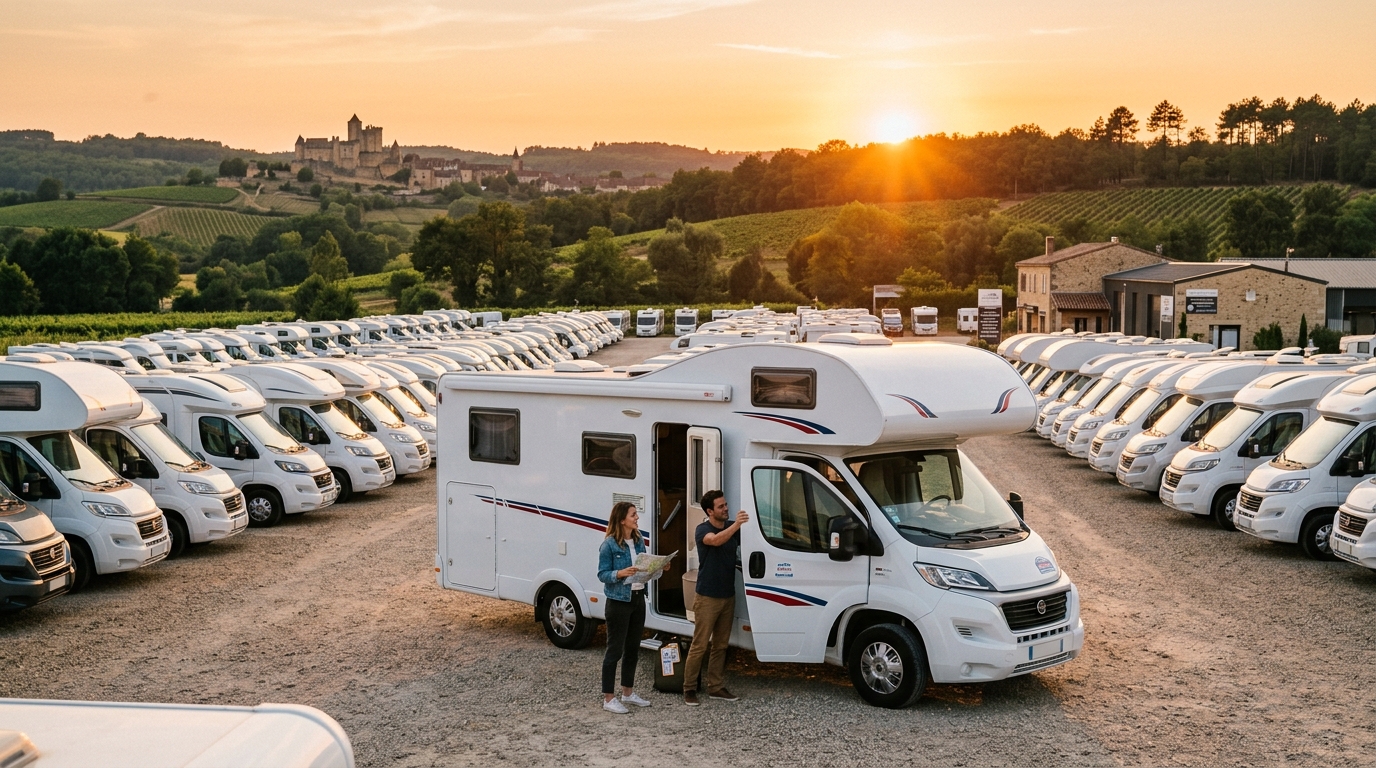
Embarking on a long-term RV rental adventure in West Europe is an incredible way to immerse yourself in diverse cultures, stunning landscapes, and rich history at your own pace. Imagine waking up to the rolling vineyards of France, a panoramic view of the Swiss Alps, or the serene coastline of Portugal, all from the comfort of your mobile home. With a rented motorhome or campervan, you truly have the freedom to craft an unforgettable journey, traveling slowly at an average of 100-150 km per day to really feel each place.
For those considering an extended road trip, navigating the options for long-term RV rental in West Europe requires a clear understanding of vehicle types, costs, and local regulations. Bandana Caravan, founded in 2001, has over 23 years of experience helping tens of thousands of travelers explore the world by RV, offering direct partnerships with over 50 leading RV suppliers worldwide. Our goal is to make your long-term RV rental experience as seamless and enjoyable as possible, providing full transparency with no hidden fees and dedicated support before, during, and after your booking. For live availability and current prices, start with our RV Rental West Europe - Complete Guide 2024 guide, which offers comprehensive insights into planning your ultimate European road trip.
The 5 RV Families Compared for West Europe
Choosing the right RV family is a crucial decision that significantly impacts your long-term travel comfort and practicality across West Europe. Factors like the diverse terrain, varied climate, your intended trip duration, and the size of your travel group should guide your selection, as different motorhome classes offer distinct advantages for navigating everything from narrow historic streets to majestic mountain passes.
Our fleet at Bandana Caravan focuses on motorhomes and campervans, each designed to cater to specific long-term travel needs. Whether you prioritize spacious luxury for a family, agile maneuverability for urban exploration, or robust capability for remote adventures, there's a perfect rented RV waiting for you. Understanding the nuances of each class will help you make an informed choice for your extended West European journey, ensuring your mobile home perfectly matches your adventure.
Class A (Integrated) - Best For
Class A integrated motorhomes, averaging 7.5 meters in length and comfortably sleeping 4 to 6 people (avg. 4.4), offer a luxurious and spacious experience for long-term travelers in West Europe. These motorhomes are ideal for families or groups of 4 or more adults seeking maximum comfort, expansive living areas, and a wide array of amenities for extended stays, typically featuring large kitchens, full bathrooms, and ample storage, with an average load capacity of 209.5 kg. While providing superior living space, their size means a typical fuel consumption of 11-12 liters per 100 km, and their larger dimensions can be a consideration in dense urban areas and navigating the narrower country roads often found in West Europe. An example would be the spacious features often found in a "Class A - Thor ACE 30" or "Campervan hire example Exclusive Extra" for premium comfort.
Price Comparison by RV Class in West Europe
RV rental prices in West Europe are dynamic, operating on a flex-rate system that fluctuates daily based on demand, seasonality, and rental duration, generally making long-term rentals more cost-effective per day. To provide realistic estimates for a long term rv rental in West Europe, the table below showcases real example prices from Bandana's live search for various durations and motorhome classes.
Prices presented are estimates and can change daily, so it's always best to check Bandana's search engine for the most up-to-date availability and rates. Factors such as the specific pickup location (e.g., Paris, Rome, Berlin), the exact rental duration, and any additional insurance packages or amenities will also influence the final cost of your journey. Remember, our platform ensures full transparency, so the price you see is the price you pay, with no hidden fees.
Live April Price Comparison — RV Class × Trip Length
| Trip length | Class A | Class B | Class C | Class SI | Class TC |
|---|---|---|---|---|---|
| 1 week 15/04 → 22/04 | Check prices | 881.60 € EUR | 885.03 € EUR | 1,016.00 € EUR | Check prices |
| 2 weeks 15/04 → 29/04 | Check prices | 1,548.00 € EUR | 1,368.10 € EUR | 1,800.00 € EUR | Check prices |
| 1 month 01/04 → 30/04 | Check prices | 2,976.00 € EUR | 2,265.08 € EUR | 3,480.00 € EUR | Check prices |
Estimates only — flex-rate prices change daily based on availability and season.
Prices update daily based on availability and demand; use the search box at the top of the page for live numbers. For specific offers, you might want to look at RV Rental Deals in West Europe - Latest Offers 2024.
Class SI (Semi-Integrated) - Best For
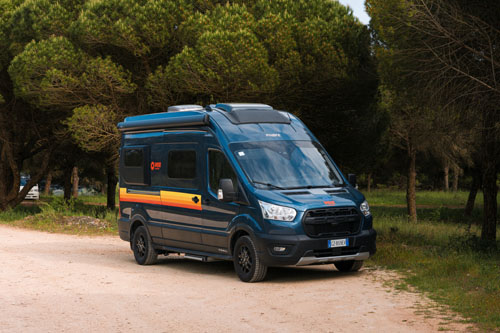
Class SI semi-integrated motorhomes, averaging 6.9 meters in length and typically sleeping 2 to 4 people (avg. 3.8), strike an excellent balance between spacious comfort and agile maneuverability. These motorhomes are ideal for long-term RV renters in West Europe who desire ample living space without the bulk of a Class A, making them perfectly suited for couples or small families (avg. 3.4 adults). With common fuel consumption around 10-11 liters per 100 km and a respectable average load capacity of 72.2 kg, Class SIs navigate both major highways and the smaller, charming European country roads more comfortably than larger classes, often outperforming Class C motorhomes in terms of aerodynamic design and interior aesthetics. Vehicles like the "A 4 - Comfort Automatic" are prime examples of this class, offering front air conditioning, a shower, and a toilet.
Class C (Alcove) - Best For
Class C alcove motorhomes, with an average length of 7.5 meters and designed to sleep 4 to 7 people (avg. 5.8), are best suited for families or larger groups (avg. 4.4 adults) embarking on a long-term RV rental in West Europe. Their distinctive over-cab sleeping area provides additional beds, making them a highly practical and economical choice for accommodating more travelers comfortably over extended periods. While offering generous space, a typical fuel consumption of 10-12 liters per 100 km, and an average load capacity of 42.4 kg, drivers should be mindful of their height and length when navigating low bridges, tunnels, and weight restrictions, particularly in West Europe's varied road conditions and historic city centers. Examples include models with features like "3 double beds" and bunk beds, such as the "Euro Deluxe" or a "24' Class C Motorhome."
Class B (Campervan) - Best For
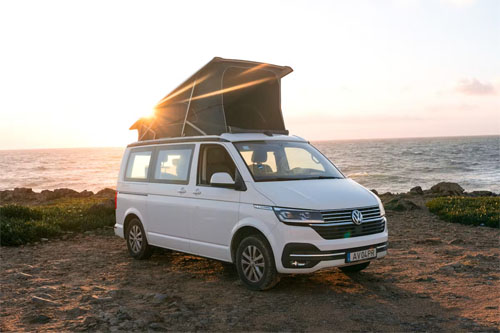
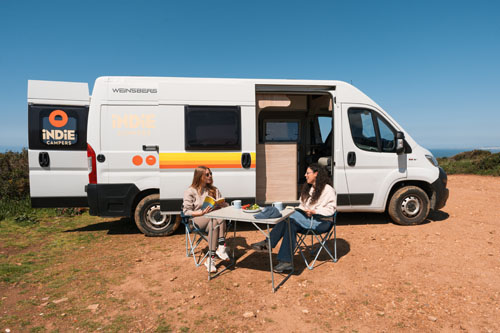
Class B campervans, averaging 5.8 meters in length and sleeping 2 to 4 people (avg. 3.2), are an outstanding choice for long-term RV renters in West Europe who prioritize maneuverability and fuel economy. These compact vehicles, with common fuel consumption of 8-10 liters per 100 km and an average load capacity of 37 kg, are perfect for solo travelers, couples (avg. 2.7 adults), or small groups eager to explore West Europe's narrow city streets, picturesque coastal roads, and scenic routes where larger RVs might struggle. Campervans offer the flexibility of easy parking and a discreet presence, making them ideal for urban exploration and a more agile travel style over extended periods. Models like the "Active Pop Top" or a "Category Van" frequently include convenient features such as a front air conditioning, a compact kitchen with stove, and often a shower and toilet.
Class TC (Truck Camper) - Best For
Class TC truck campers, with an average length of 5.5 meters and sleeping 2 to 3 people (avg. 2.4), are the ultimate choice for adventurous long-term RV renters in West Europe seeking off-grid capabilities and maximum flexibility. These detachable units, with common fuel consumption ranging from 12-17 liters per 100 km, offer the unique advantage of detaching the living unit from the truck. This allows for exploration of rugged terrains or easy access to remote areas, enabling a versatile travel experience. Truck campers are best for couples or solo travelers (avg. 2.1 adults) who value ruggedness and the ability to venture beyond established campsites, catering to a true adventure profile across West Europe's diverse and sometimes challenging landscapes. A "Patagonia Camper 4x4 double cab" is a fitting example, often featuring 4-wheel drive and a robust design for tougher routes.
Side-by-Side Comparison Table
This table provides a quick overview of key specifications for different RV families, aiding significantly in your selection for a long-term rental in West Europe. By comparing average length, typical sleeping capacity, estimated fuel efficiency, and primary use cases, you can easily match an RV to your specific travel style and needs. Consider how each RV type's attributes align with West European road conditions, city access, and your desired level of comfort and amenities for your extended journey.
| Family | Avg Length (m) | Sleeps | Fuel Use (L/100 km) | Best Use Case in West Europe |
|---|---|---|---|---|
| Class A (Integrated) | 7.5 | 4.4 | 11-12 | Luxury, spacious travel for larger groups |
| Class SI (Semi-integrated) | 6.9 | 3.8 | 10-11 | Balanced comfort and maneuverability for couples/small families |
| Class C (Alcove) | 7.5 | 5.8 | 10-12 | Cost-effective, ample space for families with children |
| Class B (Campervan) | 5.8 | 3.2 | 8-10 | Agility, urban exploration, fuel efficiency for solo/couples |
| Class TC (Truck Camper) | 5.5 | 2.4 | 12-17 | Off-grid adventures, flexibility, rugged terrain access |
Our Recommendation for long term rv rental Travelers in West Europe
For most long-term RV travelers in West Europe, the Class SI (Semi-integrated) motorhome is our primary recommendation. It offers an optimal balance of living comfort, sufficient space for up to 4 people (avg. 3.8), and manageable dimensions (avg. 6.9m length) for navigating Europe's diverse roads, including smaller towns and scenic routes, while maintaining reasonable fuel efficiency (10-11 L/100km). These vehicles typically feature a front air conditioner, a functional kitchen for preparing delicious meals on the go (check our RV-friendly recipes playlist for inspiration!), and a shower and toilet for convenience.
As a strong runner-up, we recommend the Class B (Campervan) for solo travelers or couples prioritizing maximum flexibility, ease of parking, and urban access. Its compact size (avg. 5.8m length) and superior fuel economy (8-10 L/100km) make it ideal for those who value agility and a more immersive, less conspicuous travel experience over extended periods, allowing you to venture into places larger vehicles simply cannot. Both options provide a fantastic foundation for a memorable long-term adventure.
How much does it cost to rent an RV in Europe long term
The cost of a long-term RV rental in West Europe varies significantly, typically ranging from €800 to €2,000+ per month, influenced by the RV class, season, rental duration, and included amenities. Daily rates generally decrease with longer rental periods, meaning a one-month rental will offer a much lower per-day cost than a week-long trip. For more detailed insights into pricing across various durations, check our "RV Rental in West Europe - Prices and Best Deals 2024" guide.
Beyond the base rental fee, it is crucial to budget for additional expenses like fuel (which varies by country, for instance, in 2024 diesel averages around €1.70-€2.20/liter in many Western European countries), comprehensive insurance, campsite fees (expect €20-€50/night for equipped sites, but many free options exist), road tolls, and local taxes, some of which are not always upfront (e.g., city tourist taxes, varying VAT rates on services). Hidden costs can sometimes include one-way fees, cleaning charges, security deposits, and charges for exceeding mileage limits, making a detailed country-specific budget breakdown crucial for your overall trip cost. With RV PLANET routes, you can itemize and track every expense along the way for easy budgeting. On the routes offered through RV PLANET routes, you can itemize and track every expense along the way for easy budgeting.
What is the cheapest way to RV in Europe long term
The cheapest way to RV in West Europe long term often involves renting a smaller, more fuel-efficient campervan (Class B) during the off-season and diligently planning routes to minimize toll roads and maximize free or low-cost overnight parking. Opting for a Class B Campervan, with an average 8-10 liters per 100 km fuel consumption, significantly reduces fuel expenses compared to larger models like Class A or C motorhomes, which consume 10-12 L/100km or more. These smaller vehicles are often featured in "RV Rental Deals in West Europe - Latest Offers 2024".
Strategies to save money include booking your rental well in advance, especially for off-peak seasons (typically October to April, excluding holidays), cooking your own meals extensively to reduce dining out costs, and utilizing free overnight parking apps (like Park4Night) where regulations permit, rather than relying solely on paid campgrounds. Considering rentals from countries with generally lower operating costs can also help. Longer rental durations, such as 3+ months, usually unlock better daily rates, and while optional, you can upgrade to a top-level deductible reimbursement for extra peace of mind, though it adds to the upfront cost. Remember to drive slowly and carefully, and you can drive almost anywhere without issues. No need to stress - just use common sense and pay attention.
What are the rules for RVing in Europe
RVing in West Europe is governed by a patchwork of national and local regulations regarding driving licenses, vehicle dimensions, road tolls, parking, and environmental zones, necessitating careful preparation. Key rules include possessing a valid standard car driver's license (which is sufficient for all motorhome classes) and an International Driving Permit (IDP) is recommended for visitors from non-English-speaking countries, but is not mandatory in most cases. You must adhere to varying speed limits (often 80-100 km/h for RVs even on highways like Germany's Autobahn), and understand local parking restrictions, especially in historical city centers where RV access may be prohibited or challenging due to narrow streets and low emission zones (ZFE/LEZ) that can apply even to smaller towns.
Roadside assistance plans are crucial, as are insurance specifics that vary by country; ensure your policy covers breakdowns and accidents across all countries you plan to visit, and be aware of emergency procedures like mandatory high-visibility vests and warning triangles in many EU nations. Sustainable travel practices, including proper waste management (using designated disposal points for grey/black water) and water conservation, are increasingly important and often regulated. For a broader overview of regulations across the continent, consult our "RV Rental Europe - Complete Guide 2024".
What is the maximum length of an RV in Europe
While there isn't a single universal maximum RV length for all of West Europe, most countries permit RVs up to 12 meters (approximately 39 feet), though practical navigation often dictates choosing a shorter vehicle. RVs exceeding 7-8 meters, such as our Class A and C motorhomes which both average 7.5 meters, can face significant challenges in West Europe, including restricted access to historical city centers, difficulty on narrow mountain passes, and limited parking options.
Smaller RVs, particularly campervans (Class B, avg. 5.8m) and truck campers (Class TC, avg. 5.5m), offer much greater flexibility and access to a wider range of destinations, allowing for easier movement and parking. Always check specific country and local regulations, as some towns have strict limits or outright bans on larger vehicles in their historic cores, and be mindful of height restrictions for bridges and tunnels. Choosing a compact or medium-sized rental motorhome or campervan gives you unparalleled freedom for your long-term adventure.
How long can you stay in an RV in Europe
For non-EU citizens, the standard tourist stay in the Schengen Area (which encompasses most of Western Europe) is 90 days within any 180-day period, meaning long-term RV travel beyond this requires careful visa planning. EU citizens face no time limits on RV travel within the Schengen Area, offering complete freedom for extended trips, but should be aware of vehicle registration rules if residing in an RV for very long durations, which falls outside the scope of rentals.
For non-EU travelers planning stays longer than 90 days, options include applying for a long-stay visa in a specific country (e.g., a French 'Visa Long Séjour' or a German 'Nationales Visum') or strategically utilizing the '90/180 rule' by leaving the Schengen Area for 90 days before re-entering, potentially by visiting non-Schengen European countries like Croatia or Albania. Consider implications for healthcare, mail forwarding, and potential legal residency if planning an exceptionally long stay, as these aspects fall outside typical tourist allowances and rental agreements.
Is it worth buying an RV for Europe
Buying an RV for long-term travel in Europe can be worth it for those planning to spend over 6-12 months exploring the continent annually or for multiple years, offering greater customization and avoiding rental limitations. However, Bandana Caravan focuses exclusively on RV rentals for vacation travel, making ownership an irrelevant consideration for our customers.
For shorter long-term trips, typically 1-6 months, renting an RV or campervan across West Europe proves more cost-effective and hassle-free, eliminating concerns about depreciation, ongoing maintenance, storage, and complex registration processes. Our service promises to handle the details, so you can live the journey, receiving personal support from day one until your booking is confirmed. We compare final prices across 50+ suppliers, including renowned names like El Monte, Cruise America, Apollo, and Britz, so you don't have to, making renting the easiest, safest, and most affordable way to enjoy your European adventure.
Is it cheaper to rent or buy an RV in Europe
For most travelers planning a long-term RV trip in West Europe for less than a year, renting is generally cheaper and more practical than buying, offering flexibility and convenience. While a rental involves recurring fees, it avoids the large upfront capital expenditure of purchasing an RV, along with associated costs like vehicle registration, mandatory European insurance, road tax, and inevitable depreciation.
Buying an RV in Europe also incurs immediate costs such as import duties (if bringing from outside the EU), potential modifications for local regulations, and the eventual complexities of selling or exporting the vehicle. Renting bypasses these ownership burdens, providing the flexibility to choose different RV types for various trips and avoiding unexpected maintenance or ownership surprises, making it the more financially sound option for typical long-term stays. Our platform ensures full transparency with pricing, so you'll never face hidden fees or surprises.
Where can I park my RV long term in Europe
Long-term RV parking in West Europe typically involves a mix of dedicated campsites, designated Stellplatz/Aires de Services, and permissible wild camping spots, with rules varying widely by country and locality. Commercial campsites, known as 'campings', offer amenities like electricity, fresh water, and waste disposal for a fee (typically €20-€50 per night in 2024) and are the most secure option for extended stays, especially when planning a long term rv rental.
Stellplatz in Germany/Austria or Aires de Services in France are specific parking areas for motorhomes, often providing basic services (water, dump) for a nominal fee or sometimes for free, usually with a time limit (e.g., 24-72 hours), and are highly suitable for short to medium-term stops. While discreet overnight parking may be tolerated in some remote areas, true wild camping is largely prohibited or heavily restricted in many Western European countries, particularly near towns, national parks, or on private land; relying on apps like Park4Night for verified spots is crucial, alongside respecting local cultural etiquette and environmental guidelines. For finding campsites and campgrounds during your trip, we recommend using rvplan.net, a great resource for locating available spots along your route.
How much does it cost to fill up an RV in Europe
The cost to fill up a rented RV in West Europe depends heavily on the fuel type (diesel is most common for motorhomes), the current market price, and the specific country, with significant variations across the region. As of 2024, diesel prices typically range from €1.70 to €2.20 per liter across Western Europe; for an average RV with a 70-liter tank, a full tank could cost between €119 and €154.
Fuel consumption for Bandana's diverse fleet typically ranges from 8-10 liters per 100 km for campervans up to 12-17 liters per 100 km for truck campers, meaning a 500 km journey could cost anywhere from €68 to €187 in fuel, exclusive of tolls. Utilizing fuel price comparison apps (e.g., Fuelio, Waze) can help minimize costs, and being aware of price differences between highway service stations (often more expensive) and those in towns is vital for effective budgeting. Our "RV Travel Guide to West Europe - Tips and Top Spots 2024" offers more advice on managing costs.
Is it easy to wild camp in Europe
Wild camping in West Europe varies significantly in ease and legality; it is generally more challenging and often illegal in highly developed Western European countries compared to some Eastern or Nordic nations. In most of West Europe, particularly France, Germany, Spain, Portugal, and Italy, true wild camping is largely prohibited or requires explicit permission from landowners, especially in populated areas, coastal regions, and national parks, with potential fines. Drive slowly and carefully, and you can drive almost anywhere without issues. No need to stress - just use common sense and pay attention.
However, discreet overnight parking, often referred to as 'free camping' or 'stealth camping,' in non-prohibited areas (not establishing a full 'camp' with awnings and outdoor furniture) may be tolerated in some rural or industrial zones, particularly when using a smaller, less conspicuous vehicle like a campervan. Apps such as Park4Night or Campercontact are indispensable resources for finding legal or tolerated overnight spots, including local 'aires' or 'stellplatz,' reducing the need for genuine wild camping which comes with risks of fines and local disapproval, and it is essential to leave no trace to support sustainable travel.
What You Shouldn't Miss
- Romantic Road, Germany: Traverse this enchanting 460-kilometer route through Bavaria, connecting picturesque towns like Rothenburg ob der Tauber and Fussen, home to Neuschwanstein Castle. Park your rented motorhome near historic city walls and explore on foot.
- Alsace Wine Route, France: Drive your campervan through charming villages nestled among vineyards, sampling world-class wines and traditional Alsatian cuisine. Colmar and Eguisheim are must-see stops.
- Amalfi Coast, Italy: Experience one of the world's most breathtaking coastal drives, navigating winding roads with cliffside towns like Positano and Ravello. While challenging for larger RVs, the views are unparalleled, making it ideal for a smaller Class B campervan.
- Swiss Alps Passes, Switzerland: Conquer legendary mountain passes such as the Furka Pass or Susten Pass in your rented RV, offering dramatic alpine scenery, glacier views, and exhilarating drives. Always check road conditions before heading out.
- Dutch Windmills & Canals, Netherlands: Explore the iconic landscapes of Kinderdijk with its 19 historic windmills, or cycle alongside serene canals in a rented camper. Camping near charming towns like Giethoorn offers a unique cultural experience.
- Bruges, Belgium: Park your motorhome just outside this fairytale city and wander through cobblestone streets, take a canal boat tour, and indulge in exquisite Belgian chocolates and waffles. Its compact size makes it perfect for walking.
Looking for expert insights from Avi Bandana? Top 5 Adventures - recommendations from Avi Bandana.
Final Thoughts
A long-term RV rental in West Europe promises an unparalleled journey of discovery, offering the flexibility to explore at your own pace and create lasting memories. Whether you envision a month-long tour of France's scenic routes, a two-week adventure through the Italian Dolomites, or an extended exploration of Germany's Black Forest, the right rented motorhome or campervan makes all the difference.
At Bandana Caravan, we are true RV specialists, not just a side department of a travel agency. We're passionate about helping you find the perfect vehicle and plan your itinerary, ensuring a smooth and enjoyable experience. Remember to travel slowly, averaging 100-150 km per day, and truly immerse yourself in the culture, food, and stunning scenery that West Europe has to offer.
Ready to embark on your unforgettable long-term RV adventure? Discover top destinations, planning tips, all in one place, and get inspired for your next trip! Plan a trip itinerary in advance with minimal effort and maximum enjoyment.