For live availability and current prices, start with our RV Rental Tokyo - Complete Guide 2026 guide.
In This Guide
- The 5 RV Families Compared for Tokyo
- Class C (Alcove) — Best For
- Price Comparison by RV Class in Tokyo
- Are RVs good for Japan
- Is it hard to drive an RV in Japan
- How much does it cost to rent an RV in Japan for a month
- Can you drive an RV in Tokyo
- Where can I park my RV in Tokyo overnight
- Can you sleep in your car anywhere in Japan
- What are Michi no Eki rules for overnight stays
- How do I combine RV travel with public transport in Japan
- What are the cultural etiquette for RV travelers in Japan
- How do I navigate Japan without speaking Japanese
- What are emergency procedures for RVs in Japan
The 5 RV Families Compared for Tokyo
The choice of RV family is critical for long-term rentals in Tokyo, influencing maneuverability on narrower Japanese roads, on-board comfort, and overall trip logistics. Travelers should consider factors such as trip length, group size, required amenities, and ease of parking and driving in both urban and rural settings. While a diverse range of RV classes exists globally, the current availability for long-term rentals in Tokyo tends to favor specific, well-suited models that balance space with practicality. Understanding the characteristics of these available RV types is key to making an informed decision for an extended Japanese adventure.
Class C (Alcove) — Best For
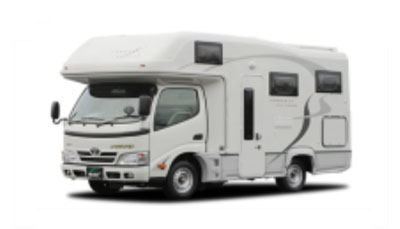
Class C Alcove motorhomes, readily available in Tokyo's Bandana fleet, are ideal for families or small groups seeking comfort and ample space for long-term rentals. With an average length of 5 meters, based on local fleet data, they offer a manageable size for navigating Japanese roads while still providing generous living space. These RVs typically sleep up to 6 people, making them a cost-effective choice for extended trips with multiple occupants. The distinctive overhead alcove maximizes interior living area without significantly increasing the vehicle's footprint. Their design makes them highly suitable for extended stays, offering more amenities and comfort than smaller campervans, aligning perfectly with long-term rental priorities for exploring Japan.
Price Comparison by RV Class in Tokyo
RV rental prices in Tokyo are dynamic, varying significantly by RV class, rental duration, and the time of year. Long-term rentals inherently offer a more cost-effective daily rate compared to shorter hire periods, making them ideal for budget-conscious extended trips. Because pricing is flex-rate, the table below pulls real example prices from Bandana's live search. It's important to remember that these prices are estimates and update daily based on real-time availability and demand; always check the search box at the top of the page for live numbers.
Live April Price Comparison — RV Class × Trip Length
| Trip length | Class A | Class B | Class C | Class SI | Class TC |
|---|---|---|---|---|---|
| 1 week 15/04 → 22/04 | Check prices | Check prices | Check prices | Check prices | Check prices |
| 2 weeks 15/04 → 29/04 | Check prices | Check prices | Check prices | Check prices | Check prices |
| 1 month 01/04 → 30/04 | Check prices | Check prices | Check prices | Check prices | Check prices |
Estimates only — flex-rate prices change daily based on availability and season.
Are RVs good for Japan
RVs are an excellent choice for experiencing Japan, offering unparalleled flexibility to explore both popular destinations and hidden gems at your own pace. While Japanese roads can be narrower, particularly in older towns, smaller RV classes like the 5-meter Class C Alcove are well-suited and highly manageable. The extensive network of 'Michi-no-eki' (Road Stations) provides crucial support for RV travel, offering amenities and safe overnight parking options across the country. RVing allows for a unique, immersive travel experience, enabling travelers to venture beyond typical tourist routes and truly connect with Japan's diverse landscapes and culture.
Is it hard to drive an RV in Japan
Driving an RV in Japan is generally manageable, especially with a smaller Class C Alcove, but requires adaptation to left-hand traffic, right-hand drive vehicles, and attention to local road conditions. Japanese roads are meticulously maintained, though city streets and some rural mountain passes can be quite narrow, necessitating careful driving and planning for larger vehicles. International drivers will adjust to driving on the left, and navigating with GPS systems (often English-compatible) makes route-finding straightforward. For dense urban areas like Tokyo, it’s often easier to utilize 'park and ride' strategies, leaving your RV on the outskirts and using public transport for city exploration, rather than attempting to navigate central traffic. The smaller, locally designed RVs are specifically engineered to accommodate Japan's infrastructure, making them less challenging to drive than their larger North American counterparts.
How much does it cost to rent an RV in Japan for a month
The cost to rent an RV in Japan for a month can range significantly, typically from ¥250,000 to over ¥500,000, depending on the RV class, rental season, vehicle features, and included amenities. Beyond the base rental fee, long-term RV travelers should budget for additional expenses such as fuel, which can average ¥170-¥180 per liter for gasoline; expressway tolls, which can be substantial; and campsite fees, usually ranging from ¥2,000 to ¥5,000 per night. Potential hidden costs may include insurance deductibles, fees for additional drivers, cleaning charges, propane refills, and specific equipment rentals (e.g., bedding, kitchen kits). Booking well in advance, especially during off-peak seasons or shoulder months, can often secure more favorable long-term rental rates. The live pricing table above (
Live April Price Comparison — RV Class × Trip Length
| Trip length | Class A | Class B | Class C | Class SI | Class TC |
|---|---|---|---|---|---|
| 1 week 15/04 → 22/04 | Check prices | Check prices | Check prices | Check prices | Check prices |
| 2 weeks 15/04 → 29/04 | Check prices | Check prices | Check prices | Check prices | Check prices |
| 1 month 01/04 → 30/04 | Check prices | Check prices | Check prices | Check prices | Check prices |
Estimates only — flex-rate prices change daily based on availability and season.
Can you drive an RV in Tokyo
While technically possible, driving an RV directly *within* central Tokyo is highly impractical and not recommended due to extremely dense traffic, very narrow streets, and severely limited, expensive parking options for larger vehicles. For long-term RV renters, the most practical strategy is to drive your RV to the outer edges of the Tokyo metropolitan area, park it at a designated RV park or suburban facility, and utilize Japan's world-class public transportation system to explore the city. Specific local road rules in Tokyo require heightened attention to signage, lane discipline, and often involve height restrictions in tunnels or underground parking facilities, especially for taller RVs like the Class C Alcove. Maneuverability in Tokyo's tightly packed urban environment is significantly better with smaller vehicles, making a 'park and ride' approach the most efficient and stress-free way to experience the capital.
Where can I park my RV in Tokyo overnight
Overnight RV parking within Tokyo's immediate vicinity requires utilizing designated RV parks, official campgrounds located on the city's outskirts, or specific 'Michi-no-eki' (Road Stations) that explicitly permit extended stays. Long-term RV renters should prioritize securing parking at suburban commercial facilities, dedicated 'RV sites' (RVA sites), or campgrounds accessible via public transport for convenience and legality. Apps like Google Maps, Japan Navi, or specialized RV navigation services can help locate suitable parking areas, but always verify current rules and fees, as regulations can change. Unauthorized overnight parking in public lots or residential areas is generally discouraged in Japan and can lead to fines or community dissatisfaction; it is crucial to respect local signage and regulations.
Can you sleep in your car anywhere in Japan
Sleeping in your car anywhere in Japan outside of designated areas is generally discouraged and often illegal, as Japan prioritizes cleanliness, public order, and respecting private property. Designated RV parks, official campgrounds, and 'Michi-no-eki' (Road Stations) that explicitly allow overnight stays are the primary legal and culturally accepted options for sleeping in your RV. While some parking lots might appear empty, occupying them overnight without permission can lead to issues with local authorities or residents, underscoring the importance of using established facilities. For long-term RVers, relying on these formal overnight options ensures access to amenities, enhances safety, and aligns with Japanese cultural norms, contributing to a smooth travel experience.
What are Michi no Eki rules for overnight stays
Michi-no-eki, or Road Stations, are invaluable resources for RV travelers in Japan, typically allowing free overnight parking, but they are primarily rest stops, not campgrounds, and have specific rules for 'stays'. Key rules usually include refraining from setting up camp (e.g., deploying awnings, tables, chairs outside the vehicle), maintaining quiet hours, and limiting stays to generally one night. These stations commonly provide clean restrooms (often 24/7), local product shops, vending machines, and sometimes restaurants or EV charging facilities. Always look for posted signs or politely inquire with staff about specific regulations for overnight parking, as rules can vary between individual Michi-no-eki. Adhering to these guidelines ensures a respectful and sustainable experience, allowing RVers to continue enjoying the convenience of this extensive network for long-term travel.
How do I combine RV travel with public transport in Japan
Combining RV travel with Japan's highly efficient public transportation system is a savvy strategy for long-term travelers, allowing urban exploration without the hassle of driving and parking a large vehicle in dense cities. The ideal approach involves parking your RV at designated facilities on the outskirts of major cities like Tokyo, Kyoto, or Osaka, typically near train or bus stations. Once parked, utilize convenient IC cards (like Suica or Pasmo), which are reloadable and widely accepted on trains, subways, and buses, for seamless city travel. This 'park and ride' method maximizes your time enjoying city attractions, minimizes stress related to urban RV navigation, and leverages Japan's exceptional transit infrastructure.
What are the cultural etiquette for RV travelers in Japan
Observing Japanese cultural etiquette is crucial for RV travelers to ensure a respectful and positive experience, covering aspects like noise, waste, and interactions with locals. Always maintain low noise levels, especially during quiet hours (typically 9 PM to 7 AM) at Michi-no-eki or campgrounds, out of consideration for other travelers and surrounding communities. Waste disposal requires diligent adherence to Japan's strict sorting rules; separate trash into combustible, non-combustible, plastic, and recyclable categories, using designated disposal points correctly. When using public baths (onsen), always thoroughly wash your body before entering the communal water, do not bring towels into the bathing area, and be aware of varying policies regarding tattoos (often seen as taboo). It is paramount to 'leave no trace,' keep your surroundings clean, avoid conspicuous camping setups in public areas, and engage respectfully with local communities, acknowledging their customs and traditions.
How do I navigate Japan without speaking Japanese
Navigating Japan as a non-Japanese speaker is highly feasible and becoming increasingly easy with technological advancements and widespread tourist support. Essential tools include translation apps like Google Translate (especially with its camera function for signs and menus) for basic communication and understanding. Reliable GPS navigation apps such as Google Maps or Waze are indispensable, offering directions with Romanji (romanized Japanese) or English place names, and often providing public transport options. Consider renting an RV equipped with an English-friendly navigation system or securing a portable Wi-Fi device for constant internet access, crucial for real-time translation and mapping. In emergencies, dialing 110 (police) or 119 (fire/ambulance) can often connect you with an English-speaking operator, and having a few key emergency phrases translated can be immensely helpful.
What are emergency procedures for RVs in Japan
Familiarizing yourself with emergency procedures is crucial for safe long-term RV travel in Japan, covering scenarios from vehicle breakdowns and accidents to natural disaster protocols. In the event of a vehicle breakdown, immediately contact your RV rental company; they will provide comprehensive roadside assistance details and coordinate necessary repairs. For accidents, first ensure safety, then call 110 for police and 119 for ambulance/fire services if injuries are involved, making sure to have your international driving permit and insurance information readily accessible. Given Japan's susceptibility to earthquakes and typhoons, monitor local weather alerts closely and download emergency apps like 'Safety tips for travelers' (provided by JNTO) for real-time information and guidance. Know the locations of nearby evacuation centers, follow all instructions from local authorities during natural disaster warnings, and secure your RV in the safest possible location to minimize risks.
What You Shouldn't Miss
- Explore Tokyo's Outer Gardens and Parks: Utilize your RV to easily access the serene Imperial Palace East Garden or the expansive Shinjuku Gyoen National Garden, offering a peaceful escape from the city's bustle.
- Day Trip to Hakone: Drive your RV to the mountainous resort town of Hakone, renowned for its hot springs and stunning views of Mount Fuji, accessible via scenic routes perfect for a long-term rental.
- Visit a Michi-no-Eki near Tokyo: Stop at a 'Michi-no-Eki' like the one in Sawara or Kisarazu for fresh local produce, regional specialties, and to experience authentic Japanese roadside culture.
- Immerse yourself in a Traditional Onsen: Find a campground or a Michi-no-eki with an onsen (hot spring bath) for a truly relaxing Japanese experience after a day of exploring.
- Take a 'Park and Ride' into Central Tokyo: Park your RV at a suburban station and utilize Japan's efficient train system to explore iconic sites like Shibuya Crossing, the Tokyo Skytree, or the historic Asakusa district without the stress of city driving.
Final Thoughts
Embarking on a long-term RV adventure in Tokyo offers an unparalleled opportunity to explore Japan at your own pace, blending the convenience of a mobile home with the rich cultural tapestry of this incredible country. By choosing the right RV, understanding local driving nuances, and leveraging resources like Michi-no-eki, your journey will be smooth, memorable, and filled with discovery.
Ready to start planning your extended Japanese road trip? Bandana Caravan is here to help you find the perfect motorhome for your needs, ensuring a transparent and hassle-free booking process.
Find Motorhome Rentals in Tokyo