For live availability and current prices, start with our RV Rental East Europe - Complete Guide 2026 guide.
In This Guide
- The 5 RV Families Compared for East Europe
- Class A (Integrated) — Best For
- Price Comparison by RV Class in East Europe
- Class SI (Semi-integrated) — Best For
- Class C (Alcove) — Best For
- Class B (Campervan) — Best For
- Class TC (Truck Camper) — Best For
- Side-by-Side Comparison Table
- Our Recommendation for long term rv rental Travelers in East Europe
- Who is the largest motorhome rental company in Europe
- What is the 333 rule for campervan
- How much does it cost to rent an RV in Europe
- Is it cheaper to rent an RV or stay in hotels
- Is it cheaper to rent a campervan or stay in hotels
- How much to rent an RV for a couple months
- Where is the cheapest place in Europe to buy a camper van
- What is the cheapest Eastern European country
- Essential Legal and Safety Rules for RVing in East Europe
- Navigating Wild Camping and Overnight Parking in East Europe
- Staying Connected: Internet and Navigation for Your East Europe RV Trip
- Road Conditions and Vehicle Prep for East European Adventures
- Embracing Local Culture in Eastern Europe by RV
- RV Breakdowns and Emergency Services in East Europe
The 5 RV Families Compared for East Europe
Choosing the right RV family is critical for a long-term rental in East Europe, impacting comfort, cost, and accessibility across diverse landscapes. When considering East Europe's varied terrain, from bustling city centers and well-maintained highways to rugged mountain passes and charming rural roads, selecting the ideal motorhome for extended journeys requires careful thought. Factors like trip length, desired group size, and your preferred travel style (e.g., adventure, luxury, budget) are key. Fuel efficiency, available living space, and load capacity vary significantly between RV classes, directly affecting your long-term travel budget and overall experience.
Class A (Integrated) — Best For
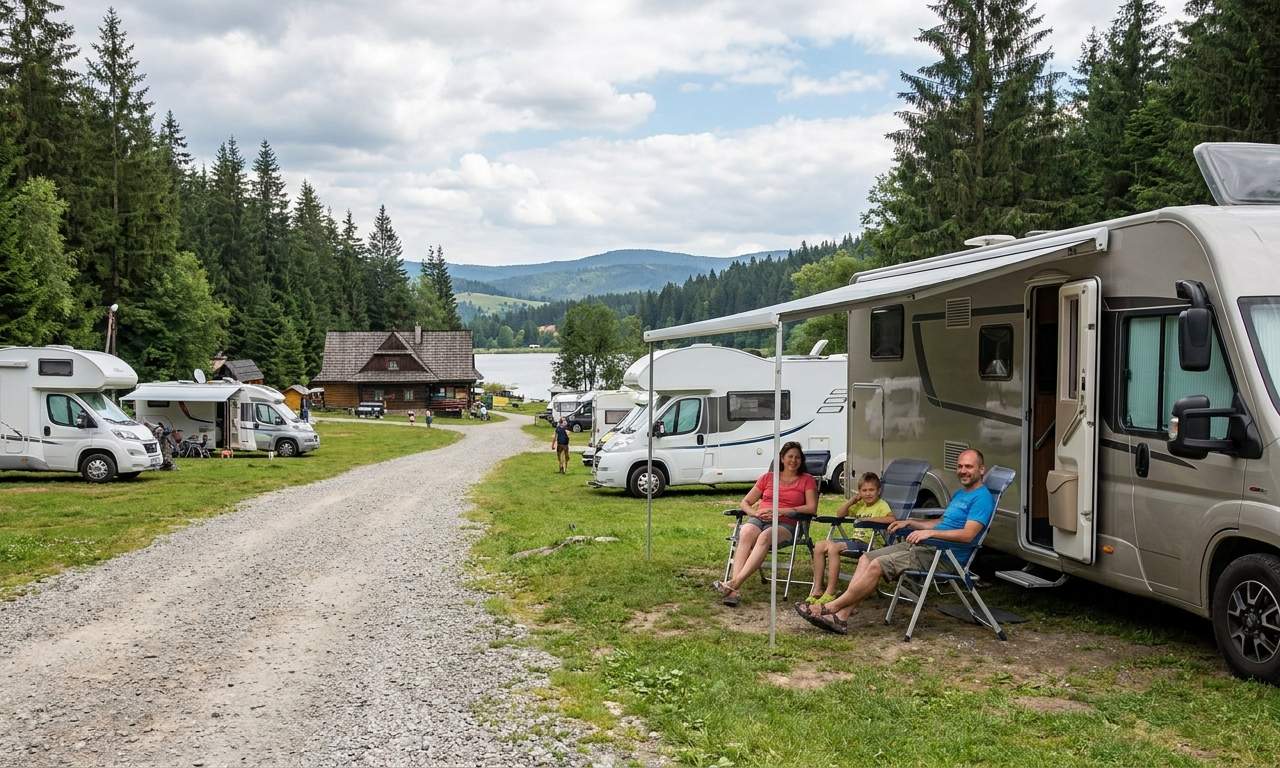
Class A integrated motorhomes, typically averaging 7.5 meters in length and sleeping around 4.4 people, are ideal for long-term luxury travel in East Europe, especially on major highways and well-developed routes. Bandana's fleet generally shows these models with a substantial average load capacity of 209.5 kg and common fuel consumption of 11-12 liters/100 km, offering expansive space and premium amenities for extended stays. These vehicles are best suited for larger groups or families seeking maximum comfort, an "apartment on wheels" feel, and a comprehensive suite of onboard facilities. Trade-offs include higher rental and fuel costs, less maneuverability in older towns or narrow roads, and potentially higher campsite fees due to their size, making them a more niche choice for East Europe. On the routes offered through RV PLANET routes, you can itemize and track every expense along the way for easy budgeting.
Price Comparison by RV Class in East Europe
RV rental pricing in East Europe is dynamic and flex-rate, heavily influenced by factors such as RV class, rental season, booking duration, and specific pickup location. Longer rental periods, such as a couple of months, frequently yield significantly lower daily rates compared to short-term rentals, offering considerable savings for extended East European adventures. The table below pulls real example prices from Bandana's live search, demonstrating cost variations across different RV classes for common rental durations like one week, two weeks, and one month.
Live April Price Comparison — RV Class × Trip Length
| Trip length | Class A | Class B | Class C | Class SI | Class TC |
|---|---|---|---|---|---|
| 1 week 15/04 → 22/04 | Check prices | 643.71 € EUR | 1,966.00 € EUR | 771.86 € EUR | Check prices |
| 2 weeks 15/04 → 29/04 | Check prices | 985.26 € EUR | 3,435.00 € EUR | 1,201.96 € EUR | Check prices |
| 1 month 01/04 → 30/04 | Check prices | 1,575.04 € EUR | 5,407.07 € EUR | 1,980.17 € EUR | Check prices |
Estimates only — flex-rate prices change daily based on availability and season.
Prices update daily and are flex-rate estimates; use the search box at the top of the page for live, personalized numbers.
Class SI (Semi-integrated) — Best For
Class SI semi-integrated motorhomes, typically averaging 6.9 meters in length and sleeping around 3.8 people, offer a superb balance of comfort and maneuverability, making them highly versatile for long-term East European trips. Bandana's fleet generally features these models with an average load capacity of 72.2 kg and common fuel consumption of 10-11 liters/100 km, representing a practical compromise between living space and operational economy. They are optimally suited for couples or small families who desire more comprehensive amenities and space than a campervan but prefer easier driving and parking than a large integrated motorhome, navigating diverse terrains from cities to rural routes. Semi-integrated RVs often outperform larger Class A units in urban environments and on narrower roads while providing more permanent comforts and storage than Class B campervans, making them a solid choice for extended East Europe exploration.
Class C (Alcove) — Best For
Class C alcove motorhomes, with an average length of 7.5 meters and impressive sleeping capacity for approximately 5.8 people, are an excellent choice for long-term family rentals in East Europe. Bandana's fleet typically highlights their family suitability with an average load capacity of 42.4 kg and common fuel consumption of 10-12 liters/100 km, balancing cost-efficiency with ample sleeping space thanks to the distinctive over-cab bed. These vehicles are particularly well-suited for families with children or larger groups who prioritize separate sleeping areas and robust amenities for extended stays, offering a comfortable home base. Their sturdy build is generally well-prepared for East Europe's varied road conditions, providing reliability and comfort for long journeys while keeping an eye on the budget.
Class B (Campervan) — Best For
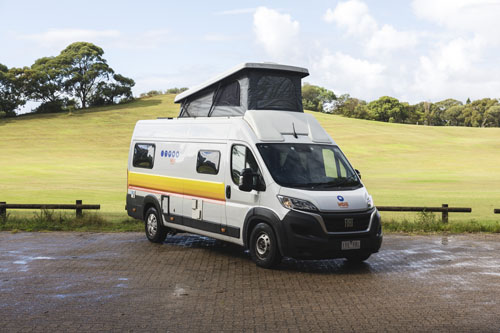
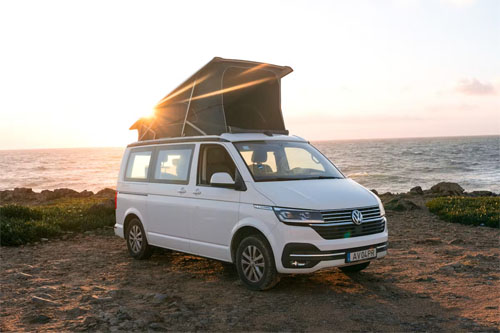
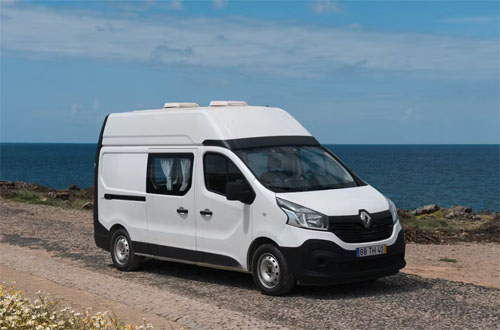
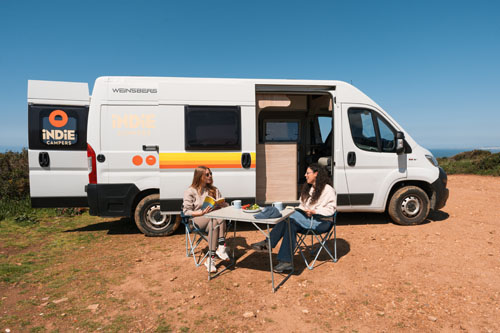
Class B campervans, averaging 5.8 meters in length and sleeping around 3.2 people, are ideal for agile, long-term travel in East Europe, emphasizing maneuverability and fuel economy. Bandana's fleet typically shows these vehicles with an average load capacity of 37 kg and efficient fuel consumption of 8-10 liters/100 km, making them highly economical for extended exploration. They are best for couples or solo travelers who value flexibility, ease of parking in cities, and access to more remote areas where larger RVs might struggle to reach. Campervans offer a minimalist yet comfortable experience, favoring travelers who want to immerse themselves in local culture and embrace spontaneity in their long-term East European adventure, including seeking out wild camping opportunities.
Class TC (Truck Camper) — Best For
Class TC truck campers, typically averaging 5.5 meters in length and sleeping around 2.4 people, are the prime choice for long-term, off-grid, and adventure-focused travel in East Europe. Bandana's fleet generally indicates a common fuel consumption of 12-17 liters/100 km, reflecting their robust nature and capability for tackling diverse terrains often inaccessible to other RV types. Their unique detachable design and often 4x4 capability make them perfect for reaching remote campsites and exploring rugged Eastern European landscapes where traditional RVs cannot go. These vehicles are best suited for adventurous couples or solo travelers seeking maximum flexibility, self-sufficiency, and an authentic wilderness experience for their extended journey, particularly across challenging terrain.
Side-by-Side Comparison Table
This table provides a quick overview of the key specifications and ideal use cases for each RV family, helping you easily compare options for your long-term East Europe rental. Consider critical factors such as vehicle length for navigating diverse roads, sleeping capacity for your travel group, and fuel efficiency for managing long-term travel costs. The 'Best Use Case' column offers practical insights into which RV type aligns most effectively with common East European travel styles, from urban exploration to remote adventures.
| Family | Avg Length (m) | Sleeps (avg) | Fuel Use (L/100km) | Best Use Case in East Europe |
|---|---|---|---|---|
| Class A (Integrated) | 7.5 | 4.4 | 11-12 | Luxury, comfort for long trips, multiple travelers, well-maintained highways. |
| Class SI (Semi-integrated) | 6.9 | 3.8 | 10-11 | Balanced comfort and maneuverability, couples or small families, varied terrain. |
| Class C (Alcove) | 7.5 | 5.8 | 10-12 | Families with children, maximum sleeping capacity, longer stays, budget-conscious. |
| Class B (Campervan) | 5.8 | 3.2 | 8-10 | Couples, solo travelers, city exploration, remote wild camping, fuel efficiency. |
| Class TC (Truck Camper) | 5.5 | 2.4 | 12-17 | Off-road adventures, remote areas, flexibility with a detachable unit, rugged terrain. |
Our Recommendation for long term rv rental Travelers in East Europe
For most long-term RV rental travelers exploring the diverse landscapes of East Europe, we recommend the **Class SI (Semi-integrated) motorhome** as the primary choice due to its optimal balance of comfort, living space, and maneuverability. Its mid-range size (averaging 6.9m) makes it versatile for navigating both urban centers and varied rural roads, while providing ample amenities for extended stays without the bulk of a larger Class A. As a strong runner-up, the **Class B (Campervan)** is highly recommended for adventurous couples or solo travelers who prioritize flexibility, fuel efficiency (8-10 L/100km), and the ability to access more secluded, off-the-beaten-path locations. The campervan's compact dimensions (averaging 5.8m) allow for easier parking, better fuel economy, and greater freedom, which are significant advantages for an immersive, long-term journey through East European countries.
Who is the largest motorhome rental company in Europe
There isn't one single 'largest' motorhome rental company in Europe universally, as the market is highly fragmented with many significant local and international players. Bandana operates as a vast aggregator, connecting travelers with a wide array of local and international rental partners across Europe, offering a comprehensive and diverse fleet. While major international brands have a strong presence, local companies and regional specialists frequently offer competitive rates and unique vehicle choices, particularly in specific East European countries. For long-term rentals in East Europe, focusing on platforms that provide extensive vehicle choices, transparent comparisons, and robust customer support, like Bandana, is often more beneficial than searching for a single 'largest' entity.
What is the 333 rule for campervan
The '3-3-3 rule' for campervans and RVs is a popular guideline for ensuring safe and enjoyable long-term travel, particularly relevant for navigating East Europe's diverse regions and changing conditions. It suggests driving no more than 300 miles (or roughly 3 hours) a day to prevent driver fatigue, allow for spontaneous stops, and reduce wear on the vehicle. The rule also advises staying at least 3 days in any given location to truly experience the local culture, avoid travel burnout, and reduce the feeling of constantly being on the move. Lastly, it encourages travelers to always ensure they have 3 essential things checked or stocked up: fuel, water, and waste tanks, which is crucial for extended self-sufficient travel in areas where services might be sparse or unexpected.
How much does it cost to rent an RV in Europe
The cost to rent an RV in Europe varies significantly, typically ranging from €50-€200 per day for shorter rentals, but long-term rentals in East Europe can often secure better daily rates. Factors influencing the overall cost include the RV class (campervans are generally cheaper, integrated motorhomes more expensive), rental season (peak summer is highest), booking duration, and the specific pickup country. Beyond the daily rental fee, travelers must budget for essential additional costs such as fuel (which can be more affordable in some Eastern European countries), campsite fees (ranging from €15-€40+ per night), insurance, and potential one-way fees if applicable. For a long-term rental in East Europe, total monthly costs, including all expenditures, could realistically range from €1500 to €3500+, depending heavily on travel style, RV choice, and the specific countries visited, directly addressing the in-depth cost analysis value gap.
Is it cheaper to rent an RV or stay in hotels
Renting an RV for long-term travel in East Europe can often be more cost-effective than staying in hotels, especially for families or groups who can share expenses and prefer self-catering. The primary savings stem from eliminating daily restaurant meals by cooking in your RV and significantly reducing accommodation costs by utilizing budget-friendly campsites or responsibly permitted free overnight parking, a key point for comprehensive cost analysis. While initial RV rental and fuel costs can seem substantial, the cumulative expenses of multiple hotel rooms, frequent restaurant dining, and separate transportation often exceed RV travel costs over several weeks or months. The overall cost-effectiveness of RV travel also heavily depends on regional fuel prices, your chosen RV class, and your inclination towards wild camping versus paid campgrounds, directly addressing the in-depth cost analysis and wild camping value gaps. For ideas you can prep on the road, watch our RV-friendly recipes playlist on YouTube.
Is it cheaper to rent a campervan or stay in hotels
Renting a campervan is typically more cost-effective than staying in hotels for long-term travel in East Europe, offering significant savings through reduced accommodation and food expenses. Campervans (Class B RVs) are often the most fuel-efficient RV type, with Bandana's fleet typically showing 8-10 liters/100 km, and their compact size makes finding affordable or free overnight parking easier, a distinct advantage over larger RVs and hotels. With onboard cooking facilities, you gain the flexibility to prepare your own meals, drastically cutting down on restaurant bills, which is often a major expense when staying in hotels. The freedom to choose budget-friendly campsites or responsibly wild camp in permitted areas across Eastern European countries further enhances the cost savings compared to fixed hotel expenses, directly addressing both the cost analysis and wild camping value gaps.
How much to rent an RV for a couple months
Renting an RV for a couple of months in East Europe typically ranges from €2,500 to €6,000 per month, with daily rates decreasing significantly for longer rental periods due to special long-term discounts. Many rental companies offer substantial incentives for extended bookings, making a multi-month trip more affordable per day compared to shorter weekly rentals, which is crucial for in-depth cost analysis. The total cost for a multi-month rental will depend on factors like the specific RV class chosen, the season (shoulder seasons like spring/fall often present better deals), and any additional services like enhanced insurance or unlimited mileage packages. Factoring in fuel, campsite fees, and provisions, a comprehensive monthly budget for a couple of months could realistically sit between €3,500 and €7,000+, depending on travel intensity, luxury level, and the specific East European countries visited, further detailing long-term cost implications.
Where is the cheapest place in Europe to buy a camper van
While this article focuses on rentals, generally, countries like Germany, the Netherlands, and sometimes Eastern European nations are considered cheaper places to buy a used camper van in Europe, due to large secondary markets or lower local living costs. However, for long-term travel in East Europe, renting an RV often proves more practical and cost-effective than buying, especially for durations under 6-12 months. Buying involves significant upfront costs, complexities with vehicle registration (especially for non-residents), insurance, ongoing maintenance, and depreciation, which can easily outweigh rental costs for shorter to medium-term trips. Consider a long-term rental to avoid the hassles of ownership, benefiting from a well-maintained fleet, comprehensive insurance, and crucial roadside assistance, which is particularly valuable when exploring unfamiliar East European regions.
What is the cheapest Eastern European country
For RV travel, countries such as **Romania, Bulgaria, Albania, and parts of Serbia and Bosnia & Herzegovina** are generally considered among the cheapest Eastern European countries, offering significantly lower costs for fuel, campsites, and daily expenses. Fuel prices, while subject to global fluctuations, are typically more affordable in these nations compared to Western Europe, which can substantially impact long-term RV budgets. Campsite fees are also considerably lower, and opportunities for responsible wild camping might be more prevalent in rural areas, further reducing accommodation costs. Groceries, local produce, and traditional restaurant meals are generally more budget-friendly, allowing long-term RV renters to stretch their travel funds further and experience rich local cultures without breaking the bank, directly addressing the in-depth cost analysis and country-specific budget tips value gaps.
Essential Legal and Safety Rules for RVing in East Europe
Navigating East Europe by RV requires awareness of country-specific legal requirements, such as mandatory equipment like high-visibility vests, first-aid kits, and specific headlight usage rules, which vary significantly by nation. Be prepared for diverse border crossing procedures, especially when traveling between EU/Schengen and non-EU countries in the Balkans, ensuring all vehicle and personal documents are meticulously in order. Prioritize vehicle security, particularly in less touristy or urban areas, by using secure campsites, avoiding secluded overnight parking in unknown spots, and utilizing anti-theft devices. Research local driving laws, speed limits, toll systems (vignettes or pay-as-you-go), and environmental zones for each country you plan to visit to avoid fines and ensure a smooth, compliant journey, directly addressing the specific legal and safety guidance gap.
Navigating Wild Camping and Overnight Parking in East Europe
The legality and social acceptance of wild camping (free overnight parking outside designated campsites) vary significantly across Eastern European countries and regions, requiring careful research. While some remote or wilderness areas may tolerate discreet wild camping, it is often officially prohibited or heavily restricted, especially within national parks, protected areas, or near populated centers. Research country-specific regulations thoroughly; for instance, wild camping might be more tolerated in rural Romania or Albania than in stricter EU member states like Croatia or Slovenia. Consider utilizing apps like Park4Night or Campercontact to find legal and safe overnight spots, including designated free parking areas, friendly farm stays, or budget-friendly official campsites, effectively addressing the wild camping and overnight parking nuances value gap.
Staying Connected: Internet and Navigation for Your East Europe RV Trip
Reliable internet access across East Europe is crucial; consider an EU SIM card for seamless roaming within the Schengen area, but be prepared to research specific local providers for non-EU countries like Albania, Serbia, or Bosnia & Herzegovina. Portable Wi-Fi hotspots or local eSIMs can provide consistent connectivity, particularly in areas with less robust fixed infrastructure or for crossing multiple borders. For navigation, offline maps via apps like Maps.me or Google Maps (with downloaded areas) are essential, as mobile data or GPS signals can be spotty in remote mountain regions or dense forests. Utilize navigation apps specifically designed for RVs, which account for vehicle dimensions and weight, to avoid unsuitable roads, low bridges, or tight turns, ensuring safe passage through varying East European terrain, directly addressing the connectivity and technology solutions gap.
Road Conditions and Vehicle Prep for East European Adventures
East European road conditions can vary dramatically, ranging from excellent modern highways to challenging rural roads characterized by potholes, gravel, or steep, winding mountain passes. Ensure your rented RV is adequately prepared with appropriate tires (all-season is often sufficient, but consider winter tires for cold season travel) and check the suspension for comfort on less-than-perfect surfaces. Always carry a spare tire, essential tools, and a comprehensive emergency kit, as roadside assistance might be slower to reach remote areas, and local mechanics may have limited English proficiency. Research country-specific road reports and be mindful of driving slower, especially in mountainous regions or when encountering unmarked roadworks or unexpected obstacles, directly addressing the road conditions and vehicle preparedness gap.
Embracing Local Culture in Eastern Europe by RV
To truly immerse yourself in Eastern European culture, learning a few basic phrases in the local language, such as greetings and 'thank you,' is highly recommended and greatly appreciated by locals. Research local customs, etiquette, and social norms, particularly around dining, visiting religious sites, and interacting in public spaces, to show respect and enhance your overall experience. Seek out local markets, traditional festivals, and authentic family-run restaurants away from major tourist hubs to discover genuine cuisine and interact more deeply with residents. Traveling by RV provides unparalleled opportunities for spontaneous stops in smaller villages and off-the-beaten-path locations, offering unique avenues for genuine cultural exchange and finding truly hidden gems, directly addressing the cultural and language immersion tips gap.
RV Breakdowns and Emergency Services in East Europe
Before departing, confirm your rental RV's roadside assistance coverage for all countries you plan to visit in East Europe, and keep relevant emergency contact numbers readily accessible. In the event of a breakdown, always contact your rental company's emergency line first; they often have established partnerships with local repair services and can guide you through the process. Familiarize yourself with local emergency numbers (e.g., 112 for general emergencies across the EU) and practice basic phrases for describing vehicle issues to local service providers. Having comprehensive travel insurance that includes medical emergencies, trip interruption, and vehicle repatriation can provide crucial peace of mind when navigating unfamiliar territories and potentially slower emergency response times in some rural East European areas, directly addressing the mechanical support and emergency services gap.
What You Shouldn't Miss
- Drive the Transfăgărășan Highway in Romania: Experience one of the world's most scenic mountain roads, a challenging yet rewarding drive perfect for RVers seeking breathtaking views and adrenaline.
- Explore the Painted Monasteries of Bucovina, Romania: These UNESCO World Heritage sites are adorned with vibrant, centuries-old frescoes depicting religious scenes, offering a unique cultural and artistic journey.
- Visit the thermal spas of Hungary: Park your RV at a campsite near Lake Hévíz or another renowned thermal spa and indulge in rejuvenating mineral-rich waters, a perfect way to relax on a long trip.
- Discover the historic cities of Krakow (Poland) and Prague (Czech Republic): Immerse yourself in the rich history and stunning architecture of these well-preserved medieval cities, easily navigated with a well-chosen RV.
- Experience the natural beauty of the High Tatras (Slovakia/Poland): Enjoy stunning mountain landscapes, hiking trails, and picturesque lakes, accessible by RV, offering a refreshing break from urban exploration.
- Drive along the Adriatic coast in Croatia: Though west of the core East Europe focus, a scenic drive along parts of the Croatian coast offers stunning sea views and charming coastal towns, easily reachable for a longer East European itinerary.
Final Thoughts
Embarking on a long-term RV rental in East Europe promises an adventure filled with diverse landscapes, rich history, and unforgettable cultural experiences. By carefully selecting the right RV class that suits your travel style and needs, you can ensure a comfortable and cost-effective journey. Remember to plan, but also embrace the spontaneity that comes with RV travel – East Europe is full of hidden gems waiting to be discovered.
From the bustling streets of historic cities to the serene beauty of the Carpathian Mountains, a rented motorhome is your passport to authentic exploration. At Bandana Caravan, we're dedicated to making your journey as smooth and enjoyable as possible, offering the transparency and support you need to plan the trip of a lifetime. Get inspired for your next trip!
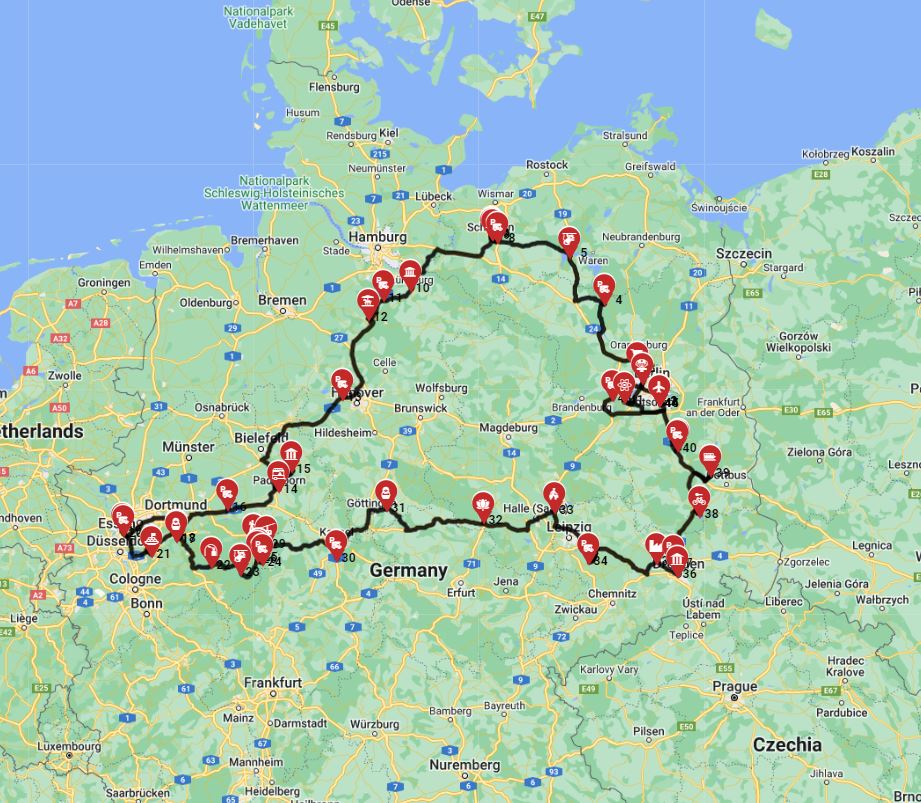
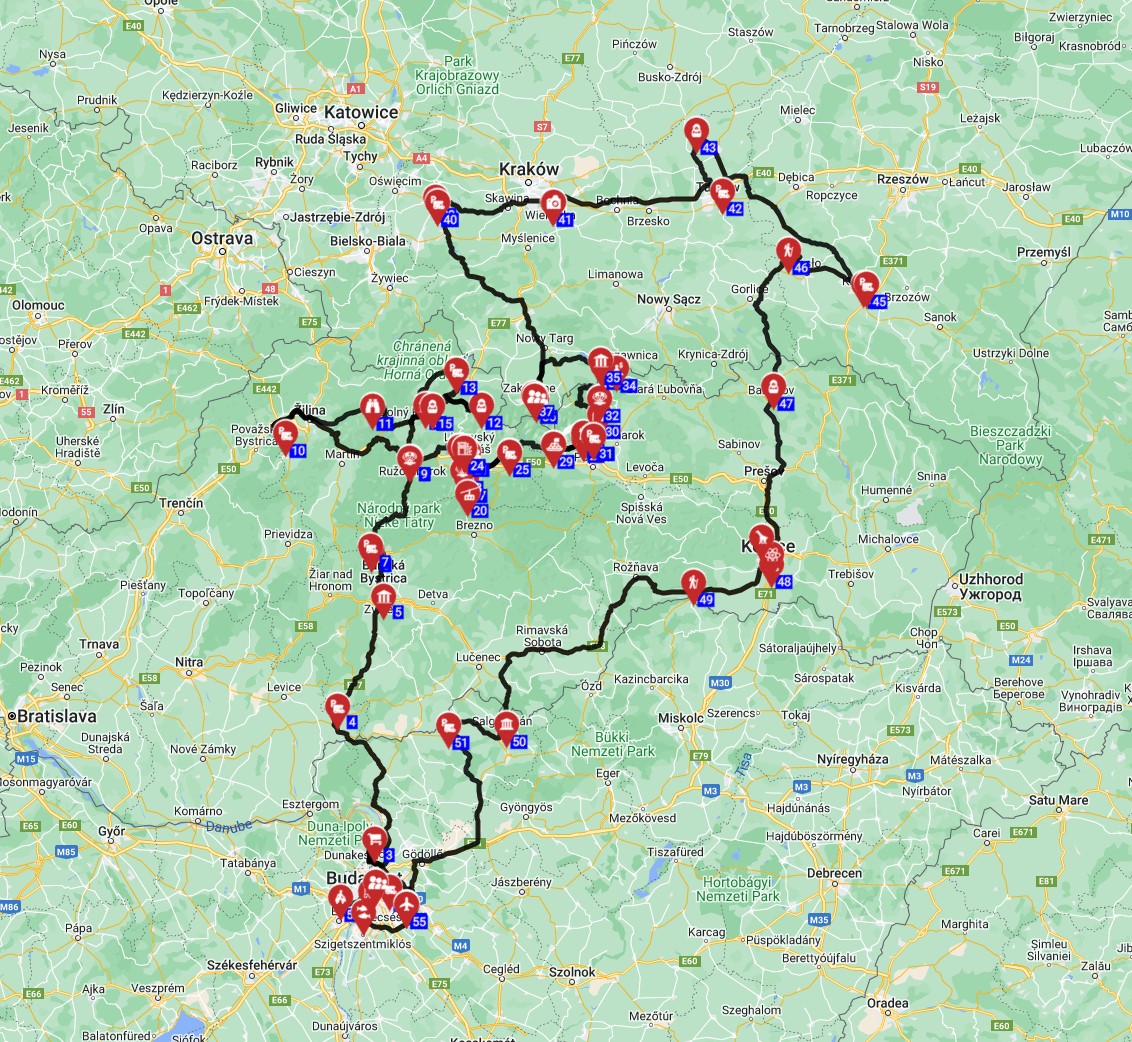
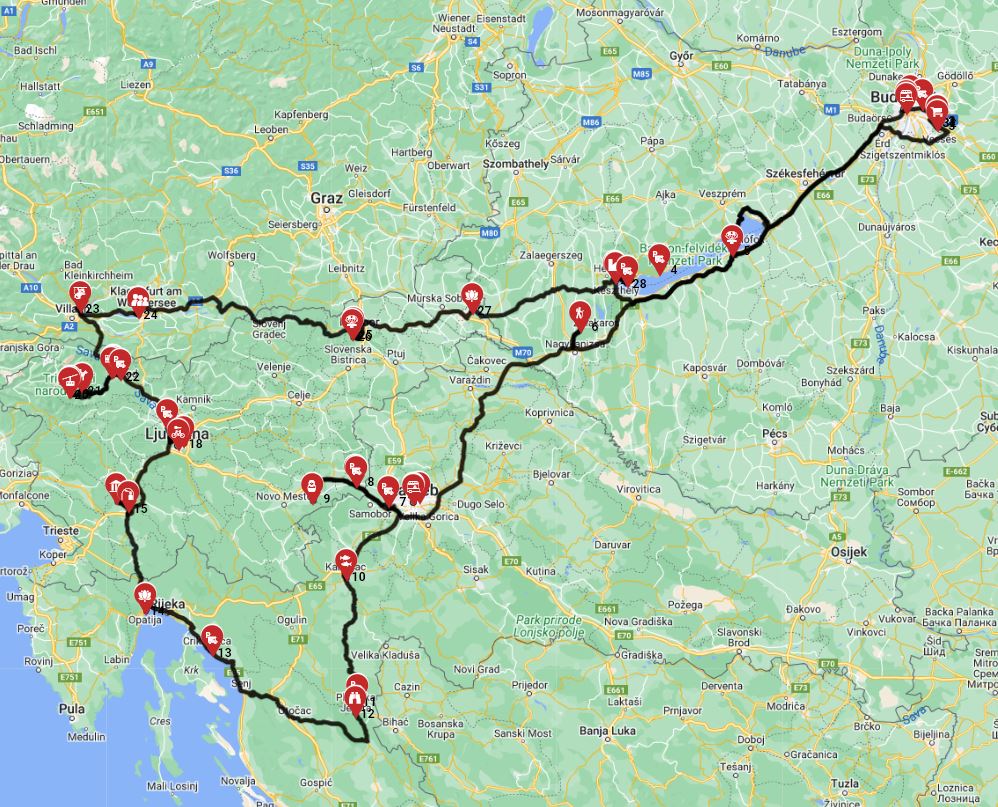
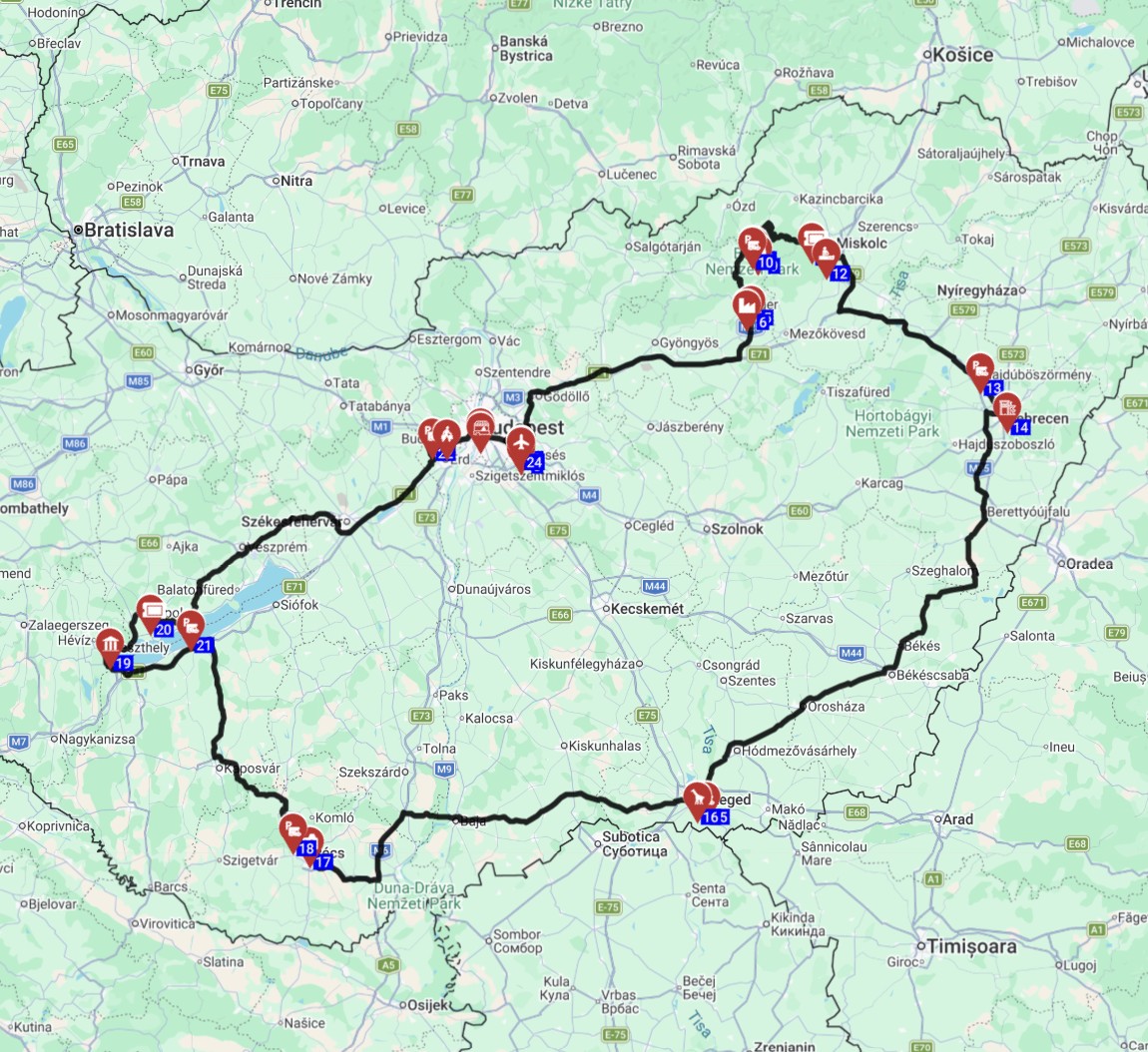
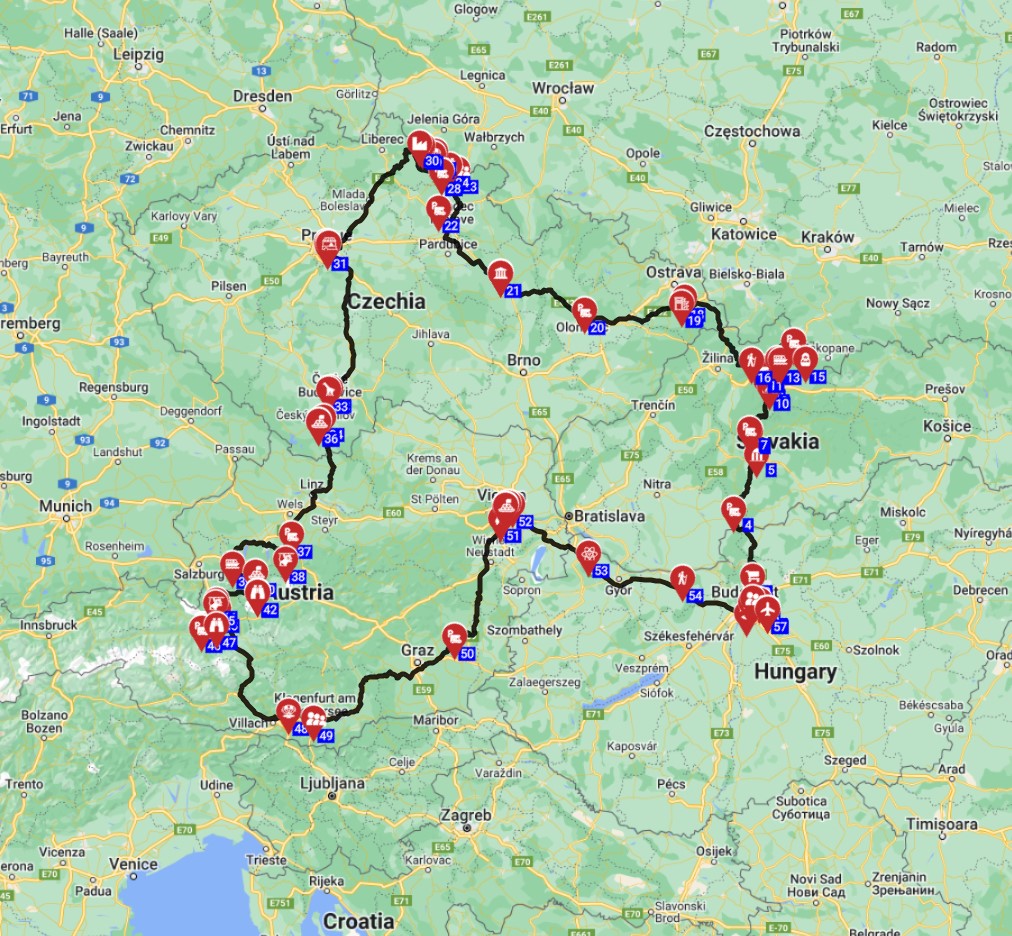
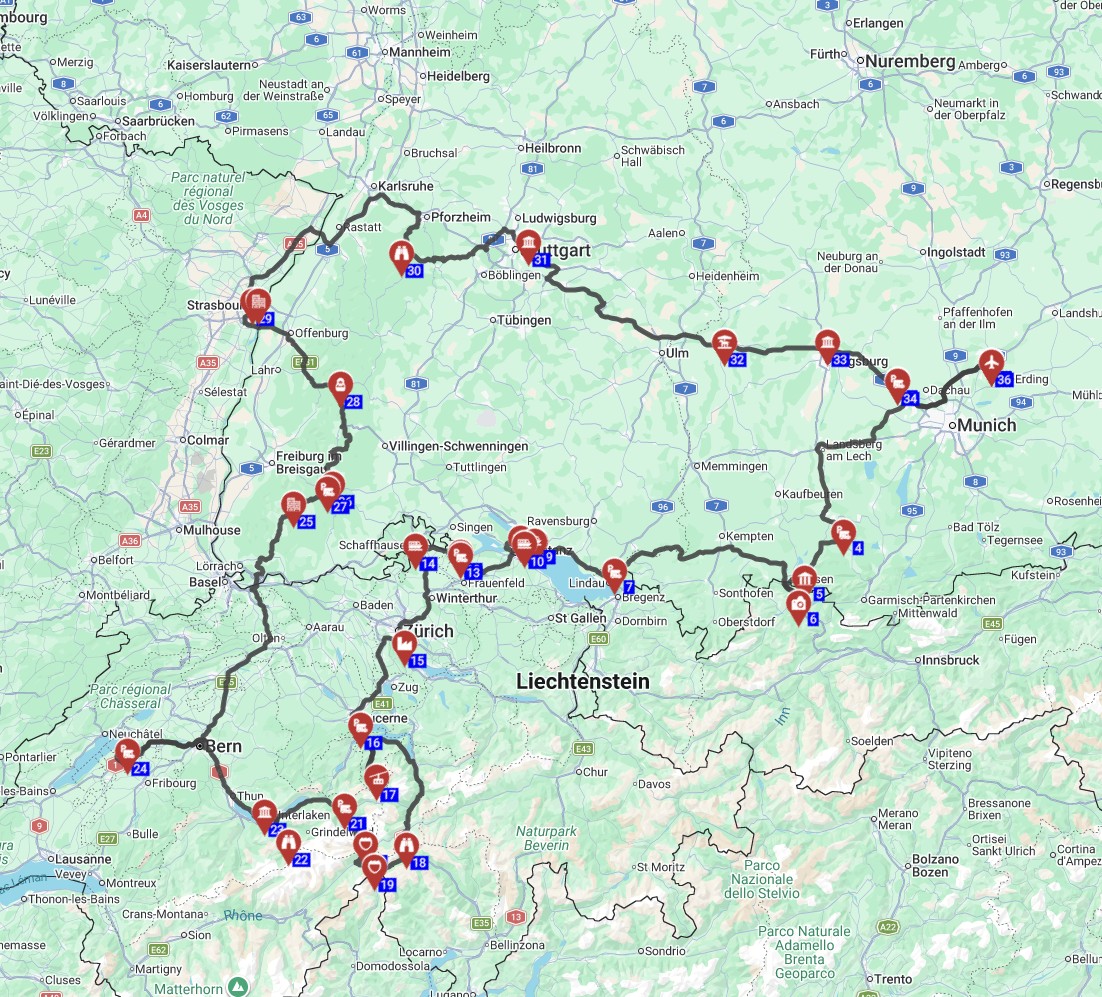
Discover top destinations, planning tips, all in one place! Plan a trip itinerary in advance with minimal effort and maximum enjoyment. Get inspired for your next East European adventure today!