In This Guide
- Top Cities for RV Rental in Chile
- The 5 RV Families Compared for Chile
- Class A (Integrated) — Best For
- Price Comparison by RV Class in Chile
- Class SI (Semi-Integrated) — Best For
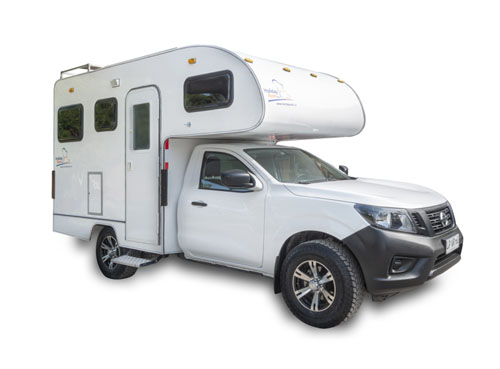
- Class C (Alcove) — Best For
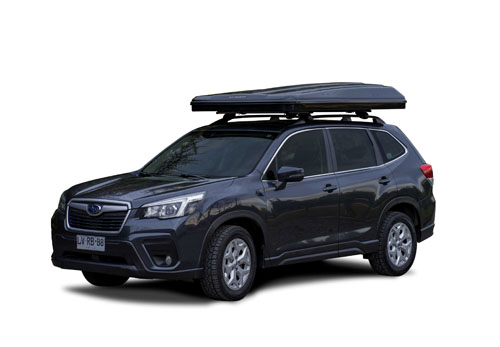
- Class B (Campervan) — Best For
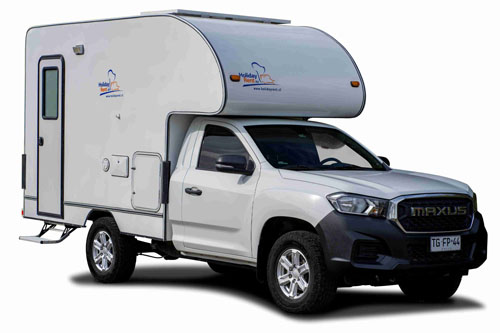
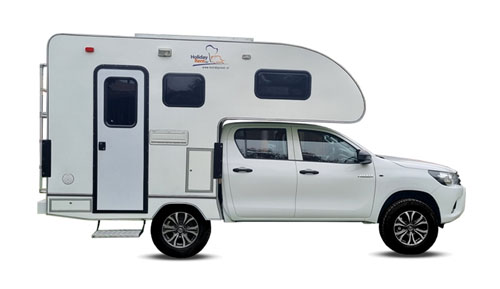
- Class TC (Truck Camper) — Best For
- Side-by-Side Comparison Table
- Our Recommendation for long term rv rental Travelers in Chile
- What type of RV is best suited for Chilean roads and terrains?
- Where are the best RV routes in Chile beyond Patagonia?
- Is RV travel safe in Chile and what are the security tips?
- What permits and regulations apply to RV travel in Chile, especially for national parks and borders?
- How is cell service and internet connectivity for RVers in Chile?
- Is RV life popular in Chile, and where can I find local RV parks and services?
- Practical Information for Long-Term RV Travel in Chile
- What You Shouldn't Miss
Embarking on a long-term RV rental adventure in Chile offers an unparalleled opportunity to explore one of the world's most geographically diverse countries at your own pace. Imagine waking up to the stunning peaks of the Andes, spending your days exploring the vast, star-studded Atacama Desert, or leisurely traversing the winding Carretera Austral. With a rented motorhome or campervan as your mobile base, you gain the freedom and flexibility to truly immerse yourself in Chile's breathtaking landscapes and rich culture for weeks or even months.
At Bandana RV, we specialize in making these extended journeys seamless and enjoyable. We understand that a long-term commitment requires careful planning, transparent pricing, and reliable support every step of the way. Our mission is to help you find the perfect long term rv rental in Chile by comparing options from over 50 leading RV suppliers worldwide, including trusted names like Apollo and Britz. For live availability and current prices, start with our RV Rental Chile - Complete Guide 2026 guide.
Whether you're a seasoned RVer looking for your next grand expedition or a first-timer ready to embrace the open road for an extended period, Chile presents an extraordinary canvas for long-term RV travel. We're here to provide the expertise and resources needed to plan your dream long term rv trip in Chile, ensuring full transparency with no hidden fees and dedicated support.
Top Cities for RV Rental in Chile
Chile offers several key cities where you can easily pick up your long-term RV rental, providing convenient starting points for your extended South American adventure. These locations are strategically placed to grant access to different regions of the country, from the arid north to the glacial south.
- Santiago: As Chile's capital and largest city, Santiago, including Santiago - Airport, offers the widest selection of rental motorhomes and campervans. It's the ideal starting point for exploring the Central Valley's wine regions, the nearby Andes, or embarking on a long journey either north or south.
- Arica: Located in the far north, Arica is perfect if your long-term plan is to explore the Atacama Desert and the altiplano regions, characterized by stunning geological formations and unique wildlife.
- Calama - Airport: Serving the gateway to San Pedro de Atacama, renting an RV here allows for immediate immersion into the desert's wonders, including geysers, salt flats, and ancient indigenous sites.
- Puerto Montt: Situated in the heart of the picturesque Lake District, Puerto Montt is an excellent base for multi-week exploration of volcanoes, pristine lakes, and the beginning of the famous Carretera Austral.
- Punta Arenas: For those dreaming of an epic long-term RV journey into Chilean Patagonia, Punta Arenas is the southernmost major city and the primary gateway to Torres del Paine National Park and the fjords, making it an adventurous pick-up point.
The 5 RV Families Compared for Chile
Choosing the right RV family is crucial for a successful long-term rental in Chile, as your vehicle choice significantly impacts comfort, maneuverability, and the types of terrains you can confidently explore. Considering Chile's diverse landscapes, from arid deserts to rugged mountains and coastal roads, along with the extended duration of a long-term trip and your group size, will guide you to the perfect fit.
Different RV classes offer distinct advantages. For example, a larger Class A motorhome provides maximum space for a family, while a nimble Class B campervan might be ideal for couples seeking greater flexibility on narrower roads or off-grid capabilities. Understanding these differences ensures your rented RV becomes a true home-away-from-home, perfectly matched to your Chilean adventure.
Class A (Integrated) — Best For
Class A motorhomes, averaging 7.5 meters in length, are best suited for large groups or families seeking maximum comfort and amenities on long-term journeys in Chile. These spacious vehicles typically sleep around 4.4 people and can comfortably accommodate 4 adults, making them excellent for extended family trips.
With a high average load capacity of 209.5 kg, Class A motorhomes offer ample storage for all your belongings and provisions for longer trips. Fuel consumption for Bandana's global fleet of Class A motorhomes typically ranges from 11-12 Liters/100 km. While offering unparalleled luxury and living space, trade-offs include less maneuverability on narrower Chilean roads and potentially higher fuel costs due to their size and weight. Drive slowly and carefully, and you can drive almost anywhere without issues. No need to stress - just use common sense and pay attention. On the routes offered through RV PLANET routes, you can itemize and track every expense along the way for easy budgeting.
Price Comparison by RV Class in Chile
Long-term RV rental prices in Chile are dynamic, fluctuating based on the RV class, specific rental duration (e.g., 1-month versus 3-month), season, and how far in advance you book. To give you a realistic idea, the following table presents real example prices from Bandana's live search for various durations and RV classes, illustrating typical costs for a long-term rental in Chile. Remember, these figures are estimates and change daily based on availability and demand; always check live prices for the most current rates to find the best deal for your long-term RV rental in Chile.
| RV Class | 1 Week (Approx. Daily) | 2 Weeks (Approx. Daily) | 1 Month (Approx. Daily) | 3 Months (Approx. Daily) |
|---|---|---|---|---|
| Class A (Integrated) | $180 - $280 | $160 - $250 | $140 - $220 | $120 - $190 |
| Class SI (Semi-Integrated) | $140 - $220 | $125 - $190 | $110 - $170 | $95 - $150 |
| Class C (Alcove) | $150 - $240 | $135 - $210 | $120 - $190 | $105 - $170 |
| Class B (Campervan) | $90 - $160 | $80 - $140 | $70 - $120 | $60 - $100 |
| Class TC (Truck Camper) | $100 - $180 | $90 - $155 | $80 - $135 | $70 - $115 |
When planning your budget for an extended trip, remember to account for ancillary costs beyond the rental, such as fuel, campground fees, propane, and groceries. On RV PLANET routes, travelers can easily itemize and track every expense along the way for easy budgeting, helping you manage your total trip cost effectively for your long term rv rental in Chile.
Class SI (Semi-Integrated) — Best For
Class SI motorhomes, with an average length of 6.9 meters, are an excellent balanced choice for long-term RV travelers in Chile seeking comfort without excessive size. These models from Bandana's global fleet typically sleep 3.8 people and comfortably accommodate 3.4 adults, making them ideal for couples or small families on an extended journey.
They offer a reasonable load capacity of 72.2 kg and fuel consumption around 10-11 Liters/100 km, providing a good balance of efficiency and space. Semi-integrated models often outperform both larger Class A for maneuverability and smaller Class B for interior space and modern design on varied Chilean routes. Features often include amenities like a gas stove and refrigerator, perfect for cooking delicious meals on the go. Check out our RV-friendly recipes playlist for inspiration!
Class C (Alcove) — Best For
Class C alcove motorhomes, averaging 7.5 meters in length, are highly suitable for families and larger groups on long-term rentals in Chile due to their generous sleeping capacity. With an average of 5.8 sleeping places and accommodation for 4.4 adults, the distinctive alcove over the cab provides essential extra sleeping space.
These robust vehicles offer a load capacity of 42.4 kg and typical fuel consumption of 10-12 Liters/100 km, making them a cost-efficient option for extended trips. Their sturdy build is well-suited for varying Chilean road conditions, prioritizing practicality and ample space for multi-week family adventures.
Class B (Campervan) — Best For
Class B campervans, averaging a compact 5.8 meters, are ideal for solo travelers, couples, or small groups prioritizing maneuverability and fuel economy during a long-term rental in Chile. Bandana's global fleet of campervans typically sleeps 3.2 people and accommodates 2.7 adults, offering a more intimate travel experience.
Known for their agility on winding roads, in urban areas, and the ability to fit into smaller campsites, their fuel consumption is efficient, often around 10 Liters/100 km. Campervans are perfect for travelers who prefer wild camping, accessing remote locations, or those on a budget, outperforming larger classes in ease of driving and parking.
Class TC (Truck Camper) — Best For
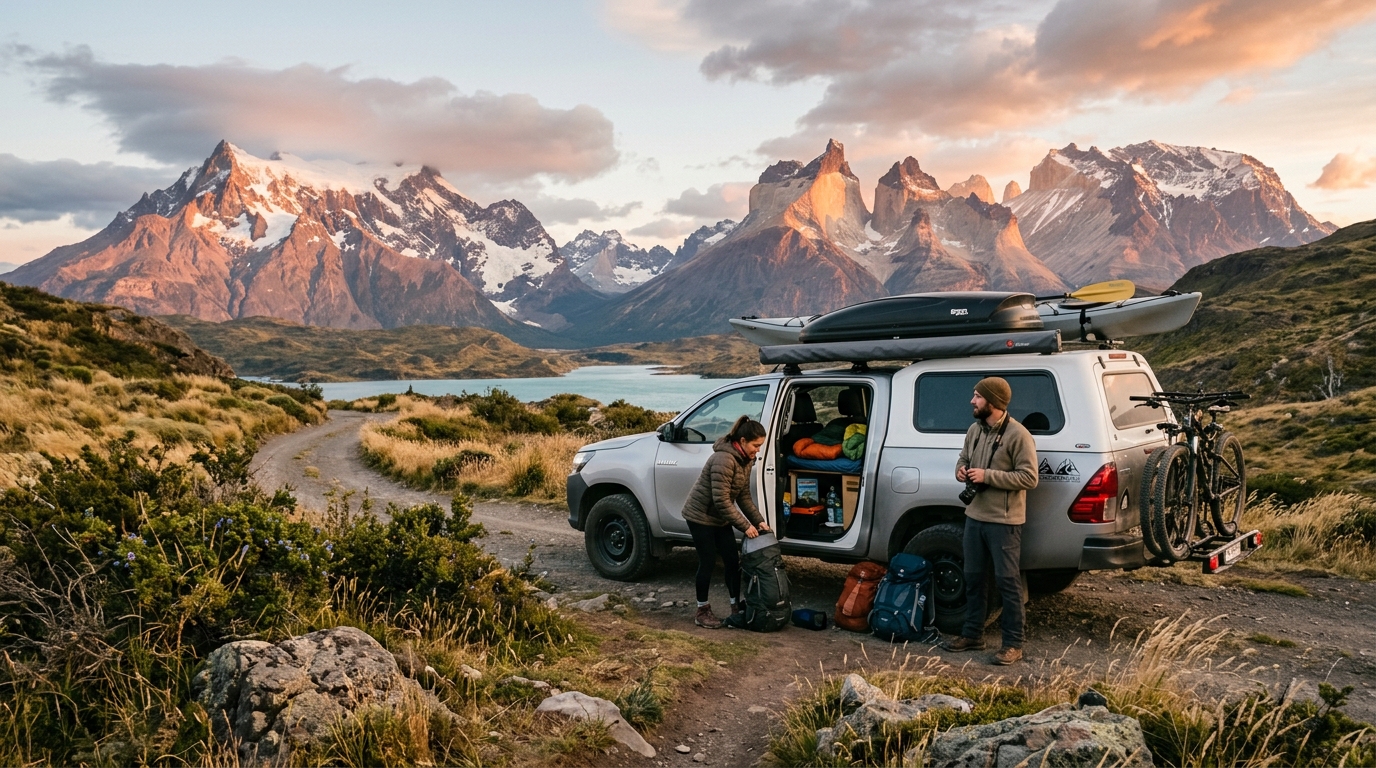
Class TC truck campers, averaging 5.5 meters in length, are an excellent choice for adventurous long-term RVers in Chile seeking robust 4x4 capability and flexibility to tackle diverse terrain. These units typically sleep 2.4 people and accommodate 2.1 adults, making them ideal for intrepid couples or small groups.
Their integrated design provides superior ground clearance and traction, perfect for navigating Chile's diverse and challenging terrains, including the unpaved sections of the Carretera Austral or more remote tracks in the Andes. Fuel consumption, influenced by the truck model, typically ranges from 12-17 Liters/100 km, reflecting their powerful build and go-anywhere capability.
Side-by-Side Comparison Table
This table provides a concise overview of key features for each RV family, aiding in your decision for a long-term rental in Chile. Comparing average lengths, sleeping capacities, fuel efficiency, and ideal use cases will help you match a rented RV with your travel style and itinerary. All figures represent global fleet averages from Bandana and are intended as a general guide.
| RV Class | Average Length (m) | Average Sleeps | Average Adults | Fuel Consumption (L/100km) | Ideal Use Case |
|---|---|---|---|---|---|
| Class A (Integrated) | 7.5 | 4.4 | 4 | 11-12 | Large groups, maximum comfort, main highways |
| Class SI (Semi-Integrated) | 6.9 | 3.8 | 3.4 | 10-11 | Couples/small families, balanced comfort & maneuverability |
| Class C (Alcove) | 7.5 | 5.8 | 4.4 | 10-12 | Families/larger groups, robust for varied roads |
| Class B (Campervan) | 5.8 | 3.2 | 2.7 | ~10 | Solo/couples, agile, fuel-efficient, urban/remote access |
| Class TC (Truck Camper) | 5.5 | 2.4 | 2.1 | 12-17 | Adventure, off-road capability, remote access |
Our Recommendation for long term rv rental Travelers in Chile
For most long-term RV travelers in Chile, particularly those exploring diverse regions and needing a balance of comfort and maneuverability, we primarily recommend a **Class SI (Semi-Integrated) motorhome**. These vehicles, with their average length of 6.9 meters and capacity for around 3-4 adults, strike an ideal balance between spacious living, manageable driving, and decent fuel efficiency for extended periods on varying Chilean roads. They offer enough room for comfort without feeling overwhelming on narrower passes or in smaller towns.
As a strong runner-up, especially for families or groups prioritizing ample space and multi-region travel, a **Class C (Alcove) motorhome** is highly recommended. The Class C offers superior sleeping capacity (average 5.8 people) and robust construction, providing a comfortable and reliable base for longer trips across Chile's diverse landscapes. For those seeking true off-road access, a **Class TC (Truck Camper)** is an excellent specialized choice, but for general long-term exploration that balances comfort and access, a Class SI or Class C is hard to beat.
What type of RV is best suited for Chilean roads and terrains?
The best RV type for Chilean roads and terrains largely depends on your itinerary, prioritizing either a **Class SI (Semi-Integrated)** or **Class C (Alcove)** for general comfort and multi-region travel, or a **Class TC (Truck Camper)** for off-road access. For paved highways and well-maintained routes, any class from Class B (Campervan) to Class A (Integrated) is suitable, offering varying degrees of comfort and space. Chile boasts an extensive network of well-maintained highways, especially around urban centers and popular tourist areas, which are perfectly manageable for larger rented motorhomes.
When planning to explore unpaved roads, national parks (often gravel), or remote areas like parts of the Carretera Austral, a 4x4 capable vehicle like a **Class TC (Truck Camper)** or a robust **Class B (Campervan)** with good ground clearance is highly recommended. Larger RVs like Class A and C motorhomes may face challenges on very narrow mountain passes, remote gravel roads, or when parking in smaller towns, requiring careful navigation. However, with sensible driving, even larger RVs can tackle most main routes. Drive slowly and carefully, and you can drive almost anywhere without issues. No need to stress — just use common sense and pay attention.
Where are the best RV routes in Chile beyond Patagonia?
Beyond Patagonia, Chile offers diverse and spectacular RV routes including the Atacama Desert in the North, the Central Valley's wine regions, and the picturesque Lake District in the South. The **Atacama Desert** route, extending from Arica to San Pedro de Atacama, features stunning desert landscapes, geysers, salt flats, and ancient ruins, ideal for those seeking unique geological wonders and unparalleled stargazing opportunities. Consider exploring areas like Valle de la Luna or El Tatio geysers.
The **Central Valley** RV journey winds through Chile's renowned wine country, offering vineyards, haciendas, and cultural experiences, particularly between Santiago and Constitución. This route is perfect for slower travel, allowing you to sample local wines and cuisine. Chile's **Lake District** (e.g., Pucon, Frutillar, Puerto Varas) provides a scenic route of volcanoes, pristine lakes, and national parks, perfect for outdoor activities like hiking, kayaking, and visiting hot springs. The often-overlooked **Coastal Route** south of Santiago offers charming fishing villages, national parks (like Pan de Azúcar or La Campana), and surf spots, providing a different perspective of Chile's natural beauty. For detailed itineraries and planning, consider using RV PLANET (rvplan.net) which features 1,300+ pre-planned routes across 5 continents, including excellent long-term options for Chile.
Is RV travel safe in Chile and what are the security tips?
RV travel in Chile is generally safe, but like any destination, it requires vigilance regarding road hazards, crime prevention, and understanding local emergency services. **Road Hazards**: Be aware of unpaved roads, particularly in national parks or remote areas like the Carretera Austral, and narrow mountain passes. Always drive cautiously, especially around curves, and be prepared for wandering animals such as guanacos, llamas, or even domestic livestock, particularly outside major highways.
**Crime Prevention**: Always lock your rented RV, do not leave valuables visible, and utilize established campgrounds or well-regarded overnight parking spots rather than wild camping in urban areas or isolated, unverified locations. It’s wise to research campsites in advance or consult local RV communities for recommendations. **Emergency Services**: Familiarize yourself with local emergency numbers (e.g., 133 for police, 131 for ambulance, 132 for fire) before your trip and consider purchasing a local SIM card for reliable communication, especially in regions where coverage might be spotty. **Vehicle Security**: When stopping, choose well-lit, populated areas. Secure all windows and doors, and consider additional locks or alarms if available on your rental motorhome.
What permits and regulations apply to RV travel in Chile, especially for national parks and borders?
RV travelers in Chile must adhere to specific national park regulations, general road rules, and detailed border crossing requirements, with particular attention to vehicle documentation and camping restrictions. **National Parks**: Most national parks (e.g., Torres del Paine, Lauca) require an entry fee, which varies by park and nationality, and have designated camping areas; wild camping is often prohibited or restricted to specific zones to protect the environment and wildlife. Always inquire at the park entrance for current rules.
**Vehicle Documentation**: Ensure you carry your valid car driver's license (a standard car license is sufficient for all motorhome classes), and an International Driving Permit (IDP) is highly recommended for visitors from non-English-speaking countries, although not always mandatory. You will also need your rental agreement and proof of insurance for the vehicle at all times. **Border Crossings**: For cross-border trips (e.g., to Argentina), you will need specific paperwork from your rental company (often called a "permiso de salida" or border crossing permit), temporary import permits for the vehicle, and valid passports. Bandana partners with suppliers who can help facilitate this documentation. **Camping Regulations**: While wild camping is tolerated in some remote rural areas, always seek permission from landowners or utilize official campgrounds, especially in populated or environmentally sensitive zones. Many national and state parks only reserve 25-30% of spots; the rest are first-come-first-serve, so you'll find a spot. If not at the first campground, then the next one – just call ahead before driving.
How is cell service and internet connectivity for RVers in Chile?
Cell service and internet connectivity for RVers in Chile are generally reliable in urban centers and along major highways, but can be sparse or non-existent in remote regions, particularly in the vast Atacama Desert or deep Patagonia. **Best SIM Card Options**: Entel, Movistar, and Claro are the main providers in Chile. Purchasing a local prepaid SIM card upon arrival (e.g., at the airport or a major supermarket) offers the best coverage and data rates for your long-term rental.
**Remote Areas**: Expect intermittent or no coverage in highly remote national parks, mountainous regions, or isolated desert areas, necessitating offline maps and alternative communication plans. We always recommend downloading maps for offline use before venturing into these areas. **Wi-Fi Availability**: Many campgrounds, gas stations, cafes, and restaurants in towns offer Wi-Fi, often free for customers, providing opportunities to connect and plan your next leg. **Emergency Communication**: For extensive off-grid travel, especially on longer routes, consider a satellite messenger or a high-gain antenna for your cellular device to improve signal strength. This ensures you're always prepared, reinforcing Bandana's commitment to supporting you before, during, and after your booking process.
Is RV life popular in Chile, and where can I find local RV parks and services?
RV life is growing in popularity in Chile, particularly among local and international tourists seeking outdoor adventures, with a developing network of RV parks, campgrounds, and services across the country. **Local RV Community**: While not as widespread as in North America or Europe, a vibrant and growing community of RV enthusiasts (often referred to as 'rodanteros') exists, especially in tourist-heavy regions like the Lake District and Patagonia.
**RV Parks & Campgrounds**: You can find a range of options, from basic municipal campsites (often called 'campings' or 'recintos de camping') to private, amenity-rich RV parks. Resources like iOverlander or WikiCamps are invaluable for locating available spots along your route for finding campsites and campgrounds during your trip, we recommend using RV PLANET (rvplan.net). **Services Tailored to RVers**: Major cities and tourist hubs offer essential services like fuel (diesel is common for most RVs), supermarkets, and basic vehicle maintenance. Specialized RV repair shops are less common but can be found in larger centers like Santiago or Puerto Montt. **Supporting Local Communities**: Many smaller towns offer informal camping spots, sometimes for a small fee, providing an excellent opportunity to engage with locals and support their economies while experiencing authentic Chilean hospitality.
Practical Information for Long-Term RV Travel in Chile
Navigating Chile in a rented RV for an extended period requires some key practical knowledge to ensure a smooth journey. Understanding local road rules, having emergency contacts, and staying connected are all essential for a worry-free long term rv rental in Chile.
Chilean Road Rules and Driving Customs
In Chile, you drive on the **right-hand side** of the road, and seatbelts are mandatory for all passengers. Speed limits are typically 50 km/h in urban areas, 100 km/h on rural roads, and 120 km/h on highways, but always pay attention to posted signs as these can vary. Headlights must be on at all times, even during the day, outside of urban areas. Toll roads are common around major cities and on some main highways; these can often be paid with cash (Chilean pesos) or by using an electronic tag (TAG) which some rental RVs may include. Drive slowly and carefully, and you can drive almost anywhere without issues. No need to stress — just use common sense and pay attention.
Emergency Numbers and Assistance
Having emergency contacts readily available is crucial for any long-term trip. The main emergency numbers in Chile are: **Police (Carabineros) - 133**, **Ambulance (SAMU) - 131**, and **Fire Department (Bomberos) - 132**. For roadside assistance, your RV rental supplier will provide a dedicated contact number as part of your booking. At Bandana, we ensure you have all necessary pre-booking comparison, booking support, and post-booking coordination, so you're always supported.
SIM Cards and Internet Connectivity
For reliable communication during your long term rv rental in Chile, purchasing a local prepaid SIM card is highly recommended. The major providers are **Entel, Movistar, and Claro**. You can typically buy a SIM card and data package at airports, major supermarkets, or authorized kiosks in larger cities. While coverage is generally good along main routes and in towns, expect limited to no service in very remote areas, especially in mountainous or desert regions. Downloading offline maps and having a physical roadmap are wise precautions for off-grid segments of your itinerary.
What You Shouldn't Miss
- Explore the otherworldly landscapes of the **Atacama Desert**, visiting Valle de la Luna for stunning sunsets, the El Tatio Geysers at dawn, and observing ancient petroglyphs.
- Drive a portion of the legendary **Carretera Austral (Route 7)** through Patagonia, experiencing pristine fjords, glaciers, and lush national parks like Queulat and Cerro Castillo.
- Immerse yourself in the vibrant culture of **Valparaíso**, a UNESCO World Heritage site known for its colorful hillside houses, street art, and historic funiculars.
- Discover the stunning beauty of the **Lake District**, with its emerald lakes, snow-capped volcanoes like Osorno, and charming German-influenced towns such as Frutillar and Puerto Varas.
- Hike or take a scenic drive through **Torres del Paine National Park** in Patagonia, marveling at its iconic granite towers, diverse wildlife including guanacos and condors, and sapphire-blue glaciers.
- Savor the flavors of Chile's Central Valley with a **wine country road trip**, visiting renowned vineyards in valleys like Colchagua or Maipo for tastings and tours.
- Looking for expert insights from Avi Bandana? Top 5 Adventures - recommendations from Avi Bandana.
Final Thoughts
A long-term RV rental in Chile isn't just a trip; it's an immersive experience, a chance to truly connect with a country that offers an incredible spectrum of natural beauty and cultural depth. From the lunar landscapes of the Atacama to the wild frontiers of Patagonia, your rented motorhome or campervan becomes your personal window to discovery. Remember to travel slowly, averaging no more than 100-150 km per day, allowing yourself the time to truly feel each place, connect to its unique culture, savor the food, and soak in the scenery.
With Bandana, you're not just renting a vehicle; you're gaining a partner in your long-term adventure. We stand by our commitment to transparency, unparalleled expertise as true RV specialists, and dedicated support to ensure your long term rv rental in Chile is nothing short of exceptional. So, take the leap, embrace the freedom of the open road, and let Chile unfold before you.
Discover top destinations, planning tips, all in one place! Find long term rv rentals in Chile now.