For live availability and current prices, start with our RV Rental West Europe - Complete Guide 2026 guide.
In This Guide
- Best West Europe RV Itinerary for long term rv rental — Overview
- 7-Day Classic Route in West Europe
- 14-Day Extended Journey in West Europe
- Recommended RVPlan Trip for West Europe
- Must-See Stops Along the Way (Avi Bandana Picks)
- Daily Driving Distances & Drive Times in West Europe
- Best RV Class for This Itinerary — Couple & Family Picks
- What is the total cost for a long term RV rental in West Europe, including fuel and tolls?
- What are the specific driving regulations and Low Emission Zones for RVs in West Europe?
- Are there legal alternatives to wild camping for RVs in West Europe?
- What RV size is best for navigating narrow towns and mountain passes in West Europe?
- How do I manage currencies and payment systems while RVing in West Europe?
- What cultural etiquette should RVers know in West European countries?
- What are the pet travel regulations for RVs in the EU Schengen Area?
- What are the emergency procedures and insurance requirements for RV travel in West Europe?
- When is the best season to RV in West Europe, considering weather and crowds?
Best West Europe RV Itinerary for long term rv rental — Overview
A long-term RV rental in West Europe offers unparalleled freedom to explore diverse landscapes and cultures, with recommended durations from 2 weeks to several months. This ultimate itinerary generally spans France, Germany, Switzerland, Italy, and Spain, covering approximately 2,000-5,000 km, depending on trip length. The best season for long-term RV travel in West Europe is typically spring (April-June) or autumn (September-October) to avoid peak summer crowds and enjoy mild weather. The journey focuses on scenic drives, cultural immersion, and relaxed pacing, allowing for deep exploration of each region. For live availability and current prices, start with our RV Rental West Europe - Complete Guide 2024 guide, a comprehensive resource built by true RV specialists who genuinely understand motorhome travel. We've been helping tens of thousands of travelers explore the world by RV since our founding in 2001, offering unparalleled personal experience and attention to the smallest details. Imagine waking up to a fresh croissant in a charming French village, then driving a few hours to hike in the Swiss Alps, all from the comfort of your rented motorhome. This flexibility and immersion is what long-term RV travel in West Europe is all about.7-Day Classic Route in West Europe
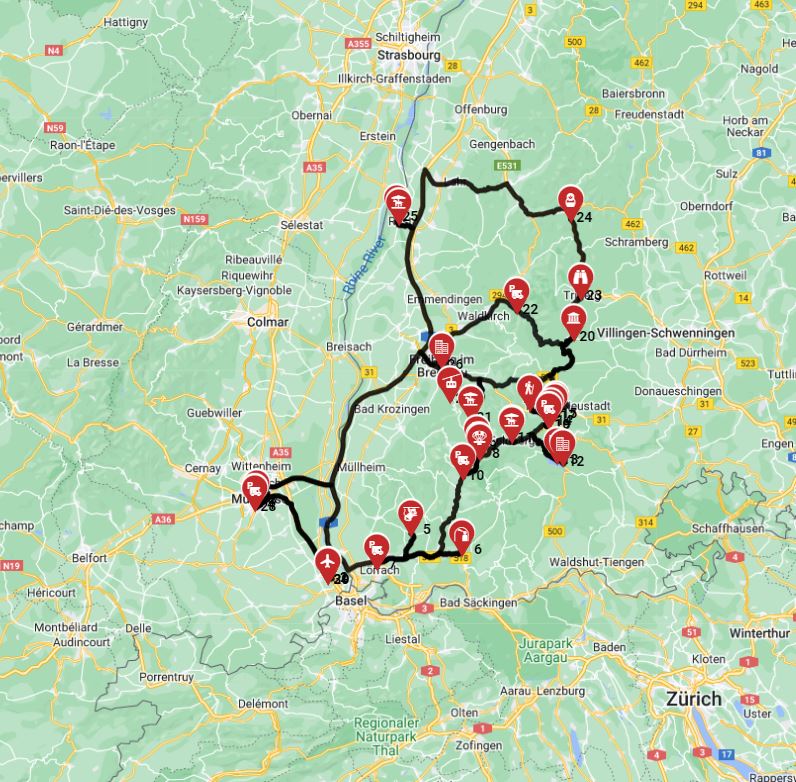
For a classic 7-day West European RV experience, consider a loop through parts of Germany, Switzerland, and France, maximizing scenic diversity within a week. This itinerary respects our recommendation to travel slowly, averaging a maximum of 100-150 km per day. Day 1 starts in Munich, Germany, heading to Füssen (Neuschwanstein Castle), Germany (approx. 120 km), with an overnight stay at Camping Bannwaldsee. Day 2 proceeds from Füssen, Germany, to Lake Constance (Lindau), Germany (approx. 90 km), where you can sleep at a Stellplatz in Lindau. Day 3 moves to the Black Forest (Titisee-Neustadt), Germany (approx. 100 km), with camping at Camping Titisee. Day 4 crosses into Colmar, France (approx. 70 km) to explore the charming town, sleeping at an 'aire' de service. Day 5 continues to Strasbourg, France (approx. 80 km) for a visit to Strasbourg Cathedral, staying at a campsite near the city. Day 6 returns to Heidelberg, Germany (approx. 130 km) to explore Heidelberg Castle, with an overnight at Camping Heidelberg. The journey concludes on Day 7, returning from Heidelberg, Germany, to Munich, Germany (approx. 270 km), which is a longer travel day and might require an early start or be split if time allows, perhaps with a stop in Nuremberg or Rothenburg ob der Tauber. This route highlights how a rented camper allows you to truly connect with the culture, food, and scenery of West Europe.14-Day Extended Journey in West Europe
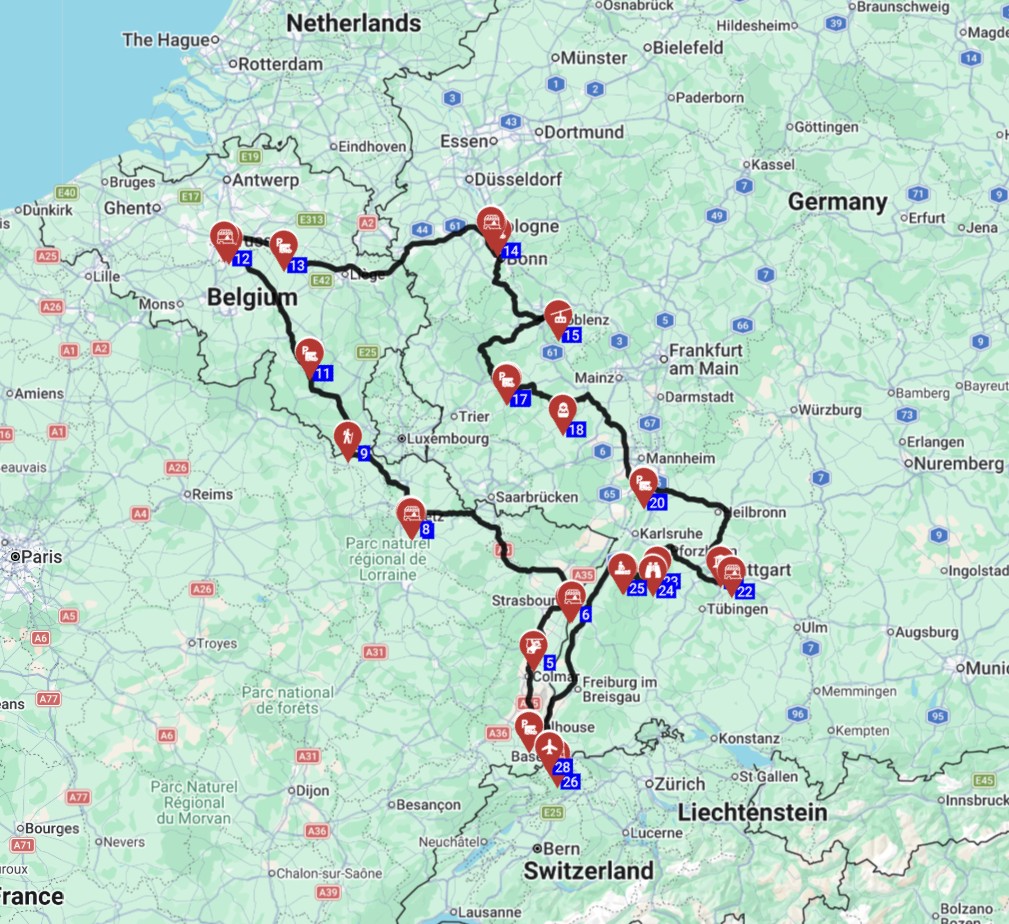
An extended 14-day RV journey allows for deeper immersion, linking northern France with parts of Belgium, the Netherlands, and Germany, respecting a maximum of 150 km per day for a relaxed pace. Days 1-3 focus on Normandy & Brittany, France, exploring D-Day beaches, Mont Saint-Michel, and charming coastal towns (e.g., Caen → Bayeux → Saint-Malo, approx. 100-120 km/day), staying at local campsites or 'aires'. Days 4-6 delve into the Loire Valley, France, discovering châteaux country (e.g., Saumur → Amboise → Blois, approx. 60-80 km/day) and enjoying wine tastings. From Days 7-9, explore the Paris Region & Champagne, France, with a quick visit to a Paris-area campsite for metro access, then heading east into the Champagne region (e.g., Paris outskirts → Reims → Épernay, approx. 100-120 km/day). Days 10-11 take you through Belgium & Luxembourg, exploring medieval Bruges or Ghent, then to Luxembourg City (e.g., Bruges → Luxembourg City, approx. 200 km over 2 days with a stop in Ghent). The final Days 12-14 are spent in Germany (Rhine Valley & Moselle), driving along the Rhine or Moselle rivers, visiting castles and vineyards (e.g., Luxembourg City → Cochem → Koblenz, approx. 100-130 km/day), before heading towards a major airport for departure. This comprehensive itinerary demonstrates the flexibility and depth of experience possible with a long-term motorhome rental.Recommended RVPlan Trip for West Europe
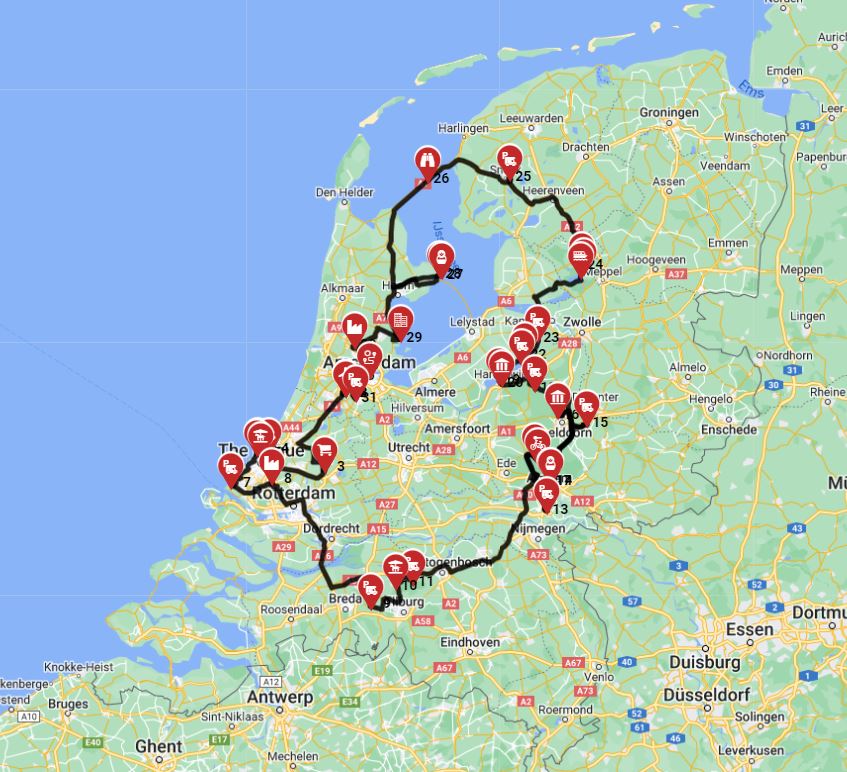
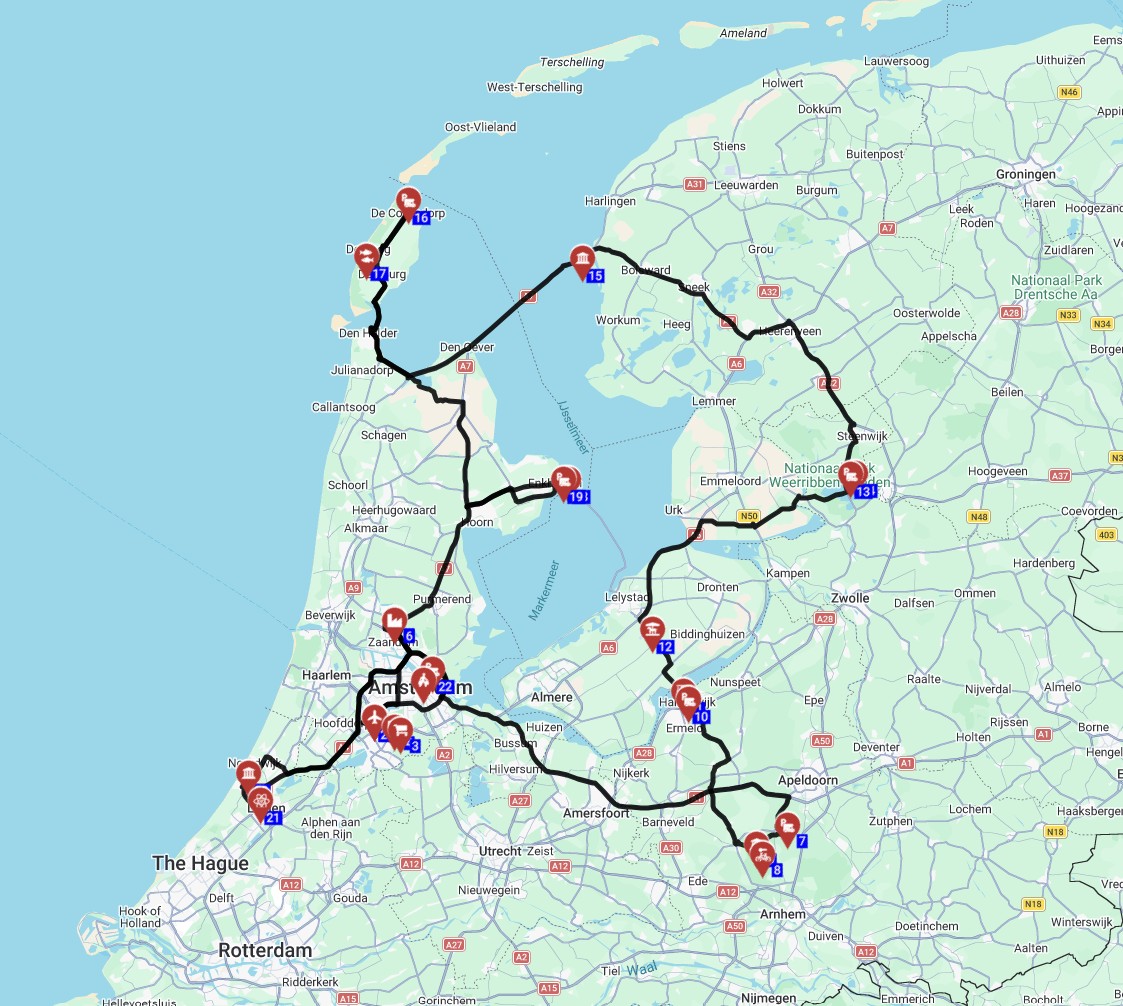
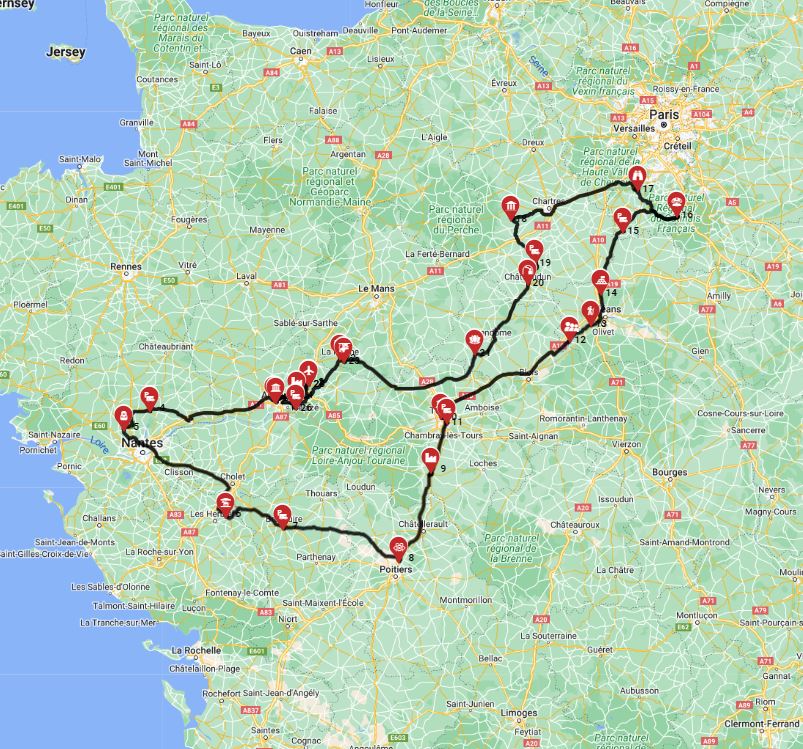
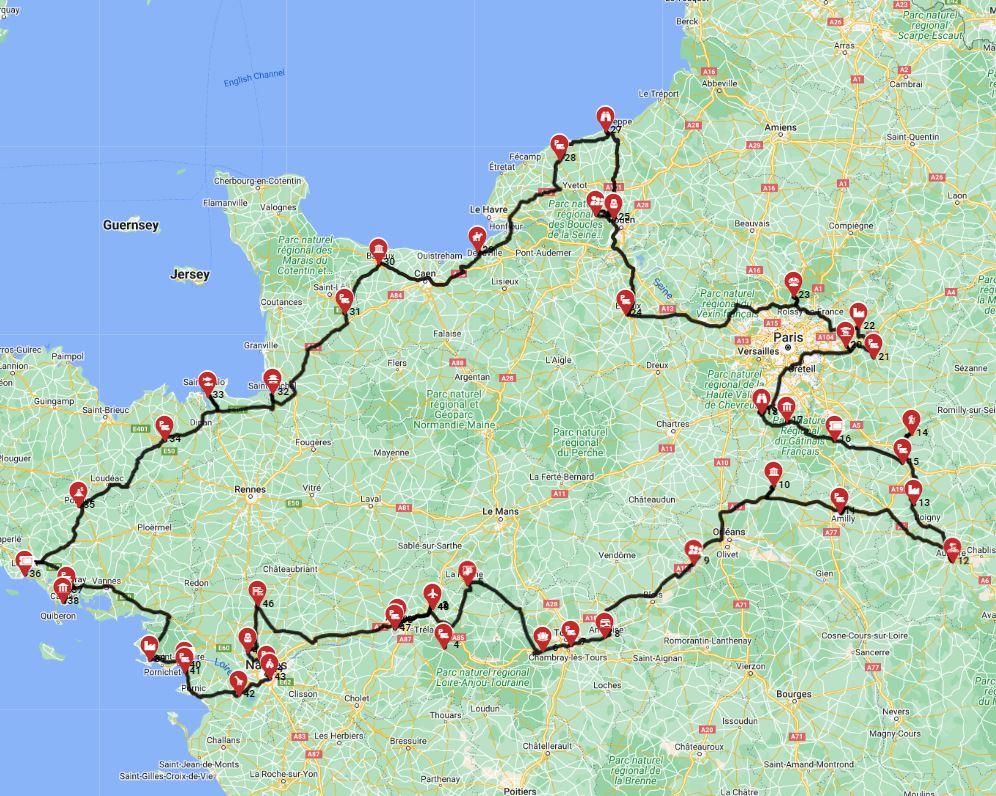
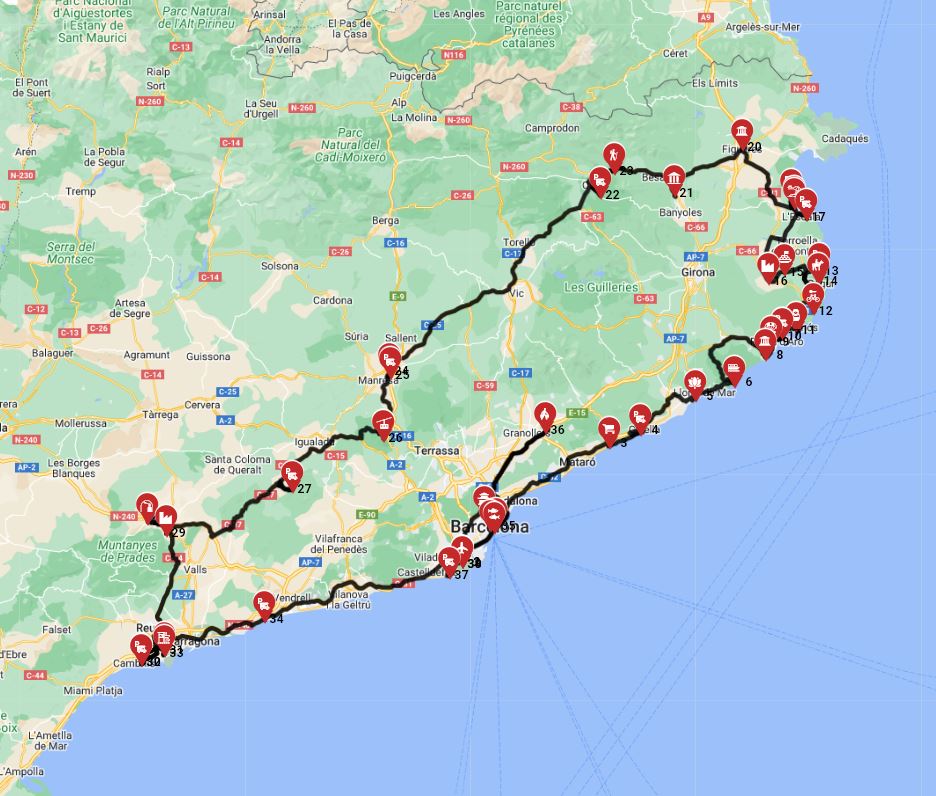
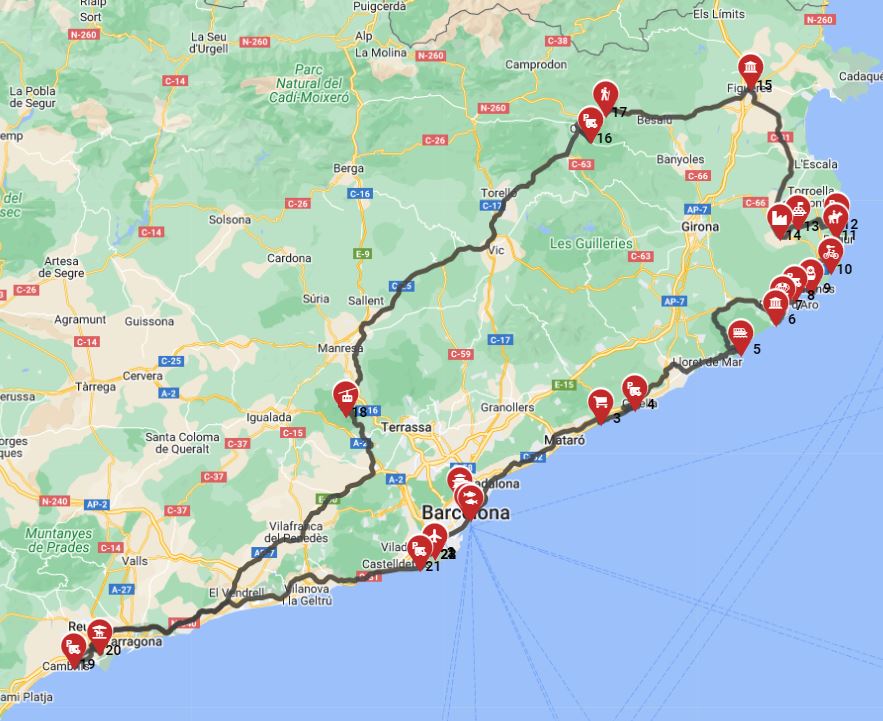
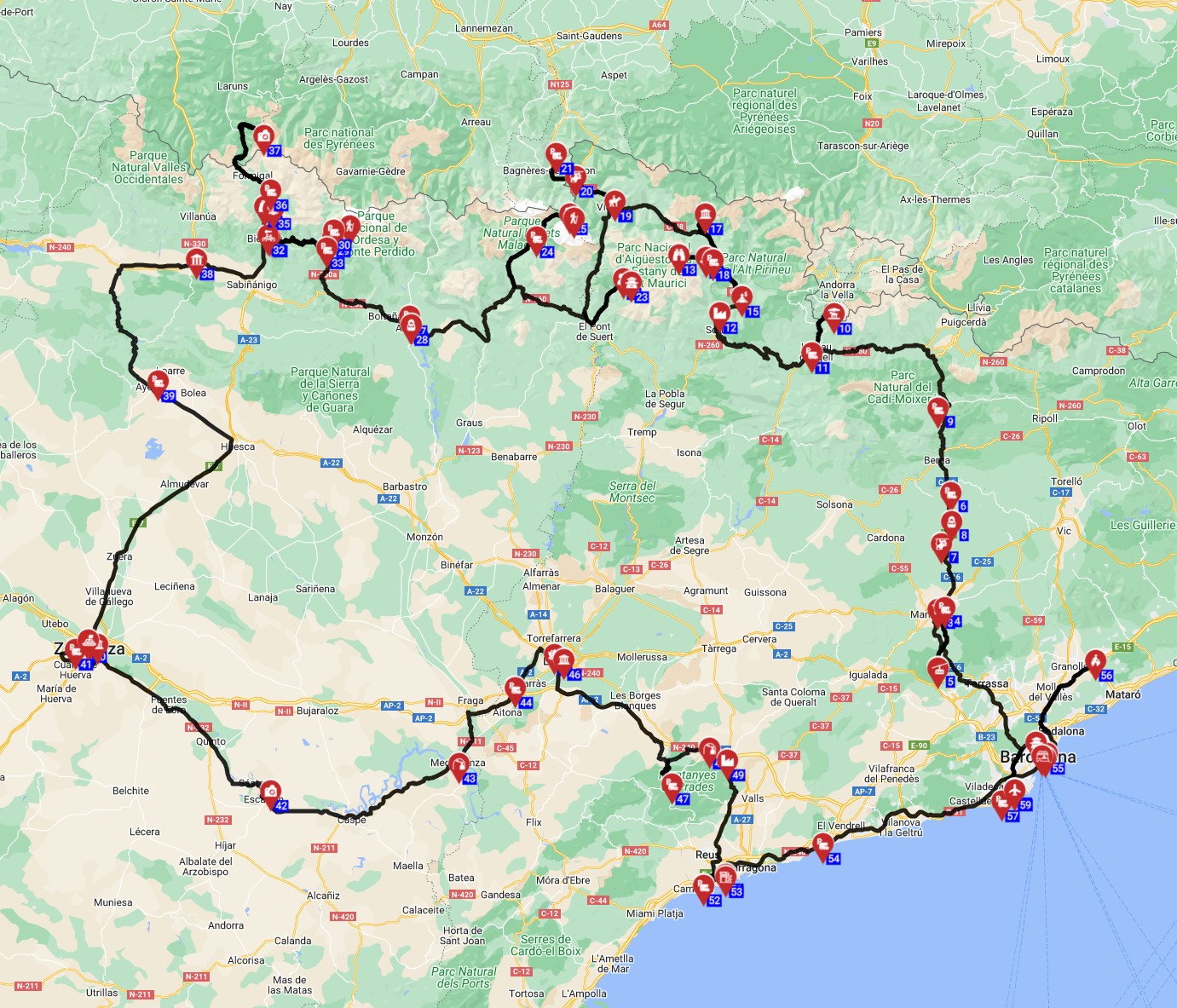
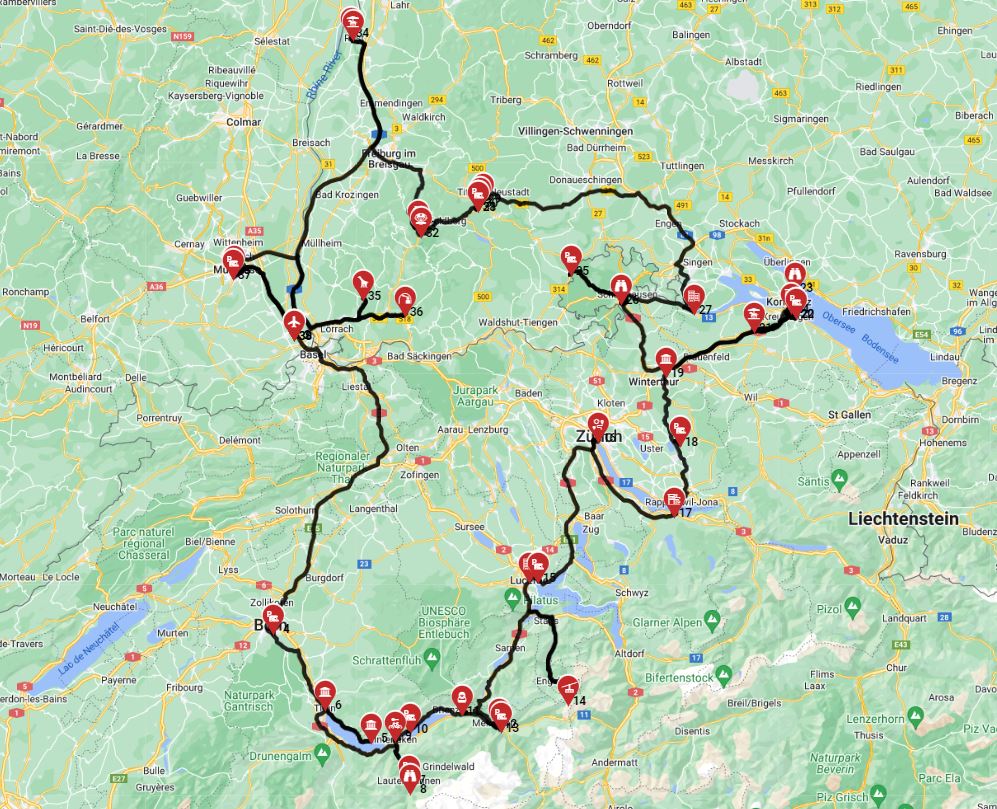
While specific RVPlan trip data is not available for this itinerary, Bandana RV always recommends exploring their curated RV PLANET routes, designed by travel experts to make planning effortless. These ready-made itineraries, accessible through our Rent&Plan service, are tailored to various destinations and durations, simplifying the planning process for your West Europe adventure. Imagine having all the details of your long-term RV rental laid out for you, including points of interest and campsite suggestions, accessible within the RV PLANET platform to customize your journey. As a bonus, using rvplan.net for your planning gives you a 25% planning discount, a great reward for organizing your trip in advance. We believe in providing full transparency and support, ensuring you have all the tools needed for a fantastic journey. For more detailed itineraries across the continent, explore our RV Rental Europe - Complete Guide 2024.Must-See Stops Along the Way (Avi Bandana Picks)
Avi Bandana's personal picks for long-term RV travel in West Europe emphasize authentic local experiences and off-the-beaten-path discoveries. We encourage you to seek out charming small towns with vibrant traditional markets, such as those found in Provence, France, or Bavaria, Germany, to sample local produce and crafts. Exploring local industries like a family-run vineyard in the Moselle Valley or a traditional cheese maker in the Netherlands provides immersive cultural insights, allowing you to connect deeply with the region. Prioritize traditional restaurants in rural areas for genuine local cuisine, often found away from major tourist hubs, offering a taste of authentic West European flavors. When you're making these culinary stops, remember that cooking in your rented RV can also be a delight; check out our RV-friendly recipes playlist for inspiration! Looking for expert insights from Avi Bandana? Top 5 Adventures - recommendations from Avi Bandana.Daily Driving Distances & Drive Times in West Europe
Avi Bandana recommends a maximum of 100 miles or 150 km per day on average for long-term RV travel in West Europe to ensure a relaxed and enjoyable pace. This slower travel approach allows ample time for sightseeing, impromptu stops, and enjoying local culture, rather than rushing between destinations. For instance, driving from Munich to Salzburg (approx. 140 km) typically takes about 1.5 to 2 hours, making it an ideal single day's drive for a rented motorhome. A journey from Florence to Cinque Terre (approx. 180 km) can take 2.5 to 3 hours, especially considering winding roads, and might be better split over two leisurely days with a stop in a smaller town. Similarly, Paris to Bruges (approx. 300 km) would ideally be spread across two days to truly enjoy the journey and avoid driving fatigue, highlighting the benefits of shorter daily distances. This philosophy ensures you take time to feel the place, connect to the culture, the food, and the scenery.Best RV Class for This Itinerary — Couple & Family Picks
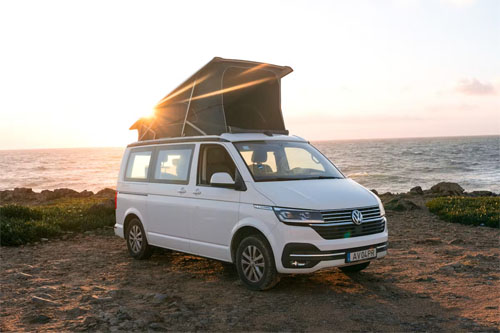
Choosing the right RV class significantly enhances a long-term West Europe itinerary, ensuring comfort and maneuverability. For couples, the Class B - Camper Van is an ideal pick, offering agility for city navigation. Bandana's fleet typically has Camper Vans averaging 5.8 meters in length, with sleeping for up to 3 people and an average fuel consumption of 8-10 Liters/100 km. Camper Vans are perfect for navigating West Europe's narrow historic towns and winding roads, providing excellent fuel efficiency and ease of parking. For families, the Class C - Alcove motorhome is highly recommended, offering more space and comfort. Bandana's Class C Alcove motorhomes average 7.5 meters in length, comfortably sleeping 4-5 people (avg. 4.4 adults, 5.8 sleeping places), and have an average fuel consumption of 10-12 Liters/100 km. Alcove RVs provide ample living space, separate sleeping areas, and larger load capacity (avg. 42.4 kg) suitable for family gear, making them comfortable for extended trips. With Rent&Plan by Avi Bandana, you can select your ideal rented RV and gain full access to trip-planning software with a ready-made itinerary by travel experts, removing the headache of planning. For more options, explore our Luxury RV Rental in West Europe - Premium Prices 2024.What is the total cost for a long term RV rental in West Europe, including fuel and tolls?
The total cost for a long-term RV rental in West Europe varies significantly based on RV class, duration, season, and travel style, but typically ranges from €1,500 to €4,000+ per month for the rental alone. Remember that prices for RV rentals are dynamic, much like flight tickets; they change daily based on availability, seasonality, and supplier marketing decisions, with the final price set at the actual booking time. Fuel costs are a major component; with Bandana's fleet typically consuming 10-12 Liters/100 km for most RV classes, budget €1.80-€2.20 per liter, equating to €18-€26 for every 100 km driven. Tolls and vignettes are prevalent: France, Italy, and Spain use pay-per-use tolls (€0.05-€0.20/km), while countries like Switzerland and Austria require a vignette (annual Swiss vignette ~€40, Austrian varies by duration). Campsite fees average €20-€45 per night for a pitch with hookups, with 'aires' or 'Stellplätze' often cheaper (€0-€20) and offering basic services. Factor in daily expenses for local food, attractions, and cultural experiences, which can add €50-€100+ per day for a couple or family, depending on luxury. For help budgeting these costs, RV PLANET routes allow travelers to itemize and track every expense along the way. For more details on pricing, check out RV Rental in West Europe - Prices and Best Deals 2024.What are the specific driving regulations and Low Emission Zones for RVs in West Europe?
Driving an RV in West Europe requires adherence to specific country-by-country regulations, including mandatory safety equipment and awareness of Low Emission Zones (LEZs) or Environmental Zones. Mandatory equipment in most countries includes a reflective vest for each occupant, a warning triangle, a first-aid kit, and sometimes spare bulbs and a breathalyzer (France). Low Emission Zones (ZTLs in Italy, Crit'Air in France, Umweltzone in Germany) restrict vehicle access based on emission standards, requiring specific stickers (e.g., Crit'Air vignette, Umweltplakette) to enter certain city centers. RV-specific speed limits often differ from cars, typically lower on motorways and rural roads, and adherence to these is crucial to avoid fines. Drive slowly and carefully, and you can drive almost anywhere without issues in your rented RV; no need to stress – just use common sense and pay attention. A standard car driver's license is sufficient for all motorhome classes (Class A, Class B, and Class C) in West Europe. An International Driving Permit (IDP) is recommended for visitors from non-English-speaking countries but is not mandatory in most cases. Always research the specific regulations for each country on your itinerary before departure, as rules can vary significantly and fines for non-compliance are strictly enforced.Are there legal alternatives to wild camping for RVs in West Europe?
While wild camping is generally restricted or illegal in most of West Europe, numerous legal and convenient alternatives exist for RVers. France boasts an extensive network of 'aires de services' or 'aires de camping-car' which are designated overnight parking areas, often free or low-cost, providing basic services like water and waste disposal. Germany offers 'Stellplätze', similar to 'aires', which are official motorhome parking spots found in towns and scenic locations, varying from free to moderately priced with optional hookups. Farm stays ('France Passion' in France, 'Landvergnügen' in Germany, 'Womo Stellplatz Guide' across Europe) offer legal overnight parking on private land, often for free, for self-contained RVs, usually with the expectation of purchasing local products. Traditional campsites provide full facilities and amenities, widely available across all West European countries for a fee, offering a secure and comfortable option for your rented campervan. You'll find a spot; if not at the first campground, then the next one. Always call ahead before driving to confirm availability.What RV size is best for navigating narrow towns and mountain passes in West Europe?
For navigating West Europe's charmingly narrow historic towns, winding country roads, and challenging mountain passes, smaller RV sizes are generally best. Class B Camper Vans, averaging 5.8 meters in length, are exceptionally maneuverable, making them ideal for urban exploration and tight turns. Semi-integrated motorhomes (Class SI), with an average length of 6.9 meters, offer a good balance of space and agility, suitable for couples or small families who prioritize navigating smaller roads. Larger Class C Alcove (avg. 7.5m) or Class A Integrated (avg. 7.5m) RVs provide more living space but can be challenging in historic city centers, requiring careful route planning and often necessitating parking outside town centers. Drive slowly and carefully, and you can drive almost anywhere without issues, regardless of RV size; no need to stress – just use common sense and pay attention. Always consider the overall length, width, and height of your chosen rented RV, as some tunnels, bridges, and mountain roads may have restrictions, and a smaller vehicle offers greater flexibility.How do I manage currencies and payment systems while RVing in West Europe?
Managing currencies and payment systems while RVing in West Europe involves understanding the Eurozone, preparing for diverse card acceptance, and carrying some local cash. The Euro (€) is the common currency across most of West Europe (e.g., France, Germany, Italy, Spain, Netherlands, Belgium), simplifying transactions within these countries. Outside the Eurozone (e.g., Switzerland uses the Swiss Franc CHF), you will need local currency, so research ahead for specific countries. Credit and debit cards (Visa, Mastercard) are widely accepted in urban areas and larger establishments, with contactless payments increasingly common. In rural areas, smaller shops, local markets, and some 'aires' or 'Stellplätze' may be cash-heavy or only accept cash, so always have a supply of small denomination Euro notes and coins, or the respective local currency, for your long-term RV rental.What cultural etiquette should RVers know in West European countries?
RVing in West Europe involves respecting diverse local customs and cultural etiquette to ensure a smooth and enjoyable journey. When parking or camping your rented camper, always be mindful of noise levels, especially during siesta hours in southern countries (e.g., Spain, Italy) or quiet hours at campsites. Always dispose of waste responsibly at designated service points, avoiding illegal dumping, and leave no trace behind to preserve natural beauty. Simple greetings like 'Bonjour' (France), 'Guten Tag' (Germany), or 'Buongiorno' (Italy) are appreciated when entering shops or interacting with locals, fostering positive interactions. Be aware of local driving habits, such as giving way to pedestrians and cyclists, and understand that Sunday closures for shops and services are common in many regions, impacting grocery shopping or fuel stops for your motorhome rental.What are the pet travel regulations for RVs in the EU Schengen Area?
Traveling with pets in a rented RV across the EU/Schengen Area requires adherence to the EU Pet Travel Scheme, ensuring all documentation and health requirements are met. Your pet must be microchipped with an ISO-compliant microchip for identification. A valid rabies vaccination, administered after microchipping, is mandatory; your pet cannot enter the EU until at least 21 days after its primary vaccination. An EU Pet Passport, issued by an authorized veterinarian, serves as the official travel document for your pet within the EU. For entry from certain non-EU countries, a tapeworm treatment (for dogs) administered by a vet 1-5 days before entry may be required, so check specific country rules well in advance of your long-term RV rental.What are the emergency procedures and insurance requirements for RV travel in West Europe?
Comprehensive preparation for emergency procedures and understanding insurance coverage are crucial for worry-free RV travel in West Europe. The universal emergency number across the EU is 112 for police, ambulance, or fire services; ensure you know your exact location when calling. Ensure your RV rental includes comprehensive vehicle insurance that covers international travel within West Europe, including breakdown assistance and liability. Many rental companies offer additional breakdown coverage or roadside assistance packages, which are highly recommended for peace of mind. You can also upgrade to a top-level deductible reimbursement for extra peace of mind during your extended road trip. Familiarize yourself with the rental company's specific emergency contact numbers and procedures for mechanical issues or accidents, and keep all rental documents accessible. We pride ourselves on full transparency, ensuring no hidden fees or surprises related to your insurance coverage.When is the best season to RV in West Europe, considering weather and crowds?
The best season to RV in West Europe depends on desired weather and crowd levels, with spring and autumn generally offering the most balanced experience. Spring (April-June) provides pleasant temperatures, blooming landscapes, and fewer crowds than summer, making it ideal for exploring most regions, though mountain passes may still have snow early in the season. Autumn (September-October) offers vibrant fall foliage, comfortable temperatures, and reduced tourist numbers, particularly excellent for wine regions and southern Europe. Summer (July-August) brings the warmest weather but also the largest crowds and highest prices, especially in popular coastal areas and major attractions, potentially making campsite bookings difficult for your rented mobile home. Winter (November-March) can be challenging due to cold weather, potential road closures in mountainous areas, and fewer open campsites, but can be suitable for specific winter sports destinations or city breaks. Whether you're a pre-planner who likes everything organized months in advance, or a spontaneous traveler who books day-to-day, both styles work in West Europe. Many national and state parks reserve only 25-30% of spots for advance booking, with the rest available first-come-first-serve. You'll find a spot; if not at the first campground, then the next one. Always call ahead before driving to confirm availability. For year-round advice, consult RV Travel Guide to West Europe - Tips and Top Spots 2024.Final Thoughts
Embarking on a long-term RV rental in West Europe is an adventure that promises unparalleled freedom, cultural immersion, and breathtaking scenery. From the moment you pick up your comfortable motorhome or agile campervan, you become the master of your itinerary, able to linger in a picturesque village or chase the sun across rolling hills. We encourage you to travel slowly, averaging no more than 100-150 km per day, allowing yourself the luxury of spontaneous discoveries and genuine connections with local life. At Bandana RV, we are your trusted partners in this journey. Our extensive network of over 50 suppliers, coupled with our passion for RV travel and full price transparency, ensures you're equipped for an amazing experience. Whether you're planning for months or deciding on a whim, we’re here to support you every step of the way, making sure your long-term West Europe adventure is everything you dreamed of and more. Ready to start your epic journey? Discover top destinations, planning tips, all in one place!On the routes offered through RV PLANET routes, you can itemize and track every expense along the way for easy budgeting.