
In This Guide
- Best UK RV Itinerary for long term rv rental — Overview
- 7-Day Classic Route in UK
- 14-Day Extended Journey in UK
- Recommended RVPlan Trip for UK
- Must-See Stops Along the Way (Avi Bandana Picks)
- Daily Driving Distances & Drive Times in UK
- Best RV Class for This Itinerary — Couple & Family Picks
- How much does it cost to rent an RV in UK for a month?
- What are the rules for wild camping in UK?
- Is it difficult to drive an RV in UK?
- Can you stay in a motorhome long term in UK?
- How long can you legally stay in a motorhome in the UK?
- What is the best time of year to RV in the UK?
- Where can I find free overnight parking for my RV in the UK?
- What type of RV is best for UK roads?
- How do you dispose of waste in an RV in UK?
- Can you rent an RV in the UK and travel to Europe?
- Is there Wi-Fi in UK campsites?
- Are dogs allowed in RVs in UK?
Best UK RV Itinerary for long term rv rental — Overview
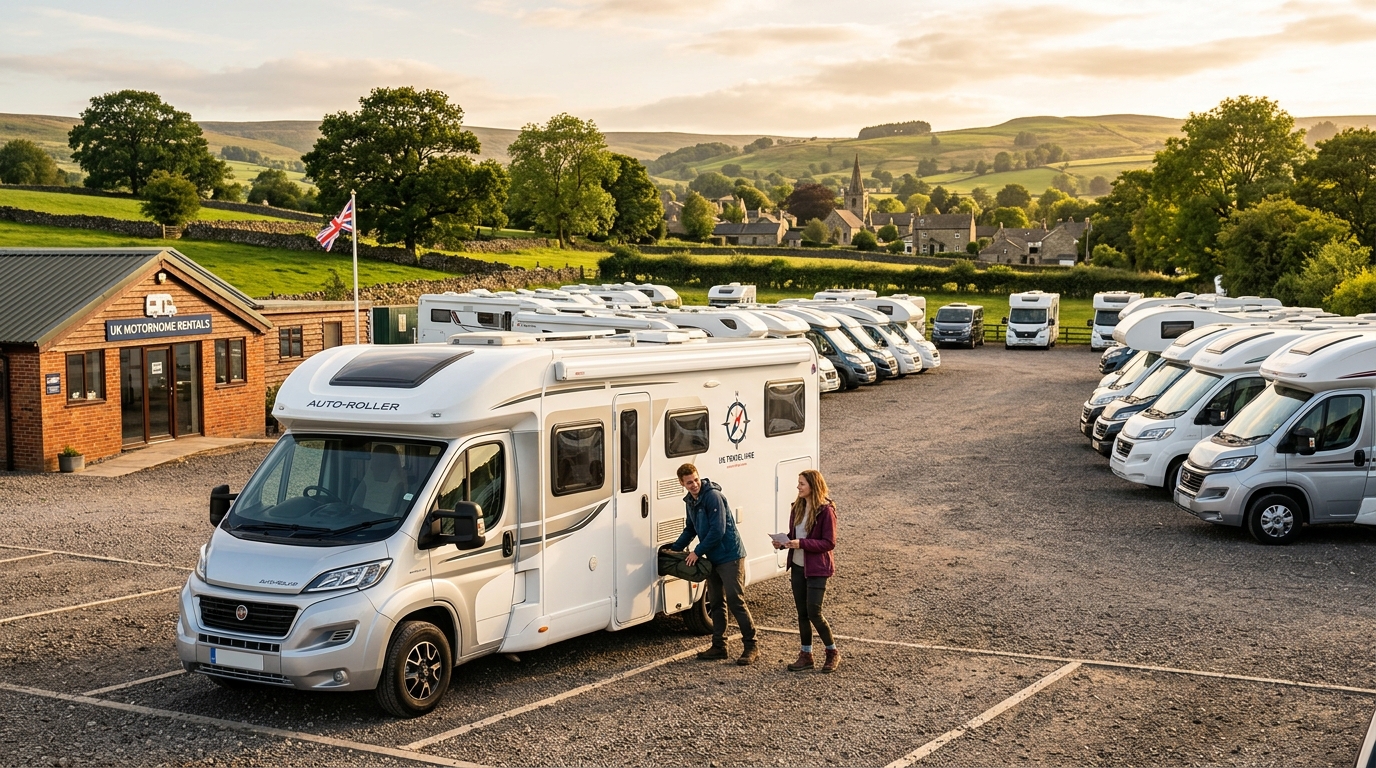
Embarking on a long-term RV rental in the UK offers an unparalleled way to explore its rich tapestry of landscapes and history. This itinerary is crafted to provide a comprehensive yet flexible journey, showcasing the country's diverse beauty, from the rolling hills of the Cotswolds to the dramatic peaks of the Scottish Highlands. A minimum of 7 days is recommended for a taste of the UK's charm, but a 14-day to 21-day adventure allows for a more in-depth and leisurely experience, averaging around 1200-1500 km (750-930 miles) for a thorough exploration. The sweet spot for enjoying pleasant weather and manageable crowds is typically late Spring (May-June) or early Autumn (September-October). For live availability and current prices, start with our RV Rental UK - Complete Guide 2026 guide.
7-Day Classic Route in UK
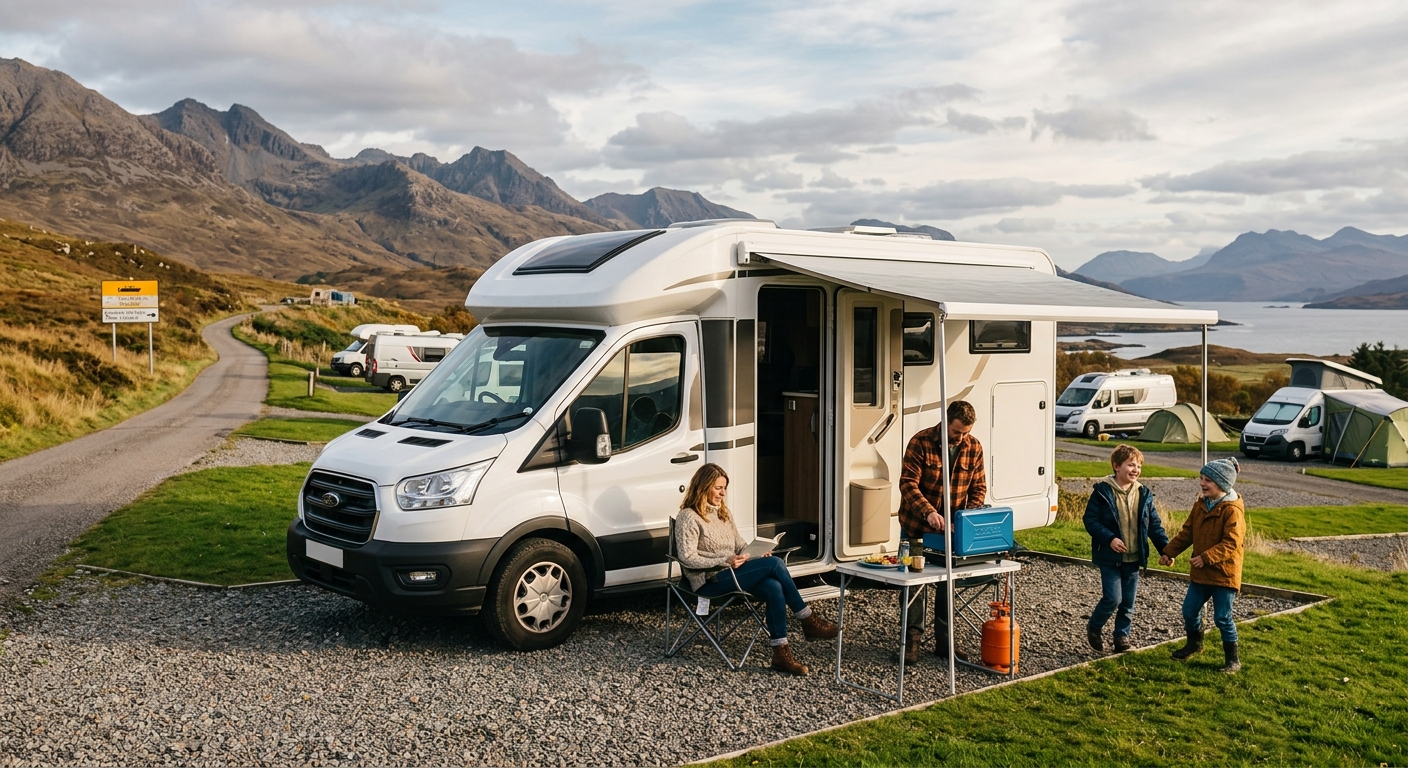
This classic 7-day itinerary provides a fantastic introduction to the UK's iconic sights, focusing on Southern and Central England. Day 1 begins in London, with your RV pickup, before a short drive (approx. 90 km/55 mi) to the historic university city of Oxford. Spend the day exploring its charming streets and dreaming of academic pursuits before settling into a campsite near Oxford. Day 2 sees you heading to the Roman Baths and exquisite Georgian architecture of Bath (approx. 90 km/55 mi), followed by a scenic drive on Day 3 to the quintessential English villages of the Cotswolds, such as Bibury or Bourton-on-the-Water (approx. 70 km/45 mi). Day 4 involves a longer drive (approx. 200 km/125 mi) into the stunning Peak District, where you can enjoy walks around Buxton or Bakewell. Continue north on Day 5 to the breathtaking Lake District, specifically Windermere (approx. 180 km/110 mi), for another day of exploration on Day 6, visiting Grasmere and Ambleside, perhaps with a relaxing lake cruise. Finally, Day 7 offers options: either begin your return journey towards London or opt for a drop-off in Manchester (approx. 140 km/85 mi), concluding this whirlwind tour.
14-Day Extended Journey in UK
For a more immersive experience, this 14-day itinerary builds upon the classic route by extending into the dramatic landscapes of Scotland. Days 1-7 cover the journey from London through Oxford, Bath, the Cotswolds, Peak District, and the Lake District, establishing a strong foundation for your UK adventure. On Day 7, you'll make the significant drive (approx. 250 km/155 mi) north to Edinburgh, Scotland's historic capital, where you can visit Edinburgh Castle and explore the Royal Mile. Day 8 is dedicated to Edinburgh's rich culture and museums. Day 9 takes you into the heart of the Scottish Highlands, towards Loch Lomond & The Trossachs National Park (approx. 100 km/60 mi), for stunning loch views and park scenery. Continue your Highland exploration on Day 10 towards Fort William (approx. 100 km/60 mi), with glimpses of Ben Nevis and the famous 'Road to the Isles'. Day 11 is a journey to the Isle of Skye (approx. 120 km/75 mi including ferry or bridge), famed for its rugged landscapes and the iconic Fairy Pools, with Days 12 dedicated to exploring Skye's highlights like the Old Man of Storr and Quiraing. Day 13 involves a substantial drive south to Glasgow (approx. 300 km/185 mi), Scotland's largest city, to experience its vibrant arts scene. Finally, Day 14 concludes your epic UK road trip with a longer travel day (approx. 340 km/210 mi) back towards Manchester or your specified drop-off location.
Recommended RVPlan Trip for UK
While Bandana offers a vast array of curated itineraries through our RVPlan service, the "
Must-See Stops Along the Way (Avi Bandana Picks)
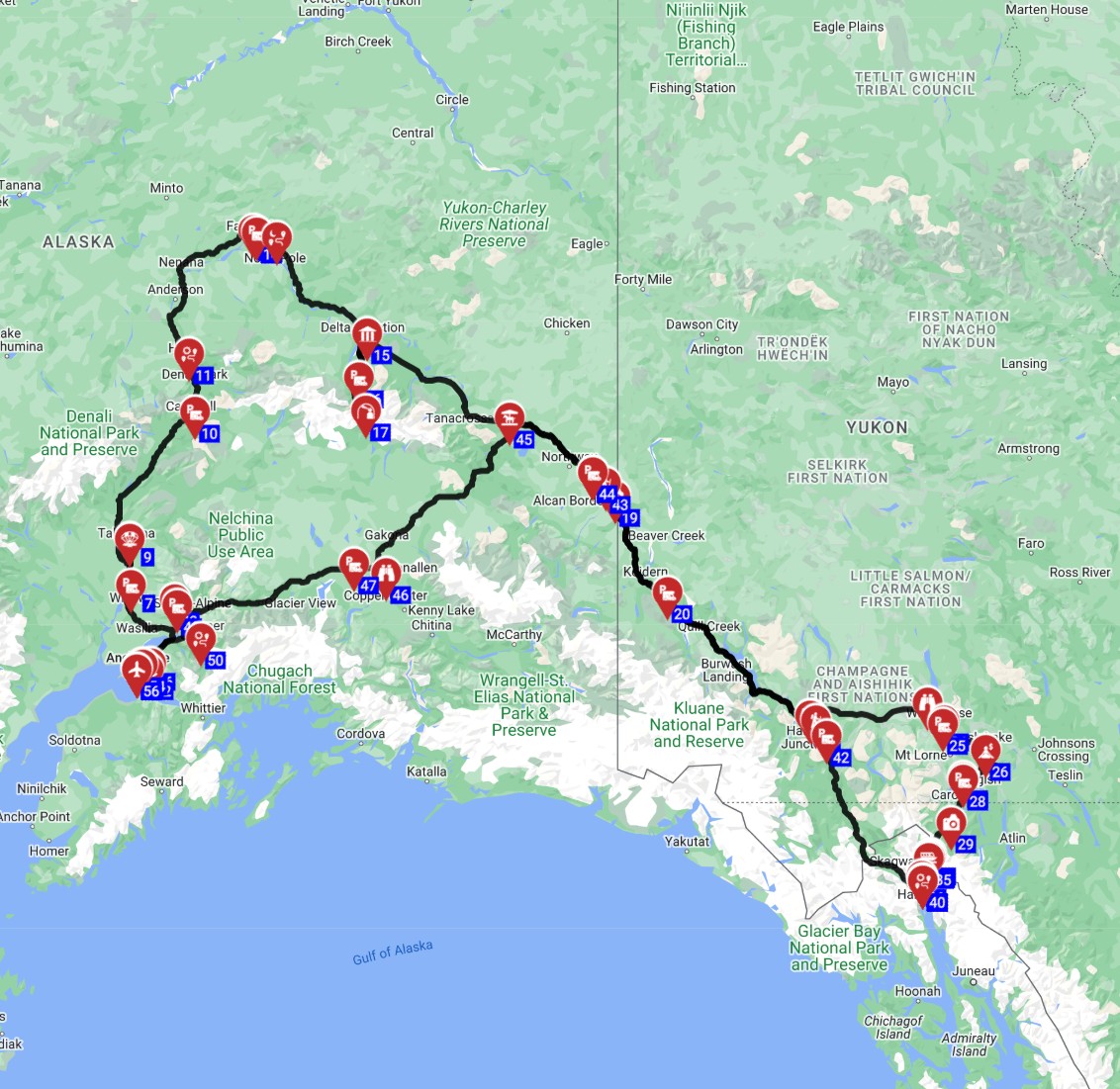
When planning your long-term RV itinerary across the UK, there are several experiences Avi Bandana highly recommends for an authentic journey. Immerse yourself in centuries of history by visiting iconic castles and palaces such as Warwick Castle, Edinburgh Castle, or the majestic Caernarfon Castle. For a taste of traditional British life, explore charming market towns like Ludlow in Shropshire or the picturesque Bakewell in the Peak District, where local produce and artisanal crafts create a vibrant atmosphere. Seek out historic inns and cozy village pubs in areas like the Cotswolds or Yorkshire Dales for a truly British traditional restaurant experience, often serving local ales and hearty fare. Don't miss opportunities to discover unique regional industries, from Scottish wool mills to Cornish potteries, offering insights into local heritage and distinctive souvenirs. Finally, make time to experience breathtaking natural features and viewpoints within National Parks like the Lake District, Snowdonia, or the Scottish Highlands, providing unparalleled photo opportunities and moments of tranquil reflection.
Looking for expert insights from Avi Bandana? Top 5 Adventures — recommendations from Avi Bandana.
Daily Driving Distances & Drive Times in UK
To ensure a truly enjoyable and relaxed RV trip in the UK, Avi Bandana recommends a maximum average of 100 miles (approximately 150 km) per day. This slower pace allows ample time to navigate the UK's often narrow and winding roads, thoroughly explore your chosen destinations, and comfortably account for any unforeseen delays. For instance, driving from London to Oxford (around 90 km/55 miles) typically takes about 1.5 to 2 hours, heavily dependent on traffic. A longer travel day, such as from Windermere in the Lake District to Edinburgh (approximately 250 km/155 miles), can realistically take 3.5 to 4.5 hours of driving time, making it ideal for a dedicated travel day or to be split over two days. Even shorter rural journeys, like Bath to a central Cotswolds village such as Bourton-on-the-Water (approximately 70 km/45 miles), can take around 1.5 hours due to winding country roads.
Best RV Class for This Itinerary — Couple & Family Picks
Choosing the right RV class is crucial for a comfortable long-term rental in the UK. For couples, a Class B Camper Van is often the perfect choice. Bandana's global fleet typically features these compact wonders with an average length of 5.8 meters, sleeping around 3 people, and offering exceptional agility. Their size makes them incredibly easy to maneuver on the UK's often narrow and winding roads, facilitating effortless parking and navigation through historic towns and country lanes. For families, a Class C Alcove motorhome is usually the preferred option. These RVs, averaging 7.5 meters in length in Bandana's fleet, comfortably accommodate up to 6 people, providing significantly more living space, separate sleeping areas, and ample storage for luggage and activities, making them ideal for families needing extra room.
To simplify your decision and planning, consider Bandana's "Rent & Plan" service. This service seamlessly combines your chosen RV rental with a ready-made itinerary, expertly designed by travel specialists, ensuring you get the most out of your UK adventure without the usual planning stress.
How much does it cost to rent an RV in UK for a month?
Renting an RV in the UK for a month typically ranges from £2,000 to £4,500. This cost is influenced by several factors, including the vehicle class, the season of rental, the specific rental company chosen, and any discounts applied for long-term bookings. Generally, longer rentals receive more favorable daily rates compared to shorter hires. For instance, a Class B Camper Van will be more budget-friendly than a larger Class C Alcove motorhome, and peak season travel will naturally incur higher charges. Beyond the rental cost, remember to budget for fuel, which is generally more expensive in the UK. A motorhome consuming 10-12 liters per 100 km (typical for Bandana's Class C fleet) could incur £500-£1000+ in fuel costs over a month, depending on your mileage. Campsite fees can add another £600-£1500, with prices varying from basic pitches (£15-£25/night) to premium holiday parks (£30-£50+/night), many offering long-stay discounts. If your itinerary includes island travel via ferry, such as to the Isle of Wight or Skye, allocate an additional £100-£300+ for crossings. For potential savings on attraction entry fees, consider purchasing passes like the National Trust Touring Pass or English Heritage Overseas Visitor Pass. Finally, ensure you have comprehensive insurance coverage, especially as a foreign traveler, as policies for extended periods or additional drivers may add to the overall cost. For a more detailed cost breakdown, explore the routes available via RV PLANET routes, where you can itemize and track every potential expense for easy budgeting. On the routes offered through RV PLANET routes, you can itemize and track every expense along the way for easy budgeting.
What are the rules for wild camping in UK?
Wild camping in an RV in the UK is subject to significant restrictions, particularly in England and Wales, where it is generally illegal without explicit landowner permission. Scotland, while having more permissive access rights for "responsible wild camping," specifically excludes motorized vehicles. Therefore, finding legal overnight parking for an RV in the UK often means utilizing designated campsites, certified service points, or securing explicit permission from landowners. Across all regions, the "Leave No Trace" principles are paramount: always pack out all rubbish, human waste (including black and grey water), and minimize your environmental impact. If you seek informal overnight parking, discretion is key—arrive late, leave early, avoid staying more than one night in the same spot, and be prepared to move if asked by authorities. To avoid legal issues and ensure access to proper waste disposal facilities, it's always recommended to plan your stays around certified campsites, designated overnight parking spots (like pub stopovers with permission), or formal holiday parks.
Is it difficult to drive an RV in UK?
Driving an RV in the UK presents a unique set of challenges that require careful navigation and a patient approach. Many country lanes, especially in picturesque areas like the Cotswolds or Cornwall, are exceptionally narrow, often barely wider than a single vehicle, making oncoming traffic a significant hurdle for larger RVs. The UK's prevalence of multi-lane roundabouts can also be daunting for drivers unfamiliar with them, necessitating a firm understanding of lane discipline and signaling. You'll encounter single-track roads with designated passing places in extremely rural areas, particularly in Scotland and parts of Wales, demanding courtesy and awareness. Parking larger RVs in historic town centers is exceptionally difficult due to narrow streets and size restrictions, often leaving out-of-town car parks or campsites as the only viable options. Foreign travelers accustomed to driving on the right will need to adjust to the left-hand side and the right-hand drive configuration of rental RVs. Be mindful of speed limits, which for motorhomes vary based on laden weight, and familiarize yourself with UK-specific road signs, especially those indicating width or height restrictions.
Can you stay in a motorhome long term in UK?
Yes, you can certainly stay in a motorhome long-term in the UK, but this typically requires using designated campsites or private land with express permission. Extended residential use on public roads or unauthorized spots is generally not permitted. The most common and legal method for long-term motorhome stays involves utilizing the UK's extensive network of campsites and holiday parks, which offer essential amenities like electricity hook-ups, fresh water, and waste disposal points. Many sites also provide seasonal pitches or discounted rates for extended periods. Staying on private land is permissible with the explicit consent of the landowner, though access to necessary facilities might need to be arranged separately. It's important to be aware that living permanently in a motorhome on public land without a fixed address can present legal and administrative challenges regarding residency, electoral registration, and access to certain public services. Consistent access to proper waste disposal facilities for black water, grey water, and general rubbish is essential for responsible and hygienic long-term motorhome living.
How long can you legally stay in a motorhome in the UK?
The legal duration for staying in a motorhome in the UK varies depending on your circumstances. For visitors, visa regulations dictate stay limits, with most tourists permitted up to six months. However, parking on public land is generally restricted to short periods, and local council bylaws often prohibit continuous parking in one spot (typically limiting it to 24-72 hours) and explicitly forbid residential use of vehicles on public highways. Licensed campsites and caravan parks offer a more accommodating option, permitting stays for weeks or months according to their individual terms and conditions, and providing a legal, amenity-rich base for extended RV use. Be aware that long-term stays might impact your RV insurance validity, particularly for foreign-registered vehicles or if the motorhome is left unoccupied for extended periods; always check your policy's terms. Adhering to UK speed limits for RVs is also crucial; these differ from cars based on the vehicle's laden weight, typically being 50 mph (80 km/h) on single carriageways and 60 mph (97 km/h) on dual carriageways and motorways for vehicles over 3.05 tonnes unladen weight or those towing.
What is the best time of year to RV in the UK?
The ideal time for RV travel in the UK is generally considered to be late spring (April to June) and early autumn (September to October). These periods offer a superb balance of mild weather, extended daylight hours, and significantly fewer tourist crowds compared to the peak summer months. Spring provides blooming landscapes and generally drier conditions, making it perfect for visiting popular attractions before the summer rush, with moderate crowd levels and unique seasonal events. Summer offers the warmest temperatures and longest daylight hours but comes with the trade-off of peak tourist numbers, higher campsite prices, and potentially heavier traffic in popular destinations. Autumn brings crisp air, stunning fall foliage, and considerably fewer tourists, with temperatures remaining pleasant for touring and offering excellent opportunities for walking and city exploration, alongside harvest festivals and regional food fairs. Winter presents colder temperatures, shorter days, and a higher chance of rain or snow, particularly in northern regions, leading to campsite and attraction closures, making it best suited for those seeking quiet city breaks or specific winter activities.
Where can I find free overnight parking for my RV in the UK?
Finding truly free and legal overnight parking for an RV in the UK is challenging, as wild camping with vehicles is largely prohibited. However, some informal options do exist. These include specific pub car parks, where you must always ask for explicit permission from the staff beforehand, as many participate in schemes like 'Brit Stops' or simply welcome overnight stays in exchange for patronage. Occasionally, you might find designated municipal aires (though these are rare in the UK compared to mainland Europe), or you could seek extremely remote laybys or secluded car parks, particularly in parts of Scotland, where discreet overnight parking might be tolerated if you adhere strictly to "leave no trace" principles. Apps like Park4Night can be invaluable for identifying such locations. While supermarket car parks are sometimes used, most have restrictions, so always check signage carefully to avoid fines. It's important to distinguish between true wild camping and seeking a discreet overnight parking spot; the latter is less about camping and more about finding a safe, temporary place to sleep.
What type of RV is best for UK roads?
For navigating the diverse and often challenging UK roads, a smaller, more agile RV is generally the best choice. A Class B Camper Van or a compact Semi-integrated motorhome (Class SI) offers superior maneuverability on narrow country lanes, through historic towns, and for parking. With an average length of 5.8 meters for Class B Camper Vans in Bandana's fleet, they provide car-like handling, fitting into most standard parking spaces. Class SI motorhomes, averaging 6.9 meters, offer a good compromise between interior space and manageability, suitable for couples or small families. It is advisable to avoid oversized Class C Alcove (average 7.5m) or Class A Integrated motorhomes, as they can prove challenging on very narrow rural routes, in historic town centers, and may face restrictions on some ferry crossings or structurally limited bridges. Remember that all rental RVs in the UK will feature right-hand drive, a crucial consideration for drivers accustomed to left-hand drive vehicles.
How do you dispose of waste in an RV in UK?
In the UK, responsible RV travel includes proper waste disposal, which must be done at designated facilities to comply with environmental regulations and local etiquette. This primarily involves using facilities at campsites, certified service points, or sometimes public rest areas. Black water, or toilet waste, must be emptied into a "chemical disposal point" (CDP), available at virtually all campsites and many public service areas; never discharge it into drains, rivers, or public toilets. Grey water, from sinks and showers, should also be emptied at designated grey water drains at campsites or service points, avoiding direct release onto the ground, especially near water sources. General rubbish should be disposed of in bins provided at campsites or public waste facilities, or retained until a suitable disposal point is found; many sites offer recycling options. Adhering to these practices is crucial for minimizing your environmental footprint, and improper waste disposal can lead to significant fines.
Can you rent an RV in the UK and travel to Europe?
Yes, many RV rental companies in the UK permit cross-border travel to Europe, but this typically requires explicit permission from the rental provider, additional international insurance coverage (often termed a "European travel pack"), and may incur extra fees for breakdown cover and necessary vehicle documentation. Always confirm the specific international travel policy with your chosen rental company in advance, as some may impose restrictions on certain countries or require particular vehicle types for international journeys. You will generally need to purchase an international insurance 'green card' and ensure your breakdown cover is valid across Europe. A Vehicle on Hire Certificate (VE103) is also commonly required as proof of your legal right to take the rental vehicle abroad. Factor in the costs and booking procedures for crossing the English Channel via ferry or the Eurotunnel, which can be substantial, especially for larger RVs, and often necessitates advance booking. Be prepared for differing driving laws in European countries, including varying speed limits, mandatory safety equipment, toll roads, and urban emissions zones.
Is there Wi-Fi in UK campsites?
Many UK campsites offer Wi-Fi, particularly larger holiday parks and more modern sites, though the quality and reliability can vary significantly. You might find excellent broadband speeds in reception areas but experience patchier, slower connections at individual pitches, especially in more remote regions. For consistent connectivity on the go, consider purchasing a local UK SIM card with a generous data plan from a major provider like EE, Vodafone, O2, or Three. Alternatively, a portable Wi-Fi hotspot with a strong external antenna can be a worthwhile investment, capable of boosting signals in weaker areas and providing a personal network within your RV.
Are dogs allowed in RVs in UK?
Many RV rental companies in the UK offer pet-friendly motorhomes, typically allowing dogs to travel with you for an additional cleaning fee. The UK itself is generally very welcoming to dogs, with numerous pet-friendly attractions and campsites available. Always confirm the specific pet policy with your rental company, as some may have restrictions on pet size, breed, or require you to book a designated pet-friendly vehicle, often with an extra cleaning charge. For international travelers entering the UK, ensure your dog has a valid pet passport or official health certificate, a microchip, and up-to-date rabies vaccinations. The vast majority of UK campsites are pet-friendly, though they may have specific rules, such as dogs needing to be on a leash at all times or designated walking areas. Familiarize yourself with local leash laws, which generally require dogs to be kept under close control in public areas to protect wildlife, livestock, and other visitors, especially within National Parks and nature reserves.
Final Thoughts
Renting an RV in the UK for an extended period opens up a world of adventure, allowing you to traverse historic routes and discover breathtaking landscapes at your own pace. Whether you opt for the efficiency of a campervan or the spaciousness of a larger motorhome, the freedom of the open road awaits. Remember to plan your route, book your chosen vehicle, and prepare for an unforgettable journey through the heart of Britain and beyond.
We're here to make your RV rental experience as smooth and enjoyable as possible. From comparing top suppliers to offering transparent pricing and dedicated support, Bandana Caravan is your trusted partner in discovering the joy of RV travel. Get inspired for your next trip!
