In This Guide
- Best Spain RV Itinerary for long term rv rental — Overview
- 7-Day Classic Route in Spain
- 14-Day Extended Journey in Spain
- Recommended RVPlan Trip for Spain
- Must-See Stops Along the Way (Avi Bandana Picks)
- Daily Driving Distances & Drive Times in Spain
- Best RV Class for This Itinerary — Couple & Family Picks
- How much does it cost to rent an RV long term in Spain
- Is it worth renting an RV in Spain
- Is wild camping allowed in Spain for RV
- What is the best month to RV in Spain
- Can you park an RV anywhere in Spain
- Are RVs popular in Spain
- Can I drive an RV with a normal license in Spain
- What is the best Spanish region for RVing
- What is the average gas mileage for an RV in Spain
- Can you rent an RV in Spain and drive to other countries
- How to find Aires in Spain
- Are there tolls on motorways in Spain
- Is it safe to RV in Spain
Best Spain RV Itinerary for long term rv rental — Overview
Embarking on a long-term RV rental in Spain offers an unparalleled way to experience the country's diverse landscapes and rich cultural tapestry. For an in-depth exploration, a duration of 14 days is recommended, though 3-4 weeks allows for true long-term immersion. Averaging under 150 km of driving per day ensures a relaxed pace, allowing you to savor each destination. The prime seasons for RVing in Spain are spring (April-May) and autumn (September-October), when the weather is pleasant and crowds are smaller. You'll traverse varied terrains, from the sun-drenched coasts of Andalusia to the historic grandeur of its cities and the serene beauty of its national parks.
For those planning their Spanish adventure, consider the invaluable resources available. For live availability and current prices, start with our RV Rental Spain - Complete Guide 2026 guide. This comprehensive resource provides a fantastic starting point for understanding the scope of RV travel within Spain.
7-Day Classic Route in Spain
This classic 7-day itinerary concentrates on the heart of Andalusia, immersing you in its vibrant history and captivating culture. It's designed for manageable daily distances, perfect for a relaxed RV journey. You'll pick up your rented RV and begin your exploration in Málaga, heading inland towards the dramatic white village of Ronda. Continue west to Seville, a city famed for its Alcázar and Gothic Cathedral, before venturing to Córdoba to witness the architectural marvel of the Mezquita-Cathedral. The journey then takes you to Granada, where the breathtaking Alhambra awaits. Finally, enjoy a scenic drive back to Málaga, concluding your Andalusian adventure.
14-Day Extended Journey in Spain
This 14-day itinerary expands your horizons, showcasing the diversity of Spain from the Mediterranean coast to the historic heartland. Starting in Valencia, you'll explore its blend of futuristic architecture and ancient streets. Drive north along the coast to Peñíscola, a stunning seaside town dominated by its castle, then to Tarragona to marvel at its Roman ruins. The route continues to the vibrant Catalan capital, Barcelona, a city synonymous with Gaudi's masterpieces and Gothic charm. Venture inland to Montserrat's majestic mountains, explore Lérida's Seu Vella cathedral, and continue to Zaragoza to admire the Basilica del Pilar. The journey delves deeper into medieval towns like Daroca and Teruel, famed for its Mudejar architecture, before reaching Cuenca with its iconic hanging houses. A final leg takes you to Aranjuez's royal palace before concluding in Madrid, offering a comprehensive taste of Spain's regional treasures.
Recommended RVPlan Trip for Spain
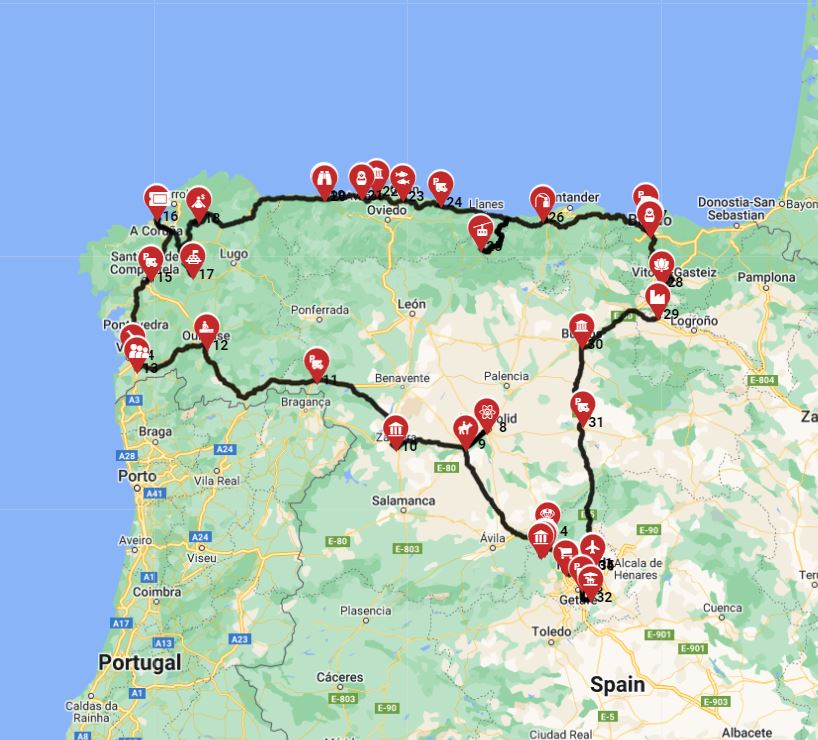
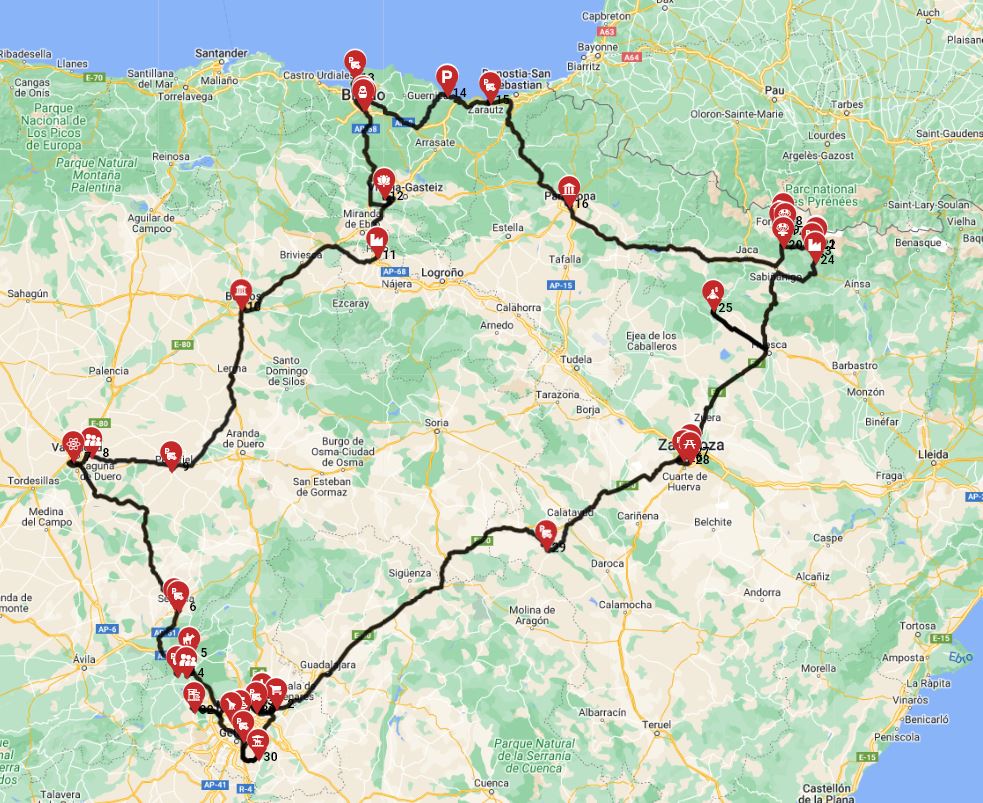
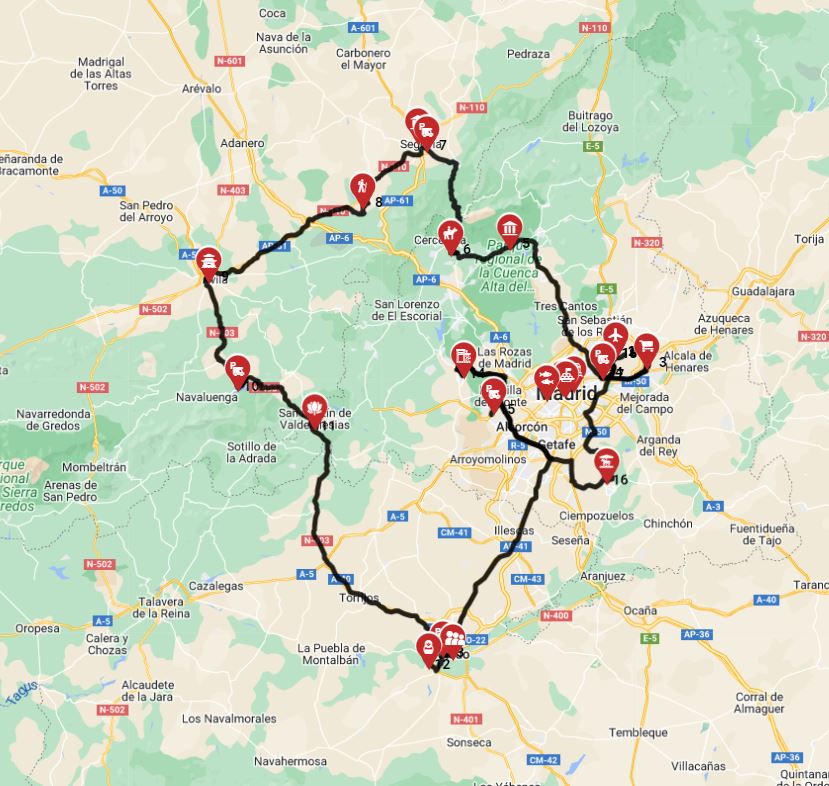
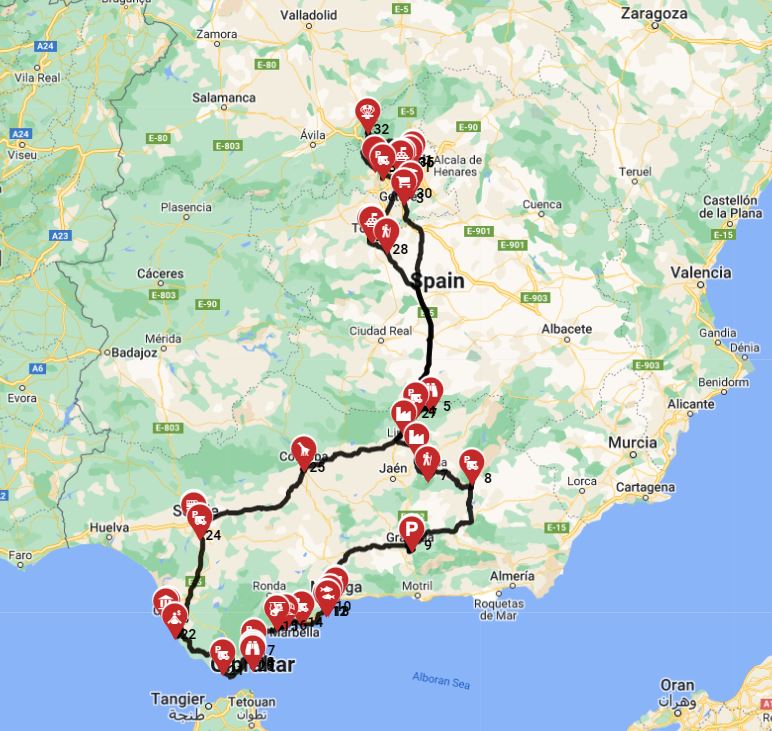
For a expertly curated long-term RV experience that perfectly blends Southern Spain and Portugal's Algarve, Avi Bandana highly recommends the 'Faro Roundtrip - South Portugal & South Spain - Including Algarve, Seville, Lisbon' trip. This thoughtfully designed 11-day itinerary covers approximately 1,541.9 km, offering a rich mix of majestic natural sites, significant historical landmarks, and engaging cultural experiences. The route begins and concludes in Faro, providing a convenient loop for your adventure. You can delve into the full itinerary and visualize your journey by visiting the dedicated RVPlan page: [RV route planner for a Motorhome road trip from Faro](faro roundtrip south portugal south spain including algarve seville lisbon). Discover the detailed route and inspiring destinations further by viewing the trip's image: [RV Trip Image](11 days rv route planner for a motorhome road trip from faro_3a34bb.jpg).
Must-See Stops Along the Way (Avi Bandana Picks)
When planning a long-term RV rental in Spain, Avi Bandana advises focusing on immersive local experiences that truly reveal the country's character, drawing inspiration from the types of stops found in expertly curated itineraries. Prioritize 'Traditional Visits' to historical landmarks like Seville's Alcázar or sites of cultural significance, such as the Muelle de las Carabelas mentioned in the Faro itinerary, to connect deeply with Spain's heritage. Indulge in 'Traditional Restaurants' or fine dining to savor authentic Spanish cuisine, from paella to regional tapas, reflecting the diverse culinary traditions. Explore local markets to discover fresh produce, artisanal crafts, and the vibrant atmosphere of daily Spanish life, perfect for stocking your RV kitchen. Consider engaging with 'Local Industry', such as visiting an olive oil mill in Andalusia or a winery in La Rioja, to gain insight into local craftsmanship and production. For ideas you can prep on the road, watch our RV-friendly recipes playlist on YouTube.
For those interested in more budget-friendly options and a deeper dive into regional savings, our guide to Cheap RV Rental in Spain - Budget Guide 2026 offers valuable insights.
Daily Driving Distances & Drive Times in Spain
To ensure a truly enjoyable and relaxed RV journey through Spain, Avi Bandana recommends a maximum of 100 miles or 150 km per day. This approach allows ample time for leisurely exploration, spontaneous stops, and avoids the fatigue often associated with longer driving days. It ensures you can fully immerse yourself in each destination without feeling rushed. For instance, the drive from Madrid to Toledo is approximately 70 km (45 miles) and takes about 1 hour. Seville to Ronda covers roughly 130 km (80 miles) and requires about 1.5 to 2 hours, while the scenic route from Barcelona to Tarragona is around 100 km (60 miles), taking approximately 1 hour and 15 minutes. These manageable distances allow you to truly experience the nuances of Spain.
Best RV Class for This Itinerary — Couple & Family Picks
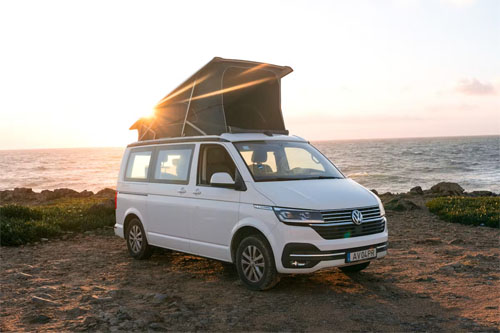
Selecting the right RV for your long-term Spanish adventure hinges on your group size and comfort preferences. For couples, Avi Bandana often recommends a **Class B - Camper Van**. These are typically around 5.8 meters in length, efficiently accommodating 2-3 people, making them ideal for navigating Spain's charming towns and scenic coastal roads with ease. For families, a **Class C - Alcove** model is an excellent choice, offering more living and sleeping space. Bandana's global fleet data indicates these models average 7.5 meters in length and can comfortably sleep 5-6 people, providing ample room for a relaxed family trip. To further simplify your planning, consider Bandana's 'Rent & Plan' service, which bundles RV rental with expert-crafted itineraries and access to trip-planning software, effectively removing the planning burden.
For those seeking specific cost comparisons, our guide to RV Rental in Spain - Prices and Best Deals 2026 offers a detailed breakdown.
How much does it cost to rent an RV long term in Spain
Long-term RV rental costs in Spain can vary significantly, typically ranging from €70 to €150 per day for rentals exceeding 30 days. Several factors influence this price, including the RV's class, the rental duration, the season, and the specific provider. Generally, expect daily rates to decrease with longer rental commitments, and off-peak seasons like winter offer the most economical deals. Beyond the rental rate, budget for fuel, with most RVs consuming 10-12 liters per 100 km (Bandana's Class SI averages 10-11 L/100 km), alongside fluctuating fuel prices in Spain. Don't forget to account for tolls on many Spanish motorways (autopistas) or opt for the extensive, toll-free autovías. Campsite fees typically range from €20-€45 per night, while designated motorhome service areas ('aires') can be free or cost €5-€15. Factor in attraction entry fees (e.g., Alhambra tickets are around €14-€20) and potential insurance upgrades. To maximize savings, consider cooking meals in your RV, utilizing free or low-cost aires, traveling in shoulder seasons, and booking campsites in advance for potential discounts. On the routes offered through RV PLANET routes, you can itemize and track every expense along the way for easy budgeting.
For a clearer picture of expenses, explore our comprehensive guide to Weekly RV Rental in Spain - Pricing 2026.
Is it worth renting an RV in Spain
Renting an RV in Spain is exceptionally worthwhile for travelers seeking flexibility, authentic cultural immersion, and the freedom to explore diverse landscapes at their own pace. An RV provides unparalleled flexibility, allowing you to alter your itinerary spontaneously, linger in places you adore, and discover hidden gems away from the typical tourist paths. Staying in campsites or 'aires' often places you closer to local communities and natural environments than traditional hotel accommodations. For families or groups, an RV can be a cost-effective solution compared to booking separate hotel rooms and dining out for every meal, especially for longer rentals. Spain's varied geography, from its stunning beaches to its majestic mountains, is perfectly suited for RV exploration. The convenience of combining accommodation and transport, complete with your own kitchen and bathroom, offers the comforts of home on the move. While navigating larger RVs through narrow city streets requires care, the ability to access Spain's vast rural and coastal areas makes RV travel an enriching and unforgettable adventure.
Is wild camping allowed in Spain for RV
Wild camping, often referred to as 'free camping,' in RVs is generally prohibited across Spain, with local regulations frequently enforcing fines. While overnight parking might be permitted under very specific, limited conditions, Spain's general law prohibits overnight stays in an RV outside of designated camping areas, particularly in national parks, coastal zones, and protected natural areas. It's crucial to differentiate between legal overnight parking – where your vehicle is simply parked without extending awnings, slides, or setting up outdoor furniture – and illegal wild camping. Spain's 'Aires' (Motorhome Service Areas) offer a legal and convenient alternative. These designated spots provide essential services like water refills and waste disposal, often allowing overnight parking for a small fee or for free, making them an excellent legal option for RVers. Always check local signage or utilize apps like Park4Night for the most current information, as regulations can vary significantly between municipalities, with some towns being more accommodating of overnight parking than others. Be mindful of Environmental Protection Zones (ZBEs) in major Spanish cities, which restrict access for certain vehicles based on emission standards, potentially impacting where you can drive or park your RV.
What is the best month to RV in Spain
The optimal months for RV travel in Spain are typically April, May, September, and October. During these spring and autumn periods, you'll experience pleasant weather, fewer crowds, and comfortable temperatures ideal for exploring the country. Spring (April-May) is perfect across most regions; Andalusia is warm but not excessively hot, ideal for sightseeing, while Northern Spain is lush and green with mild temperatures. Autumn (September-October) mirrors spring's appeal with comfortable temperatures, especially in the south, and the added charm of the grape harvest season in regions like La Rioja. Summer (June-August) is popular for coastal areas but can be extremely hot in central and southern Spain (Seville and Córdoba often exceed 35°C), and coastal spots become very crowded and expensive. Winter (November-March) offers milder weather in the south, making it an attractive escape from colder climates, while Northern Spain can be cold and wet, with opportunities for winter sports in the mountains.
Can you park an RV anywhere in Spain
No, you cannot park an RV just anywhere in Spain. While normal parking is often permitted in spaces suitable for cars, specific local ordinances dictate where overnight parking and camping are allowed, typically restricting these activities to designated campsites or 'áreas de autocaravanas'. Generally, if an RV fits within a standard parking space and doesn't exhibit 'camping' behavior (like extending awnings or setting up outdoor furniture), it may be considered legally parked. However, it is always best to prioritize official campsites or 'Áreas de Autocaravanas' for overnight stays, as these locations provide legal parking, essential services, and enhanced security. Parking is strictly prohibited in natural parks, protected zones, and along beaches, with many urban and coastal areas also imposing specific restrictions on RV overnight parking. For safety and security, especially in busy tourist areas where petty crime can occur, always choose well-lit or monitored parking spots and never leave valuables visible inside your RV.
Are RVs popular in Spain
RV travel is experiencing a significant surge in popularity in Spain, embraced by both locals and international visitors alike, largely due to the country's stunningly diverse landscapes and the continuous improvement of RV-friendly infrastructure. The past decade has witnessed a substantial rise in RV registrations and rentals, reflecting a global trend towards independent, nature-focused travel. Spain's varied geography, from the Pyrenees mountains to its Mediterranean and Atlantic coastlines, offers ideal conditions for RV exploration. Furthermore, the expansion of the 'Áreas de Autocaravanas' network provides more convenient and legal parking, service, and overnight options for RVers. This mode of travel aligns perfectly with the Spanish appreciation for outdoor life, gastronomy, and regional festivals, offering a flexible way to experience all these elements. The post-pandemic era has further accelerated RVing's popularity, fueled by a desire for self-contained travel and open-air experiences.
Can I drive an RV with a normal license in Spain
In Spain, most standard RVs and campervans weighing up to 3,500 kg (3.5 tons) can be driven with a regular B-category driving license from EU/EEA countries, or an International Driving Permit (IDP) for non-EU licenses. This B category is the standard car license, valid for vehicles with a Maximum Authorised Mass (MAM) not exceeding 3,500 kg, and seating up to 8 passengers plus the driver. For larger RVs with a MAM between 3,500 kg and 7,500 kg, a C1 license is required, so it's essential to confirm the MAM of your rental RV. If your license originates from outside the EU/EEA, an IDP is legally required in Spain, to be carried alongside your national driver's license. Obtain this in your home country before your trip. Most rental companies also have age requirements, typically a minimum of 21 or 25 years old, and may require a minimum of two years' driving experience.
What is the best Spanish region for RVing
While subjective, Andalusia, the Camino de Santiago routes, and the coastal regions of Catalonia and the Basque Country are widely considered prime Spanish destinations for RVing. These regions offer a compelling combination of scenic routes, rich cultural sites, and well-developed RV infrastructure. Andalusia provides a deep dive into history with cities like Seville, Granada, and Córdoba, complemented by vibrant culture, flamenco, tapas, and diverse landscapes from beaches to mountains, all within a generally warm climate. Northern Spain, encompassing the Basque Country, Cantabria, Asturias, and Galicia, is perfect for nature lovers and food enthusiasts, featuring lush green scenery, dramatic coastlines, mountains like the Picos de Europa, and renowned gastronomy; it's particularly ideal for RVing in the summer to escape the southern heat. The Mediterranean coast, including Catalonia and Valencia, blends beautiful beaches with dynamic cities like Barcelona and Valencia, offering good infrastructure and opportunities for water sports and cultural exploration. For a unique spiritual and cultural journey, RVing along the Camino de Santiago routes, such as the Camino Francés, allows the flexibility to walk sections and visit historic towns along the way.
For inspiration on specific destinations, check out our guide to Luxury RV Rental in Spain - Premium Prices 2026.
What is the average gas mileage for an RV in Spain
The average fuel consumption for an RV in Spain typically ranges from 10 to 12 liters per 100 kilometers for most semi-integrated and alcove models. Smaller campervans may achieve slightly better mileage. Specifically, Bandana's global fleet data indicates that Class B - Camper Vans typically consume 8-10 liters per 100 km, making them the most fuel-efficient option for couples. Class SI - Semi-integrated models average 10-11 liters per 100 km, offering a solid balance of space and efficiency. For families, Bandana's Class C - Alcove models typically consume 10-12 liters per 100 km, reflecting their larger capacity. Several factors can influence this consumption, including driving style (speed and acceleration), terrain (mountainous areas increase consumption), vehicle weight (how much gear you carry), and overall road conditions.
Can you rent an RV in Spain and drive to other countries
Yes, it is often possible to rent an RV in Spain and drive to other European countries, but this generally requires prior approval from the rental company and may involve additional fees for international insurance or mileage limitations. Always inform your rental provider of your international travel plans during the booking process. Rental companies typically require specific insurance coverage for cross-border travel, often referred to as a 'Green Card,' which validates your insurance in other European nations and may incur an additional fee. Be aware that some long-term rental agreements might include mileage caps, with extra charges for exceeding them, so clarify this if your plans involve extensive international travel. Many RVers choose to rent in Spain and travel to neighboring Portugal or France, taking advantage of the seamless border crossings within the Schengen Area. Ensure you have all necessary vehicle documents, insurance papers, and your International Driving Permit (if applicable) readily available for potential checks in other countries.
How to find Aires in Spain
Locating 'Aires', or designated motorhome service areas, in Spain is made efficient through dedicated mobile applications like Park4Night, Campercontact, or by consulting directories from local tourism offices. 'Park4Night' and 'Campercontact' are highly recommended apps, offering extensive databases of aires, campsites, and permissible overnight parking spots, complete with user reviews, photos, and details on available services. Online directories, such as Furgoperfecto.com (which focuses on safe overnight parking spots) and specific regional tourism websites, often list local motorhome service areas. Many RV-specific GPS navigation systems also come pre-loaded with points of interest for motorhome parking and service areas. In smaller towns, local tourism offices can be a valuable resource for maps or directions to nearby aires. Aires typically provide crucial services like water refilling, greywater disposal, and chemical toilet emptying, with some even offering electricity or basic amenities, making them indispensable for comfortable long-term RV trips.
Are there tolls on motorways in Spain
Yes, Spain features a network of motorways, known as 'autopistas,' which operate on a toll system, particularly along coastal routes and in certain inland regions. However, an extensive network of toll-free 'autovías' also exists, and many former autopistas have been nationalized and are now toll-free. Tolls can be paid manually using cash or credit/debit cards, or electronically via a 'Via-T' transponder, which allows for automatic payment and faster passage through toll booths. If speed and direct routes are a priority, it's advisable to budget for tolls, especially when traveling along the Mediterranean coast or on certain cross-country routes. For a more scenic, albeit slower, journey, plan your routes using the autovías and national roads, which are excellent and free alternatives. Websites like ViaMichelin or Google Maps can assist you in planning routes and estimating toll costs in advance.
Is it safe to RV in Spain
RVing in Spain is generally very safe, but travelers should always practice standard precautions. These include securing your vehicle, choosing reputable parking locations or campsites, and remaining aware of potential petty crime, especially in popular tourist areas. Always lock doors and windows, even when you are inside the RV, and consider using additional security measures like alarms or steering wheel locks if available. Prioritize official campsites, designated 'aires,' or secure parking lots for overnight stays, and avoid isolated or poorly lit areas. Be vigilant against pickpocketing and bag snatching, particularly in crowded tourist spots in major cities, and never leave valuables visible in your RV. Adhere to speed limits and Spanish traffic laws, being mindful of narrow streets in historic towns, especially with larger RVs. Keep essential emergency numbers handy: 112 for general emergencies, 091 for police, and 061 for medical emergencies. Ensure your rental RV is equipped with a first-aid kit and reflective vests/warning triangles. Always carry your driving license, RV rental agreement, insurance documents, and passport/ID.
If you're considering different regions, our guide to Pet-Friendly RV Rental in Spain - Pricing 2026 may offer useful insights.
What You Shouldn't Miss
- Immerse yourself in the Alhambra Palace in Granada: This UNESCO World Heritage site is a masterpiece of Moorish architecture and offers breathtaking views and intricate gardens. Booking tickets well in advance is essential.
- Explore Seville's Alcázar and Plaza de España: Wander through the stunning Royal Alcázar, a royal palace complex with a rich history and beautiful gardens, and marvel at the grandeur of the Plaza de España.
- Discover the Mezquita-Cathedral of Córdoba: Experience the unique architectural fusion of a mosque and a cathedral, a testament to Spain's diverse historical influences.
- Drive the scenic route to Ronda: This picturesque "white village" perched dramatically on cliffs, connected by the iconic Puente Nuevo bridge, offers unforgettable vistas.
- Experience a Flamenco Show in Andalusia: Immerse yourself in the passionate rhythms and soulful expressions of authentic Spanish flamenco, a quintessential cultural experience.
- Stroll through Barcelona's Gothic Quarter and admire Gaudí's masterpieces: Lose yourself in the labyrinthine streets of the Gothic Quarter and be captivated by the unique architectural visions of Antoni Gaudí, including Park Güell and Sagrada Familia.
Final Thoughts
Renting an RV for a long-term adventure in Spain opens up a world of possibilities, allowing you to explore at your own pace and discover the country's hidden treasures. From the sun-drenched beaches of the south to the verdant landscapes of the north, a rented RV provides the freedom and flexibility to craft your perfect Spanish road trip.
With Bandana Caravan, you're not just booking an RV; you're embarking on a well-supported journey. We're here to help you navigate the options and ensure your trip is as smooth as it is unforgettable. Start planning your Spanish RV adventure today and experience the magic of slow travel!
Ready to explore Spain your way? Start planning your Spanish RV adventure now and discover the freedom of the open road!