In This Guide
- Best San Francisco RV Itinerary for long term rv rental — Overview
- 7-Day Classic Route in San Francisco
- 14-Day Extended Journey in San Francisco
- Recommended RVPlan Trip for San Francisco
- Must-See Stops Along the Way (Avi Bandana Picks)
- Daily Driving Distances & Drive Times in San Francisco
- Best RV Class for This Itinerary — Couple & Family Picks
- What is the 3-3-3 rule for RV living?
- Where to stay with RV in San Francisco?
- What is the 444 rule for RVs?
- What should you not miss when visiting San Francisco?
- What is the 3-3-3 rule when RVing?
- What is the 4 4 4 rule for RVing?
- What is the 2 2 2 rule for RV travel?
- How much does it cost to stay at a long term RV park?
Best San Francisco RV Itinerary for long term rv rental — Overview
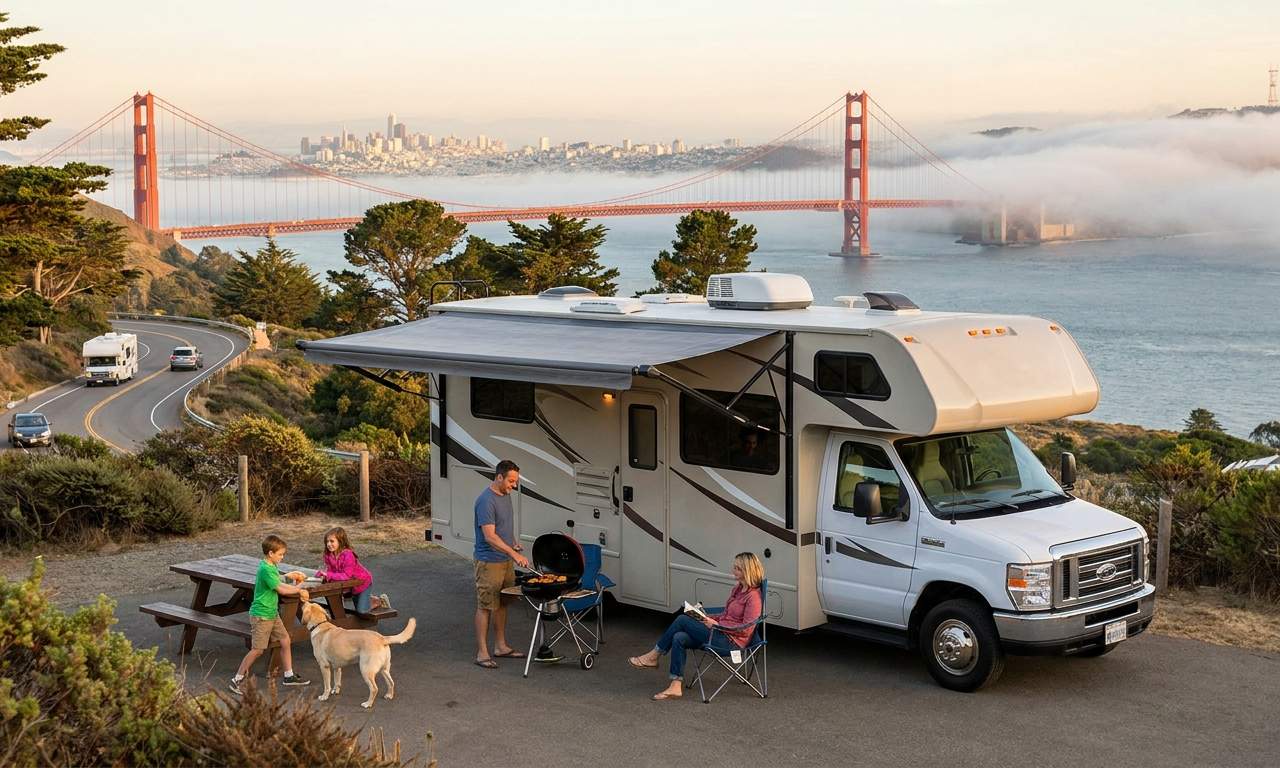
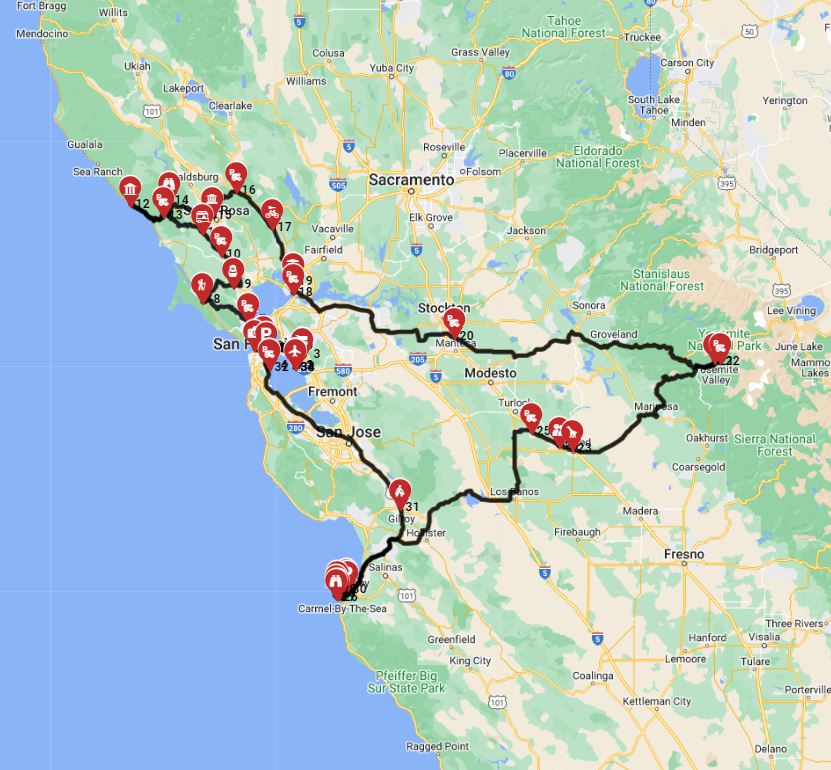
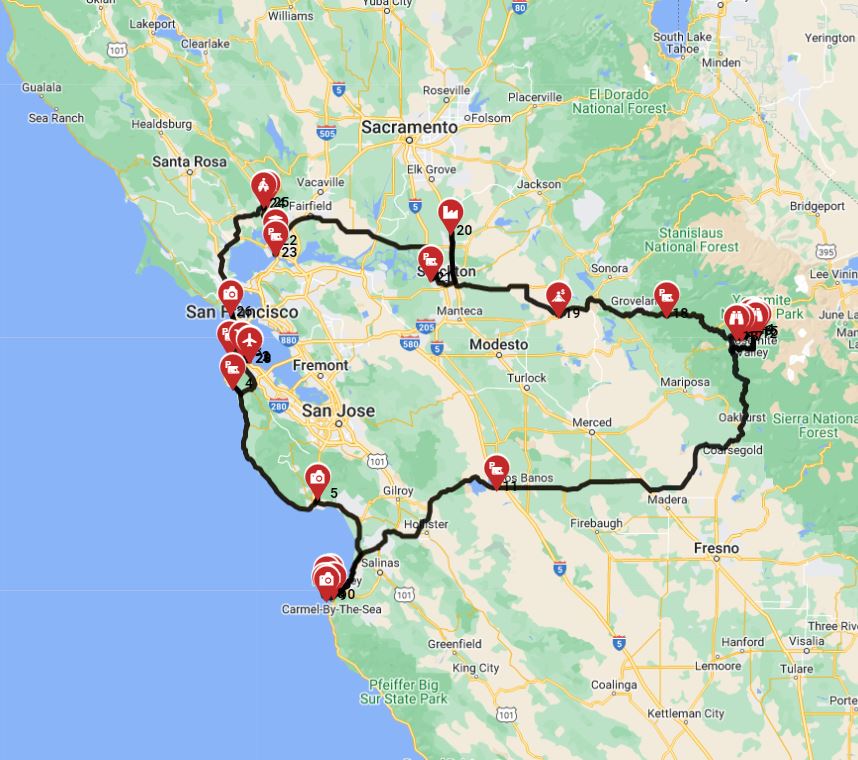
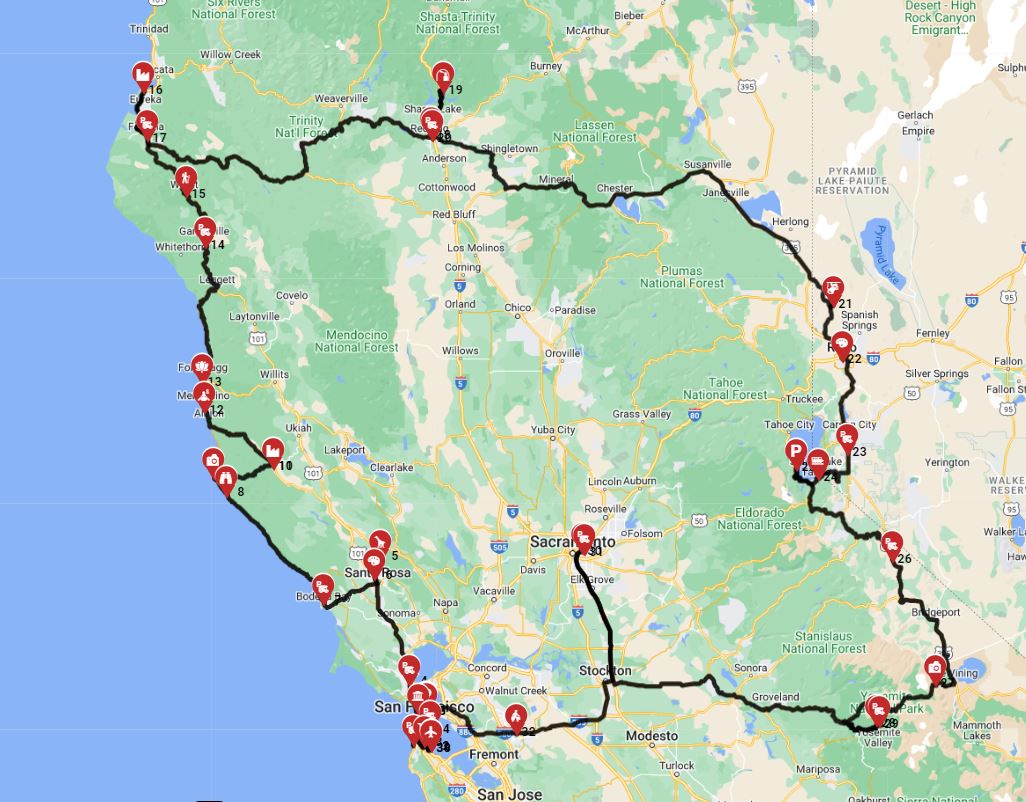
A long-term RV rental in San Francisco typically involves exploring the city and its diverse surrounding regions, from coastal beauty to wine country. It often covers 500-1500 km (300-900 miles) over a recommended minimum duration of 7 days, ideally 14+. The most popular season for RV trips here is generally late spring through early fall (May to October) to take advantage of milder weather, less fog, and reduced rainfall, though this period also sees higher crowds and prices. This itinerary focuses on using RV parks as stress-free base camps, leveraging public transit or ride-shares for city exploration. When planning your trip, consider major events like Fleet Week, Pride, or local festivals, as these can significantly impact campground availability and city accessibility, so booking well in advance is advised.
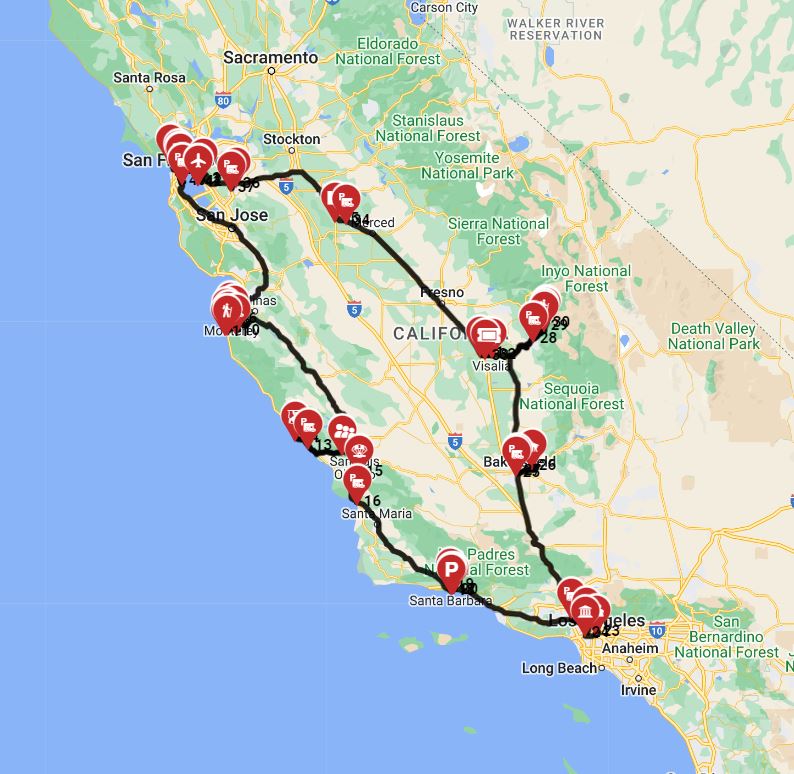
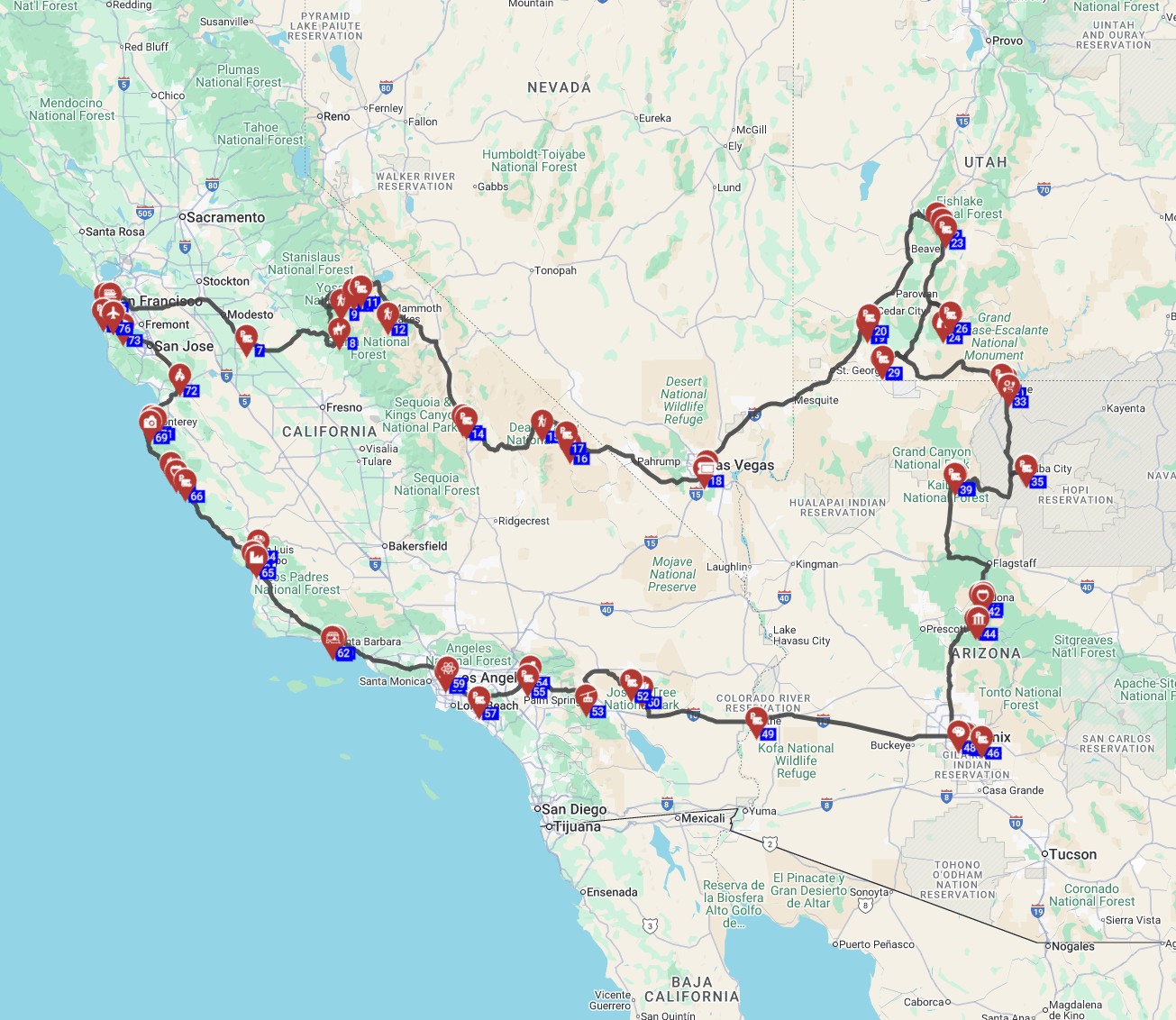
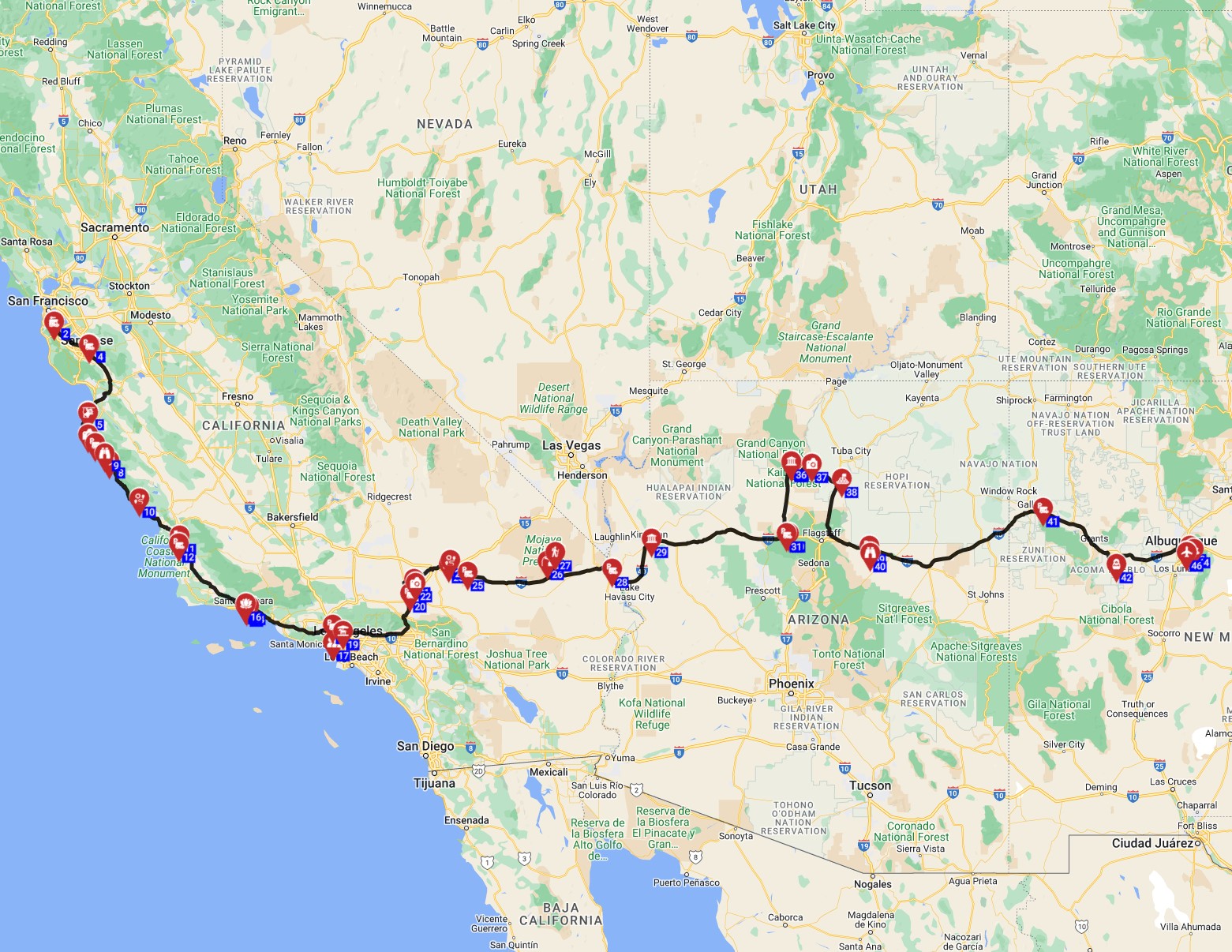
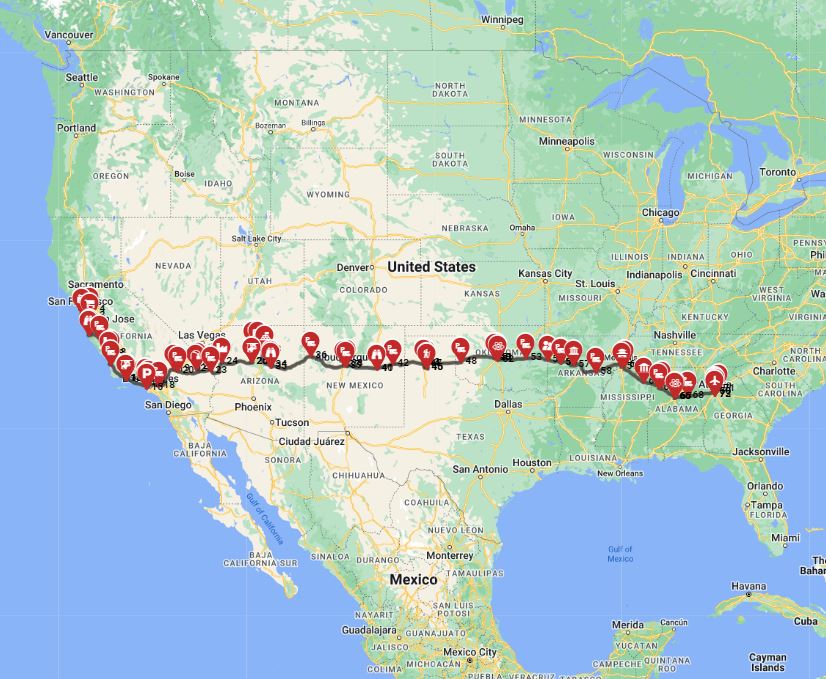
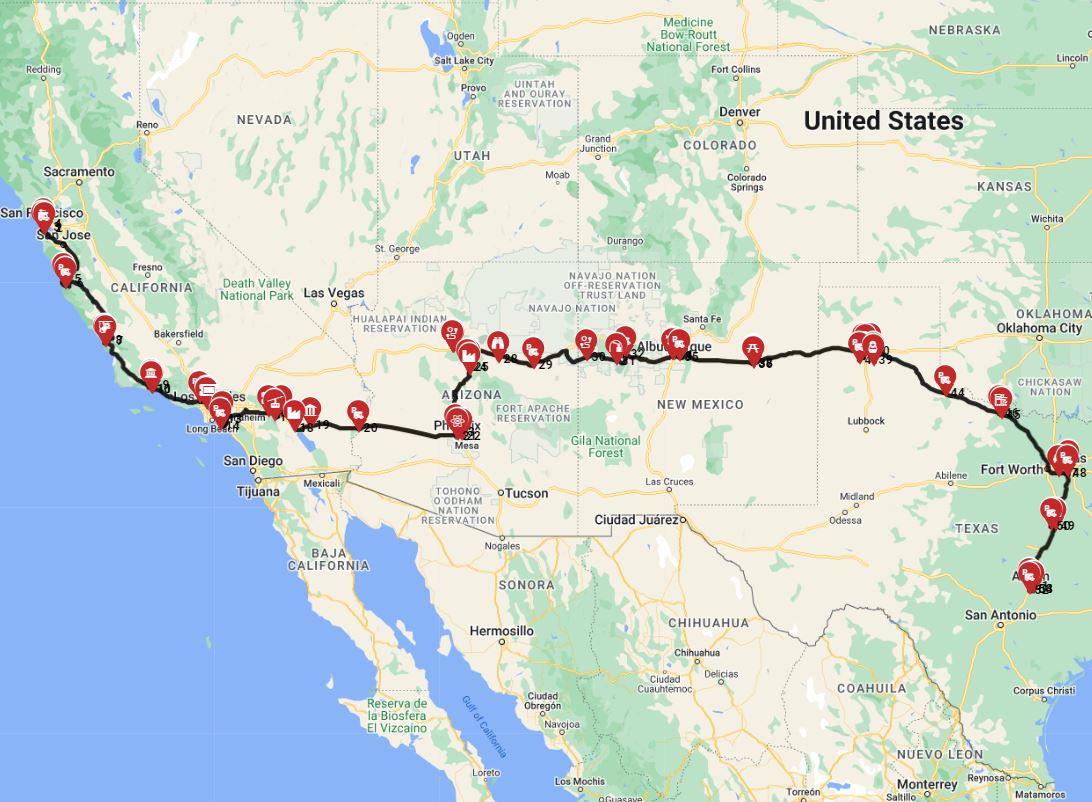
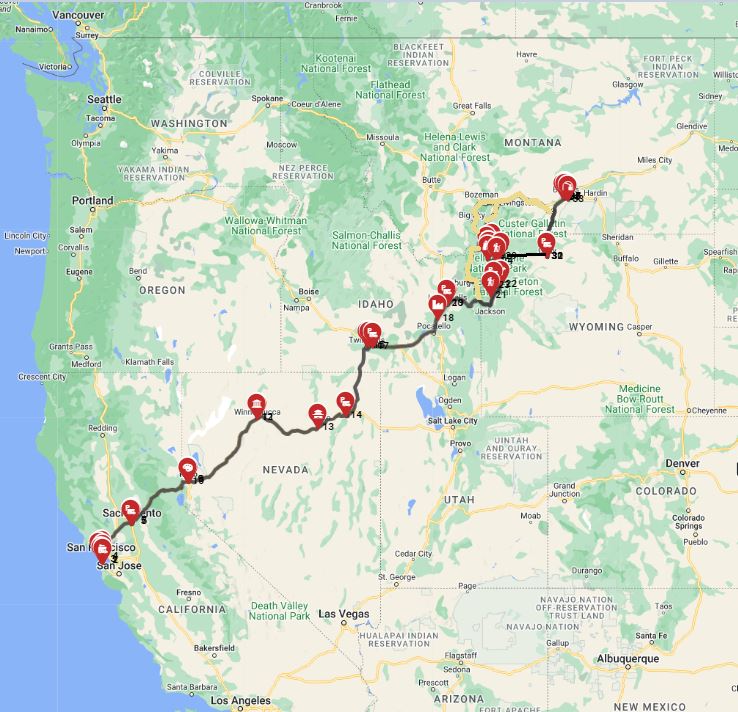
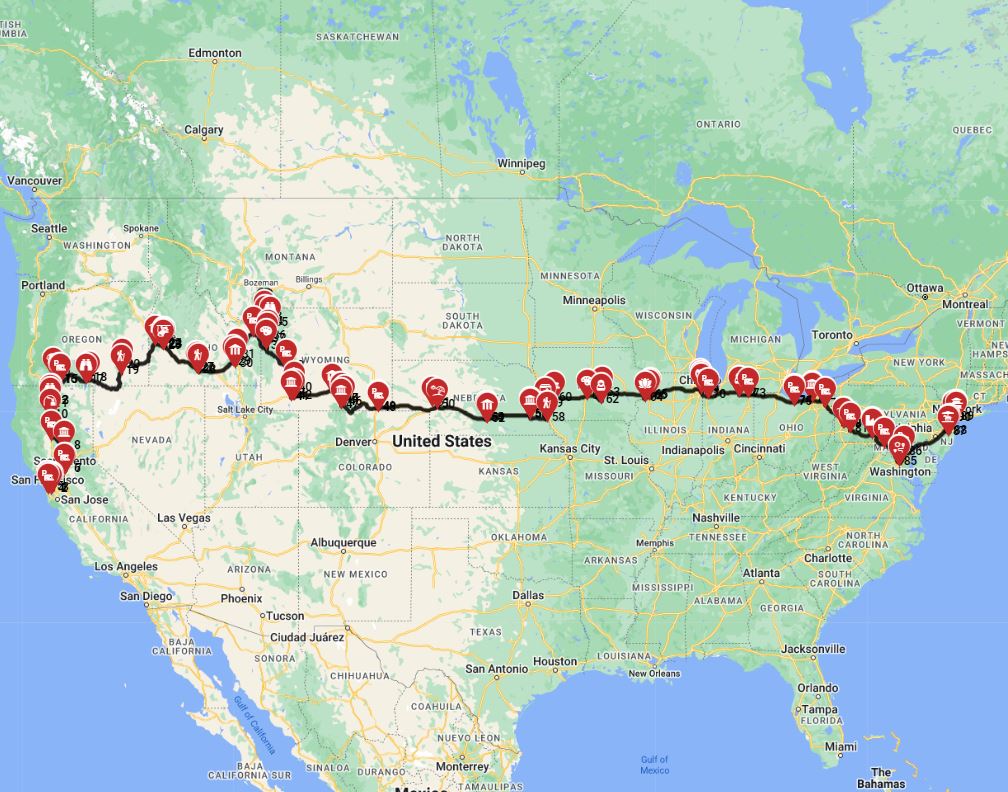
For travelers planning a more extensive long-term adventure starting from San Francisco, RVPlan offers an epic cross-country journey: '
7-Day Classic Route in San Francisco
A 7-day classic route is perfect for getting a feel for San Francisco and its immediate surroundings. This itinerary prioritizes convenience by suggesting an RV park like Marin RV Park in Novato as a base, minimizing the need to navigate the city with a larger vehicle.
- Day 1: Arrive & Settle. Distance: 0-50 km. Highlight: Set up camp and explore local amenities. Sleep: Marin RV Park.
- Day 2: Iconic San Francisco (City Day 1). Distance: ~30-50 km (using public transit). Highlight: Golden Gate Bridge (viewed from Marin Headlands), Fisherman's Wharf, and Cable Cars. Practical Advice: Park your RV at the campground and utilize a combination of public transport like Golden Gate Transit buses and BART/Muni for seamless city access. Ride-sharing services are also a convenient option.
- Day 3: Alcatraz & Cultural Spots (City Day 2). Distance: ~30-50 km. Highlight: Alcatraz Island tour (book tickets well in advance!), Ferry Building Marketplace, and exploring neighborhoods like North Beach and Chinatown. Sleep: Marin RV Park.
- Day 4: Muir Woods & Sausalito. Distance: ~60 km (round trip). Highlight: Wander among ancient redwoods at Muir Woods National Monument and enjoy the charming Sausalito waterfront. Sleep: Marin RV Park. Practical Advice: Reservations are required for Muir Woods parking; consider using the shuttle from Sausalito to avoid RV parking challenges.
- Day 5: East Bay Exploration (Berkeley). Distance: ~80 km (round trip). Highlight: Explore the UC Berkeley campus, Tilden Regional Park, and the Berkeley Marina. Sleep: Marin RV Park. Practical Advice: For this day trip, consider taking BART from an outlying station to access Berkeley easily, or use a rental car for more flexibility.
- Day 6: Coastal Drive South (Half Moon Bay). Distance: ~60-80 km. Highlight: Experience the scenic Highway 1 drive and explore Half Moon Bay's beaches and harbor. Sleep: Half Moon Bay State Beach Campground or a nearby private RV park.
- Day 7: Relax & Depart. Distance: Varies. Highlight: Enjoy a final morning by the coast before preparing for departure or extending your stay. Sleep: Home or your next destination.
This route is also a great starting point for families, and you can find more specific advice in our Family RV Rental in San Francisco - Pricing Guide 2026.
14-Day Extended Journey in San Francisco
For a more in-depth experience of San Francisco and its surrounding attractions, a 14-day itinerary allows for a more relaxed pace and deeper exploration. This plan builds upon the classic route, adding popular destinations like Wine Country and the Central Coast.
- Days 1-5: San Francisco & Bay Area Immersion. Similar to the 7-day plan but with more time for specific neighborhoods, museums, or a more leisurely exploration. Focus on using public transit from an RV park like Marin RV Park or Candlestick RV Park. (Daily driving < 100 km).
- Days 6-8: Wine Country Retreat (Napa & Sonoma). Drive: ~80-120 km from the SF area. Highlight: Indulge in winery tours, consider a hot air balloon ride, and enjoy gourmet dining. Sleep: Petaluma KOA or Napa Valley Expo RV Park. (Daily driving < 50 km within the region). Practical Advice: Larger RVs should stick to main roads and plan routes carefully to avoid narrow country lanes; consider using a rental car or a wine tour service for wine tasting days.
- Days 9-11: Central Coast Charm (Monterey & Santa Cruz). Drive: ~200-250 km from Wine Country. Highlight: Visit the Monterey Bay Aquarium, drive the scenic 17-Mile Drive, and experience the Santa Cruz Beach Boardwalk. Sleep: Monterey/Santa Cruz area RV parks. (Daily driving < 70 km within the region). Practical Advice: Be aware of potential low bridge clearances or steep grades on certain coastal roads; always check current road conditions, especially for Big Sur which can experience closures.
- Days 12-13: Return North & Coastal Wonders. Drive: ~150-200 km towards SF. Highlight: Explore Point Reyes National Seashore, visit its lighthouse, and see elephant seals. Sleep: Olema Campground (near Point Reyes).
- Day 14: Farewell San Francisco. Drive: ~50-80 km back to your original SF area RV park or rental depot. Highlight: Last-minute souvenir shopping or a final walk along the beach. Sleep: Home or your next destination.
This extended journey allows for a comprehensive exploration of Northern California's diverse offerings.
Recommended RVPlan Trip for San Francisco
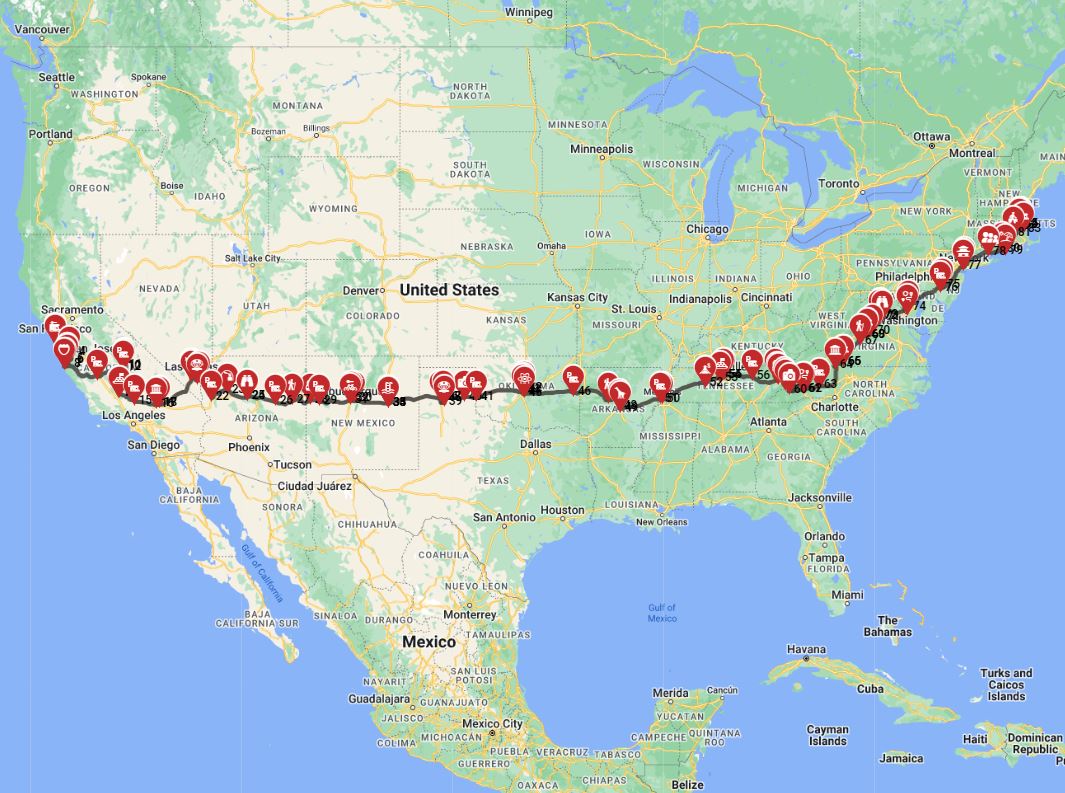
For those embarking on an extensive long-term RV rental adventure starting from San Francisco, RVPlan offers an epic cross-country journey: '
This route is highly recommended for those seeking a comprehensive RV road trip experience. It aligns with the spirit of discovery that long-term RV rentals provide, allowing you to truly immerse yourself in the American landscape.
Must-See Stops Along the Way (Avi Bandana Picks)
Avi Bandana recommends focusing on key experiences that truly capture the essence of San Francisco and its surroundings, particularly when leveraging the flexibility of a long-term RV rental:
- Traditional Visits: No trip to San Francisco is complete without experiencing landmarks like the Golden Gate Bridge (perhaps from Marin Headlands for stunning RV-friendly views) and embarking on a historic ferry trip to Alcatraz Island (book well in advance).
- Traditional Markets: Immerse yourself in local flavors and crafts at the bustling Ferry Building Marketplace, a hub for gourmet foods, artisan goods, and diverse dining options on the waterfront.
- Traditional Restaurants / Fine Dining: Explore San Francisco's diverse culinary scene, from indulging in fresh seafood at Fisherman's Wharf to savoring authentic ethnic cuisine in neighborhoods like the Mission District or North Beach.
- Local Industry: While direct RV tours of tech companies aren't common, you can explore insights into Silicon Valley's genesis at the Computer History Museum (a short drive from SF) or delve into the renowned wine industry with a visit to a vineyard in nearby Napa or Sonoma Valleys.
Other highly recommended categories include numerous Historical Sites (like Fort Point or Mission Dolores), engaging Museums (such as the California Academy of Sciences or SFMOMA), picturesque Hiking Areas (Golden Gate Park, Lands End), and driving Scenic Routes like Highway 1 just south of the city. For a more comprehensive list, consider the RV Travel Guide to San Francisco - Tips and Top Spots 2026.
Daily Driving Distances & Drive Times in San Francisco
Avi Bandana explicitly recommends adhering to a maximum of 100 miles (150 km) per day on average for RV travel, particularly in the San Francisco region, to ensure a relaxed pace and account for unique local challenges. This slower travel approach allows ample time to navigate potential RV-centric challenges in the SF region, such as steep hills (which can affect RV performance and fuel consumption), low bridge clearances (always check routes for your RV's height), heavy traffic, and limited RV-friendly parking.
Planning routes *around* the dense city center using highways like I-580 or I-880 in the East Bay is often more efficient than attempting to drive through downtown San Francisco with a large RV. For example, the drive time from San Francisco to Marin RV Park (Novato) is typically 45-60 minutes (approx. 40-50 miles), while a drive from San Francisco to Half Moon Bay is about 45 minutes to 1 hour (approx. 30 miles). It's also wise to familiarize yourself with the locations of RV service centers around the Bay Area for peace of mind during your long-term rental, as breakdowns are always a possibility.
Best RV Class for This Itinerary — Couple & Family Picks
Choosing the right RV class significantly enhances your long-term rental experience in and around San Francisco, balancing comfort with maneuverability for the region's diverse terrain and urban access. For couples seeking a nimble option, Avi Bandana recommends a Class TC - Truck Camper, which typically features an average length of 5.9 meters (19.4 feet) and comfortably sleeps two adults. The Class TC's compact size and nimbleness make it ideal for navigating smaller roads, parking more easily when exploring towns near SF, and offering better fuel efficiency for extended regional travel, proving practical for accessing destinations where larger RVs might struggle.
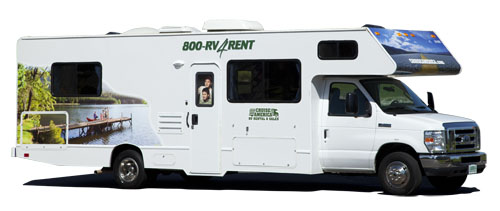
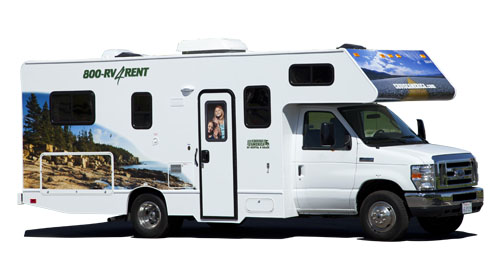
For families, the Class C - Alcove is Avi Bandana's top pick, providing a good balance of space and drivability with an average length of 8.1 meters (26.6 feet), accommodating an average of 3.6 adults and sleeping up to 5.4 people. This Class C RV offers ample living space, kitchen facilities, and multiple sleeping areas, making it comfortable for longer stays and family adventures. To streamline your planning, consider Bandana's 'Rent & Plan' service, which combines your RV rental with a professionally designed itinerary by travel experts, granting full access to sophisticated trip-planning software and removing the headache of organizing your long-term San Francisco adventure. You can compare RVs perfect for families, such as the 24' Class C Motorhome or the 29′ Class C Motorhome. For ideas you can prep on the road, watch our RV-friendly recipes playlist on YouTube.
What is the 3-3-3 rule for RV living?
The 3-3-3 rule for RV living advises long-term renters to limit daily travel to no more than 300 miles, arrive at their destination by 3 PM, and stay for a minimum of 3 nights. This guideline promotes a more relaxed pace for RV travel, which is particularly beneficial when exploring a diverse and potentially challenging region like San Francisco, allowing ample time for setup, local exploration, and enjoying campground amenities. By adhering to the 3-3-3 rule, RVers can minimize stress associated with navigating unfamiliar roads, finding suitable parking, and setting up camp late in the day, enhancing the overall enjoyment of a long-term rental.
Where to stay with RV in San Francisco?
Finding an RV-friendly place to stay directly within San Francisco city limits is challenging due to urban density and parking restrictions; most long-term RV renters choose campgrounds and parks in surrounding areas with good public transit access. Popular RV parks near San Francisco include Marin RV Park (Novato), Petaluma KOA (Petaluma), and Candlestick RV Park (San Francisco, though reviews vary and it's very urban), each offering different levels of amenities and proximity.
From these base camps, utilizing specific public transit routes like Golden Gate Transit buses or BART (Bay Area Rapid Transit) is crucial for stress-free city visits, often involving a park-and-ride strategy with a towed vehicle or rental car at a BART station. Alternatives to traditional RV parks include exploring Harvest Hosts locations in the wider Bay Area for unique overnight stays (for self-contained RVs) or investigating large commercial lots with shuttle access, though boondocking opportunities directly in the immediate SF region are highly limited and generally not recommended for safety or legality. Tailored advice for different RV types is essential: larger Class A motorhomes or travel trailers will find larger RV parks (e.g., KOAs) more accommodating, while smaller Class B vans or truck campers might have more flexibility at state parks or private sites with tighter spots, and better maneuverability for local exploration.
What is the 444 rule for RVs?
The 4-4-4 rule for RVs suggests driving no more than 4 hours a day, staying at each location for at least 4 nights, and traveling no more than 400 miles in a single week. This guideline is geared towards a significantly slower and more immersive travel experience compared to the 3-3-3 rule, making it highly suitable for long-term RV rentals in San Francisco where deep exploration of the city and its surrounding attractions is desired. Adhering to the 4-4-4 rule minimizes driving fatigue, allows for comprehensive engagement with local culture and activities, and provides ample time to experience multiple stress-free day trips from an RV-friendly base camp without constantly relocating.
What should you not miss when visiting San Francisco?
When visiting San Francisco from an RV base camp, essential experiences include iconic landmarks like the Golden Gate Bridge (best viewed from the Marin Headlands or Crissy Field), a historic boat trip to Alcatraz Island (book well in advance), and the vibrant atmosphere of Fisherman's Wharf and Pier 39.
Beyond the major sights, don't miss riding a historic Cable Car (a quintessential San Francisco experience), exploring the bustling Ferry Building Marketplace for gourmet foods, and wandering through the colorful Mission District to admire its murals and taste local cuisine. For natural beauty and stunning city views, visit Twin Peaks or hike along the Lands End Trail for vistas of the Pacific Ocean and Golden Gate Bridge, or spend a day in Golden Gate Park, which houses museums, gardens, and bison. To enjoy these attractions stress-free without driving your RV into the city, utilize public transit (Muni buses, streetcars, BART) from your RV park, or use ride-sharing services, which also helps navigate the city's steep hills and avoid bridge tolls and expensive parking. Budgeting for activities is key: typical costs include Alcatraz tickets (~$40), Cable Car fares (~$8 per ride), and museum admissions (~$25-35), alongside daily transportation costs and food budgets, with a focus on fresh, local options from markets like the Ferry Building for cost savings. On the routes offered through RV PLANET routes, you can itemize and track every expense along the way for easy budgeting.
For finding campsites and campgrounds during your trip, we recommend using RV PLANET (rvplan.net) — a great resource for locating available spots along your route. You can also discover top destinations and planning tips all in one place through our network!
What is the 3-3-3 rule when RVing?
The 3-3-3 rule when RVing refers to the practice of limiting daily driving to 300 miles, aiming to arrive at your campsite by 3 PM, and planning to stay for at least 3 nights at each location. This principle is particularly pertinent for long-term RV rentals, as it encourages a more relaxed and enjoyable travel rhythm. Adopting this rule minimizes travel fatigue, reduces the stress of finding campsites in the dark, and provides ample time to explore destinations like San Francisco and its surroundings thoroughly without feeling rushed.
What is the 4 4 4 rule for RVing?
The 4-4-4 rule for RVing advocates driving no more than 4 hours a day, staying at each camping spot for a minimum of 4 nights, and limiting total weekly travel to 400 miles. As an extension of the 3-3-3 rule, this guideline is designed for those seeking a deeply immersive and unhurried long-term RV experience. Implementing the 4-4-4 rule enables you to fully savor each destination, fostering a stronger connection to the San Francisco Bay Area by allowing extensive time for exploration, rest, and spontaneous adventures.
What is the 2 2 2 rule for RV travel?
The 2-2-2 rule for RV travel recommends driving no more than 200 miles a day, arriving at your campsite by 2 PM, and staying for a minimum of 2 nights. This rule offers an even more relaxed pace than the 3-3-3 or 4-4-4 guidelines, making it perfect for long-term RV renters in San Francisco who prioritize leisure and extensive exploration over covering vast distances quickly. By adhering to the 2-2-2 rule, travelers gain maximum time for sightseeing, relaxing at the campground, and dealing with any unexpected expenses or RV service needs, ensuring a truly unhurried and enjoyable journey.
How much does it cost to stay at a long term RV park?
The cost to stay at a long-term RV park in the San Francisco Bay Area typically ranges from $60-$120 per night for daily rates, but significant savings can be found with weekly or especially monthly rates, which often fall between $800-$1800 per month depending on location, amenities, and time of year. Factors influencing long-term RV park costs include the park's proximity to San Francisco, the level of amenities offered (e.g., full hookups, pool, laundry, Wi-Fi), and the season (peak tourist season will be more expensive).
A comprehensive cost breakdown for RVing in the SF area beyond just campground fees must account for daily transportation costs (public transit fares, ride-shares, or rental car fees), typical activity prices (Alcatraz, museums), a realistic food budget, and unexpected expenses like propane refills, dump fees, or potential RV service center visits. Budget approximately $20-50 per day for transportation if using public transit or occasional ride-shares, $50-100+ per day for activities and attractions for two people, and $50-80+ per day for groceries and dining out, recognizing that prices in the Bay Area are generally higher than the national average. For travelers seeking to itemize and track every expense along the way for easy budgeting, the RV PLANET routes offer a great way to plan and manage your trip's finances.
What You Shouldn't Miss
- Golden Gate Bridge: Experience the iconic span from viewpoints like the Marin Headlands for stunning, RV-friendly vistas.
- Alcatraz Island: Take a ferry trip to the infamous former prison; book tickets well in advance to secure your spot.
- Ferry Building Marketplace: Explore this vibrant hub for local gourmet foods, artisan products, and diverse dining options along the waterfront.
- Cable Car Ride: A quintessential San Francisco experience, offering a unique way to navigate the city's famed steep hills and visit popular attractions.
- Muir Woods National Monument: Walk among majestic old-growth redwood trees; remember to make parking reservations in advance.
- Point Reyes National Seashore: Discover dramatic coastal landscapes, a historic lighthouse, and potentially spot elephant seals.
Final Thoughts
Renting an RV for a long-term exploration around San Francisco offers an incredible opportunity to experience the region's diverse landscapes and vibrant culture at your own pace. By understanding the unique challenges and embracing the flexibility that RV travel provides, you can craft an unforgettable journey. Remember to prioritize your comfort and convenience by selecting the right RV class for your needs and utilizing the many resources available for planning your route and accommodations.
Whether you opt for a shorter 7-day immersion or a more extensive 14-day exploration, San Francisco and its surroundings offer a wealth of experiences best enjoyed slowly and deliberately. Embrace the freedom of the open road, discover hidden gems, and create lasting memories.
Find Motorhome Rentals in San Francisco