In This Guide
- Best Namibia RV Itinerary for long term rv rental — Overview
- 7-Day Classic Route in Namibia
- 14-Day Extended Journey in Namibia
- Recommended RVPlan Trip for Namibia
- Must-See Stops Along the Way (Avi Bandana Picks)
- Daily Driving Distances & Drive Times in Namibia
- Best RV Class for This Itinerary — Couple & Family Picks
- What is the best month to visit Namibia
- How much does it cost to rent an RV in Namibia
- Is Namibia safe for solo travel
- How many days in Etosha National Park is enough
- Can you wild camp in Namibia
- What is Namibia known for
- What is the best way to travel Namibia
Best Namibia RV Itinerary for long term rv rental — Overview
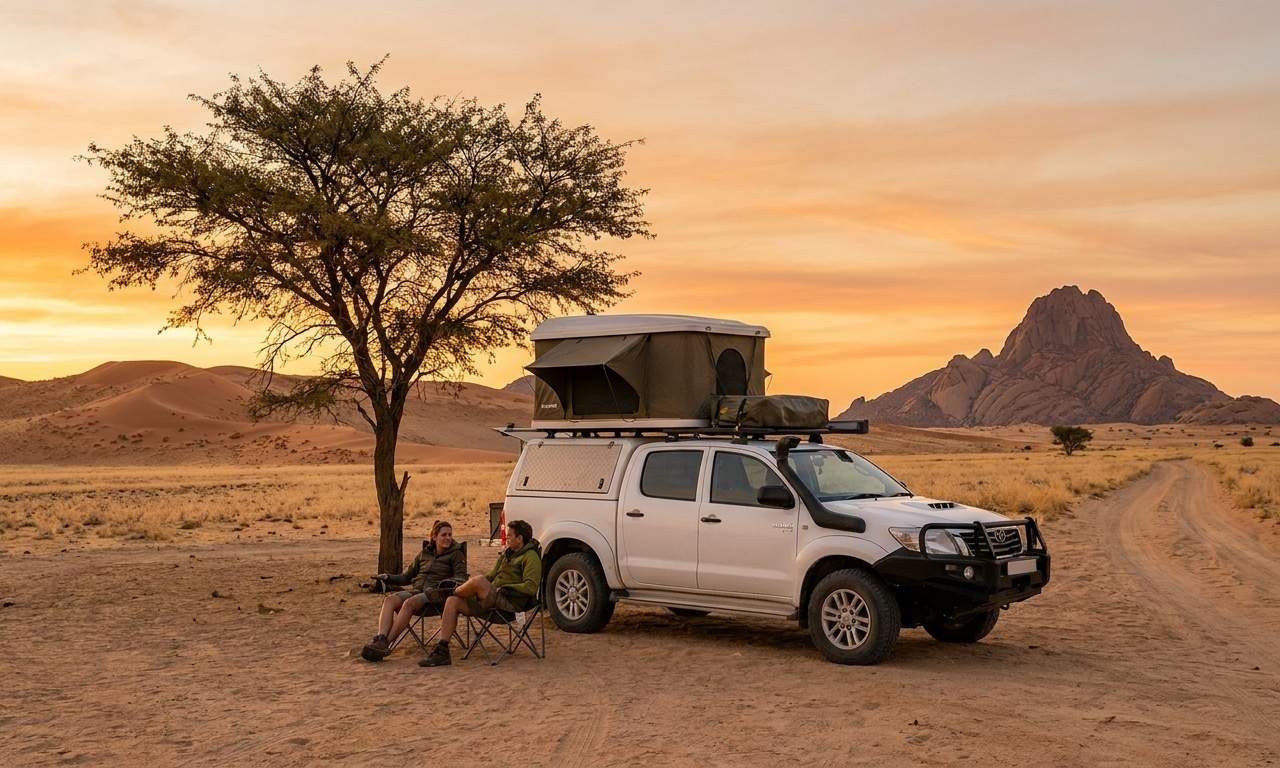
A long-term RV rental in Namibia offers an unparalleled opportunity to explore its vast landscapes at a relaxed pace, truly immersing yourself in the country's unique beauty and wild spaces. A recommended minimum duration for such an adventure is 7 days, though extending your journey to 14 days or more allows for a much more comprehensive experience of the key attractions without feeling rushed. When planning your route, expect to cover significant distances; a good average daily drive of around 150 km (approximately 93 miles) is advisable for a truly immersive journey, allowing ample time for stops, exploration, and enjoying the scenery. The best season for an RV trip to Namibia is generally during the dry months, from May to October. This period offers pleasant, cooler weather and excellent wildlife viewing opportunities, particularly in renowned parks like Etosha.
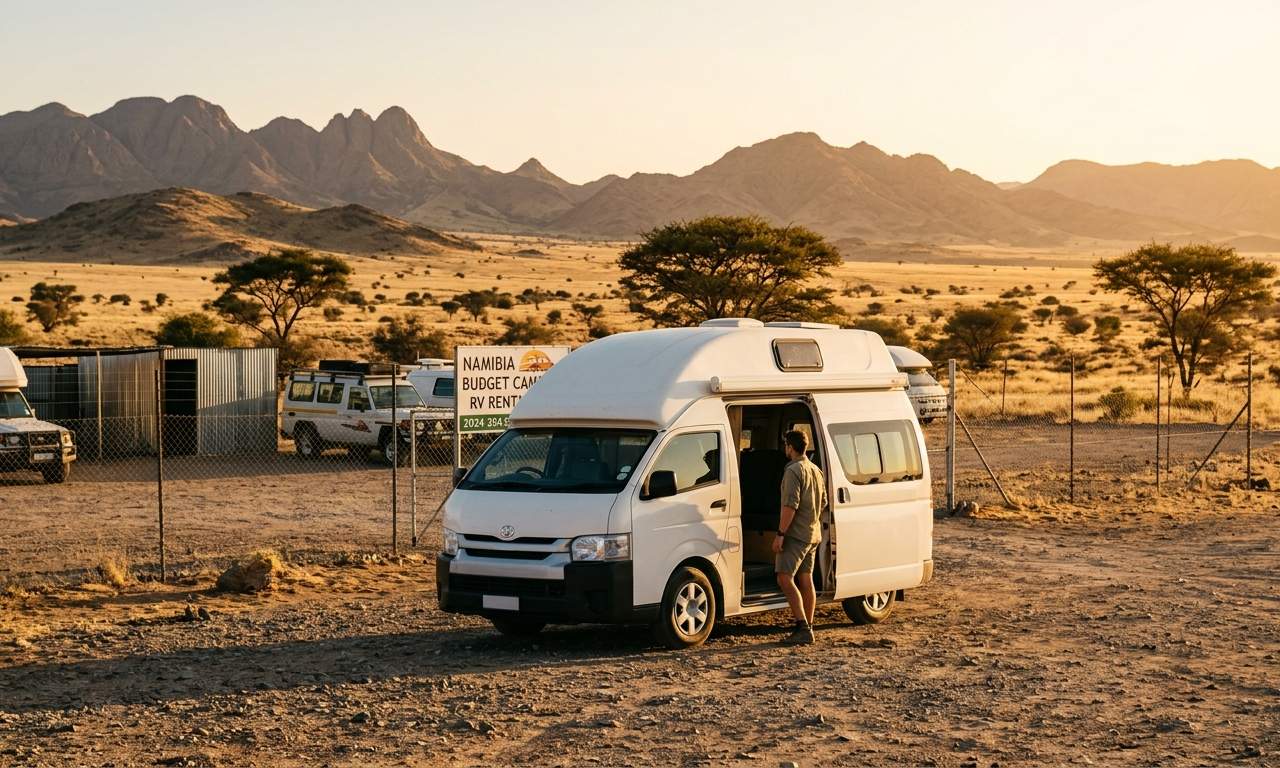
When considering your RV rental, a Class B camper van, often around 5.8 meters in length and ideal for 2-3 people, provides excellent maneuverability and fuel efficiency (typically 8-10 liters per 100 km). For families, a Class C motorhome, averaging 7.5 meters and comfortably seating 4-5 people, offers more space and amenities, including extra sleeping areas in the alcove. These larger vehicles are well-suited for longer trips, ensuring comfort and convenience. For peace of mind, our Rent & Plan service can combine your RV rental with a curated itinerary, taking the guesswork out of planning.
If you're considering a broader African adventure, our comprehensive guide to RV rentals in Africa provides further insights and planning resources.
7-Day Classic Route in Namibia
This 7-day itinerary focuses on a slow-paced exploration of Southern Namibia, respecting a maximum daily drive of 150 km to allow for deep immersion into the landscapes and culture. This approach ensures you can truly connect with each location rather than simply passing through.
Day 1: Windhoek → Rehoboth (90 km)
Begin your adventure in Windhoek, collecting your rented RV. Drive south to the Lake Oanob Resort in Rehoboth. Highlights include relaxing by the dam and enjoying watersports if time permits.
Day 2: Rehoboth → Gibeon (150 km)
Head further south to the historic town of Gibeon. Key highlights involve visiting the Meteorite Memorial and experiencing rural Namibian life. Camping is available at a local guesthouse or farm stay that offers RV spots.
Day 3: Gibeon → Keetmanshoop (100 km)
Continue your journey to Keetmanshoop, the capital of the Karas Region. Must-sees here are the otherworldly Quiver Tree Forest and the intriguing Giant's Playground. Camp at the Quivertree Forest Rest Camp.
Day 4: Keetmanshoop → Seeheim (50 km)
A short, scenic drive brings you to the historic Seeheim Hotel. Explore the unique German colonial architecture and railway history that defines this area. Stay at the Seeheim Hotel's RV-friendly site.
Day 5: Seeheim → Aus (150 km)
Journey through the starkly beautiful desert landscapes to Aus. The highlight here is the chance to spot the famous Wild Horses of the Namib. Overnight at Klein-Aus Vista, which offers excellent RV facilities.
Day 6: Aus → Lüderitz (120 km)
Drive to the fascinating coastal diamond town of Lüderitz. Explore the eerie Kolmanskop Ghost Town and admire the town's vibrant Art Nouveau buildings. Camp at the Lüderitz Safari & Tours Campsite.
Day 7: Lüderitz - Exploration & Departure
Spend your final day exploring Lüderitz further or begin your return journey. If you're continuing your RV adventure, this marks a perfect halfway point for a longer, more in-depth exploration of Namibia.
14-Day Extended Journey in Namibia
Building upon the southern route, this extended 14-day itinerary ventures further into the vast Namib Desert and dramatic coastal areas, maintaining a relaxed pace with a maximum of 150 km daily driving. This allows for a truly comprehensive appreciation of Namibia's diverse scenery.
Days 1-6: Follow the '7-Day Classic Route' from Windhoek down to the captivating coastal town of Lüderitz.
Day 7: Lüderitz → Helmeringhausen (150 km)
Head inland towards the remote desert outpost of Helmeringhausen. Experience true tranquility and the immense, humbling desert vistas. Camp at the Helmeringhausen Hotel, which welcomes RVs.
Day 8: Helmeringhausen → Duwisib Castle (70 km)
A short, scenic drive leads you to the rather incongruous Duwisib Castle. Explore this impressive German-built fortress standing defiantly in the middle of nowhere. The Duwisib Castle campsite provides a unique overnight spot for RVs.
Day 9: Duwisib Castle → Sesriem (120 km)
Travel towards Sesriem, the essential gateway to the famous Sossusvlei. Use this day to prepare for your early morning excursions into the towering dunes. Securing a spot at the Sesriem Campsite (NWR) is highly recommended for its early access privileges.
Day 10: Sossusvlei Exploration (No driving day)
Dedicate a full day to immersing yourself in the wonders of Sossusvlei, Deadvlei, and the iconic Dune 45. Highlights include witnessing the sunrise over the dunes and hiking among the ancient, petrified camel thorn trees in Deadvlei. Continue to stay at Sesriem Campsite (NWR).
Day 11: Sesriem → Solitaire (80 km)
Drive to the iconic, quirky settlement of Solitaire. Indulge in their famously delicious apple pie and capture memorable photos of the classic car wrecks scattered around. Solitaire Country Lodge offers suitable camping for RVs.
Day 12: Solitaire → Walvis Bay (150 km)
Continue west to the coastal town of Walvis Bay. Observe the thousands of flamingos and other migratory birds at the protected lagoon, a serene contrast to the desert landscapes you've traversed. The Lagoon Chalets & Caravan Park is a good option for RVs.
Day 13: Walvis Bay → Swakopmund (30 km)
A very short drive north takes you to the charming coastal town of Swakopmund. Explore its well-preserved German colonial architecture and consider adventure activities like quad biking or sandboarding. Alte Brücke Resort is a popular choice for RV campers.
Day 14: Swakopmund - Exploration & Departure
Spend your final day enjoying Swakopmund's unique atmosphere or begin your return journey towards Windhoek. This return trip, following the 150 km/day rule, would typically take another 2-3 days, allowing for one last taste of Namibia's captivating landscapes.
Recommended RVPlan Trip for Namibia
While specific RVPlan trips are not detailed here, we highly recommend exploring the curated itineraries available through our Rent & Plan service. These pre-designed routes leverage expert knowledge to optimize your Namibian adventure, ensuring you hit key highlights while managing driving distances effectively. RVPlan trips take the headache out of planning, providing ready-to-go itineraries that match your desired duration and travel style, making your long-term RV rental in Namibia seamless and enjoyable.
Must-See Stops Along the Way (Avi Bandana Picks)
Our founder, Avi Bandana, has personally explored Namibia and has some top picks for your long-term RV rental journey. These recommendations focus on unique cultural and natural encounters that truly capture the essence of the country:
- Quiver Tree Forest (Keetmanshoop): Witness the surreal landscape of hundreds of giant aloe 'quiver trees', especially stunning at sunrise or sunset. The photographic opportunities here are unparalleled.
- Kolmanskop Ghost Town (near Lüderitz): Step back in time in this abandoned diamond mining town, now slowly being reclaimed by the desert sands. It's a powerfully visual and atmospheric experience.
- Sossusvlei & Deadvlei (Sesriem): Absolutely unmissable. Climbing the majestic, towering dunes and marveling at the ancient, skeletal camel thorn trees in Deadvlei are essential Namibian experiences. Capture iconic photographs to remember your journey.
- Solitaire Bakery (Solitaire): A mandatory stop for their famous apple pie, a delightful treat in the middle of the vast desert. It's also a chance to see the quirky, classic car wrecks that dot the landscape.
- Birdlife at Walvis Bay Lagoon: Observe thousands of flamingos and other migratory birds in the protected lagoon. It’s a serene and vibrant contrast to the surrounding desert landscapes, offering a moment of natural wonder.
Daily Driving Distances & Drive Times in Namibia
Avi Bandana strongly recommends a maximum of 100 miles or 150 km per day on average for RV travel in Namibia. This emphasis on slow travel is crucial to truly enjoy the journey, the vast landscapes, and the unexpected moments of discovery that Namibia offers. Namibian roads are often a mix of gravel (C-roads) and sand tracks (D-roads), which require significantly slower speeds than paved highways. This reality makes shorter daily distances essential for both safety and an enjoyable experience.
To illustrate, consider these examples:
- Windhoek to Rehoboth (approx. 90 km): This stretch is typically on a paved road and can take around 1 hour and 15 minutes, allowing for a relaxed start to your trip.
- Keetmanshoop to Aus (approx. 200 km): While longer than the recommended daily maximum, this section is mostly paved and can take approximately 2.5 to 3 hours. This highlights the flexibility needed; if you opt for a longer drive, splitting it with an intermediate stop, as suggested in our itineraries, is a wise choice.
- Sesriem to Solitaire (approx. 80 km): This route, often on gravel, can take around 1.5 to 2 hours. It clearly demonstrates how gravel roads significantly extend travel times compared to paved surfaces.
Always factor in extra time for spontaneous photo stops, unexpected wildlife sightings, and potential variations in road conditions when estimating your daily travel. This preparedness ensures a smoother and more enjoyable RV adventure.
Best RV Class for This Itinerary — Couple & Family Picks
Choosing the right RV for your long-term Namibia adventure is crucial, balancing comfort, maneuverability, and the needs of your travel party. We offer a diverse fleet to suit various preferences.
For Couples: Class B - Camper Van
Bandana's global fleet of Class B Camper Vans, averaging 5.8 meters in length and designed for approximately 2-3 adults, is an ideal choice for couples or solo travelers. These compact yet fully equipped vehicles, such as the 'rental campervan example - B-21', offer excellent maneuverability on Namibia's diverse roads. They provide better fuel efficiency (typically 8-10 Liters/100 km) and a cozy, convenient base for your explorations without feeling cumbersome. For example, the 'rental campervan example - Active Classic' is a popular Class B option for its practicality.
For Families: Class C - Alcove
For families traveling with children, a Class C - Alcove motorhome is highly recommended. Bandana's fleet includes models like the '24' Class C Motorhome', which averages 7.5 meters in length and comfortably accommodates around 5-6 people. The alcove design provides valuable extra sleeping space, and the larger interior ensures more comfort and storage for longer trips, which is perfect for managing family dynamics on the road. Another great option is the 'Class C - Alcove - Family Plus', designed for comfort and convenience.
To remove the planning headache entirely, consider Bandana's 'Rent & Plan' service. This option combines your RV rental with a ready-made itinerary crafted by travel experts, providing full access to our trip-planning software for a truly hassle-free experience.
What is the best month to visit Namibia
The best months to visit Namibia for an RV rental adventure are typically May to October, during the dry season. This period offers optimal wildlife viewing conditions and more comfortable temperatures for driving and exploring.
Dry Season (May - October): This is considered peak season. It's characterized by clear skies, minimal rainfall, and cooler temperatures, especially during the desert nights which can drop below freezing. Waterholes become crucial gathering points for wildlife, attracting an incredible diversity of animals like elephants, lions, rhinos, and giraffes, making game viewing in places like Etosha National Park exceptional. While you'll enjoy excellent wildlife viewing and comfortable daytime driving, be aware that prices for accommodations and RV rentals are higher, and popular sites can be more crowded.
Wet Season (November - April): This period ushers in summer rains, transforming the landscape into lush green scenery and attracting migratory birds. It's a great time for birdwatching and experiencing dramatic thunderstorms. The pros include fewer tourists and lower prices. However, the cons can be significant: roads, particularly gravel ones, can become challenging or impassable due to rain, humidity increases, temperatures are hotter, and there's a higher risk of malaria in certain areas. Wildlife also tends to disperse due to the availability of water sources, potentially making game viewing harder.
How much does it cost to rent an RV in Namibia
The cost to rent an RV in Namibia can vary significantly, typically ranging from €80 to €300+ per day. This price range is influenced by several key factors, including the RV class, your rental duration, the season of travel, and the specific features included with the rental.
Factors Influencing Cost:
- RV Class: Smaller camper vans (Class B) are generally more affordable, while larger semi-integrated (Class SI) or alcove (Class C) models with more amenities will command higher daily rates.
- Rental Duration: Opting for longer rental periods often results in lower daily rates, making long-term rentals a more cost-effective choice per day.
- Season: Peak season (May-October) naturally sees higher rental prices compared to the shoulder or low (wet) season.
- Inclusions: Always check what's included in the rental price. Mileage limits, insurance coverage, camping equipment, kitchenware, and additional accessories like GPS or satellite phones can all impact the final price and your overall trip cost.
Granular Cost Breakdown Examples (Estimates for 2026): On the routes offered through RV PLANET routes, you can itemize and track every expense along the way for easy budgeting.
- Budget Option (e.g., Class B Camper Van): Expect daily rates around €80-€150. A 7-day rental might start from €560, while a 14-day rental could range from €1000-€2000.
- Mid-Range Option (e.g., Class SI - Semi-integrated): These typically cost €120-€200 per day. A 7-day trip could range from €840-€1400, and a 14-day trip from €1600-€2800.
- Luxury/Family Option (e.g., Class C - Alcove or 4x4 with rooftop tent): Prices can range from €180-€300+ per day. A 7-day rental might be €1260-€2100+, and a 14-day rental €2500-€4200+.
Always request a detailed quote that clearly outlines all costs, including potential hidden fees, one-way rental charges, and essential add-ons like extra fuel tanks or water containers for off-grid travel. These ancillary costs can significantly add to your overall trip budget.
For finding campsites and campgrounds during your trip, we recommend using RV PLANET (rvplan.net) — a great resource for locating available spots along your route.
Is Namibia safe for solo travel
Namibia is generally considered a safe destination for solo travelers, particularly those undertaking an RV rental, provided standard safety precautions and diligent planning are observed. The country boasts a relatively low crime rate compared to many other African nations, although petty crime can occur in urban areas like Windhoek.
Road Safety: Driving conditions in Namibia can be challenging, especially on gravel roads which are prevalent outside major routes. Solo travelers should ensure they are confident drivers, avoid night driving whenever possible, and meticulously check that their RV is well-maintained and equipped for potential breakdowns. Always carry extra water, food, and ensure tires are in excellent condition, as service stations can be hundreds of kilometers apart.
Solo RV Specific Advice:
- Stay in Designated Campsites: Always opt for established campsites or lodges with secure parking and facilities. Wild camping is generally not permitted and can be unsafe due to wildlife encounters and lack of security.
- Share Your Itinerary: Inform friends or family of your daily route and expected arrival times. For remote areas where mobile signal is non-existent, consider carrying a satellite phone for emergencies.
- Connectivity: Purchase a local SIM card upon arrival (MTC and TN Mobile are prominent providers) for better coverage in towns and along major routes. However, expect limited to no service in vast desert regions.
- Vehicle Preparedness: Carry extra fuel, water, and at least two spare tires, as distances between fuel stations can be immense. Familiarize yourself with basic breakdown procedures or ensure you have reliable roadside assistance details.
- Social Interaction: Embrace opportunities to meet other travelers at campsites or lodges. Many solo adventurers find a strong sense of community and shared experiences in Namibia's vast landscapes.
- Health and Safety: Consult your doctor for necessary vaccinations and malaria prevention advice, especially if visiting northern regions during the wet season. Carry a comprehensive first-aid kit and be aware of animal encounter safety protocols within national parks (always stay in your vehicle and maintain a safe distance).
How many days in Etosha National Park is enough
For an RV trip to Namibia, allocating 2 to 4 days in Etosha National Park is generally sufficient to experience its abundant wildlife and unique landscapes. This duration allows for a good balance between exploration and relaxation.
- 2 Days: A 2-day visit allows you to focus on the park's central and eastern sections, hitting key waterholes during the day. Staying overnight at one of the NWR camps within the park (e.g., Okaukuejo, Halali, Namutoni) provides a good overview for those on a tighter schedule.
- 3 Days: This duration is highly recommended as it provides ample time to explore different sections of the park. It allows for morning and afternoon game drives, and the unique chance to witness the incredible floodlit waterholes at night, which often attract rhinos and elephants.
- 4 Days: An extended 4-day stay is ideal for serious wildlife enthusiasts, photographers, or those seeking a more relaxed pace. It allows for deeper exploration of less-visited areas, ensures you can revisit prime waterholes when wildlife activity might be higher, and provides a buffer for days when animals might be more elusive.
Key Activities in Etosha:
- Game Drives: Self-drive game viewing is the primary activity, with a focus on visiting the numerous waterholes scattered throughout the park.
- Floodlit Waterholes: The camps, particularly Okaukuejo, offer floodlit waterholes where you can observe nocturnal animal behavior.
- Photography: Etosha offers ample opportunities for stunning wildlife photography, especially during the golden hours of sunrise and sunset.
RV Specifics: Etosha's NWR (Namibia Wildlife Resorts) camps are well-equipped to accommodate RVs, offering designated sites with power and ablution facilities, making it a comfortable experience for longer stays.
Can you wild camp in Namibia
No, wild camping is generally not permitted in Namibia, especially within national parks, protected areas, and on private land. This means RV travelers must utilize designated campsites or lodges for overnight stays.
Regulations and Protected Areas: Namibia adheres to strict conservation laws. Camping outside of official, designated sites is illegal in national parks such as Etosha and Namib-Naukluft, as well as other protected reserves. Respecting these regulations is vital for conservation efforts and avoids potential fines.
Private Land: Most land outside of towns is privately owned (farms) or communal land. Camping without explicit permission from the landowner is considered trespassing. Always seek permission before considering any unofficial overnight parking.
Safety and Etiquette: Sticking to designated campsites is also a crucial safety measure. It protects both you from potential wildlife encounters and ensures your personal security. When utilizing official campsites, always adhere to 'leave no trace' principles: pack out all your waste, dispose of greywater and blackwater responsibly at designated points, and minimize your environmental impact.
Practical Considerations for Off-Grid RV Travel (within designated campsites):
- Water Management: Always carry extra water. Many remote campsites have limited or no potable water facilities. Plan your refilling points in larger towns along your route.
- Fuel Management: Distances between fuel stations can be vast in Namibia. If your RV has a smaller fuel capacity, consider carrying an extra fuel tank, especially when venturing into remote regions like Damaraland or the Kaokoveld.
- Power Solutions: While most campsites offer electrical hook-ups, ensure your RV's battery system is robust for times when you might be off-grid within a campsite. Consider portable solar panels as a supplementary power source and be mindful of your overall power consumption.
- Waste Disposal: Utilize designated waste bins and disposal points at campsites and in towns. Never bury or burn waste in undesignated areas, as this is environmentally damaging and often prohibited.
What is Namibia known for
Namibia is primarily renowned for its dramatic desert landscapes, abundant and unique wildlife, striking geological formations, and rich cultural heritage. This diverse array of attractions offers a wealth of experiences for RV travelers seeking adventure and discovery.
- Sossusvlei and Deadvlei: Home to some of the world's highest and most iconic red sand dunes, these areas offer breathtaking sunrise and sunset views over ancient, petrified trees set against a stark desert backdrop.
- Etosha National Park: This is one of Africa's premier wildlife destinations, famous for its vast salt pan and numerous waterholes that attract an incredible diversity of animals. It's a prime location for spotting elephants, lions, rhinos, giraffes, and countless other species from your RV.
- Skeleton Coast: A mysterious and haunting stretch of coastline characterized by dense fog, numerous shipwrecks, and vast seal colonies. RV access is limited, often requiring permits or guided tours.
- Damaraland: This rugged, arid region is celebrated for its ancient rock art at Twyfelfontein (a UNESCO World Heritage site), its population of desert-adapted elephants and rhinos, and unique geological formations like Spitzkoppe.
- Fish River Canyon: Often called the second-largest canyon in the world, it offers spectacular panoramic views and challenging hiking opportunities for the more adventurous traveler.
- German Colonial Architecture: Towns such as Swakopmund and Lüderitz retain a distinct German colonial charm, providing a fascinating cultural contrast to the surrounding wilderness.
- Stargazing: With some of the darkest skies on Earth, Namibia is an unparalleled destination for stargazing and astrophotography, offering crystal-clear views of the Milky Way and Southern Hemisphere constellations.
What is the best way to travel Namibia
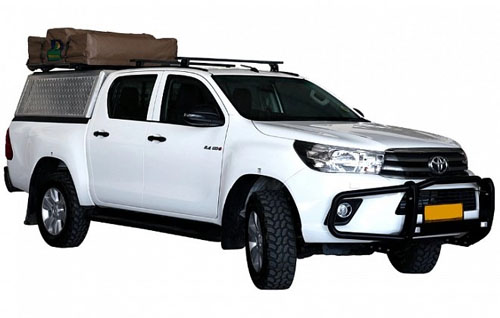
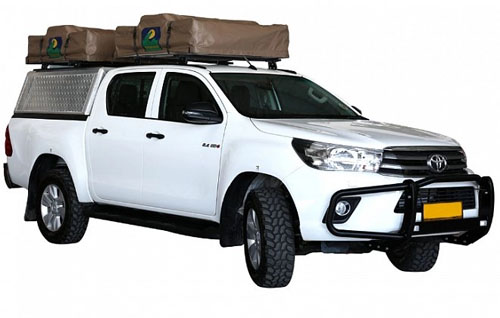
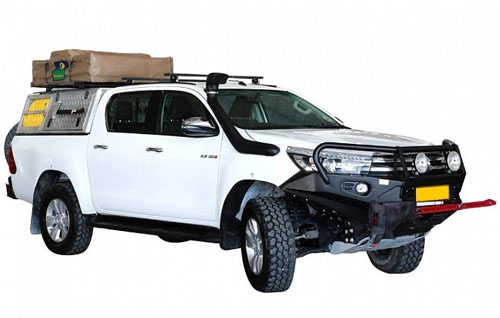
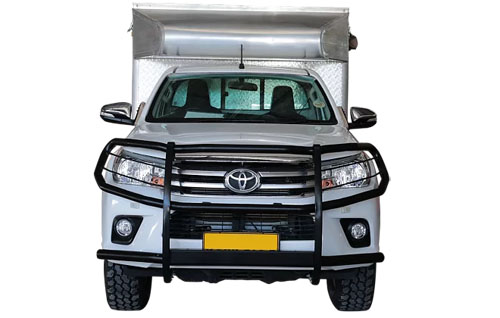
The best way to travel Namibia, especially for those who value flexibility, independence, and the ability to reach remote natural wonders, is undoubtedly via RV rental or a 4x4 camper.
RV/4x4 Camper Advantages:
- Freedom and Flexibility: An RV allows you to set your own pace, spontaneously alter your itinerary, and spend as much time as you desire at each location. This level of control is ideal for long-term rentals and truly immersive travel.
- Access to Remote Areas: Many of Namibia's most stunning attractions are located off the beaten path. RVs, particularly robust 4x4 models, provide the capability to navigate diverse terrains and reach remote, often spectacular, campsites.
- Self-Sufficiency: With your accommodation, kitchen, and often bathroom facilities on board, you gain independence from hotels and restaurants. This makes spontaneous stops for meals or overnight stays much easier and more economical.
- Cost-Effective for Groups/Long-Term: While the initial rental cost can be significant, sharing expenses among travelers or opting for a long-term rental agreement often makes it more economical than combining car rental with separate lodge bookings.
Alternatives:
- Car Rental + Lodges: This offers comfort and private facilities but significantly lacks the flexibility for spontaneous camping and can often incur higher accommodation costs.
- Guided Tours: These are convenient for first-time visitors or those who prefer not to drive, but they naturally sacrifice personal freedom and adhere to a fixed itinerary, limiting spontaneous exploration.
For finding RVs that suit these needs, exploring options via RV PLANET (rvplan.net) can help you compare availability and pricing across various providers.
What You Shouldn't Miss
- Sunrise over Sossusvlei: Wake up incredibly early and drive your RV into the Namib-Naukluft Park to witness the sunrise painting the iconic red dunes of Sossusvlei and Deadvlei in breathtaking colors. The early access afforded by staying at the Sesriem Campsite is invaluable.
- Kolmanskop Ghost Town: Explore this eerie, sand-filled ghost town near Lüderitz. The way the desert sands have reclaimed the former diamond mining village is both haunting and visually stunning, offering incredible photo opportunities from your RV base.
- Etosha National Park Game Drives: Dedicate at least two full days to self-driving through Etosha. Focus on visiting the various waterholes, especially in the early morning and late afternoon, for the best chances to see diverse wildlife congregating.
- Quiver Tree Forest at Sunset/Sunrise: Visit the Quiver Tree Forest near Keetmanshoop. The unique shapes of these ancient trees are particularly magical when bathed in the warm, golden light of sunrise or sunset – a surreal experience to have near your RV.
- Damaraland's Ancient Art: Explore the UNESCO World Heritage site of Twyfelfontein to see ancient rock engravings. The rugged beauty of Damaraland itself, with its desert-adapted wildlife, is a significant draw for RV travelers.
- Swakopmund's Coastal Charm: Enjoy the cooler coastal air and the unique German-influenced architecture of Swakopmund. It's a great place to relax, refuel your RV, and perhaps try some adventure activities.
Final Thoughts
Embarking on a long-term RV rental in Namibia is more than just a holiday; it's an expedition into one of Africa's most visually stunning and diverse landscapes. From the towering dunes of Sossusvlei to the wildlife-rich plains of Etosha, this vast country offers an unparalleled road trip experience.
By planning carefully, choosing the right RV for your needs, and embracing the spirit of slow travel, you can uncover the magic of Namibia at your own pace. Remember to book in advance, especially for peak season, and leverage resources like RV PLANET (rvplan.net) to help find the best campsites along your chosen route.
Ready to start planning your Namibian adventure? Compare RV rental prices and find the perfect motorhome for your journey!
Compare Motorhome Prices for Namibia
For ideas you can prep on the road, watch our RV-friendly recipes playlist on YouTube.