For live availability and current prices, start with our RV Rental Turkey - Complete Guide 2026 guide.
In This Guide
- Can You Drive an RV in Turkey? License & Age Rules
- Road Conditions & Terrain in Turkey
- RV Size Limits, Bridges & Restricted Zones
- Fuel: Diesel vs. Petrol & Cost per 100 km
- Tolls, Vignettes & Border Rules
- Driving Tips for Long-Term RV Rental Travelers
- Recommended RV Class for Turkey Roads
- Should I Choose a Compact Van Instead of a Large RV in Turkey?
- Can I Park Anywhere? Free & Wild Camping Rules in Turkey
- Can I Drive an RV Into the City Center? Heights, Tunnels & Local Signage
- Is Turkey a good country for RV travel?
- How much does it cost to RV in Turkey?
- What documents do I need for RV rental in Turkey?
- What is the best time of year to RV in Turkey?
- What are the best RV campsites in Turkey?
- Is it safe to RV camp in Turkey?
- Can I travel with pets in an RV in Turkey?
- How do I access water and groceries for my RV in Turkey?
- What are the cultural etiquette tips for RVers in Turkey?
- What about internet and connectivity for RVs in Turkey?
Can You Drive an RV in Turkey? License & Age Rules
Foreign visitors can generally drive an RV in Turkey with a valid national driver's license and an International Driving Permit (IDP), which is legally required. For RVs up to 3,500 kg, a common Gross Vehicle Weight for many rental motorhomes, a standard Category B license is typically sufficient. Vehicles exceeding 3,500 kg require a higher license category (e.g., C1 or C, depending on the exact GVW) in accordance with Turkish and international driving regulations. The minimum driving age for RV rentals usually starts at 21, though some rental companies may impose higher age limits (e.g., 23 or 25) for insurance purposes or larger vehicle classes. This ensures all drivers are adequately experienced for navigating Turkey's diverse roads.
Road Conditions & Terrain in Turkey
Turkey boasts a diverse landscape with generally good road infrastructure, particularly its major highways and coastal routes, making it highly suitable for long-term RV travel. Expect well-maintained asphalt roads on main arteries, but be prepared for narrower, winding roads in mountainous regions (e.g., Eastern Black Sea, Taurus Mountains) and potentially unpaved or gravel paths when accessing remote natural attractions. Urban areas, especially large cities like Istanbul or Ankara, can feature heavy traffic, while rural roads offer incredibly scenic drives best enjoyed at a leisurely pace. Long-term RVers should plan for varied terrain and embrace slow, scenic driving to fully appreciate the country's diverse beauty, from sun-drenched coastlines to high Anatolian plateaus.
RV Size Limits, Bridges & Restricted Zones
While Turkey generally accommodates RVs of various sizes, drivers should be mindful of vehicle dimensions, particularly height and width, when planning routes. Most main roads and highways do not have significant height restrictions, but smaller towns, historic centers, and some rural bridges might have clearance limits; always observe local signage. There are no specific 'environmental zones' or widespread RV-specific restricted access zones as seen in some European cities, but common sense dictates avoiding very narrow streets in ancient towns or heavily pedestrianized areas. Ferry services, particularly those connecting coastal regions or crossing the Dardanelles or Bosphorus, can have length and weight restrictions, with pricing typically based on vehicle size, so always check in advance.
Fuel: Diesel vs. Petrol & Cost per 100 km
Most rental RVs in Turkey, particularly those from Bandana's global fleet, operate on diesel fuel, which is widely available at service stations across the country. Average fuel consumption for Bandana's Class SI (Semi-integrated) RVs typically ranges from 10-11 liters/100 km, while Class B (Camper Van) models generally achieve 8-10 liters/100 km. Fuel prices in Turkey can fluctuate, but long-term travelers should budget for diesel costs, which generally range between €1.20 - €1.50 per liter, meaning a Class SI RV might cost approximately €12-€16.50 per 100 km. It's advisable to check with your rental provider regarding any potential fuel discount cards or partnerships, though these are less common for standard RV rentals in Turkey. On the routes offered through RV PLANET routes, you can itemize and track every expense along the way for easy budgeting.
Tolls, Vignettes & Border Rules
Turkey utilizes an electronic toll collection system, primarily HGS (Hızlı Geçiş Sistemi), for its highways, bridges, and tunnels, rather than physical vignettes. RV drivers will need to obtain an HGS sticker or card, which can be purchased and topped up at post offices (PTT), some petrol stations, and highway entrances upon arrival. Failure to have a valid HGS pass or insufficient balance can result in significant fines; some long-term rental providers may offer pre-purchased or integrated toll solutions to simplify this process and avoid penalties. For border crossings into neighboring countries, beyond standard personal and vehicle documents, RVs may require additional international insurance (Green Card valid for the specific country) or potentially a Carnet de Passage, depending on the vehicle's origin and the destination country's regulations (though less common for EU-registered rental vehicles entering EU/Schengen areas).
Driving Tips for Long-Term RV Rental Travelers
For families on a long-term RV trip, plan regular stops every 2-3 hours to allow everyone to stretch and explore, making the journey more enjoyable and preventing driver fatigue. Budget-conscious travelers should pre-plan routes to identify and potentially minimize toll road usage, and actively monitor fuel prices as they can vary regionally across Turkey. While many rental RVs offer automatic transmissions for ease, be aware that manual transmissions are still prevalent; also, very large RVs may find some remote, unpaved roads challenging due to ground clearance. Always maintain a safe following distance and be cautious of local driving habits, which can be more assertive; ensure you are well-rested before long drives. Consider downloading offline maps (e.g., Google Maps, HERE WeGo) for your chosen GPS app, as mobile data coverage can be spotty in very remote parts of Turkey.
Recommended RV Class for Turkey Roads
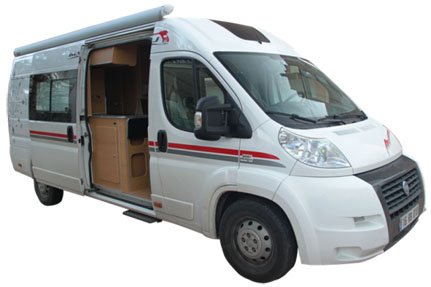
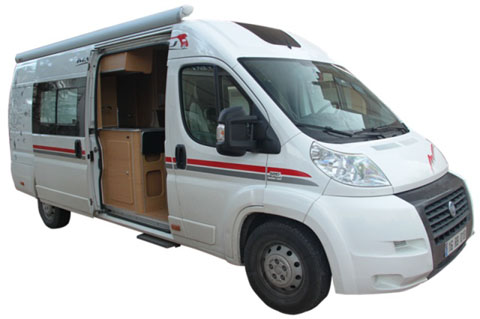
For long-term RV rental in Turkey, a Class SI (Semi-integrated) motorhome or a Class B (Camper Van) generally offers an excellent balance of comfort, amenities, and maneuverability on Turkish roads. Bandana's Class SI motorhomes, with an average length of 6.9 meters, provide ample living space for 3-4 adults and are typically manageable on most main roads and within smaller towns. Alternatively, Class B camper vans, averaging 5.8 meters in length, are highly versatile, offering easier navigation through tight city streets and mountain passes while still providing essential amenities for 2-3 adults. Both classes typically offer adequate ground clearance for the varied terrain found in Turkey, from paved highways to unsealed tracks leading to natural attractions, making them suitable choices for extensive exploration.
Should I Choose a Compact Van Instead of a Large RV in Turkey?
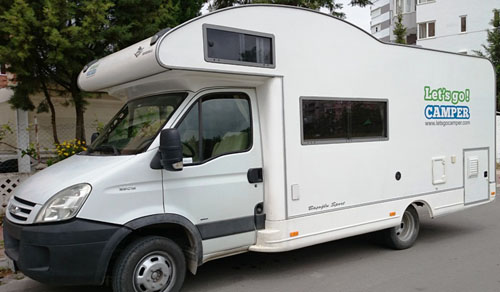
For long-term RV travel in Turkey, there is usually no significant issue driving most RV sizes, with the comfort and indoor space of a larger RV often outweighing the marginal maneuverability gains of a compact van. A compact van (like a Class B camper van) genuinely helps when consistently navigating extremely tight historic centers, very narrow mountain passes, or seeking discreet parking in urban environments where larger vehicles struggle. However, for extended periods, the added living space, larger kitchen, and dedicated bathroom facilities of a larger RV (such as a Semi-integrated or Alcove model) often provide superior comfort and convenience, especially for families or longer stays. The decision involves assessing how frequently you anticipate driving in highly restricted urban areas versus prioritizing on-board amenities and overall comfort for your long-term journey across Turkey. For ideas you can prep on the road, watch our RV-friendly recipes playlist on YouTube.
Can I Park Anywhere? Free & Wild Camping Rules in Turkey
While officially wild camping or boondocking is not broadly sanctioned in Turkey, it is often tolerated in many rural and remote areas, especially if done discreetly and respectfully. Popular areas for wild camping include designated spots near beaches, forests, or quiet rural roads, but always prioritize safety, local sentiments, and 'leave no trace' principles. When considering wild camping, avoid private property without permission, stay clear of military zones or restricted historical sites, and be mindful of local attitudes towards overnight parking. It is always recommended to seek permission from local authorities or landowners if unsure, and check local regulations as rules can vary by region; prioritizing secure, established campgrounds offers greater peace of mind, especially in more populated or sensitive areas.
Can I Drive an RV Into the City Center? Heights, Tunnels & Local Signage
Generally, yes, you can drive an RV into most Turkish city centers, but careful attention to local signage regarding height limits, tunnels, low bridges, and potential residents-only streets is crucial. Major cities like Istanbul often have larger, multi-lane roads suitable for RVs, but older districts or historic cores may present challenges with narrow streets, tight turns, and limited parking. Always observe height and weight restrictions prominently displayed at tunnel entrances or underpasses, which is particularly important for taller RVs like Class C (Alcove) models. While pervasive environmental zones are not common in Turkey, some cities may have pedestrianized areas or streets restricted to local traffic; always follow local law and road signs diligently.
Is Turkey a good country for RV travel?
Turkey is an excellent country for RV travel, offering a diverse landscape from Mediterranean beaches and ancient ruins to stunning mountain ranges, making it ideal for long-term exploration. The country boasts a blend of generally well-maintained highways for efficient travel and scenic secondary roads perfect for discovering hidden gems and experiencing local culture. RVing allows travelers the flexibility to craft comprehensive, multi-day itineraries beyond just 'must-see' destinations, immersing themselves in Turkey's rich history and natural beauty, from the Fairy Chimneys of Cappadocia to the terraces of Pamukkale. With a growing network of campgrounds and an accommodating attitude towards travelers in many rural areas, Turkey offers a unique and rewarding RV adventure for extended stays.
How much does it cost to RV in Turkey?
The cost of RVing in Turkey can vary significantly based on rental duration, RV class, travel style, and seasonality, but a comprehensive budget should cover fuel, tolls, campgrounds, groceries, attractions, and potential hidden fees. Fuel will be a primary expense; for instance, a Class SI RV consuming 10-11 liters/100 km with diesel costing around €1.30/liter translates to approximately €13-€14.30 per 100 km. Tolls for highways and bridges add to costs, requiring an HGS sticker to be purchased and pre-loaded, and daily campground fees typically range from €15-€40, depending on facilities and location. Budgeting breakdowns should include groceries from local markets (often more affordable than supermarkets), dining out, entrance fees to attractions, and potential hidden fees like international data roaming or unexpected maintenance, with practical money-saving tips including cooking your own meals and seeking out free overnight parking where permissible and safe.
What documents do I need for RV rental in Turkey?
For an RV rental in Turkey, key documents typically include your valid national driver's license, an International Driving Permit (IDP), your passport, and the RV rental agreement. The IDP is a legal requirement for foreign drivers in Turkey and must always be presented alongside your original driver's license. Regarding vehicle documentation beyond standard Green Card insurance provided with your rental, long-term renters, especially those from non-EU countries or planning extensive international travel, should inquire with their rental provider about specific vehicle import, customs, or Carnet de Passage requirements, as these complex international vehicle documents are generally handled by the rental company for their fleet. Always carry physical and digital copies of all essential documents and keep original passports and licenses secured within the RV.
What is the best time of year to RV in Turkey?
The best time of year to RV in Turkey largely depends on your desired activities and regions, with spring (April-May) and autumn (September-October) generally offering the most optimal weather conditions nationwide. During spring and autumn, temperatures are pleasant, crowds are thinner, and landscapes are lush, ideal for exploring historical sites, coastal regions, and moderate hiking in most areas. For specific coastal touring along the Mediterranean and Aegean, late spring and early autumn avoid the intense summer heat and peak tourist season, providing perfect beach weather and comfortable drives. If targeting inland areas or mountainous regions like Eastern Anatolia, summer (June-August) might be more suitable for cooler temperatures, while winter (November-March) brings snow to higher elevations, impacting road accessibility but offering unique experiences in lower, warmer regions like the Mediterranean coast during specific festivals.
What are the best RV campsites in Turkey?
Turkey offers a growing number of well-equipped RV campsites, ranging from basic facilities in nature parks to full-service sites with amenities like electricity, potable water, waste disposal, and Wi-Fi. Popular regions for RV camping include the Aegean and Mediterranean coasts (e.g., around Antalya, Fethiye, Izmir) for beach access and historical sites, and Cappadocia for its unique landscapes. Many campsites are privately owned, while some might be part of national parks or municipal initiatives, often providing facilities suitable for extended stays. Online resources and RV-specific apps can help locate and review campsites, with top-rated options highlighted for their clean facilities, scenic locations, and welcoming atmosphere, catering well to long-term travelers' needs.
Is it safe to RV camp in Turkey?
RV camping in Turkey is generally considered safe, particularly when staying in established campgrounds or well-populated areas, though travelers should always exercise general precautions and maintain situational awareness. When choosing a spot, prioritize well-lit areas, engage with local communities for advice, and avoid overly isolated or unmonitored locations, especially for wild camping. Detailed advice on road safety includes being attentive to local driving habits, adhering to speed limits, and being prepared for varying road conditions; always have emergency contact numbers readily accessible (e.g., 155 for police, 112 for ambulance/emergency services). For general security, keep your RV locked, secure valuables out of sight, and be aware of your surroundings; while most tourist routes are very safe, it's prudent to research specific regional safety advice for less-traveled areas.
Can I travel with pets in an RV in Turkey?
Traveling with pets in an RV in Turkey is generally permissible, but it requires careful planning to ensure compliance with import regulations, pet health, and accommodation availability. Pets entering Turkey typically need a microchip, an up-to-date rabies vaccination, and an official health certificate issued by a licensed veterinarian within 10 days of travel, as per national regulations. Finding pet-friendly campgrounds is increasingly easy, with many sites accommodating animals, but it's always best to confirm their policies in advance; some national parks or attractions may have specific restrictions on pets. Access to veterinary services is widely available in most Turkish towns and cities, providing peace of mind for long-term travelers, but it's wise to locate clinics along your planned route beforehand for any potential emergencies.
How do I access water and groceries for my RV in Turkey?
Accessing potable water and groceries for your RV in Turkey is relatively straightforward, with numerous options available across both urban and rural landscapes. Potable water can typically be refilled at established campgrounds, petrol stations (often for a small fee or with permission), and municipal water points in villages, though it's always wise to filter or boil water from unverified sources. Local food markets (pazar) are abundant throughout Turkey and offer fresh, seasonal produce, cheeses, olives, and regional specialties at excellent prices, providing an authentic cultural experience and cost-effective grocery shopping. For specific food safety, prioritize thoroughly washing all produce, ensure meat and dairy products are kept adequately refrigerated, and opt for bottled water in uncertain areas, while larger supermarkets (e.g., Migros, CarrefourSA, BİM) are also widely available for packaged goods.
What are the cultural etiquette tips for RVers in Turkey?
Adhering to local cultural etiquette significantly enhances the RV travel experience in Turkey, fostering positive interactions with locals and demonstrating respect. When interacting with locals, a simple 'Merhaba' (hello) and 'Teşekkür ederim' (thank you) go a long way; be prepared for warm hospitality, especially in rural areas, where you might be offered tea or food. Dress codes are generally modest, particularly when visiting religious sites like mosques, where women should cover their heads and shoulders, and both men and women should wear trousers or long skirts, removing shoes before entering. Dining customs often involve sharing dishes and eating with bread; it's polite to accept offers of food or drink, and avoid pointing with your finger; remember to haggle respectfully in markets if appropriate, and always be mindful of respectful visitation of religious sites.
What about internet and connectivity for RVs in Turkey?
Ensuring internet and connectivity for your RV in Turkey is generally easy in populated areas, but remote regions may have limited coverage, making strategic planning important for long-term travelers. The best local SIM cards are from major providers like Turkcell, Vodafone, and Türk Telekom, offering various mobile data packages at competitive prices; purchasing a tourist SIM upon arrival is a practical first step for reliable connectivity. Reliable GPS apps like Google Maps, Yandex.Maps, or Sygic are essential, with offline map downloads highly recommended for areas with patchy service, and many modern RVs include integrated navigation systems. While campgrounds often provide Wi-Fi, its reliability and speed can vary; for consistent internet access in remote areas, consider a mobile hotspot device or a robust data plan on your local SIM card for uninterrupted connectivity.
What You Shouldn't Miss
- Istanbul's Transcontinental Drive: Experience the unique thrill of driving your RV across the Bosphorus bridges, connecting Europe and Asia in a single road trip.
- Cappadocia's Lunar Landscapes: Park your RV amidst the otherworldly fairy chimneys and enjoy a surreal camping experience in this UNESCO World Heritage site.
- Pamukkale's Thermal Travertines: Combine RV travel with relaxation by staying at campsites near Pamukkale, offering access to natural hot spring terraces.
- Ancient Silk Road Trails: Follow historic routes that once served the Silk Road, stopping at preserved caravanserais to connect with centuries of travel history.
- Coastal Drives on the Aegean and Mediterranean: Explore the stunning Turkish Riviera, enjoying beautiful beaches and ancient ruins with your mobile home as your base.
Final Thoughts
Embarking on a long-term RV adventure in Turkey offers an unparalleled way to experience the country's vast diversity, from ancient history to breathtaking natural beauty. With the freedom of your own motorhome, you can craft a journey that perfectly suits your pace and interests, allowing for spontaneous detours and deep dives into local culture.
From the bustling streets of Istanbul to the serene landscapes of Cappadocia, renting an RV in Turkey provides a comfortable and convenient way to explore. By planning ahead and keeping these practical tips in mind, you're set for an incredible journey that truly captures the spirit of discovery.
Ready to start planning your Turkish RV adventure? Compare options and find the perfect motorhome for your long-term exploration with Bandana RV today!