For live availability and current prices, start with our RV Rental Toronto - Complete Guide 2026 guide.
In This Guide
- Can You Drive an RV in Toronto? License & Age Rules
- Road Conditions & Terrain in Toronto
- RV Size Limits, Bridges & Restricted Zones in Toronto
- Fuel: Diesel vs. Petrol & Cost per 100 km in Toronto
- Tolls, Vignettes & Border Rules for Toronto RV Trips
- Driving Tips for Long-Term RV Rental Travelers in Toronto
- Recommended RV Class for Toronto Roads
- Should I Choose a Compact Van Instead of a Large RV in Toronto?
- Can I Park Anywhere? Free & Wild Camping Rules in Toronto
- Can I Drive an RV Into the City Center? Heights, Tunnels & Local Signage in Toronto
- What is the new RV law in Ontario?
- What is the new law on RV licensing in Ontario?
- How much is RV insurance in Canada?
- What You Shouldn't Miss
- Why Book with Bandana Caravan
- Final Thoughts
- Frequently Asked Questions
Embarking on a long-term RV driving adventure in Toronto offers an incredible way to explore not just the vibrant city, but also the stunning natural landscapes of Ontario and beyond. Renting a motorhome provides the ultimate flexibility to create your own schedule, cook delicious meals in your rented RV kitchen with an RV-friendly recipes playlist, and truly immerse yourself in the culture and scenery. For live availability and current prices, start with our RV Rental Toronto - Complete Guide 2024 guide, which covers everything you need to know about planning your Toronto RV escape. Bandana RV has been helping tens of thousands of travelers explore the world by RV since our founding in 2001, and we're excited to help you plan your extended Toronto adventure.
Can You Drive an RV in Toronto? License & Age Rules
Yes, you can absolutely drive a rented RV in Toronto with the appropriate license and age. Most motorhomes (Class A, Class B, and Class C) rented in Ontario, including those from major suppliers like El Monte and Cruise America, can be driven with a standard Ontario G Class license, provided the RV does not exceed 11,000 kg (24,250 lbs) in Gross Vehicle Weight Rating (GVWR). For larger, heavier RVs or combinations that surpass this weight, a Class D or Class A license might be required, but this is rare for typical rental motorhomes. The minimum age for RV rentals in Toronto is 21 years old across most Bandana partner suppliers, with no young driver surcharges or vehicle class restrictions based on age. International drivers must carry a valid foreign driver's license, and an International Driving Permit (IDP) is recommended alongside it for non-English speaking countries, although not strictly mandatory in all cases for short visits.
Understanding the nuances of RV driving requirements is essential for a smooth long-term RV rental in Toronto. For a broader overview of provincial rules, you might find our RV Rental Ontario - Complete Guide 2026 helpful. Our full transparency means you'll know all requirements upfront, with no hidden fees or surprises.
Road Conditions & Terrain in Toronto
Toronto's major roads and highways, such as the Gardiner Expressway and Highway 401, are generally well-maintained, offering a smooth driving experience for rented RVs. The terrain immediately around Toronto is largely flat, which makes for easy driving, transitioning to gently rolling hills further north towards areas like the Oak Ridges Moraine. Within urban Toronto, the sheer density of traffic and infrastructure requires careful navigation and heightened awareness, particularly during peak hours or in older, narrower downtown streets. While most major RV routes are paved, some rural roads and side routes outside the immediate Greater Toronto Area may feature gravel sections, so always adjust your speed accordingly for a comfortable ride in your rented campervan or motorhome.
RV Size Limits, Bridges & Restricted Zones in Toronto
Toronto accommodates a variety of RV sizes, but drivers of rented motorhomes must pay close attention to height restrictions and parking limitations. Standard height restrictions for overpasses on major Ontario highways are typically 4.2 meters (approximately 13 feet 6 inches), but always observe specific signage, especially when approaching bridges or tunnels near downtown areas or low underpasses like those found near the Gardiner Expressway. While Toronto does not have designated environmental zones like some European cities, drivers should be mindful of local parking bylaws and height limits for underground garages, which are often too low for even smaller campervans. Larger rented RVs, such as Class C Alcove models like the "29′ Class C Motorhome", may find navigating narrow downtown streets and securing suitable parking more challenging. Ferry access is not a primary concern for RV travel directly within Toronto; however, specific island or lake crossings further afield may have their own size and weight restrictions.
Fuel: Diesel vs. Petrol & Cost per 100 km in Toronto
Most long-term RV rentals in Toronto are diesel-powered, offering better fuel efficiency compared to petrol (gasoline) models. For a Class C motorhome like the "cruise america rv rental example Explorer", which averages 7.1 meters in length and has a 75-liter fuel tank, expect fuel consumption to be around 25-30 liters per 100 km (approximately 10-12 miles per gallon). Smaller Class B campervans, averaging 6.3 meters like the "V3" model, are more fuel-efficient, typically consuming 11-15 liters per 100 km (approximately 15-21 miles per gallon) from their 75-liter fuel tank. Fuel costs in Toronto and wider Ontario can fluctuate daily, so long-term renters should budget significantly for this expense, especially when planning extended routes like the "
Tolls, Vignettes & Border Rules for Toronto RV Trips
When driving a rented motorhome from Toronto, understanding local tolls and border rules is crucial for long-term travelers. Ontario's Highway 407 ETR is a fully electronic toll road, primarily used for bypassing central Toronto traffic and connecting routes like Highway 401. Users of the 407 ETR are billed via a transponder, or if no transponder is present, your license plate is photographed, and a bill is mailed to the registered owner (the rental company) with additional service fees, which can accumulate. Canada does not utilize a vignette system for road access, unlike some European countries; tolls are localized to specific highways or bridges. For long-term rentals, some RV providers may offer options to pre-purchase toll passes or provide transponders to avoid potential fines and simplify your journey. Crossing the border into the United States from the Toronto area, particularly at Niagara Falls or Windsor, requires valid passports for all individuals and strict adherence to customs regulations for both you and your rented RV, so be prepared for potential inspection.
Driving Tips for Long-Term RV Rental Travelers in Toronto
Successful long-term RV travel from Toronto requires thoughtful planning and attentive driving. First, plan your route carefully: utilize GPS with RV-specific settings to avoid low bridges, restricted roads, and challenging turns, especially when navigating urban Toronto. Before heading into busy areas, spend time practicing parking and maneuvering your rented motorhome in a large, empty lot to gain confidence with its dimensions. Always budget for electronic tolls on the 407 ETR and account for the higher fuel consumption of an RV over your extended rental period. For long journeys, take frequent breaks every 2-3 hours to combat fatigue, especially if traveling with family. Always be aware of your RV's height, length, and weight, referencing these numbers against posted signs for bridges, tunnels, and parking garages. We recommend slow travel, averaging a maximum of 100-150 km per day. This pace allows you to truly feel the place, connect to the local culture, savor the food, and appreciate the scenery.
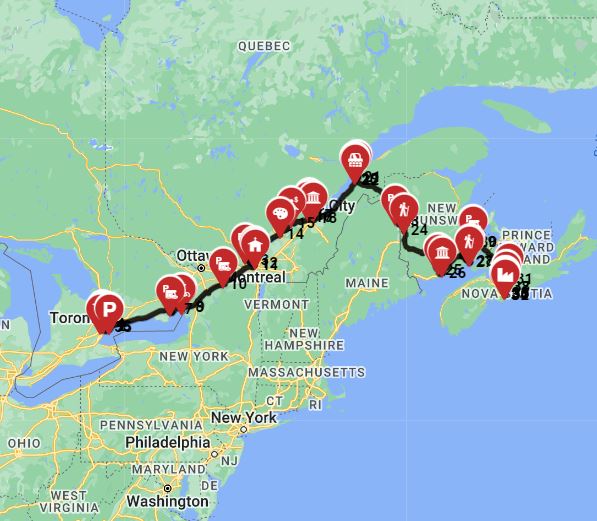
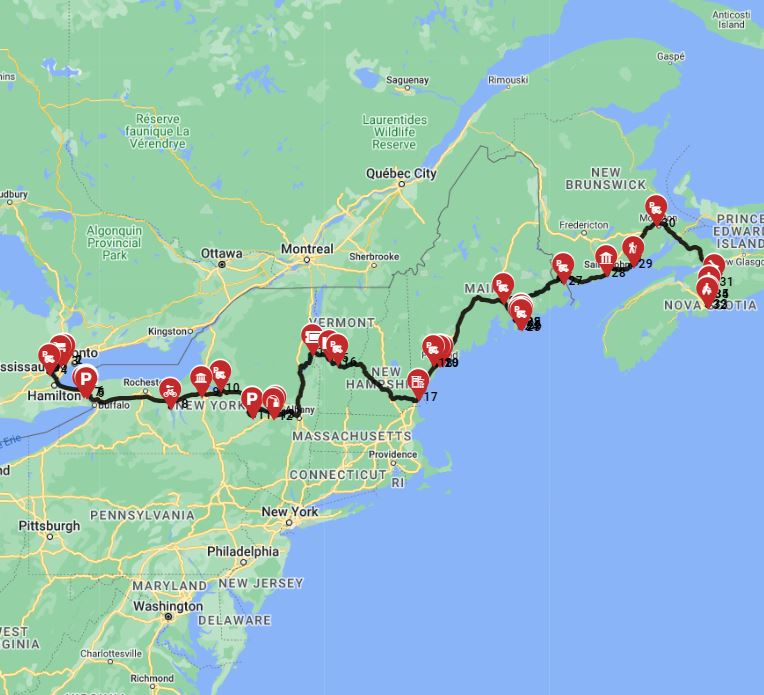
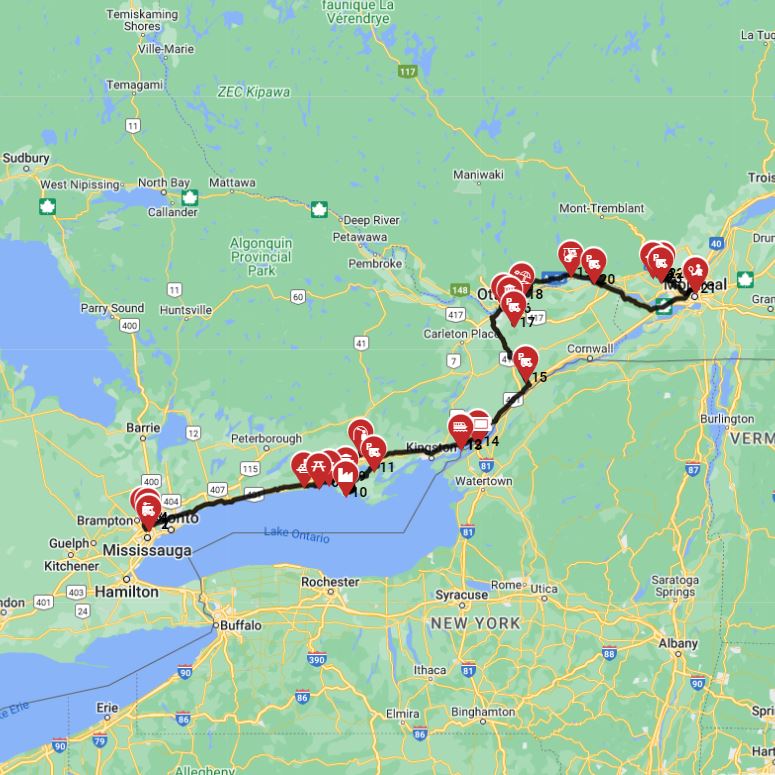
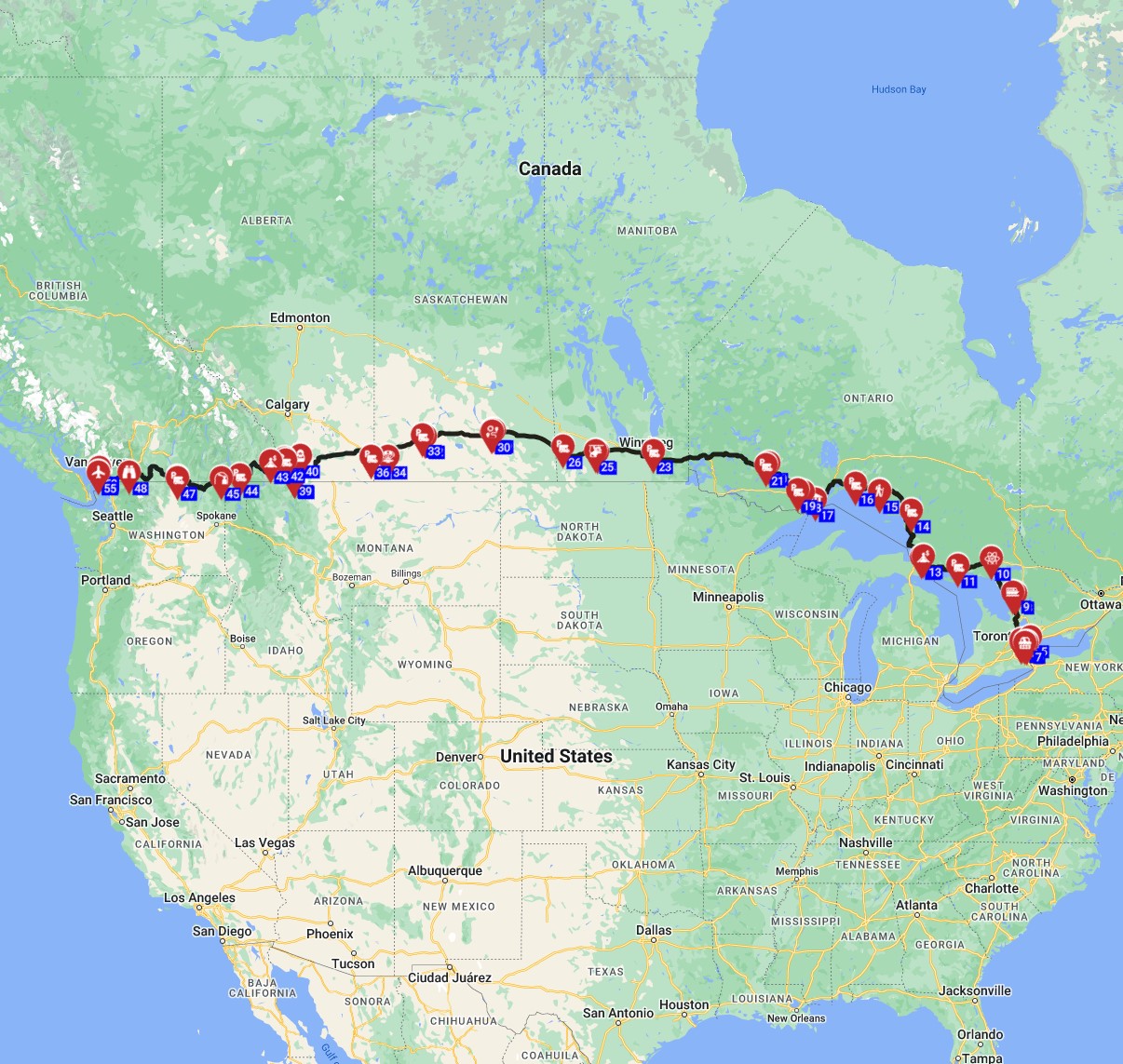
Considering a multi-week adventure? The "Montreal to Toronto" route plan offers an 11-day, 1326.6 km journey, including 1 amusement park, 1 wildlife watch, and 3 traditional markets, providing a structured yet flexible itinerary for your rented camper.
Recommended RV Class for Toronto Roads
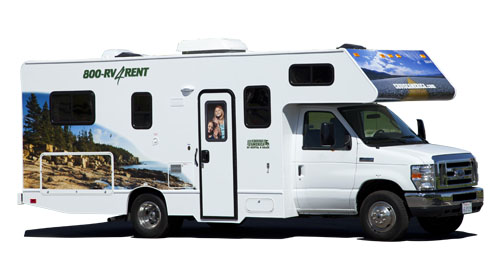
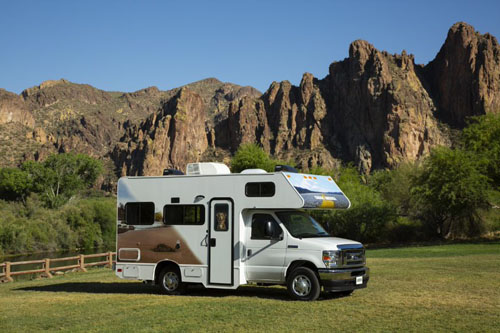
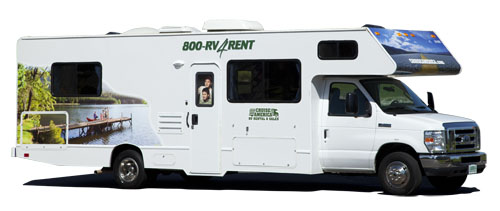
The optimal RV class for navigating Toronto's urban environment and surrounding areas balances comfort with maneuverability. While Class B - Camper Vans, such as the "rv rental denver example Category Van" at roughly 6 meters in length, or Class C - Alcove RVs like the "cruise america rv rental example Explorer", are popular for their more manageable dimensions and easier parking in urban settings, rest assured you can drive almost any size RV without issues. Drive slowly and carefully, just use common sense and pay attention. For extended trips beyond Toronto, larger Class C motorhomes, like the "Jayco Conquest Royale 6" (a Class C - Alcove model), offer enhanced living space and amenities that can greatly improve the long-term rental experience, including features like a refrigerator and shower. The choice ultimately depends on your travel style and how much time you plan to spend directly in Toronto's dense core versus exploring wider Ontario and its beautiful Provincial Parks.
Should I Choose a Compact Van Instead of a Large RV in Toronto?
Choosing between a compact campervan and a larger motorhome for a long-term rental in Toronto involves balancing maneuverability with living comfort. While a compact campervan (Class B), such as the "Active Classic" or "Juliette 2-3", offers superior maneuverability and easier parking within Toronto's dense urban core, a larger RV is generally recommended for long-term rentals to maximize comfort, storage, and living space. Major roads and highways in Toronto and wider Ontario are well-equipped to handle larger RVs, making navigation generally feasible outside of specific congested downtown areas. For extended trips, the additional amenities, such as a full kitchen with gas stove and sleeping capacity for families of 2+2, and storage of a Class C - Alcove or Class A motorhome often outweigh the minor parking inconveniences of a larger vehicle. A compact van genuinely helps when you prioritize quick stops, easy street parking, and plan to spend more time exploring on foot or using public transport from outside the city. However, if your long-term rental involves significant time at campgrounds or exploring wider Ontario, the enhanced comfort and facilities of a larger RV provide a better overall experience for journeys that might include an "RV Travel Guide to Toronto - Tips and Top Spots 2026".
Can I Park Anywhere? Free & Wild Camping Rules in Toronto
No, you generally cannot park anywhere for overnight stays with a rented RV in Toronto city limits. Wild camping and overnight parking are generally not permitted within Toronto city limits or on most municipal properties in Ontario. RV parking in Toronto is primarily restricted to designated campgrounds, private RV parks, or specific parking lots with explicit permission for overnight stays. For example, Indian Line Campground, located conveniently near Pearson International Airport, offers numerous RV-friendly spots with electrical hookups and easy access to the city via public transport. Ontario Provincial Parks, such as Sibbald Point Provincial Park or Darlington Provincial Park, also offer many RV-friendly campgrounds, but reservations are often required, especially during peak seasons like summer. Attempting to wild camp in unauthorized areas can result in fines or being asked to move by local authorities. Rules vary by region, so always check local regulations and follow local law before parking overnight, particularly for long-term stays. For finding campsites and campgrounds during your trip, we recommend using RV PLANET (rvplan.net) - a great resource for locating available spots along your route.
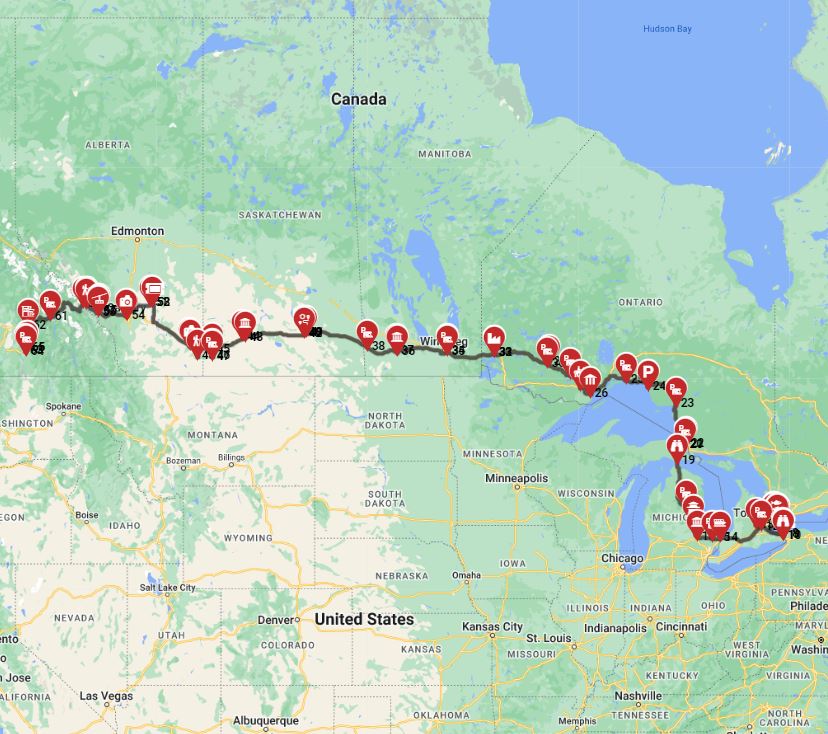
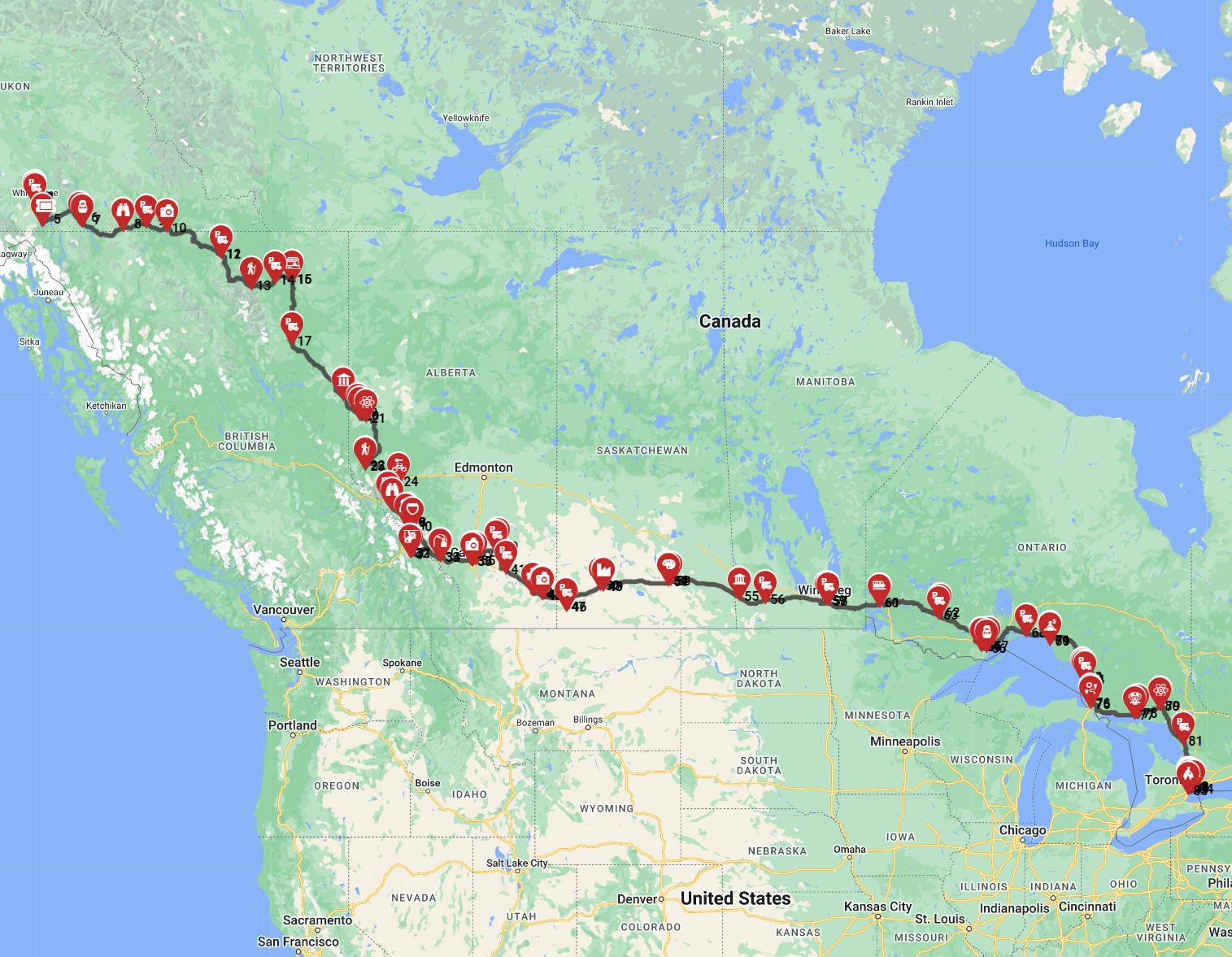
Planning a truly epic adventure? The "Whitehorse to Toronto - The Great Canadian RV Adventure" route plan outlines a 32-day, 6633.5 km journey, featuring 170+ campsites, 4 hiking areas, and 5 points of interest, offering ample opportunities to find suitable overnight parking.
Can I Drive an RV Into the City Center? Heights, Tunnels & Local Signage in Toronto
Yes, you can generally drive a rented RV into Toronto's city center on major arterial roads, but careful attention to local signage is crucial. The primary challenge for RVs in the city center is finding suitable parking, as many underground garages and even some street parking areas have height restrictions, often below 3 meters (10 feet). Always pay close attention to posted height limits for tunnels, underpasses, and bridge clearances to avoid damage, especially on routes leading to the waterfront or core downtown. Be aware of local signage indicating 'no parking' zones, residents-only streets, or specific turning restrictions that apply to larger vehicles. While Toronto doesn't have designated 'environmental zones' for vehicles, the sheer density and prevalence of one-way streets require heightened awareness for RV drivers. Drive slowly and carefully, and you can drive almost anywhere without issues. No need to stress - just use common sense and pay attention. For those considering a more luxurious experience, our Luxury RV Rental in Toronto - Premium Prices 2026 provides details on larger Class A motorhomes and their suitability for urban driving.
What is the new RV law in Ontario?
There haven't been recent significant, sweeping "new RV laws" enacted in Ontario that drastically change the landscape for most recreational vehicle owners or renters. Most current RV laws in Ontario pertain to licensing requirements based on vehicle weight, insurance mandates, and safety standards, which have been in place for many years. Any perceived "new" laws often refer to clarifications of existing regulations or specific updates to areas like towing, safety equipment, or provincial park rules. Drivers should focus on understanding existing regulations regarding vehicle weight classes, required driver's licenses (G, D, or A), and mandatory insurance coverage. For long-term RV rentals, ensure your rental agreement complies with all provincial regulations and that you are adequately insured, optionally upgrading to a top-level deductible for extra peace of mind.
What is the new law on RV licensing in Ontario?
There has not been a recent "new law" fundamentally altering RV licensing in Ontario; the requirements have been consistent for many years. Most recreational vehicles (RVs) in Ontario that are not air-brake equipped and do not exceed 11,000 kg (24,250 lbs) in Gross Vehicle Weight Rating (GVWR) can be driven with a standard G class driver's license. This applies to all Class B, Class C, and most Class A motorhomes available for rent in Toronto. For RVs or RV-trailer combinations with a GVWR exceeding 11,000 kg, a higher class license such as a Class D (for single heavy vehicles) or Class A (for tractor-trailers) may be required. It is crucial for renters to confirm the GVWR of their long-term RV rental to ensure they hold the appropriate Ontario driver's license. Drivers from outside Ontario or Canada must ensure their home license is valid for the RV class they intend to operate and carry an International Driving Permit (IDP) if their license is not in English or French.
How much is RV insurance in Canada?
RV insurance costs in Canada vary significantly based on the type of RV (e.g., a "24' Class C Motorhome" versus a "Class A - Thor ACE 30"), its value, how it's used (e.g., occasional recreational trips vs. extended long-term rentals), the driver's history, and the desired coverage. For long-term RV rentals in Toronto, basic liability insurance is typically included in the rental cost, covering third-party damages or injuries. Renters almost always have the option to purchase additional coverage for physical damage to the rental RV (similar to collision/comprehensive insurance) or enhanced roadside assistance, which can add to the total cost. While annual ownership insurance can range from a few hundred to several thousand dollars, rental insurance typically involves daily or weekly add-on fees, which can be seen in our RV Rental in Toronto - Prices and Best Deals 2026 guide. It is essential to review your personal auto insurance policy for any existing coverage that may extend to RV rentals and discuss all insurance options with your rental provider for comprehensive protection and to understand options like upgrading to a top-level deductible.
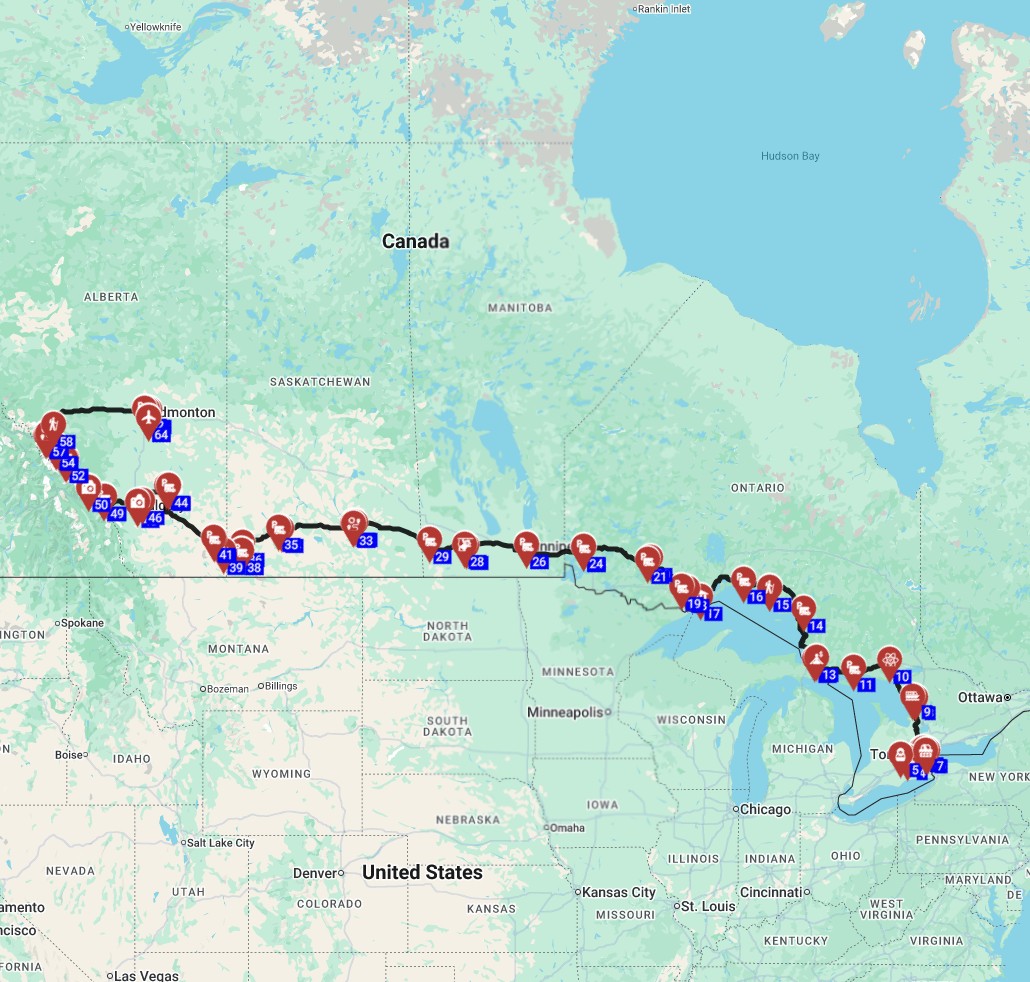
If you're mapping out an extensive journey, the "Toronto to Edmonton - Trans Canada - Big Lakes, Prairie Skies, Rocky Mountain High" route plan covers 23 days and 5125.2 km, including 4 museums and 3 points of interest, where understanding all potential costs, including insurance, is key to a stress-free trip.
What You Shouldn't Miss
- **Explore Niagara Falls:** Just a 90-minute drive in your rented RV from Toronto, witness the majestic Horseshoe Falls. Parking for RVs is available at the Fallsview Casino Resort parking garage or various lots further from the main attraction, easily accessible from the Queen Elizabeth Way (QEW).
- **Discover Bruce Peninsula National Park:** A 3-hour drive north of Toronto, this park offers stunning turquoise waters, dramatic cliffs, and the famous Grotto. Book your campsite at Cyprus Lake campground well in advance for a serene long-term RV stay.
- **Wander through Algonquin Provincial Park:** About a 3-hour journey from Toronto, Algonquin is a wilderness paradise for canoeing, hiking, and wildlife viewing. Numerous RV-friendly campgrounds like Mew Lake and Lake of Two Rivers offer full hookups and amenities for your extended stay.
- **Visit Prince Edward County:** A charming region less than 2 hours east of Toronto, known for its wineries, artisanal food, and beautiful Sandbanks Provincial Park. The park has large, RV-friendly campgrounds (Outlet Beach, Dunes Beach) where you can easily set up camp with your rented motorhome.
- **Stroll Kensington Market:** Back in Toronto, experience the bohemian vibes of Kensington Market. Park your RV at nearby Green P parking lots on Spadina or Augusta, then walk through this vibrant neighborhood, sampling diverse foods and browsing unique shops.
Looking for expert insights from Avi Bandana? Top 5 Adventures - recommendations from Avi Bandana
🎬 Video coming soon
Final Thoughts
Exploring Toronto and its breathtaking surrounding regions by long-term RV rental promises an adventure like no other. Imagine waking up to a different scenic view each day, with the freedom to follow spontaneous detours or stick to expertly crafted route plans. Whether you choose a compact campervan for city-friendly maneuverability or a spacious motorhome for ultimate comfort, the roads of Ontario are ready to be discovered. Remember to embrace slow travel, allowing yourself to truly connect with each destination.
With Bandana, you have a partner committed to full transparency, expert support before and after your booking, and the peace of mind that comes from knowing you're in capable hands. Don't let questions about licenses, road conditions, or parking hold you back. Start planning your epic long-term RV driving adventure in Toronto today.
Find Motorhome Rentals in Toronto